

The ownership experience of a vehicle depends on more than just performance, reliability, or fuel efficiency. One of the most important but often overlooked factors is the quality and honesty of the service network behind the brand.
Service centers shape how owners feel about their vehicles long after the purchase is completed. A good service experience can strengthen brand loyalty, while a negative one can quickly damage trust.
Some automotive brands have built strong reputations for transparent service practices. These companies often focus on clear communication, predictable maintenance schedules, and realistic repair recommendations.
Customers often report that these brands emphasize long term relationships instead of short term profit opportunities. This approach tends to create repeat buyers because owners feel respected rather than pressured.
At the same time, there are brands whose service networks sometimes receive criticism for aggressive upselling.
This can include recommending additional services earlier than necessary, suggesting premium packages without clear explanation, or encouraging preventive replacements that may not always be urgent.
While upselling can be part of business operations, problems arise when customers feel pushed rather than informed.
It is also important to recognize that service experiences can vary by location since dealerships operate independently in many cases.
However, patterns of customer feedback often reveal broader brand cultures around service practices. Some brands invest heavily in customer satisfaction training, while others focus more strongly on revenue targets within service departments.
This comparison looks at brands often praised for straightforward service experiences and others that are frequently associated with upselling complaints. The goal is not to criticize any company unfairly but to highlight how service philosophy can influence ownership satisfaction just as much as engineering quality.
Understanding these differences helps buyers make more informed decisions not only about what they drive but also about who will maintain their vehicle over time.
Also Read: 10 Vehicles With Iron Block Engines Built to Last 400000 Miles
5 Brands With Honest Service Centers
Customer trust is one of the most valuable assets an automotive brand can build, and service departments play a major role in maintaining that trust. Brands that earn positive reputations in this area often do so by focusing on consistency, transparency, and realistic maintenance advice rather than pushing unnecessary services.
These companies usually succeed because they understand that service visits are relationship building opportunities. When customers feel they are receiving honest advice, they are more likely to return for future service and even recommend the brand to others. This long term thinking often becomes part of the company culture.
Another pattern often seen in these brands is predictable maintenance planning. When service intervals are clearly explained and recommendations feel reasonable, customers tend to feel more confident about ownership costs. This predictability reduces anxiety and creates a sense of fairness.
The following brands were selected because they are frequently associated with customer satisfaction in service experiences. While individual experiences can always vary, these companies often receive recognition for emphasizing transparency and customer respect.
1. Toyota
Toyota frequently appears in discussions about positive service experiences because of its long standing focus on reliability and customer retention.
Since the company builds many vehicles known for long life, it benefits from maintaining strong relationships with owners over many years. This often encourages service departments to focus on realistic maintenance rather than aggressive recommendations.
One of the reasons Toyota earns a place here is its emphasis on standardized service schedules.
Many Toyota owners report that service advisors tend to follow manufacturer maintenance plans closely instead of suggesting large numbers of additional procedures. This creates a sense that the process is structured and predictable rather than open ended.
There is also a cultural factor involved. Toyota’s global reputation has long been tied to quality control and process discipline. This mindset often extends into dealership service practices where consistency becomes a priority.
Customers often appreciate knowing what to expect during each visit rather than feeling uncertain about potential surprise recommendations.
I am writing about Toyota because it represents how reliability and service philosophy can reinforce each other.
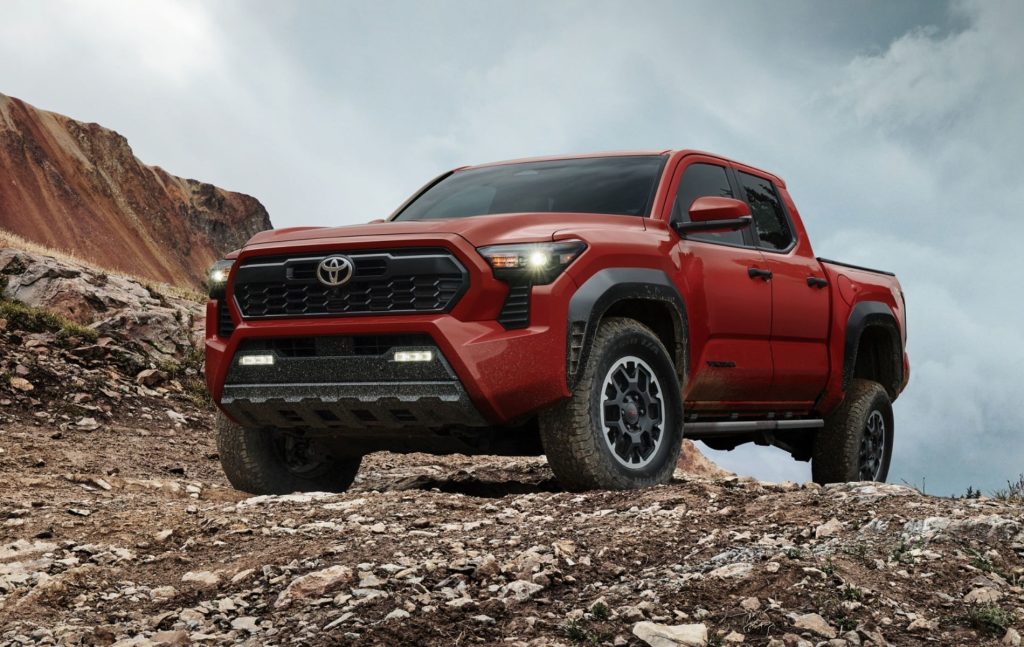
When a company builds vehicles designed to last, it also benefits from treating service as a long term support system rather than a sales opportunity. This alignment helps explain why many Toyota customers remain loyal across multiple purchases.
Another reason this brand deserves discussion is how it shows the financial logic of honesty. Customers who trust service recommendations are more likely to approve necessary repairs without hesitation. That trust can be more valuable than any short term upselling success.
Toyota demonstrates that honest service practices can become a competitive advantage just as important as engineering strength.
2. Honda
Honda deserves recognition in this category because of its consistent focus on practical ownership experiences. Much like Toyota, Honda has built its brand around durability and predictable maintenance. This often results in service departments that emphasize clear explanations rather than complex sales language.
One factor that places Honda here is the simplicity of many of its maintenance programs. Service visits often revolve around well defined intervals and known wear items.
Customers frequently report that recommendations tend to match mileage milestones rather than vague suggestions. This structure can help owners feel that decisions are based on engineering guidance rather than sales pressure.
Another important element is Honda’s customer education approach. Many dealerships emphasize explaining why a service is recommended rather than simply presenting a list of charges.
This communication style can make a significant difference in how customers perceive fairness. When people understand what they are paying for, they are less likely to feel pressured.
I included Honda because it shows how clarity can shape reputation. Service departments that communicate well often avoid misunderstandings even when repairs are necessary. This reflects a company culture that values practical relationships with customers rather than short term gains.
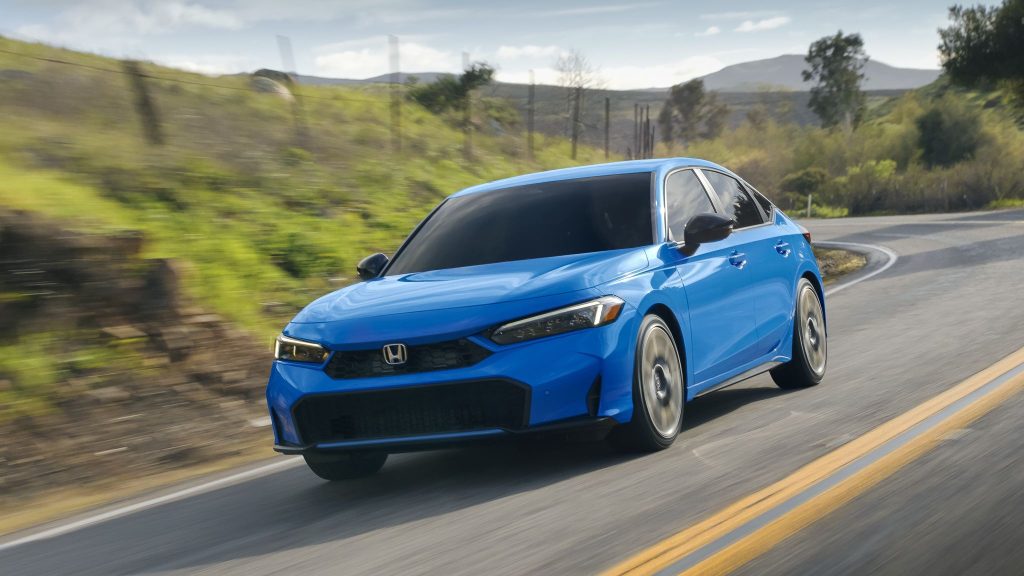
There is also a long term ownership story here. Honda vehicles are often kept for many years, and this encourages service departments to think in terms of lifetime customer value. Treating owners fairly increases the chances they will stay within the brand.
Honda’s presence on this list highlights how trust is rarely built through advertising. It is built through repeated positive experiences where customers feel respected and properly informed.
3. Subaru
Subaru earns a place among brands known for straightforward service experiences because of the unusually loyal customer base it has developed over the years.
Owners of Subaru vehicles often stay with the brand for multiple purchases, and that kind of loyalty rarely develops without consistent after sales support. Service departments play a major role in maintaining this relationship.
One reason Subaru is often viewed positively is the way many of its dealerships approach maintenance discussions.
Customers frequently mention that service advisors tend to focus on necessary items tied to mileage and usage rather than presenting long lists of optional services. This creates the impression that the goal is to keep the vehicle reliable rather than increase the size of each invoice.
There is also a lifestyle factor that makes Subaru interesting in this discussion. Many Subaru owners use their vehicles for outdoor travel, long distance trips, and seasonal driving challenges.
Because of this, service conversations often focus on preventive reliability rather than cosmetic or premium add ons. This reinforces the idea that Subaru’s service culture is connected to practical ownership needs.
I am writing about Subaru because it demonstrates how brand identity can influence service behavior. A company that promotes safety, durability, and everyday usability tends to benefit from service practices that reflect those same values.
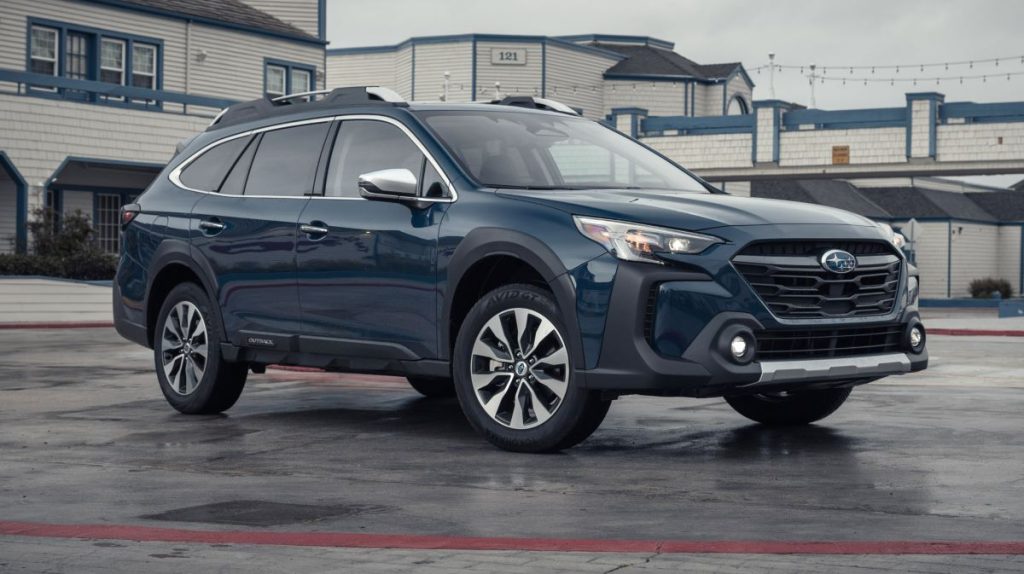
When the message remains consistent between product and after sales support, customer trust tends to grow naturally.
Another reason this brand deserves attention is how it highlights the value of consistency. Customers often appreciate knowing that service recommendations will remain reasonable across different visits. That predictability can become a deciding factor when choosing what brand to buy next.
Subaru shows how trust built through honest service can quietly become one of the strongest forms of brand marketing.
4. Mazda
Mazda belongs in this group because it has built a reputation around customer experience rather than simply sales volume.
As a smaller global manufacturer compared to some competitors, Mazda often depends heavily on owner satisfaction and word of mouth recommendations. This tends to encourage service departments to prioritize relationship building over aggressive revenue strategies.
One of the reasons Mazda often receives positive service feedback is the straightforward nature of its maintenance approach.
The brand tends to avoid overly complex service packages and instead focuses on realistic wear items and manufacturer recommended intervals. This can help customers feel that they are paying for genuine needs rather than optional extras.
Another interesting aspect of Mazda’s service reputation is how it reflects the company’s broader philosophy of balance. Mazda often talks about driver connection and thoughtful engineering.
This mindset sometimes extends into customer care, where the experience is meant to feel personal rather than transactional. Smaller dealership networks can sometimes make this easier to achieve.
I chose to include Mazda because it represents how smaller brands sometimes depend more heavily on customer goodwill. Without the massive marketing budgets of larger companies, maintaining positive service experiences becomes a key competitive advantage.
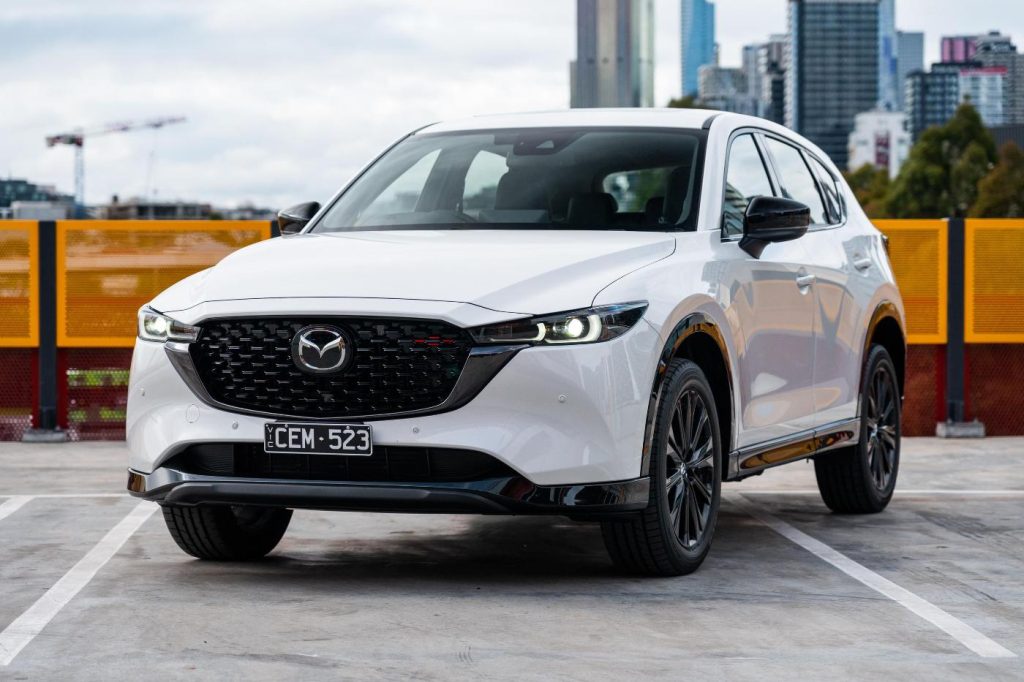
There is also an important ownership lesson here. When customers feel comfortable asking questions and receiving clear answers, they are more likely to maintain their vehicles properly. Mazda demonstrates how respectful communication can indirectly support vehicle longevity.
Mazda’s presence here reinforces the idea that honest service is not only good ethics. It is also good long term business strategy.
5. Lexus
Lexus completes this category because it represents how customer treatment can become a defining part of a luxury brand’s identity.
While many luxury brands focus primarily on performance or technology, Lexus has spent decades building a reputation around service quality and customer care. This emphasis often extends strongly into dealership service departments.
One of the main reasons Lexus is frequently associated with honest service experiences is its strong focus on customer satisfaction metrics. The brand consistently ranks highly in ownership satisfaction surveys, and much of this comes from how service visits are handled.
Clear explanations, scheduled maintenance planning, and transparent cost estimates often form part of the ownership experience.
Another factor that makes Lexus interesting in this discussion is how it approaches luxury differently from some European competitors. Instead of focusing on exclusivity alone, Lexus often emphasizes comfort, reliability, and stress free ownership.
This naturally encourages service departments to prioritize smooth experiences rather than aggressive upselling tactics that could damage long term relationships.
I am writing about Lexus because it demonstrates how service can become part of the product itself. For many Lexus owners, the dealership experience becomes one of the reasons they stay loyal to the brand. That loyalty rarely develops if customers feel they are constantly being pushed toward unnecessary expenses.
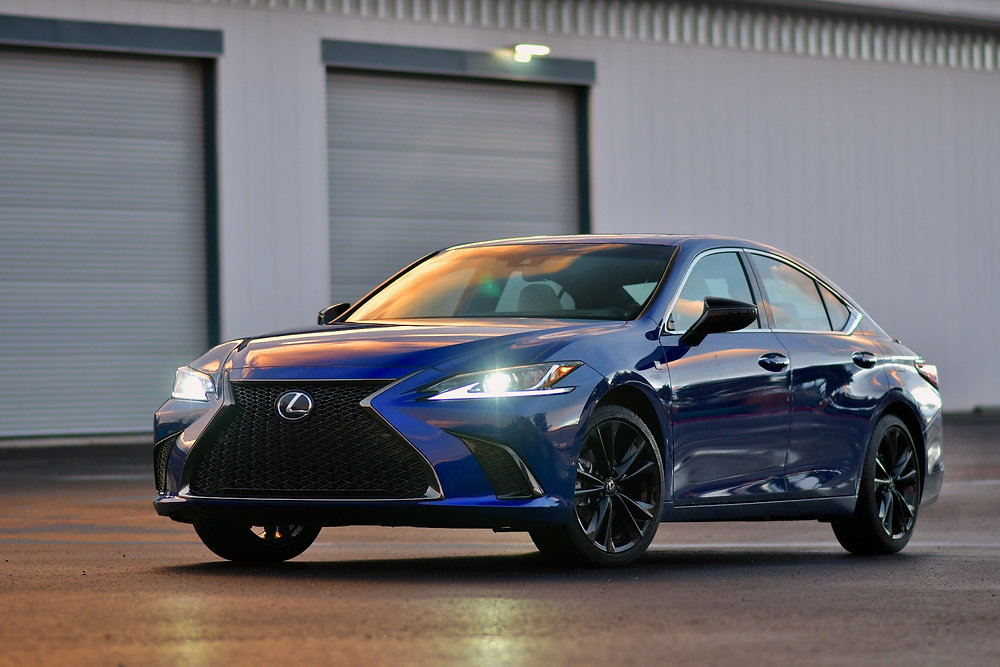
There is also a strategic lesson visible here. Luxury customers often expect premium treatment, but that does not always mean higher pressure sales. Lexus shows that professionalism, honesty, and clear communication can be more effective than complex service packages.
This brand completes the honest service category because it shows how transparency can exist even in higher price segments. Lexus demonstrates that when service departments focus on trust, they often create customers who remain committed to the brand for many years.
5 Brands Known for Upselling
Service upselling is not always negative. In many cases, service advisors recommend preventive work that genuinely protects the vehicle. However, problems arise when customers begin to feel that recommendations are driven more by sales targets than actual vehicle needs. This perception can shape brand reputations over time.
Some brands develop reputations for upselling not because of official company policy but because of dealership culture.
In competitive markets, service departments sometimes operate as major profit centers. This can create pressure to recommend additional services, extended packages, or early replacements that may not always be urgent.
Another reason this topic matters is customer awareness. Modern vehicles are complex, and most owners depend on professional advice.
When recommendations are not clearly explained, customers may feel uncertain about whether services are necessary. That uncertainty can sometimes lead to negative perceptions even when recommendations are legitimate.
The following brands are often discussed in conversations about upselling tendencies. This does not mean every dealership behaves the same way. It simply reflects patterns sometimes reported by customers regarding service recommendations that may feel more sales oriented.
Understanding these perceptions helps buyers know what questions to ask and how to approach service visits with better preparation.
1. BMW
BMW appears in this category because luxury performance brands often operate service departments that reflect the premium positioning of their vehicles.
Maintenance for performance oriented German cars can be complex and expensive, and this sometimes creates situations where customers feel they are being encouraged toward additional services more frequently than expected.
One reason BMW is often mentioned in this context is the structure of luxury service environments. Service advisors may recommend preventive replacements to maintain performance standards.
While this can be technically justified, the frequency of recommendations can sometimes create the impression of upselling, especially for owners unfamiliar with performance maintenance needs.
Another reason I am writing about BMW is the expectations surrounding premium ownership. Customers who buy luxury vehicles often expect flawless performance.
Service departments sometimes respond to this expectation by suggesting early replacement of wear components. While this approach can maintain performance, it can also increase maintenance costs beyond what some owners anticipate.
BMW is included here because it illustrates how brand positioning can influence service behavior.
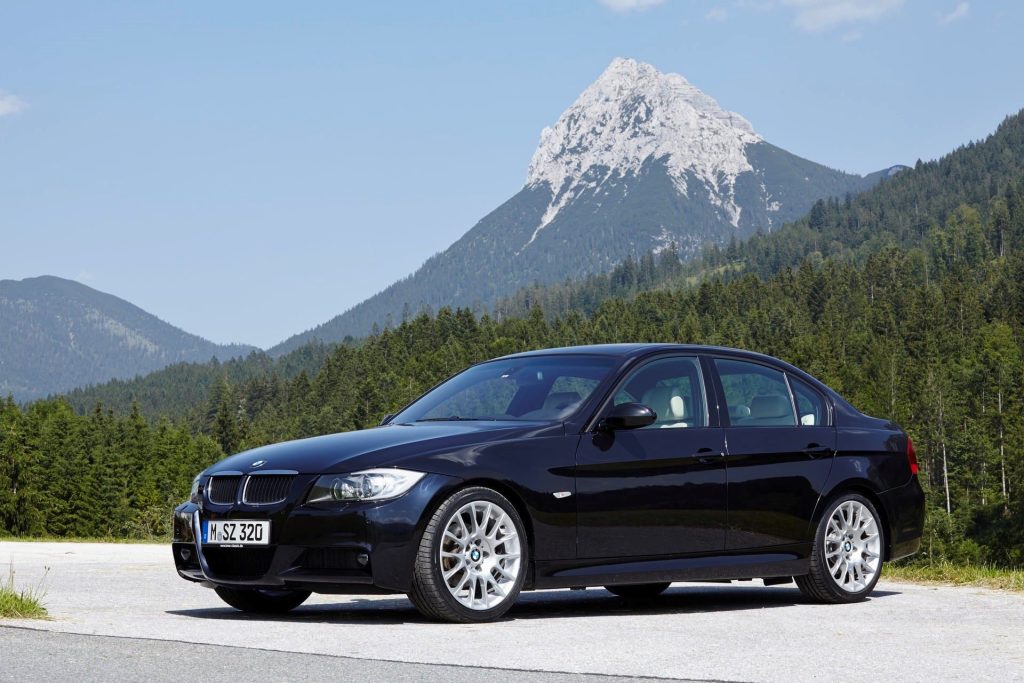
When a brand is associated with precision performance, service departments may lean toward caution by recommending additional work. This may be intended to protect the vehicle, but it can also be perceived differently by customers focused on cost control.
This example highlights how perception plays a major role in service reputation. Even well intentioned recommendations can feel like upselling if customers are not fully informed about the reasons behind them.
2. Mercedes-Benz
Mercedes-Benz also enters this category because of similar dynamics found across luxury automotive service networks. The brand’s focus on advanced technology and high comfort standards often results in service departments that emphasize maintaining peak condition. This sometimes leads to service suggestions that go beyond basic maintenance.
One factor contributing to this perception is the complexity of modern Mercedes vehicles. Advanced electronics, air suspension systems, and performance tuning often require careful monitoring.
Service departments may recommend additional inspections or early part replacements to prevent future issues. While technically reasonable, these recommendations can sometimes feel excessive to cost conscious owners.
Another reason this brand is included comes from the structure of luxury dealership environments. Premium waiting areas, personalized consultations, and detailed service menus can sometimes create a retail like atmosphere.
In such environments, additional services may be presented in ways similar to optional upgrades, which may reinforce the perception of upselling.
I included Mercedes-Benz because it shows how service reputation can be influenced by customer expectations. Buyers entering the luxury segment may not always anticipate the ongoing maintenance strategies used to preserve performance and comfort.
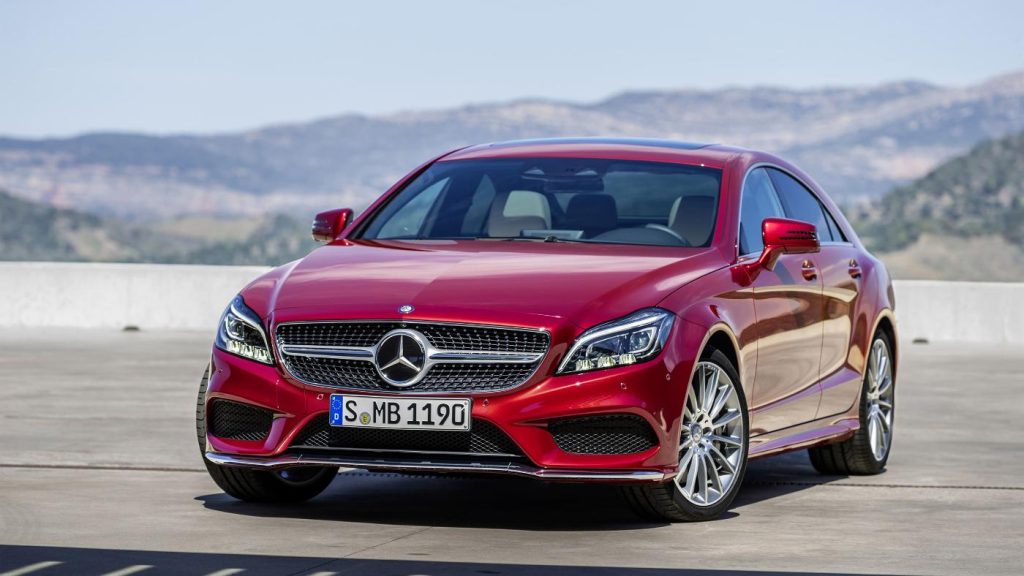
This example demonstrates how communication becomes critical. When customers clearly understand why services are recommended, trust usually improves. When explanations feel rushed or unclear, the same recommendations may be interpreted as unnecessary additions.
Mercedes-Benz helps illustrate how the line between preventive care and perceived upselling often depends on how information is presented.
3. Audi
Audi belongs in this discussion because it represents another example of how premium engineering and tightly integrated technology can sometimes lead to service experiences that customers interpret as upselling.
The brand is known for precision interiors, advanced electronics, and turbocharged performance. These qualities often require attentive maintenance, but they can also increase the number of recommended service actions.
One of the reasons Audi is often mentioned in this context is how preventive maintenance is approached. Service departments sometimes recommend fluid changes, software checks, and component inspections earlier than some owners expect.
From a technical standpoint this may be intended to maintain performance consistency, but from a customer perspective it can sometimes feel like additional selling.
There is also a structural reason worth discussing. Many Audi dealerships operate in competitive luxury markets where service departments contribute significantly to dealership profitability.
This can sometimes lead to very detailed service menus where optional work is presented alongside required maintenance. Without careful explanation, customers may struggle to distinguish between the two.
I am writing about Audi because it shows how technical sophistication can unintentionally complicate customer communication.
When vehicles include complex drivetrains and electronic systems, service discussions naturally become more detailed. Without clear prioritization, customers may assume everything being suggested is urgent.
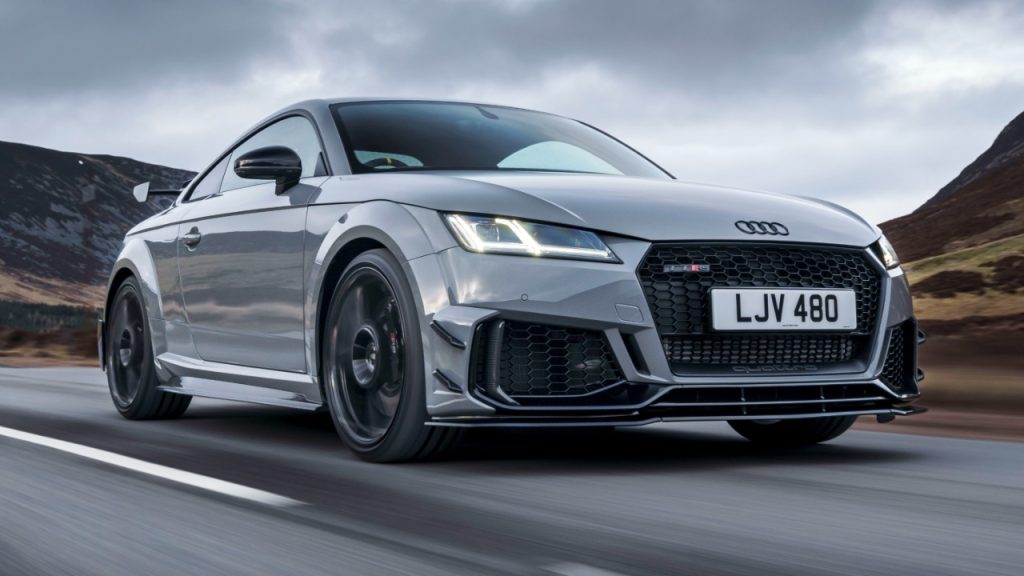
Another reason this brand fits here is the learning curve involved in luxury ownership. Buyers moving from mainstream brands may not be familiar with European maintenance strategies. This difference in expectations can sometimes lead to the perception that too many services are being recommended too quickly.
Audi serves as a strong example of how important clarity is in service conversations. Even legitimate preventive care can feel unnecessary if customers do not fully understand the reasoning behind it.
4. Land Rover
Land Rover is often discussed in conversations about service costs and recommendations because of the complexity of its vehicles and the demanding environments they are designed to handle. These vehicles combine off road capability with luxury features, which naturally increases the number of systems that may require inspection or maintenance attention.
One of the reasons this brand appears in this category is the preventive maintenance culture surrounding it.
Because Land Rover vehicles are often used in varied conditions, service departments may recommend frequent checks on suspension components, drivetrain fluids, and electronic systems.
While these recommendations may be intended to prevent failures, they can sometimes feel excessive to owners who mainly drive on paved roads.
Another factor is the brand’s ownership expectations. Buyers often enter the Land Rover experience expecting premium treatment and top condition performance.
Service departments sometimes respond by suggesting additional care steps that align with this expectation. However, when costs accumulate, this can lead to the perception that customers are being encouraged to spend more than necessary.
I included Land Rover because it highlights how vehicle versatility can influence maintenance strategies.
A vehicle built to handle both luxury travel and difficult terrain naturally requires more attention than a basic commuter car. The challenge comes in making sure customers understand which services are essential and which are precautionary.
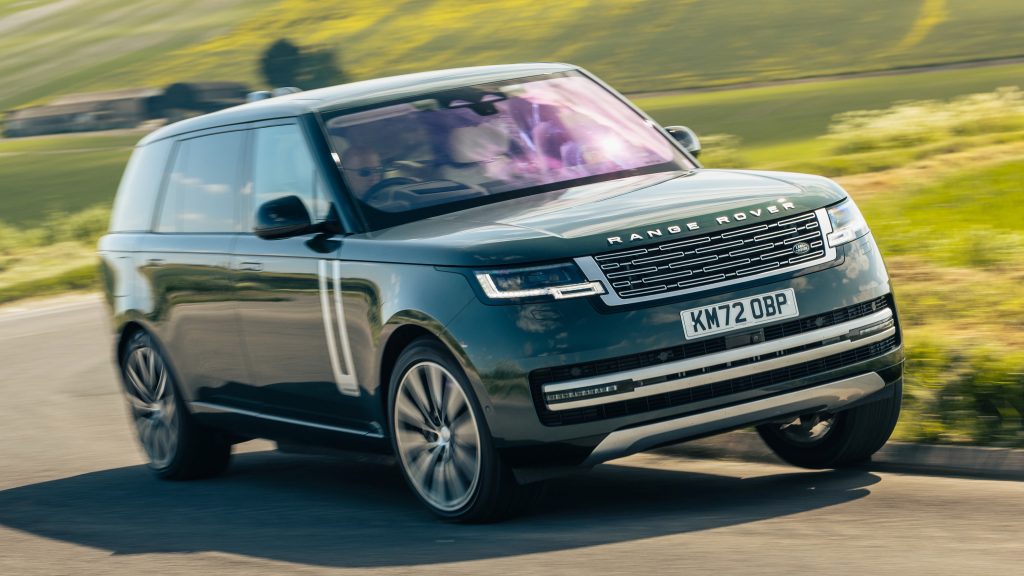
This example helps show how service reputation is often shaped by communication rather than technical necessity. When service recommendations are clearly prioritized, customer confidence usually improves. When everything appears equally urgent, the experience may feel more sales driven than supportive.
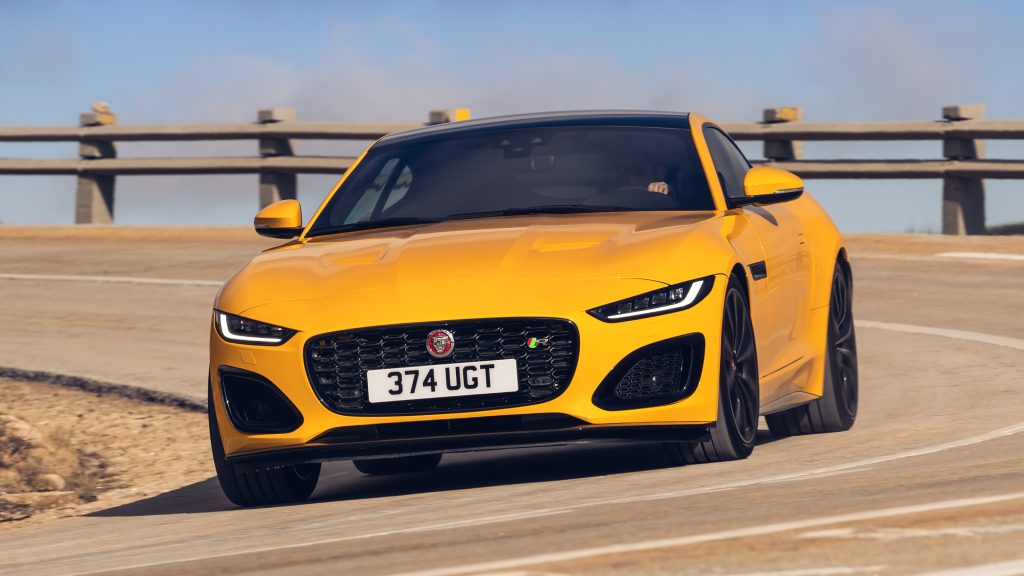
5. Jaguar
Jaguar completes this category because it demonstrates how brand positioning and service expectations can sometimes create a perception of aggressive maintenance recommendations.
As a performance luxury brand with a strong focus on driving refinement and styling, Jaguar vehicles often require specialized attention. This can sometimes translate into service experiences where customers are presented with extensive recommendations.
One reason Jaguar is frequently discussed in this context is the specialized nature of its vehicles. Performance tuning, advanced electronics, and premium materials often require dealership level expertise.
Service departments sometimes recommend additional inspections or component replacements as precautionary steps to preserve driving quality. While this approach may be technically reasonable, customers sometimes interpret it as excessive if the urgency is not clearly explained.
Another factor worth mentioning is how brand scale can influence service perception. Jaguar operates with a smaller dealership network compared to some mainstream brands.
This can sometimes result in service departments placing stronger emphasis on maximizing each customer visit. When multiple recommendations are presented at once, it may create the impression that revenue generation is a major focus.
I am writing about Jaguar because it highlights how expectations shape customer reactions. Buyers entering premium performance ownership may not always anticipate the detailed maintenance planning that comes with such vehicles. When those expectations are not aligned, even normal recommendations can feel like upselling.
This brand also illustrates how important transparency is in maintaining trust. When customers understand which services are essential and which are optional, they tend to feel more comfortable approving necessary work. Without that clarity, even routine suggestions may be viewed with skepticism.
Jaguar belongs here because it shows how easily the line between preventive care and perceived upselling can blur when communication is not perfectly clear.
Looking at these ten brands together reveals an important pattern. Service reputation often depends less on the vehicles themselves and more on how customers are treated after the purchase.
Brands such as Toyota, Honda, Subaru, Mazda, and Lexus demonstrate how transparency and predictable maintenance planning can build long term customer confidence. These companies show that honest communication can become just as important as mechanical reliability.
In contrast, brands such as BMW, Mercedes-Benz, Audi, Land Rover, and Jaguar highlight how premium positioning and technical complexity can sometimes create perceptions of upselling.
These brands often deal with advanced engineering and higher performance expectations, which naturally lead to more detailed service discussions. However, without clear communication, these recommendations may sometimes be interpreted as unnecessary.
What becomes clear is that customer perception plays a powerful role. The difference between helpful preventive advice and unwanted upselling often depends on how well service advisors explain the purpose and urgency of each recommendation. Trust tends to grow when customers feel informed rather than pressured.
Another important takeaway is that buyers should always approach service visits with awareness. Asking questions, requesting prioritization of repairs, and understanding maintenance schedules can help create better experiences regardless of brand.
Ultimately, the most successful service networks tend to be those that treat maintenance as a partnership rather than a transaction. When customers feel respected and properly informed, they are far more likely to remain loyal and satisfied throughout their ownership journey.
Also Read: 10 Used Trucks That Are Overpriced Due to High Demand and Low Supply
