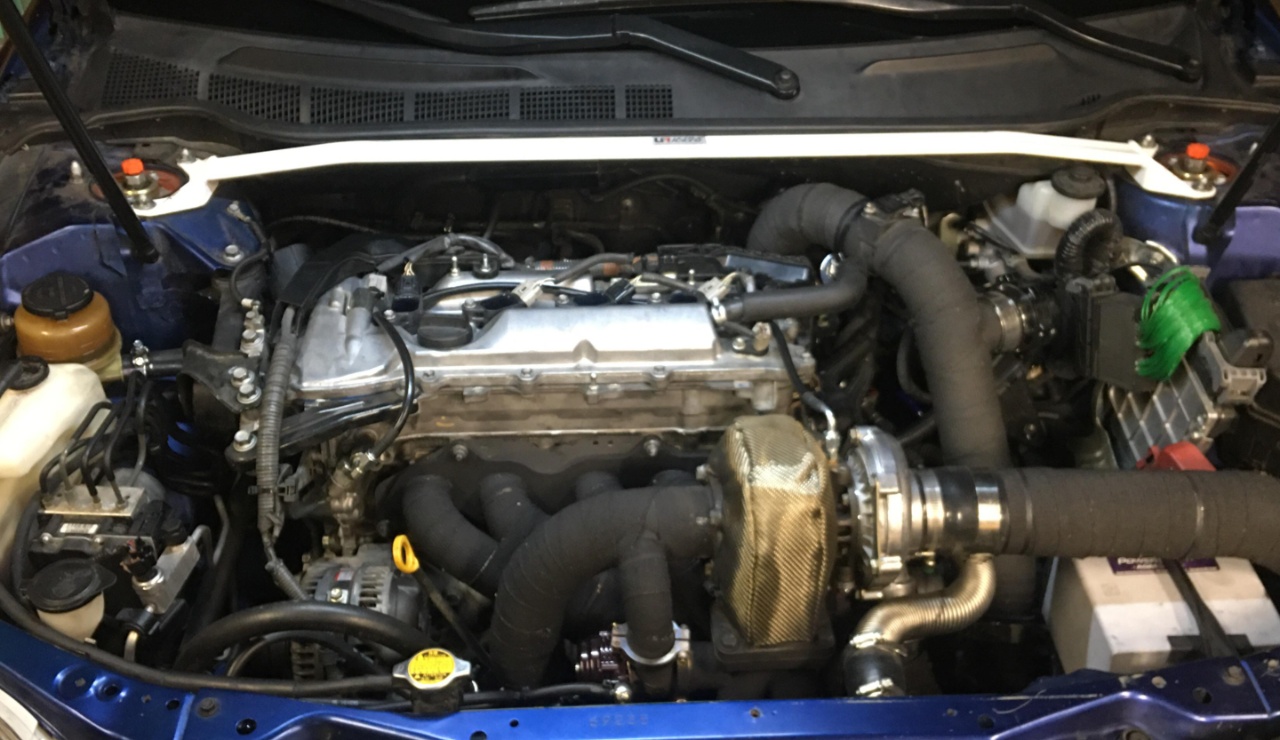
Engines that remain oil-tight even after 150,000 miles are a rare breed in automotive engineering. They represent the pinnacle of durability, thoughtful design, and high-quality materials, proving that longevity and reliability can coexist with everyday drivability.
From Japanese inline-fours to American V8s and European diesels, these engines demonstrate that careful engineering can minimize common failure points such as gaskets, seals, and crankcase pressure, keeping oil inside the engine for decades of service. Owners benefit from lower maintenance costs, cleaner garages, and peace of mind when driving or maintaining their vehicles.
This list highlights ten engines that have earned legendary reputations for resisting oil leaks even under high mileage. It includes the Toyota 2AR-FE, Lexus 1UZ-FE, Honda K-Series, BMW N52, Toyota 2UZ-FE, Mercedes-Benz OM617, Volvo B230 Redblock, GM 3800 Series II, Mazda SkyActiv-G, and Ford 4.6L Modular V8.
Each engine is recognized not only for its leak-resistant construction but also for thoughtful design choices that prioritize longevity, thermal management, and simplicity, offering insights into why some powerplants truly outlast the competition.
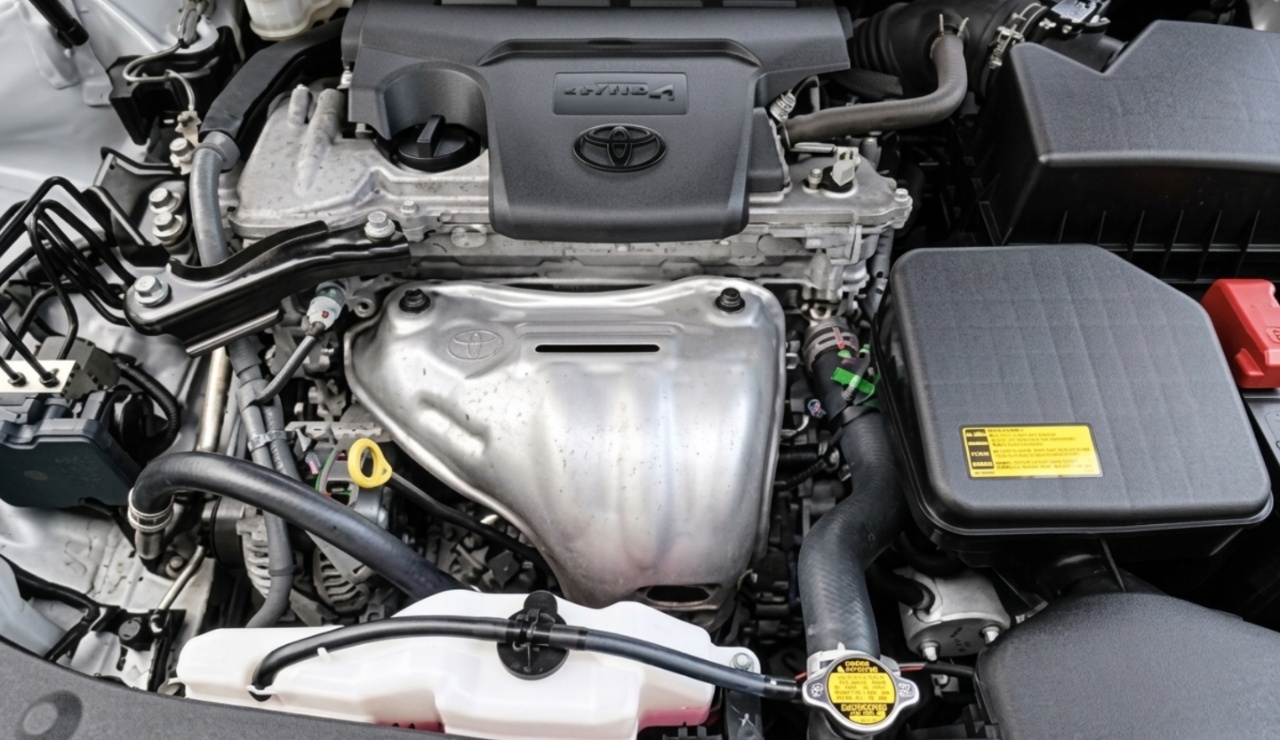
1. Toyota 2AR-FE (2.5L I4): A Durable and Efficient High-Mileage Performer
The Toyota 2AR-FE is a 2.5-liter inline four engine produced from 2008 to around 2019 to 2020. It is widely known for its strong reliability, fuel efficiency, and long service life. Used in high-volume models such as the Camry, RAV4, and Highlander, it has become a key part of Toyota’s reputation for building dependable vehicles.
One of its most notable strengths is its ability to stay oil-tight at high mileage, with many engines reaching 150,000 to 200,000 miles or more without developing external oil leaks.
This durability comes from several important design improvements over the earlier 2AZ-FE engine. The 2AR-FE uses improved piston rings that help reduce oil consumption, along with high-quality silicone-based gaskets that resist wear and leakage.
Its aluminum engine block is precision-machined to maintain its shape under heat, which helps preserve sealing over time. The engine also uses a simple naturally aspirated layout, avoiding more complex systems like turbocharging or direct injection that can introduce additional failure points.
Another key feature is its chain-driven overhead camshaft design, which eliminates the need for a timing belt replacement and reduces long-term maintenance costs. Roller rockers in the valvetrain reduce friction and wear, while an efficient cooling system helps protect seals from heat damage. These features contribute to smooth operation and long-lasting performance.
Despite its strengths, the 2AR-FE does have some minor issues. Early models, especially from 2010 to 2014, were known to experience oil consumption due to oil control ring problems, although this was later addressed. Other concerns include occasional timing chain tensioner noise during cold starts, water pump failures, and VVT i rattling. These issues are generally manageable and not severe.
Proper maintenance is essential for longevity. Regular oil changes every 5,000 to 10,000 miles help prevent buildup and keep internal components functioning well. With consistent care, the 2AR-FE can exceed 250,000 to 300,000 miles. It remains a highly reliable and practical engine choice.
2. Lexus 1UZ-FE (4.0L V8): An Over-Engineered Luxury Powerhouse
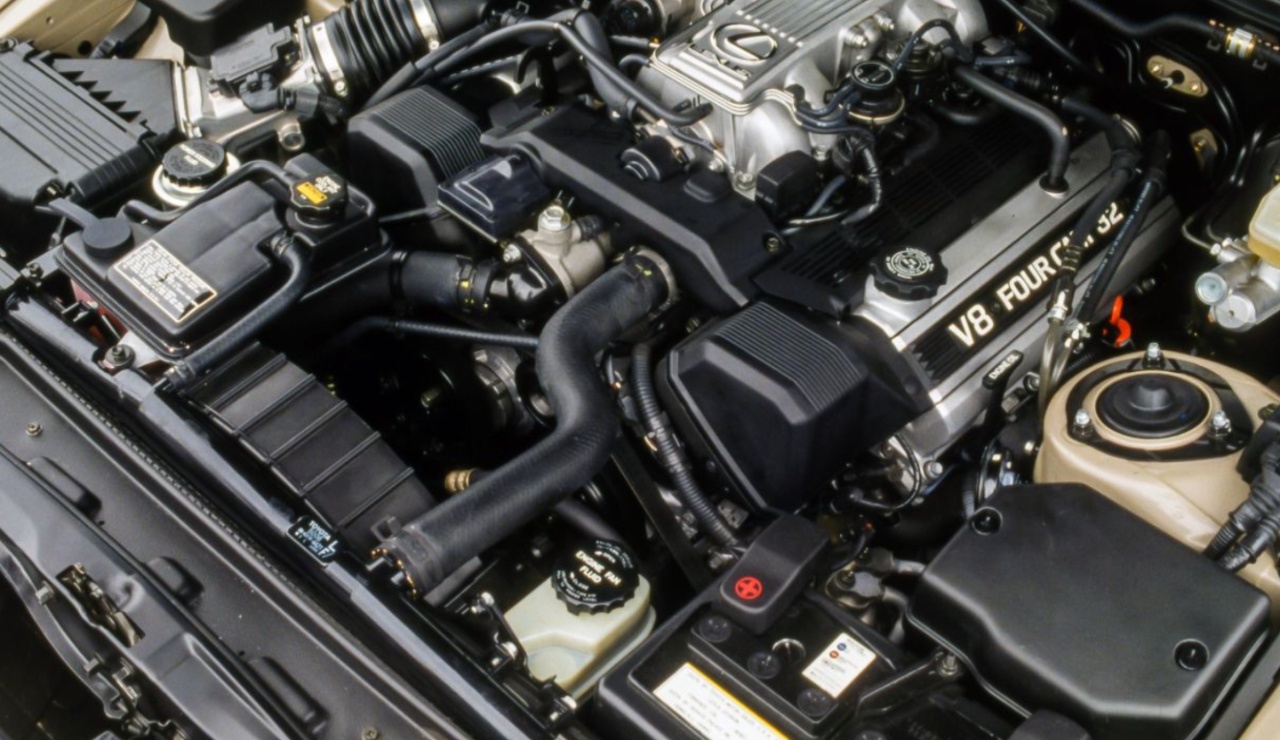
The Lexus 1UZ-FE is a 4.0-liter DOHC V8 engine introduced in 1989 with the debut of the Lexus LS400. Developed with over $1 billion in investment, it is renowned for extreme over-engineering, exceptional smoothness, and legendary longevity.
The engine earned its reputation by consistently surpassing 300,000 miles on original gaskets, with some examples exceeding 500,000 miles with basic maintenance. Its precision engineering, high-quality materials, and meticulous assembly made it a benchmark in reliability, often described as having “Project F1” standards in manufacturing.
A major reason for the 1UZ-FE’s oil-tightness is its over-engineered sealing surfaces. The engine features an all-aluminum block and heads with multi-layer steel (MLS) head gaskets and high-grade Viton rubber seals, which resist heat and hardening over decades.
Components were factory “blueprinted,” meaning each part was produced to tighter tolerances than typical engines. The forged steel crankshaft with eight counterweights reduces vibration, while six cross-bolted main bearing caps increase block rigidity, lowering stress on seals and contributing to its legendary reliability.
Despite its durability, the engine is not entirely maintenance-free. The most common sources of oil weep in very high-mileage engines are ancillary components such as valve cover gaskets, front crankshaft or cam seals, and the oil pump O-ring.
Other minor issues can include power steering pump leaks and starter motor failures in early models. Regular maintenance, including timing belt replacement, is required to preserve its longevity, as it is an interference engine.
The 1UZ-FE was produced from 1989 to 2002, with early non-VVT-i models producing around 250–260 horsepower and 260 lb-ft of torque. Later VVT-i versions, from 1998 to 2002, increased output to approximately 290–300 horsepower and 300–310 lb-ft of torque. Its smooth operation is famously demonstrated with the champagne glass test on the hood of the LS400, highlighting its balanced design and minimal vibration.
Primarily used in the Lexus LS 400, SC 400, and GS 400, as well as Toyota-badged variants such as the Celsior and Soarer, the 1UZ-FE remains a popular choice for engine swaps due to its compact size, robust internals, and tuning potential.
Non-VVT-i engines are preferred for high-boost applications, capable of handling 400–470 horsepower safely. The 1UZ-FE represents one of the most reliable and over-engineered V8 engines ever produced, cementing its place as a benchmark for luxury and durability.
3. Honda K-Series (K20/K24): A High-Revving, Durable Engine Family
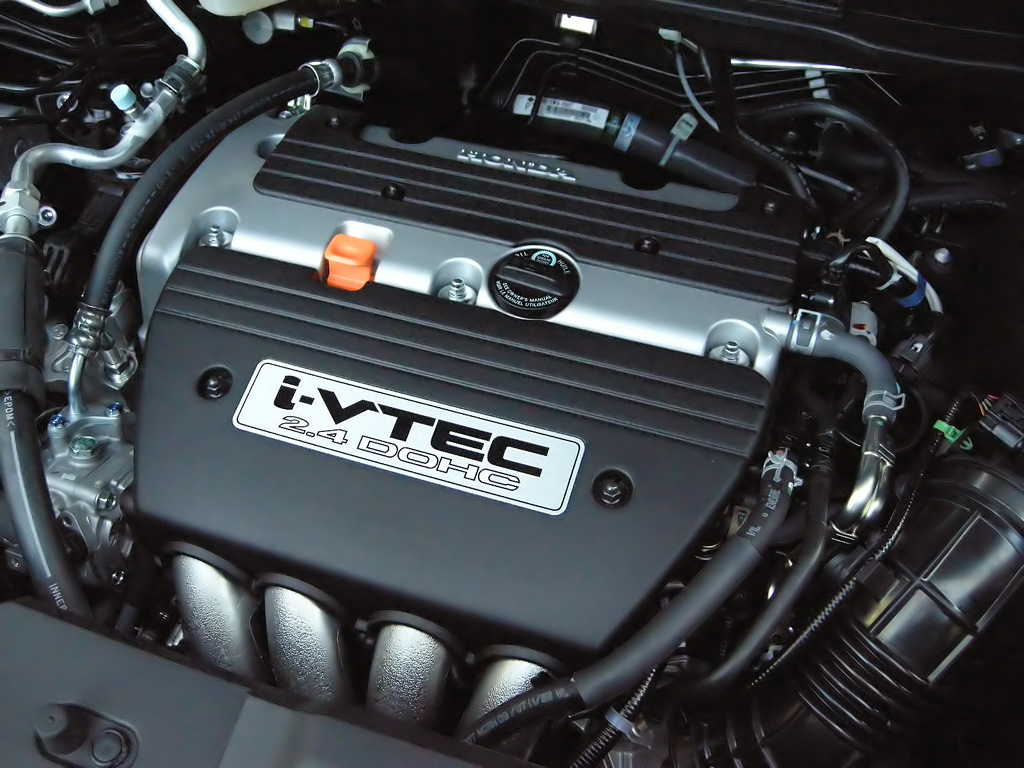
The Honda K-Series engines, including the 2.0L K20 and 2.4L K24, are widely recognized for their robust construction, reliability, and versatility. Found in models such as the Civic Si, Accord, and CR-V, these engines are celebrated for maintaining oil-tight operation well past 150,000 miles, with many examples surpassing 200,000 to 300,000 miles without major leaks.
Their popularity in racing and tuning circles underscores their strength, as the engines can handle high-performance modifications without compromising core sealing or durability.
The K-Series achieves its reputation through a combination of advanced engineering and quality materials. The engine features an all-aluminum block and cylinder head with cast-iron cylinder sleeves, providing lightweight strength and preventing warping that could lead to oil leaks.
Internally, the crankshaft and connecting rods are forged, making them resistant to fatigue and capable of withstanding high stress. A stiff crankshaft girdle reduces block flex under high RPM or load, helping gaskets and seals maintain their integrity. Combined with high-quality gaskets and seals and a well-designed oiling system, the K-Series engines keep the exterior clean and leak-free during normal driving conditions.
Despite their durability, K-Series engines are not completely immune to issues at very high mileage. Some engines may experience leaks from the front or rear crankshaft seals or the VTEC solenoid gasket.
Certain K24 variants are known to consume oil due to piston ring wear, especially if maintenance is neglected or the engine is driven aggressively. Proper care, including the use of high-quality synthetic oil and timely oil changes, is crucial for maintaining the longevity of the seals, timing chain, and other components.
Performance-wise, the K20 engine is known for its high-revving nature, often exceeding 8,000 RPM, making it ideal for sporty applications such as the Civic Type R. The K24 provides more low-end torque, suiting sedans, SUVs, and turbo projects.
The engines’ DOHC design with i-VTEC ensures optimized power across a broad RPM range. Their modular nature has led to popular hybrid builds, such as combining a K20 head with a K24 block, creating a balance of high-end power and torque.
The Honda K-Series is a highly versatile and durable engine family. With forged internals, efficient thermal management, and reliable sealing, it excels in both daily driving and high-performance applications, making it a top choice for enthusiasts and engine swap projects.
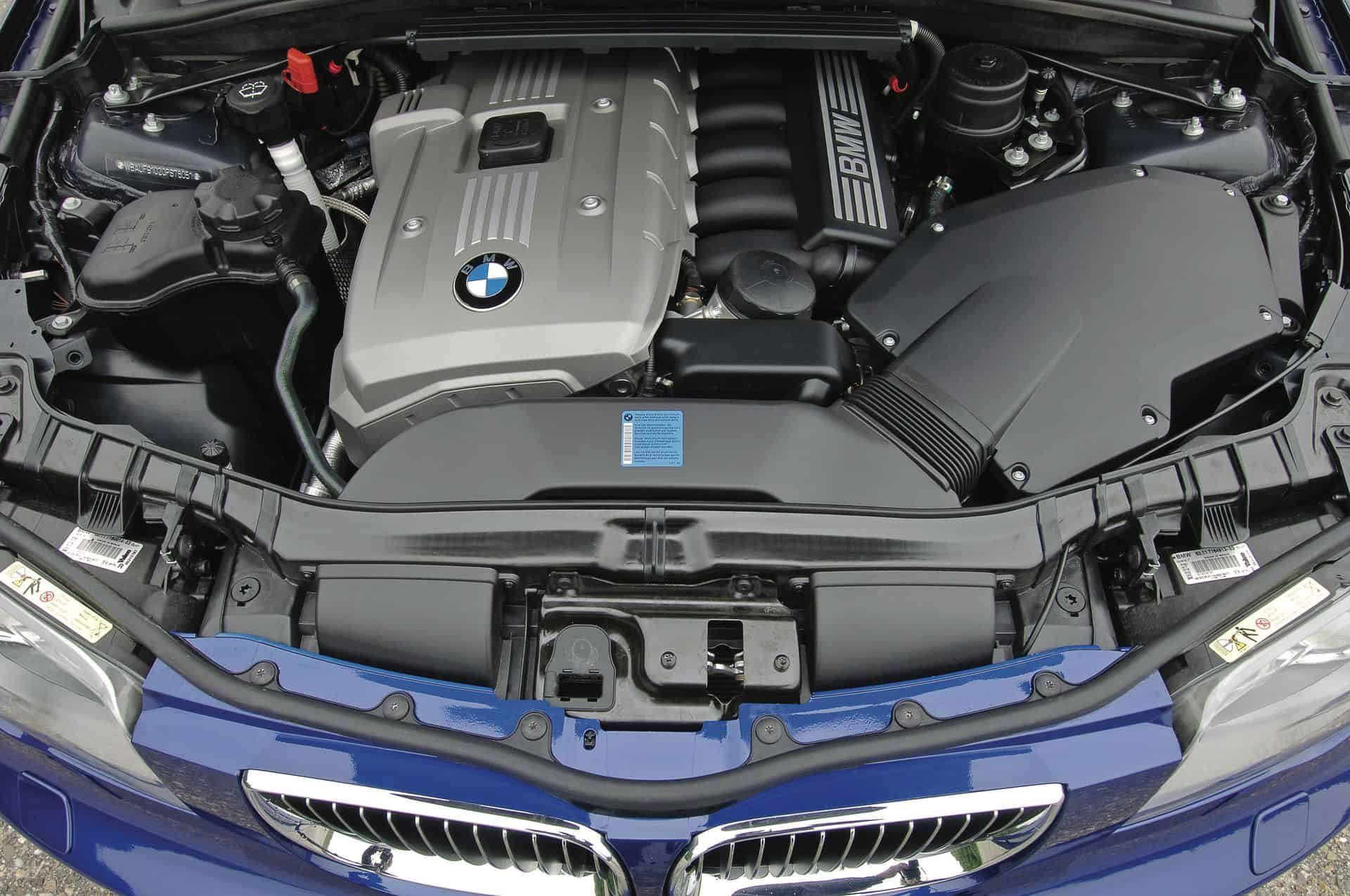
4. BMW N52 (3.0L Inline-6): A Naturally Aspirated Reliability Benchmark
The BMW N52 is widely regarded as one of the brand’s most reliable modern engines, produced from 2004 to 2015. It was the last naturally aspirated inline-six before BMW shifted heavily toward turbocharging, which allows it to avoid the extreme heat and stress associated with forced induction.
This design contributes to long-lasting gaskets, seals, and internal components, enabling many N52 engines to surpass 150,000 miles and some to exceed 200,000 miles with proper care. Its magnesium-aluminum composite block is both lightweight and rigid, reducing warping and thermal stress that can lead to leaks in lesser engines.
The engine’s reputation for durability is supported by its robust materials and engineering. Port fuel injection avoids carbon buildup on intake valves, simplifying maintenance compared to later direct-injection engines. Forged internals such as pistons, rods, and crankshaft provide strength under high-rev conditions.
The VANOS variable valve timing system uses durable seals, and the naturally aspirated design reduces thermal and mechanical stress, preserving the engine’s longevity. Valvetronic variable valve lift contributes to smooth, linear power delivery while enhancing efficiency.
Despite its strong reliability, the N52 is not entirely free from oil leaks, particularly at high mileage. Common leak points include the valve cover gasket, which can warp over time, the oil filter housing gasket, and the oil pan gasket. These issues are often predictable and manageable with routine maintenance, which is why the engine has a reputation for reliability rather than leak immunity.
Other known concerns include electric water pump failures, VANOS solenoid clogs, and occasional ticking from hydraulic lifters caused by low oil pressure, especially in pre-2009 models.
Performance-wise, the N52 delivers between 215 and 265 horsepower depending on the variant, revving smoothly up to 7,000 RPM. Its naturally aspirated design provides the classic BMW inline-six feel, known for silky smoothness and a distinct mechanical engine note. Light and efficient construction improves handling balance while offering strong daily-driving performance.
The BMW N52 remains a standout engine for enthusiasts seeking a modern, high-revving inline-six with long-term reliability. With regular oil changes, preventative cooling system maintenance, and timely gasket replacements, it continues to perform reliably for high-mileage applications while delivering the iconic smoothness and driving experience that defines BMW’s naturally aspirated inline-six engines.
5. Toyota 2UZ-FE (4.7L V8): A Rugged, High-Mileage Workhorse
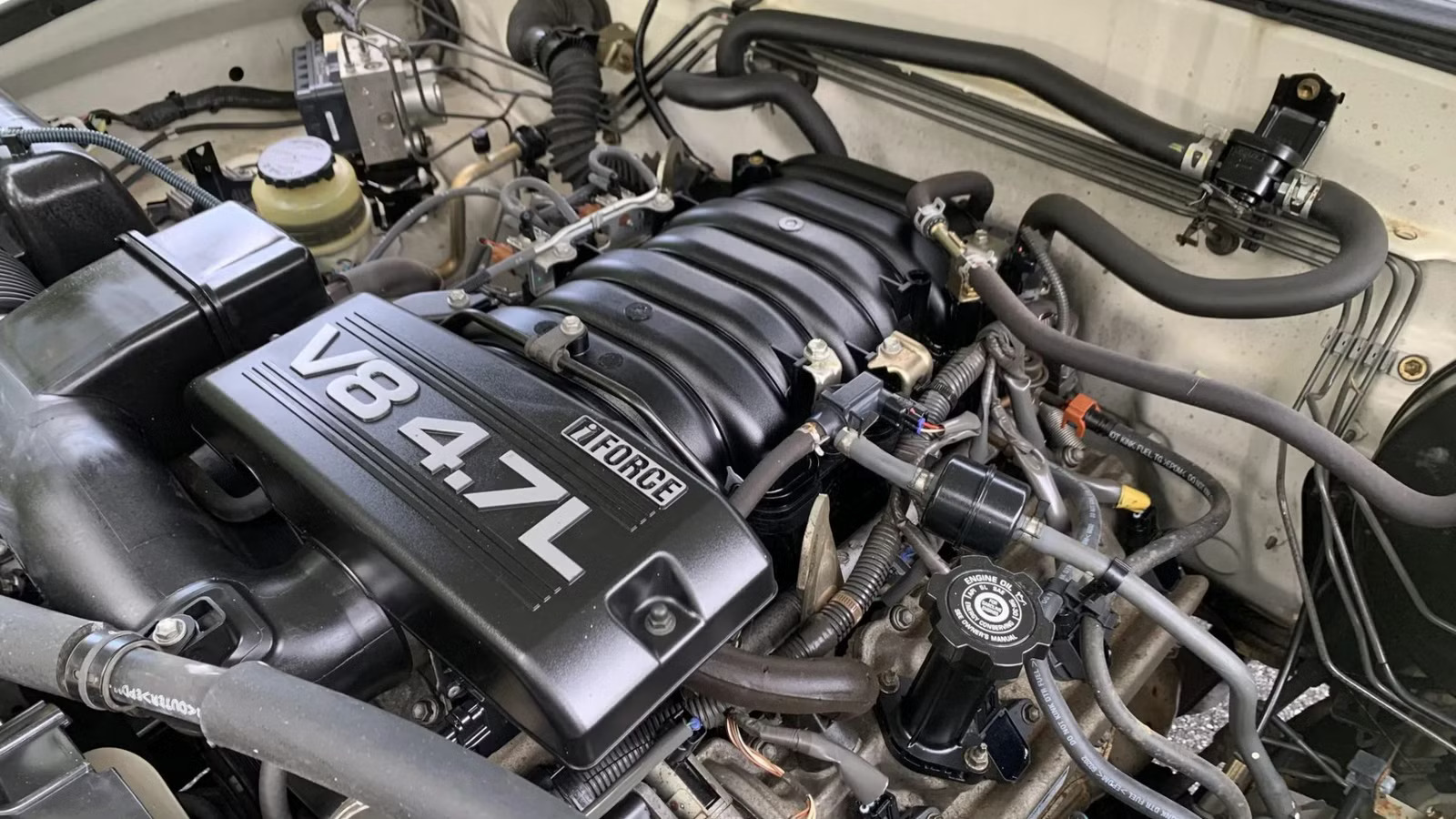
The Toyota 2UZ-FE is a 4.7-liter V8 engine produced from 1998 to 2011, widely recognized for its extreme durability and reliability. Designed for heavy-duty applications in the Tundra, Sequoia, and Land Cruiser, it is the “truck” engine of the UZ family, built to endure high thermal stress and demanding workloads.
Unlike its aluminum-block siblings, the 2UZ-FE uses a cast-iron block, offering exceptional strength, rigidity, and resistance to warping or cracking. This foundational durability, combined with conservative tuning, ensures that many 2UZ-FE engines exceed 250,000 miles with little to no oil seepage, making it a favorite for towing, off-roading, and long-term ownership.
The engine’s longevity and oil-tight reputation stem from several key design features. High-quality gasket and seal materials, including steel-laminate head gaskets, prevent premature leaks. Forged steel crankshafts, sintered connecting rods, and high-temperature aluminum alloy pistons provide robust internal durability, while conservative power output reduces stress on seals, bearings, and gaskets.
The timing belt, replaced every 90,000 to 100,000 miles, combined with routine cooling system maintenance, including water pump, hoses, and thermostat, helps the engine remain cool, protecting head gaskets and preventing leaks over decades of use.
While extremely reliable, the 2UZ-FE is not entirely impervious to age-related wear. Minor seepage can occur at the valve cover gaskets, rear “half-moon” plugs, or crank seals in very high-mileage engines.
These issues are generally easy to address and are considered routine maintenance rather than major flaws. Other common high-mileage concerns include cracked exhaust manifolds, which create a ticking noise, and water pump replacement during timing belt service.
Performance-wise, the 2UZ-FE is torque-focused rather than high-revving, making it ideal for towing and hauling heavy loads. Its low-RPM design preserves internal components, while the iron block ensures stability under sustained stress. Unlike the smoother 1UZ and 3UZ V8s used in Lexus sedans, the 2UZ-FE excels in reliability and longevity under demanding conditions.
The Toyota 2UZ-FE is a rugged, overbuilt engine designed for decades of heavy-duty use. Its cast-iron block, conservative tuning, and robust internals make it one of the most reliable V8s Toyota has ever produced, capable of exceeding 300,000 miles with basic maintenance and remaining a dry, dependable powerhouse for trucks and SUVs.
Also read: 5 Cars With Simple Mechanical Cooling Fans vs 5 With Complex Electric Fan Modules
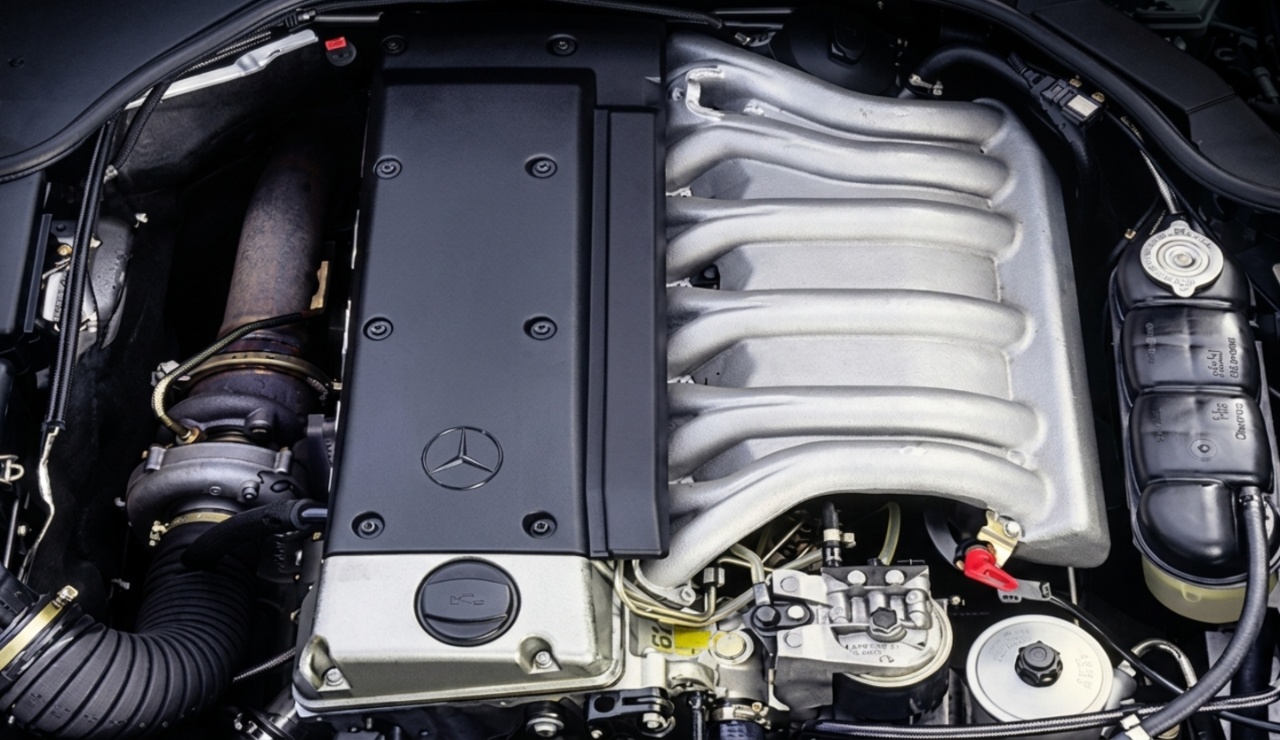
6. Mercedes-Benz OM617 (3.0L Diesel): The Quintessential High-Mileage Workhorse
The Mercedes-Benz OM617 is a 3.0-liter inline-five diesel engine produced from 1974 to 1991, widely regarded as one of the most reliable engines ever built. Known for its extraordinary longevity, many examples surpass 500,000 miles on original internals, with some exceeding one million miles with proper care.
Its reputation for resisting major oil leaks stems from its over-engineered design during Mercedes-Benz’s golden era, emphasizing durability, simplicity, and mechanical robustness over raw performance.
A key factor in the OM617’s durability is its cast-iron construction. Both the block and cylinder head are made of robust cast iron, which maintains structural rigidity, reduces warping, and preserves gasket sealing surfaces over decades of use.
The engine was conservatively tuned for longevity rather than high power, producing between 77 and 125 horsepower in naturally aspirated form, with turbocharged variants offering more torque. This low-stress design minimizes wear on gaskets, seals, and internal components.
Mechanical simplicity also contributes to its longevity. The OM617 uses a fully mechanical Bosch fuel injection system with minimal electronics, reducing high-pressure failure points and making diagnostics and repairs straightforward. High-quality gaskets and precision sealing surfaces further enhance oil-tight performance.
While early units with rope-style rear main seals could weep, most engines remain virtually leak-free even at high mileage, particularly with routine maintenance such as oil changes, valve adjustments, and keeping the engine within normal operating temperatures. Minor leaks that do appear typically involve the valve cover gasket, oil filter housing, or turbo drain tube.
The OM617’s design is also well-suited for extreme applications. It is frequently used in taxi fleets and harsh environments worldwide, demonstrating resilience under severe neglect and heavy loads. Its reputation extends to project vehicles, including biodiesel conversions and swaps into off-road trucks and older SUVs, where reliability is paramount.
Performance-wise, the engine is slow compared to modern standards, with a distinct diesel clatter, yet it remains smooth and manageable for long-distance driving. Its fuel economy, parts availability, and ease of maintenance make it a favorite among enthusiasts seeking a “set it and forget it” engine.
The Mercedes-Benz OM617 stands as a benchmark for mechanical longevity and reliability. Its cast-iron durability, low-stress mechanical design, and simple fuel system allow it to endure hundreds of thousands of miles with minimal oil leakage, earning it a legendary status among diesel engines and a reputation as one of the most overbuilt and dependable engines ever produced.
7. Volvo B230 “Redblock”: The Legendary Swedish Four-Cylinder Workhorse
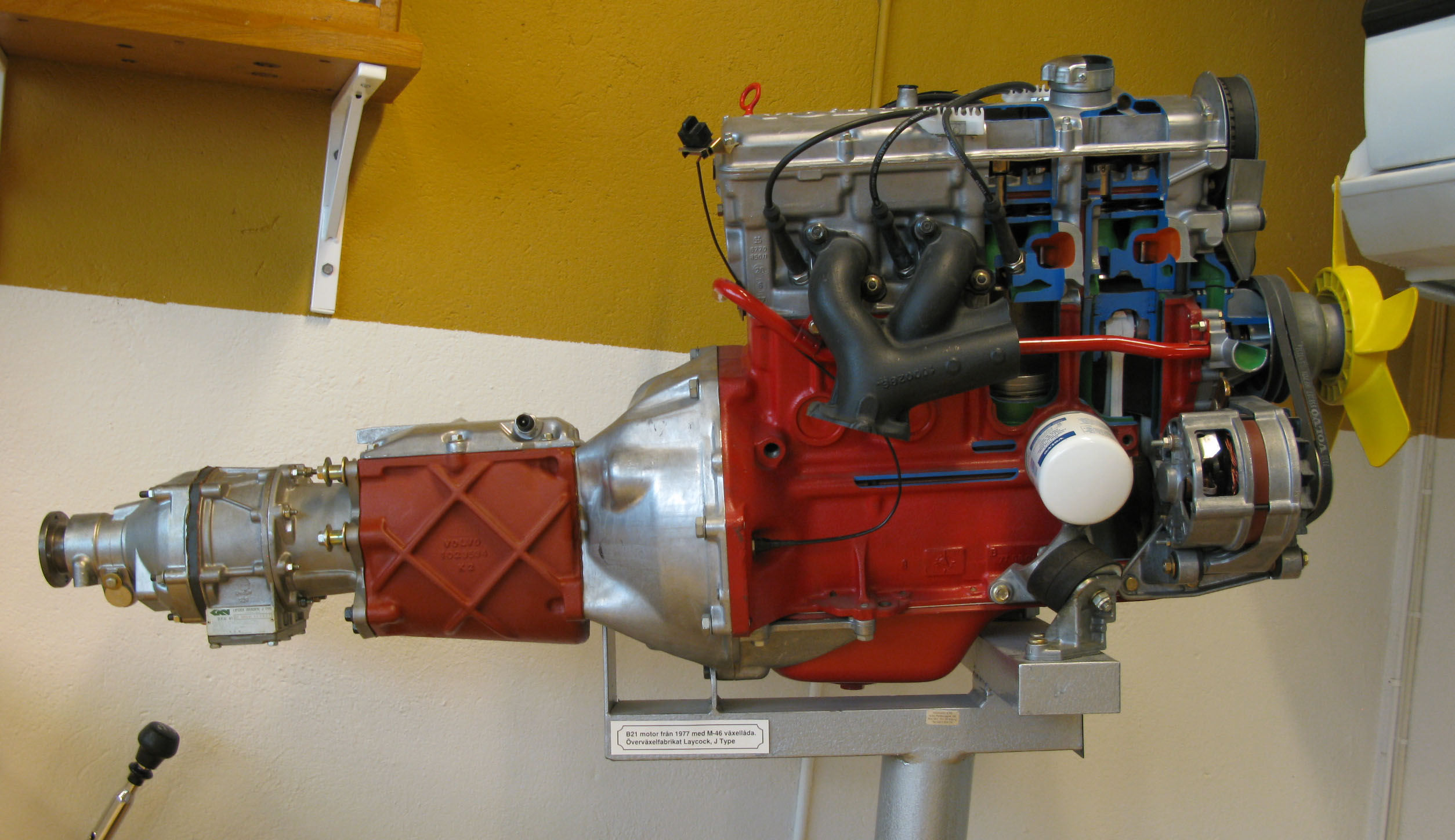
The Volvo B230, part of the iconic “Redblock” family produced from 1974 to 1998, is celebrated as one of the most durable and reliable four-cylinder engines ever made. Known for its distinctive red-painted cast-iron block, the B230 powered legendary Volvo models such as the 240 and 740 series.
Its reputation for extreme longevity comes from a combination of overbuilt construction, simple engineering, and climate-tested materials designed to remain pliable in freezing conditions. Many B230 engines exceed 200,000 miles with minimal oil loss, while some have surpassed 300,000 miles and beyond with routine maintenance.
A core factor in its reliability is the heavy-duty cast-iron block, which resists warping and cracking better than modern lightweight aluminum engines. Cast iron’s low thermal expansion reduces stress on gaskets and seals, preserving oil-tight performance over decades.
The engine’s single overhead cam (SOHC) design also simplifies mechanical components, reducing potential leak points. Later B230 variants, particularly post-1993, include oil squirters that cool the pistons and minimize blow-by, combined with an effective three-ring piston design that maintains compression and prevents oil migration.
The B230’s non-interference configuration in most 8-valve models is another hallmark of its durability. A broken timing belt will not cause catastrophic valve-to-piston damage, making repairs far simpler and less costly.
Low-stress tuning prioritizes longevity over high horsepower, reducing internal pressures that could compromise seals. Turbocharged variants, such as the B230FT and B230FK, offer increased power potential without sacrificing the engine’s robust nature, making it a favorite among tuners and racers.
While the B230 is remarkably oil-tight, high-mileage examples still require attention to the PCV/flame trap system, valve cover gaskets, and oil breather components to maintain its “bone-dry” reputation. Early engines (1989–1992) had weaker connecting rods, but later models addressed these issues with thicker rods and additional oil squirters for enhanced durability.
The B230’s simple design, cast-iron construction, and proven longevity make it a favorite for high-mileage enthusiasts, tuners, and engine swap projects. With its strong aftermarket support, interchangeability of parts, and ability to tolerate heavy use, the Redblock remains a true “survivor” engine.
It is ideal for daily driving, racing, or performance builds, combining reliability, tunability, and decades of Swedish engineering excellence in a single robust package.
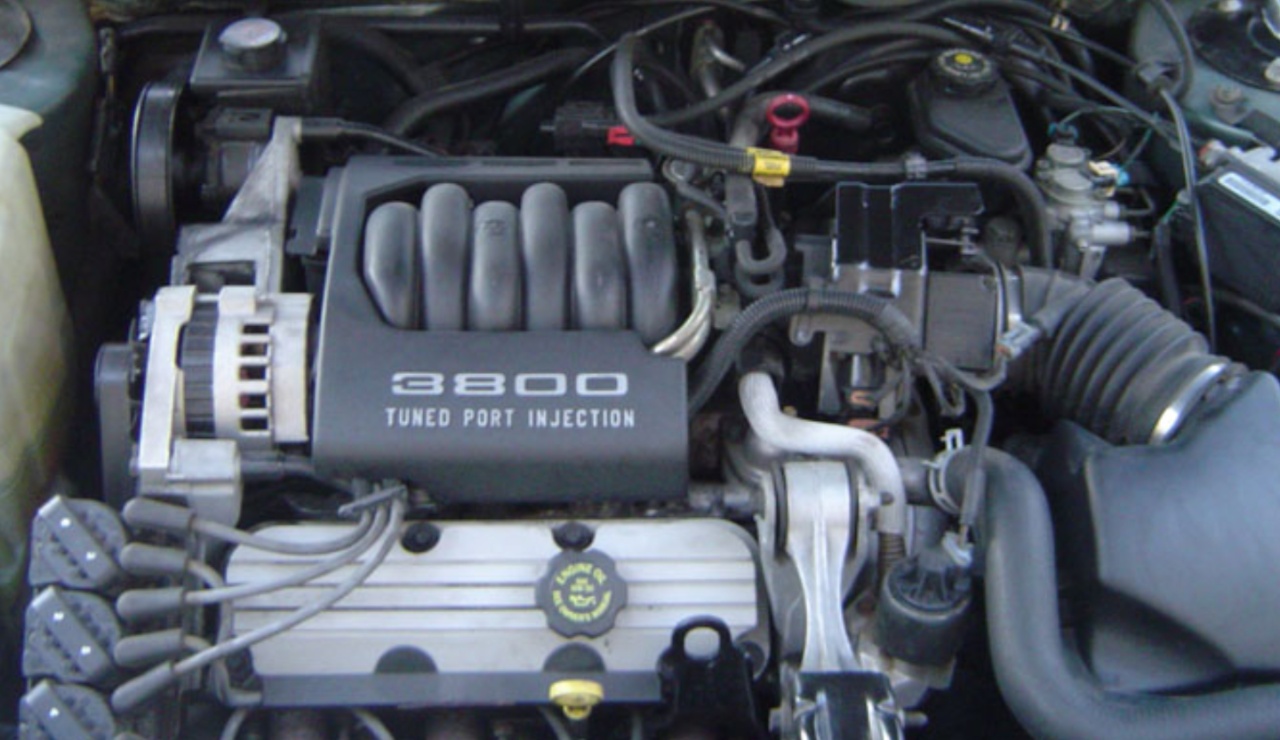
8. GM 3800 Series II: The American V6 That Refuses to Quit
The General Motors 3800 Series II (3.8L V6) is widely regarded as one of the most reliable and long-lasting American engines ever produced. Found in numerous GM mid- to full-size cars, including the Buick Regal, LeSabre, Pontiac Grand Prix, and Chevrolet Impala, it is celebrated for its durability, simplicity, and oil-tight design.
Many well-maintained examples exceed 200,000 to 300,000 miles while maintaining a “dry” engine exterior, earning a reputation rivaling that of top Japanese engines.
The Series II improved upon earlier 3800 iterations by addressing common weaknesses and refining its design. Key improvements include enhanced elastomer gaskets for valve covers and oil pans, a one-piece rear main seal to prevent leaks, and cross-bolted main bearing caps for added rigidity.
The engine’s cast-iron block and iron cylinder heads resist warping under heat, preserving sealing surfaces over hundreds of thousands of miles. Its pushrod design is inherently simpler than overhead cam engines, with fewer seals and leak points. Moderate power output, around 205 horsepower in naturally aspirated form, reduces stress on the engine, further contributing to longevity.
While the 3800 Series II is famously oil-tight, certain components can fail with age and mileage. Valve cover gaskets are the most common minor oil leak source, often causing oil to drip onto exhaust manifolds.
The oil pressure sending unit may also leak, creating minor maintenance tasks. A notable vulnerability lies in the plastic lower intake manifold and upper intake gaskets, which can fail and allow coolant leaks, posing a risk of engine damage if neglected. Plastic coolant elbows can also become brittle and leak over time.
The 3800 Series II combines reliability with ease of maintenance. Its straightforward pushrod architecture allows inexpensive repairs, and replacement parts are widely available. The supercharged L67 variant, found in Pontiac Grand Prix GTP and Buick Regal GS models, provides a popular platform for tuning, capable of handling significant power increases without compromising the engine’s legendary durability.
The GM 3800 Series II is a durable, reliable, and oil-tight V6 that thrives with proper maintenance. Addressing intake gaskets and other aging plastic components ensures decades of dependable service. Its overbuilt cast-iron construction, conservative tuning, and simple design make it one of the finest domestic engines ever produced, capable of high mileage and even performance upgrades without losing its legendary resilience.
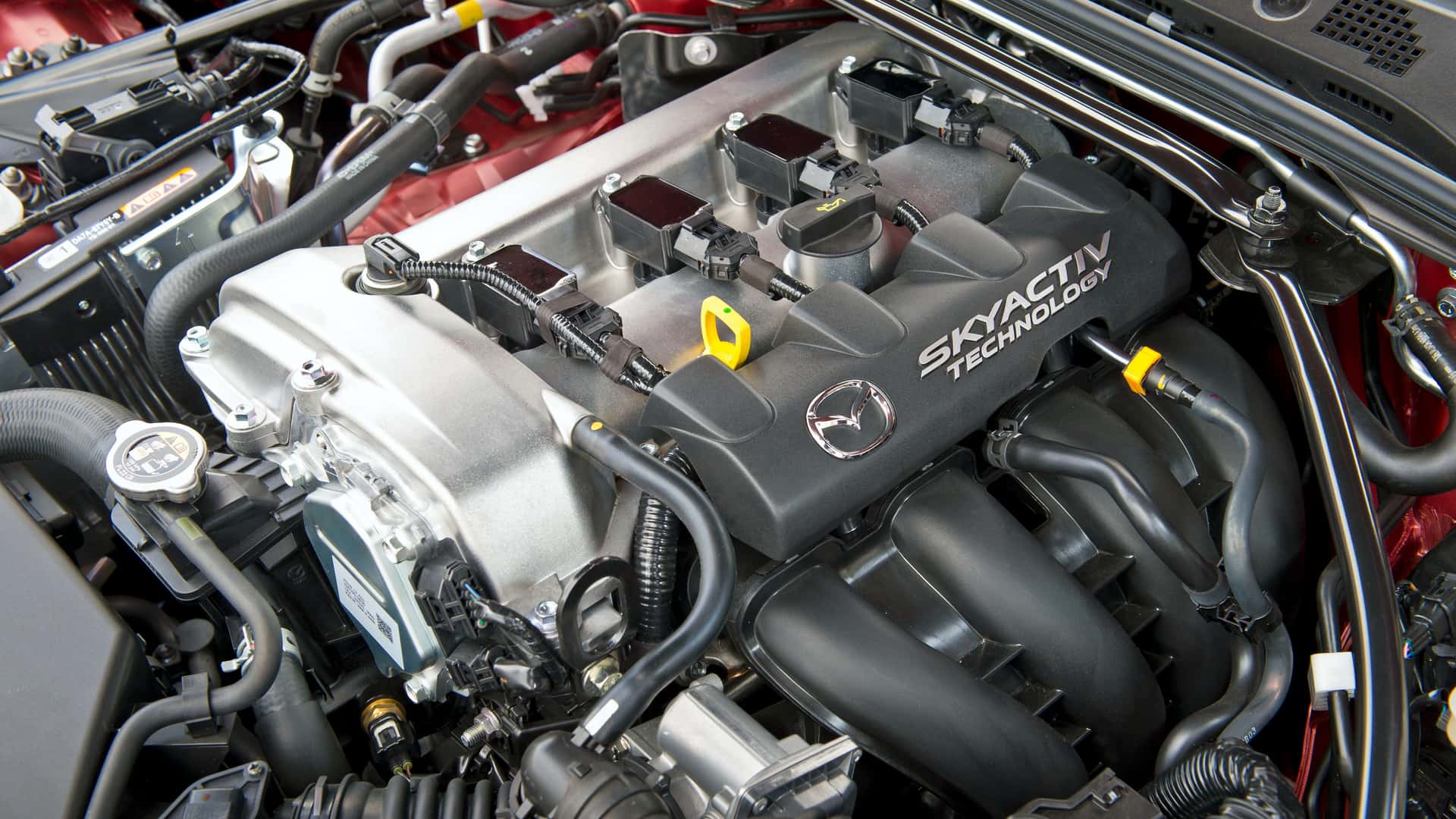
9. Mazda SkyActiv-G 2.0L/2.5L: Modern Engines Built to Stay Dry
The Mazda SkyActiv-G 2.0L and 2.5L engines are celebrated for their exceptional reliability, oil-tight design, and long-term durability, even at 150,000 to 200,000+ miles.
Unlike turbocharged engines, these naturally aspirated powerplants achieve high compression without the common sealing and gasket issues seen in many modern high-performance engines. Their reputation for staying “dry” stems from a combination of advanced engineering, precise manufacturing, and careful thermal management.
One of the SkyActiv-G’s key advantages is its simple, naturally aspirated design. With no turbocharger oil feed lines or high-pressure components, there are fewer potential leak points. The engines are under-stressed, prioritizing efficiency over extreme peak power, which reduces thermal stress on gaskets and seals.
The aluminum block is engineered for rigidity, keeping cylinder surfaces perfectly aligned to prevent gaps where oil could seep. Additionally, modern high-quality gaskets and sealants, combined with precision assembly, ensure long-term durability.
The engines also manage internal pressure exceptionally well. A well-designed positive crankcase ventilation (PCV) system prevents excessive blow-by from stressing seals, while reduced piston ring tension and redesigned crankshafts lower friction and minimize strain on main seals.
These design choices collectively preserve oil-tight integrity across high mileage, a feature uncommon in many high-compression modern engines.
Long-term reliability, however, depends on proper maintenance. SkyActiv-G engines require synthetic 0W-20 oil to protect internal seals, and the PCV valve should be serviced regularly to prevent oil dilution and pressure buildup.
Owners who follow these maintenance protocols often report engines free of leaks even past 150,000 miles. It’s important to note that this reputation applies primarily to the naturally aspirated 2.0L and 2.5L engines; the 2.5L Turbo variant may experience oil or coolant issues due to different design parameters.
In terms of performance, the SkyActiv-G engines provide smooth, linear power and refined operation. The 2.0L produces around 155 PS, ideal for city and daily driving, while the 2.5L delivers 187–250 hp with better torque for higher-speed applications.
Combined with well-matched six-speed manual or automatic transmissions, these engines offer engaging throttle response and efficient fuel economy, thanks to high compression, cylinder deactivation, and optimized exhaust design.
The Mazda SkyActiv-G engines exemplify modern reliability and engineering excellence, offering a dependable, oil-tight, and refined platform for buyers prioritizing longevity, efficiency, and driving enjoyment over turbocharged performance.
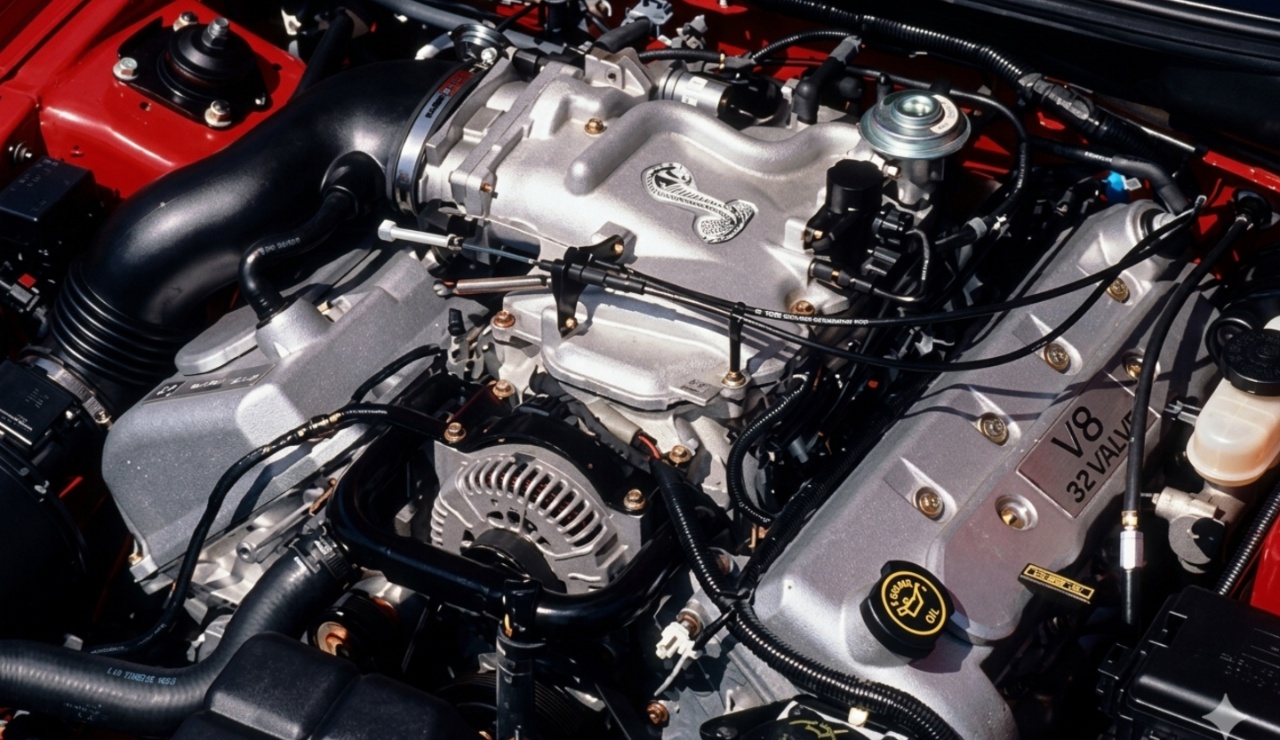
10. Ford 4.6L Modular V8 (SOHC 2-Valve): Proven High-Mileage Reliability
The Ford 4.6L Modular V8 (SOHC 2-valve) is known as one of the most durable and leak-resistant American V8 engines. Designed for demanding applications such as police interceptors, taxis, and other fleet vehicles, these engines often reach 150,000 to over 300,000 miles without significant oil leakage.
Their reputation for reliability comes from a combination of overbuilt construction, conservative power output, and careful engineering.
A key factor in the 4.6L’s durability is its robust design. The engine is built to handle stresses well beyond its rated output, reducing strain on gaskets and seals. High-quality molded rubber materials are used for components like valve covers, oil pans, and timing covers.
These gaskets include crush limiters to prevent over-tightening and ensure sealing surfaces remain intact even after repeated maintenance. Tight internal tolerances and the use of low-viscosity oil such as 5W-20 reduce internal pressures that could compromise seals over time.
The 2-valve SOHC configuration also contributes to longevity. Unlike later 3-valve or 4-valve Modular engines, it does not include complex components like cam phasers, which can be prone to failure.
The engine has proven itself in real-world fleet use, with many examples in Crown Victoria Police Interceptors surpassing 300,000 miles under heavy idling, high-speed driving, and stop-and-go conditions. This demonstrates the engine’s ability to maintain structural integrity and resist major oil leaks.
Minor seepage can occur with age. Common areas include the rear main seal and timing cover bolts. Early models from 1996 to 2001 sometimes experienced coolant leaks from plastic intake manifolds, and pre-1996 engines could have valve stem seal wear that caused oil burning rather than external leaks. Routine maintenance, including using Motorcraft oil filters to prevent drain-back, is essential to keep the engine leak-free.
The Ford 4.6L SOHC V8 is a highly reliable engine designed for long service life. Its low internal stress, high-quality gaskets, and simple yet overbuilt construction make it one of the few American V8s capable of achieving extremely high mileage while keeping oil leaks minimal. It is a proven choice for fleet use and for owners seeking a durable, long-lasting engine.
The engines on this list demonstrate that longevity and leak-free performance are not just luck but the result of precise engineering, high-quality materials, and a focus on reliability over extreme performance.
Whether it is Toyota’s 2AR-FE and 2UZ-FE, the over-engineered Lexus 1UZ-FE, or the robust American GM 3800 Series II and Ford 4.6L V8, these powerplants have proven themselves in real-world conditions, from city commuting to fleet duty.
European examples such as the BMW N52 and Mercedes OM617 show that naturally aspirated or mechanically simple designs can significantly reduce stress on seals and gaskets, preserving oil-tight integrity.
By combining cast-iron durability, precision machining, modern gasket technology, and thoughtful thermal and internal pressure management, these engines provide decades of reliable service while minimizing oil leaks.
They set benchmarks in the automotive world for engineers, enthusiasts, and owners seeking high-mileage reliability, demonstrating that with the right design, engines can stay dry, dependable, and functional well past 150,000 miles.
Also read: 10 Cars That Are Cheap to Buy But Cost a Fortune to Insure for Young Drivers