
Door handles are one of the most overlooked components on a vehicle, until they fail. Unlike engines or transmissions, they don’t get much attention in marketing brochures or buying guides.
Yet, they are among the most frequently used parts of any car, touched multiple times daily in all weather conditions.
Over time, poor materials, flawed engineering, or cost-cutting decisions can turn a simple handle into a recurring annoyance, or worse, a costly repair.
In colder regions across the United States, door handles are especially vulnerable. Freezing temperatures, ice buildup, and repeated stress can expose weaknesses in design.
Meanwhile, in hotter climates, UV exposure and heat expansion can degrade plastic components.
The result is a clear divide: some vehicles are known for rugged, long-lasting door handles, while others develop a reputation for premature failure.
This article breaks down five vehicles with notably durable, “indestructible” door handles, followed by five models where owners frequently report issues.
These selections are based on long-term ownership patterns, mechanic insights, and real-world usage, not just initial impressions.
Vehicles With Indestructible Door Handles
Historically, automakers relied on simple mechanical linkages and robust materials such as metal levers and reinforced pivots, which proved remarkably resilient even after decades of use. In contrast, some contemporary designs incorporate lightweight plastics, integrated sensors, and motorized mechanisms that introduce additional failure points.
This shift has made it more important than ever to distinguish vehicles that retain proven durability from those that sacrifice longevity for design trends. Environmental exposure, like UV degradation, moisture ingress, and temperature cycling, further compounds these weaknesses, especially in regions with harsh climates or heavy daily usage.
This article examines vehicles that stand out for having truly indestructible door handles, models engineered with durability in mind, capable of withstanding years of abuse without loosening, cracking, or failing internally.
At the same time, it highlights how thoughtful design choices, material selection, and mechanical simplicity continue to play a critical role in long-term dependability.
1. Toyota Land Cruiser
The Toyota Land Cruiser has long been associated with durability that borders on overengineering, and its door handles are a clear reflection of that philosophy. Unlike many modern SUVs that prioritize sleek styling or hidden mechanisms, the Land Cruiser retains a traditional, mechanical approach that emphasizes strength, consistency, and long-term reliability.
The handles are typically large, solid, and easy to grip, designed not just for convenience, but for operation in harsh, real-world conditions where gloves, mud, or extreme temperatures are part of daily use.
One of the key reasons the Land Cruiser’s door handles are considered nearly indestructible is material choice. Toyota has historically favored thicker plastics combined with reinforced internal metal linkages rather than relying on lightweight, cost-cutting components.
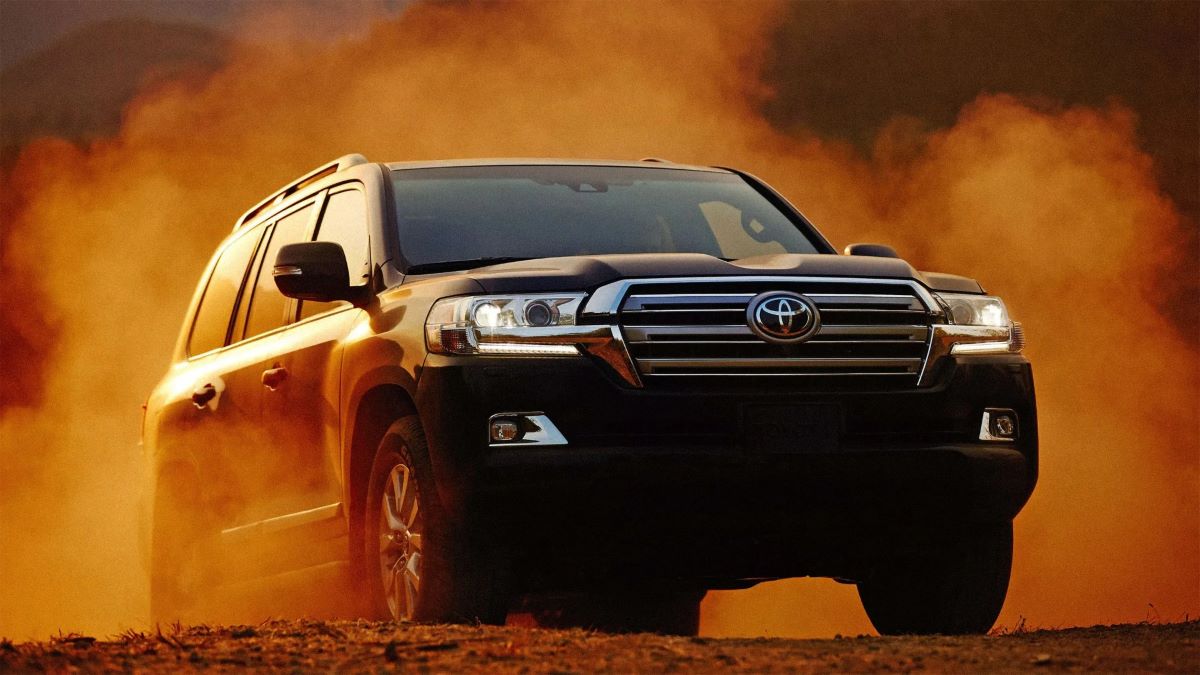
This results in handles that can withstand repeated pulling force over years, often decades, without cracking, loosening, or failing internally. In older generations, particularly utilitarian variants like the 70 Series, the emphasis on robustness is even more pronounced, with simple, heavy-duty mechanisms that are easy to maintain and rarely prone to failure.
Equally important is the simplicity of the design. The Land Cruiser avoids unnecessary complexity such as motorized or flush-mounted handles, which are increasingly common in modern vehicles but introduce additional failure points.
Instead, its mechanical linkage system is straightforward and proven, reducing the likelihood of malfunction due to electrical faults or environmental wear. This simplicity ensures consistent operation whether the vehicle is used in urban settings or remote off-road environments.
2. Ford Crown Victoria
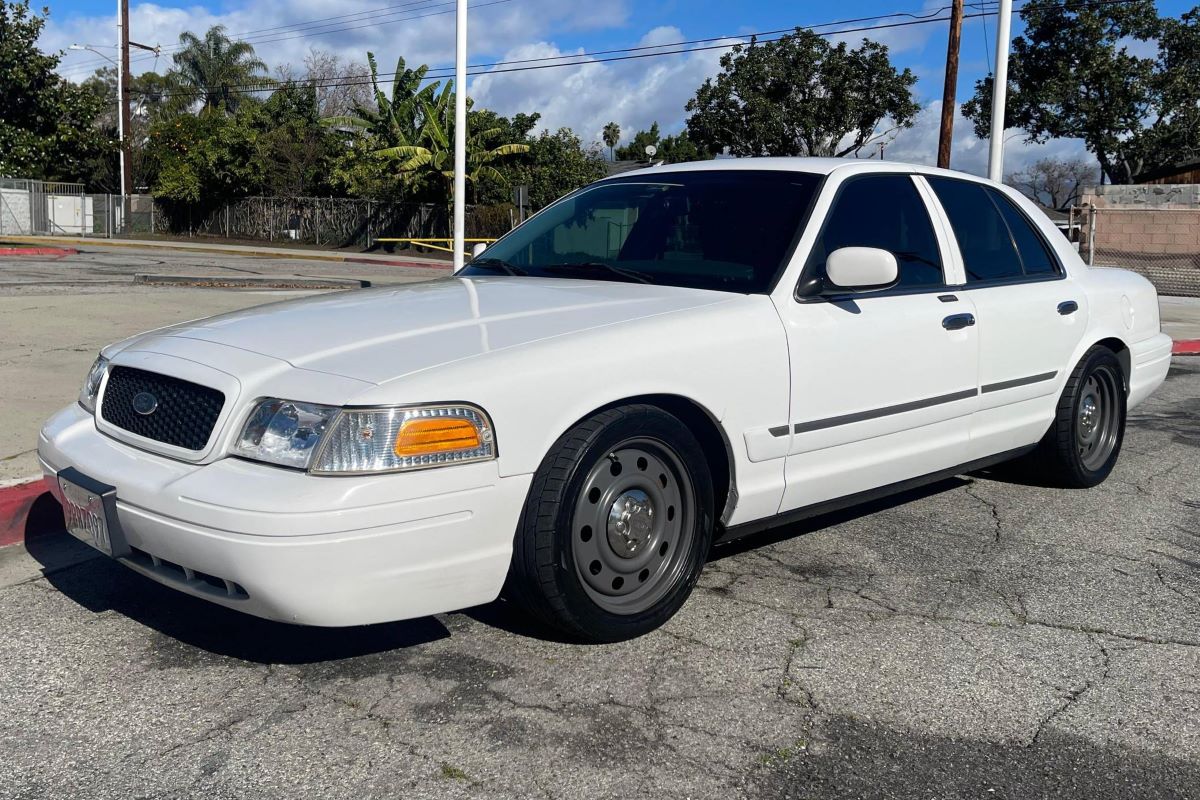
The Ford Crown Victoria represents a bygone era of automotive engineering where durability was not just a goal, but a requirement, especially for fleet and law enforcement use. Its door handles, like much of the vehicle, were built with a clear emphasis on strength, simplicity, and the ability to withstand relentless daily abuse.
Unlike many modern sedans that rely heavily on lightweight materials and intricate mechanisms, the Crown Victoria uses a straightforward, heavy-duty design that has proven itself over decades of service.
A major factor behind the handle’s longevity is its robust construction. Both the exterior and interior handles are typically made from thick, high-quality materials paired with solid internal linkages.
These components were engineered to endure constant use, think police officers entering and exiting the vehicle multiple times per shift, often with force and urgency. This kind of repeated stress would quickly expose weaknesses in lesser designs, but the Crown Victoria’s handles are known to maintain structural integrity even after years of hard use.
Equally important is the mechanical simplicity of the system. The Crown Victoria avoids unnecessary complexity, relying on direct mechanical connections rather than electronic actuators or delicate multi-part assemblies.
This reduces the number of potential failure points and ensures that even as the vehicle ages, the handles continue to function reliably. There’s little risk of issues related to sensors, motors, or electronic glitches, problems that have become increasingly common in newer vehicles.
Another advantage lies in the vehicle’s body-on-frame construction and build philosophy. The Crown Victoria was designed to be serviced easily and to withstand harsh operating conditions, and its door hardware reflects that same mindset.
The handles are securely mounted and resist loosening over time, even when subjected to vibration, temperature fluctuations, and heavy-duty use cycles. Many high-mileage examples, particularly retired police interceptors, still retain fully functional original handles, a testament to their durability.
3. Honda Accord (2003–2012)
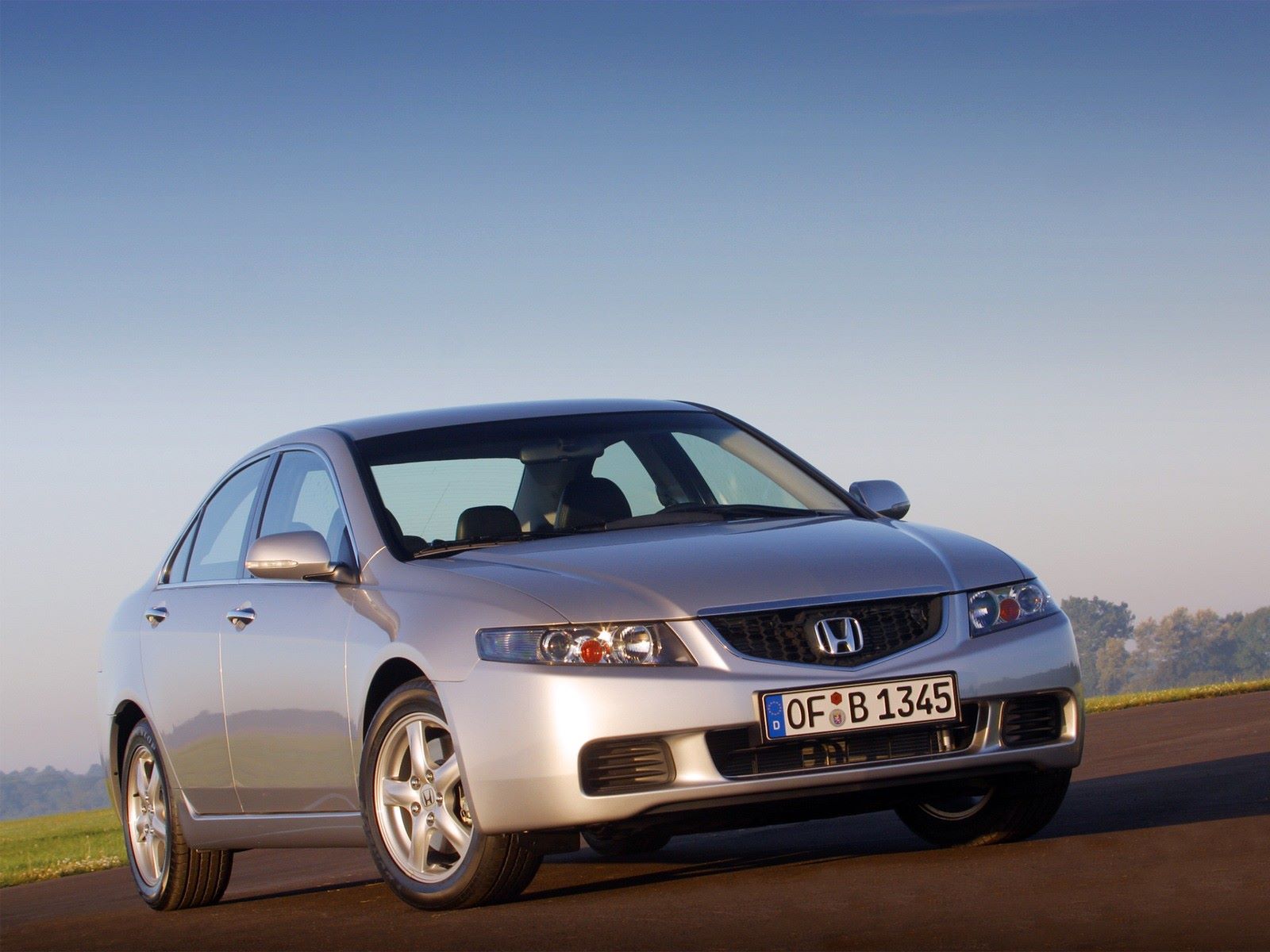
The 2003–2012 Honda Accord represents a period when Honda balanced cost efficiency with proven mechanical durability, and its door handles are a strong example of that equilibrium.
While not as overbuilt as body-on-frame vehicles like the Crown Victoria, the Accord’s handles are widely regarded as long-lasting due to thoughtful engineering, solid materials, and a conservative approach to design. In an era before widespread adoption of electronic or flush-mounted handles, Honda prioritized function and repeatable reliability.
One of the defining strengths of the Accord’s door handles is their material composition. Honda used durable, moderately thick plastic for the exterior handles, reinforced internally with reliable linkage components that resist wear over time.
Unlike cheaper implementations that become brittle or crack under stress, these handles maintain structural integrity even after years of daily use. This is particularly evident in high-mileage examples, where the handles often remain intact and functional despite significant wear elsewhere on the vehicle.
The mechanical layout is another key advantage. The Accord employs a straightforward cable or rod-based linkage system that minimizes complexity and reduces the likelihood of failure. There are no motors, sensors, or intricate assemblies involved, just a direct mechanical connection between the handle and the latch.
This simplicity translates into consistent operation and easier maintenance if issues do arise. In most cases, even aging components continue to function without the looseness or partial engagement seen in less robust designs.
Ergonomics also play a subtle but important role in durability. The handles are designed with a natural pull motion that distributes force evenly, reducing stress concentrations that can lead to premature failure.
Combined with smooth actuation, this ensures that users are less likely to apply excessive force, a common cause of breakage in poorly designed handles. Over time, this contributes to the Accord’s reputation for dependable, user-friendly hardware.
4. Chevrolet Silverado (Pre-2014 Models)
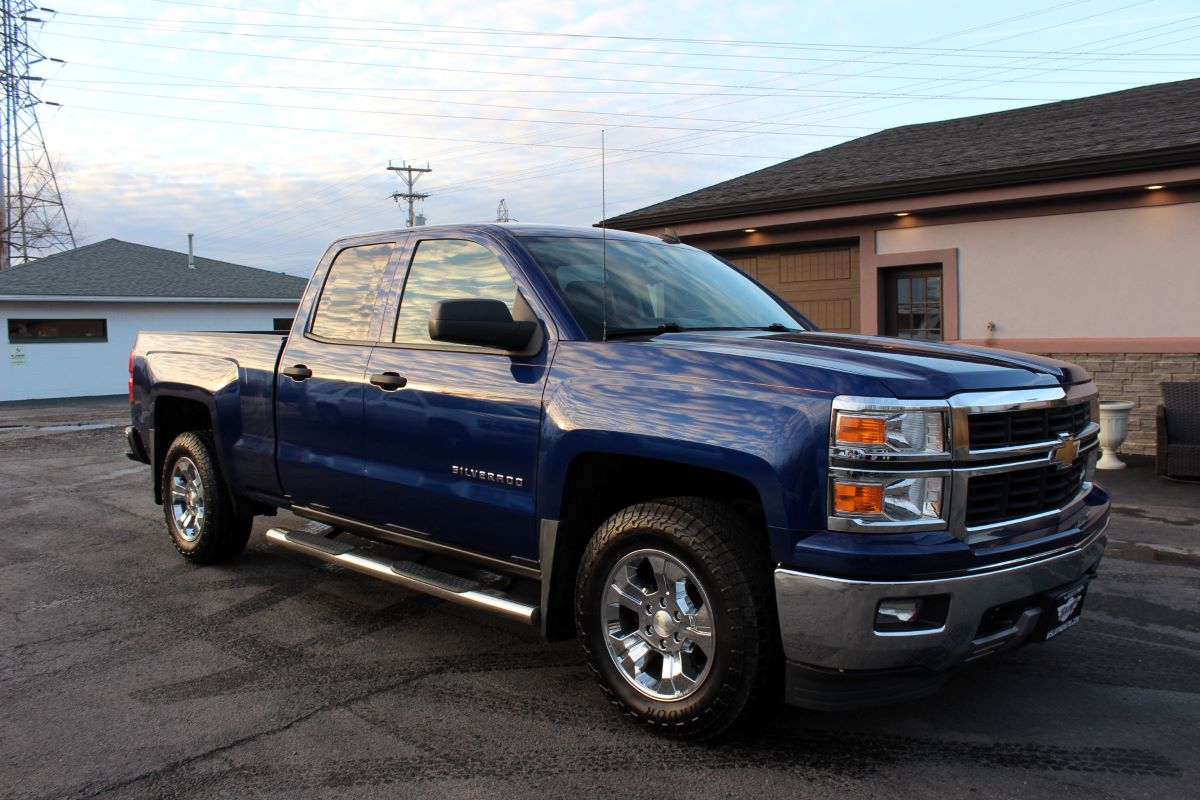
Pre-2014 Chevrolet Silverado models, particularly those built on the GMT800 and GMT900 platforms, are widely recognized for their straightforward, work-focused engineering, and their door handles reflect that same philosophy.
In contrast to newer trucks that increasingly adopt integrated electronics and stylized components, these Silverados rely on simple, mechanical designs that prioritize durability under repeated heavy use. For a vehicle often subjected to job site conditions, frequent entry and exit, and exposure to the elements, this approach proves highly effective.
A primary strength of these door handles lies in their construction. Chevrolet used relatively thick exterior plastic combined with sturdy internal metal linkages, creating a system capable of handling substantial pulling force without deformation or breakage.
The internal mechanism is equally important. These Silverados utilize a direct rod-based linkage system that connects the handle to the door latch with minimal intermediary components.
This reduces wear points and eliminates the need for delicate internal parts that can fail over time. As a result, even high-mileage trucks tend to retain consistent handle operation, with fewer instances of partial engagement or complete failure compared to more complex systems.
Another contributing factor is the truck’s design context. Pre-2014 Silverados were engineered with utility in mind, meaning components like door handles were expected to function reliably in mud, dust, rain, and temperature extremes.
The handles are well-sealed against debris intrusion and maintain smooth operation even after prolonged exposure to harsh conditions. This is particularly valuable for owners who use their trucks for towing, construction, or agricultural work, where durability is non-negotiable.
It is worth noting that while these handles are generally durable, they are not entirely immune to wear, especially after extended use or in colder climates where plastic can become more brittle. However, compared to many modern trucks that prioritize design over substance, pre-2014 Silverados demonstrate a significantly lower failure rate and a more predictable aging pattern.
5. Subaru Outback
The Subaru Outback benefits from a design philosophy centered on practicality and resilience. Its door handles are built to endure outdoor use, including snow, mud, and repeated temperature fluctuations.
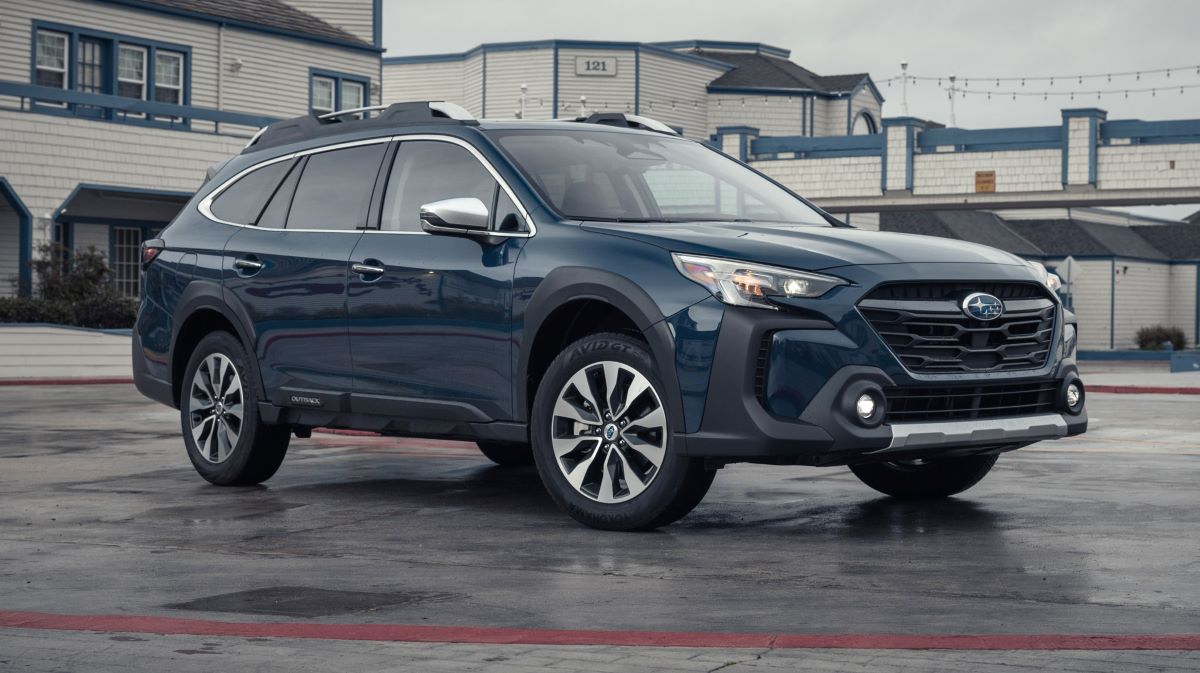
Subaru’s consistent use of durable plastics and well-sealed mechanisms helps prevent common issues like sticking or snapping. Owners in colder U.S. states often report minimal problems even after years of winter exposure.
Vehicles With Door Handles That Break Frequently
Budget-oriented models have been known to suffer from poor build quality, leading to premature breakage. For example, the Chevrolet Aveo has documented cases of exterior handles snapping due to weak materials, often requiring full replacement rather than simple repair.
This highlights a broader pattern: when cost-cutting intersects with high-use components, durability often takes a back seat.
This article focuses on vehicles that are notorious for frequent door handle failures, models where design flaws, material weaknesses, or overly complex systems lead to repeated issues. By examining these problem-prone vehicles, it becomes easier to understand what separates a robust, long-lasting handle design from one that struggles under everyday use.
1. Nissan Altima (2007–2013)
The 2007–2013 Nissan Altima stands as a clear example of how cost-cutting and material choices can undermine long-term durability, particularly in high-use components like door handles.
While the Altima was competitive in terms of styling, fuel efficiency, and comfort during its time, its door handles developed a reputation for premature wear and breakage, an issue frequently reported by owners after just a few years of regular use.
The primary weakness lies in the materials used. Unlike more robust designs that incorporate reinforced plastics or metal-supported linkages, the Altima’s exterior door handles rely heavily on thinner plastic construction.

Over time, repeated pulling force, especially in daily commuting scenarios, causes stress fractures to develop. These cracks often begin subtly around the pivot or mounting points before progressing to complete failure, sometimes leaving the handle detached or non-functional.
Internally, the mechanism does little to compensate for these shortcomings. The linkage system, while mechanically simple, is not as well reinforced as those found in more durable vehicles.
This results in a compounding effect: as the outer handle begins to weaken, internal components experience uneven stress, accelerating wear. In many cases, owners report a “loose” or spongy feel before the handle ultimately fails, indicating progressive degradation rather than sudden breakage.
2. BMW 3 Series (E90 Generation)
The BMW 3 Series (E90 generation, produced from 2005 to 2012) is widely respected for its driving dynamics and premium engineering, but its door handles reveal a weaker side of the brand’s design priorities during this era.
While the car excels mechanically, the handles, particularly interior ones, are known to suffer from premature wear, material degradation, and occasional structural failure. This contrast highlights a recurring issue in many luxury vehicles: aesthetic refinement sometimes comes at the expense of long-term durability.
One of the most commonly reported problems involves the interior door handles, which are coated in a soft-touch material intended to enhance tactile quality.

Over time, this coating tends to degrade, becoming sticky, peeling, or discolored with regular use and exposure to heat. While this issue is largely cosmetic at first, it can signal deeper material fatigue underneath. As the handle structure weakens, some owners report cracking or breakage, especially in high-mileage vehicles or those exposed to prolonged sunlight.
The exterior handles, though more durable than their interior counterparts, are not immune to issues. BMW employed a relatively complex handle assembly integrated with central locking systems and electronic components. While this enhances convenience and security, it also introduces additional failure points.
Problems such as inconsistent unlocking, resistance when pulling the handle, or complete failure to actuate the latch can emerge as the system ages. In some cases, these issues are linked to worn internal carriers or failing microswitches within the handle assembly.
3. Ford Focus (2012–2018)
The 2012–2018 Ford Focus reflects Ford’s shift toward globalized design and cost efficiency, but its door handles illustrate the downsides of that transition.
While the Focus delivered modern styling and competitive technology for the compact segment, its door handles, both interior and exterior, developed a reputation for fragility and premature wear. For a vehicle aimed at high-volume daily use, this becomes a notable weakness over time.
The core issue lies in material quality. Ford relied heavily on thinner plastic components for the handle assemblies, particularly on the exterior. Under repeated stress from everyday use, these materials tend to develop micro-cracks around stress points such as the hinge or mounting base.
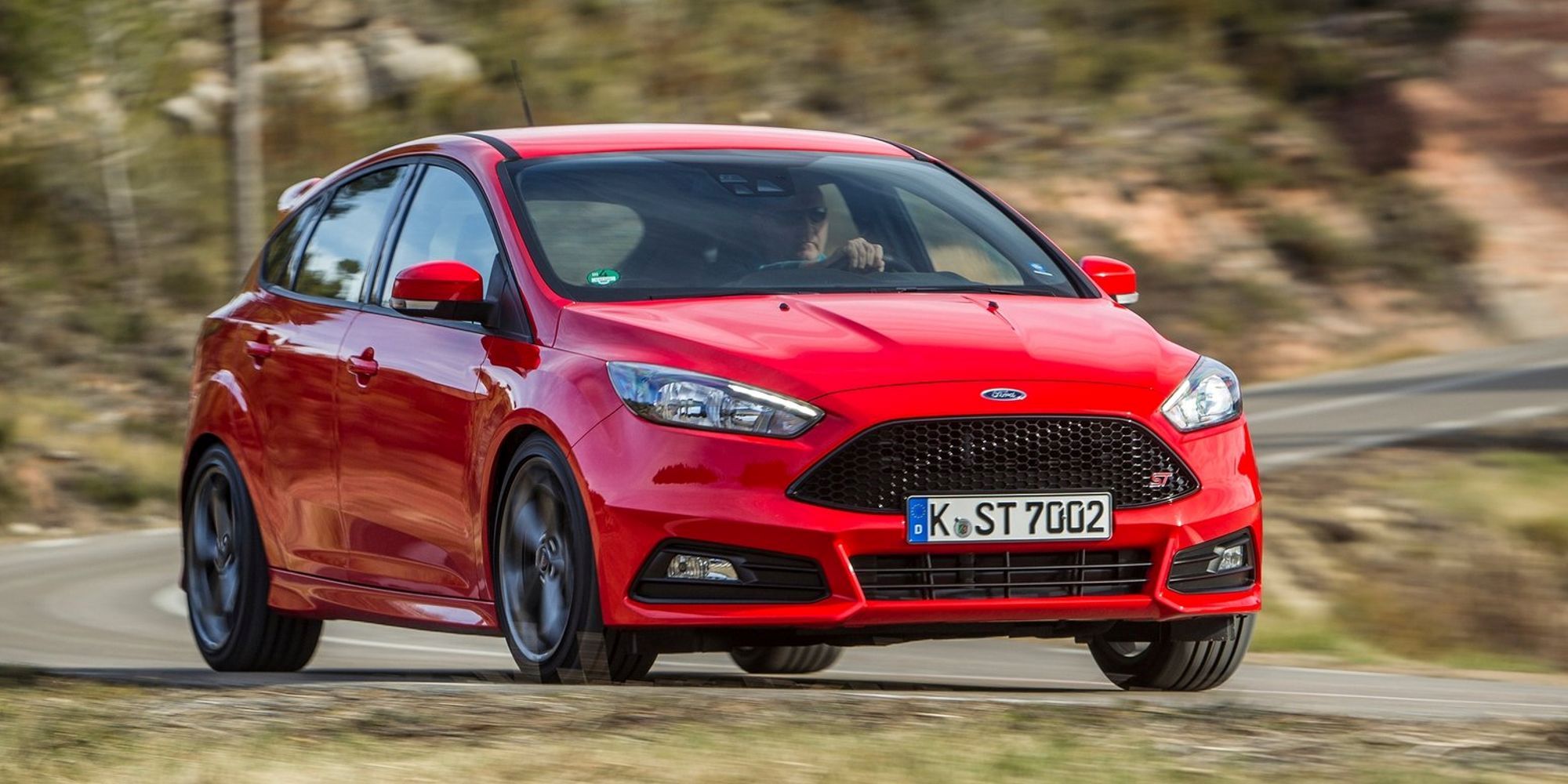
Over time, these cracks propagate, eventually leading to partial or complete handle failure. Owners frequently report handles snapping off or becoming loose, especially after several years of regular use.
The internal mechanism does little to offset these weaknesses. While mechanically straightforward, the linkage system lacks the reinforcement seen in more durable designs.
As the exterior handle begins to degrade, the internal components are subjected to uneven force distribution, accelerating wear across the assembly. This often manifests as a “soft” or inconsistent pull before the handle ultimately fails, indicating gradual structural compromise rather than a sudden defect.
4. Hyundai Sonata (2011–2014)
The 2011–2014 Hyundai Sonata marked a turning point for Hyundai in terms of design and market appeal, but its door handles highlight a recurring issue tied to material quality and long-term durability.
While the Sonata’s fluid styling and upscale appearance helped it stand out in the mid-size segment, the door handles, especially the exterior chrome units, have been widely noted for premature wear and structural weakness.
A primary concern is the construction of the exterior handles. Hyundai used plastic as the base material, finished with a chrome coating to achieve a more premium look. While visually effective when new, this combination tends to degrade over time.
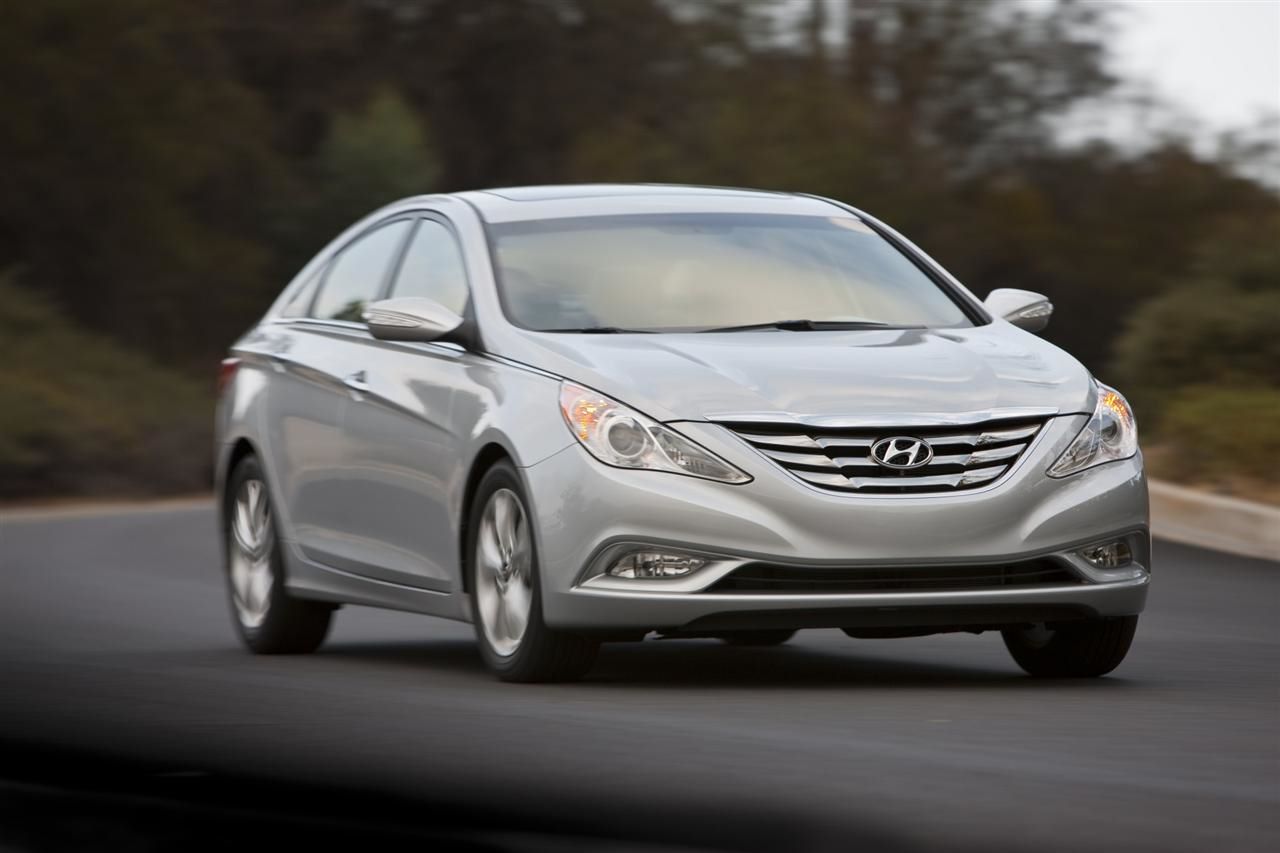
The chrome layer can peel, bubble, or fade with prolonged exposure to sunlight and environmental contaminants, while the underlying plastic becomes more susceptible to cracking. Once structural integrity is compromised, the handle can loosen or snap entirely under normal pulling force.
The internal mechanism does not significantly compensate for these material limitations. The linkage system is relatively standard, but not particularly reinforced, meaning that as the exterior handle weakens, internal stress distribution becomes uneven.
This accelerates wear across the assembly and can lead to inconsistent operation, such as needing multiple pulls to open the door or experiencing a “flexing” sensation before engagement.
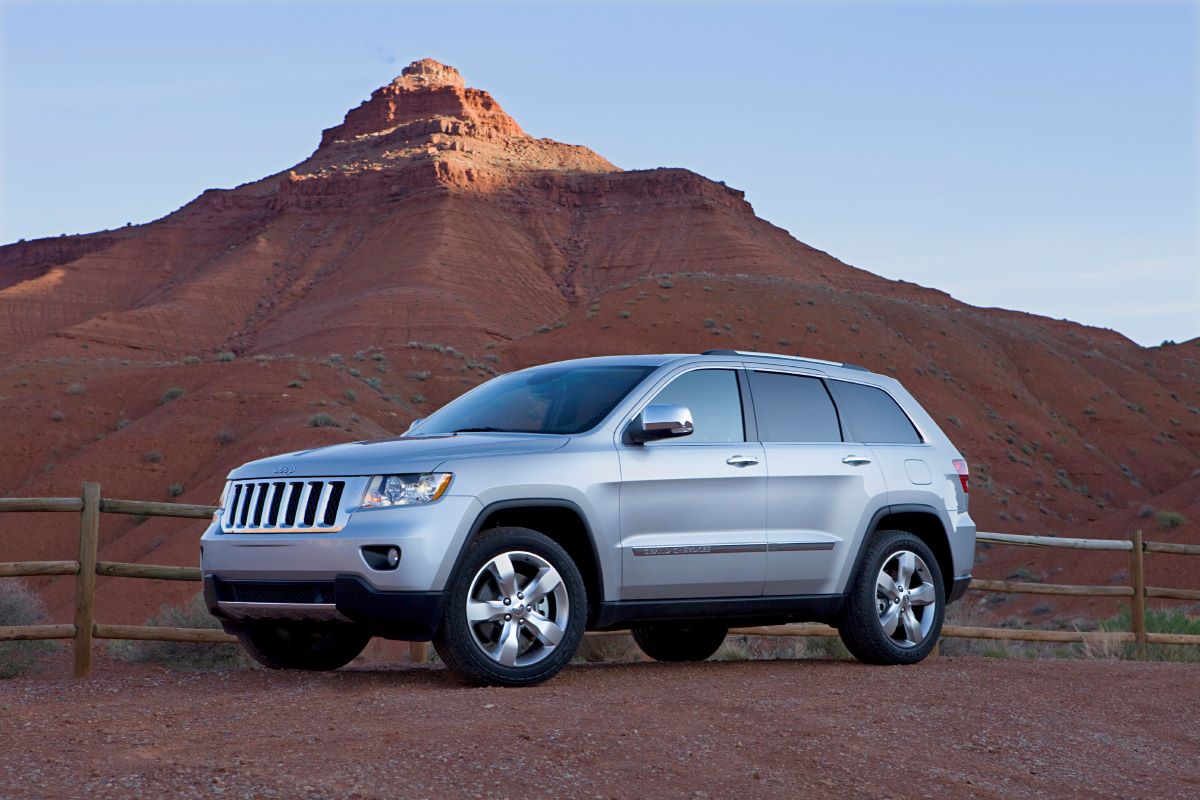
5. Jeep Grand Cherokee (2011–2015)
The 2011–2015 Jeep Grand Cherokee (WK2) combines rugged SUV capability with a more premium, comfort-oriented design, but its door handles reveal a notable weakness in long-term durability.
While the vehicle itself is well-regarded for its performance and interior refinement, the handles, particularly the exterior units, are prone to wear, cosmetic degradation, and in some cases, structural failure over time.
A key issue stems from the materials used in the exterior handles. Jeep opted for chrome-coated plastic to deliver an upscale appearance, but this choice introduces durability concerns.
Over extended use, the chrome finish can peel or bubble, especially in climates with strong UV exposure or frequent temperature fluctuations. Once the coating begins to degrade, the underlying plastic becomes more vulnerable to cracking, particularly around high-stress areas such as the pivot points and mounting sections.
The integration of electronic features further complicates the design. Many Grand Cherokee models from this period include keyless entry systems built into the door handles, adding sensors and wiring to the assembly.
While convenient, this increases the number of potential failure points. Issues such as intermittent unlocking, unresponsive touch sensors, or complete handle malfunction can arise as the system ages, often requiring more complex and costly repairs compared to purely mechanical designs.
Internally, the handle mechanism is moderately complex and not as overbuilt as those found in more utilitarian SUVs. The linkage system relies on multiple interconnected components that can wear unevenly over time, particularly if the exterior handle begins to flex or lose rigidity. This can lead to symptoms such as inconsistent engagement, increased pulling effort, or a loose feel before the latch activates.
Interior door handles also present occasional concerns, though typically less severe than the exterior issues. Some owners report cracking or weakening near mounting points after prolonged use, especially in vehicles subjected to heavy daily traffic. While these failures are less common, they contribute to an impression that the door hardware does not match the vehicle’s otherwise solid construction.
Environmental exposure plays a significant role in accelerating these problems. Heat, UV radiation, and moisture can degrade both the chrome coating and the plastic substrate, while dirt and debris may infiltrate the handle mechanism, increasing friction and wear. In colder conditions, the plastic components can become brittle, raising the likelihood of breakage under normal use.
Vehicles like the Toyota Land Cruiser and Ford Crown Victoria demonstrate how durable engineering can extend to even minor components.
On the other hand, models like the Nissan Altima and Ford Focus highlight how cost-cutting or over-engineering can lead to recurring issues.
While door handles may seem trivial, they reflect broader design priorities. A manufacturer that invests in small details often delivers a more reliable vehicle overall.
For buyers seeking long-term ownership with minimal hassle, it’s worth paying attention, even to something as simple as how the door opens.