
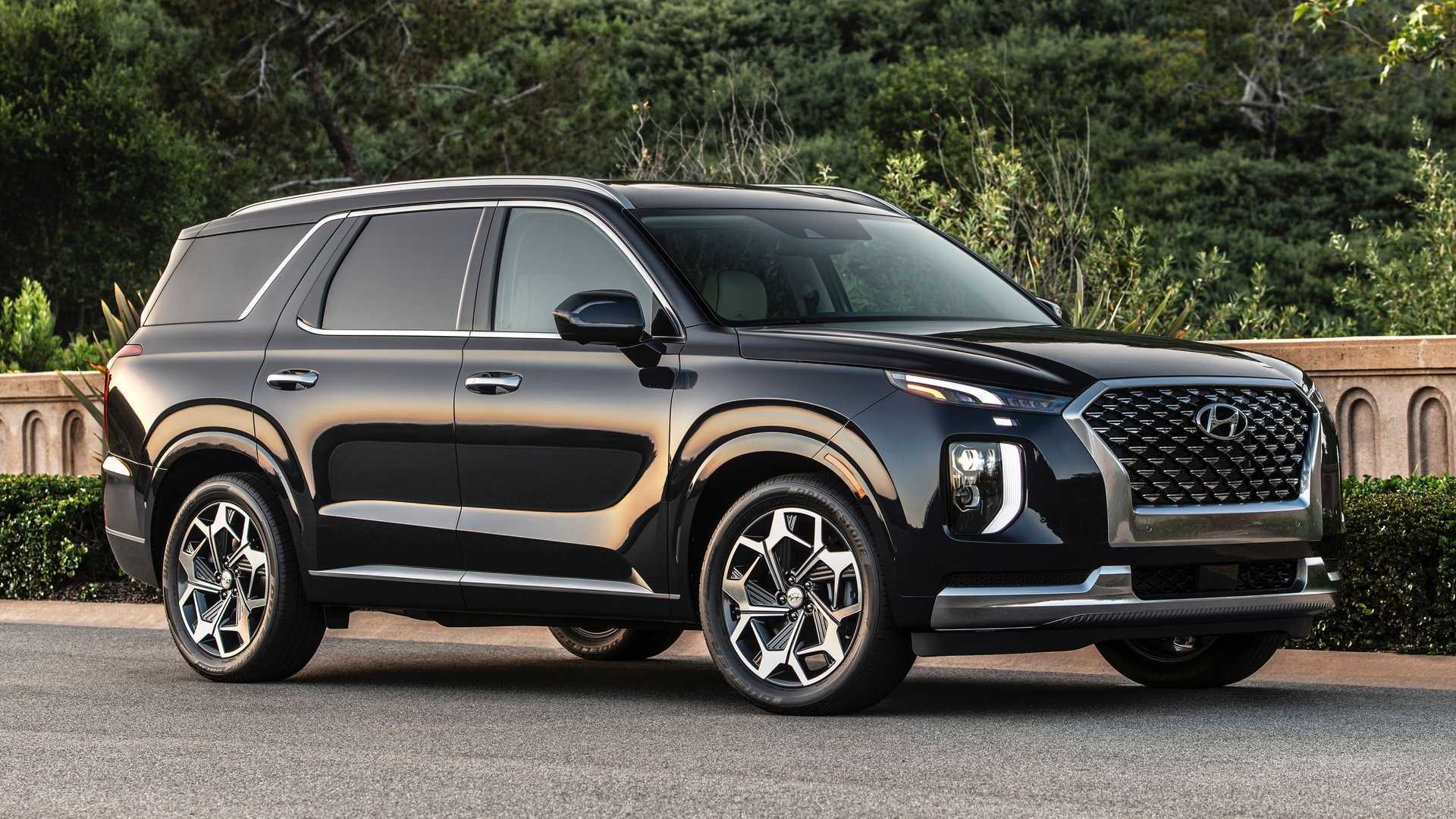
A growing safety investigation into the Hyundai Palisade is intensifying after new evidence suggests a potentially dangerous seat defect may not be limited to the redesigned 2026 model year, widening the scope of concern for Hyundai and regulators.
The issue centers on the Palisade’s second- and third-row power-folding seats, which may fail to properly detect occupants or objects during operation. This defect has already been linked to a fatal incident involving a two-year-old child in the United States, prompting Hyundai to issue a recall and halt sales of certain trims earlier this month.
However, recent reporting indicates the problem may extend beyond just the latest model. Complaints and early warnings about the seat mechanism were reportedly filed months before the fatal accident, suggesting the defect could have been present in earlier production cycles or shared components across model years.
Early Warnings Raise Questions
According to reports, a customer flagged a near-incident involving the seat system as early as mid-2025, alleging that the mechanism failed to stop when encountering resistance. Despite the complaint, the issue was reportedly dismissed after inspection.
This timeline is now drawing scrutiny, as it implies the defect may not be isolated to newly released 2026 vehicles. If confirmed, the scope of affected vehicles could expand significantly, potentially involving earlier Palisade units or related models using similar seat hardware.
The core problem lies in the seat system’s sensor calibration. In certain conditions, the power-folding seats may not detect lighter objects, such as children, due to a high resistance threshold in the mechanism.
This failure can occur during multiple seat operations, including folding, sliding, and tilt functions. As a result, the seat may continue moving even when obstructed, creating a risk of injury.
Hyundai has acknowledged that the system may not “adequately detect contact with an occupant or object as intended,” and has advised owners to exercise caution when using powered seat functions.
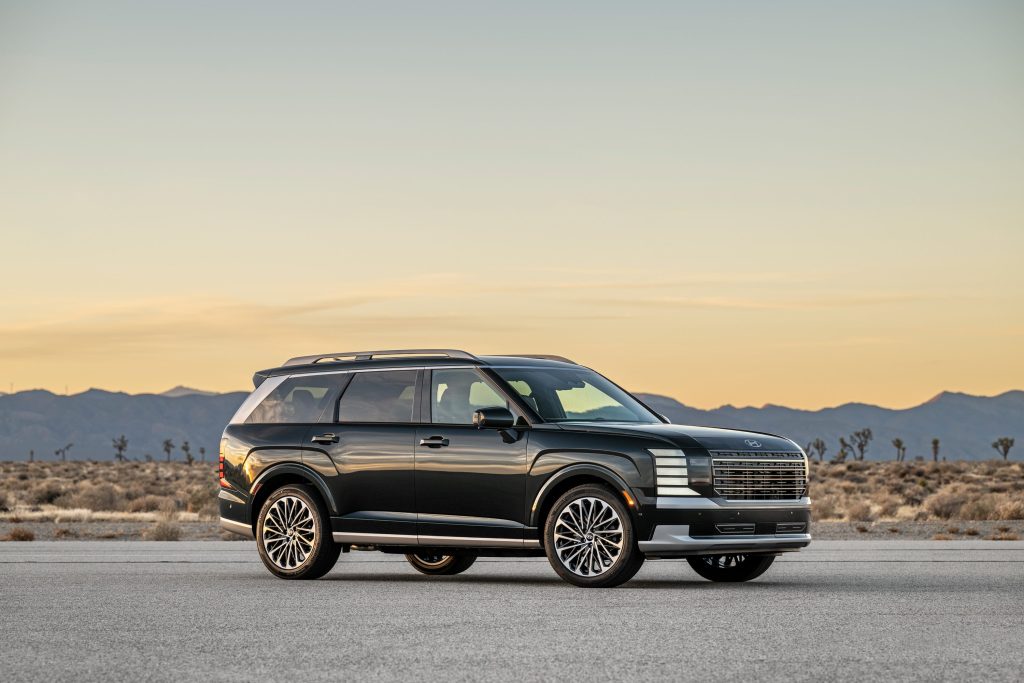
Recall, Stop-Sale, and Ongoing Fixes
In response, Hyundai issued a stop-sale order for high-end 2026 Palisade trims, specifically Limited and Calligraphy models, across the U.S. and Canada.
The automaker is currently working with safety regulators, including the National Highway Traffic Safety Administration (NHTSA), to address the issue. An over-the-air software update is expected as an interim solution to improve seat detection sensitivity, though a permanent fix has not yet been finalized.
The recall currently includes tens of thousands of vehicles globally, with confirmed reports of injuries and at least one fatality linked to the defect.
The situation is also affecting Hyundai’s corporate sibling, the Kia Telluride, which may share similar components and could face parallel scrutiny.
For Hyundai, the expanding scope of the issue represents both a safety and reputational challenge. The Palisade has been a key product in the brand’s push into the premium SUV segment, particularly in North America.
Regulators are expected to continue investigating whether the defect spans multiple model years or is confined to specific configurations. If earlier vehicles are implicated, Hyundai may be forced to expand its recall significantly.
In the meantime, owners of affected vehicles are being urged to avoid using power seat functions when passengers, especially children, are nearby, until a verified fix is deployed.
The unfolding situation underscores a broader concern in the auto industry: as vehicles incorporate increasingly complex powered systems, even small calibration errors can have serious real-world consequences.
