
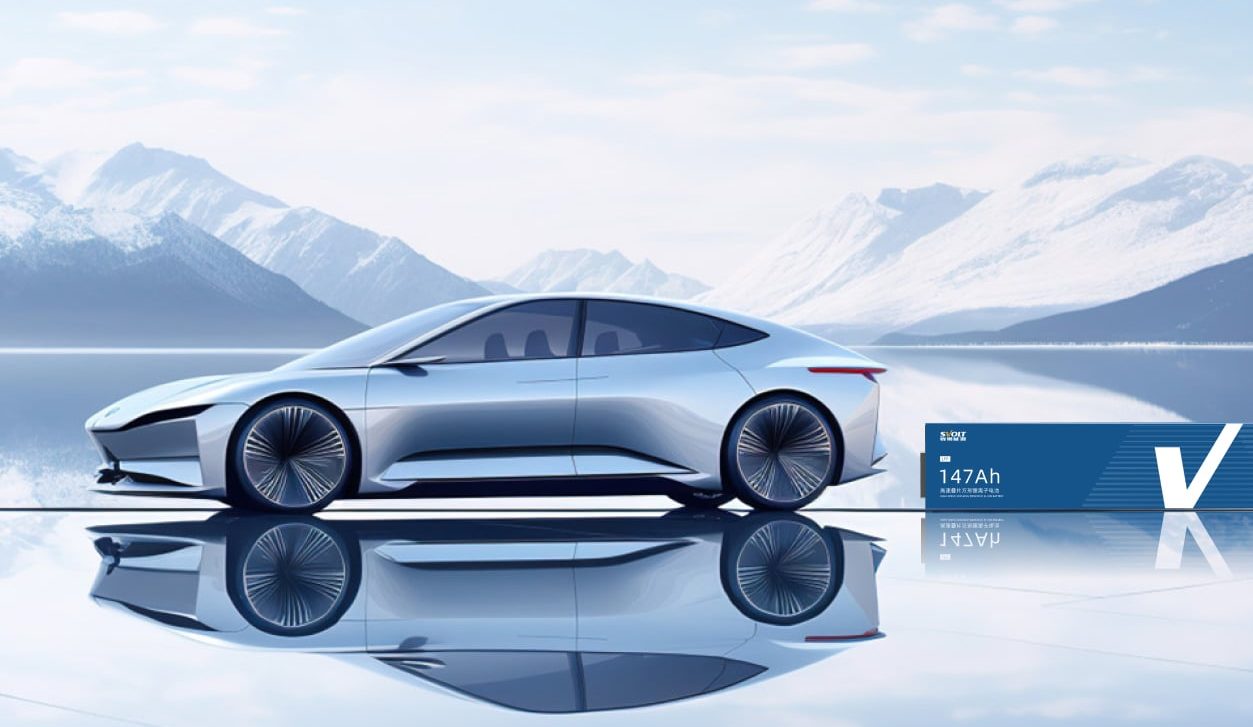
A new generation of battery technology is rapidly reshaping the electric vehicle space, as semi-solid-state batteries begin expanding beyond passenger cars into commercial trucks and even flying vehicles, signaling a major shift in next-generation mobility.
According to a recent report, semi-solid-state batteries, long viewed as a transitional step toward full solid-state technology, are now entering real-world applications at scale, with deployments already underway in multiple transportation sectors.
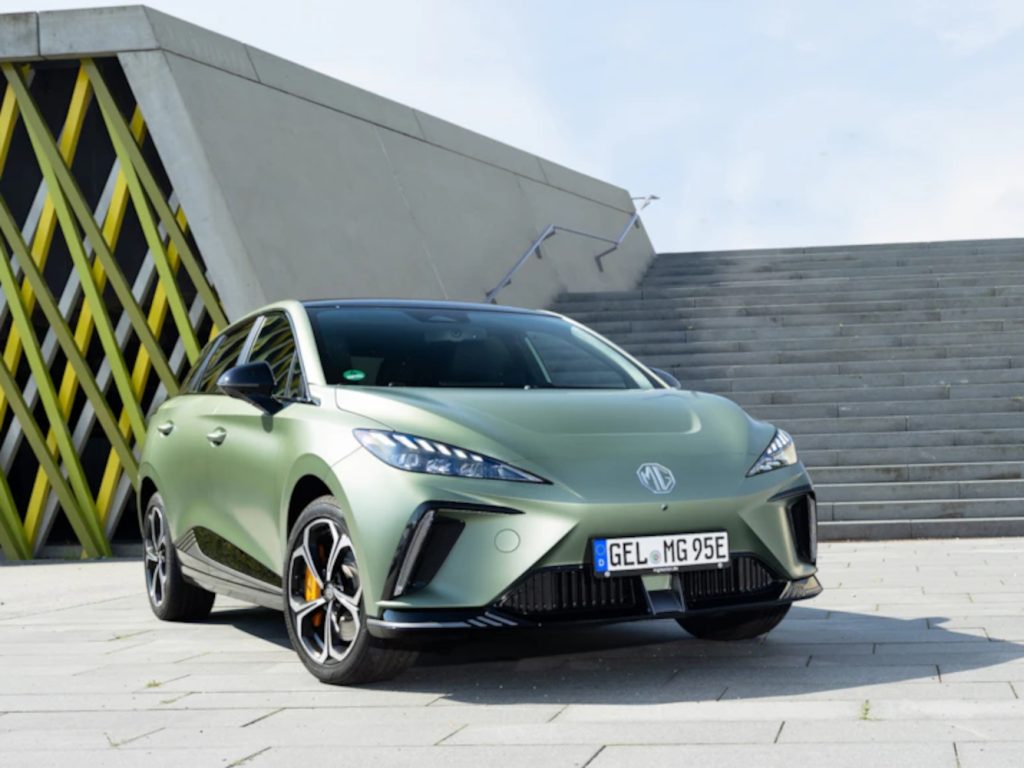
The technology first gained traction in consumer electric vehicles, with companies like SAIC Motor introducing what it claims is the world’s first mass-produced semi-solid-state EV battery. This system, used in models like the MG4, promises improvements in driving range, charging speed, efficiency, and safety compared to conventional lithium-ion batteries.
Unlike traditional batteries that rely heavily on liquid electrolytes, semi-solid-state designs use a hybrid structure, reducing liquid content while incorporating solid materials. This approach enhances stability and energy density while remaining easier to manufacture than fully solid-state batteries.
Now, that same technology is being deployed beyond passenger vehicles.
Commercial Trucks Get a Boost
Battery manufacturer CALB has confirmed that semi-solid-state batteries are already being used in light-duty commercial trucks, marking one of the first large-scale applications in the commercial EV segment.
These batteries reportedly achieve energy densities of around 400 Wh/kg, significantly higher than many current lithium-ion systems. The result is a lighter battery pack with longer driving range, two critical factors for commercial fleets where efficiency and payload capacity directly impact profitability.
Charging performance is also improving. The new batteries can recharge from 30% to 80% in roughly 15 minutes under fast-charging conditions, while maintaining better performance in extreme cold, retaining about 20% more range at temperatures as low as -25°C compared to traditional batteries.
Perhaps the most notable expansion is into aviation. Semi-solid-state and hybrid solid-liquid batteries are now being developed for electric vertical takeoff and landing (eVTOL) aircraft, commonly referred to as flying cars.
CALB’s aviation-grade cylindrical battery cells have entered mass production and are being supplied to eVTOL developers, including programs linked to XPeng AeroHT. These batteries can reach energy densities of up to 350 Wh/kg, making them suitable for flight applications where weight and energy efficiency are critical constraints.
This marks a significant milestone, as aviation has far stricter energy density and safety requirements than ground vehicles, suggesting the technology is maturing rapidly.
Why Semi-Solid-State Matters
Semi-solid-state batteries are emerging as a practical bridge between today’s lithium-ion technology and fully solid-state batteries, which remain difficult to mass-produce.
They offer several key advantages:
- Higher energy density, enabling longer range
- Faster charging times
- Improved safety due to reduced flammable liquid content
- Better performance in extreme temperatures
At the same time, they avoid many of the manufacturing challenges that have delayed fully solid-state batteries for years.
The broader battery industry is moving quickly, with multiple chemistries—including sodium-ion and full solid-state—being developed in parallel. However, semi-solid-state solutions are gaining traction faster because they can be integrated into existing production lines with fewer changes.
Recent breakthroughs suggest even more dramatic improvements may be on the horizon, with experimental designs claiming significantly higher energy densities and extended driving ranges.
The expansion of semi-solid-state batteries into trucks and aviation indicates that the technology is no longer experimental—it is entering commercial reality.
As automakers and battery manufacturers continue scaling production, these batteries could play a central role in electrifying sectors that were previously difficult to decarbonize, including heavy transport and urban air mobility.
While fully solid-state batteries remain the long-term goal, semi-solid-state technology is quickly proving to be the industry’s most viable near-term solution, bridging the gap between promise and practical deployment.
