
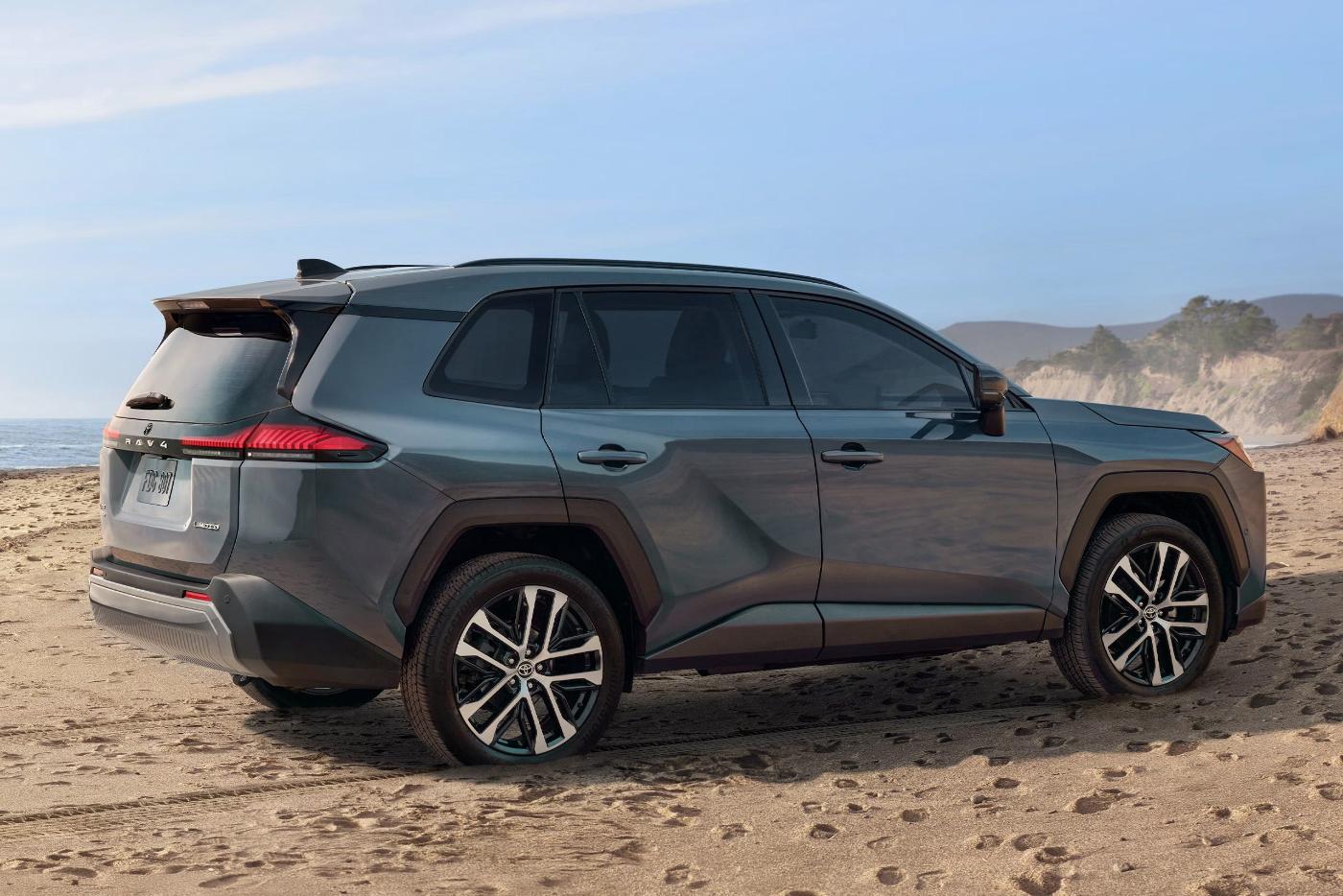
Toyota is experiencing a notable slowdown in production early in 2026, and the reason is not weak demand, but the transition to an all-new generation of its best-selling SUV, the Toyota RAV4.
According to recent reporting, Toyota’s global production fell 3.9% in February 2026, marking the fourth consecutive month of decline. The automaker produced 749,673 vehicles during the month, while global sales also dipped 3.3% to 737,134 units.
The primary factor behind the slowdown is Toyota’s shift from the outgoing RAV4 to the redesigned 2026 model. This generational change has disrupted manufacturing schedules and temporarily reduced output across key production hubs.
Canada has been hit particularly hard, with production in the region dropping by more than 46% as factories retool for the new SUV. Because the RAV4 is one of Toyota’s highest-volume vehicles globally, even short-term production pauses have an outsized impact on output.
This aligns with broader industry data showing that model changeovers, especially for high-demand vehicles, can create temporary bottlenecks as assembly lines are reconfigured and supply chains adjust.
Demand Remains Strong
Importantly, Toyota’s production dip is not due to falling demand. In fact, the opposite appears to be true. The RAV4 remains one of the most popular vehicles in the world, with millions of units sold globally and consistent top-tier sales performance.
Dealers are already facing inventory shortages of the outgoing 2025 model, with many gas-only variants effectively sold out following the announcement of the new generation.
The scarcity highlights a classic supply-demand imbalance: buyers are waiting for the new model while existing stock dwindles.
The upcoming 2026 RAV4 represents a significant strategic shift for Toyota. The new generation eliminates traditional gasoline-only engines entirely, offering only hybrid and plug-in hybrid powertrains.
- Standard hybrid models produce around 226 horsepower
- Plug-in hybrid variants deliver up to 320 horsepower
- Electric-only range reaches approximately 50 miles
This move reflects Toyota’s broader electrification strategy, positioning hybrids as a core bridge between internal combustion and full electric vehicles.
Supply Chain Ripple Effects
The transition is creating ripple effects across Toyota’s global operations. Because the RAV4 is produced in multiple regions, including North America and Japan, any disruption tied to its production affects supply chains, dealership inventories, and output figures.
The production dip comes just after a record-breaking year for Toyota. The company sold approximately 11.3 million vehicles globally in 2025, maintaining its position as the world’s top automaker.
That momentum has carried into 2026, but with a temporary “reset” caused by one of its most important vehicles undergoing a full redesign.
Production is expected to stabilize as factories complete the transition and ramp up output of the new RAV4. Once that happens, Toyota could quickly recover lost volume, especially given the strong demand already building for the redesigned SUV.
In the near term, however, the situation illustrates a key reality of the auto industry: when a high-volume model like the RAV4 changes generations, even the world’s largest automaker can feel the impact across its entire production network.
