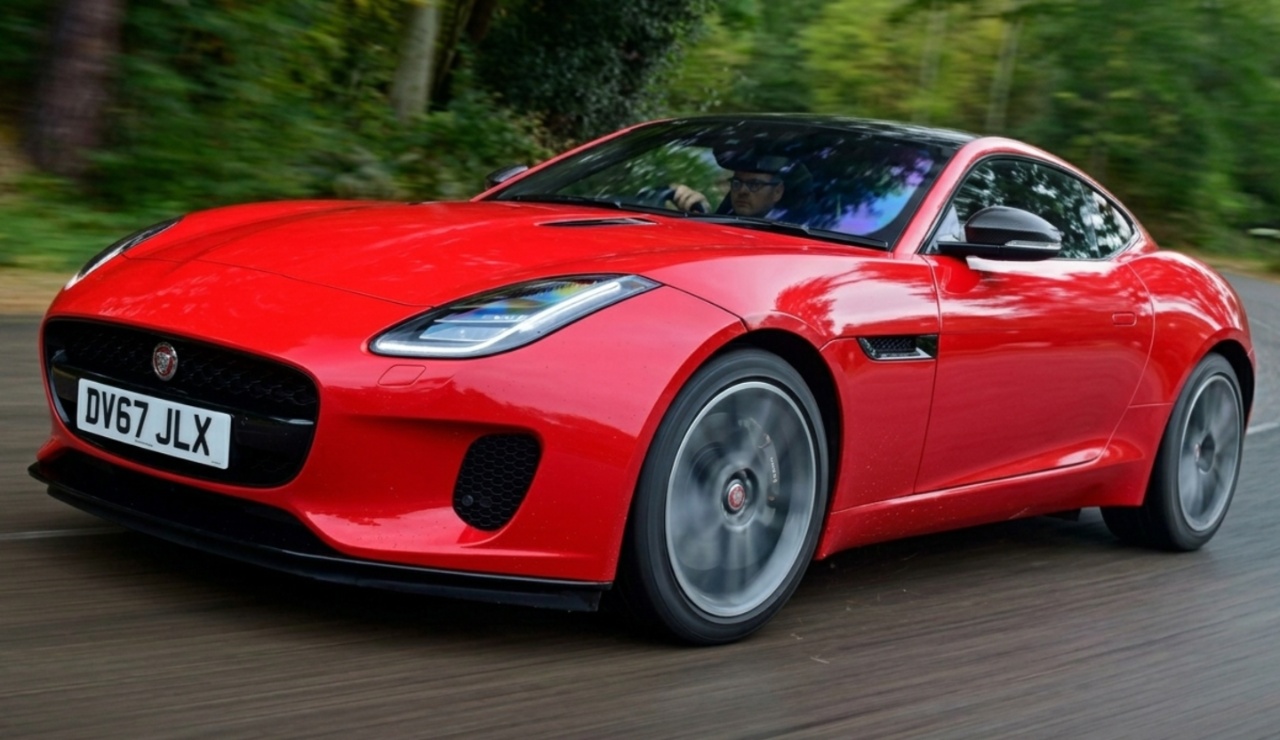
As cars become increasingly digital and connected, the 2026 model year showcases vehicles that are more like computers on wheels than traditional automobiles. From complex infotainment systems and advanced driver-assistance technologies to hybrid powertrains and sensor-laden engines, modern cars promise convenience, efficiency, and safety.
However, this surge in technology also brings new challenges for reliability. Every sensor, electronic control unit, and software module introduces a potential point of failure that can leave drivers stranded or facing costly repairs. In contrast, older vehicles were built with simplicity, durability, and repairability at their core.
Analog systems, spacious engine bays, and mature powertrains allow owners to perform maintenance, troubleshoot issues, and extend the life of their cars for decades. By examining mechanical simplicity, DIY accessibility, proven powertrains, robust materials, and avoidance of planned obsolescence, it becomes clear why older cars often offer a more dependable, long-term driving experience than the latest 2026 models.
1. Mechanical Simplicity vs. Software Overload
The 2026 model year marks the peak of the Software Defined Vehicle, where cars function as highly complex computers on wheels. Advanced features such as autonomous driving aids, driver-assistance systems, and large infotainment screens are controlled by networks of sensors and software. While these technologies improve performance and safety, they introduce hidden points of failure.
A single sensor malfunction or software bug can put the car into limp mode or cause a total system lockout, which cannot be solved with a mechanical repair. Older vehicles rely on analog systems such as cable-driven throttles, hydraulic steering, and basic electrical components. These mechanical systems are simpler and more transparent, making them less prone to sudden, catastrophic failures.
Mechanical simplicity provides long-term advantages in durability and maintenance. Older cars have fewer components that can fail unexpectedly, do not require software updates, and continue to operate reliably even as they age.
They are also easier to repair because engines offer more working space, and problems can often be diagnosed and fixed with standard tools. In contrast, modern vehicles often require specialized diagnostic equipment and software, and fixing an issue may involve replacing entire electronic assemblies instead of individual components.
Classic vehicles were also built with heavier, more durable materials, while modern cars prioritize lightness and technological features, which can reduce long-term robustness.
The practical and financial implications highlight the reliability trade-off. Repair costs for 2026 vehicles have increased due to their complex electronics, and unresolved recalls leave some cars driving with known electronic faults. Older vehicles, while requiring regular maintenance, rarely experience immobilizing failures.
Despite the technological and performance advantages of modern cars, mechanical simplicity offers consistent, long-term reliability. Drivers who prioritize durability, ease of repair, and lower hidden costs often find that older vehicles provide a more dependable solution than the software-heavy systems of the latest models.
2. Ease of DIY Repairs and Maintenance
As cars approach the 2026 model year, manufacturers are increasingly designing vehicles as closed systems that rely on proprietary parts, digital locks, and software-controlled components. Performing even basic maintenance often requires manufacturer-specific diagnostic tools, such as registering a new battery or retracting electronic brake calipers for a pad replacement.
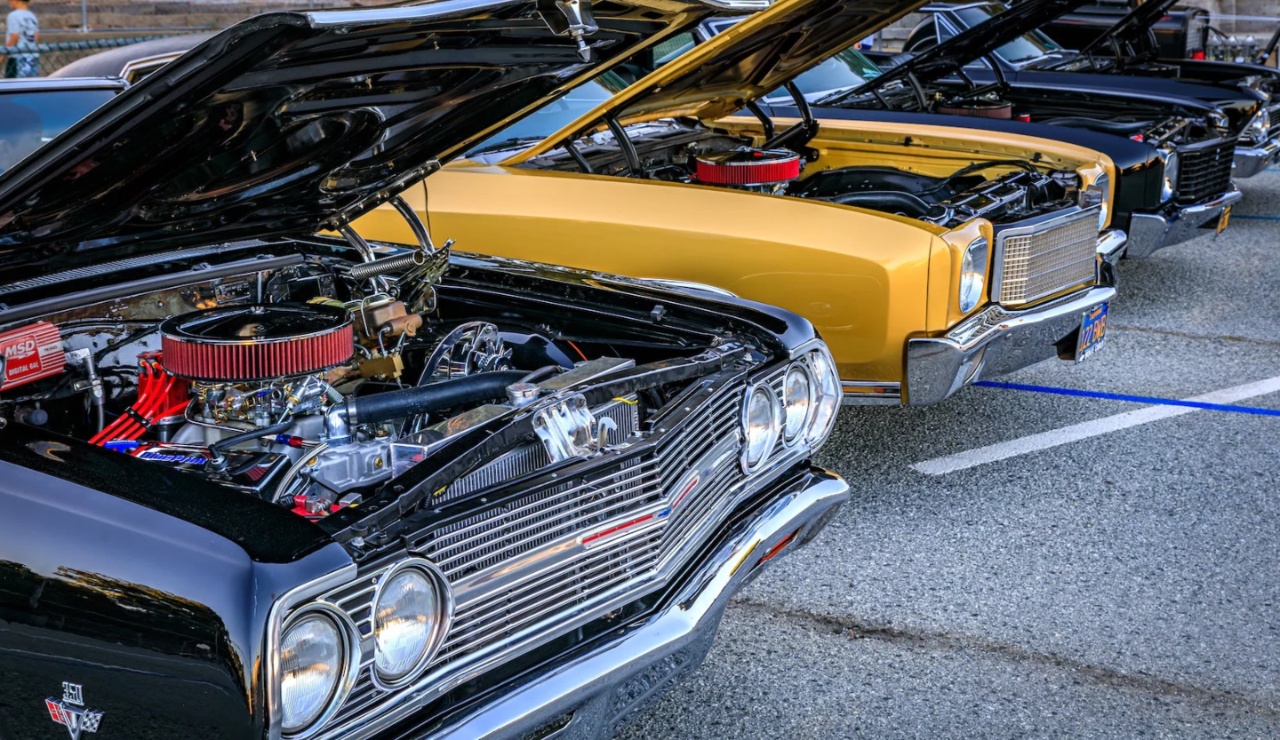
This reliance on sealed, computerized systems makes DIY repairs nearly impossible for the average owner. Older cars, by contrast, were built with mechanical accessibility in mind. Engine bays were spacious, components were held with standard bolts instead of plastic clips or glue, and repairs such as oil changes, spark plug replacements, and filter swaps could be done with a simple socket set.
This accessibility not only saves money but also ensures the vehicle stays on the road without waiting for a specialized technician or a week-long dealership appointment.
The design of older vehicles favors straightforward, mechanical systems over complex electronics. Fewer electronic control units (ECUs) mean that a faulty sensor does not immobilize the car, allowing owners to temporarily bypass problems and continue driving.
Components like alternators, water pumps, and carburetors can be serviced with basic hand tools, avoiding costly dealership interventions. Repairs are also faster and cheaper, as labor is a major expense, and parts are readily available and inexpensive.
By contrast, 2026 models with over-sensorization and sealed systems often turn minor issues into high-cost repairs requiring advanced diagnostics and coding, which are inaccessible to most owners.
This difference between maintainability and reliability has practical implications. While modern cars may need less frequent repairs, their dependence on proprietary software and sensors can make simple issues prohibitively expensive and time-consuming. Older vehicles, despite requiring more routine maintenance, can often be kept running for decades at low cost.
The ease of DIY repairs contributes directly to longevity, giving older cars a practical reliability advantage. In many cases, they remain on the road longer and with fewer catastrophic failures compared to modern 2026 models, where a single electronic fault can lead to an expensive, immobilizing repair.
Also read: 5 Cars With Simple Mechanical Cooling Fans vs 5 With Complex Electric Fan Modules
3. Proven Powertrains and Mature Technology
To meet 2026 emissions standards, manufacturers are pushing engines and transmissions to their limits. Small-displacement engines paired with high-pressure turbochargers, hybrid batteries, and complex continuously variable transmissions (CVTs) are common. While these systems improve efficiency and performance, they operate under extreme heat and stress, which can cause premature wear and higher failure rates.
Older vehicles use mature technology that has been refined over decades. Naturally aspirated engines and traditional torque-converter automatics have been tested in real-world conditions for years, making them more reliable and less prone to unexpected breakdowns.
Older cars benefit from mechanical simplicity and time-tested engineering. Modern high-tech powertrains create additional points of failure. Components such as high-pressure turbos, mild-hybrid batteries, and cylinder deactivation systems improve fuel economy but require specialized maintenance and tools. In contrast, older engines run cooler, under less stress, and are easier to repair.
Physical controls like cables and switches replace fragile digital systems, which makes routine fixes faster and cheaper. Older vehicles also use heavier, over-engineered components built to last. Modern vehicles prioritize light materials and precisely computer-modeled parts to meet efficiency standards, which can reduce long-term durability.
Another key advantage of older vehicles is the elimination of early-life design flaws. Weak parts and bugs in older cars have typically been identified and corrected over the years of use. A 2026 model often functions as a rolling beta test, with components that have not been fully proven under long-term real-world conditions.
Drivers who prioritize reliability and durability benefit from mature, proven powertrains that are predictable and durable. In comparison, the newest high-tech systems may offer short-term efficiency but carry a greater risk of failure and costly repairs over time.
4. Physical Durability and Robust Materials
Modern 2026 vehicles are engineering marvels, particularly in safety and efficiency. They use thin-gauge high-strength steel, extensive plastics, and lightweight alloys to save weight and meet fuel economy standards.
While these materials improve crash protection and performance, they often age poorly under daily wear. Older cars, by contrast, were built with over-engineered components such as cast-iron engine blocks, heavy-duty cooling systems, and thick structural metals.
These parts could survive minor overheating, bumps, and long-term use without warping or failing. Interior materials in older premium vehicles, including thick leather and real wood, often outlast the synthetic alternatives found in modern cars, which can crack, fade, or become brittle under UV exposure.
Older vehicles also relied on simpler, more durable mechanical systems. Carburetors, mechanical distributors, and analog linkages were easier to maintain and repair. Modern engines use lightweight components like aluminum alloys or plastics to reduce weight, but these materials are more prone to cracking or leaks over time.
Interiors were minimalist, with fewer electronic screens and plastics, reducing the risk of brittle parts, squeaks, and long-term breakage. Older cars were often built without planned obsolescence, designed to be serviced and kept running for decades. Modern vehicles, while efficient and safe, frequently rely on parts designed for replacement rather than repair, making long-term durability more limited.
The trade-offs of modern 2026 designs include improved rust protection, safety, and electronic features. However, the increased number of sensors, electronic control units, and delicate components introduces new points of failure. A single failed sensor can immobilize a car, whereas older vehicles could often continue operating despite minor mechanical issues.
While older cars were more vulnerable to corrosion, their mechanical robustness, heavier materials, and over-engineered systems often made them more durable in the long term. For drivers focused on longevity and physical durability, older vehicles offer a proven advantage that modern 2026 models, with their lighter, more disposable materials, often cannot match.
5. Avoidance of Planned Obsolescence
Modern 2026 vehicles are increasingly designed with a “smartphone mentality,” where features like subscription-based services and over-the-air software updates treat cars as temporary gadgets rather than long-term assets. Manufacturers have less incentive to build vehicles that last decades if consumers are encouraged to upgrade every few years.
Once a 2026 model’s main motherboard or proprietary software becomes unsupported, the car may effectively become unusable. Older vehicles, by contrast, were built in an era when a manufacturer’s reputation was directly tied to durability and longevity. They were designed to be serviced, repaired, and kept running indefinitely using standard parts and mechanical know-how.
One major advantage of older vehicles is simplicity. They contain minimal electronics, avoiding the “tech overload” of modern cars, which often include dozens of sensors, complex ECUs, infotainment systems, and driver-assistance technologies.
Fewer interconnected electronic components reduce the risk of failure, and older cars rely on proven mechanical systems, such as analog fuel delivery, which are less susceptible to glitches or software-related issues.
This simplicity makes repairs easier and less expensive. Components are generally accessible, allowing DIY maintenance or independent shop repairs, while modern cars often require proprietary software and dealership intervention for even minor issues.
Parts availability and long-term support further favor older cars. Aftermarket and junkyard supplies for older vehicles are plentiful, while proprietary electronic components in modern cars may become unobtainable once the manufacturer stops producing or supporting them.
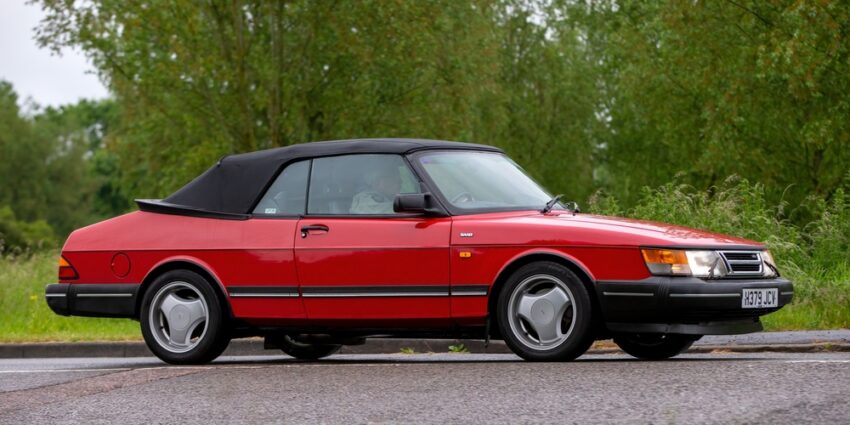
Many older cars, especially luxury models from the 1980s and 1990s, were over-engineered to last hundreds of thousands of miles, using durable materials like thick steel rather than lightweight plastics or aluminum. Planned obsolescence is minimal, making them repairable and durable over decades.
While 2026 models may offer greater fuel efficiency, safety, and comfort, their reliance on digital systems, disposable components, and short-term design cycles can compromise long-term reliability. For drivers prioritizing durability and maintainability, older vehicles remain a safer and more dependable choice.
While modern 2026 vehicles are impressive in safety, efficiency, and digital convenience, their complexity comes at a cost. Proprietary electronics, software dependencies, lightweight materials, and planned obsolescence create points of failure that can make long-term ownership expensive and unpredictable.
Older cars, by contrast, rely on mature, proven technology, accessible mechanical systems, and durable materials designed to last. DIY-friendly designs, robust powertrains, and over-engineered components make maintenance simpler, more affordable, and less dependent on dealerships.
Even though they may lack the latest features, older vehicles often outperform modern models in practical reliability over decades. For drivers who value longevity, maintainability, and predictable performance, a well-kept older car can provide peace of mind and consistent transportation in a way that 2026 models, with all their digital sophistication, may never fully achieve.
Also read: 10 Cars With the Most Intuitive Physical Controls for Distraction Free Driving