
Owning a car should not feel like a constant appointment with a mechanic. For many drivers, the ideal vehicle is one that simply works, requiring little more than routine maintenance once a year. That is exactly what this list focuses on. The “10 Best Used Cars for People Who Only Want to Visit the Shop Once a Year” highlights models known for their durability, simple engineering, and proven long-term reliability.
These vehicles avoid overly complex systems and instead rely on well-tested engines, dependable transmissions, and practical designs. From compact sedans like the Toyota Corolla and Honda Civic to versatile SUVs such as the Honda CR-V and Toyota RAV4, each option offers a balance of affordability and peace of mind.
Whether you are a daily commuter, a family driver, or someone who just wants a hassle-free ownership experience, these cars are built to keep things simple and dependable year after year.
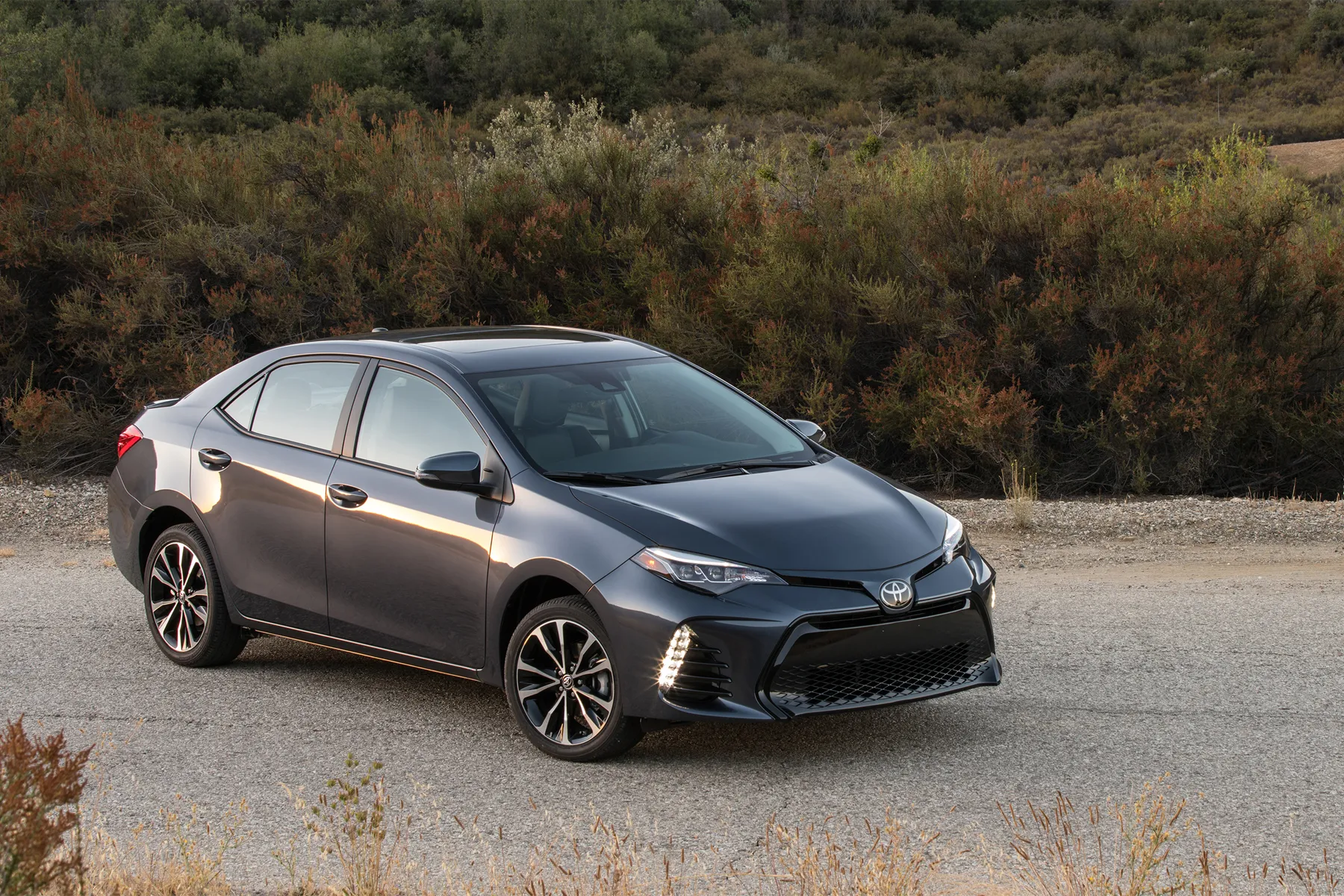
1. Toyota Corolla (2014–2019): Reliable, Low-Maintenance, and Practical
The 2014–2019 Toyota Corolla, also known as the 11th-generation E170, is widely regarded as one of the most dependable and low-maintenance compact sedans available. This generation is designed for drivers who want a predictable and durable car that can go hundreds of thousands of kilometers with minimal intervention.
The 1.8-liter naturally aspirated 4-cylinder engine (2ZR-FE) is the foundation of its reliability. It avoids complex technologies such as turbochargers and direct injection that often cause issues in newer cars.
The engine uses a metal timing chain rather than a rubber belt, eliminating the need for costly regular replacements. Routine oil changes and tire rotations are typically all that is required to keep it running, and many owners report driving over 250,000 kilometers with little more than these basic services.
The Corolla is also very affordable to maintain. Its simple design makes many components easy to access and repair. Parts are widely available, and repairs are usually inexpensive. Average annual maintenance costs are around $340, which allows most drivers to get by with a single yearly service.
The Continuously Variable Transmission (CVT) has proven reliable over time. Suspension, brakes, and core electronics are also known to hold up well, with only minor reports of issues such as paint chipping on certain colors and battery tray corrosion in early 2014 models.
In terms of comfort and practicality, the Corolla performs well. Its rear seat can accommodate three passengers comfortably, and the 368-liter trunk offers sufficient space for family luggage.
Safety features are strong even on base trims and include full airbags, lane departure warning, lane-keeping assist, and a rear-view camera. Fuel economy is efficient, ranging from 6.9 to 7.6 liters per 100 kilometers, making it ideal for daily commuting or longer trips.
The 11th-generation Corolla also holds its value well. Canadian used prices range from $5,500 to $30,800, with most vehicles available between $10,000 and $15,000. Its reputation for reliability and low cost of ownership makes it a sound financial choice.
With proper annual maintenance, an E170 Corolla can easily exceed 250,000 kilometers and remain dependable for more than a decade. For drivers who prioritize practicality, reliability, and affordable ownership, the 2014–2019 Toyota Corolla remains a top recommendation.
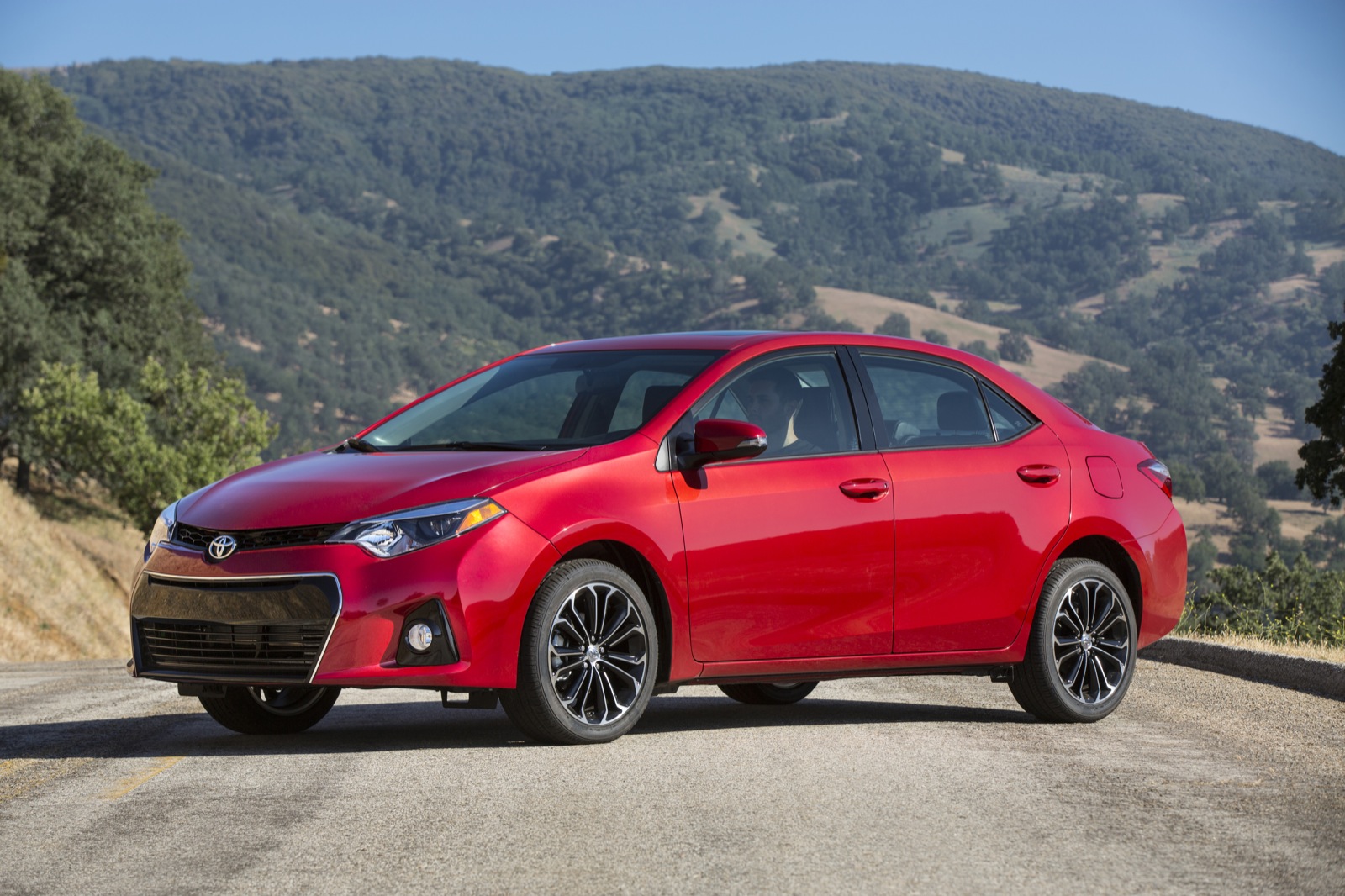
2. Honda Civic (2012–2015): Reliable, Low-Maintenance, and Practical
The 2012–2015 Honda Civic, part of the ninth-generation lineup, is known for its reliability and low maintenance requirements. This generation focuses on naturally aspirated engines rather than the turbocharged options found in newer models, making it a strong choice for drivers who value simplicity and durability.
Owners report very few unscheduled repairs, averaging only 0.2 visits per year. The suspension and transmission, whether manual or automatic, are built to last and provide long-term durability for daily commuting and family use.
The 1.8-liter R18Z naturally aspirated engine is a key strength of this generation. It is simple, durable, and fuel-efficient, often surpassing 200,000 miles with routine maintenance.
The CVT automatic option in 2014–2015 models improves fuel economy, achieving approximately 29/37 MPG or 8.1/6.4 L/100 km. Compared to newer turbocharged Civics, these models have fewer electronic and powertrain complexities, reducing potential issues and keeping maintenance costs low.
The 2013–2015 models are especially recommended because they addressed early 2012 issues with cabin noise, interior quality, and suspension. The 2012 model had a cheaper interior and a noisier ride. Owners praise the later models for their improved comfort, sound insulation, and refined suspension.
The interior offers generous space for passengers along with practical cargo capacity. The dual-level dashboard design helps drivers stay focused on the road, while updated materials and improved sound insulation in the 2014 and 2015 models enhance comfort and refinement during daily driving.
Potential issues are minor but should be considered. High-mileage vehicles may develop worn engine mounts, causing vibration, power window switch failures, or airbag occupant sensor problems. Verifying service history and ensuring proper oil changes are important for long-term reliability.
The 2012–2015 Honda Civic is a practical, fuel-efficient, and durable used car. It offers a smooth driving experience with minimal maintenance requirements.
For those seeking the best balance of comfort, reliability, and refinement, the 2014–2015 models are the preferred choice due to improved suspension, interior quality, and sound insulation. These Civics provide a safe, economical, and dependable option for long-term ownership.
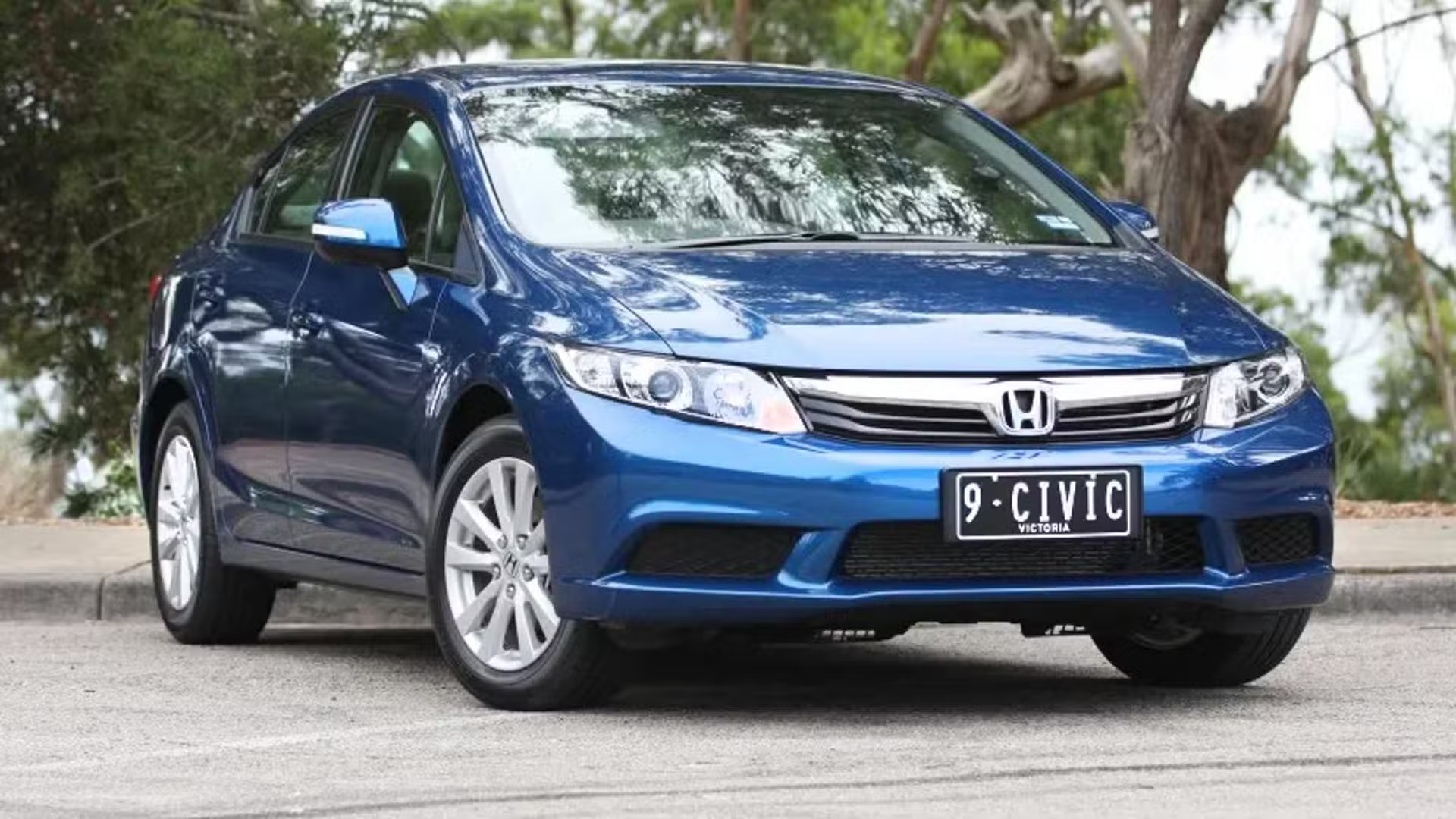
3. Toyota Camry (2012–2017): Durable, Low-Maintenance, and Comfortable
The 2012–2017 Toyota Camry, part of the seventh-generation lineup, is known for its exceptional reliability and low maintenance requirements. This generation builds on the philosophy of the Corolla by offering a larger, more comfortable sedan while maintaining over-engineered durability.
Owners report very few unscheduled repairs, averaging only 0.3 visits per year, making it a preferred choice for high-mileage commuters and family drivers. The Camry handles long highway drives and heavy traffic with ease, requiring attention mainly for routine maintenance such as oil changes or occasional replacement of wear items like brake pads.
The Camry offers proven long-term reliability. Its 2.5-liter 4-cylinder engine paired with a 6-speed automatic transmission is durable and capable of exceeding 200,000 miles. A 3.5-liter V6 is available for drivers who want more power, while the Hybrid models deliver excellent fuel economy of up to 42 mpg city without compromising durability. This generation consistently ranks highly in reliability studies.
For example, the 2017 Camry earned top marks in the J.D. Power Vehicle Dependability Study, and RepairPal rates the model 4.0 out of 5.0 for reliability. Major engine or transmission failures are rare, and most reported issues are minor, such as occasional oil consumption or transmission hesitation in early 2.5-liter models.
Maintenance costs are low compared to other midsize sedans. The average annual repair cost is around $388, and replacement parts are widely available due to the Camry’s popularity. Routine servicing is quick and affordable, which contributes to its reputation as a dependable, worry-free vehicle.
The 2012–2017 Camry also offers a quiet and spacious cabin. Higher trims include leather-accented seats, soft-touch materials, and wood-grain styling, while all models provide generous rear legroom.
Safety features are strong, with a 5-star NHTSA rating and stable electronics, including the Entune infotainment system. Hybrid models have slightly reduced trunk space due to the battery pack, but they remain practical for everyday use.
For used buyers seeking a reliable and low-maintenance sedan, the 2014.5–2017 models are particularly recommended due to structural improvements and updated features. The Toyota Camry combines comfort, practicality, and long-term reliability, making it a top choice for commuters and families who value peace of mind and minimal upkeep.
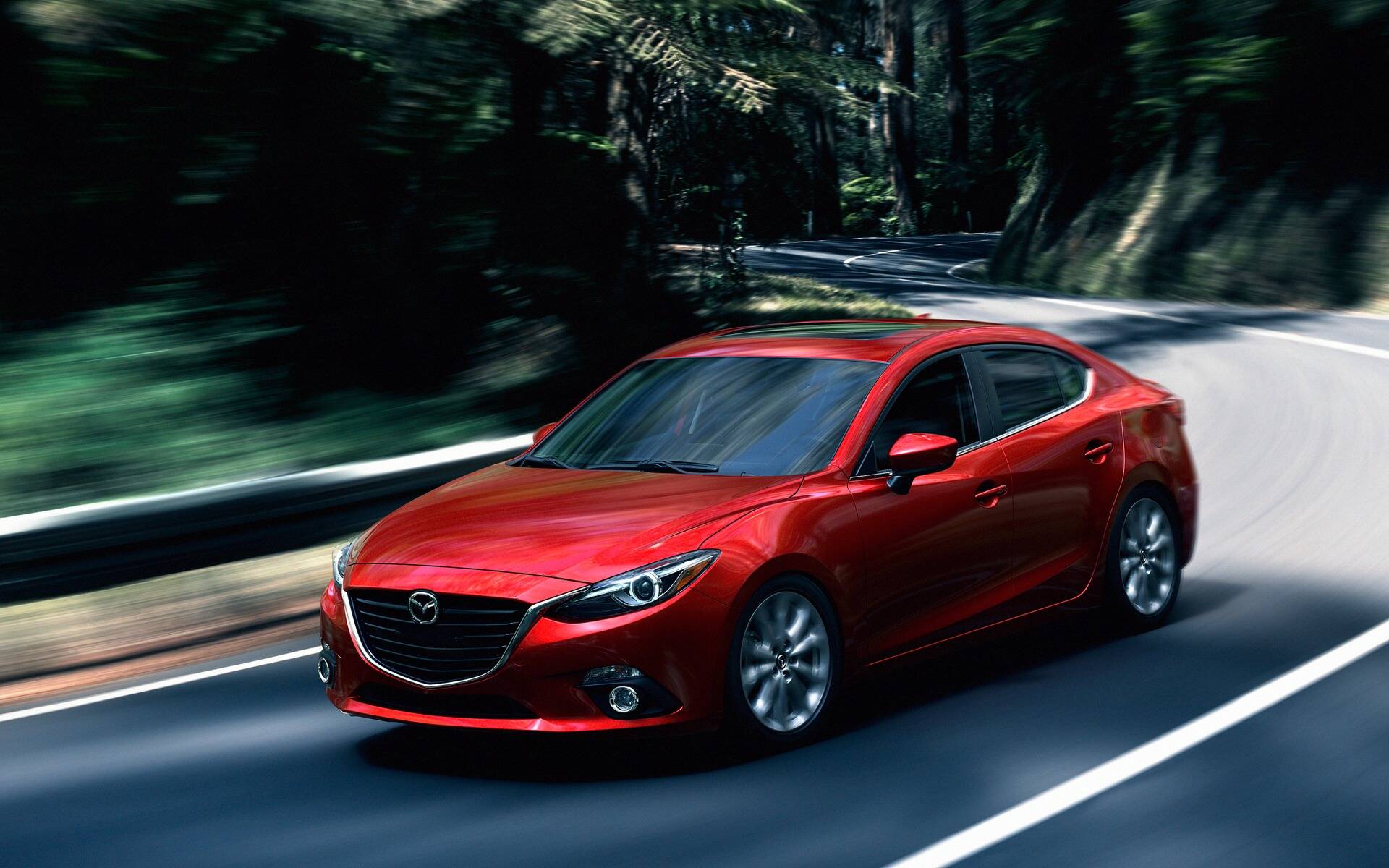
4. Mazda3 (2014–2018): Reliable, Efficient, and Engaging to Drive
The 2014–2018 Mazda3, part of the third-generation lineup, combines driving enjoyment with high reliability and low-maintenance ownership. This generation introduced Mazda’s SkyActiv technology, featuring high-compression engines, lightweight design, and improved structural rigidity.
Moving away from Ford-based platforms, the Mazda3 is built entirely by Mazda, resulting in a drivetrain that remains robust and trouble-free over time. It avoids complex dual-clutch transmissions and tiny turbochargers, making it simpler and more reliable than many competitors.
Consumer Reports frequently ranks this generation as a top used buy, thanks to its combination of reliability, premium interior feel, and engaging driving dynamics.
The Mazda3 is powered by SkyActiv-G petrol engines, including 2.0-liter and 2.5-liter options, paired with a conventional 6-speed automatic transmission. The engines use a timing chain instead of a belt, eliminating the need for costly replacements.
Reliability is exceptional, with studies showing unscheduled maintenance visits averaging only 0.3 per year, while annual maintenance costs typically run around $433. Many fluids, such as engine coolant and transmission fluid, are designed as “lifetime” fills, reducing service requirements even further.
The cabin of the Mazda3 is durable and well-built, with superior materials that resist squeaks or rattles even at high mileage. The interior layout is uncluttered, controls are intuitive, and the 7-inch touchscreen infotainment system is user-friendly. Higher trims, such as the SE Nav, include satellite navigation, rear parking sensors, and larger wheels, while top-tier Sport Nav adds a head-up display and additional features.
Some minor issues should be monitored to maintain a low-maintenance experience. Certain models can develop early rust on the underbody, exhaust, or suspension components, while some 2016 cars experienced rear brake wear. Infotainment screens may occasionally require software updates. Noise is slightly higher than in some rivals, with wind and tire noise noticeable at motorway speeds.
Fuel economy is competitive, with petrol engines ranging from a 1.5-liter 99bhp option to a 2.0-liter 163bhp version. Diesel options are also available in select markets, with the 1.5-liter and 2.2-liter units offering strong efficiency. The Mazda3 performs reliably while achieving real-world fuel consumption figures close to official estimates.
The 2014–2018 Mazda3 is ideal for buyers seeking a dependable, low-maintenance compact car that also provides an engaging driving experience, a premium-feeling interior, and strong fuel economy. The SE Nav trim offers the best combination of features, practicality, and ease of use.
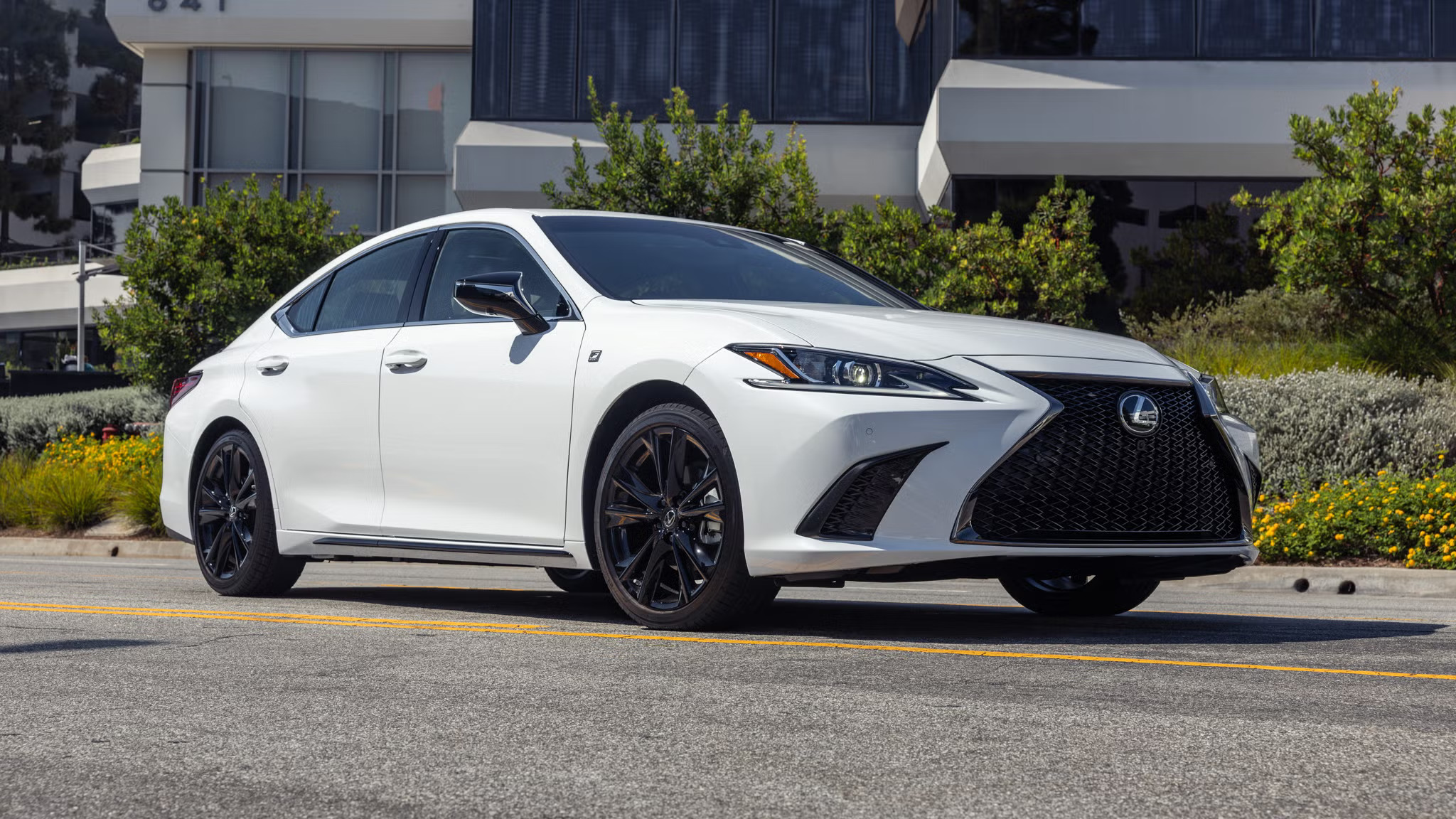
5. Lexus ES (2013–2018): Reliable Luxury with Low Maintenance
The 2013–2018 Lexus ES is a luxury sedan that combines comfort, refinement, and long-term reliability while keeping maintenance simple and affordable. Mechanically, it shares much of its DNA with the Toyota Camry and Avalon, including durable engines and dependable transmissions.
This makes it ideal for buyers who want a prestigious, comfortable vehicle that requires minimal visits to the mechanic. Owners often report that routine annual service is the only attention the car needs, unlike many European luxury vehicles that demand frequent electronic updates and specialized tools.
The ES350 features a 3.5-liter V6 engine producing 268 horsepower, providing smooth, robust power and a quiet, effortless driving experience. For those prioritizing fuel efficiency, the ES300h hybrid uses a 2.5-liter four-cylinder engine with an electric motor, delivering roughly 40 MPG combined without sacrificing reliability. Both powertrains are proven and low-maintenance, with minimal risk of major engine or transmission failures.
Reliability is one of the ES’s strongest selling points. Lexus consistently ranks at the top of J.D. Power dependability studies, with low fault rates and high owner satisfaction.
The interior uses high-quality materials, including leather and wood trim, which remain durable over time, reducing the need for repairs or replacements. The cabin is spacious and quiet, offering generous rear legroom and a comfortable ride that absorbs road imperfections effectively.
Common issues are limited and minor. Early model years occasionally experienced ventilated seat problems, minor water leaks, or sunroof issues. The infotainment system, including the Remote Touch interface, can feel outdated and less intuitive compared with competitors.
Despite this, the system generally operates reliably once learned. Average annual maintenance costs remain low for a luxury sedan, with parts widely available due to shared Toyota components.
The 2013–2018 Lexus ES received a redesign in 2013 for a modern, spacious cabin, a styling refresh in 2016, and minor safety updates in 2015. Buyers seeking long-term reliability and low ownership costs should consider the hybrid ES300h for efficiency or the ES350 for smooth, refined performance.
With its combination of luxury, comfort, and dependability, the Lexus ES is an excellent choice for those who want a prestigious vehicle without the high cost or hassle often associated with premium cars.
Also read: 5 Cars With Simple Mechanical Cooling vs 5 With Fragile Electric Fans
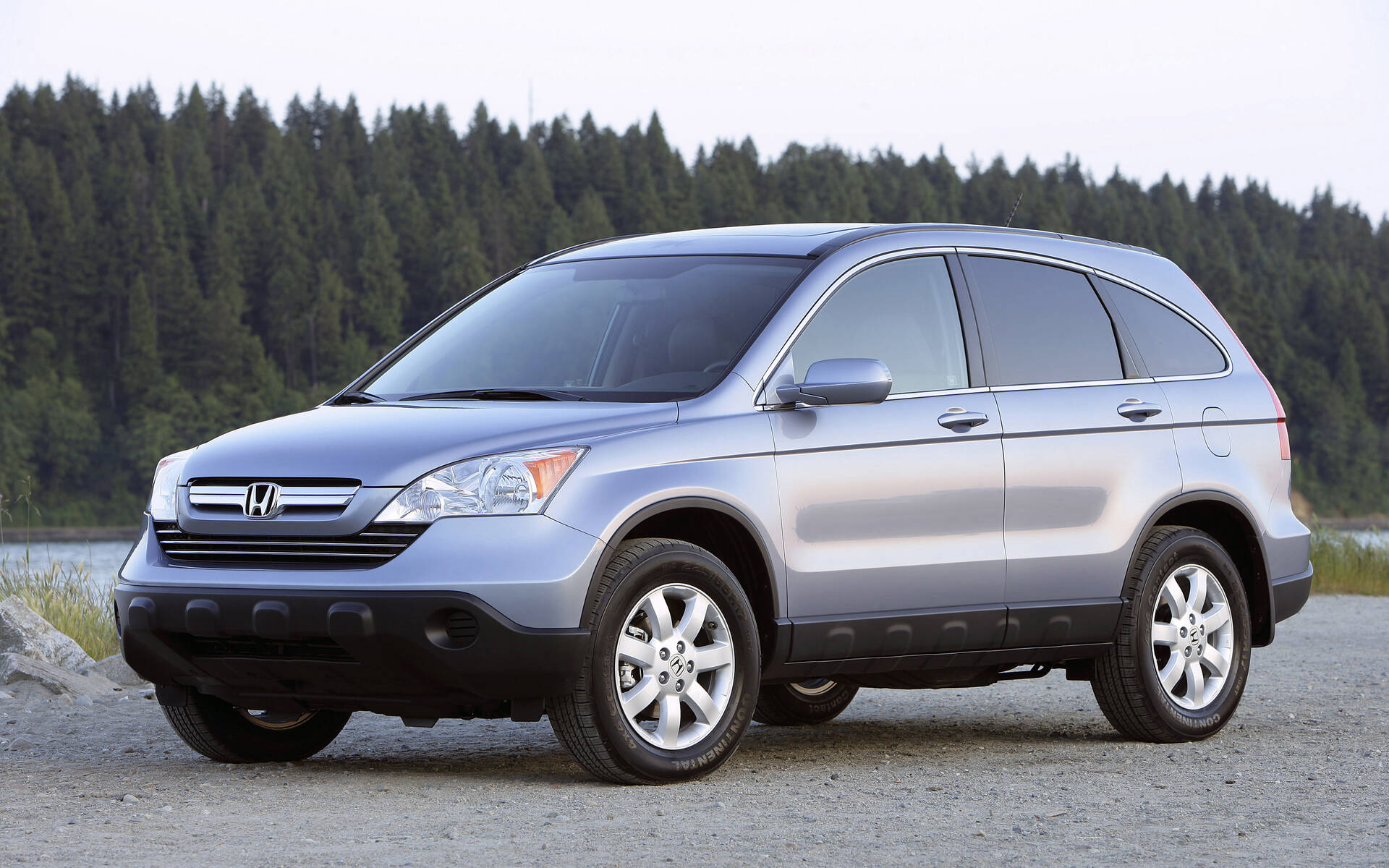
6. Honda CR-V (2007–2011): Durable, Practical, and Budget-Friendly
The 2007–2011 Honda CR-V, part of the third-generation lineup, is widely regarded as one of the most durable and practical compact SUVs available. Despite its age, it remains a favorite among mechanics and budget-conscious buyers due to its proven reliability and simple engineering.
At its core is Honda’s K-series engine, known for exceptional longevity and the ability to run for many years with basic maintenance. Paired with a straightforward transmission and a Real-Time 4WD system, the CR-V avoids the complexity of newer, more computer-dependent all-wheel-drive systems, resulting in fewer potential issues over time.
This generation is especially valued for its practicality. It offers one of the most spacious interiors in its class, with enough rear seat width to accommodate three passengers or even multiple child seats. Cargo capacity is generous, making it suitable for family use, road trips, or daily errands.
The ride is comfortable and composed, with well-balanced steering and handling that perform well on both city roads and highways. While it is not designed for serious off-road use, it handles rough surfaces and winter conditions with confidence.
Running costs are reasonable for an SUV of this size. Maintenance is straightforward, with routine servicing such as oil changes, filters, and brake components being relatively affordable.
While fuel economy is not as strong as smaller sedans, the petrol engine can achieve around 34 mpg officially and often performs better in real-world driving, while diesel variants offer higher efficiency. Annual servicing typically costs between £175 and £275, making ownership manageable even for budget buyers.
The CR-V is not without minor drawbacks. The interior design is somewhat plain, and road tax and emissions are higher compared to modern vehicles. It also lacks the advanced technology and refinement found in newer SUVs. However, these trade-offs are balanced by its durability and low likelihood of major mechanical problems.
For buyers seeking a dependable and spacious SUV on a budget, the 2007–2011 Honda CR-V remains a strong choice. A well-maintained example, particularly from later model years like 2011, can deliver years of reliable service with minimal unexpected repairs, making it a practical long-term investment.
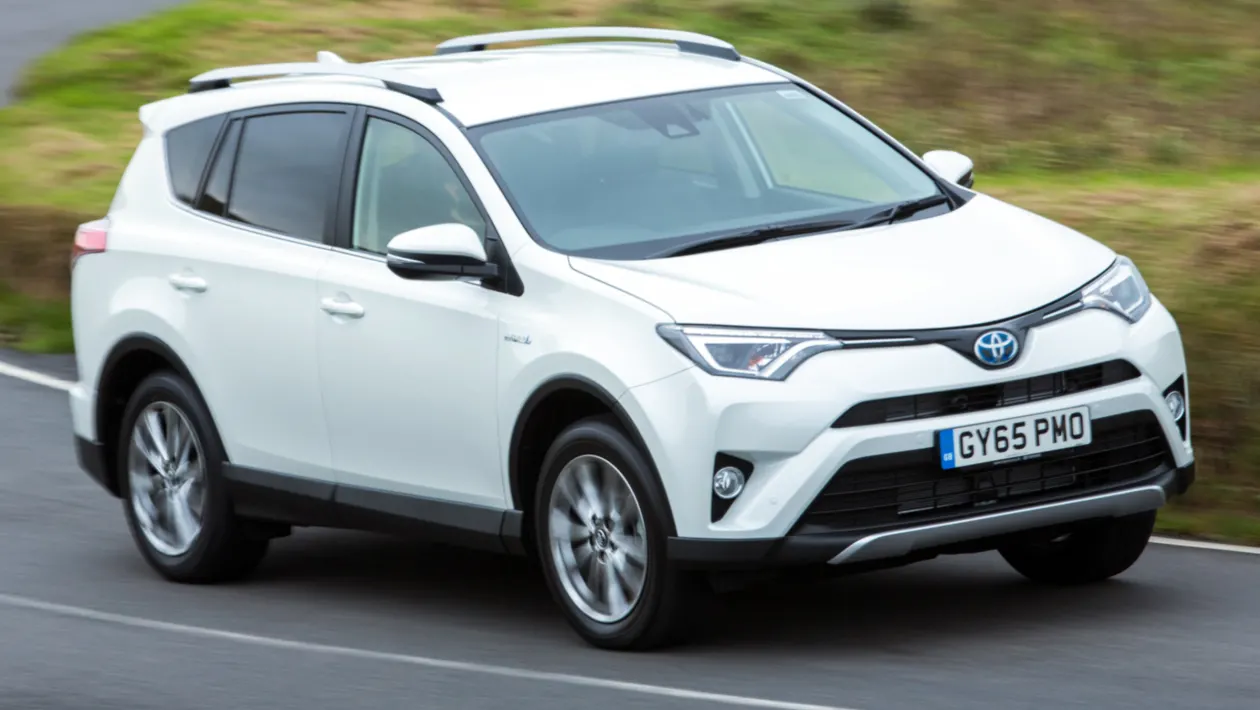
7. Toyota RAV4 (2013–2018): Durable, Practical, and Low-Maintenance SUV
The 2013–2018 Toyota RAV4, part of the fourth-generation lineup, is widely recognized for its durability, practicality, and low-maintenance ownership. Built with simplicity and proven engineering, it uses a reliable 2.5-liter four-cylinder engine paired with a traditional 6-speed automatic transmission.
This combination avoids the complexity of turbochargers and less durable transmissions found in some competitors, contributing to long-term reliability. Many owners report these vehicles lasting well beyond 300,000 miles with routine maintenance, making the RAV4 a dependable choice for daily use and long-distance driving.
One of the key strengths of this generation is its minimal need for unexpected repairs. The RAV4 is considered part of Toyota’s reliability “sweet spot,” with few reports of major engine or transmission failures.
Routine maintenance such as oil changes, brake servicing, and fluid checks is usually all that is required, allowing most owners to limit mechanic visits to once a year. Replacement parts are widely available and affordable, further reducing ownership costs.
The RAV4 also excels in practicality and versatility. It offers a spacious interior with generous headroom and legroom for both front and rear passengers. The cargo area is large and easy to access thanks to its wide-opening rear hatch, and folding the rear seats creates a long, flat load space suitable for transporting larger items. This makes it ideal for families, commuters, and those needing a flexible vehicle for everyday tasks.
Several engine options are available, including petrol, diesel, and hybrid variants. The hybrid models introduced in 2016 combine good fuel efficiency with dependable performance, making them especially appealing for urban drivers. While the RAV4 is easy to drive and comfortable for daily use, its ride and handling are less engaging compared to some rivals, and it is not designed for serious off-road use.
Later models from 2016 to 2018 are particularly recommended, as they include updated safety features and improved refinement. Early 2013 models may have slightly more minor issues, so a thorough inspection is advised.
For buyers seeking a reliable, spacious, and low-maintenance SUV, the 2013–2018 Toyota RAV4 stands out as a practical long-term choice that balances durability, usability, and strong resale value.
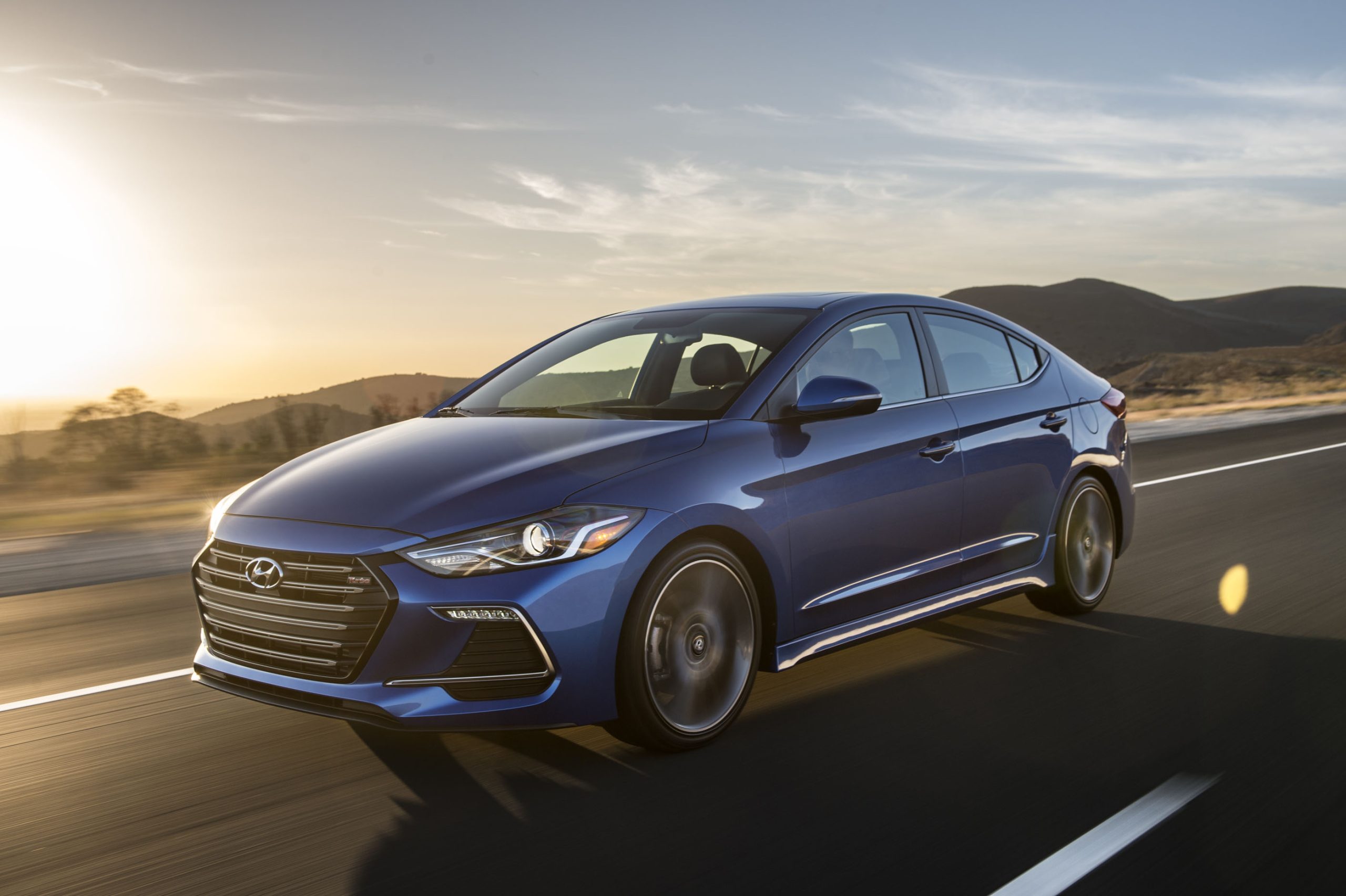
8. Hyundai Elantra (2017–2020): Affordable, Modern, and Highly Reliable
The 2017–2020 Hyundai Elantra represents a major step forward in Hyundai’s reputation for reliability and value. As part of the sixth generation, this compact sedan is widely recognized for its low operating costs, solid engineering, and modern features, making it an excellent choice for drivers who want dependable transportation without high maintenance demands.
With an average of only a small number of unscheduled repairs per year, it stands out as one of the more reliable options in the used compact car market.
A key strength of this Elantra is its cost efficiency. Maintenance expenses are relatively low, thanks to durable wear components such as brakes, tires, and belts that do not require frequent replacement.
Routine servicing is straightforward and affordable, allowing owners to keep the car in good condition with minimal effort. This makes it especially appealing for budget-conscious buyers or those who prefer a “set it and forget it” ownership experience.
In terms of performance, the Elantra offers a standard 2.0-liter engine that balances efficiency and everyday usability. For those seeking more power, a 1.6-liter turbocharged option is available in higher trims.
The ride quality is generally comfortable and composed, though some drivers note slightly firm seating and occasional cabin noise during longer trips. Despite this, the car remains practical for daily commuting and urban driving.
The interior is another highlight, featuring a modern design with user-friendly technology. The infotainment system is intuitive and avoids the complexity and glitches often found in more expensive vehicles. Higher trims may include premium features such as a sunroof and advanced safety technologies, giving the Elantra a more upscale feel than its price suggests.
While the Elantra is largely reliable, buyers should be aware of minor issues reported by some owners. These include occasional cooling system concerns, headlight condensation, and slight transmission or electronic quirks. However, these problems are not widespread and are generally manageable with proper maintenance.
For those seeking a stylish, reliable, and affordable compact sedan with modern features, the 2017–2020 Hyundai Elantra offers strong value and dependable performance, making it a smart long-term choice.
9. Honda Fit / Jazz (2015–2020): Ultra-Practical and Low-Cost Commuter
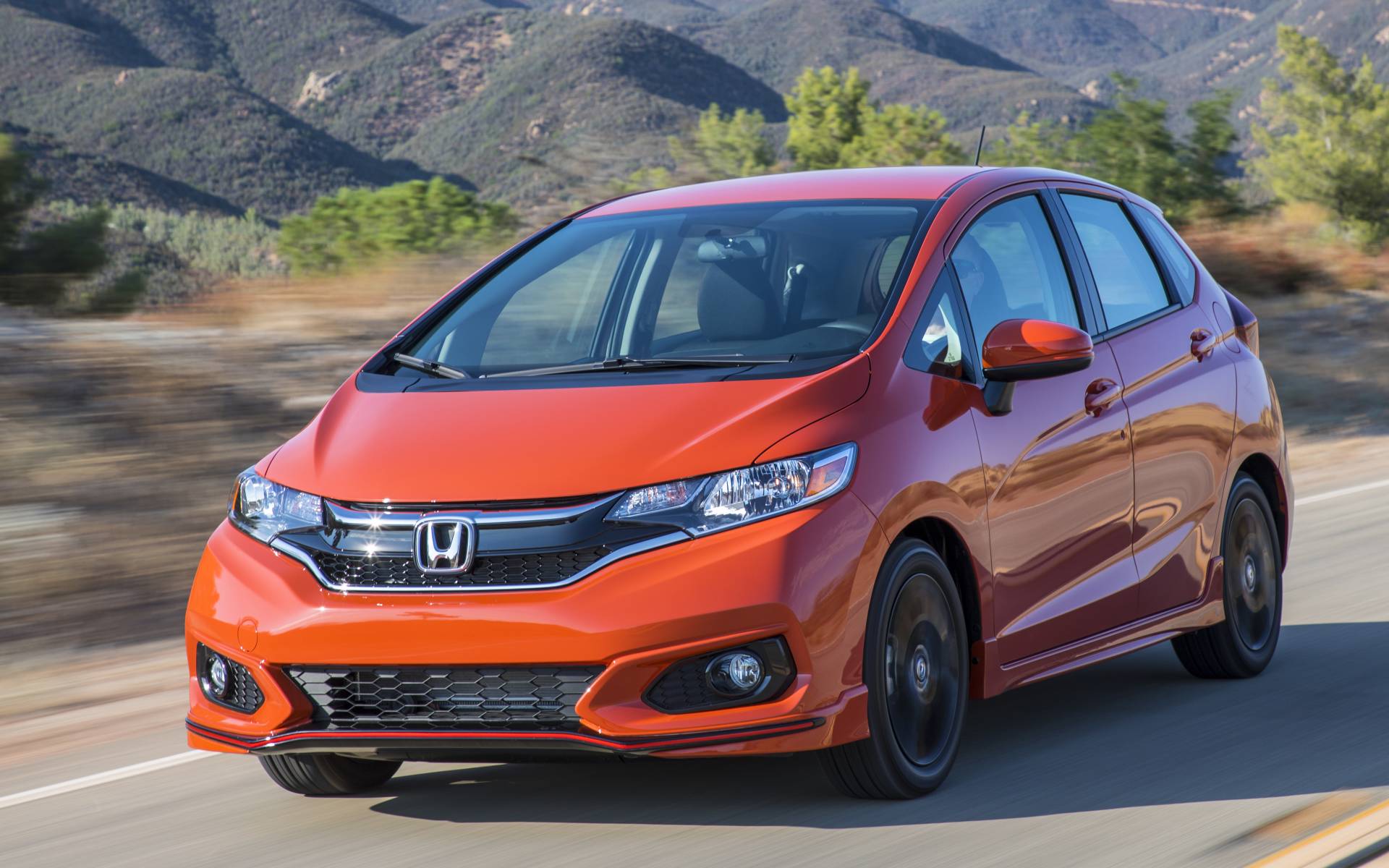
The 2015–2020 Honda Fit, also known as the Jazz in some markets, stands out as one of the most practical and low-maintenance subcompact cars available. Designed with simplicity and efficiency in mind, it combines a lightweight structure with durable components, making it highly reliable and inexpensive to own over the long term.
Its 1.5-liter four-cylinder engine is well known for its longevity and fuel efficiency, avoiding the complexity of turbocharged systems that often lead to higher repair costs. As a result, many owners experience minimal issues, often needing little more than routine annual maintenance.
One of the defining features of this generation is its exceptional practicality. The Fit’s “Magic Seats” system allows the rear seats to fold flat or flip upward, creating a highly flexible cargo area that can accommodate large or awkward items, including furniture.
Despite its small exterior size, the interior offers impressive headroom and legroom, making it feel more spacious than many larger vehicles. This versatility makes it ideal for city dwellers, commuters, and anyone who values functionality in a compact package.
In terms of driving experience, the Fit is easy to maneuver and well-suited for urban environments. It features light steering and excellent visibility, which help in tight spaces and heavy traffic. However, it is not designed for performance driving.
The ride can feel firm over rough roads, and cabin noise becomes more noticeable at higher speeds. Additionally, models equipped with a continuously variable transmission may produce some noise during acceleration, though this does not typically affect reliability.
Ownership costs are among the lowest in its class. Fuel economy is excellent, often reaching up to 36 miles per gallon combined, and routine maintenance remains affordable. While the interior materials are somewhat basic and earlier infotainment systems may feel outdated, these are minor compromises considering the vehicle’s dependability and utility.
For buyers seeking a reliable, economical, and highly practical daily driver, the 2015–2020 Honda Fit offers outstanding value and remains one of the best choices in the subcompact segment.
10. Mitsubishi Mirage (2016–Present): Simple, Ultra-Low-Cost Daily Driver
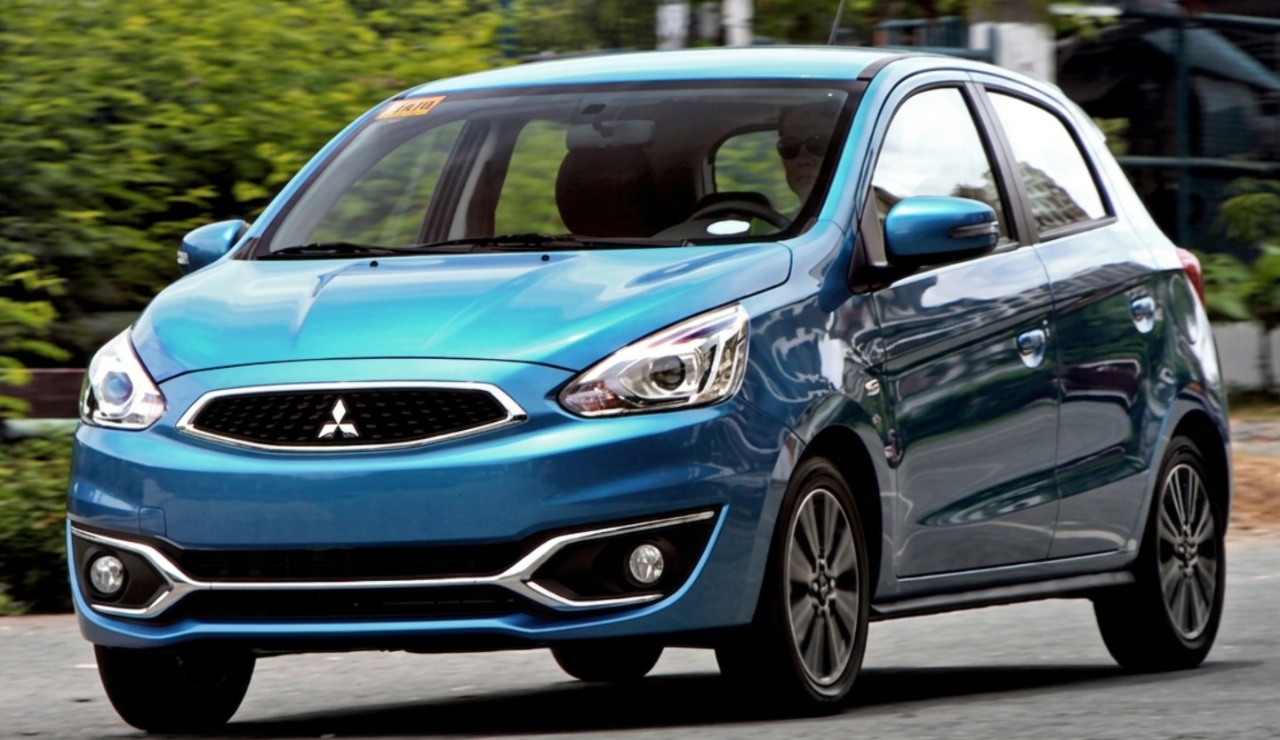
The 2016–present Mitsubishi Mirage is designed with simplicity at its core, making it one of the most affordable and low-maintenance vehicles available. Built around a basic 1.2-liter three-cylinder engine and a lightweight chassis, it avoids the complexity found in many modern cars.
With fewer advanced systems and electronics, there are fewer components that can fail, which helps reduce unexpected repair visits. This straightforward design is a major reason why the Mirage appeals to budget-conscious drivers and those seeking dependable, no-fuss transportation.
A key advantage of the Mirage is its extremely low cost of ownership. Maintenance expenses are well below average, with routine services such as oil changes, fluid checks, and brake inspections being inexpensive and easy to manage.
Replacement parts are widely available and affordable, further keeping long-term costs down. Many owners report very few unscheduled repairs, often visiting a mechanic only for basic yearly maintenance. This makes it ideal for drivers who want a reliable car without frequent trips to the shop.
Fuel efficiency is another strong point. The Mirage can achieve over 40 miles per gallon on the highway, making it an economical choice for daily commuting. Its compact size and small turning radius also make it highly maneuverable in tight urban spaces, allowing for easy parking and stress-free city driving. These qualities make it particularly suitable for new drivers or those living in crowded areas.
There are some trade-offs to consider. The small engine produces limited power, resulting in slow acceleration and reduced confidence during highway overtaking. The three-cylinder engine can also be noisy, especially when pushed hard. Inside, the cabin is basic, with simple materials and minimal refinement. Ride quality may feel firm on uneven roads, and comfort is modest compared to more expensive vehicles.
Proper care of the continuously variable transmission is important for long-term durability, especially regular fluid changes. Brake wear should also be monitored during routine servicing. For drivers prioritizing affordability, simplicity, and reliability, the Mitsubishi Mirage remains a practical and dependable choice.
Choosing a used car that rarely needs attention can save both time and money while reducing the stress that often comes with ownership. The vehicles on this list prove that reliability is not just about brand reputation but also about smart engineering and consistent maintenance.
Models like the Toyota Camry, Lexus ES, and Honda Fit show that it is possible to enjoy comfort, practicality, and efficiency without frequent trips to the repair shop.
Each car here has earned its place by delivering dependable performance over many years, often requiring nothing more than basic annual servicing. While no vehicle is completely maintenance-free, selecting one with a strong track record significantly lowers the chances of unexpected problems.
By focusing on proven models with simple, durable components, you can confidently choose a car that fits your lifestyle and keeps your time in the driver’s seat instead of the service bay.
Also read: 10 Cars With the Most Intuitive Physical Controls for Distraction Free Driving
