
When it comes to vehicle safety, few components matter as much as the brake booster. It is the critical link between your foot and your vehicle’s ability to stop safely. The brake booster amplifies the force you apply to the brake pedal. Without it, stopping a modern vehicle would require significantly more physical effort from the driver.
Brake boosters use engine vacuum pressure or electric actuators in newer cars to multiply your pedal input. This multiplication of force is what gives modern vehicles their smooth, effortless stopping power. Over time, brake booster diaphragms can crack, vacuum hoses can leak, and seals can fail. These failures lead to soft, unresponsive brake pedals that compromise driver safety significantly.
Not every vehicle is engineered to the same standard when it comes to brake booster durability. Some automakers invest deeply in premium OEM components, tight tolerances, and long-term quality testing. Others cut costs in ways that eventually lead to premature brake booster wear. Choosing the right vehicle means choosing one where the braking system is built to last.
The vehicles on this list have earned outstanding reputations for brake booster reliability. They are backed by owner data, engineering excellence, and decades of proven real-world performance.
These are machines that stop confidently today, tomorrow, and hundreds of thousands of miles from now. Read on to discover the ten vehicles with the most reliable brake boosters on the market.
1. Toyota Camry
The Toyota Camry is one of the most celebrated sedans in automotive history. A huge part of its legendary reputation rests on the rock-solid durability of its braking system. Toyota engineers the Camry’s brake booster with tight manufacturing tolerances that prevent premature wear. The result is a braking component that consistently outlasts industry averages by a wide margin.
The Camry uses a well-sealed dual-diaphragm vacuum brake booster. This design delivers firm, consistent pedal feel across hundreds of thousands of miles of use. Toyota’s rubber diaphragm compounds are reinforced specifically against heat-induced cracking and hardening. This means the booster’s internal components remain supple and functional long after rivals show signs of deterioration.
Owner-reported data consistently places the Camry at the top of midsize sedan reliability rankings. Brake booster failures are essentially unheard of in well-maintained Camrys with over 200,000 miles. Consumer Reports has repeatedly ranked the Toyota Camry among the most reliable vehicles in its class. Long-term studies confirm that Camry owners spend far less on unscheduled brake repairs than owners of most competing sedans.
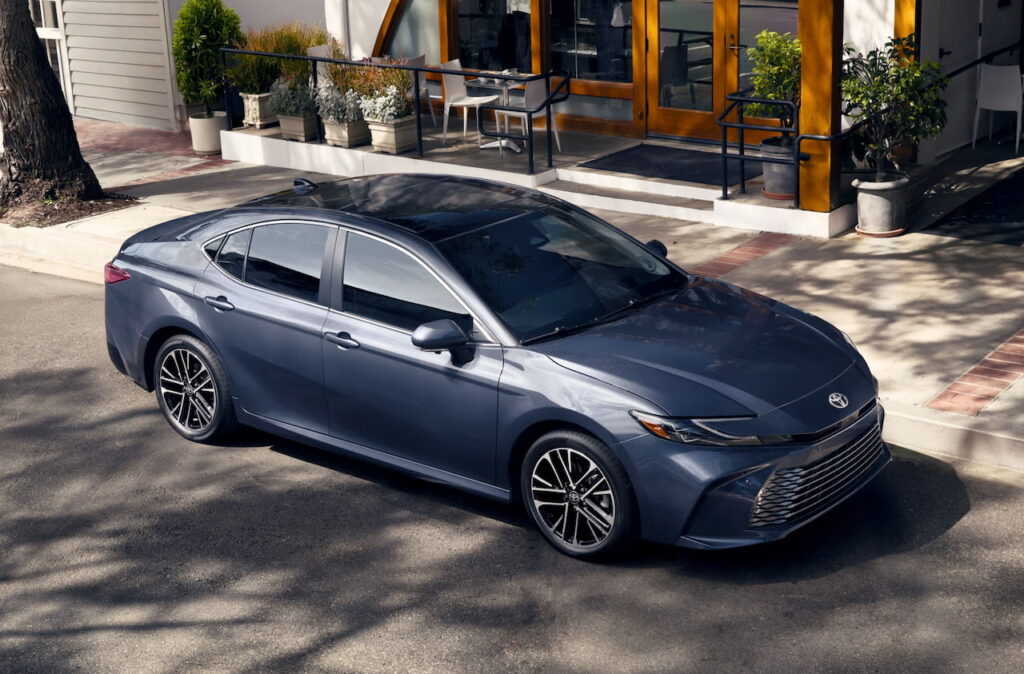
Toyota’s Atkinson-cycle 2.5-liter four-cylinder engine maintains a steady, strong vacuum signal for the brake booster. Consistent vacuum pressure is the lifeblood of any vacuum-assisted brake booster. A stable vacuum supply means the booster always has the energy to deliver powerful braking assistance. This is especially critical during stop-and-go urban traffic, where vacuum levels can fluctuate in lesser-engineered engines.
Toyota also follows a conservative, incremental engineering improvement philosophy. Rather than introducing entirely new braking systems with each model year, Toyota refines proven components generation after generation. This approach means the Camry’s brake booster reflects decades of accumulated real-world refinement. Drivers benefit from a system that has been quietly perfected over many years of continuous improvement.
The Camry’s brake booster is also highly accessible for routine inspections and servicing. Technicians can quickly check the check valve, vacuum hose, and booster seal during standard maintenance visits. Early warning signs of wear are caught and corrected before they develop into costly repairs. For drivers who want a sedan that stops reliably for the entire life of the vehicle, the Toyota Camry sets the gold standard.
2. Honda Accord
The Honda Accord has been one of America’s best-selling midsize sedans for decades. Its reputation for reliability extends deeply into its braking system, where Honda’s engineering precision is most apparent. The Accord’s vacuum-assisted brake booster is precisely matched to the vehicle’s weight and braking demands. This vehicle-specific calibration creates a naturally firm, confidence-inspiring pedal feel that drivers immediately notice.
Honda uses high-grade rubber compounds in the Accord’s brake booster diaphragm. These materials resist deterioration even under extreme heat and cold temperature cycles. The check valve protecting the booster from hydraulic fluid contamination is particularly robust in design. Unlike some competitors where check valve failure leads to rapid booster degradation, the Accord’s valve is built to last for the life of the vehicle.
Owner satisfaction data from J.D. Power and iSeeCars consistently places the Honda Accord among the top brake system performers. Reported brake booster failures across multiple Accord generations are remarkably rare in owner surveys. Many Accord owners report their original brake boosters functioning perfectly at 150,000 miles or more. This level of longevity is a direct result of Honda’s commitment to tight manufacturing tolerances and premium component specification.
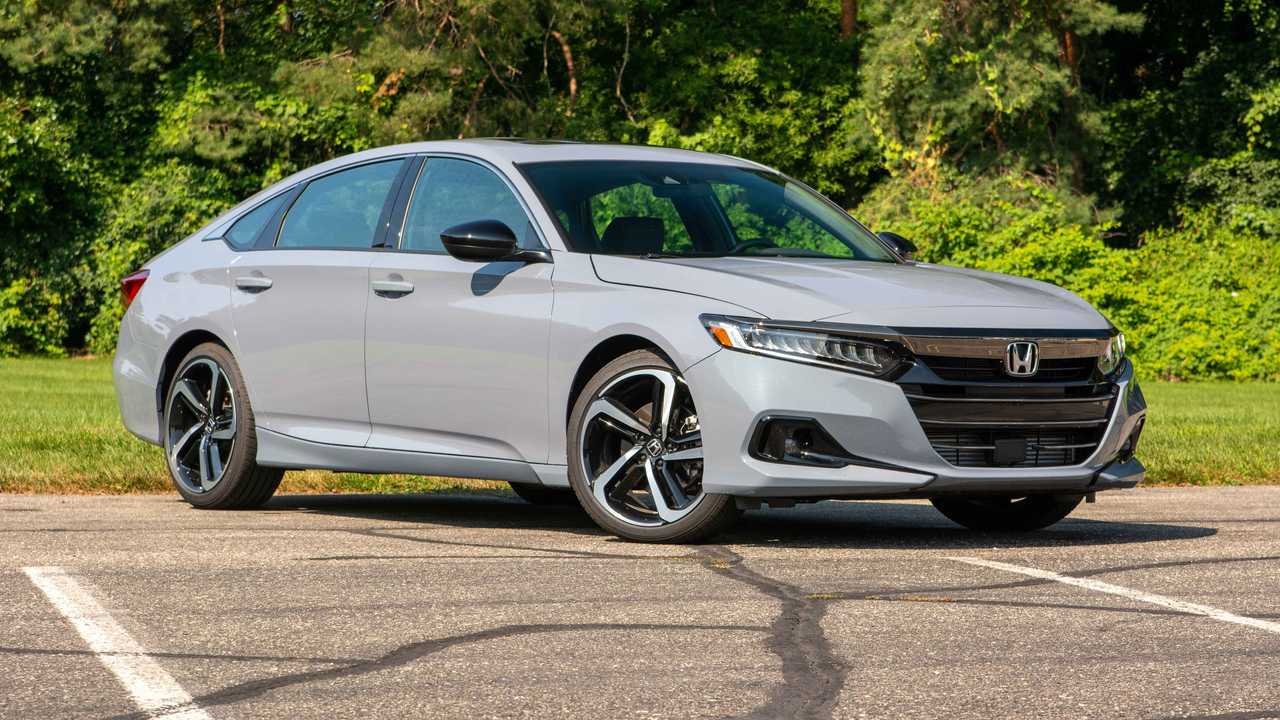
The Accord’s 1.5-liter turbocharged four-cylinder engine maintains strong, consistent vacuum levels across its operating range. A stable vacuum signal ensures the booster always has the energy to amplify braking force effectively. Honda engineers the Accord’s vacuum supply hoses with heat-resistant materials that prevent premature cracking. This protects the entire brake booster system from one of the most common causes of brake-related failures in older vehicles.
Honda’s attention to detail is evident throughout every component of the Accord’s braking system. Every bolt, gasket, and seal is engineered to fit perfectly from the factory. This manufacturing precision dramatically reduces the chance of vacuum leaks developing as the vehicle ages. Drivers benefit from a braking system that feels as firm and responsive at 100,000 miles as it did on the day of purchase.
The Honda Accord Hybrid version extends brake booster longevity even further through regenerative braking. The electric motors handle a significant portion of normal deceleration, dramatically reducing the load on the hydraulic brake booster. This reduced mechanical stress translates directly into a longer service life for all brake components. The Honda Accord Hybrid is one of the most brake-system-efficient vehicles available at any price point.
3. Lexus ES
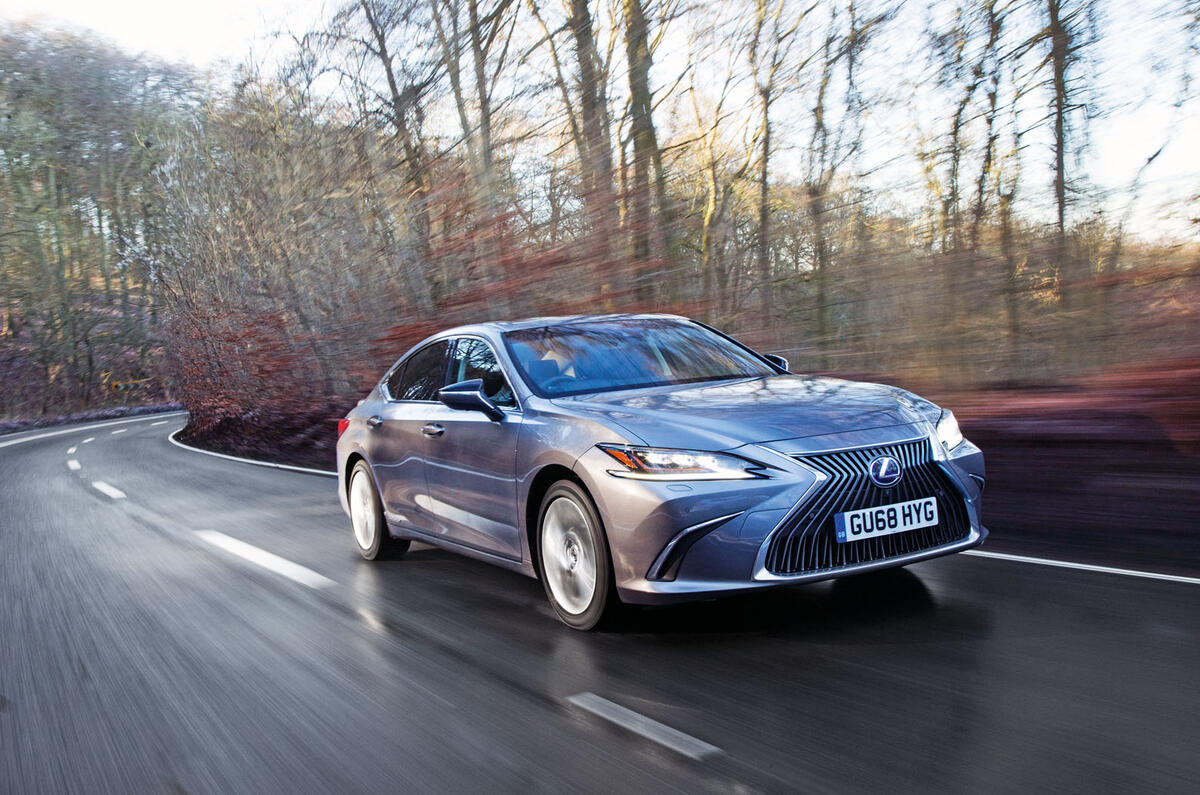
The Lexus ES brings Toyota’s legendary engineering discipline into the luxury segment with exceptional results. The brake booster is one area where Lexus’s over-engineering philosophy produces tangible, measurable benefits for owners. Lexus sources brake booster components from premium OEM suppliers who must meet strict quality audits. The dual-diaphragm design used in the ES delivers exceptional boosting force with outstanding pedal feel precision.
Consumer Reports ranks Lexus at the very top of its annual brand reliability rankings. The ES is among the most dependable models in the entire luxury segment, year after year. Brake-system complaints, including anything related to the brake booster, are extremely rare in Lexus ES owner communities. J.D. Power awards the ES an 89 out of 100 for quality and reliability a score that reflects engineering excellence across every system.
The Lexus ES Hybrid version reduces brake booster wear even further through its regenerative braking system. Electric motors handle much of the initial deceleration during normal urban and highway driving. The hydraulic brake booster only operates at full capacity during hard stops and emergencies. This reduced mechanical duty cycle dramatically extends the service life of the booster’s internal diaphragm and seals.
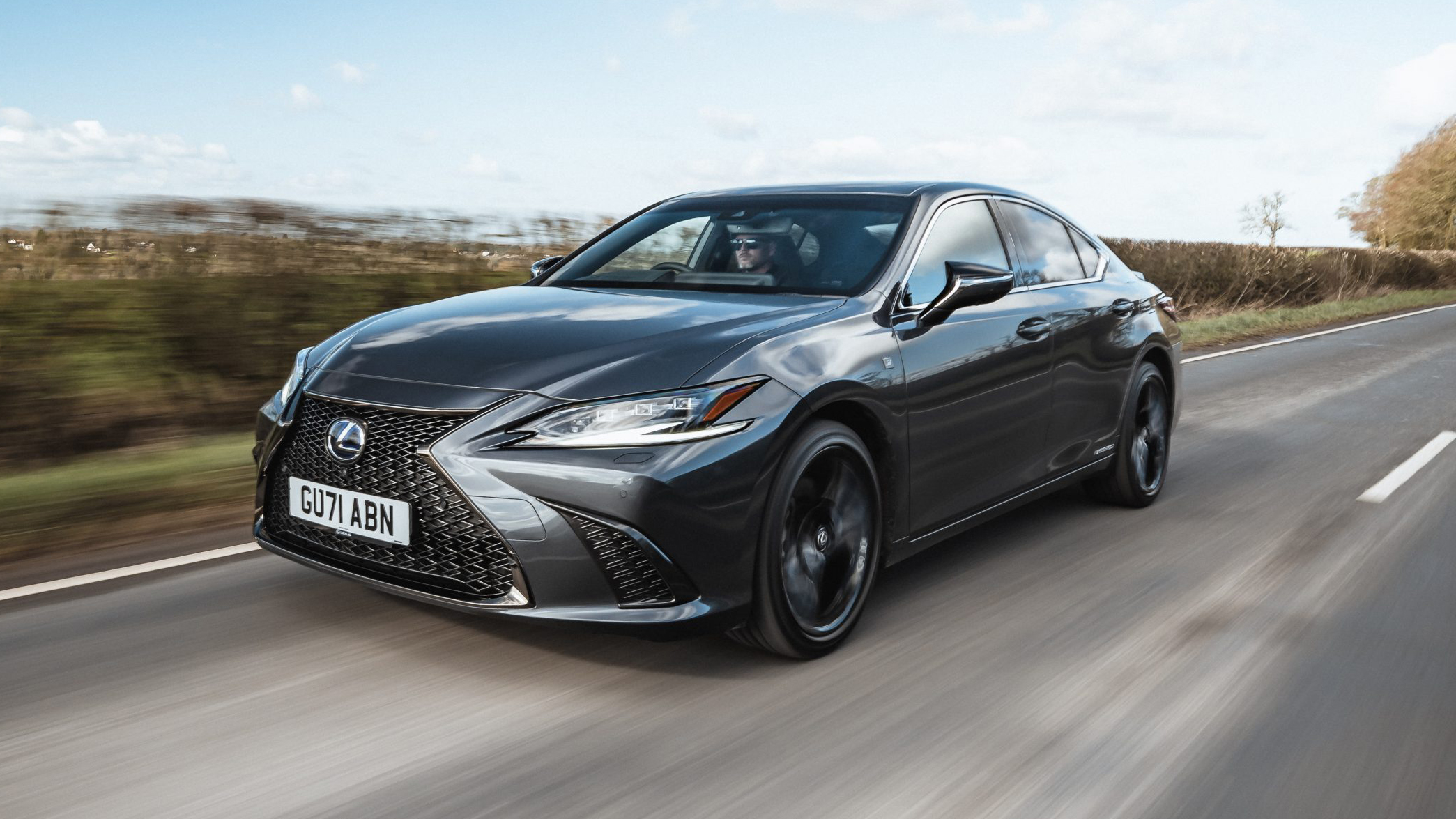
Lexus invests heavily in protecting the brake system’s vacuum supply infrastructure. The vacuum hoses and connections on the ES are reinforced against high engine bay temperatures. Heat is one of the primary enemies of brake booster rubber components and vacuum hose integrity. Lexus engineers the engine compartment layout to minimize thermal exposure to all brake-related components, providing long-term protection.
Technicians who work on the Lexus ES consistently praise the quality of its OEM brake components. Replacements are rarely needed, but when they are, Lexus’s service network provides streamlined repairs. The quality of after-sale support itself reflects how seriously Lexus takes long-term vehicle reliability. Owners can trust that their Lexus ES braking system will be properly supported for the entire ownership period.
The Lexus ES proves that luxury and long-term reliability are not mutually exclusive qualities. Its brake booster is built to deliver confident, safe stopping power for the complete lifespan of the vehicle. For drivers who want premium comfort combined with absolute braking system dependability, the Lexus ES is hard to beat. It represents the finest application of Toyota’s brake engineering philosophy in the luxury sedan space.
4. Toyota Tacoma
The Toyota Tacoma is one of the most durable pickup trucks ever produced anywhere. Its braking system reflects the same robust engineering that has made it legendary among truck enthusiasts globally. Toyota fits the Tacoma with a high-capacity brake booster sized for the demands of a genuine work vehicle. The booster generates substantial vacuum-assisted braking force to manage payloads, towing loads, and challenging terrain confidently.
Multiple iSeeCars studies identify the Toyota Tacoma as one of the vehicles most likely to reach 250,000 miles. Brake booster replacements are essentially nonexistent in well-maintained Tacomas at these extreme mileage figures. This extraordinary longevity demands that every braking component be engineered to the highest possible standard. Toyota clearly understands this, as the Tacoma’s brake system is among the most durable in the truck segment.
The Tacoma’s 2.7-liter four-cylinder and 3.5-liter V6 engines both deliver stable, consistent intake vacuum. This reliable vacuum supply keeps the brake booster operating at peak efficiency across all driving conditions. Whether the Tacoma is idling at a traffic light or climbing a steep mountain grade, the booster performs consistently. Drivers can trust the pedal feel and braking response to remain predictable and strong in every situation.
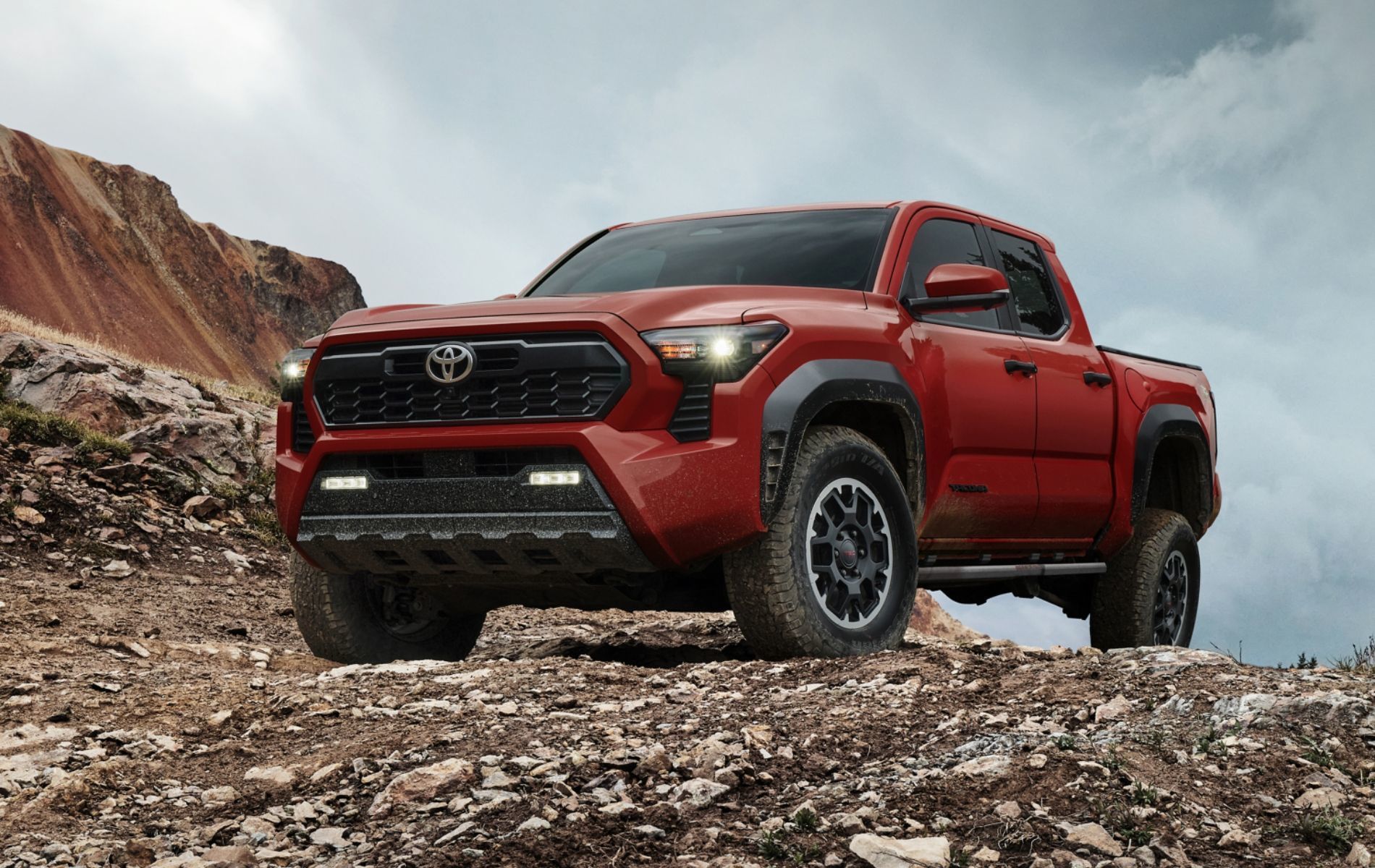
Off-road Tacoma owners report equally strong braking reliability despite the additional stresses of trail use. The brake booster’s sealed design protects internal components from moisture, dust, and vibration. These are environmental factors that frequently cause premature brake system wear in lesser-engineered trucks. Toyota’s design choices specifically address these real-world off-road challenges in the Tacoma’s braking system architecture.
Toyota’s ladder-frame chassis design contributes directly to brake booster longevity in the Tacoma. The rigid frame reduces flex-induced stress on brake lines, hoses, and booster connections. Chassis flex is a silent cause of gradual brake system deterioration in less rigidly built vehicles. The Tacoma’s body-on-frame construction keeps all brake system plumbing stable, sealed, and leak-free over an extremely long service life.
The Toyota Tacoma also holds the number one position for five-year resale value in its segment. This extraordinary resale retention is only possible because the truck’s mechanical systems including the braking system remain dependable for so long. Buyers of used Tacomas can have confidence in the condition of the brake booster even at high mileage figures. The Tacoma is a truck that earns its reliability reputation through genuine, measurable engineering excellence.
Also Read: 7 Brands With the Highest Dealership Labor Rates in the US
5. Toyota Prius
The Toyota Prius transformed the automotive industry and set a new standard for braking system integration and reliability. Its sophisticated combination of regenerative braking and hydraulic braking creates a brake system that experiences dramatically less wear than conventional vehicles.
The brake booster works in harmony with the electric drive system, stepping in for maximum force during emergency stops. This complementary arrangement keeps the booster’s mechanical components far fresher for far longer.
Real-world taxi fleets have logged Toyota Prius vehicles well past 200,000 miles without requiring brake booster replacement. These are vehicles operating under the most extreme urban duty cycles imaginable, with constant stop-and-go demands.
The fact that brake boosters survive this level of punishment confirms the extraordinary durability of Toyota’s hybrid braking architecture. No conventional sedan braking system can match the Prius’s track record under equivalent real-world conditions.
The Prius also benefits from Toyota’s continuous engineering improvement philosophy applied specifically to hybrid braking systems. Each new Prius generation incorporates refinements to the brake booster and associated hydraulic components.
Toyota analyzes failure data from previous generations and addresses any weak points before the next model year enters production. This iterative process has produced a brake booster system with one of the strongest reliability records in automotive history.
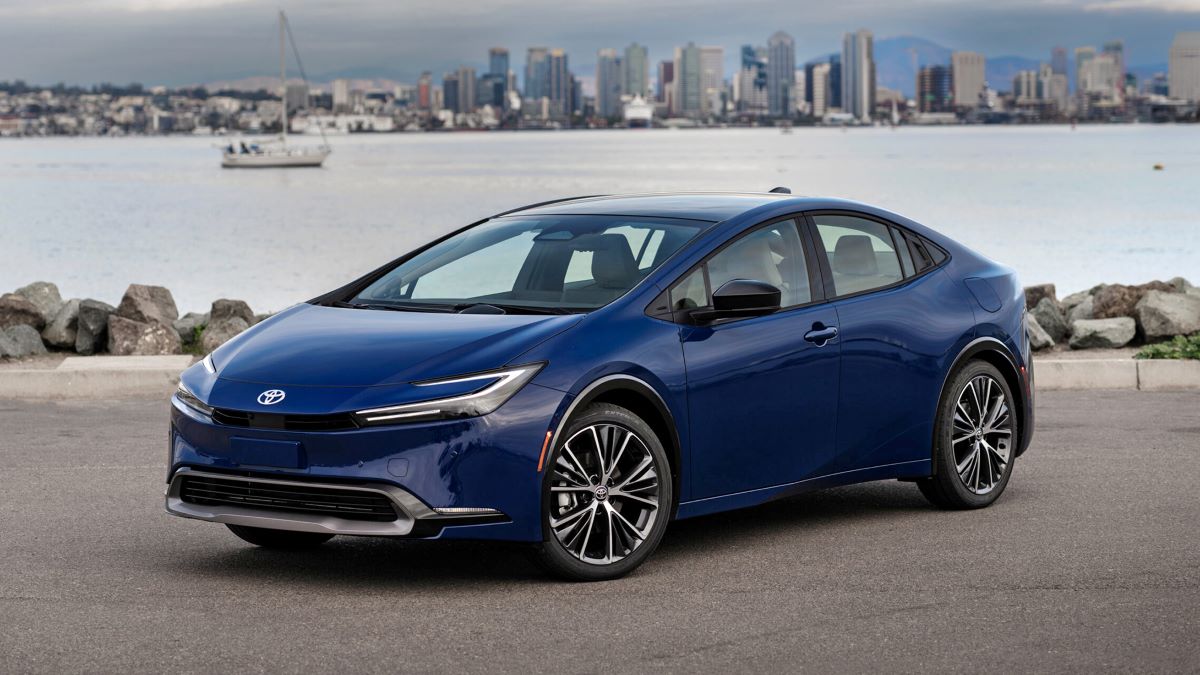
Toyota engineers the Prius’s electronically controlled brake booster to manage the transition between regenerative and hydraulic braking seamlessly.
The booster coordinates this transition so smoothly that drivers never notice any change in pedal feel or response. Achieving this seamless integration requires extremely precise booster calibration and premium internal components. Every element of the Prius’s brake booster is specified to meet the demanding requirements of this sophisticated hybrid braking system.
Prius owners consistently report dramatically lower brake system maintenance costs compared to conventional vehicle owners. The reduced mechanical load from regenerative braking extends the life of pads, rotors, calipers, and the brake booster itself.
Many Prius owners never need to replace their brake pads for well over 100,000 miles in normal driving conditions. The braking system’s longevity is one of the most compelling practical advantages of Prius ownership.
The Toyota Prius demonstrates that hybrid braking technology, when engineered with Toyota’s standard of precision, produces one of the most reliable brake booster systems available.
It is a vehicle that stops confidently through decades of ownership without demanding significant brake system investment. For drivers who prioritize both fuel efficiency and mechanical reliability, the Prius delivers on both promises simultaneously. Its brake booster is simply one of the most durable on any road today.
6. Honda CR-V Hybrid
The Honda CR-V Hybrid is among the top-ranked compact SUVs for braking reliability, according to Consumer Reports and J.D. Power data. Its hybrid braking architecture reduces mechanical stress on the brake booster while delivering confident, progressive stopping power.
Honda calibrated the CR-V Hybrid’s brake booster specifically for the weight and driving demands of a family SUV. The result is a pedal feel that is natural, predictable, and deeply reassuring in all driving conditions.
Honda’s regenerative braking system dramatically reduces the number of full hydraulic braking events the booster must handle. Brake pads, rotors, and the brake booster itself all accumulate far less wear than equivalent non-hybrid SUV components.
Honda owner data consistently shows that CR-V Hybrid brake components outlast those in comparable conventional SUVs by a significant margin. This extended component life directly benefits the owner through lower long-term maintenance costs.
Honda uses vehicle-specific OEM brake booster components in the CR-V Hybrid. Generic or improperly specified boosters cause spongy pedal feel and premature wear in many vehicles.
Honda eliminates these problems by engineering the booster from the ground up for the CR-V Hybrid’s unique requirements. This vehicle-specific approach produces a braking system that performs optimally from the first mile through to extremely high mileage figures.
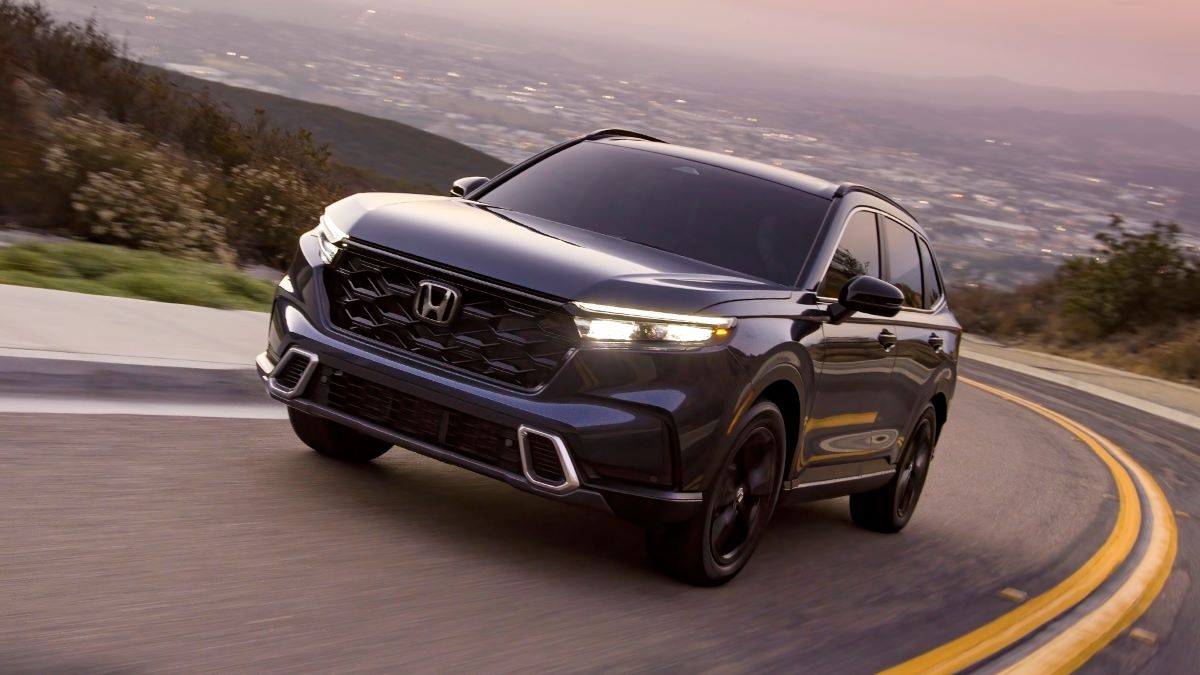
The CR-V Hybrid’s 2.0-liter Atkinson-cycle engine works alongside two electric motors in its i-MMD hybrid system. This powertrain maintains a consistent vacuum supply for the brake booster even during low engine load conditions. Consistent vacuum pressure is critical for reliable booster performance, particularly at slow speeds in urban traffic. Honda’s hybrid engineering ensures the booster always has the vacuum it needs, exactly when it needs it.
Service intervals for the CR-V Hybrid’s braking system are longer than typical for compact SUVs. Honda’s manufacturing quality means brake inspections at high mileage intervals consistently reveal minimal wear on all components. Dealership technicians report that CR-V Hybrid brake boosters almost never require replacement under normal owner-operated conditions. This low service frequency translates directly into fewer dealership visits and lower ownership costs.
The Honda CR-V Hybrid’s excellent reliability standing is no accident it is the direct result of Honda’s disciplined engineering approach. Every component of its braking system is chosen for durability, precision, and long-term performance. Owners of the CR-V Hybrid consistently express high satisfaction with their vehicle’s braking behavior across years of ownership. It is one of the most trustworthy compact SUVs on the market from a brake system standpoint.
7. Subaru Forester
The Subaru Forester consistently ranks among the top vehicles for reliability, with Consumer Reports placing Subaru firmly in the top tier of its brand rankings. Its braking system is engineered for all-weather capability and long-term mechanical durability simultaneously.
Subaru sizes the Forester’s brake booster for an all-wheel-drive compact SUV that regularly encounters snow, gravel, and mountain terrain. The booster delivers the additional hydraulic force needed to stop the heavier AWD platform safely in all conditions.
The Forester Hybrid version takes brake booster reliability even further through regenerative braking integration. Consumer Reports specifically identifies the Forester Hybrid as one of the top performers in its compact SUV reliability segment.
Its braking system combines regenerative deceleration with hydraulic backup in a complementary arrangement. This reduces mechanical wear on all brake components significantly over the vehicle’s long service life.
Subaru’s horizontally opposed boxer engine produces favorable vacuum characteristics for the brake booster. The boxer design generates consistent intake vacuum without the pulsations that can sometimes affect in-line engine configurations.
A smooth, consistent vacuum supply translates directly into more reliable brake booster performance. This is especially beneficial during low-speed urban driving, where vacuum consistency has the most impact on braking feel.
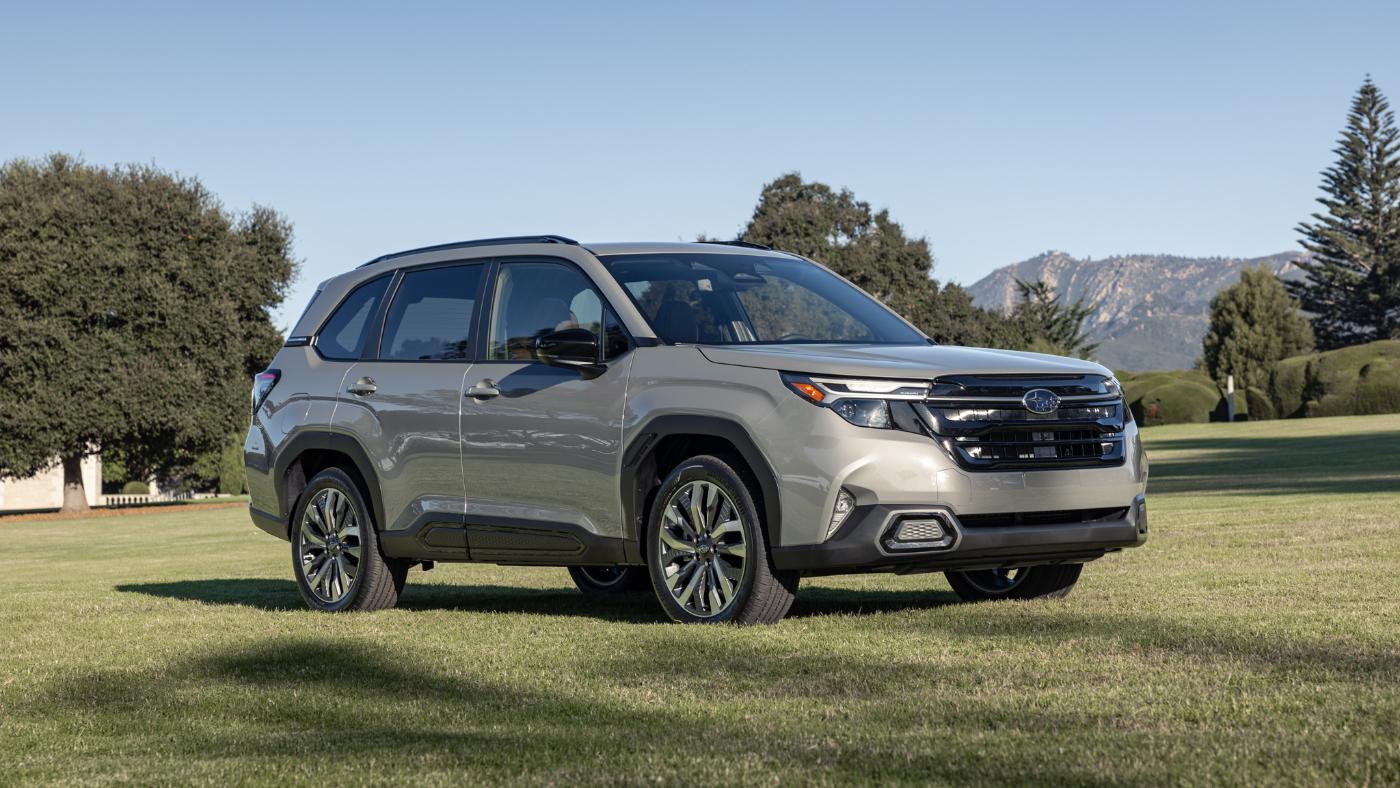
The Forester’s brake booster is positioned in the engine bay with careful attention to airflow and thermal management. Subaru engineers keep the booster away from the hottest regions of the engine compartment deliberately.
Heat is one of the primary causes of rubber diaphragm hardening and cracking inside brake boosters. By minimizing thermal exposure, Subaru significantly extends the useful life of the booster’s internal components.
Long-term Forester owners frequently report that their brake systems require only routine maintenance across many years of ownership. Pad replacements and fluid flushes are typically the only brake-related service these vehicles require. Brake booster replacements in well-maintained Foresters are genuinely rare events, even at high mileage figures.
This track record of minimal unscheduled brake maintenance is one of the Forester’s most practical and measurable ownership advantages. The Subaru Forester also holds strong resale value as a direct result of its reputation for dependability.
Buyers of used Foresters can purchase with confidence, knowing the brake system has likely been lightly stressed. Subaru’s AWD reliability, combined with its excellent braking system longevity, makes the Forester one of the most compelling all-weather family SUVs available. Its brake booster is a quiet but essential contributor to this outstanding reputation.
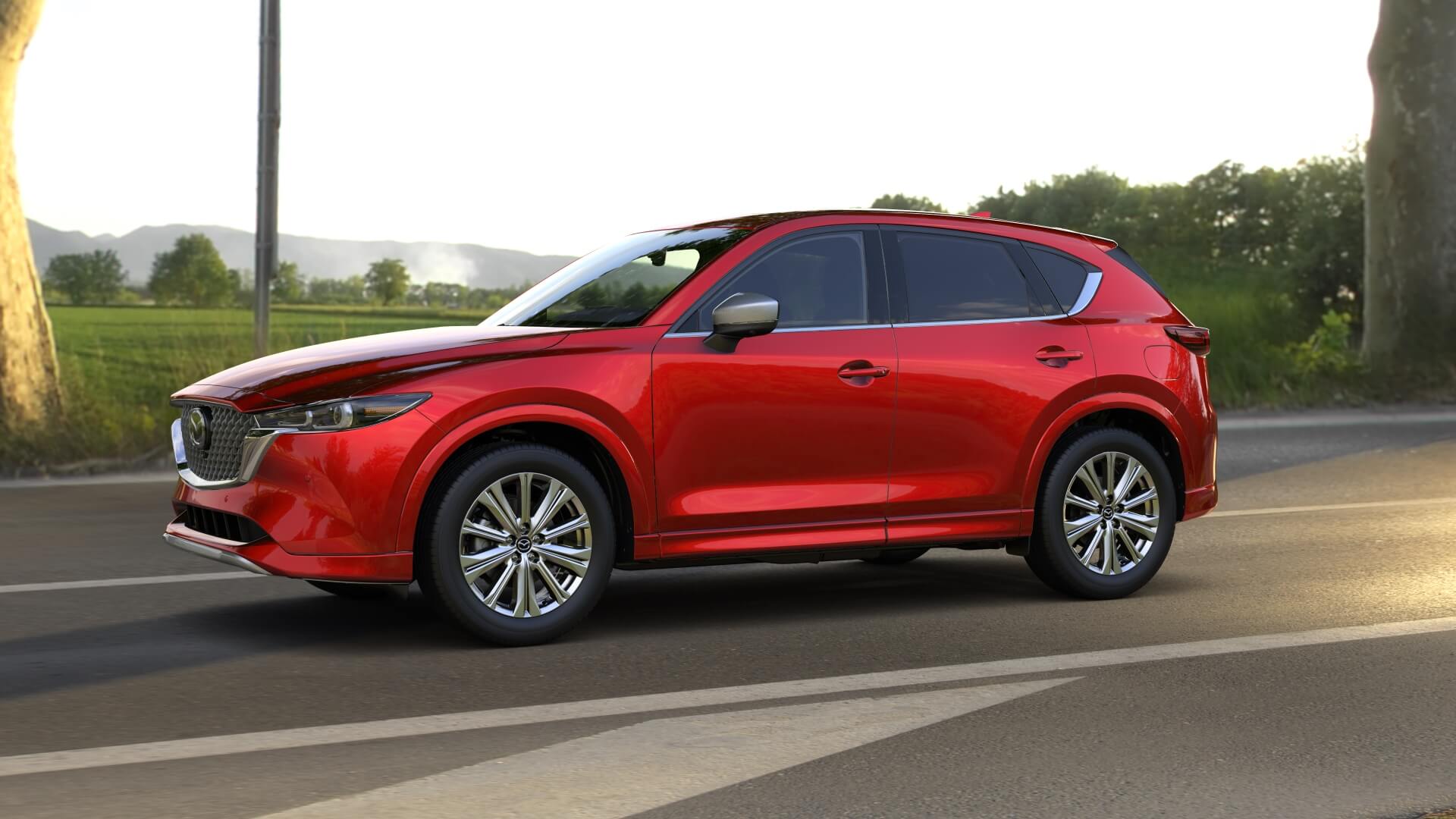
8. Mazda CX-5
The Mazda CX-5 is one of the most driver-focused compact SUVs on the market today. Mazda has built a reliability reputation that now rivals the top Japanese automakers, with Consumer Reports ranking the brand among the top six for dependability.
The CX-5’s brake booster is calibrated with a focus on pedal feel and communication as much as raw stopping power. Drivers who switch from other compact SUVs to the CX-5 immediately notice the superior, natural quality of its braking response.
Mazda engineers tune the CX-5’s brake booster to deliver linear, predictable braking pressure across the full range of pedal input. This linearity is a sign of a precisely matched booster specification and high-quality internal components.
A well-tuned brake booster also reduces driver fatigue during long-distance driving on busy highways. The CX-5’s braking system contributes meaningfully to its reputation as one of the most enjoyable compact SUVs to drive.
The CX-5’s SKYACTIV engine technology generates consistent intake vacuum levels across a wide RPM range. Stable, high-quality vacuum is the foundation of reliable brake booster operation in any vehicle.
Mazda’s engine design is specifically optimized for efficiency and clean combustion, which produces exceptionally consistent vacuum output. This engine-level attention to vacuum stability directly benefits the braking system’s long-term reliability.
Mazda specifies high-quality OEM brake booster components from reputable suppliers with demanding quality standards. The rubber diaphragm, internal springs, and check valve in the CX-5’s booster are all built to meet long-term durability targets.
Owners who drive their CX-5s to high mileage figures consistently report braking systems that remain firm and responsive. This durability at high mileage is one of the CX-5’s strongest practical selling points for long-term ownership.
The CX-5 has an expected lifespan of over 14 years, making it one of the more durable compact SUVs in its class. A vehicle designed for such longevity demands brake components that can match that service duration.
Mazda clearly understands this requirement, as the incidence of brake booster complaints in CX-5 owner communities is extremely low. Independent reliability surveys consistently confirm the CX-5’s excellent brake system track record across multiple model years.
Mazda backs the CX-5 with a competitive warranty and a growing reputation for standing behind its vehicles. Dealers report that CX-5 brake system warranty claims are among the lowest in the entire compact SUV segment.
This extremely low warranty claim rate demonstrates Mazda’s real-world confidence in its own brake engineering. For drivers seeking a sporty, well-built compact SUV with an outstanding brake system, the CX-5 is a compelling choice.
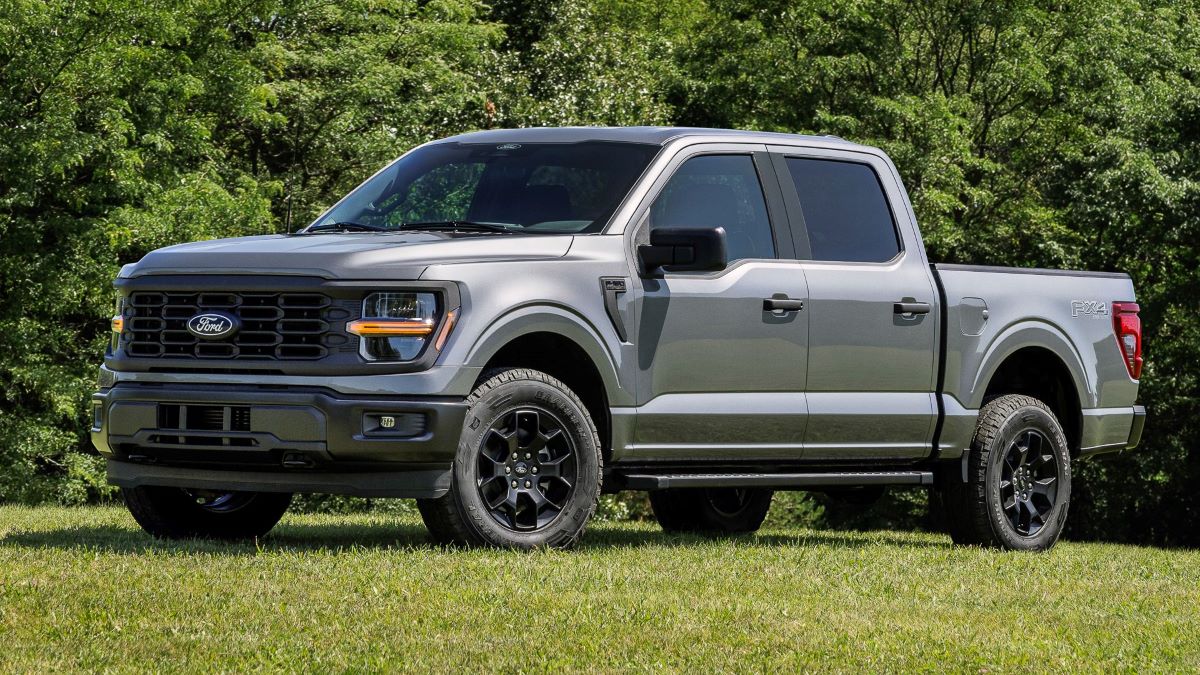
9. Ford F-150 Hybrid
The Ford F-150 Hybrid has made genuinely impressive strides in reliability over recent model years. Consumer Reports specifically highlights its improvement to above-average reliability status a notable achievement for a full-size domestic truck.
The F-150 Hybrid’s braking system combines Ford’s high-capacity truck brake architecture with the wear-reducing benefits of hybrid regenerative braking. The result is a brake booster system that is measurably tougher and more dependable than previous F-150 generations.
Ford engineers the F-150 Hybrid’s brake booster for the extreme demands of a full-size truck platform. The booster must amplify braking force for a vehicle capable of towing over 12,000 pounds and hauling nearly 2,000 pounds of payload.
Despite these extreme demands, the PowerBoost hybrid system’s regenerative braking reduces how often the must operate at maximum capacity. This hybrid assistance directly extends the service life of the brake booster’s internal components.
The F-150 Hybrid’s 3.5-liter EcoBoost V6 paired with electric motors maintains strong, consistent vacuum levels under load. Truck owners who work their F-150s hard appreciate braking systems that remain consistent regardless of payload or terrain conditions.
The booster delivers confident pedal feel whether the truck is empty, fully loaded, or towing a heavy trailer. This consistency across all loading conditions is a crucial safety advantage for working truck owners.
Ford has invested significantly in improving brake system component quality across recent F-150 generations. Owner surveys show that F-150 Hybrid brake system issues including brake booster problems have declined sharply compared to earlier model years.
These measurable quality improvements reflect Ford’s serious commitment to competing with the reliability standards set by Japanese automakers. Buyers of recent F-150 Hybrids are benefiting from this sustained quality improvement effort.
The F-150 Hybrid’s aluminum body construction reduces vehicle weight compared to a steel-bodied equivalent. This weight reduction means the brake system including the booster faces lower stopping forces during normal everyday driving.
Lower mechanical load during routine braking directly extends the service life of all brake components. The Hybrid’s lighter body is therefore an indirect but meaningful contributor to its brake booster’s long-term reliability.
Ford engineers carefully prioritize the brake booster in the vacuum supply hierarchy over other vacuum-consuming systems. This means the brake booster always receives sufficient vacuum pressure, even when other power-assisted systems are making simultaneous demands.
Braking performance is never compromised by competing vacuum consumers in the F-150 Hybrid’s engine system. For a full-size American truck, the F-150 Hybrid’s brake booster reliability story is genuinely impressive and well-deserved.
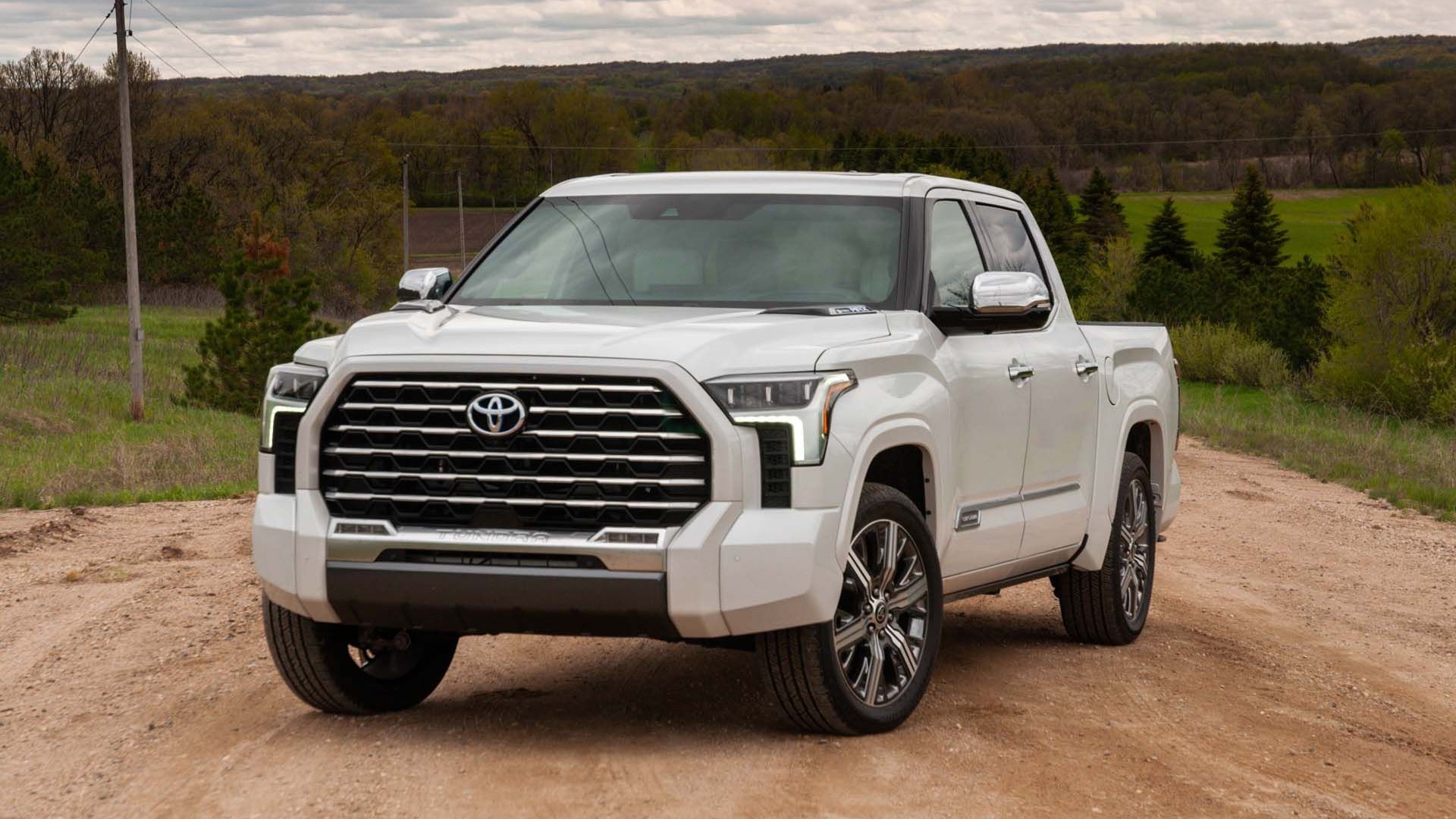
10. Toyota Tundra
The Toyota Tundra completes this list as arguably the most over-engineered full-size truck available on the American market. Toyota designed the Tundra with durability margins that far exceed standard industry requirements across every major system.
Multiple independent studies confirm that a higher-than-average percentage of Tundras reach 300,000 miles or more. A vehicle capable of that level of longevity demands brake components of extraordinary quality and durability.
The Tundra’s brake booster is sized for the demands of a heavy-duty truck that regularly carries large payloads and tows substantial trailers. Toyota engineers use a large dual-diaphragm booster that generates powerful hydraulic pressure amplification from light pedal input. This powerful assistance ensures the Tundra stops confidently and safely regardless of how heavily it is loaded.
Drivers who use their Tundras for serious work applications never have to worry about inadequate braking performance. Toyota’s fully boxed frame on the Tundra provides an exceptionally rigid platform for all brake system components. Frame rigidity prevents the micro-movements that gradually loosen brake fittings and cause vacuum leaks over time.
Chassis flex is a silent enemy of braking system longevity in lesser-built trucks. The Tundra’s rigid structure keeps brake lines, hoses, and booster mounting hardware stable and sealed across an extremely long service life.
Toyota’s heavy-duty cooling system keeps engine temperatures tightly managed, even during demanding towing and hauling operations. Controlled engine bay temperatures directly protect the brake booster’s rubber diaphragm and vacuum hose connections. Extreme heat is the number one environmental enemy of brake booster longevity in any truck. Toyota’s thermal management design choices specifically address this threat, providing long-term protection to all brake system components.
Owner-reported data across the extensive Tundra community confirms extremely low rates of brake booster failure or degradation. Even commercial and agricultural operators who subject their Tundras to extreme daily workloads report consistent, trouble-free braking system performance.
This reliability under demanding professional use conditions speaks volumes about the quality of engineering Toyota brings to the Tundra’s entire braking system. These are not vehicles where brake system reliability is left to chance or cost-cutting decisions.
Toyota backs the Tundra with a robust dealer service network and readily available high-quality OEM brake components. In the extremely rare event that a brake booster repair is needed, Tundra owners have immediate access to factory-quality parts.
This after-sale support ensures the Tundra’s braking system integrity is fully maintained throughout its remarkable service life. The Toyota Tundra is the ultimate expression of Toyota’s engineering philosophy a truck that simply refuses to let its driver down, no matter what the road ahead demands.
Also Read: 5 Reasons Why Buying a Car From a Private Seller Is Riskier in 2026
