

Buying a used car is one of the smartest financial decisions you can make. But choosing the wrong one can turn your savings into a nightmare of expensive repair bills. Modern vehicles are loaded with sensors, modules, and complex wiring networks.
These systems often require dealer-level diagnostic equipment just to read a fault code. For everyday drivers and home mechanics, simpler is always better. A car with a clean electrical layout saves you time, money, and frustration at every turn.
Older vehicles from the mid-1980s through the early 2000s hit a sweet spot in automotive history. They had adopted fuel injection and basic computer control but had not yet drowned in electronics.
You could still trace a wire with your eyes and fix a fault with a multimeter. Repairs that cost thousands at a dealership could be done at home on a Saturday morning. The tools required were simple, and the parts were cheap and widely available.
Whether you are a first-time buyer, a weekend mechanic, or simply someone who hates mystery warning lights, this guide is for you. These twelve used cars are celebrated specifically for their honest, accessible electrical designs. Each one offers genuine repairability without compromise.
1. Toyota Pickup (1984–1995)
The Toyota Pickup from this era is widely considered one of the most electrically simple vehicles ever sold. Mechanics who have worked on hundreds of different cars consistently rank it at the top for ease of diagnosis. Function came first in these trucks, and that philosophy is visible in every wire and connector.
The electrical system contains only a handful of sensors, relays, and modules. You can trace almost every circuit using a factory service manual and a basic multimeter. Wiring diagrams are clean, logical, and available in print and online at no cost.
Fuel-injected versions use a simple electronic control unit that manages fuel delivery and ignition timing. This unit rarely fails, and replacements are affordable and easy to find. Carbureted versions are even simpler, with virtually no electronics involved in fuel delivery at all.

Lighting, gauges, and accessories all run through conventional fuse boxes with standard blade fuses. There are no multiplexed body control modules hiding behind the dashboard. When a turn signal stops working, you replace the flasher relay and move on.
Starter motors, alternators, and ignition switches are straightforward components with well-documented wiring. You can buy new or rebuilt versions from any auto parts store at reasonable prices. Installation requires basic hand tools and absolutely no specialized software.
Ground connections are the most common weak point on these aging trucks. Cleaning and re-securing ground straps fixes a surprising number of electrical gremlins in under ten minutes. No scan tool or laptop is needed at any step of the process.
The electrical load is low because there is no complex infotainment, heated everything, or driver assistance technology. The alternator and battery system works exactly as intended without drama. For buyers who want a truck that starts every morning and never confuses them, this Toyota remains the gold standard.
2. Honda Civic (1988–2000)
The Honda Civic from this generation is beloved by mechanics for its clean, sensible electrical design. Honda built these cars to be maintained by real people in real garages without specialized equipment. That honest philosophy shows throughout every circuit in the vehicle.
The wiring harness is remarkably tidy and logically laid out. Honda color-coded wires consistently across the entire model line, making circuit tracing fast and reliable. If you have worked on a poorly organized vehicle from the same era, you will immediately appreciate Honda’s approach.

The engine control module communicates faults using a simple blink code system. You bridge two terminals in the service connector under the dashboard and count the check engine light flashes. This self-diagnostic feature works without any scan tool and delivers clear, actionable results in minutes.
Fuel injection components are simple and thoroughly understood by the enthusiast community. The distributor houses the ignition control module, making it a single replacement point for multiple ignition functions. These distributors are available rebuilt at very low cost and swap out in under an hour.
Main relay failure is the most famous Honda-specific problem of this era. When it fails, the fuel pump loses power and the car will not start. Replacement relays cost under twenty dollars and the repair takes under thirty minutes for a complete beginner.
The fuse box layout is logical and clearly labeled throughout. Every circuit is protected by a conventional blade fuse in an accessible location. Tracing an electrical fault usually involves nothing more than pulling fuses and following the wiring diagram step by step.
Power windows, door locks, and accessories use simple switch-and-relay circuits. There are no body control modules interpreting inputs or coordinating outputs. When a window motor fails, you replace the motor, and that is the entire repair.
3. Ford F-150 (1987–1996)
The eighth and ninth generation Ford F-150 trucks were built during an era when durability and repairability came first. Ford prioritized these qualities over technological complexity across the entire model line. These trucks are among the easiest American vehicles to diagnose from an electrical standpoint.
Ford used the Electronic Engine Control IV system, known as EEC-IV, across this generation. This system is now completely understood by mechanics everywhere after decades of widespread use. Diagnostic codes can be read with a simple analog voltmeter or a basic code reader that costs under twenty dollars.
The EEC-IV self-test procedure is one of the most useful features ever built into a production vehicle. You ground a test port under the hood, turn the key to the run position, and the system reports fault codes automatically. Experienced mechanics can diagnose most engine electrical issues in under fifteen minutes using this method.
Chassis wiring runs along predictable, logical paths throughout the engine bay and cab. Connectors are large, accessible, and built to be disconnected and reconnected many times without damage. You rarely encounter buried modules that require major disassembly to reach.

The ignition system uses a distributor-based design with a simple ignition module mounted on the firewall. When this module fails, you unbolt the old one, bolt on the new one, and reconnect two connectors. The part costs under fifty dollars at any auto parts retailer.
Alternators and starters are large, simple components with excellent parts availability everywhere. Local stores carry rebuilt versions at competitive prices. These components are easy to reach with basic hand tools, making roadside replacement feasible when necessary.
The fuse box under the dashboard is large, clearly marked, and simple. A second power distribution box in the engine bay handles higher-current circuits. Both boxes use standard blade fuses and are immediately intuitive to anyone who has worked on an older vehicle.
4. Jeep Cherokee XJ (1987–2001)
The Jeep Cherokee XJ is celebrated by off-road enthusiasts and budget mechanics for many good reasons. One of the most underappreciated is its remarkably clean and logical electrical layout. Chrysler engineered this vehicle to be maintained in remote locations under difficult conditions.
Early carbureted versions have virtually no engine management electronics involved. Later fuel-injected versions use the Chrysler Multi-Point Fuel Injection system, which is well understood and well supported. Sensors are few, accessible, and available at affordable prices from multiple suppliers.
The XJ uses a control computer called the Single Board Engine Controller. Diagnostic trouble codes can be retrieved without any scan tool by cycling the ignition key three times. The check engine light then flashes three-digit sequences that you decode using a factory service manual or free online resources.

Wiring harnesses on the XJ are constructed in discrete sections that can be repaired or replaced individually. The engine harness, body harness, and chassis harness are separate and clearly distinguishable. If one section becomes damaged, you can source a replacement harness affordably without touching the rest of the vehicle.
The fuse and relay center is located under the hood in a straightforward, accessible position. All major fuses and relays are clearly identified on the box cover. When something stops working, most experienced owners start here and work outward in a logical sequence.
Common electrical issues are thoroughly documented across decades of enthusiast forums and repair manuals. The crankshaft position sensor is a known weak point on certain engine variants and fails predictably. Replacement is a short job with inexpensive parts that any careful home mechanic can complete successfully.
Aftermarket support for the XJ electrical system is enormous because of the dedicated off-road community. Owners have developed detailed guides for rewiring specific circuits and upgrading the charging system. All of these modifications are accessible because the underlying electrical architecture is honest and transparent.
Also Read: 8 Signs a Dealership Is Trying to Sell You a Former Rental Car
5. Volvo 240 (1975–1993)
The Volvo 240 is a monument to engineering restraint and long-term serviceability. It was designed to be maintained by technicians around the world, requiring electrical systems that anyone could understand. The result is one of the most organized and transparent wiring designs in automotive history.
Volvo used a clear, color-coded wiring system consistently across the entire 240 production run. The factory wiring diagrams are among the clearest ever produced by any manufacturer. Every circuit is labeled, every connector is identified, and routing follows logical paths throughout the vehicle.
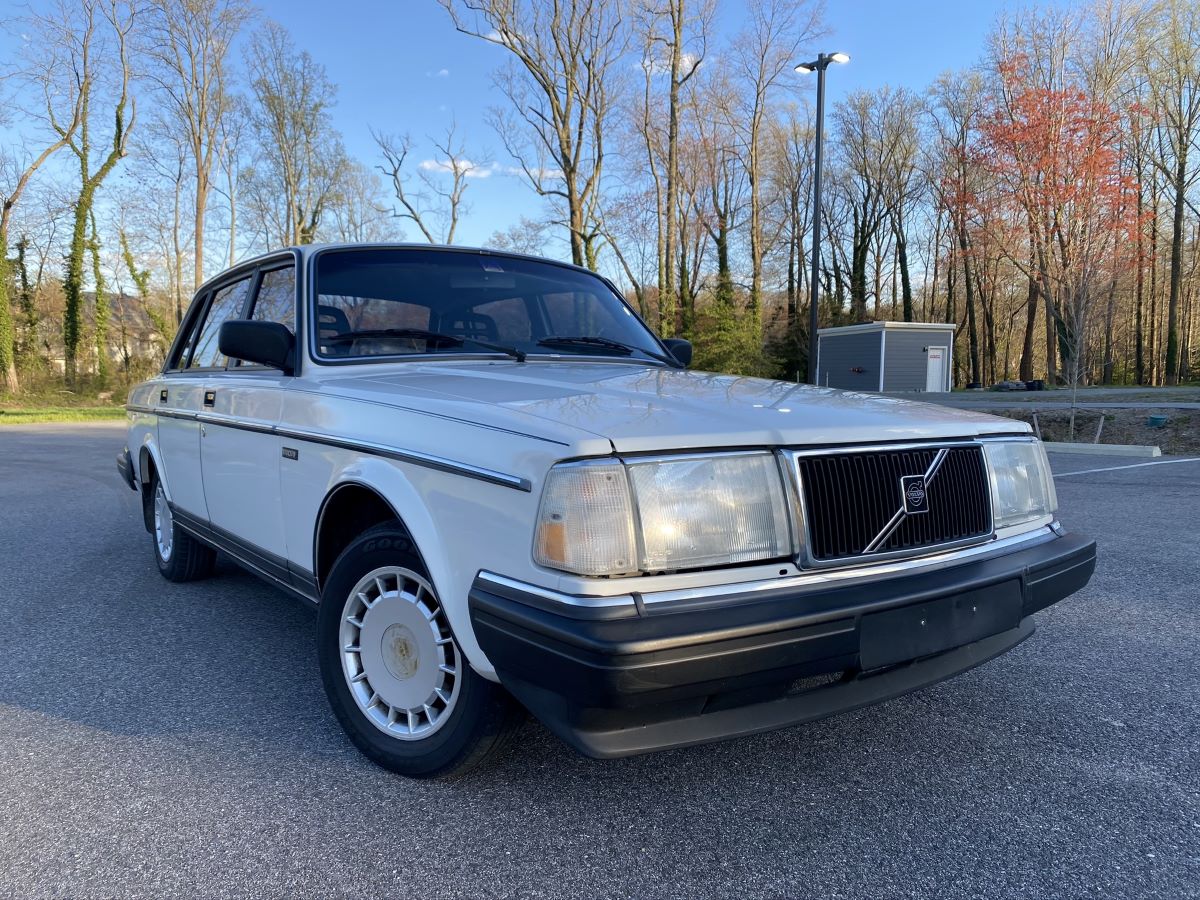
Early 240s with Bosch K-Jetronic fuel injection use a fully mechanical injection system with minimal electronics. The system relies on a mechanical air-flow meter and a mechanical fuel distributor. When fuel problems occur, they are usually in mechanical components that can be tested and adjusted with hand tools.
Later 240s with electronic fuel injection add a control unit but keep the system relatively simple. The number of sensors involved is small, and each one can be tested with a multimeter. The wiring connector at the control unit is accessible and thoroughly documented in the service manual.
Electrical accessories are wired conventionally with no body control modules adding layers of complexity. When a headlight switch fails, you replace the switch with a new one. No software calibration or reinitialization is required after installing any replacement electrical component.
The Volvo 240 enthusiast community is dedicated and extraordinarily knowledgeable. Online resources cover virtually every electrical failure mode in detailed, practical terms. Owners share wiring diagrams, repair procedures, and troubleshooting tips freely and regularly.
Parts availability for the 240 electrical system remains strong because the car was sold in large numbers globally. Many components are shared across multiple Volvo models from the same era. This cross-platform availability keeps prices competitive and ensures you can always source what you need.
6. Subaru Outback (1995–2004)
The first two generations of the Subaru Outback offer all-weather capability and wagon practicality without overwhelming electrical complexity. Subaru struck a sensible balance between modern convenience and mechanical accessibility during this era. The result is a vehicle that rewards careful, systematic diagnosis.
The electrical architecture centers on a manageable engine control system governing fuel injection and ignition. The number of sensors and control inputs is reasonable by any measure. Common sensors are all accessible and straightforward to replace without removing major surrounding components.
Earlier models use OBD-I diagnostics while 1996 and later models use the universal OBD-II standard. Both systems work with low-cost scan tools available at any auto parts store. Reading and clearing fault codes requires no special knowledge or expensive dealership equipment.
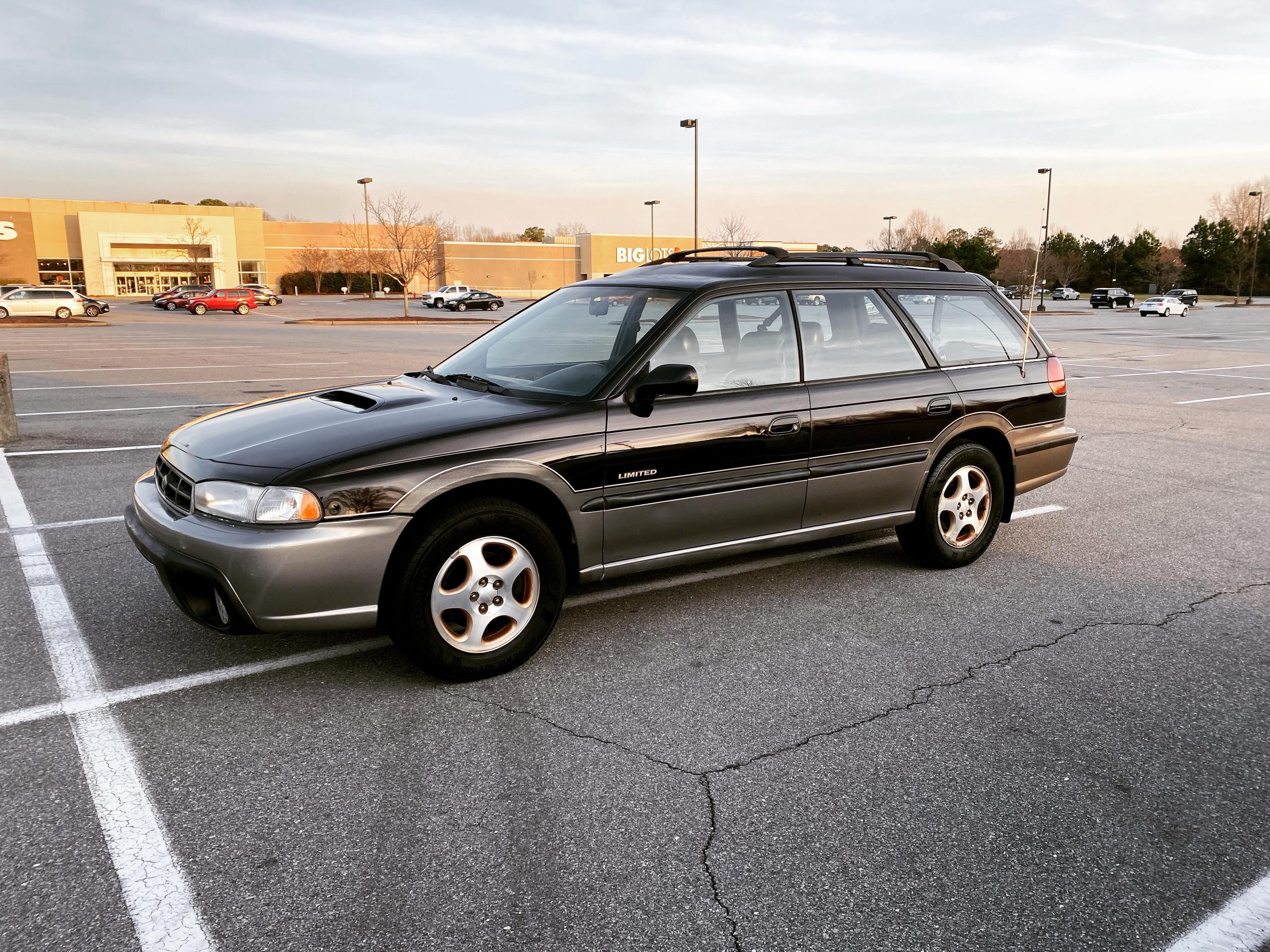
The wiring is well-organized and clearly color-coded throughout the vehicle. Subaru’s factory service manuals for this era are detailed and written for practical use. They include complete wiring diagrams sufficient for a home mechanic to trace any circuit in the vehicle from end to end.
Head gasket failures are a known issue on certain engine variants and can produce misleading electrical fault codes. Knowing this failure pattern in advance helps you interpret diagnostic information correctly. Understanding the vehicle’s common faults makes you a significantly more efficient diagnostician.
The fuse boxes are positioned accessibly under the dashboard and in the engine bay. All major relays are in the engine bay box and clearly identified by label. The fuel pump relay and main relay are straightforward to access and replace with basic hand tools.
The active Subaru community online provides forums, wiring diagrams, and step-by-step repair procedures for every generation. Members who have owned these vehicles for decades share hard-won diagnostic knowledge freely. This accumulated community expertise makes maintenance significantly easier than working in isolation.
7. BMW E30 3 Series (1982–1994)
The BMW E30 is widely celebrated for its driving dynamics, but its electrical system deserves equal recognition for its clarity. BMW engineered these cars during an era when German manufacturers still prioritized mechanical simplicity over electronic complexity. The result is a vehicle that rewards careful, methodical diagnosis.
The Bosch Motronic engine management systems used in fuel-injected E30s are among the most thoroughly documented automotive electronics ever produced. The system manages fuel injection and ignition through a single control unit with a modest number of inputs. Diagnostic codes can be read using an inexpensive code reader or through a simple LED test procedure.

BMW used a logical circuit numbering system that makes following wiring diagrams straightforward and consistent. Every circuit in the vehicle carries an assigned number that appears throughout all documentation. Once you learn this system, going through any BMW wiring diagram becomes an organized, reliable process.
The fuse box under the dashboard contains all main fuses in a clearly identified layout. A relay cluster handles the primary electrical functions for the engine, fuel system, and accessories. These relays are accessible, inexpensive, and available as new or used replacements from multiple sources.
The ignition switch is a known wear item on E30s that causes intermittent electrical faults as mileage accumulates. Replacement involves removing the steering column cover and swapping the switch mechanism. Many owners complete this repair in under two hours on their first attempt with basic tools.
Cooling fan circuits and window regulator circuits are conventional and completely transparent in their operation. There are no body control modules interpreting inputs behind the scenes. When a window stops working, you test the motor, the switch, and the wiring in sequence, and the answer appears quickly.
The E30 benefits from one of the most passionate enthusiast communities in the automotive world. Technical resources available online for these cars are extraordinary in both depth and accuracy. Whether diagnosing an intermittent fault or planning a complete restoration, detailed community guidance is always available.
8. Mazda Miata NA (1990–1997)
The first-generation Mazda Miata is a masterpiece of focused engineering with nothing wasted. Mazda stripped away everything unnecessary and built a sports car around a core of mechanical honesty. The electrical system reflects this philosophy perfectly in its compact, logical design.
The engine management system uses a conventional distributor-based ignition with a simple engine control module. The module handles fuel injection and manages ignition timing through a small number of clearly defined inputs. Every sensor in the system is accessible from the top of the engine bay without removing surrounding components.
Diagnostic codes on OBD-I Miatas can be read without any scan tool at all. You activate a test mode by grounding a terminal in the engine bay diagnostic connector, then count the check engine light flashes. This process takes five minutes and delivers clear diagnostic information for free.
The wiring harness is compact because the entire car is compact. Fewer accessories mean fewer wires, fewer connectors, and fewer potential failure points. When you open the hood of a first-generation Miata, the cleanliness and organization are immediately obvious compared to larger vehicles.
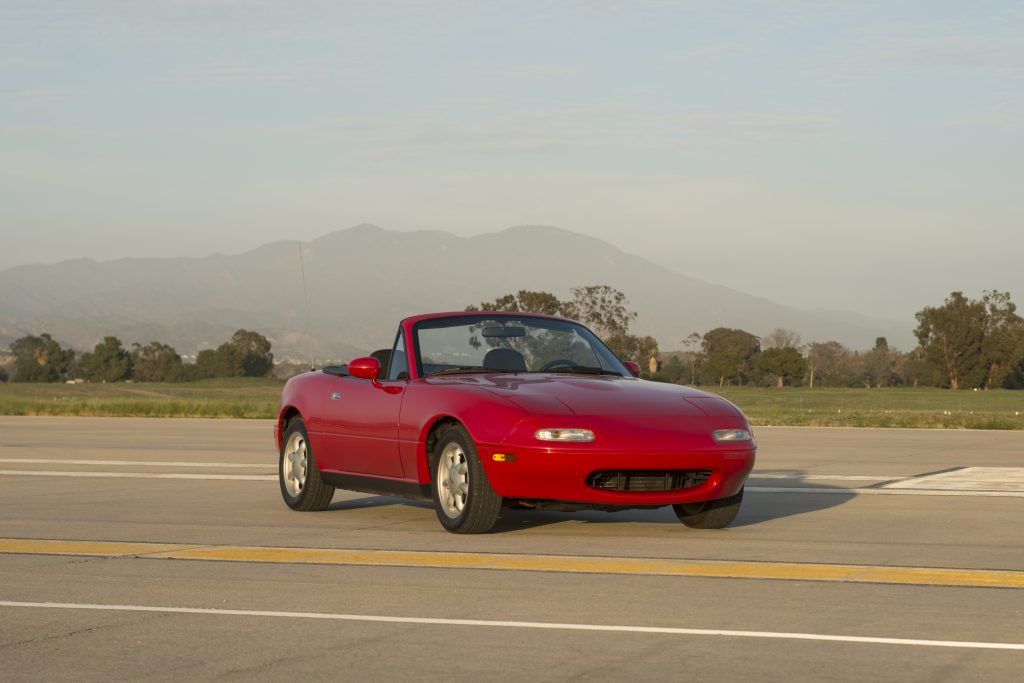
Common electrical issues include the coolant temperature sensor, the crankshaft angle sensor, and weatherstripping failures that allow water to corrode connectors. All of these issues are completely documented online with step-by-step repair procedures. No issue a first-generation Miata develops is undocumented or mysterious.
The Miata community is one of the most welcoming and technically thorough groups in the automotive world. Multiple dedicated forums and YouTube channels cover every aspect of ownership in extraordinary detail. You can find wiring diagrams, connector pin-out specifications, and sensor resistance values without purchasing any manual.
The clean electrical system also makes the Miata an excellent platform for modification. Owners routinely add aftermarket gauges, lighting upgrades, and performance electronics without fighting a complex factory setup. The straightforward factory wiring provides a solid, trustworthy foundation for any additional circuits.
9. Chevrolet Silverado / GMC Sierra (1988–1998)
The GMT400-platform full-size trucks from General Motors represent the high point of accessible American truck engineering. These vehicles were designed by people who understood that trucks need to be fixed in the field without specialized equipment. Every aspect of the electrical system reflects that practical requirement.
General Motors used the Computer Command Control and later the Throttle Body Injection system on these trucks. Both are extremely well-understood systems that mechanics have diagnosed and repaired for decades without difficulty. Diagnostic codes can be read with an analog voltmeter on early models or a basic OBD-I reader on later ones.
Engine management computers on these trucks communicate in a predictable and consistent way. Sensor readings fall within well-documented resistance and voltage ranges that any mechanic can test quickly. Diagnosis follows a logical, direct path from symptom to fault code to component test to repair.
Wiring is substantial and designed to handle the daily abuse that work trucks receive in service. Connectors are large and built for many connection cycles without degradation. The wiring harness runs along protected paths through the frame and cab, away from sharp edges and heat sources.
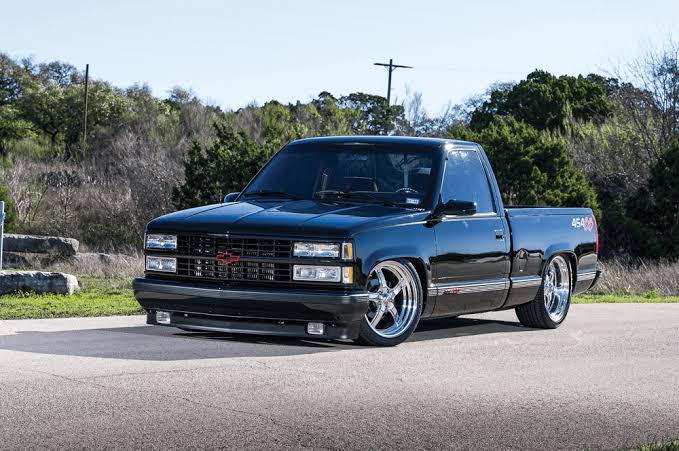
The under-dashboard fuse box is clearly organized and thoroughly labeled on the box cover. The underhood fuse and relay center handles higher-current systems with equal clarity and accessibility. Locating an electrical fault is methodical on these trucks because the system is designed to be traced in a logical sequence.
Starter, alternator, and ignition system service is textbook work on this platform. Parts are available at every auto parts store at competitive prices. A skilled home mechanic can replace any of these major electrical components in an afternoon without removing surrounding components to gain access.
The GMT400 owner community is enormous because millions of these trucks were sold across North America. Online forums, video tutorials, and printed manuals cover every electrical issue these trucks ever develop. The combination of simple design and massive community support makes ownership genuinely accessible to anyone willing to learn.
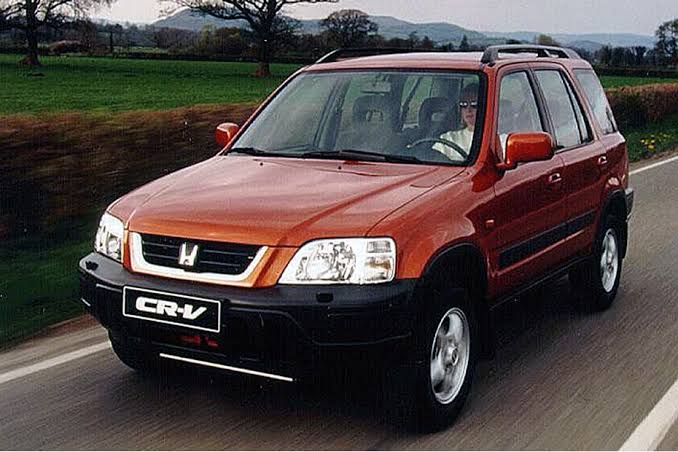
10. Honda CR-V (1997–2001)
The first-generation Honda CR-V brought compact SUV practicality to a wide audience with Honda’s characteristic emphasis on reliability. The electrical system follows the same sensible philosophy Honda applied to the Civic during the same era. It is clean, logical, and designed to be understood by the person who owns the vehicle.
The engine management system uses Honda’s proven PGMFI fuel injection setup with a reliable control unit and a manageable number of sensors. Every failure mode in this system has been documented by the large owner community over decades of service. Nothing about this system surprises an experienced Honda technician.
Diagnostic code retrieval follows the same blink-code method Honda used across their entire lineup during this period. You short two terminals in the service connector under the dashboard and read the check engine light flash patterns. Each pattern corresponds to a specific fault listed in the factory manual and in multiple free online resources.
The wiring harness quality in first-generation CR-Vs is excellent, using high-quality insulation and robust connector designs. When electrical issues occur, they appear at predictable locations like the main relay, oxygen sensor circuit, or corroded ground connections. There are very few surprise failure points in this vehicle.
The main relay causes hot-start problems and intermittent stalling when it fails, as it does on other Hondas of this era. The replacement relay costs under twenty dollars and the installation takes about thirty minutes with basic tools. Thousands of owners have completed this repair themselves after finding detailed guides online.
Lighting systems, window regulators, and body electrical components all use simple switch-and-relay circuits throughout. There are no body control modules adding complexity to basic accessory functions. When a dome light stops working, you check the bulb, fuse, switch, and ground in sequence, and the problem is always in one of those four places.
The CR-V shares many electrical components with the Civic and Accord of the same era, which keeps parts prices very competitive. This cross-platform sharing is one of Honda’s greatest gifts to used car owners. Electrical components that might be expensive on rarer vehicles are often common Honda parts available everywhere.
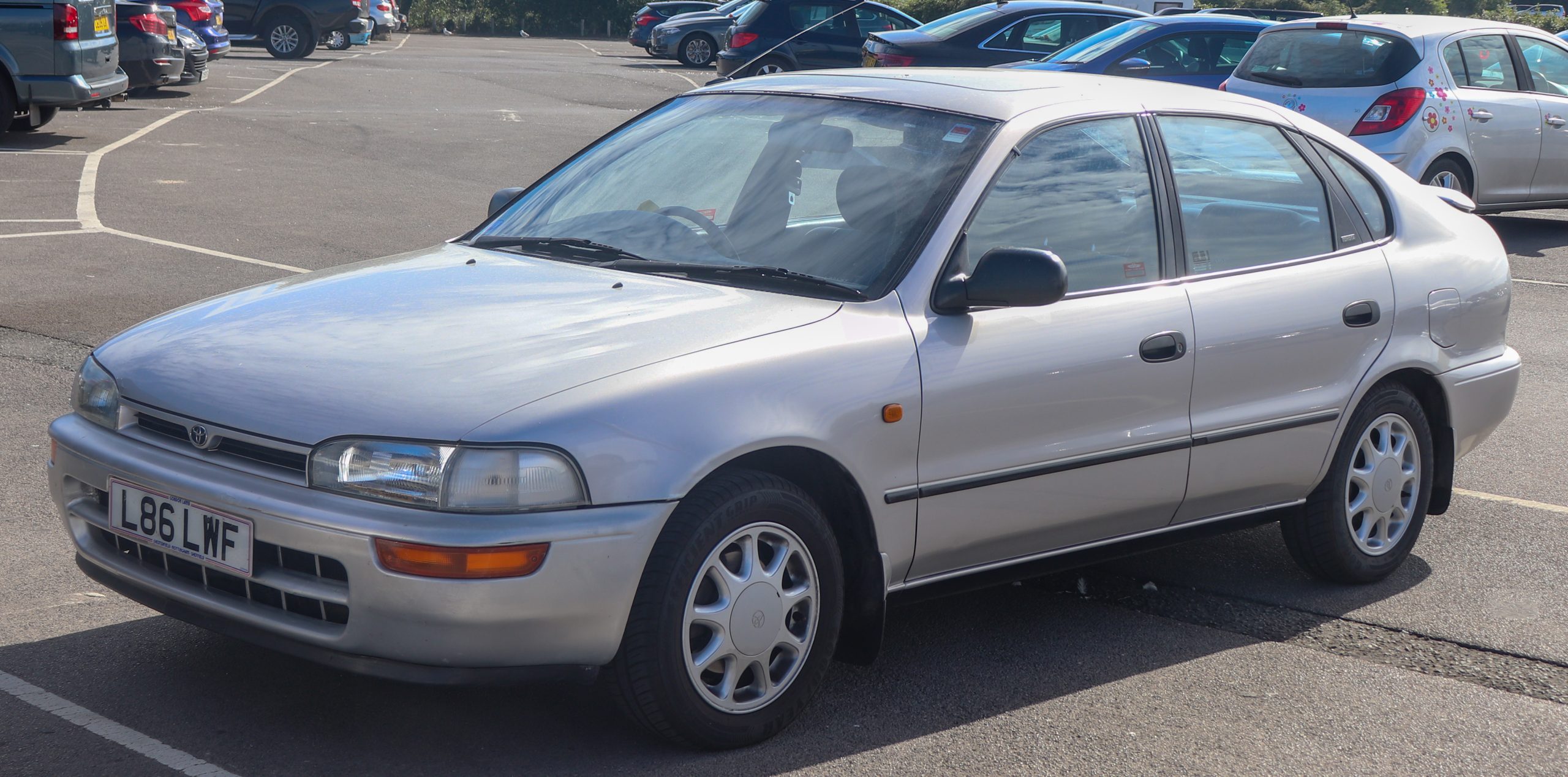
11. Toyota Corolla (1993–2002)
The Toyota Corolla of this generation is the defining example of a reliable, electrically simple used car. Toyota built tens of millions of these vehicles and engineered every system for long service life with minimal intervention. The electrical design embodies this philosophy in every circuit and connector.
The engine management system centers on Toyota’s well-proven fuel injection setup with a small, reliable control unit. Sensor specifications are thoroughly documented, and testing any sensor requires nothing more than a multimeter and a specification chart. Nothing in this system requires specialized knowledge or expensive equipment to diagnose correctly.
OBD-I models allow diagnostic code retrieval without a scan tool by bridging terminals in the diagnostic connector. The check engine light flashes slow counts for the first digit and fast counts for the second digit of each code. This system works reliably and provides actionable information within a few minutes of investigation.
OBD-II models from 1996 onward work with any generic scan tool, including inexpensive Bluetooth adapters paired with smartphone apps. You can monitor live sensor data, read fault codes, and clear warning lights for under thirty dollars in total equipment cost. Ongoing monitoring of the vehicle’s electrical health is genuinely affordable on this platform.
Common electrical issues are minimal and highly predictable across the entire production run. The oxygen sensor occasionally fails with age and triggers a check engine light with a clear, specific fault code. The throttle position sensor and crank position sensor are the other predictable wear items, and both involve simple, inexpensive repairs.
The ignition system evolved from distributor-based to distributorless over this generation, but both systems are thoroughly understood. The distributorless version uses individual ignition coils that are among the most reliable ever fitted to a production car. Failures are rare, and replacement is simple and inexpensive when they do occur.
The Corolla’s extraordinary global popularity means repair information exists in virtually every language and format imaginable. For anyone learning automotive electrical diagnosis, the Corolla is the ideal teaching vehicle. The answer to every question you will ever have about this car is already documented and freely available.
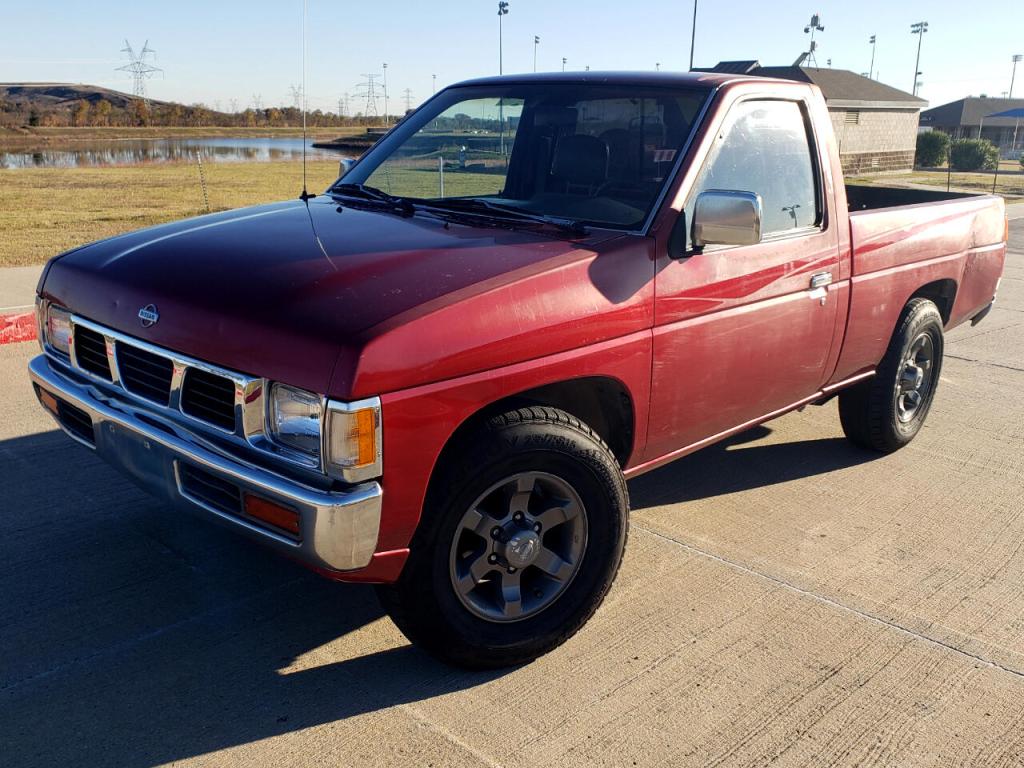
12. Nissan Hardbody Truck (1986–1997)
The Nissan Hardbody pickup closes this list as one of the most consistently reliable and electrically simple compact trucks ever sold in North America. Nissan built these trucks with a focus on durability and practicality that extended directly into every system. The electrical architecture benefits directly from this design philosophy.
Early Hardbody trucks with carbureted engines have virtually no engine management electronics at all. The ignition system uses a conventional distributor with a straightforward electronic ignition module. Fuel delivery is entirely mechanical through the carburetor, requiring no computers at any point in the diagnostic process.
Fuel-injected versions introduced the Nissan ECCS system, which manages fuel injection through a reliable control unit and a moderate number of sensors. Diagnostic codes can be retrieved using the LED indicator lamp built into the engine control module. No external scan tool is required for basic fault diagnosis on any model year.
The wiring is designed for durability above all else, using weatherproof connectors and robust harness construction. Connectors are built to withstand the exposure that a truck platform receives throughout its working life. When electrical issues do occur, they are caused by age-related degradation rather than any fundamental design weakness.
Nissan’s fuse box design is practical and immediately intuitive to go through. The main fuse box under the dashboard is clearly identified on its cover with every circuit labeled. A secondary fuse box in the engine bay handles higher-current circuits with equal clarity and accessibility.
Ground connections are the single most common source of electrical problems on aging Hardbody trucks. Corroded ground straps cause a wide variety of intermittent faults including erratic gauges, dim lighting, and hard starting. Cleaning and retightening all ground connections fixes a remarkable percentage of reported problems without replacing any parts.
The Hardbody community has documented every common electrical failure point for every engine and trim combination in the production run. Parts availability remains strong because many components are shared with other Nissan vehicles from the same era.
The combination of simple design, strong community support, and affordable parts makes the Nissan Hardbody one of the very best choices for buyers who want a truck they can genuinely understand, diagnose, and repair themselves.
Also Read: 10 Best Cities in the US to Find a Used Car Without Hidden Rust
