
Hybrid battery longevity is not dictated by luck; it is the outcome of specific engineering decisions, cell chemistry, thermal management, charge buffering, and how aggressively the system cycles the pack.
In the U.S. market, where hybrids are often kept well beyond warranty periods, these differences translate directly into ownership cost.
Most hybrid batteries are warrantied for 8 years/100,000 miles (or longer in CARB states), which sets a baseline expectation.
However, real-world data shows a clear divergence: some systems routinely last 15+ years with minimal degradation, while others begin to show meaningful capacity loss close to the warranty threshold.
5 Hybrid Batteries That Last 15 Years
Below are five hybrid systems with strong long-term battery durability, followed by five that are more prone to earlier degradation, based on design characteristics, field reports, and service patterns.
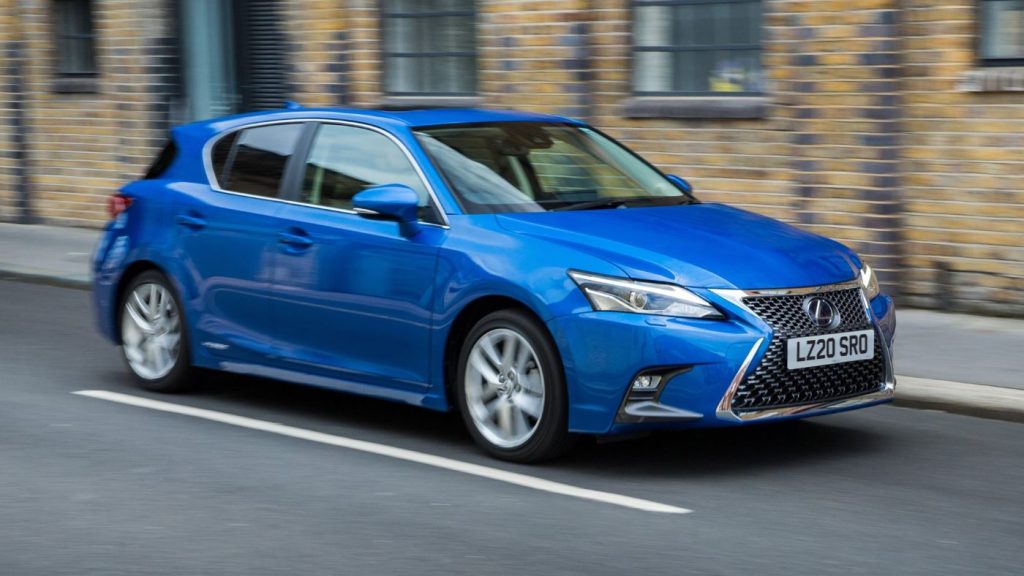
Lexus CT 200h Hybrid System
The Lexus CT 200h’s hybrid system stands as one of the more durable examples in the compact luxury segment, particularly when evaluated over long ownership cycles.
Built around Toyota’s well-established Hybrid Synergy Drive architecture, the CT 200h pairs a 1.8-liter Atkinson-cycle gasoline engine with an electric motor and a nickel-metal hydride (NiMH) battery pack.
This setup prioritizes efficiency and longevity over outright performance, and that design philosophy plays a critical role in how well the battery holds up over time.
Unlike some newer hybrids that chase higher energy density with lithium-ion packs, the CT 200h sticks with NiMH chemistry, which has historically proven more tolerant of repeated charge cycles and thermal stress.
In real-world usage, many owners report battery life extending well beyond 12–15 years, especially when the vehicle is driven regularly. Consistent use helps maintain proper charge cycling, preventing the degradation that often affects hybrids subjected to long periods of inactivity.
Thermal management is another strength. The CT 200h uses a relatively simple but effective air-cooling system, drawing cabin air through vents to regulate battery temperature.
While this system requires occasional maintenance, such as keeping intake vents clean, it avoids the complexity and potential failure points of liquid-cooled setups. In moderate climates or with basic upkeep, this contributes to slower capacity loss over time.
Driving characteristics also influence battery longevity. The CT 200h is tuned for smooth, gradual power delivery rather than aggressive acceleration.
This reduces strain on both the electric motor and the battery pack. Additionally, the regenerative braking system is calibrated conservatively, avoiding the high-load spikes that can accelerate wear in less refined systems.
However, it is not entirely immune to age-related decline. Around the 12–15 year mark, some units begin to show reduced electric-only range or more frequent engine engagement.
These are typical signs of capacity fade rather than outright failure. Full battery replacement, when required, is generally less expensive than many competitors due to the widespread availability of refurbished packs and Toyota-derived components.
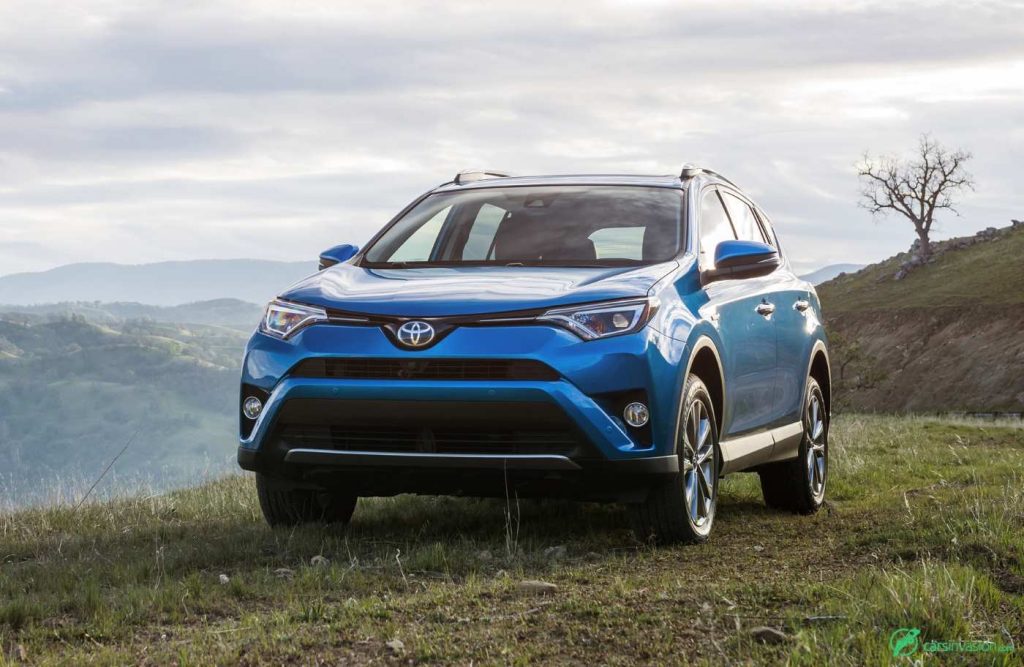
Toyota RAV4 Hybrid (2016–2018, NiMH versions)
The Toyota RAV4 Hybrid models from 2016 to 2018, particularly those equipped with nickel-metal hydride (NiMH) battery packs, have built a strong reputation for long-term durability.
Much like other Toyota hybrid systems of the era, these models rely on the company’s mature Hybrid Synergy Drive architecture, which emphasizes reliability and predictable wear patterns over cutting-edge performance gains.
At the core of the system is a 2.5-liter Atkinson-cycle engine paired with electric motors and a NiMH battery pack.
While later RAV4 Hybrids transitioned toward lithium-ion technology in certain trims, the NiMH-equipped variants remain notable for their resilience.
NiMH chemistry is inherently more stable under repeated charge and discharge cycles, and it is less sensitive to temperature fluctuations compared to early lithium-ion designs.
This makes it particularly well-suited for vehicles like the RAV4, which are often used in varied driving conditions, from city commuting to light off-road use.
One of the key reasons these batteries tend to last well beyond a decade is Toyota’s conservative battery management strategy. The system avoids fully charging or fully depleting the battery, instead operating within a controlled state-of-charge window. This significantly reduces long-term stress on the cells.
Additionally, the hybrid system distributes workload efficiently between the gasoline engine and electric motors, preventing excessive strain on any single component.
Thermal management in these models is straightforward but effective. The battery pack is air-cooled, drawing cabin air through dedicated vents.
While less sophisticated than liquid cooling, this setup has fewer components that can fail and has proven reliable when basic maintenance, such as keeping vents unobstructed, is observed. In many cases, owners report minimal degradation even after 10–15 years of use, especially in moderate climates.
Another factor contributing to longevity is the RAV4 Hybrid’s driving profile. As a compact SUV, it is tuned for smooth, linear power delivery rather than aggressive performance.
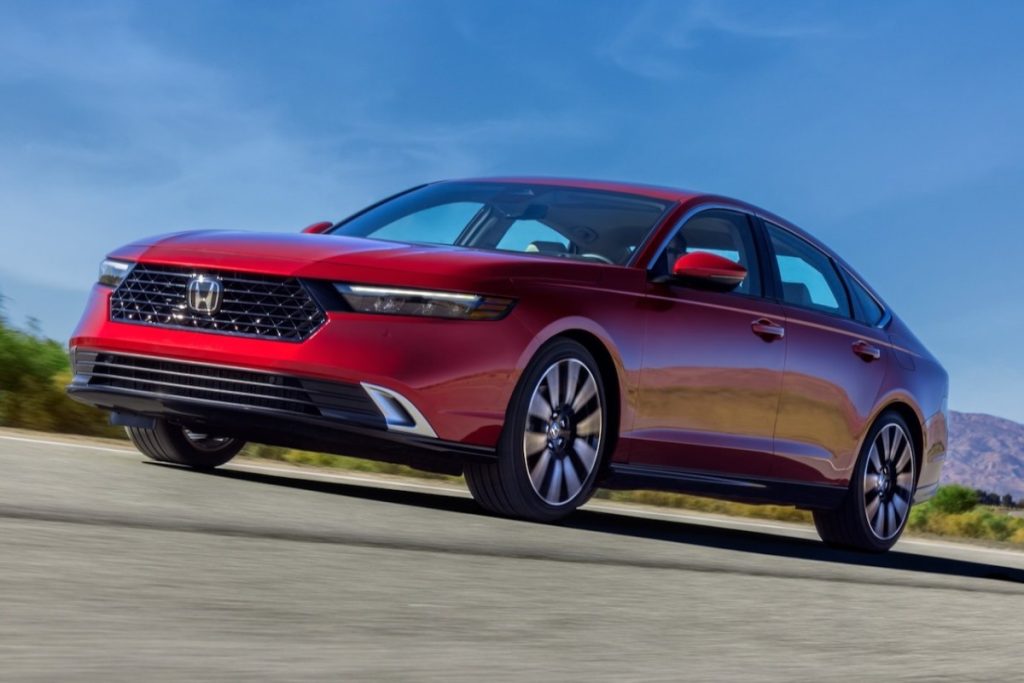
Honda Accord Hybrid (2018+)
he Honda Accord Hybrid (2018 and newer) represents a more modern approach to hybrid engineering, but its long-term battery durability has proven to be just as compelling as older, more conservative systems.
Built around Honda’s two-motor hybrid architecture, often referred to as i-MMD (Intelligent Multi-Mode Drive), the setup differs significantly from traditional power-split systems, yet still manages to deliver strong longevity when properly maintained.
Instead of relying heavily on a mechanical blend of engine and motor power, the Accord Hybrid operates primarily as a series hybrid at lower speeds. The gasoline engine often acts as a generator, supplying electricity to the traction motor and battery rather than directly driving the wheels.
This reduces mechanical complexity in certain areas and allows the system to manage battery load more precisely. The lithium-ion battery pack used here is more energy-dense than older nickel-metal hydride designs, enabling better electric-only operation and smoother transitions between drive modes.
Despite lithium-ion batteries historically raising concerns about long-term degradation, Honda’s implementation has been notably conservative. The system carefully regulates charge levels, avoiding extreme high and low states of charge.
This controlled cycling significantly reduces stress on the battery cells, which is a major factor in extending usable life.
In real-world ownership data, many 2018+ Accord Hybrids are showing minimal degradation even after several years and high mileage accumulation, suggesting strong potential for 12–15 year lifespan under normal conditions.
Thermal management is another area where Honda has refined the formula. The battery pack is air-cooled, but the system is more actively managed compared to older designs, with improved airflow routing and monitoring.
This helps maintain stable operating temperatures, particularly in urban driving where frequent stop-and-go conditions can otherwise increase thermal load.
Driving behavior also plays a role in longevity. The Accord Hybrid is tuned for smooth, linear acceleration, and its electric motor handles much of the low-speed workload. This reduces repeated high-stress events on the battery.
Additionally, regenerative braking is calibrated to recover energy efficiently without introducing excessive charge spikes, further protecting long-term battery health.
Toyota Sienna Hybrid (2021+)
The Toyota Sienna Hybrid (2021 and newer) represents one of the most durability-focused hybrid systems currently on the market.
Unlike many competitors that balance efficiency with performance or packaging constraints, the Sienna leans heavily into proven engineering, making it a strong candidate for long-term battery reliability well beyond the 10–15 year mark.
At the core of the system is Toyota’s latest-generation Hybrid Synergy Drive, paired with a 2.5-liter Atkinson-cycle engine and a lithium-ion battery pack.
While earlier Toyota hybrids relied heavily on nickel-metal hydride (NiMH) batteries, the transition to lithium-ion in the Sienna was accompanied by a highly conservative battery management strategy.
Toyota limits the usable state-of-charge window, preventing the battery from reaching extreme high or low levels, which significantly reduces long-term chemical stress.
Despite being a lithium-ion system, which can be more sensitive to heat and cycling than NiMH, Toyota mitigates these risks through careful calibration and thermal control.
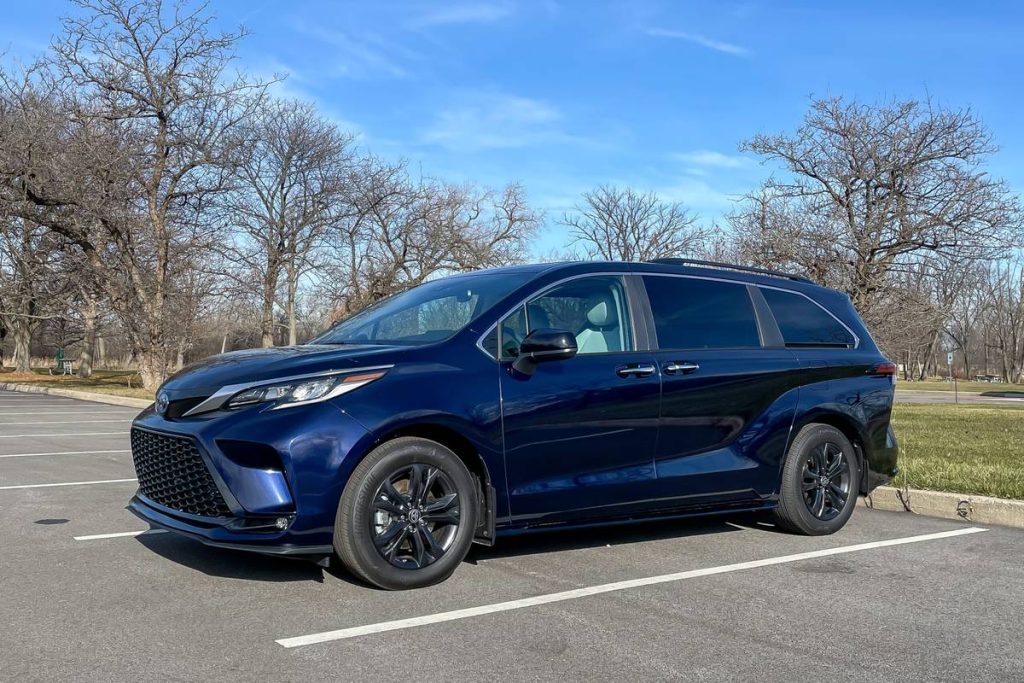
The battery is air-cooled using cabin airflow, but the system is well-optimized, with efficient ducting and monitoring to maintain stable operating temperatures. In typical family-use scenarios, where the Sienna is driven regularly but not aggressively, this setup contributes to slow, predictable degradation.
Another key factor is load distribution. The Sienna Hybrid is not tuned for sharp acceleration or performance spikes. Instead, it delivers smooth, gradual power, allowing the electric motors and engine to share workload efficiently.
This reduces high-stress events on the battery. Even with the added weight and passenger capacity of a minivan, the system avoids placing excessive strain on the battery pack.
The regenerative braking system is also refined to capture energy efficiently without introducing harsh charge cycles.
Combined with the naturally steady driving patterns of minivan owners, such as highway cruising and moderate city driving, the battery experiences relatively gentle usage over its lifespan.
Kia Niro Hybrid (First Generation)
The first-generation Kia Niro Hybrid (2017–2022) is a well-executed efficiency-focused crossover, but its battery longevity places it closer to the middle of the spectrum, with a tendency to show earlier wear than the most conservative hybrid systems.
Built around a 1.6-liter gasoline engine, a lithium-ion polymer battery, and a dual-clutch transmission (DCT), the Niro prioritizes fuel economy and responsive driving dynamics rather than maximum long-term durability margins.
The lithium-ion polymer battery is compact and lightweight, contributing to the Niro’s strong efficiency figures.
However, like other lithium-based chemistries, it is more sensitive to heat and repeated cycling stress compared to older nickel-metal hydride systems. Kia’s battery management system is reasonably well-calibrated, but it operates the pack across a relatively active charge range, which can increase cumulative wear over time.
One distinguishing factor is the use of a dual-clutch transmission instead of a continuously variable transmission. This gives the Niro a more conventional driving feel, but it also introduces slightly sharper transitions in power delivery.
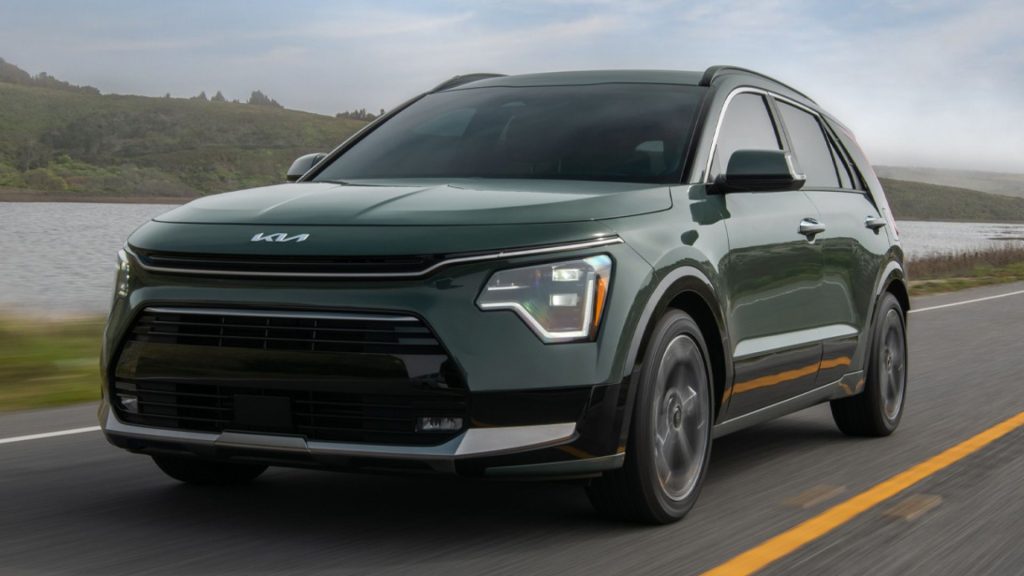
These micro-load spikes, while not extreme, occur more frequently than in smoother CVT-based hybrids and can contribute to gradual battery fatigue over extended use.
Thermal management is handled through an air-cooling system that draws cabin air to regulate battery temperature.
While generally effective in moderate climates, it is less robust under sustained high temperatures or heavy stop-and-go driving. Over time, elevated thermal exposure can accelerate degradation, particularly in regions with consistently hot weather.
5 Hybrid Batteries That Often Show Wear Around Year 8
Hybrid vehicles are often praised for their long-term efficiency and lower running costs, but their battery packs remain a critical wear component that typically begins to show measurable degradation around the 7–10 year mark.
By year eight in particular, many hybrid systems start exhibiting reduced charge capacity, weaker electric-only performance, and more frequent cycling between gas and electric modes.
While this doesn’t mean immediate failure, it does signal a transition point where replacement or reconditioning becomes a realistic consideration. Here are five hybrid batteries that are known to show noticeable wear around the eight-year mark.
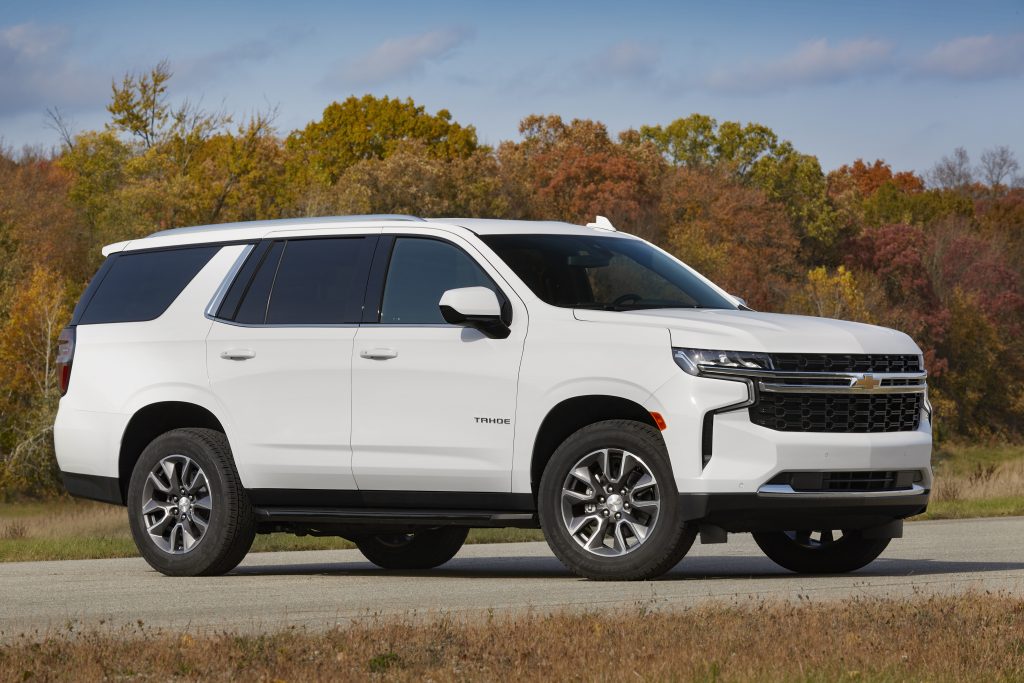
Chevrolet Tahoe Hybrid (Two-Mode Hybrid)
The Chevrolet Tahoe Hybrid equipped with the Two-Mode Hybrid system represents a very different philosophy compared to the more common Toyota- and Honda-derived designs.
Developed jointly by General Motors, BMW, and Daimler, this system was engineered primarily for full-size SUVs and trucks, where towing capability and power demands were significantly higher.
While innovative on paper, its long-term battery durability has been far less consistent, placing it closer to the group of hybrids that tend to show issues around the 8-year mark.
At the center of the system is a large V8 engine paired with a complex electrically variable transmission and a nickel-metal hydride (NiMH) battery pack.
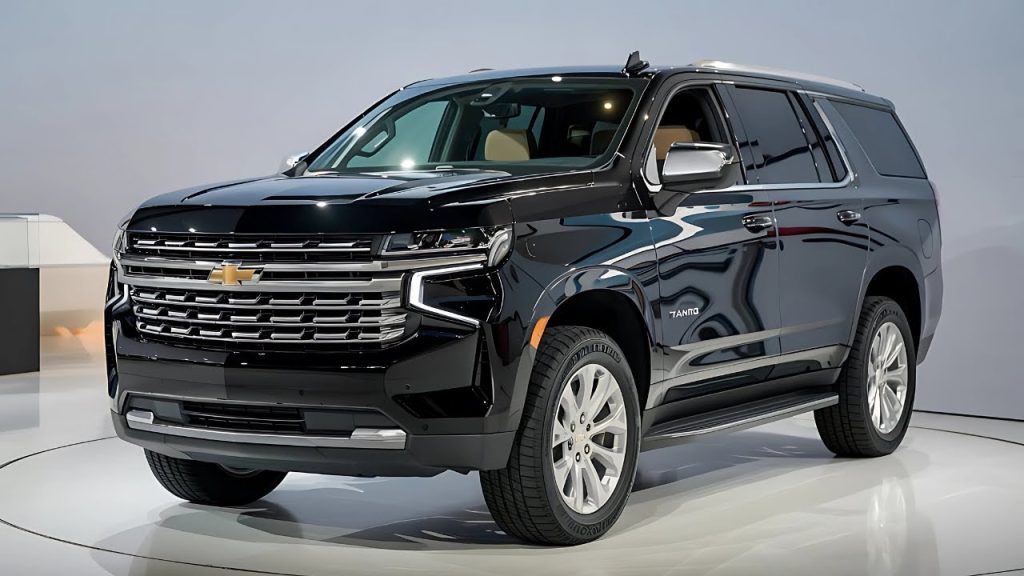
Unlike lighter-duty hybrids that prioritize efficiency, the Tahoe Hybrid’s system must handle substantial loads, including heavy acceleration, towing, and high curb weight.
This inherently places more stress on the battery pack, particularly during frequent transitions between electric assist and engine-driven modes.
The Two-Mode system operates in two distinct phases: a low-speed, electrically assisted mode and a high-speed mode optimized for highway efficiency. While this dual-mode approach was technically advanced, it introduced significant mechanical and electronic complexity.
The battery is frequently subjected to higher load demands compared to smaller hybrids, which can accelerate wear over time despite the inherent durability of NiMH chemistry.
Nissan Rogue Hybrid
he Nissan Rogue Hybrid, sold primarily between 2017 and 2019, occupies a middle ground in hybrid reliability but trends closer to the group that begins showing battery-related issues earlier than expected.
Unlike Toyota’s conservative hybrid systems, Nissan adopted a more compact lithium-ion battery paired with a 2.0-liter gasoline engine and a single electric motor, prioritizing packaging efficiency and responsiveness over long-term durability margins.
The system delivers respectable fuel economy and a smooth driving experience, but its battery design operates closer to its performance limits. Lithium-ion chemistry, while more energy-dense than nickel-metal hydride, is inherently more sensitive to heat and repeated high-load cycles.
In the Rogue Hybrid, this becomes more noticeable due to the vehicle’s weight and usage profile as a compact SUV, where stop-and-go driving and moderate load demands are common.
One of the more critical limitations is thermal management. The Rogue Hybrid relies on an air-cooled battery system, but it lacks the refinement seen in more mature hybrid platforms.
In warmer climates or under sustained urban driving conditions, the battery can experience elevated temperatures, which accelerates chemical degradation. Over time, this leads to reduced capacity and less effective electric assist.
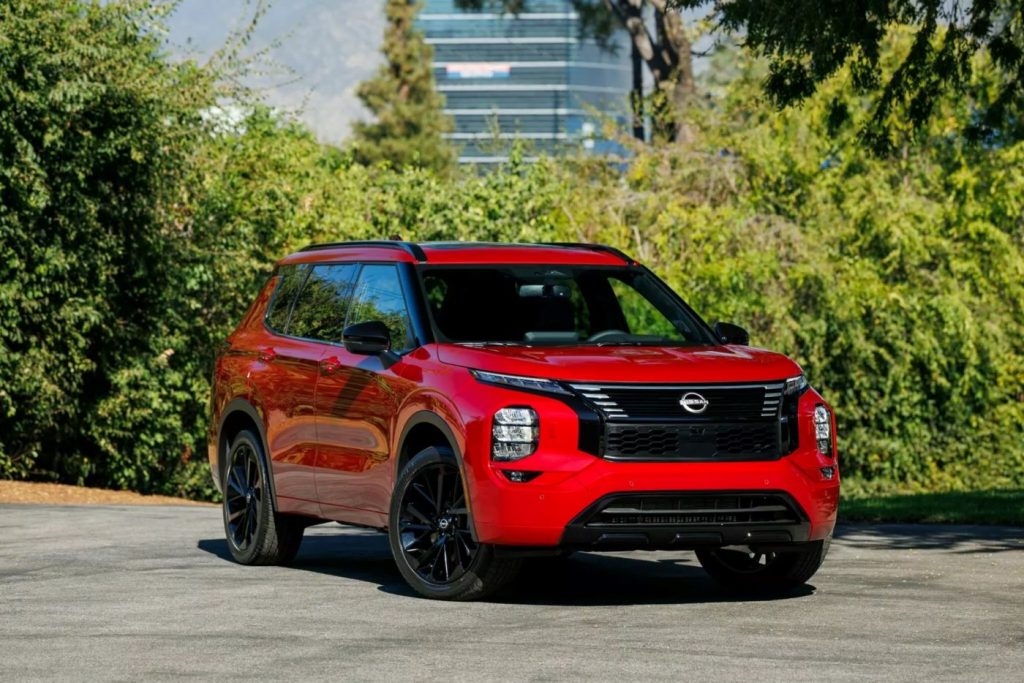
Nissan’s battery management strategy is also less conservative compared to Toyota or Honda systems. The battery tends to cycle more aggressively, frequently charging and discharging across a wider range.
While this improves short-term responsiveness and efficiency, it contributes to faster wear over extended ownership periods. Many owners report noticeable performance decline within 6–8 years, including reduced fuel economy, diminished electric-only operation, and more frequent engine engagement.
Another factor is the relatively low production volume of the Rogue Hybrid compared to competitors like the Toyota RAV4 Hybrid.
This has resulted in a smaller ecosystem for replacement parts and fewer refurbished battery options, which can make repairs more expensive and less accessible once degradation becomes significant.
Hyundai Ioniq Hybrid (Early Models)
The Hyundai Ioniq Hybrid, introduced in 2017, represents a more modern and efficiency-focused hybrid design, but its long-term battery durability places it closer to the group that may begin showing wear earlier than expected.
Unlike many traditional hybrids, Hyundai opted for a lithium-ion polymer battery paired with a 1.6-liter gasoline engine and a dual-clutch transmission (DCT), a configuration that prioritizes driving feel and efficiency over conservative longevity margins.
The lithium-ion polymer battery offers higher energy density and lighter weight compared to older nickel-metal hydride systems, contributing to the Ioniq’s strong fuel economy figures.
However, this chemistry is more sensitive to heat and repeated cycling stress. While Hyundai engineered safeguards into the system, it still operates closer to its upper performance thresholds than more conservative hybrid designs from competitors like Toyota.
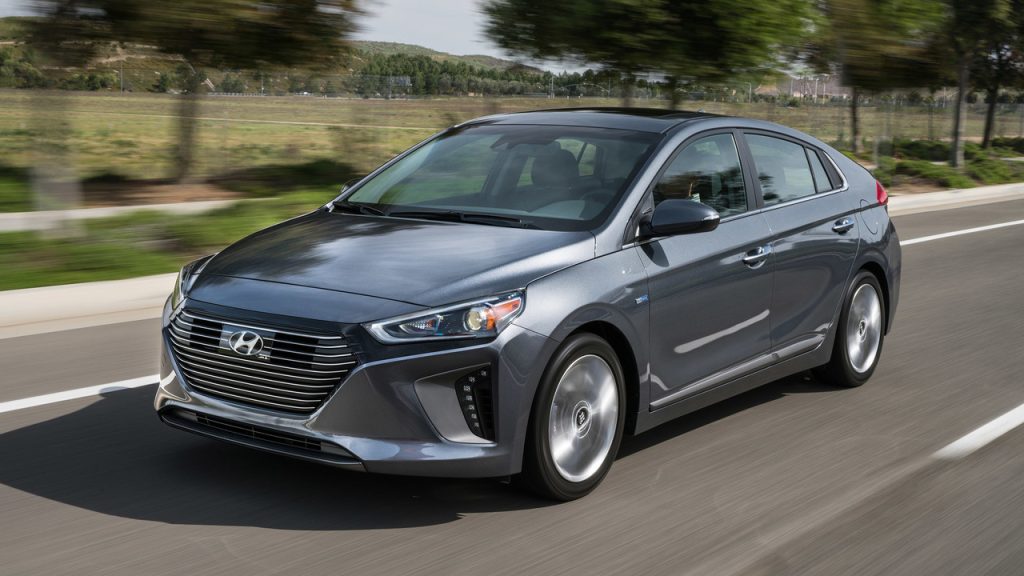
One of the defining characteristics of the Ioniq Hybrid is its use of a dual-clutch transmission rather than a continuously variable transmission (CVT). This gives the car a more conventional driving feel, but it also changes how the hybrid system interacts with the battery.
Power delivery can be more abrupt under certain conditions, which introduces sharper load cycles on the battery compared to smoother, CVT-based systems. Over time, these micro-stresses can contribute to gradual capacity degradation.
Thermal management is competent but not class-leading. The battery relies on air cooling, and while the system is generally effective under moderate conditions, sustained exposure to high ambient temperatures or heavy urban driving can elevate battery temperatures.
As with most lithium-based systems, prolonged heat exposure accelerates chemical wear, which can shorten the effective lifespan of the pack.
BMW ActiveHybrid 3
The BMW ActiveHybrid 3 represents an early attempt by BMW to integrate hybridization into a performance-oriented platform, and that objective significantly influences its long-term battery durability.
Introduced in the early 2010s, the system pairs a turbocharged 3.0-liter inline-six engine with a single electric motor and a lithium-ion battery pack.
Unlike efficiency-focused hybrids from Toyota or Honda, the ActiveHybrid 3 was engineered to enhance performance, not just reduce fuel consumption, and that distinction has direct consequences for battery longevity.
The lithium-ion battery in the ActiveHybrid 3 is relatively small and designed for short bursts of electric assistance rather than sustained electric driving. It operates under higher load conditions, frequently delivering power to supplement acceleration and then rapidly recharging through regenerative braking.
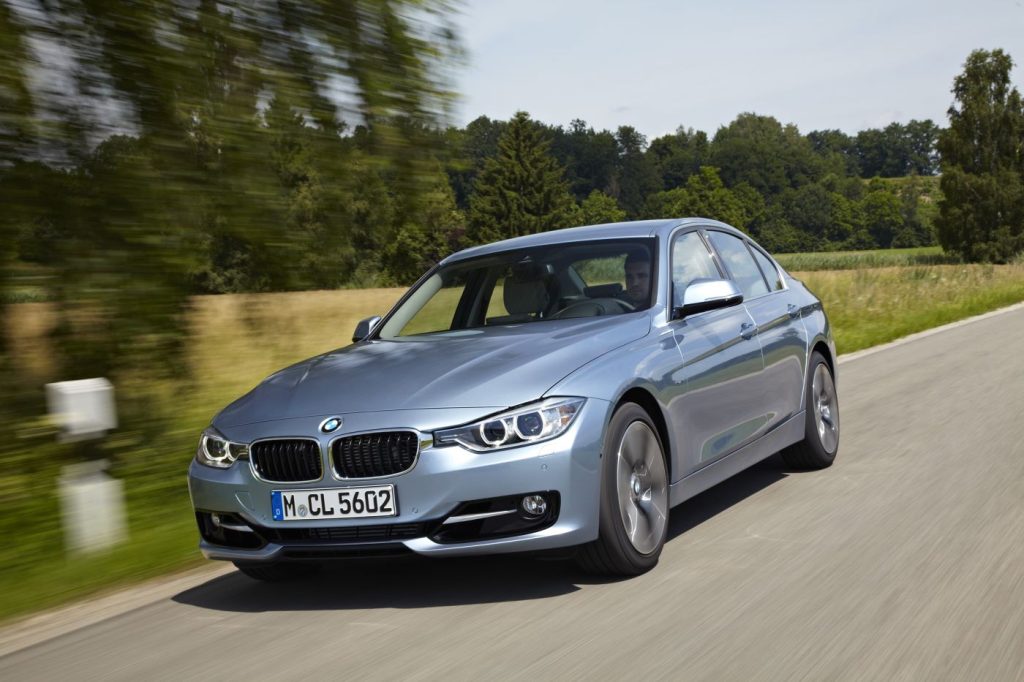
These frequent, high-intensity charge and discharge cycles create a more demanding operating environment compared to hybrids that prioritize gradual energy flow.
Thermal management is present but not particularly robust by modern standards. The battery relies on active cooling, but the system must contend with the heat generated by a high-performance turbocharged engine in close proximity.
Over time, especially in warmer climates or under aggressive driving conditions, elevated temperatures can accelerate degradation of the lithium-ion cells.
Infiniti Q50 Hybrid
The Infiniti Q50 Hybrid takes a performance-first approach to hybridization, and while it delivers strong acceleration and refinement, its battery longevity tends to fall short of the most durable systems in the segment.
Introduced in the mid-2010s, the setup combines a 3.5-liter V6 engine with a lithium-ion battery and an electric motor integrated into a 7-speed automatic transmission.
Unlike efficiency-focused hybrids, this system is engineered to enhance power delivery, which directly impacts long-term battery wear.
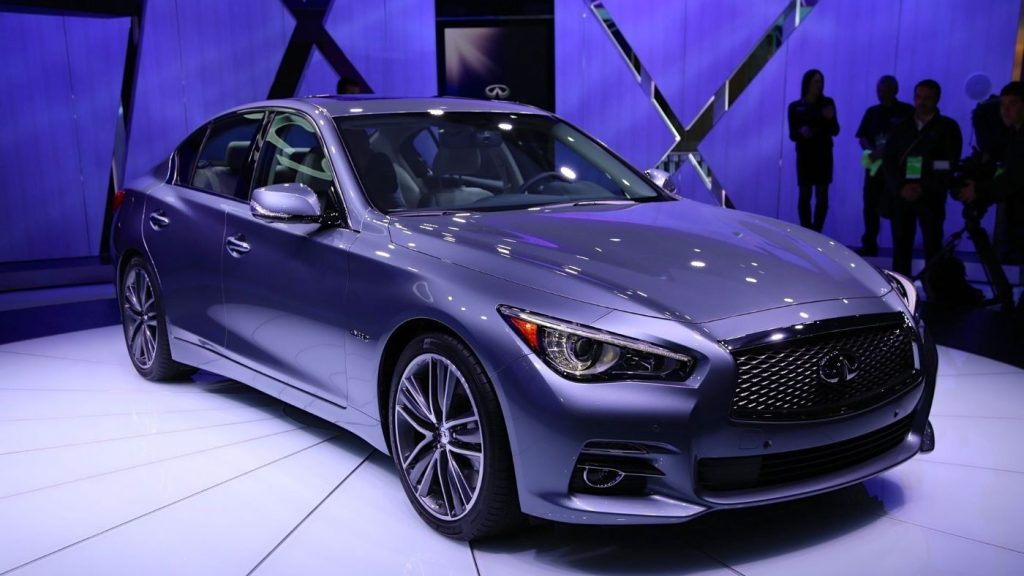
The lithium-ion battery pack in the Q50 Hybrid is relatively compact and designed for high output rather than extended electric-only driving. It frequently provides torque assist during acceleration and quickly recovers energy through regenerative braking.
These rapid charge and discharge cycles, especially under performance-oriented driving, place sustained stress on the battery cells. Over time, this accelerates capacity loss compared to hybrids that operate within narrower, more conservative parameters.
Thermal management is adequate but not exceptional. The battery relies on air cooling, and while the system performs reasonably well under normal conditions, it can struggle to maintain optimal temperatures during prolonged aggressive driving or in hotter climates.
Elevated heat levels are a known contributor to lithium-ion degradation, and in the Q50 Hybrid, this becomes a more pronounced factor due to the vehicle’s performance tuning and engine heat.
For U.S. buyers, especially in the used market, the implication is straightforward: two hybrids with similar fuel economy can have vastly different long-term costs depending on battery durability.
A well-designed system can deliver 15+ years of reliable service, while a less robust one may approach replacement costs just as the warranty expires.
