
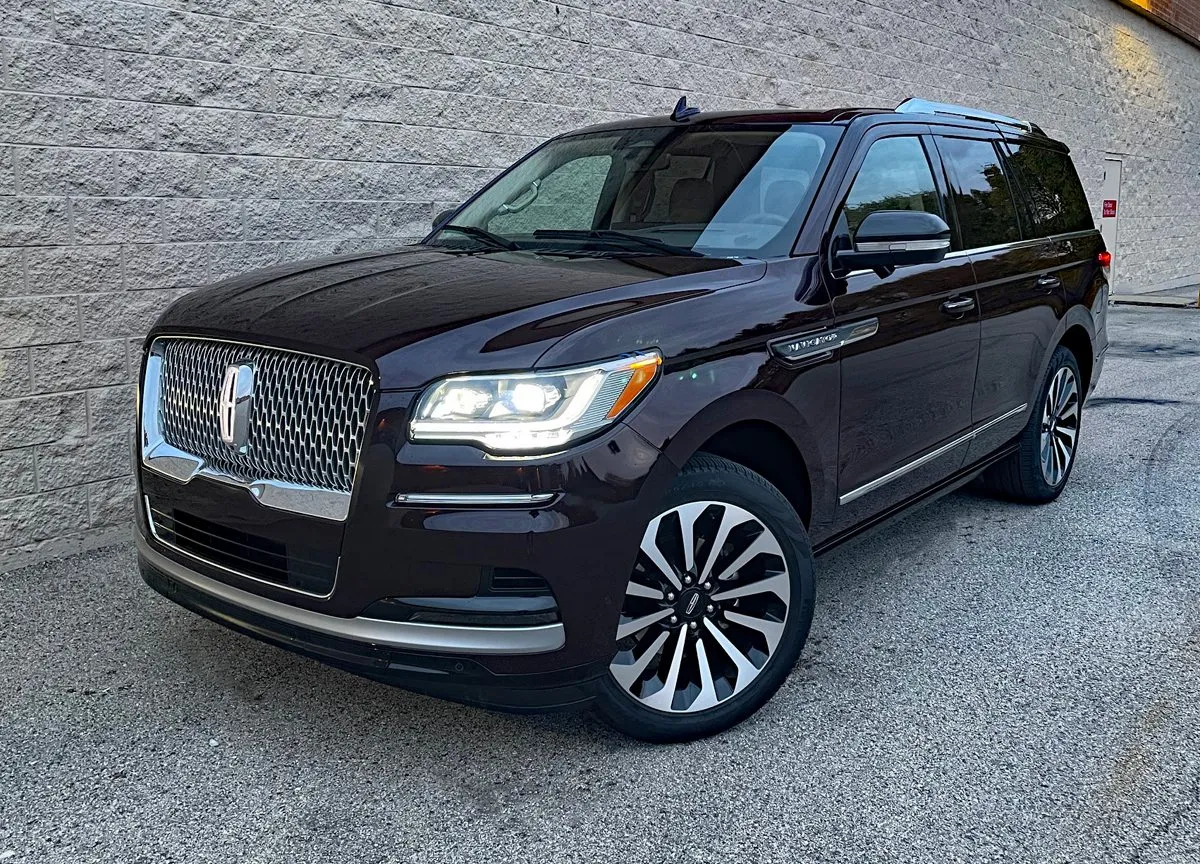
Luxury SUVs are purchased with one fundamental promise in mind. That promise is effortless comfort combined with long-term reliability. Air suspension systems are among the most desirable features in the premium SUV segment. They replace conventional steel springs with pneumatic air bags and electronic compressors.
When these systems work correctly, the result is extraordinary. The ride quality feels almost supernatural, as if the vehicle floats above imperfections in the road. However, air suspension systems carry a dark secret that dealerships rarely discuss openly. They fail at rates that can destroy the financial logic of owning these vehicles entirely.
Repair bills for failed air suspension systems routinely reach five figures. A single visit to the dealership can cost more than many people earn in a month. What makes this situation worse is the timing of these failures. Most air suspension systems on luxury SUVs begin failing well before the vehicle reaches 100,000 miles.
The used luxury SUV market is filled with vehicles that appear to be incredible value. A Range Rover or Porsche Cayenne at a fraction of its original price seems irresistible.
But the discounted price often reflects the previous owner’s knowledge of what is coming. The following eight vehicles are prime examples of luxury SUVs where the air suspension system represents a financial trap waiting to close.
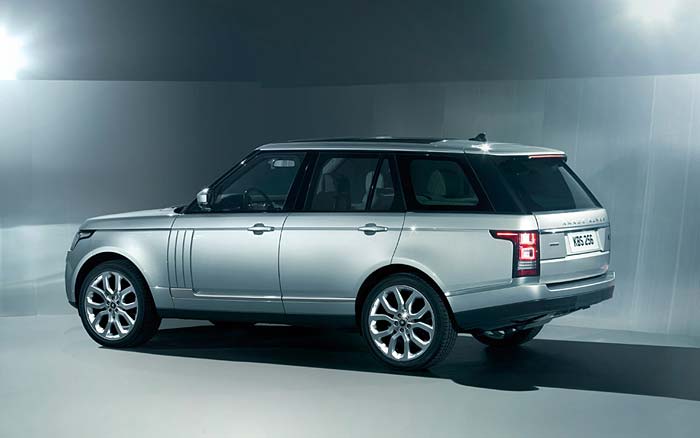
1. Land Rover Range Rover (Third and Fourth Generation)
The Range Rover is one of the most iconic luxury SUVs ever produced. It carries decades of prestige, capability, and aristocratic identity in every panel and stitch.
The Electronic Air Suspension system, known as EAS, is fitted as standard across most configurations. It independently controls ride height at all four corners, allowing the vehicle to raise for off-road work and lower for highway efficiency.
On paper, the system is genuinely impressive engineering. In ownership reality, it is one of the most expensive failure points in the automotive world. The EAS compressor is the heart of the entire system. It supplies pressurized air to all four air springs continuously throughout the vehicle’s operational life.
The compressor is fundamentally not robust enough for its workload. Moisture intrusion causes internal corrosion that destroys the compressor from within. Once corrosion begins, the compressor works harder to maintain pressure throughout the system. This extra effort generates heat that accelerates wear on all internal components simultaneously.
When the compressor eventually burns out, the entire suspension loses function at once. The vehicle sags dramatically and a warning message fills the dashboard display. Driving in this condition causes severe secondary damage to air struts and control arms. The repair bill begins before the tow truck has even arrived.
Replacing the compressor alone costs between $800 and $1,500 for genuine Land Rover parts. Labor adds another $400 to $700 depending on workshop rates in your area.
However, compressor failure almost never arrives alone on these vehicles. The rubber air spring membranes crack from age and temperature cycling at the same time.
Each air spring replacement costs $300 to $600, and all four usually need attention simultaneously. A complete air suspension rebuild at a Land Rover dealership costs $4,000 to $8,000 in total.
Many third generation models from 2002 to 2012 are now available cheaply for exactly this reason. The previous owner experienced this financial reality firsthand and decided selling was smarter than repairing.
The coil spring conversion is the escape route many owners eventually choose. Converting from air to conventional springs costs $1,500 to $3,000 and eliminates future air suspension costs entirely. The Range Rover’s genuine capability and exceptional interior quality make owners deeply attached to these vehicles. That emotional attachment keeps people investing in repairs long after simple mathematics would suggest otherwise.
2. BMW X5 (E53 and E70 Generation)
BMW redefined the luxury SUV category when the X5 launched in 1999. The Sports Activity Vehicle formula delivered genuine driving dynamics that traditional body-on-frame SUVs could never match.
Both the E53 first generation and the E70 second generation offered air suspension in various configurations. The E53 used rear-only air springs for load leveling, while the E70 offered a more sophisticated four-corner adaptive system.
The E53’s rear air suspension design appears simple compared to four-corner alternatives. Two rear air springs and a central compressor manage load leveling for cargo and passenger weight.
Despite this relative simplicity, the rear air springs on E53 models crack and develop leaks around 80,000 to 100,000 miles. Cold climate owners experience accelerated failure because rubber becomes brittle in freezing temperatures.
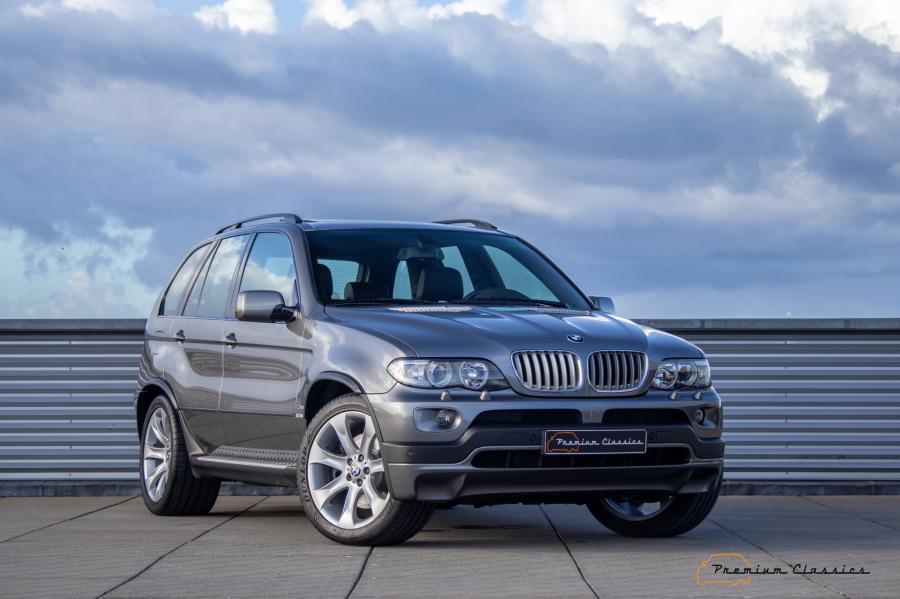
A sagging rear end on an E53 is the classic sign of air spring failure. The compressor runs constantly trying to compensate for air escaping through cracked membranes. This continuous operation burns out the compressor motor within weeks of the initial spring failure. Two failures then require repair instead of one, doubling the parts cost immediately.
The E70 generation raised the technical sophistication significantly with the optional Adaptive Drive system. Electronically controlled dampers at all four corners combine with air springs to create a continuously adaptive ride experience.
On smooth highway surfaces, this system produces comfort that rivals vehicles costing significantly more. The engineering achievement is real and the driving experience justifies the engineering complexity on paper.
However, the E70 compressor fails with troubling regularity between 70,000 and 90,000 miles. Its positioning collects heat and road debris from the surrounding environment.
These conditions destroy the compressor far earlier than any owner reasonably expects. A new OEM compressor costs $700 to $1,200 before any labor is considered.
The air struts on the E70 combine the air spring and shock absorber into a single expensive assembly. When these integrated units fail, which they do on most high-mileage E70 examples, replacement costs $600 to $1,000 per corner.
Replacing all four struts plus the compressor reaches $5,000 to $7,000 at a BMW dealership. Tire wear from incorrect ride heights adds further expense to an already painful bill.
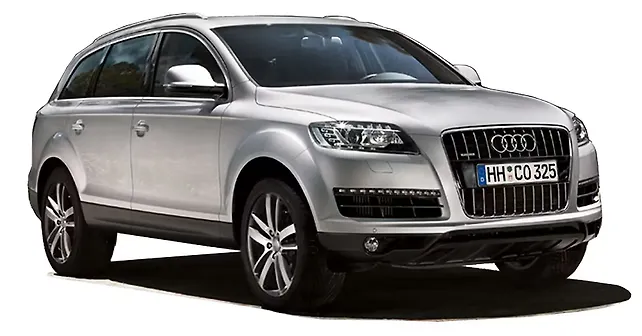
3. Audi Q7 (First Generation, 2006–2015)
Audi built its global reputation on precision engineering and the legendary Quattro all-wheel drive system. The Q7 brought these values to the large luxury SUV segment for the first time in Audi’s history.
The available Adaptive Air Suspension system promised adjustable ride height combined with electronically controlled damping. Four independent air springs provided a level of ride customization that conventional suspension systems simply cannot offer.
The compressor on the first generation Q7 is positioned in the rear left wheel arch. This location exposes it directly to water, road salt, and extreme temperature variations throughout each season. The compressor intake filter clogs rapidly in these conditions. A clogged filter forces the motor to strain against restricted airflow with every cycle.
Extended operation under strain burns out the compressor motor windings completely. Replacement requires removing the affected trim panels and associated components before the unit can be accessed.
OEM replacement compressors cost $800 to $1,400 just for the part itself. Labor adds another $400 to $600 because of the accessibility challenges involved.
The air springs on Q7 models use a rolling sleeve design where rubber bellows fold as the spring compresses. These fold lines are the weakest points in the entire design.
Cracks develop along these lines from repeated compression and extension cycles over thousands of miles. Each crack creates a slow leak that the compressor must constantly work to overcome.
This creates a destructive cycle where failing springs accelerate compressor wear. The compressor works harder and longer to compensate for escaping air.
Eventually both systems fail in close succession, multiplying the repair cost. Owners often fix the compressor first, only to discover the springs need attention weeks later.
A complete OEM air suspension overhaul on the first generation Q7 costs $5,000 to $9,000 at an Audi dealership. Aftermarket options exist and have improved in quality over recent years. However, quality consistency among aftermarket suppliers remains variable. Buying cheaper parts from an unknown supplier risks repeating the same repair within a short timeframe.
The Q7 shares its air suspension architecture with the Volkswagen Touareg and Porsche Cayenne. This platform sharing improves parts availability slightly and gives independent mechanics more experience with the system.
Despite this advantage, the fundamental failure pattern remains consistent across all three related platforms. Brand loyalty costs Audi owners more than Touareg owners for identical mechanical work.
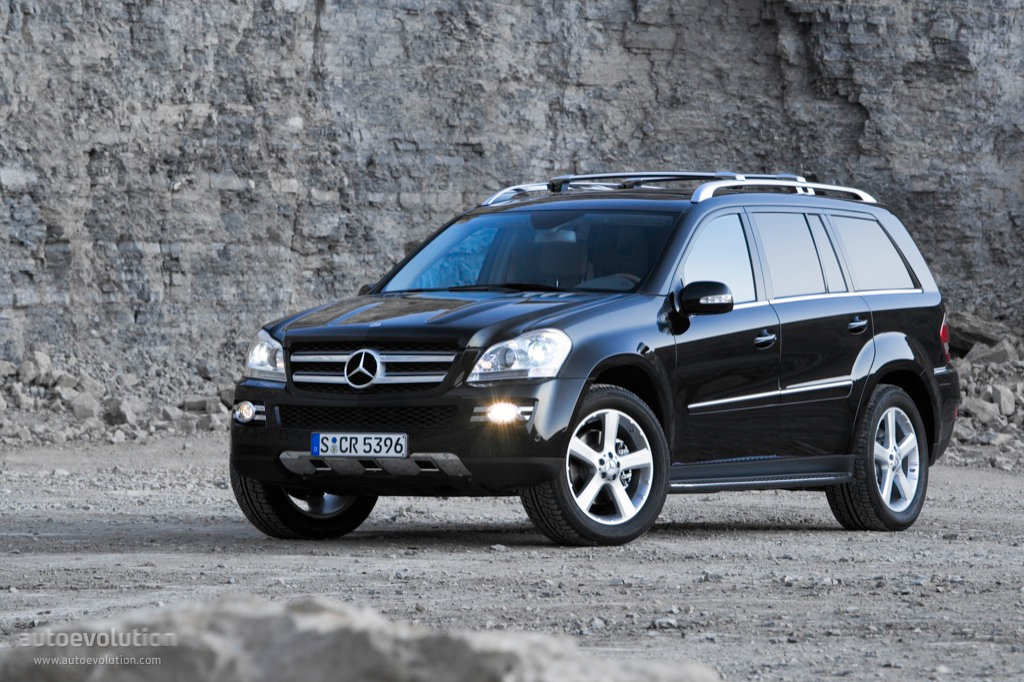
4. Mercedes-Benz GL-Class (X164 Generation, 2006–2012)
Mercedes-Benz earned its position at the pinnacle of automotive luxury through genuine engineering excellence. The GL-Class was Mercedes’ entry into the large three-row luxury SUV segment.
The standard AIRMATIC suspension system used four individual air struts with electronically controlled damping. Electronic height sensors at each corner provided continuous feedback to the central control module.
The AIRMATIC system adjusts automatically to driving conditions and vehicle speed. At highway speeds, the vehicle lowers to improve aerodynamics and fuel efficiency.
Over rough terrain, it raises to increase ground clearance and protect the undercarriage. The engineering works impressively in service and delivers the trademark Mercedes refinement consistently.
The compressor has a known vulnerability to moisture contamination that undermines the entire system. The dryer unit responsible for removing moisture from compressed air has a limited effective service life.
Once the dryer becomes saturated, wet air enters and circulates throughout the pneumatic system. Water causes internal corrosion inside the compressor and degrades rubber air spring membranes simultaneously.
After moisture contamination takes hold, component failures follow in rapid and expensive succession. The compressor fails first, followed closely by one or more air struts developing active leaks.
By the time a full diagnosis is completed, the repair estimate regularly exceeds $3,000 to $6,000 for complete system restoration. This figure sometimes approaches or exceeds the entire current market value of older examples.
The GL is a genuinely heavy vehicle, and that mass accelerates component wear throughout the suspension. Air struts on the front axle carry enormous loads under all driving conditions.
The combination of heavyweight operation and continuous air pressure demands means components reach failure thresholds faster than owners anticipate. Failure timelines are consistently shorter than buyers expect when purchasing used examples.
Market value depreciation makes the financial equation particularly brutal on these vehicles. A GL450 that sold for $65,000 when new may be worth only $12,000 to $18,000 at ten to twelve years of age.
A $4,000 to $6,000 suspension repair on a $14,000 vehicle is almost impossible to justify rationally. Many owners face a binary choice between absorbing a crushing repair bill or accepting a significant loss on the vehicle’s sale price.
Also Read: 12 Used Cars With Simple Electrical Layouts for Easy Repairs
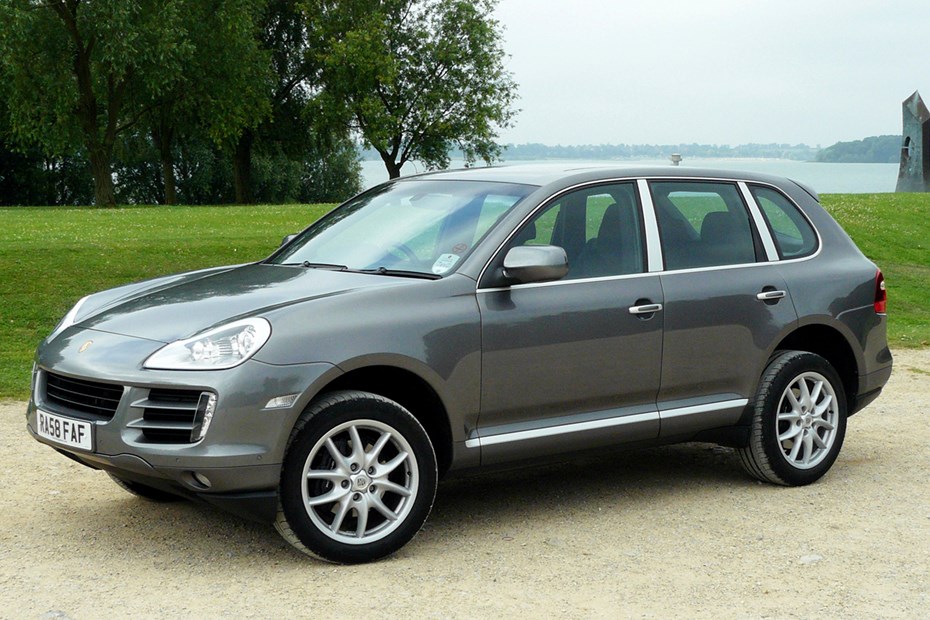
5. Porsche Cayenne (First Generation, 2003–2010)
Porsche purists initially protested the idea of a Porsche SUV with genuine conviction. History proved those critics commercially wrong as the Cayenne became one of Porsche’s most important global products.
The optional Porsche Active Suspension Management system combined with air suspension delivered extraordinary performance. This vehicle could genuinely handle like a sports car while carrying five passengers in comfort.
The air suspension on first generation Cayennes shares its fundamental architecture with the Touareg and Q7 platforms. Porsche engineers calibrated the system specifically for the brand’s performance-focused driving characteristics.
The result in operation is exceptional, with ride quality and handling balance that no rival in this era could match. Owners of functioning examples genuinely love what this suspension system does.
The problem is that functioning examples become progressively rarer as mileage increases. Air compressor failures, air spring leaks, and height sensor faults appear consistently in first generation Cayenne ownership records. The failure timeline accelerates noticeably around 80,000 to 100,000 miles. Many of these vehicles are now in the hands of second or third owners who had no clear understanding of what was coming.
The Porsche pricing premium applies aggressively to suspension repairs on these vehicles. Parts carrying the Porsche name cost substantially more than mechanically identical components from Volkswagen or Audi. An air strut for the Cayenne costs significantly more than the same part for a Touareg despite being essentially the same engineering. Porsche dealership labor rates are premium by definition and add considerably to any invoice.
A complete air suspension rebuild at a Porsche dealership reaches $8,000 to $12,000 on first generation examples. Independent Porsche specialists offer better value but the elevated parts cost remains regardless of who performs the work. Many independent shops use aftermarket components to reduce the final bill. Quality control among aftermarket Cayenne suspension suppliers varies considerably.
The market value trajectory makes the Porsche situation particularly painful. First generation Cayennes with air suspension have depreciated dramatically from their original purchase prices. Clean examples with full service history sell in the $8,000 to $15,000 range depending on specification.
A complete air suspension failure therefore costs as much as the entire vehicle is currently worth. Many owners choose to sell the vehicle for parts rather than authorize a repair that cannot be recouped in any future sale.
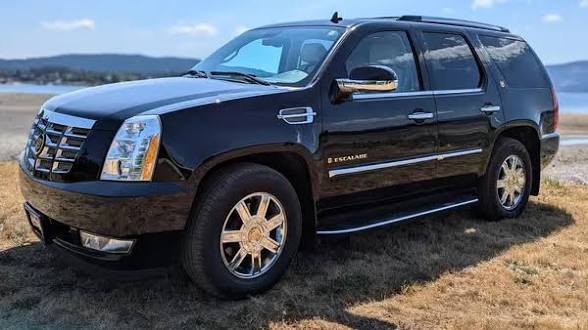
6. Cadillac Escalade (Third Generation, 2007–2014)
The Cadillac Escalade is American luxury at its most unapologetically extravagant. These full-size SUVs project an image that resonates powerfully in specific cultural contexts worldwide.
The Magnetic Ride Control system provides electronically adjustable damping for exceptional ride quality. Rear air springs work alongside this system to provide automatic load leveling for the enormous cargo and passenger capacity.
The rear air suspension on the third generation Escalade is separate from the conventional front spring setup. This hybrid arrangement uses air springs exclusively at the rear axle for load management.
The system works quietly and effectively when all components are functioning within normal parameters. Most Escalade owners are unaware the system exists until it stops working.
The rear air compressor suffers a predictable failure pattern that develops around 80,000 to 100,000 miles. Heat exposure and continuous vibration degrade internal components throughout the vehicle’s life. The compressor takes progressively longer to reach target ride height as internal efficiency drops. Eventually it cannot maintain pressure at all and the rear suspension collapses entirely.
Replacement compressors for the Escalade cost $400 to $800 for quality aftermarket units. OEM Cadillac compressors carry a premium price of $700 to $1,000 before installation. Labor adds another $200 to $400 depending on shop rates in the local market. This repair cost is modest compared to European competitors with similar suspension failures.
However, the Escalade’s enormous size and weight accelerate wear throughout all related suspension components simultaneously. When mechanics access the vehicle for air suspension work, they consistently find control arm bushings, ball joints, and tie rod ends also needing attention. A focused air suspension repair visit routinely expands into a comprehensive overhaul. Final invoices of $3,000 to $5,000 are common when all worn components are addressed together.
Tire wear from incorrect ride heights compounds the expense on these vehicles. Escalade tires are large, expensive, and wear unevenly when the vehicle operates at incorrect heights for extended periods. Replacement tires cost $300 to $500 each on these wheel sizes. Premature tire replacement adds another $1,200 to $2,000 on top of the suspension repair costs for owners who ignored early warning signs.
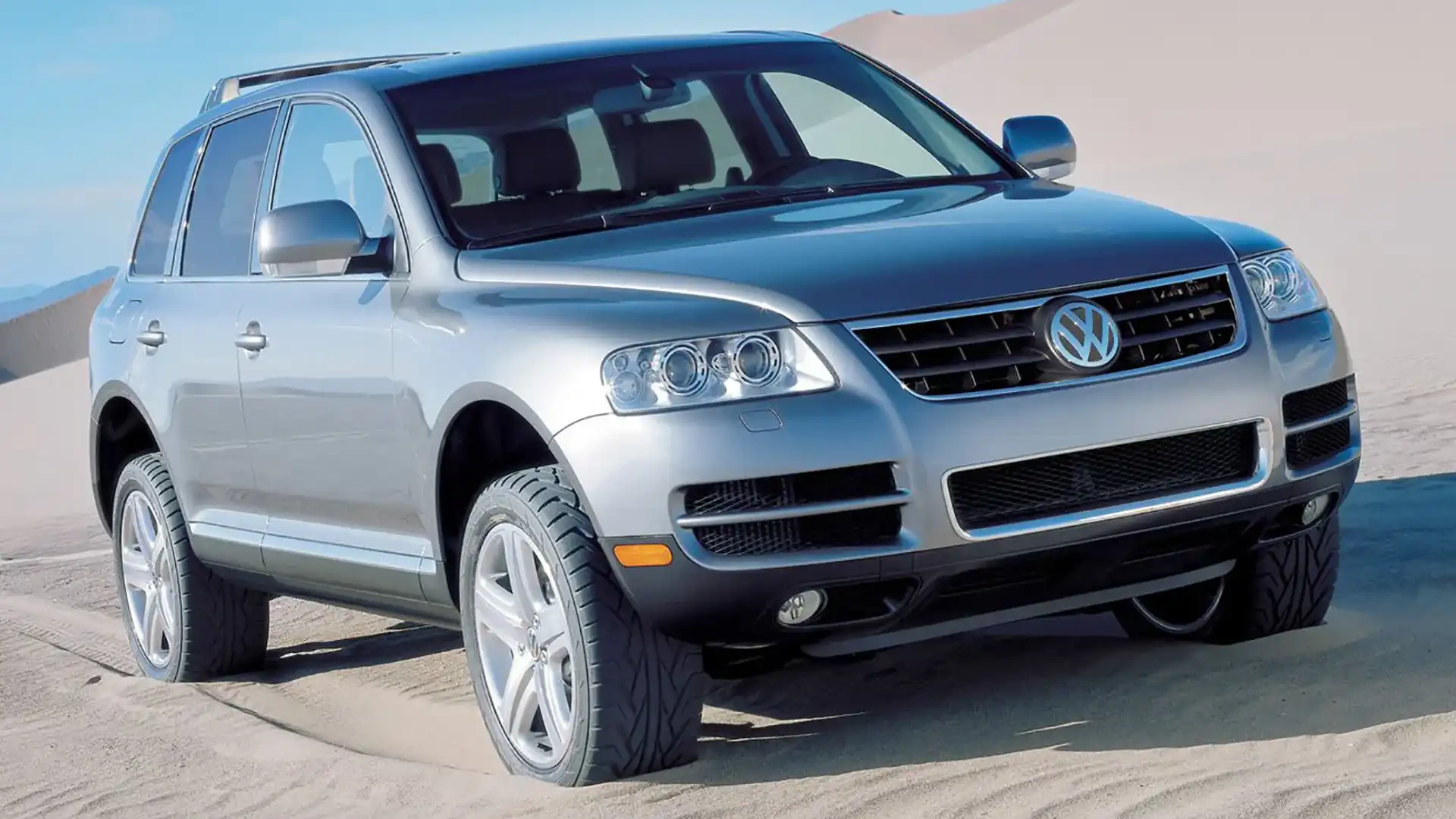
7. Volkswagen Touareg (First and Second Generation)
The Volkswagen Touareg was a genuinely ambitious project that gave Volkswagen its first capable luxury SUV. The platform was shared with Audi and Porsche, which meant genuine engineering sophistication was available at a relatively accessible price point.
The optional air suspension system offered adjustable ride heights from a maximum off-road setting to a minimum loading position. Real capability was available from a mainstream brand badge.
The Touareg carries the same fundamental air suspension failure modes as its platform siblings for the same underlying engineering reasons. Compressor failure, air spring leaks, and height sensor failures all appear in Touareg ownership records with depressing consistency.
Owners who research the platform before buying often discover these issues. Those who do not research tend to discover them through expensive personal experience instead. The market position of the Touareg creates a uniquely painful financial situation for owners. Buyers typically choose Touareg specifically because it is significantly cheaper than a Cayenne or Q7.
This affordability advantage feels decisive at the time of purchase. Then the air suspension fails and the repair cost is essentially identical to what Porsche or Audi owners face for the same components.
A complete Touareg air suspension overhaul costs $4,000 to $8,000 depending on which components require replacement. The percentage of total vehicle value consumed by this repair is therefore dramatically higher on a Touareg.
A buyer who paid $20,000 for a Touareg may face a suspension bill equivalent to 30 to 40 percent of the vehicle’s entire purchase price. The same repair on a Cayenne purchased for $35,000 represents a smaller proportional financial hit.
Second generation Touareg models received some engineering attention to address first generation failure patterns. The compressor positioning and dryer unit design were both revised based on lessons from earlier models.
These improvements reduced failure frequency somewhat without eliminating the fundamental vulnerability. Second generation models still show air suspension failures at higher rates than conventionally sprung competitors at comparable mileages.
Parts availability is a modest advantage for Touareg owners compared to owners of more exotic platforms. The high sales volume and platform sharing with Audi and Porsche means aftermarket suppliers have invested in developing Touareg-compatible components.
This competition helps reduce parts costs slightly compared to what Porsche owners pay. The labor cost and fundamental diagnosis complexity remain unchanged regardless of which brand badge sits on the nose of the vehicle.
8. Lincoln Navigator (Third Generation, 2007–2017)
The Lincoln Navigator occupies a unique position as America’s original modern luxury SUV. It competes directly with the Cadillac Escalade for supremacy in the full-size domestic luxury segment.
Ford’s premium brand fitted these enormous vehicles with a Continuously Controlled Damping system combined with air springs. The combination promised Escalade-rivaling comfort with distinctly Lincoln-flavored luxury appointments throughout the cabin.
The Navigator’s air suspension system faces challenges that are directly connected to the vehicle’s extraordinary size and mass. These are among the heaviest non-commercial vehicles available in the American market.
Every suspension component works under greater stress than the same component would experience in a lighter vehicle. Air compressors run more frequently because maintaining correct pressure under heavier loads demands more work.
Rear air springs on third generation Navigator models crack and leak around 70,000 to 90,000 miles with concerning regularity. Front air struts also show failure patterns, though typically at slightly higher mileages.
The compressor usually fails before 100,000 miles because of the heavy workload described above. These three failure events often cluster together because all components were factory-installed simultaneously and age at similar rates.
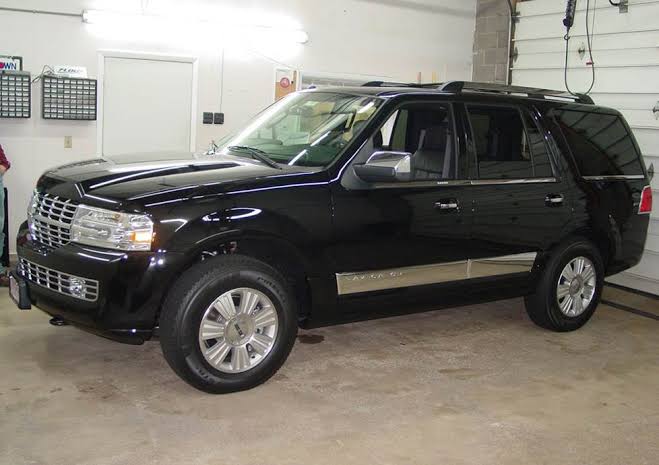
Complete air suspension replacement on a third generation Navigator costs $3,000 to $6,000 depending on component choices. Aftermarket alternatives are reasonably well developed for this platform due to the high sales volume these vehicles achieved.
This aftermarket competition provides some cost relief compared to more exotic European platforms. However, installation complexity and labor rates remain significant cost factors regardless of parts sourcing.
The Navigator’s fuel consumption characteristics create additional financial pressure alongside suspension concerns. These large vehicles consume fuel at rates that make long-term ownership expensive independently of any repair considerations.
When suspension rebuilds are added to raised fuel costs, premium insurance rates, and large-format tire replacements, the total ownership cost becomes genuinely shocking. Buyers who focus only on the purchase price are consistently unprepared for the ongoing costs.
Lincoln dealers have faced criticism for inadequate disclosure to used Navigator buyers. A buyer purchasing a Navigator at 85,000 miles may receive the vehicle with air suspension problems already actively developing.
Pre-purchase inspections focused specifically on the suspension system are essential for any used Navigator purchase. Without this specialist inspection, discovering the problem after the purchase is complete is both financially painful and almost entirely avoidable.
Also Read: 8 Signs Your Turbocharger Wastegate Is Sticking and Draining Power
