
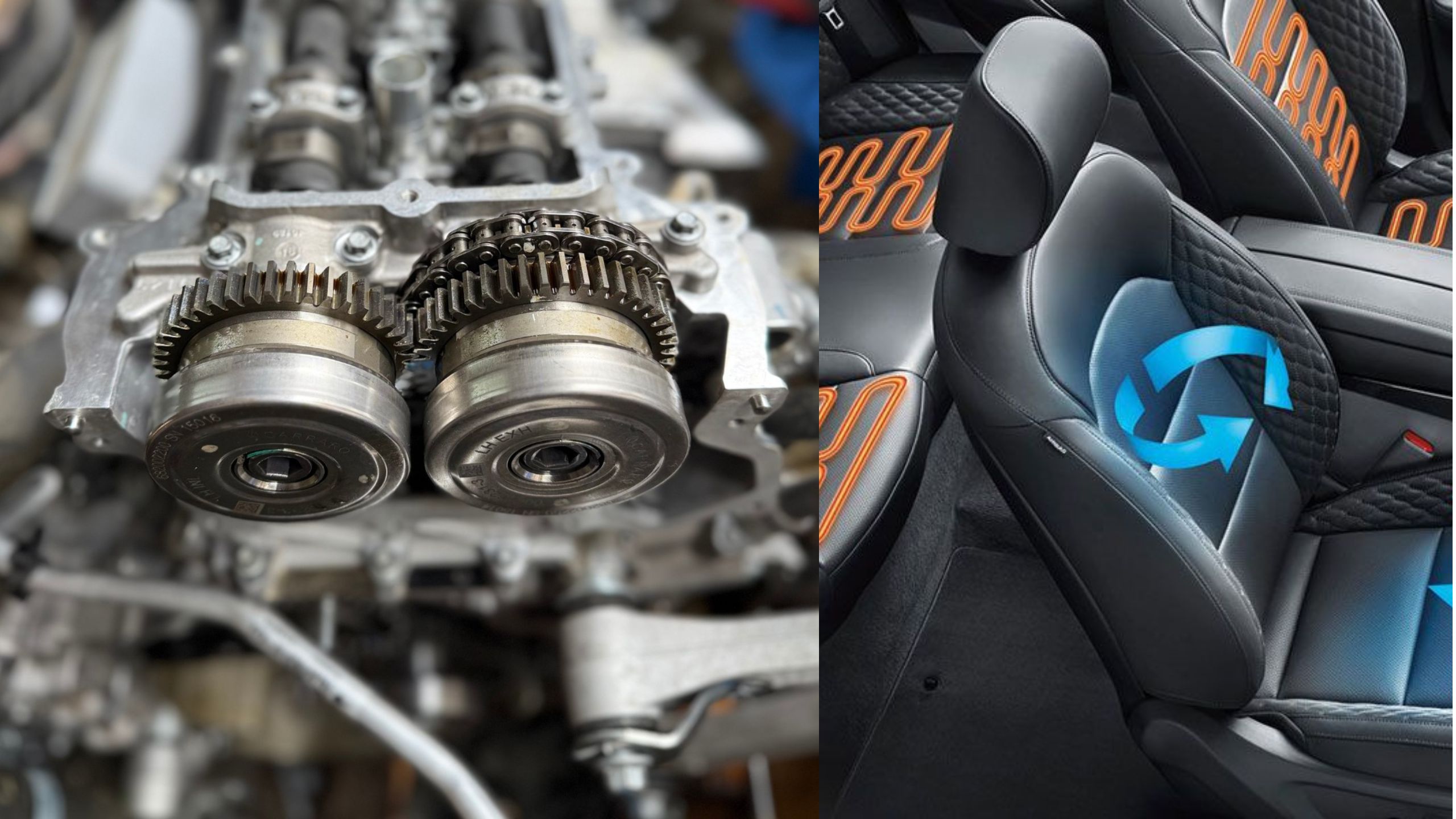
Modern vehicles and consumer electronics are packed with impressive technology. These innovations promise convenience, safety, and luxury. But they come with a hidden price tag that manufacturers rarely advertise upfront.
When your warranty expires, the bills begin. A single sensor failure or a cracked infotainment screen can cost more than an entire month’s car payment. Dealerships charge premium labor rates for these complex systems. Independent mechanics often lack the specialized tools to diagnose them.
The gap between in-warranty and out-of-warranty repair costs is staggering. A sunroof motor replacement that costs nothing at 20,000 miles becomes a $2,500 headache at 80,000 miles. A backup camera that the manufacturer fixes for free under warranty becomes your problem the moment coverage lapses.
This is the uncomfortable truth about modern technology. The more features a car or device packs, the more expensive it becomes to maintain in the long run. Consumers are often dazzled by advanced features during purchase but blindsided by repair costs years later.
This article breaks down 12 of the most common modern features that routinely generate repair bills exceeding $2,000 once the warranty expires. Understanding these risks can help you budget wisely, purchase extended coverage, or simply think twice before choosing the most feature-loaded model on the lot.
1. Turbocharged Engines
Turbocharged engines are now standard across nearly every vehicle segment. Automakers use them to deliver strong power from smaller, more fuel-efficient engines. On paper, it sounds like a perfect engineering solution.
The turbocharger itself is a precision mechanical component operating under extreme heat and pressure. It spins at speeds exceeding 100,000 RPM during normal operation. The oil seals, bearings, and compressor wheels inside are constantly stressed.
When a turbocharger fails out of warranty, the repair bill is rarely simple. The turbo unit itself costs between $800 and $1,500 for many popular vehicles. Add in labor, oil lines, gaskets, and related components, and the total often exceeds $2,000 to $3,000.
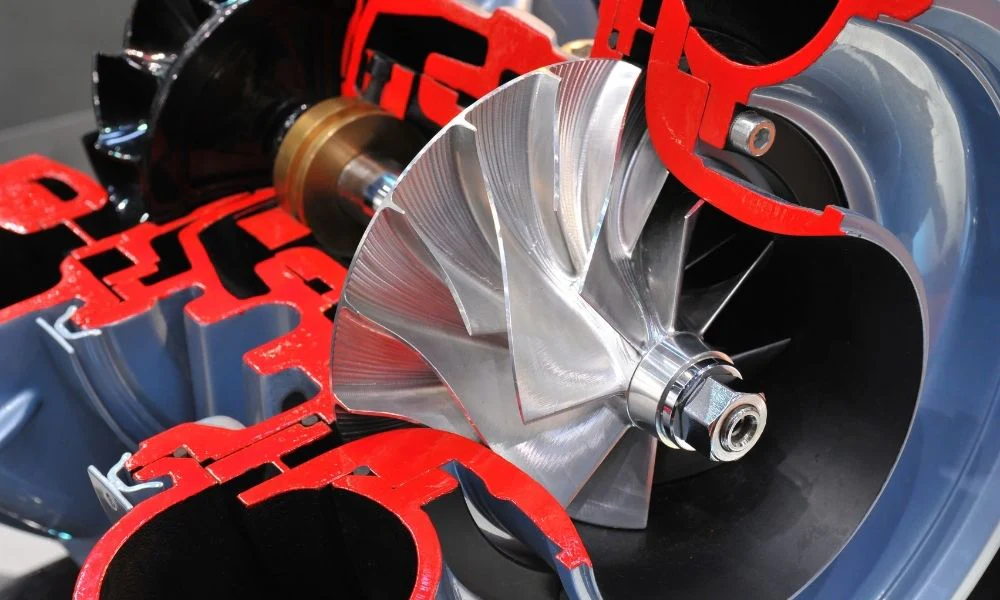
The more common failure scenario isn’t even a blown turbo. It’s oil sludge building up in the turbo oil feed lines. This happens when drivers don’t warm up or cool down the engine properly. The oil coking inside the turbo creates a slow death for the unit.
Many turbocharged engines also experience wastegate rattles and actuator failures. These problems trigger check engine lights and reduce performance. Repairs require the same labor-intensive teardown as a full turbo replacement.
Carbon buildup is another turbocharged engine headache. Direct-injected turbocharged engines accumulate carbon deposits on intake valves. Walnut blasting to remove these deposits can cost $500 to $800 on its own. Combined with any turbo work, you’re deep into four-figure territory.
Cooling system failures are also more common on turbocharged engines. The intercooler pipes, coolant lines, and turbo heat shields all face more stress. Any of these failures can escalate quickly into expensive chain-reaction repairs.
The lesson with turbocharged engines is simple. They require more attentive maintenance than naturally aspirated engines. Out-of-warranty owners should budget aggressively for turbo-related repairs.
2. Dual-Clutch Transmissions (DCT)
Dual-clutch transmissions promise the best of both worlds. They deliver the fuel efficiency of a manual gearbox with the convenience of an automatic. Early marketing positioned them as a technological breakthrough.
In reality, the DCT is one of the most maintenance-sensitive transmissions ever built. The dual-clutch pack wears differently depending on driving habits. Stop-and-go city driving accelerates clutch wear significantly compared to highway use.
The mechatronic unit inside the DCT is where most expensive failures begin. This component controls all hydraulic and electronic shifting functions. It combines a valve body, solenoids, and computer circuitry into one expensive assembly.
A mechatronic unit replacement typically runs between $1,500 and $2,800 for many European brands. Add in the labor to remove and reinstall the transmission, and total costs rise further. Some vehicles require transmission fluid replacement at the same time, adding another few hundred dollars.
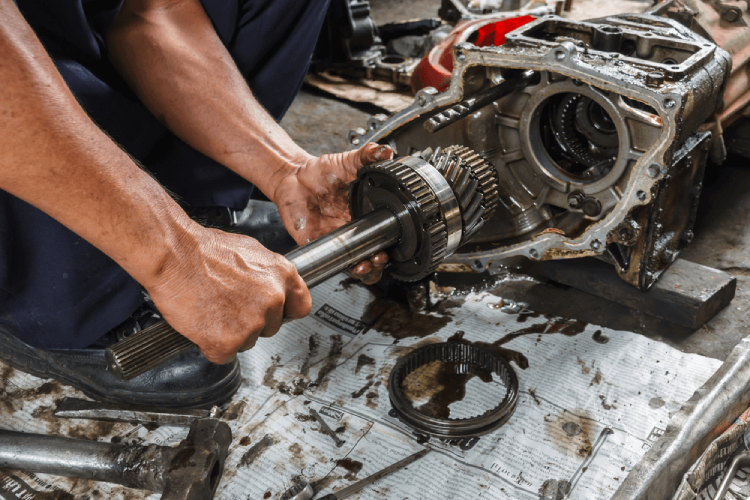
Clutch pack replacements are the most dreaded DCT repair. The dual-clutch assembly itself can cost $1,200 to $2,000 just in parts. Labor adds several hours on top, since the transmission must be partially disassembled.
Shuddering at low speeds is the most common DCT complaint. Many manufacturers have issued software updates to address it. But when the shudder is caused by actual clutch wear, no software update solves the problem.
Some DCT-equipped vehicles require transmission fluid changes every 30,000 to 40,000 miles. Many owners skip this service because the owner’s manual calls it a “lifetime fill.” That misleading designation leads to premature transmission failure.
Extended warranties and proper fluid maintenance are the only real defenses. Out-of-warranty DCT repairs have left many owners with repair bills that exceed the vehicle’s remaining value.
3. Lane Keep Assist and Forward Collision Systems
Advanced driver assistance systems have become standard on most new vehicles. Lane keep assist, forward collision warning, and automatic emergency braking work together to prevent accidents. They represent genuine safety technology with proven effectiveness.
The hardware behind these systems is expensive and fragile. Forward-facing radar modules sit behind the front grille in many vehicles. They are vulnerable to stone chips, moisture intrusion, and collision damage.
A single forward radar module replacement can cost between $800 and $1,400 in parts alone. Calibration after replacement adds another $200 to $400 at many dealerships. The total bill often clears $2,000 before any related repairs are included.
Camera-based systems face similar challenges. The forward-facing camera behind the rearview mirror handles lane detection and collision sensing. Any windshield replacement triggers a mandatory camera recalibration. This adds $300 to $500 to every windshield job.
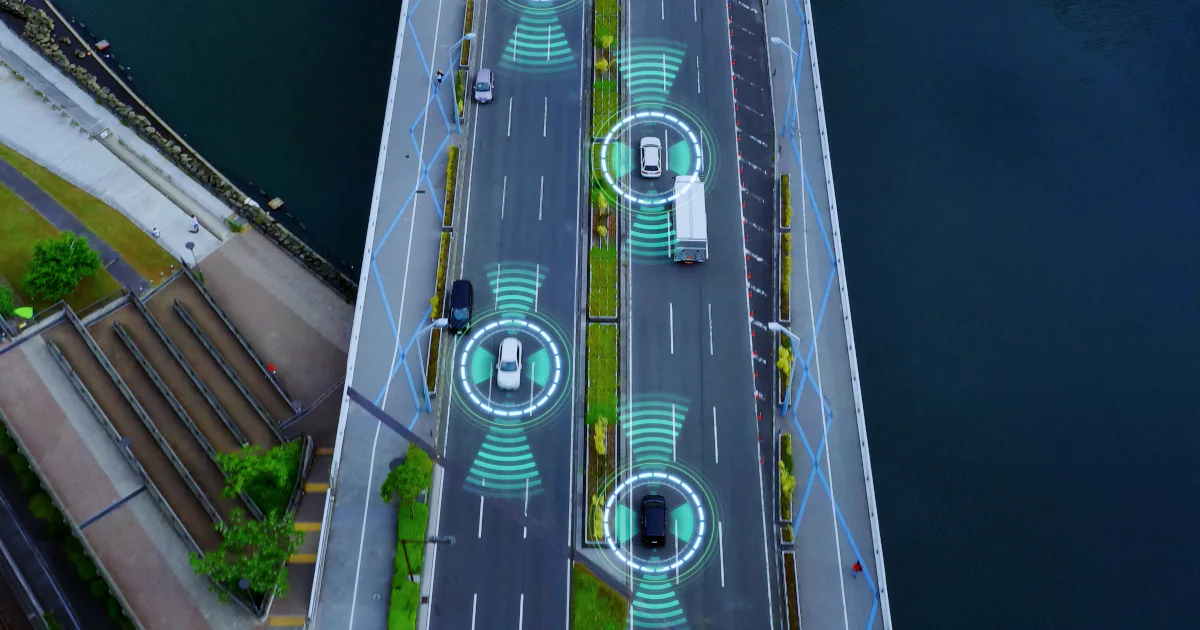
The real trouble comes when sensors fail without any obvious physical cause. Electronic drift, software corruption, and connector corrosion can disable the entire ADAS suite. Diagnosing which sensor has failed requires specialized equipment unavailable at most independent shops.
When the entire ADAS module fails, costs escalate dramatically. Replacement units are often programmed specifically to the vehicle’s VIN. This prevents owners from buying cheaper used units from salvage yards.
Sensor cleaning systems add another layer of complexity. Some vehicles have automated camera washers and heated radar covers. These systems develop their own failures that can prevent the ADAS from functioning.
Insurance companies increasingly require these systems to function after accidents. Out-of-warranty owners face the full cost of repairs without any assistance.
4. Panoramic Sunroofs
The panoramic sunroof became a defining luxury feature of the 2010s. Automakers offered massive glass panels stretching nearly the full length of the roof. Buyers paid premium prices for the open, airy feel they provided.
What manufacturers didn’t emphasize was the long-term cost of ownership. Panoramic sunroof systems are mechanically complex assemblies with multiple motors, cables, and drainage channels. Every single component is a potential failure point.
The most common expensive failure is the sunroof motor assembly. A single motor controls the entire glass panel’s movement. When it fails, the sunroof either stays stuck open or refuses to open at all. Motor replacement often costs $600 to $900 in parts before labor.
The drainage system is the most frequently overlooked maintenance item. Four drainage tubes route water away from the sunroof frame. They clog with leaves, dirt, and debris over time. Blocked drains cause water to back up and flood the interior.

Water damage from clogged sunroof drains can cause catastrophic electrical failures. Interior modules, seat electronics, and wiring harnesses soaked in water become expensive replacements. A single drain clog can trigger $3,000 to $5,000 in water damage repairs.
The glass panel itself is another significant expense. Panoramic glass is larger, thicker, and more expensive than standard sunroof glass. Replacement panels can cost $800 to $1,500 for the glass alone. Labor to remove the headliner and install the new glass adds considerable time.
Regulator and cable failures are common on high-mileage vehicles. The cables that guide the glass panel through its track fray and snap with age. Complete cable and track replacement often requires removing the entire headliner assembly.
Owners should clean sunroof drains annually and test drainage with water. Preventive maintenance is far cheaper than the repairs that follow from neglect.
Also Read: 10 Best Cities in the US to Find a Used Car Without Hidden Rust
5. Electronic Power Steering Systems
Traditional hydraulic power steering was simple, reliable, and cheap to repair. Electric power steering replaced it across nearly the entire automotive industry. The switch was driven by fuel economy improvements rather than repairability.
The electronic power steering system combines a high-torque electric motor with a complex control module. Both components must communicate perfectly for the system to function. When either fails, the driver loses power assistance entirely.
The steering column motor is the most expensive single component in the system. Replacement motors cost between $500 and $1,200 depending on the vehicle. Some vehicles package the motor and column as an assembly, pushing costs to $1,800 or more in parts.
The EPS control module adds another layer of expense. This module processes steering angle sensor data and controls motor output. When it fails, it must often be replaced and programmed together with the motor. The combined cost of module plus motor plus labor routinely exceeds $2,500.
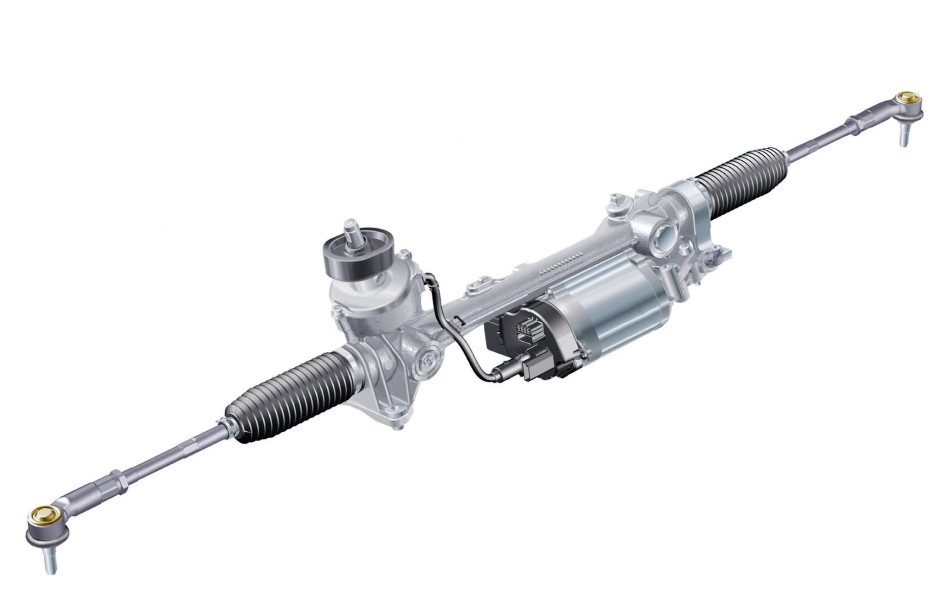
Torque sensor failures generate some of the most alarming symptoms. A failing torque sensor causes the steering to pull, resist, or provide inconsistent assistance. Drivers often describe it as the car fighting them during turns. Sensor replacement requires column disassembly and recalibration.
Software-related failures have plagued certain EPS systems. Over-the-air updates that fail midway can leave the EPS module in an unresponsive state. Reflashing or replacing a corrupted module adds $300 to $600 to any repair bill.
Corrosion inside the motor housing is a long-term failure concern. Road salt and moisture intrude through aging seals. Internal corrosion causes erratic motor behavior before complete failure. Out-of-warranty EPS repairs are particularly frustrating because no independent shop can match dealership programming tools.
6. Adaptive Headlight Systems
Adaptive headlights are one of the most genuinely useful modern lighting innovations. The headlights physically swivel to follow the direction of a curve. This dramatically improves nighttime visibility on winding roads.
The mechanical swivel mechanism is the primary source of expensive failures. Each headlight assembly contains an electric actuator that rotates the lamp housing. These actuators are exposed to vibration, moisture, and road debris for years.
When an actuator fails, the headlight freezes in a fixed position. Night driving becomes less safe, and in many states, a failed adaptive headlight is a roadside inspection failure. Actuator replacement sounds simple but requires disassembling the entire headlight housing.
Complete headlight assembly replacement is the most common adaptive headlight repair. Many modern assemblies are sealed units. The actuator inside cannot be replaced independently without breaking the weatherproof seal. A new headlight assembly for a luxury or European vehicle can cost $1,500 to $3,000 per side.

Alignment and calibration after replacement is mandatory. Adaptive headlights must be aimed precisely to avoid blinding oncoming drivers. Calibration requires a level surface, proper targets, and dealer-level software. A single calibration session adds $150 to $400 to the repair bill.
Matrix and pixel LED headlight systems are even more expensive. These systems use dozens of individually controlled LED segments to shape the light beam. A failure in any single driver circuit can disable zones within the beam pattern. Repairing or replacing a matrix LED assembly routinely costs $3,000 to $5,000 per headlight.
Moisture infiltration is the most common cause of headlight failure. Even a hairline crack in the lens seal allows condensation to form inside. Over time, moisture destroys the LED driver boards and actuator electronics. Inspecting headlight seals annually is the best preventive measure available to owners.
7. Integrated Infotainment Screens
The large touchscreen infotainment display became the status symbol of modern vehicle interiors. Screen sizes grew from 6 inches to 14 inches in the span of a single decade. Virtually every vehicle control migrated to the touchscreen interface.
When the screen fails, the cost is shocking. Infotainment screens are custom-designed units built specifically for each vehicle platform. They cannot be swapped with generic consumer electronics components. The screen, digitizer, and control module are typically sold as a single assembly.
Replacement infotainment assemblies for popular midsize vehicles cost between $1,200 and $2,500. Luxury brands charge significantly more, with some assemblies approaching $4,000 to $6,000. Programming the new unit to match the vehicle adds another $200 to $400 at the dealership.
Touchscreen delamination is one of the most widespread failure modes. The anti-reflective coating separates from the glass surface, creating cloudy patches. This problem affects millions of vehicles from nearly every manufacturer. Some brands have issued extended warranties specifically for this issue, but coverage varies.
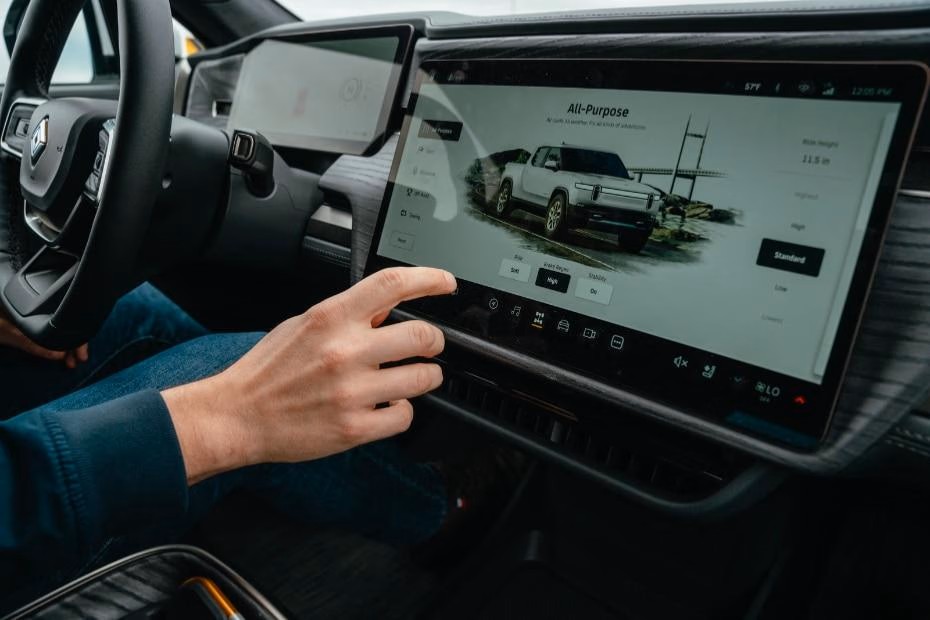
Infotainment processor failures cause black screens and complete loss of function. The vehicle may still operate mechanically, but climate controls, navigation, and phone connectivity all go dark. These failures become more common as the vehicle ages and the processor accumulates thermal stress.
GPS receiver failures within the infotainment system disable navigation permanently. In many vehicles, the GPS antenna and receiver are integrated into the main unit. Replacing just the GPS component is not possible without replacing the entire assembly.
Software corruption from failed updates is an increasingly common problem. A failed over-the-air update can brick the infotainment module. Recovery requires a dealer visit with specialized flash tools. Out-of-warranty infotainment repairs represent some of the most disproportionate costs in modern automotive ownership.
8. Air Suspension Systems
Air suspension systems deliver an exceptionally smooth, adjustable ride. Luxury and performance vehicles have used air suspension for decades. The technology has now spread to SUVs, pickup trucks, and even mainstream sedans.
The air compressor is the central component and the most common failure point. It runs constantly to maintain air pressure in all four corner air struts or bags. The motor inside the compressor wears out over time, particularly in cold climates where the system works harder.
A new OEM air compressor costs between $500 and $1,200 for most vehicles. Labor to access and replace it adds two to four hours of shop time. The total repair bill for a compressor alone often falls between $1,000 and $1,800.
Air struts and air bags are the other frequent failure points. The rubber bladder inside each strut dries out and cracks with age and heat exposure. A single failed air strut replacement costs $600 to $1,200 in parts. Replacing all four at once, which is often recommended, can push the bill past $4,000.
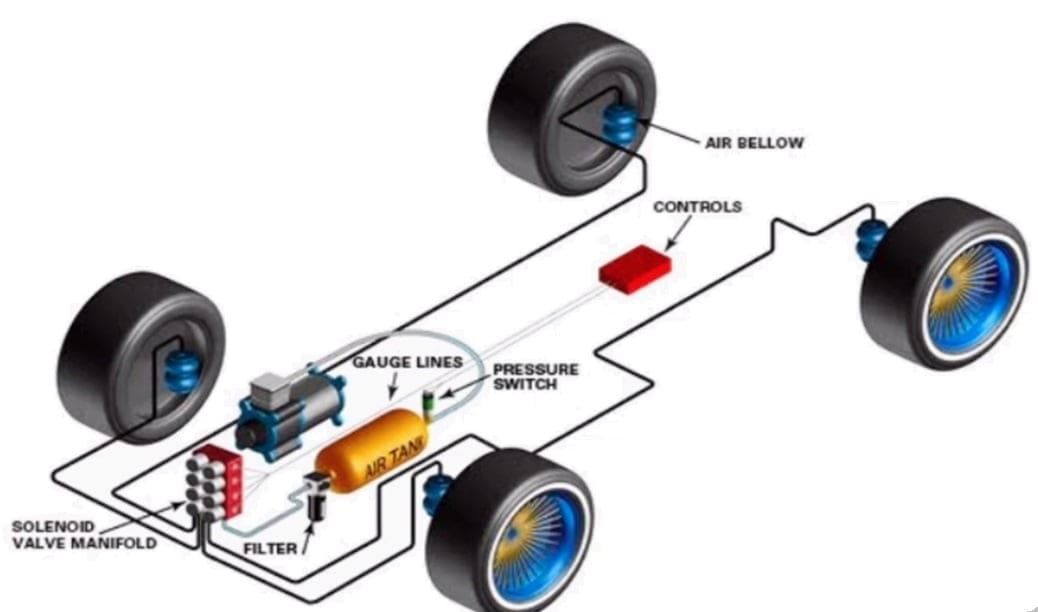
The air suspension control module ties the entire system together. It monitors ride height sensors, controls compressor operation, and adjusts each corner independently. Module failures disable all automated adjustments and often cause the vehicle to sag to the ground.
Height sensor failures are sneaky and expensive. These sensors report the vehicle’s corner heights to the control module. A single faulty height sensor can cause the entire suspension to malfunction. Diagnosis requires the proper scan tool to read live sensor data.
Air line leaks are common on high-mileage vehicles. The plastic air lines connecting the compressor to each strut become brittle with age. Pinhole leaks cause the compressor to run continuously until it burns out.
Many owners eventually convert air suspension systems to conventional coilovers. The conversion cost of $800 to $1,500 often becomes cheaper than continued air suspension repairs.
9. Heated and Cooled Seats
Heated seats are one of the most universally appreciated modern vehicle features. Ventilated and cooled seats took the comfort factor even further. These features have migrated from luxury flagships to mainstream family vehicles.
The heating element is a flexible wire grid woven into the seat foam. It carries electrical current from a controller to warm the seating surface. The elements are surprisingly durable but fail when seat foam degrades or when moisture reaches the wiring.
A seat heater element replacement sounds straightforward but is labor-intensive. Technicians must remove the seat from the vehicle, strip the seat cover, extract the old element, and install the new one. Labor alone can run six to eight hours for a front seat. The total repair bill, including parts, often ranges from $1,000 to $1,800 per seat.
Ventilated seats add considerably more complexity. Each cooled seat contains a small blower motor and a series of foam channels that distribute airflow. Blower motor failures require the same intensive seat disassembly process. Replacement blower motors cost $200 to $500, but labor brings the total to $1,200 or more.
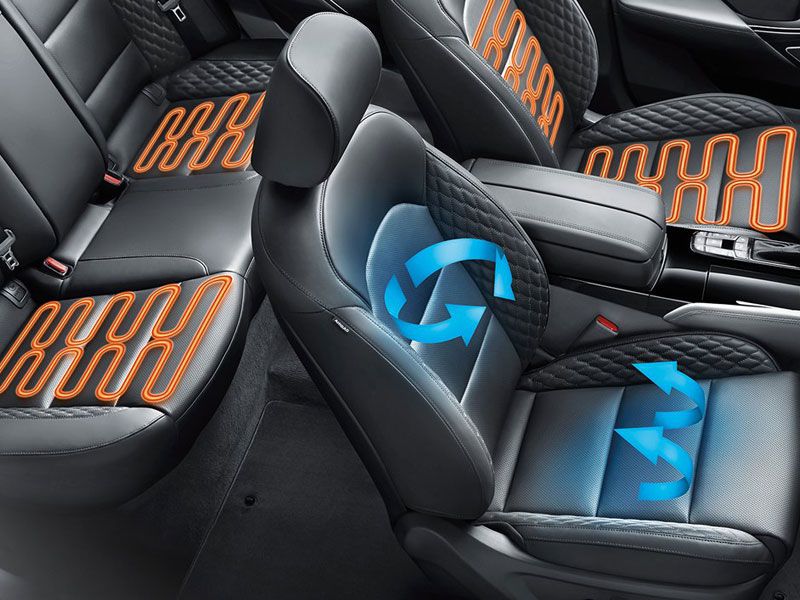
The seat climate control module governs both heating and cooling functions. It processes inputs from the temperature switch and regulates the heating element current. A failed module disables both heating and cooling for the affected seats.
Occupancy sensor integration adds another failure mode. Many modern seats tie the seat heater circuit into the occupancy sensor system. A faulty occupancy sensor can prevent the seat heater from activating even when a passenger is present.
Seat cover wear accelerates heating element failure. Cracked or worn seat leather allows moisture to reach the element more easily. Keeping seat surfaces conditioned extends the life of the heating elements beneath.
Out-of-warranty seat heater repairs are frustrating because they feel disproportionate. Spending $1,500 to restore a heated seat feature feels wrong compared to the vehicle’s value.
10. Variable Valve Timing Systems
Variable valve timing transformed the modern engine. By adjusting camshaft timing under different driving conditions, VVT systems optimize power, torque, and fuel efficiency simultaneously. The technology is now nearly universal across gasoline engines.
The VVT actuator is a cam phaser that adjusts camshaft position using oil pressure. It operates thousands of times per engine cycle. When oil passages become restricted or the actuator mechanism wears, the system fails.
A failed cam phaser creates one of the most distinctive and alarming engine noises. A loud rattling or ticking on cold startup signals a failing VVT component. The sound is caused by the cam phaser chattering as oil pressure builds after a cold start.
Cam phaser replacement is expensive and labor-intensive. Accessing the camshaft requires removing the valve cover, timing cover, and in some cases the entire front of the engine. Labor can run eight to twelve hours on some V6 and V8 engines. Combined with parts costs of $400 to $800 per phaser, total bills reach $2,000 to $4,000.
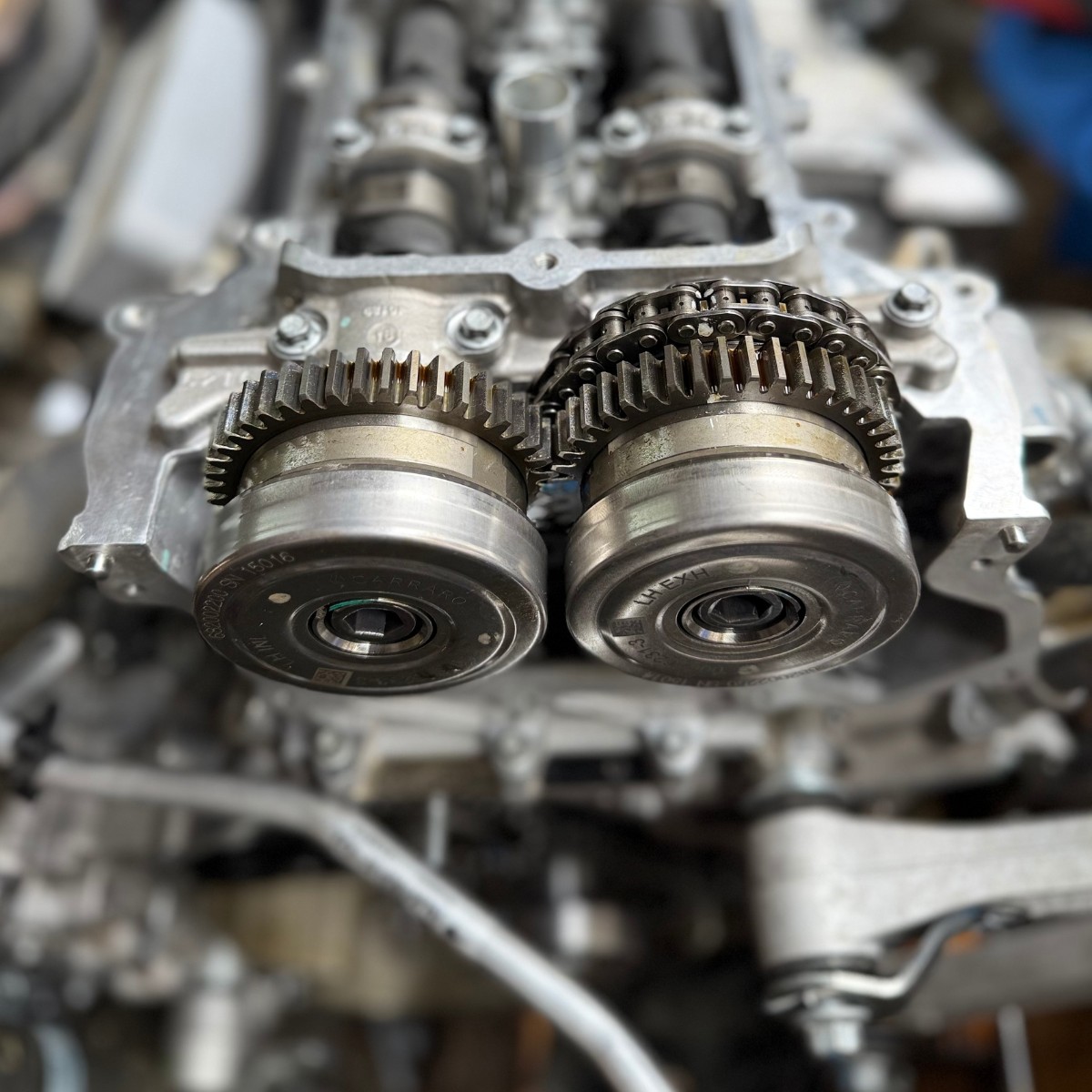
The VVT solenoid is a simpler, cheaper component that fails more frequently. The solenoid controls oil flow to the cam phaser. Sludge and carbon buildup block the solenoid screen and restrict oil flow. A solenoid replacement costs $100 to $300 in parts, but labor to access it varies widely.
Oil quality plays a massive role in VVT longevity. The cam phaser relies on clean, properly viscous oil to function. Extended oil change intervals allow sludge to form in narrow oil passages. Clogged VVT oil galleries cause premature actuator failure.
Timing chain stretch is a related failure that often accompanies VVT wear. A stretched timing chain causes the cam timing to drift beyond what the phaser can correct. Timing chain replacement adds $1,500 to $2,500 to any cam phaser repair. Regular oil changes with the manufacturer-specified viscosity are the single most important preventive measure.
11. 360-Degree Camera Systems
The 360-degree surround view camera system has become a sought-after parking aid. Four cameras positioned around the vehicle create a composite bird’s-eye view. The feature is particularly popular on large SUVs and trucks where visibility is limited.
Each camera is an individually replaceable unit with its own cable harness. But the image processing unit that stitches four camera feeds into a single image is where expensive failures originate. This control module must handle the computational demands of real-time image compositing.
The image processing module costs between $800 and $2,000 depending on the vehicle brand. German luxury brands frequently charge $2,500 to $3,500 for this unit alone. Programming and calibration after replacement adds another $300 to $600 at the dealership.
Individual camera failures are more frequent than module failures. Stone chips, pressure washer damage, and reverse impacts destroy the small camera housings. A single replacement camera costs $200 to $600 for most vehicles. Calibration after replacing even one camera is mandatory and unavoidable.
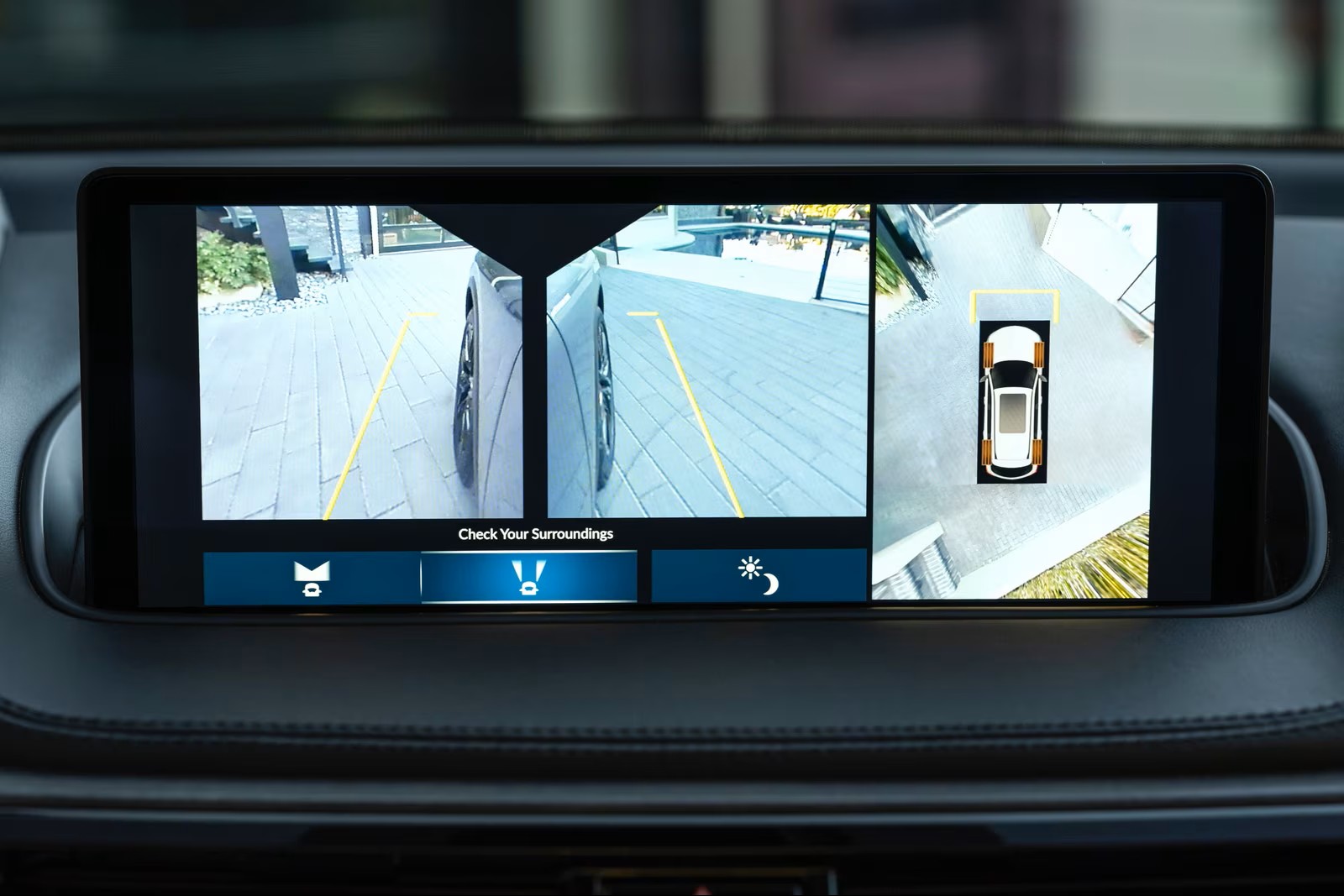
Full system calibration requires a controlled environment with specific target mats placed around the vehicle. Most dealerships charge $200 to $400 per calibration session. Any camera replacement automatically triggers this calibration requirement.
Trailer hitch camera integration adds complexity to the system. Trucks equipped with fifth-wheel or gooseneck towing packages often have an additional rear-facing camera. Integration with the trailer camera multiplies calibration requirements.
Water infiltration through lens seals causes gradual image degradation. Hazing, yellow tinting, and loss of sharpness develop over several months. By the time the image is noticeably impaired, moisture has likely reached the internal electronics. The combined cost of replacing multiple cameras plus module repairs plus calibration can easily exceed $4,000 on luxury trucks and SUVs.
12. Hybrid and Electric Drive Batteries
The hybrid or electric drive battery is the single most expensive component in any electrified vehicle. It is also the component with the most clearly defined lifespan. Battery capacity degrades with every charge cycle, and nothing stops this process.
Most hybrid batteries carry an 8-year or 100,000-mile federal emissions warranty. Once that coverage expires, the battery is entirely the owner’s responsibility. Replacement costs depend heavily on the vehicle brand and battery chemistry.
A standard nickel-metal hydride hybrid battery costs between $2,000 and $3,500 for high-volume vehicles. Lithium-ion hybrid packs in newer vehicles cost $3,500 to $6,000 in many cases. Labor to remove and install the battery pack adds $500 to $1,000.
Full battery electric vehicle packs are dramatically more expensive. A replacement battery for a mainstream BEV costs between $10,000 and $20,000 depending on capacity. These figures make extended warranties almost mandatory for BEV owners.
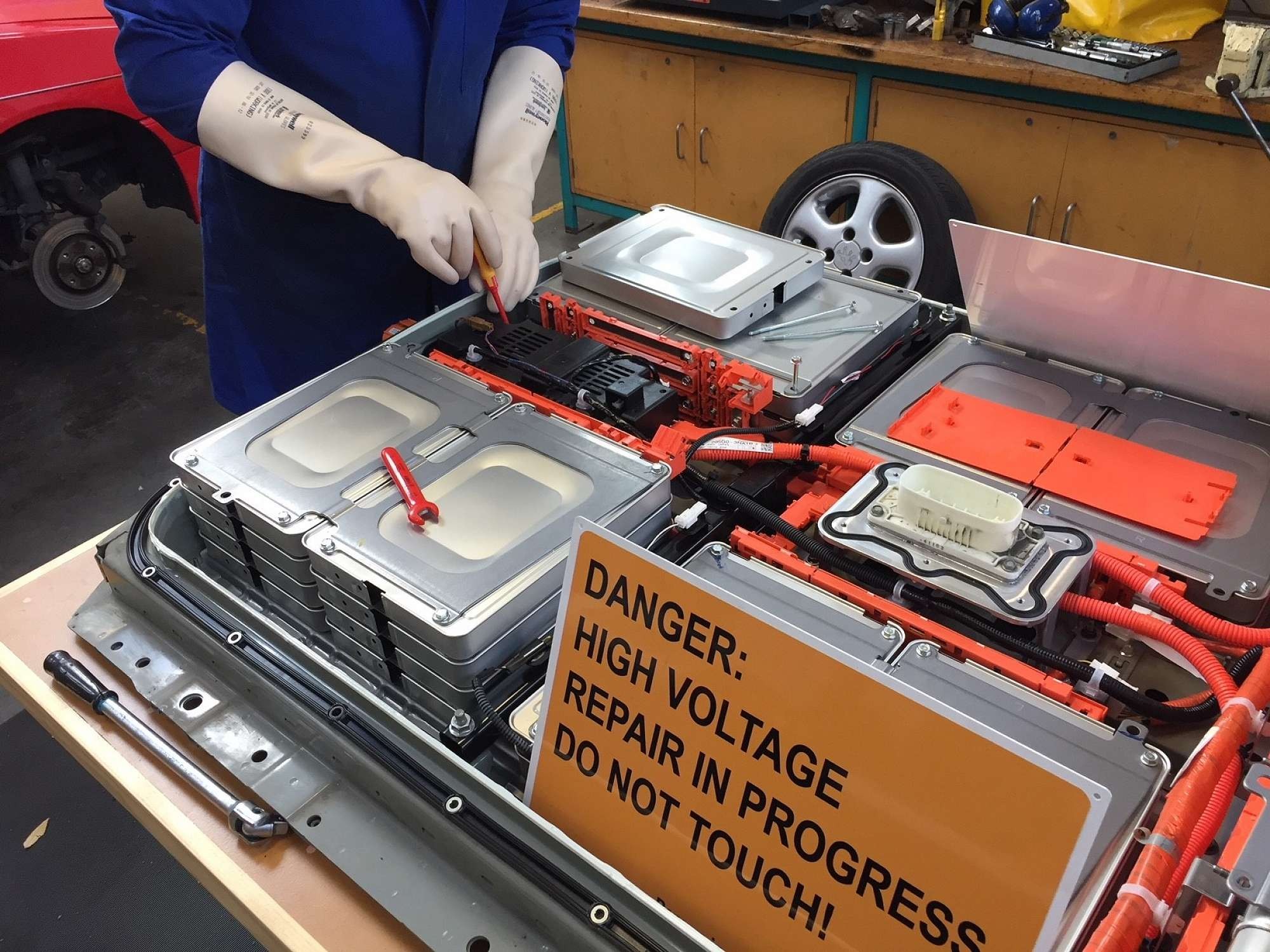
Individual cell degradation creates the most common hybrid failure scenario. A single weak cell forces the battery management system to limit pack performance. The vehicle enters a reduced power mode that affects acceleration and fuel economy significantly.
The battery management system is a separate computer that monitors cell temperatures and balances. BMS failures trigger false warnings and can disable the hybrid system unnecessarily. Replacing a BMS module costs $500 to $1,500, not including any battery work.
Thermal management failures accelerate battery degradation. Cooling fans, liquid cooling channels, and temperature sensors all require maintenance. A blocked cooling channel causes localized overheating that permanently damages cell clusters.
Third-party reconditioned battery packs offer a cheaper alternative for some high-volume hybrids. Remanufactured packs can cost 40 to 50 percent less than OEM replacements. Quality varies significantly between suppliers, so research is essential before committing.
The cost reality of hybrid ownership is this: the technology saves fuel costs for years, but a single out-of-warranty battery replacement can erase a decade of fuel savings in one bill.
Also Read: 8 Ways to Verify a Used Car Maintenance History for Free
