
Buying a used car seems like the smart financial move. You avoid the instant depreciation hit. You skip the sky-high monthly payments that come with a brand-new vehicle.
But there’s a hidden cost that many buyers completely overlook insurance. Not all used cars are created equal in the eyes of your insurer, and some older models can hit your wallet far harder than you’d expect.
Insurance companies don’t just look at a car’s age or price tag. They dig deep into repair costs, theft rates, crash statistics, medical claim histories, and parts availability.
A used sports car with an aging turbocharged engine can cost a fortune to repair after even a minor fender-bender. A stolen-favorite luxury sedan might carry sky-high comprehensive premiums. A performance coupe with a history of high-speed accidents sends liability rates through the roof.
Meanwhile, a brand-new full-size pickup truck despite its sticker price often insures surprisingly affordably. Trucks have strong safety ratings, lower theft rates relative to their value, and parts that are widely available and cheap. Insurers reward that practicality.
The result is a surprising reality that trips up thousands of used car buyers every year. The car you paid $18,000 for at a dealership may cost you more annually to insure than your neighbor’s $52,000 F-150. This list exposes ten used cars where that counterintuitive math plays out in painful detail. Read carefully before you sign that title.
1. Dodge Viper (2008–2017)
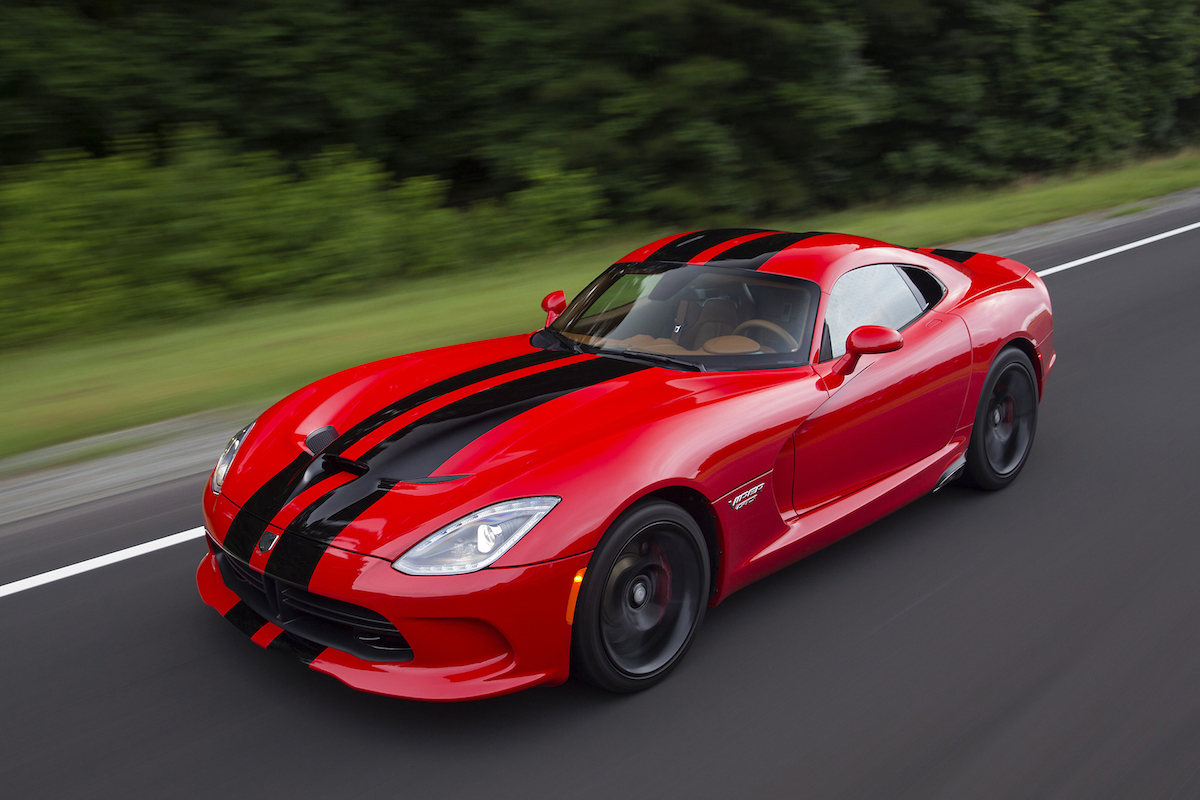
The Dodge Viper is one of the most dramatic machines ever built on American soil. It packs a hand-built 8.4-liter V10 engine under a long, aggressive hood. That engine produces 640 horsepower in later models, enough to make even experienced drivers sweat.
The Viper has always been a car that demands respect. It has no electronic nannies in earlier generations no traction control, no stability control, no forgiveness. This raw nature is part of its appeal, but it’s also exactly what makes insurers charge extraordinary premiums.
Claim histories for Vipers are stacked with serious accidents. High speeds and limited driver aids mean crashes tend to be severe, which means medical and property damage payouts run high.
Parts are another brutal reality for Viper owners. Viper production was relatively low, and the car was discontinued in 2017. Replacement body panels, suspension components, and engine parts are now increasingly scarce.
Body shops have limited experience working on them. A seemingly minor collision that might cost $4,000 to fix on a common car can run $18,000 or more on a Viper due to specialty labor and rare components.
Comprehensive coverage is also punishing. The Viper is a target for car thieves. It’s also a target for opportunistic damage, people who resent the car’s flamboyance have been known to key or scratch them in parking lots. Insurers account for all of this.
The final kicker is the liability premium. The Viper’s power and handling characteristics mean insurers view the driver as a higher liability risk, regardless of their personal driving record.
Young male drivers face especially punishing rates. Annual insurance costs on a used mid-2010s Viper regularly exceed $4,500, often reaching closer to $6,000 or more in urban areas. A new Ford F-150 XLT in the same city might cost $1,400 to $1,800 per year. The math is stark.
2. BMW M3 (E92, 2008–2013)
The E92 BMW M3 is widely considered one of the finest driver’s cars ever produced. Its naturally aspirated 4.0-liter V8 revs to 8,400 RPM. It sounds like a race car and handles like one in capable hands. Used examples now trade for $25,000 to $45,000, making them seem like attainable dream cars.
Then the insurance bill arrives. The E92 M3 carries a brutal insurance profile for several reasons, and they compound relentlessly. First, the parts cost.
BMW M-division components are not standard BMW parts they’re specialty, performance-tuned items with premium pricing. A simple rear bumper replacement runs thousands of dollars. The high-revving S65 V8 engine is extremely expensive to rebuild or replace.
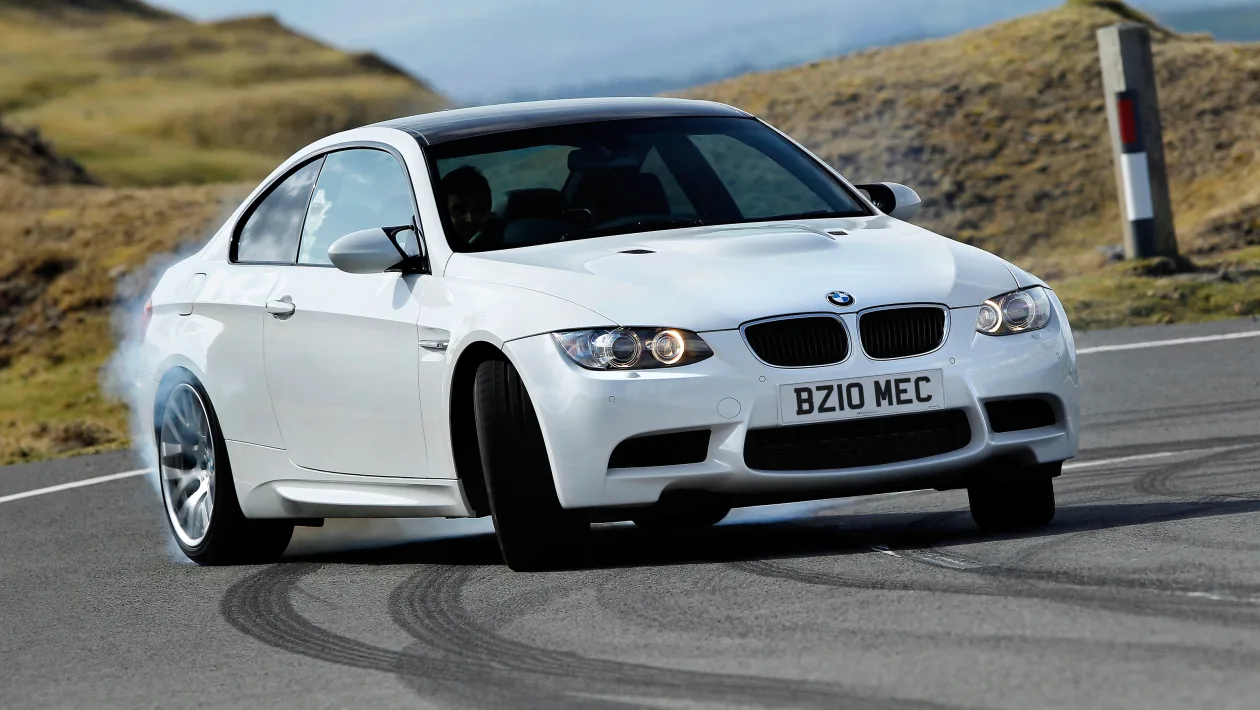
Second, the driver profile that these cars attract raises alarm bells at every insurance company. Young enthusiasts often buy used M3s as their first taste of genuine performance. Inexperienced drivers piloting 414-horsepower rear-wheel-drive machines produce predictable results. Insurance companies have seen those results in mountains of claims data spanning decades.
Third, M3s are frequently tracked. Track use typically voids your insurance coverage entirely. But even road-driven M3s see above-average wear and aggressive use, which the claims data reflects. Insurers don’t give you credit for being the exception.
Comprehensive premiums are also raised because the M3 is a high-value vehicle in a desirable segment. Theft protection, vandalism, and weather damage coverage all carry premiums that reflect the replacement cost of M-specific components.
Annual insurance for a used E92 M3 in most American metros runs $2,800 to $4,500. That new RAM 1500 in your driveway might cost less than half that figure per year.
3. Nissan GT-R (2009–2014)
The Nissan GT-R shattered the supercar world when it launched. For under $80,000 new, it ran with Ferraris and Lamborghinis. Today, used examples from the early 2010s can be found for $55,000 to $75,000, which still sounds like a deal. Until you call your insurance company.
The GT-R’s twin-turbocharged 3.8-liter V6 produces 485 to 545 horsepower depending on the model year. The dual-clutch transmission is a marvel of engineering and a nightmare of expense.
GT-R repairs require specialized knowledge and dealership-level equipment for many procedures. Independent shops often refuse GT-R work entirely, or charge dealership rates plus a premium for the inconvenience.
Labor costs alone on a GT-R are staggering. The engine is famously difficult to access for service, with the transmission needing to be removed for many repairs. A clutch replacement on a GT-R can run $6,000 to $10,000 at a qualified shop.
Insurance companies know this. When they calculate potential repair payouts after even a moderate collision, those numbers get very large very quickly.
Theft risk is also raised for the GT-R. Its international desirability makes it a target in port cities, especially, where stolen GT-Rs are sometimes shipped overseas.
Comprehensive coverage reflects this reality. The GT-R is also a car that routinely sees track use and drag strip launches, further raising its risk profile in actuarial terms. Annual insurance costs for a used early-2010s GT-R commonly run $3,500 to $6,000. The contrast with a new Chevy Silverado LT at $1,500 per year is hard to ignore.
4. Lamborghini Gallardo (2004–2013)
Used Lamborghinis have become surprisingly accessible in recent years. A well-traveled 2007 Gallardo can be had for $90,000 to $120,000 real money, but a fraction of its original sticker price. For exotic car enthusiasts on a relative budget, the Gallardo represents an irresistible opportunity. Insurance companies are less enthusiastic about the arrangement.
The Gallardo carries every possible insurance penalty simultaneously. Its repair costs are astronomical. Body panels are handmade in Italy and take weeks to arrive. Paint matching requires specialist color expertise and multiple paint layers. A rear-end bump that costs $800 to fix on a pickup truck can easily generate a $30,000 insurance claim on a Gallardo.
Comprehensive coverage is especially punishing. The Gallardo occupies a peculiar insurance territory it’s old enough that its systems are increasingly prone to failure, but valuable enough that repairs are never cheap.
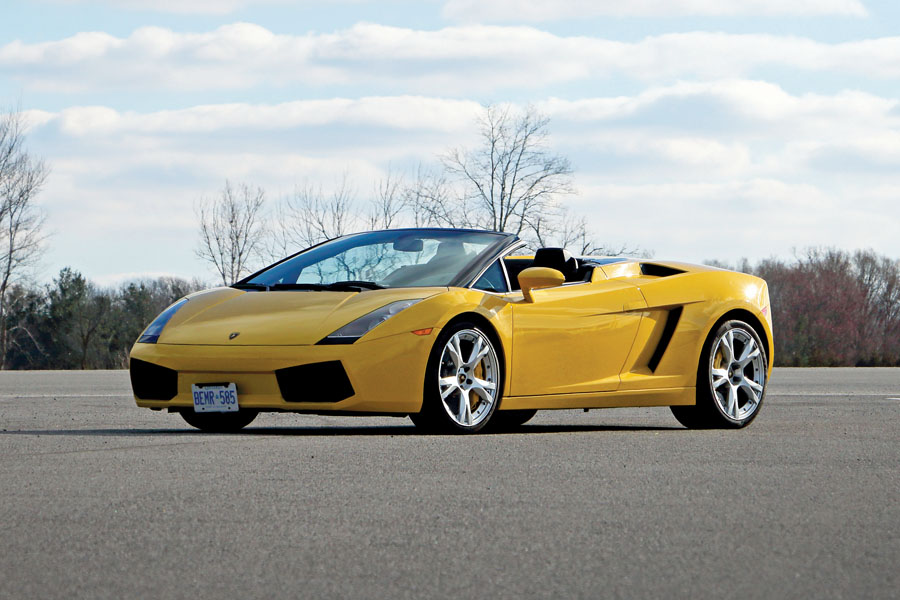
Weather events that would cause minor damage to ordinary cars can total a Gallardo if hail damages its delicate body panels or cracks its unique windshield.
Liability coverage also reflects the V10’s capabilities. The Gallardo produces 500 horsepower and reaches 60 mph in under four seconds. Insurance companies have extensive data on the consequences when those capabilities meet inattention or misjudgment at highway speeds.
Finding comprehensive, agreed-value coverage for a used Gallardo requires specialty insurers. Standard auto policies often exclude or severely limit exotic car coverage. Specialty coverage through companies that focus on collector and exotic vehicles often runs $5,000 to $12,000 per year for a used Gallardo. A new Ford F-250 Super Duty will cost a fraction of that annually, often under $2,000, even with its higher purchase price.
Also Read: 8 Ways to Verify a Used Car Maintenance History for Free
5. Mercedes-Benz SL65 AMG (2005–2008)
The Mercedes-Benz SL65 AMG was the flagship of excess in the mid-2000s. A twin-turbocharged 6.0-liter V12 producing 604 horsepower sat under the hood. The car weighed nearly 4,500 pounds and still sprinted to 60 mph in under four seconds. It was technology stacked upon technology, all wrapped in German leather and aluminum.
Used examples now trade for $40,000 to $70,000, which sounds reasonable for that pedigree. Then you discover that the V12 engine requires specialized maintenance at precise intervals, costing thousands of dollars per service visit.
The AMG division builds every engine by hand, with a single technician responsible for each unit. Replacement or rebuilding costs are extraordinary a V12 engine replacement alone can cost $50,000 or more in parts before labor is added.
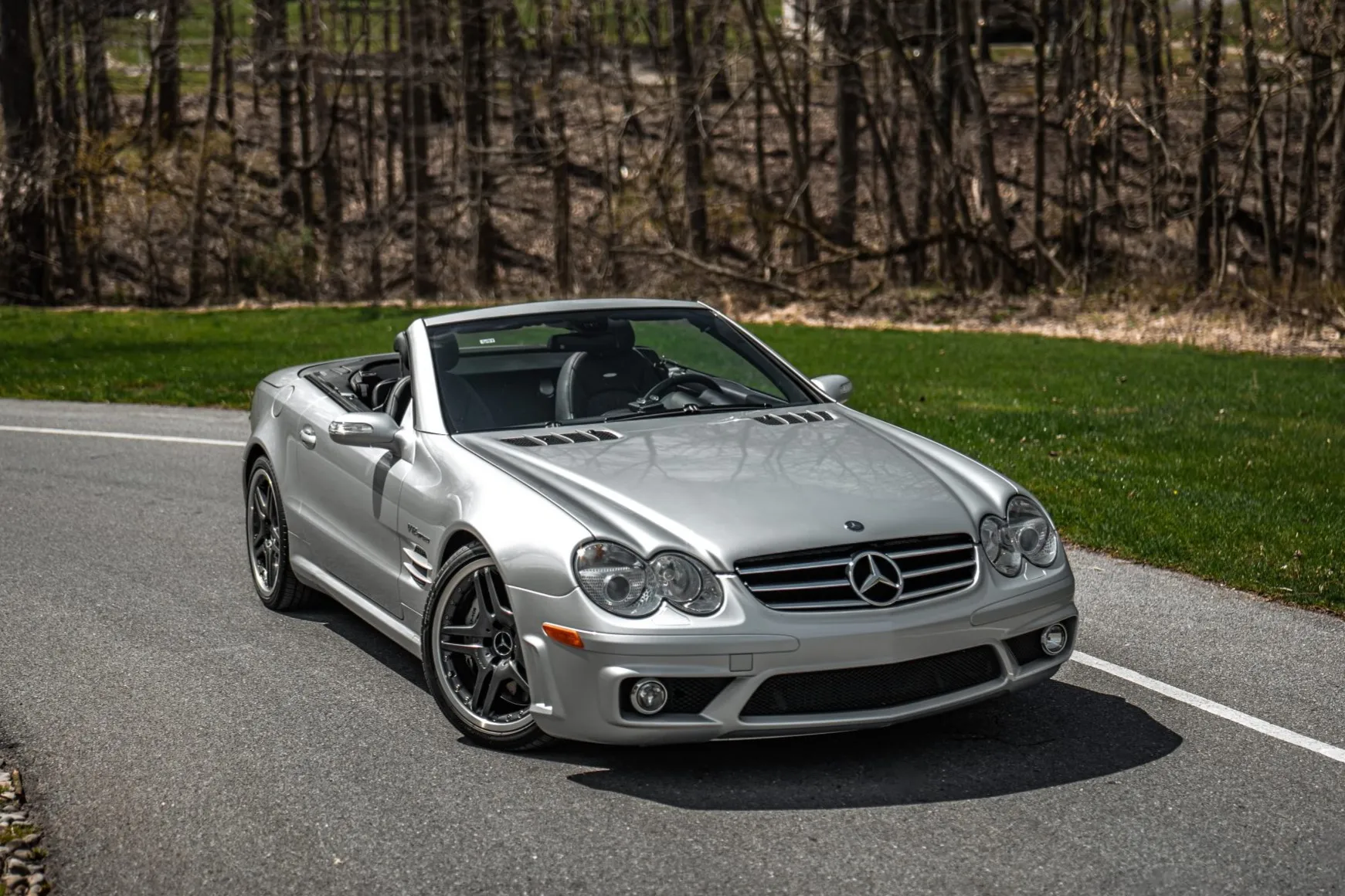
The SL65 AMG’s age compounds every insurance challenge. It’s now old enough that electronics are becoming unreliable and difficult to source. The ABC (Active Body Control) suspension system is a marvel when functioning and an expensive nightmare when it fails. Insurers factor in the likelihood of total loss claims as vehicles age and repair costs begin to approach or exceed vehicle value.
Liability premiums are also severe. The SL65 is a convertible meaning rollover accidents carry a higher injury risk. The enormous V12 power output means any lapse in driver attention can escalate quickly.
Annual insurance costs for a used SL65 AMG regularly exceed $4,000 and can approach $8,000 in high-cost states. The same money would cover more than three years of insurance on a new Toyota Tundra in most markets.
6. Chevrolet Corvette Z06 (C5, 2001–2004)
The C5 Corvette Z06 is an American legend. Produced between 2001 and 2004, it made 405 horsepower from a naturally aspirated LS6 V8. For its era, it was genuinely competitive with European sports cars costing three times the price. Used examples now sell for $25,000 to $40,000, making them one of the most attainable performance cars in history.
But insurance companies see the Z06 through a different lens. The car’s low center of gravity and superb suspension make it very capable, which encourages drivers to push it.
The LS6 engine delivers enormous torque even at low RPMs, and the rear-wheel-drive layout means throttle errors at corner exit are unforgiving. Crash severity statistics for the C5 Z06 are raised, which shows up directly in liability premiums.
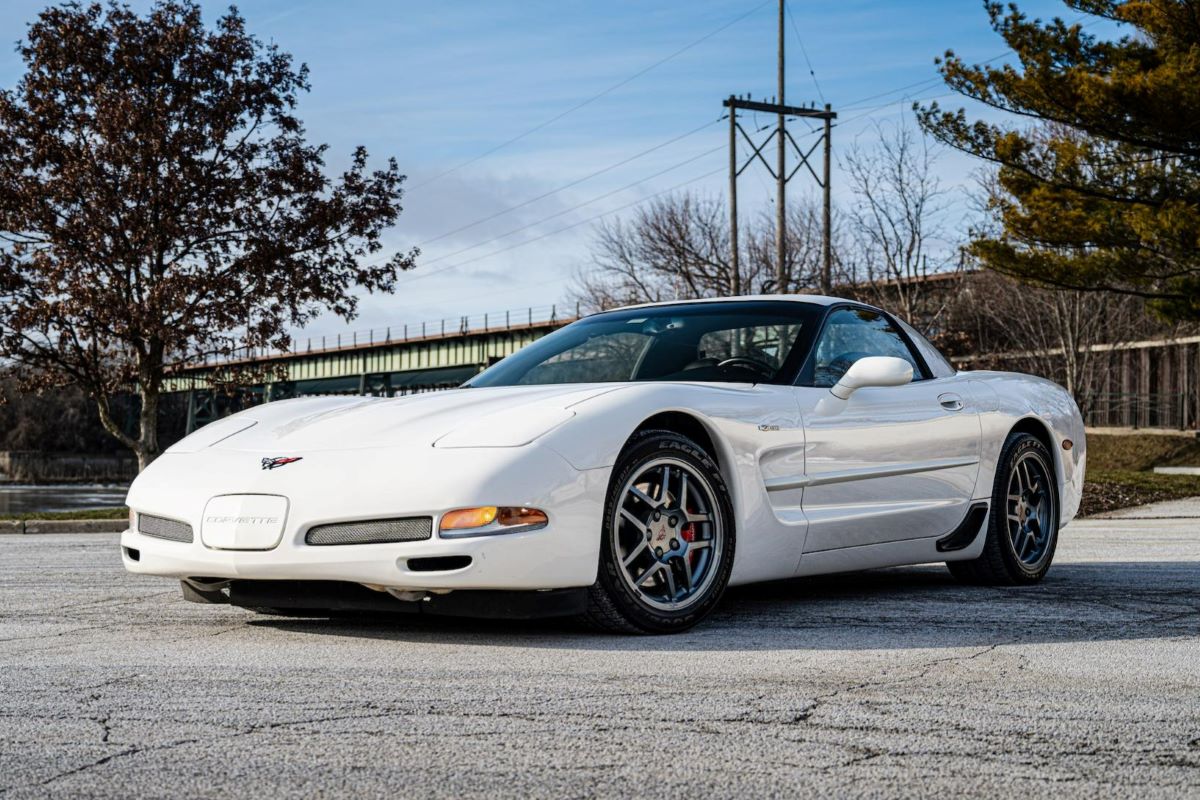
Parts costs are a secondary factor. While LS-family engines are abundant and relatively affordable to work on, Corvette body panels are fiberglass and composite. Repair costs after even minor collisions run significantly higher than for a conventional steel-bodied vehicle. Paint matching fiberglass requires additional expertise and time, adding to labor bills.
The Corvette also attracts a specific driver demographic that produces above-average claims frequency. Retired enthusiasts who drive them seasonally are one profile.
Young buyers who stretch their budgets to own one and drive aggressively are another. Insurers aggregate all of that claims history into the rate they quote you. Annual premiums for a used C5 Z06 often run $2,500 to $3,800. A new Chevy Colorado mid-size truck might cost half that or less to insure annually.
7. Audi R8 V10 (2009–2015)
The Audi R8 V10 is the most approachable supercar ever built. Its naturally aspirated 5.2-liter V10 shared with the Lamborghini Gallardo produces 525 horsepower. The all-wheel-drive system provides extraordinary grip and makes the car remarkably forgiving for its power level. Used first-generation R8 V10s now start around $75,000 to $110,000.
Despite its docile daily-driver personality, the R8 V10 is a brutal insurance proposition. The engine alone is extraordinary to service, access requires specialized lifts and procedures.
Many dealers charge $2,000 or more for a basic service appointment. The mid-engine layout means even minor rear-end damage can cause disproportionate repair costs by creating access challenges for technicians.
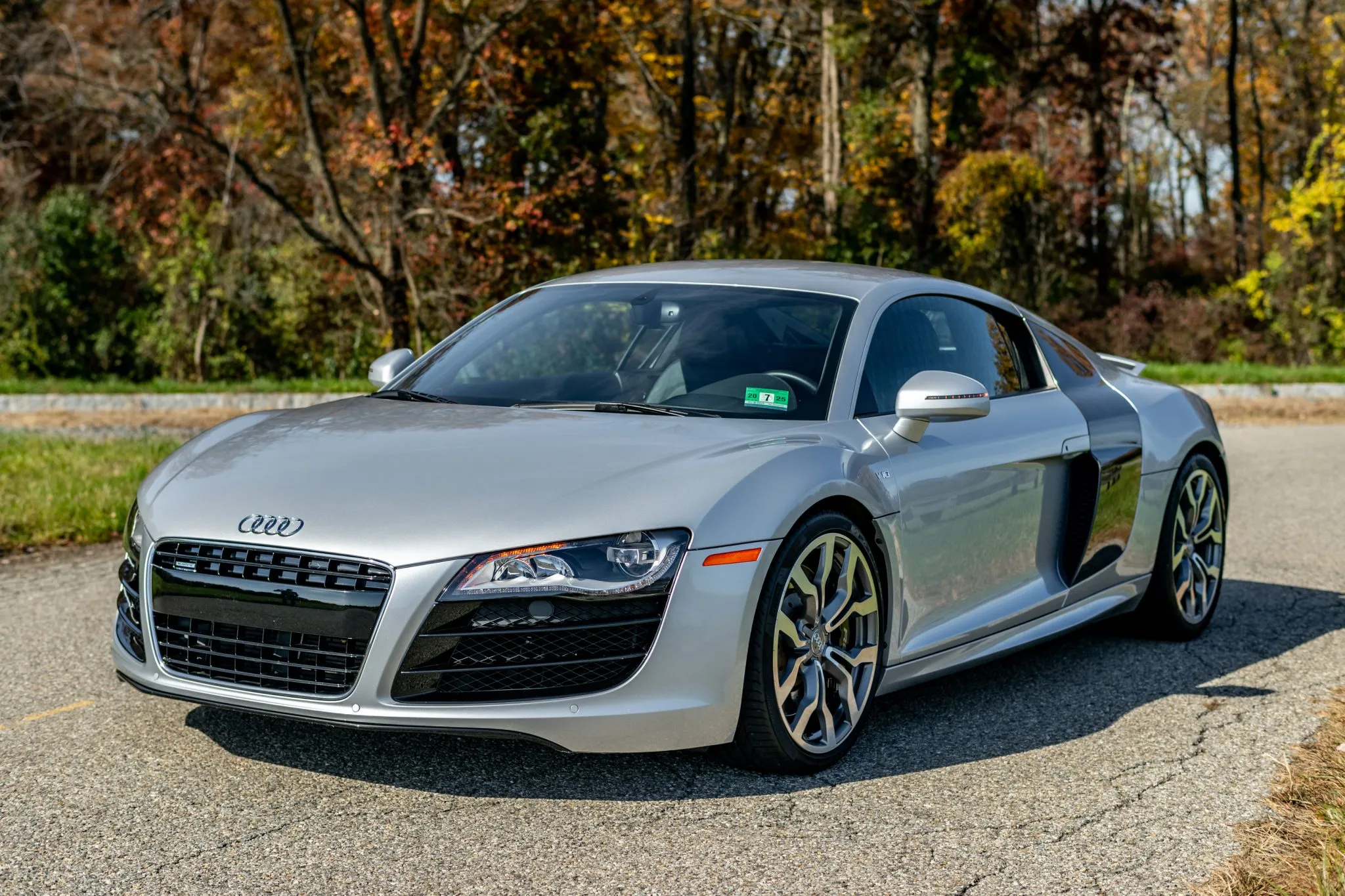
The R8’s desirability also makes it a theft target. It’s a globally recognized and coveted vehicle. High-quality theft prevention systems help, but comprehensive premiums still reflect the vehicle’s replacement value and parts scarcity.
Finding R8-specific components through aftermarket channels is difficult, most repairs require OEM Audi or Lamborghini-sourced parts.
Liability coverage reflects the V10’s performance capabilities and the tendency of R8 owners to use that performance. The car’s handling envelope encourages confident driving, and that confidence occasionally exceeds the driver’s actual skill level.
Annual insurance costs for a used first-generation R8 V10 run $4,000 to $7,000 in most markets. A new Ram 1500 Big Horn will typically cost $1,400 to $1,900 per year to insure. The comparison is jarring.
8. Porsche 911 Turbo S (997, 2007–2012)
The 997-generation Porsche 911 Turbo S is one of the all-time greats. Twin turbocharged flat-six power, all-wheel drive, an iconic silhouette, and a track record of mechanical excellence that few cars in history match. Used examples now sell for $85,000 to $120,000, which represents tremendous value given what the car can do.
Insurance companies are not moved by the engineering excellence. They focus on the claims history, and the 911 Turbo’s history is expensive. The combination of 530 horsepower, all-wheel drive, and exceptional grip creates a car that consistently surprises owners when they reach its limits.
Those surprise moments in a car this fast are costly. Rear-end collisions at speed, high-side incidents, and barrier contacts all produce substantial repair bills.
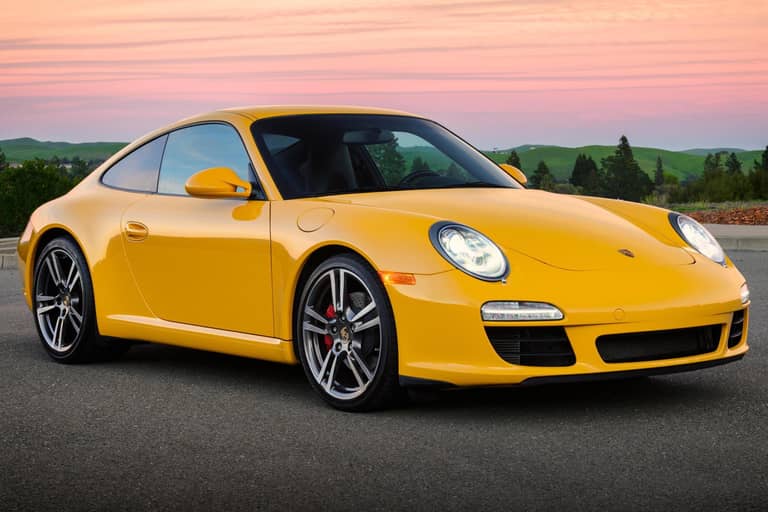
Porsche parts pricing is another challenge that compounds everything. Turbochargers, intercoolers, and the PDK dual-clutch transmission all carry eye-watering replacement costs.
Even consumable items like brake rotors and pads for the Porsche Ceramic Composite Brake option cost thousands of dollars. Insurance companies factor full OEM repair costs into their rate calculations.
The 997 Turbo S is also approaching the age where electronics and mechanical systems begin requiring more attention. IMS bearing issues in earlier flat-six engines, while not specific to the Turbo, are a well-documented concern in the generation.
An engine-out repair or replacement on a 997 Turbo S reaches $25,000 to $40,000 easily. Insurers know this trajectory. Annual insurance costs regularly run $3,500 to $6,500 per year for a used 997 Turbo S. A brand-new F-150 Lariat will cost a typical driver under $1,800 annually to insure.
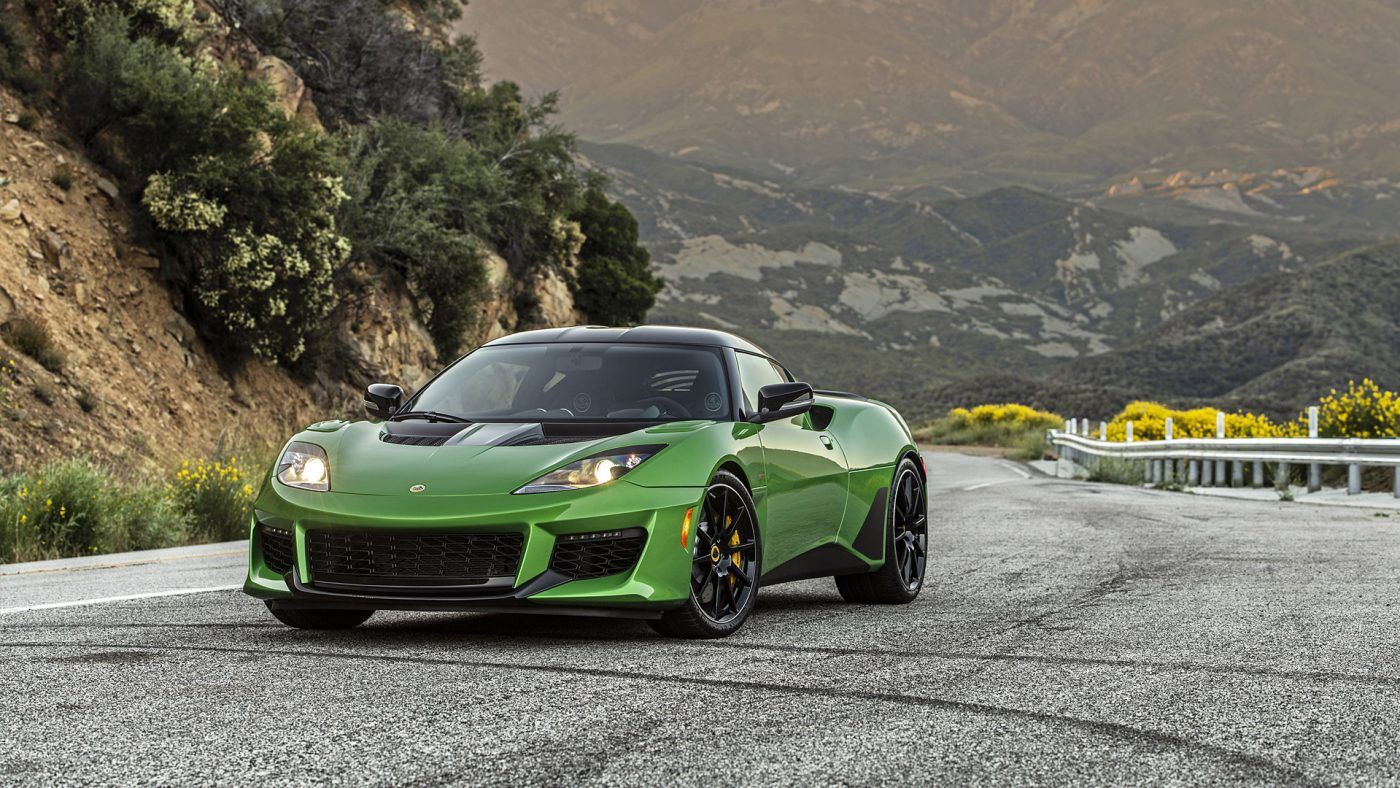
9. Lotus Evora (2010–2021)
The Lotus Evora is perhaps the most surprising entry on this list. It produces a relatively modest 276 to 416 horsepower depending on specification. It doesn’t have supercar acceleration. It isn’t stolen regularly. It doesn’t appear on crime statistics. So why is it so expensive to insure?
The answer is exclusivity combined with parts scarcity and specialist labor requirements. Lotus builds approximately 1,500 to 2,500 cars per year globally. Parts are produced in very small numbers, often sourced from a handful of UK suppliers. Shipping time, import costs, and raw scarcity mean that even a straightforward repair can take weeks and cost multiples of what the same repair would cost on a common car.
The Evora’s hand-built construction also means body panels don’t follow the replacement logic of mass-produced vehicles. Each piece is meticulously crafted and fitted.
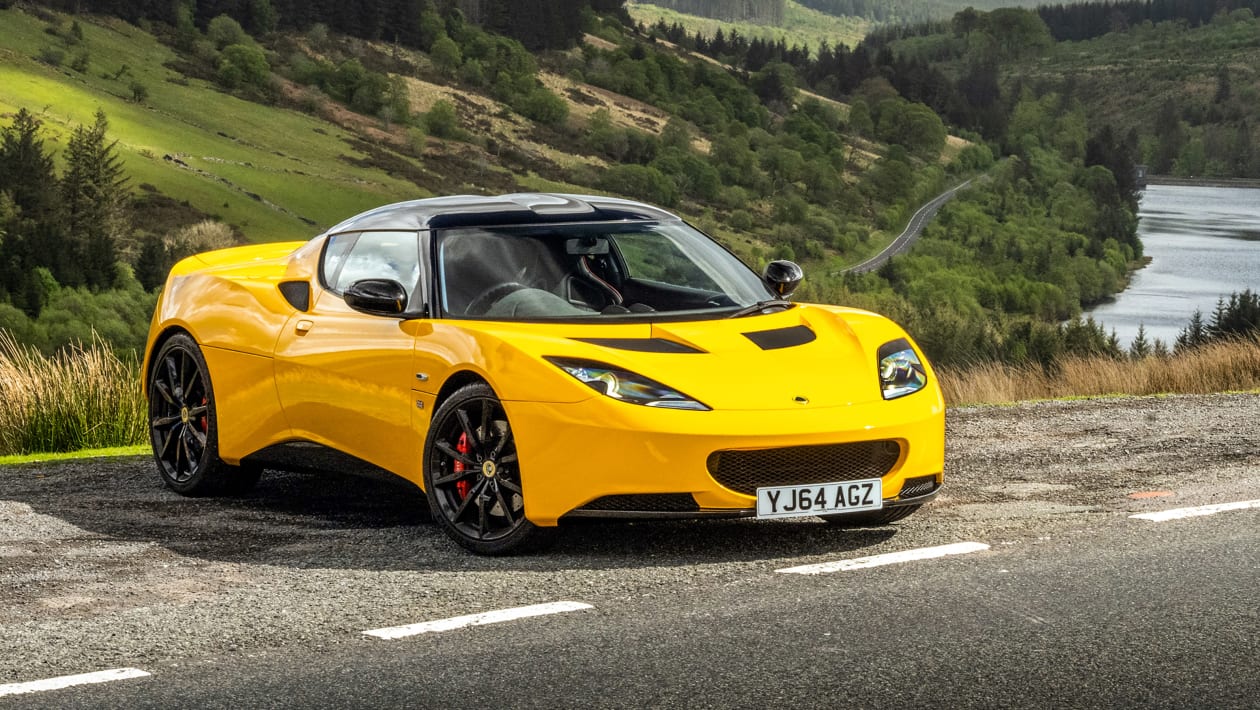
Panel gaps, fit and finish, and structural repairs all require specialist knowledge that most body shops don’t have. Approved Lotus repair centers charge accordingly. Comprehensive coverage for the Evora also reflects its limited production status.
The vehicle’s rarity means a replacement isn’t easily found if it’s totaled. Agreed-value policies that pay full replacement value carry higher premiums than standard actual-cash-value policies. And finding insurers willing to write comprehensive coverage for an Evora at all can be a challenge.
Liability premiums are raised because the Evora’s extreme lightness around 3,000 pounds means occupant protection in serious collisions is not as robust as that of heavier, more modern vehicles.
Annual insurance for a used Evora often runs $3,000 to $5,000. A new GMC Sierra 1500 typically costs $1,600 to $2,000 per year to insure, with far superior safety ratings justifying lower premiums.
10. Ford GT (2005–2006)
The Ford GT is the ultimate collectible American supercar. Built to celebrate Ford’s 100th anniversary and honor the legendary GT40 that won Le Mans four consecutive times, only 4,038 examples were produced across two model years.
A used Ford GT today costs between $350,000 and $500,000 at auction, making it less of a used car and more of a rolling investment. Insurance costs reflect every dimension of that collectible status simultaneously.
greed-value coverage on a $400,000 Ford GT generates a premium of its own magnitude. Typical agreed-value policies for collectible vehicles run 1% to 2% of the vehicle’s agreed value annually. That calculates to $4,000 to $8,000 per year before liability coverage is added, and that’s through specialty insurers with favorable collector vehicle rates.

Standard auto insurance companies often won’t write coverage for a vehicle of this value at all. Specialty insurers like Hagerty or Grundy are the practical options, and even they require specific storage, mileage limitation, and usage agreements. The Ford GT cannot be a daily driver under most collector policies use is restricted to shows, events, and supervised pleasure driving.
Parts availability is an acute concern. Ford produced the GT with significant partnership from Roush and other specialty suppliers.
Replacement body panels made from carbon fiber and aluminum are extraordinarily scarce. A single door panel can cost $15,000 or more if one can even be sourced. Front clamshell damage from a minor parking lot incident can generate a six-figure repair estimate.
Liability coverage on a $400,000 vehicle adds another premium layer. Legal exposure after an accident involving a vehicle of this value is significant, and insurance companies price that risk accordingly.
Annual all-in insurance costs for a used Ford GT regularly exceed $8,000 and can approach $15,000 or more depending on the agreed value and owner’s profile.
The most expensive new pickup truck on the American market insures for less than a quarter of that figure annually. The Ford GT is the most extreme example on this list, and the most vivid illustration of how used car insurance can defy every expectation a buyer might have.
Also Read: 5 Best Sedans That Still Work in Major Cities vs 5 That Don’t
