
Automotive dashboards have evolved far beyond simple speedometers and fuel gauges. In some cases, designers have pushed boundaries so far that the instrument cluster becomes the defining feature of the entire car. This list, “10 Cars With the Most Unusual Dashboard Gauge Layouts Ever Built,” explores vehicles that dared to rethink how drivers interact with information behind the wheel.
From the radical, steering wheel–integrated instruments of the Maserati Boomerang to the aviation-inspired cockpit of the Subaru XT, each example reflects a unique vision of the future.
These cars come from different decades and segments, yet they share a common goal: breaking away from convention. Some embraced digital technology long before it became mainstream, while others focused on ergonomics, artistry, or experimental layouts that challenged traditional design logic. Whether successful or flawed, these dashboards highlight moments when creativity took precedence over familiarity.
By examining these bold designs, it becomes clear that innovation in automotive interiors is not always about practicality. Sometimes, it is about redefining the driving experience itself and imagining what the cockpit of tomorrow could look like.
1. Maserati Boomerang (1972): A Radical One-Off Concept
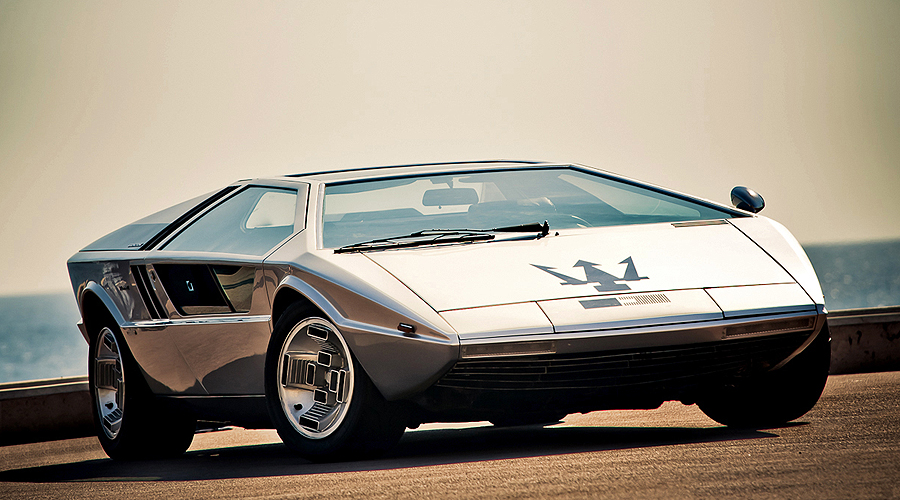
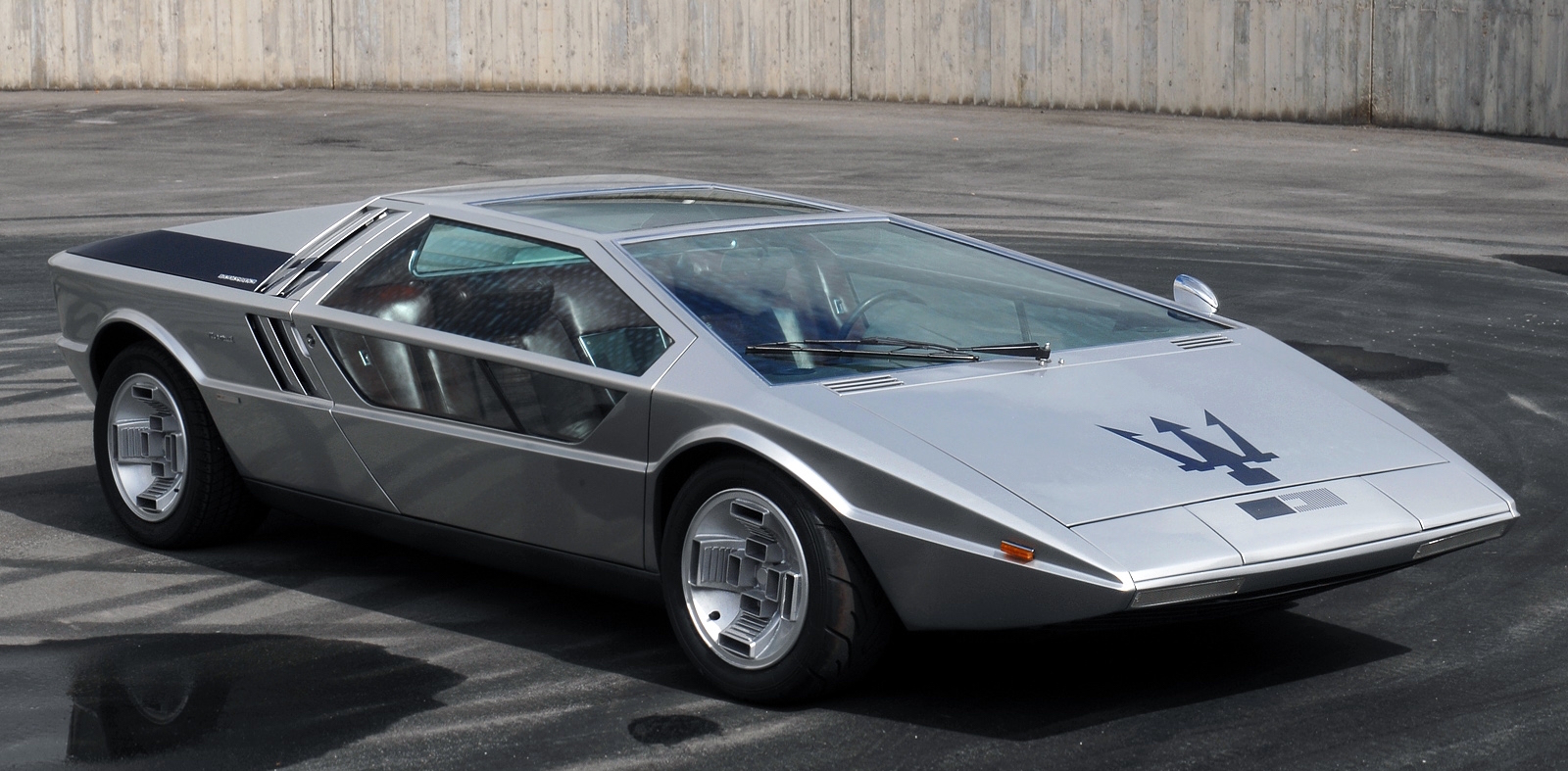
The Maserati Boomerang, designed by Giorgetto Giugiaro in 1972, is one of the most radical concept cars in automotive history. It is a one-off prototype based on the Maserati Bora chassis, powered by a 4.7-liter V8 engine producing 310 horsepower, with a theoretical top speed of 186 mph.
Its sharp, wedge-shaped body, 13-degree angled windshield, and extensive glass surfaces give it a spaceship-like appearance, making it a defining example of 1970s futuristic design.
The Boomerang is most famous for its extreme interior layout. Rather than using a traditional dashboard, the entire instrument cluster, switches, and stalks were integrated into a stationary hub at the center of the steering wheel. The leather rim of the wheel rotated around this hub, keeping gauges such as the tachometer, speedometer, fuel, and oil pressure meters perfectly visible at all times.
Turn indicators, lights, and wipers were operated via rocker switches mounted on the hub, allowing the dashboard itself to remain remarkably clean and minimalist. This design was not only stylistically bold but also partially intended as a safety feature, as the large central hub could accommodate an airbag and prevent the steering column from intruding into the cabin during a collision.
The Boomerang’s design and engineering innovations had a lasting impact on automotive styling. Its sharp, angular “wedge” form influenced later vehicles such as the Lotus Esprit and the Volkswagen Golf Mk1. The concept debuted as a mockup in 1971 and was first shown in fully functional form at the 1972 Turin Motor Show, immediately drawing attention for its futuristic aesthetics and technical daring.
As a one-off, fully road-legal concept, the Boomerang is highly collectible and has commanded significant sums at auctions, including 721,750 euros in 2002 and 781,250 euros in 2005. Its combination of rarity, innovative interior design, and performance makes it a legendary example of Giorgetto Giugiaro’s vision and one of the most unusual dashboard layouts ever created.
The Maserati Boomerang remains an icon of automotive audacity, blending radical design, functional engineering, and a forward-looking approach to both interior and exterior styling. It stands as a testament to the experimental spirit of 1970s car design and continues to inspire designers and collectors today.
2. Subaru XT: Aviation-Inspired Digital Cockpit
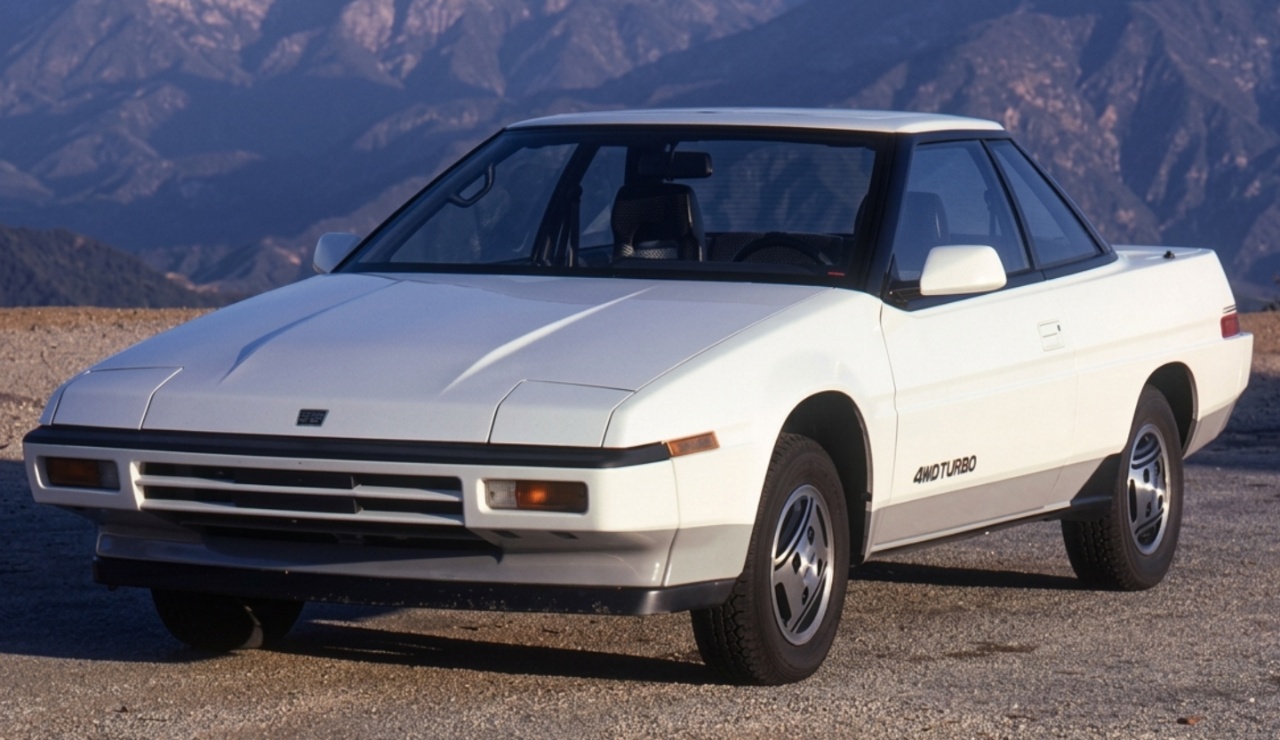
The Subaru XT stands as one of the most unconventional cars of the 1980s, largely due to its aviation-inspired dashboard and futuristic cockpit design. Built with influences from Subaru’s background in aircraft engineering, the XT rejected traditional automotive layouts in favor of a highly experimental, driver-focused interface that felt more like a fighter jet than a typical road car.
One of its most distinctive features was the use of “satellite” control pods positioned behind the steering wheel. Instead of placing switches across the dashboard or on stalks, Subaru grouped essential controls such as lights, wipers, and climate functions into wing-like modules within immediate reach of the driver’s fingers. This allowed the driver to operate key systems without removing their hands from the wheel, emphasizing ergonomics and control.
The steering wheel itself added to the uniqueness, featuring an unusual L-shaped spoke design with integrated buttons. Complementing this was a tilt-adjustable instrument cluster that moved together with the steering column. This ensured that the gauges remained aligned with the driver’s line of sight regardless of steering position, a rare and advanced feature for its time.
Perhaps the most futuristic element was the optional digital instrument display. Instead of standard gauges, the XT used a 3D-style interface that resembled an aircraft’s artificial horizon.
Engine speed and turbo boost were displayed through glowing bar graphs that appeared to move toward the driver during acceleration, creating a sense of depth and motion. A small car icon in the center enhanced the illusion of driving through a digital environment. Even the turbo boost gauge avoided numbers, relying instead on a visual bar designed to be easily read in the driver’s peripheral vision.
Additional unconventional touches included a joystick-style gear selector and a strong emphasis on asymmetry and geometric design throughout the cabin. These elements combined to create a driving experience that felt experimental and ahead of its time.
The Subaru XT remains a striking example of 1980s innovation, showcasing how far designers were willing to push technology and ergonomics in pursuit of a truly futuristic driving interface.
3. Aston Martin Lagonda Series 2: A Digital Pioneer of 1980s Luxury
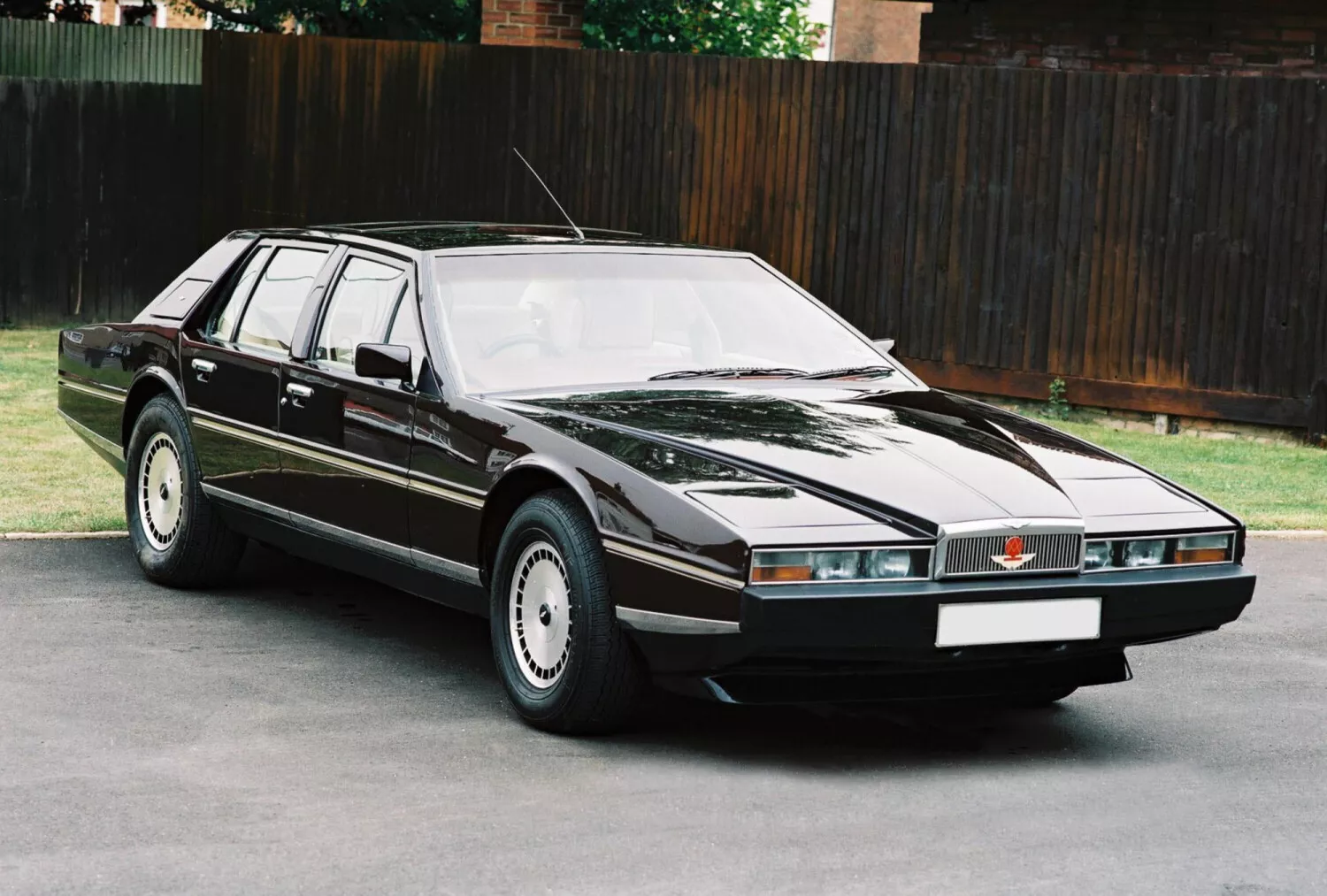
The Aston Martin Lagonda Series 2, produced from 1976 to 1985, is one of the most daring luxury sedans of its era. Designed by William Towns, it features a sharply angled, wedge-shaped body with pop-up headlights and a low, futuristic profile.
Beyond its striking exterior, the Series 2 is most famous for its revolutionary interior, which replaced traditional analog dials with one of the world’s first all-digital production dashboards. Early models used red LED displays for speed, distance, and fuel levels, while later versions adopted triple Cathode Ray Tube (CRT) screens inspired by military technology.
The cabin was equipped with over 40 touch-sensitive membrane buttons controlling functions such as pop-up headlights, climate control, and windows. Some later cars even included a voice synthesizer capable of speaking to the driver in multiple languages.
The Series 2 Lagonda was powered by a 5.3-liter V8 engine producing 280 to 300 horsepower, paired with a three-speed Chrysler Torqueflite automatic transmission. This setup provided smooth, effortless cruising suitable for long-distance grand touring.
Despite its size, the car offered surprisingly capable handling, although it was designed more as a luxurious cruiser than a sports sedan. Comfort remained a highlight, with Connolly leather upholstery, thick Wilton carpets, and high-end walnut veneer creating an opulent interior atmosphere.
The digital dashboard and touch-sensitive controls, while groundbreaking, were notoriously unreliable. The electronics relied on an extensive wiring system, with over 300 pairs of cables required to operate the complex systems.
Failures were frequent and expensive to repair, contributing to the Lagonda’s reputation as a “fine failure.” Its radical, space-age design and advanced technology polarized critics and buyers at the time, but today these same qualities are celebrated as pioneering.
The Lagonda Series 2 is highly collectible for its combination of rarity, avant-garde styling, and historical significance. It represents a moment when Aston Martin pushed the boundaries of automotive design and technology, creating a car that looked and felt more like a spacecraft than a traditional luxury saloon.
While not suited for everyday practicality, it stands as a masterpiece of 1970s and 1980s automotive ambition, admired for its audacious design, bold engineering, and pioneering role in digital vehicle instrumentation.
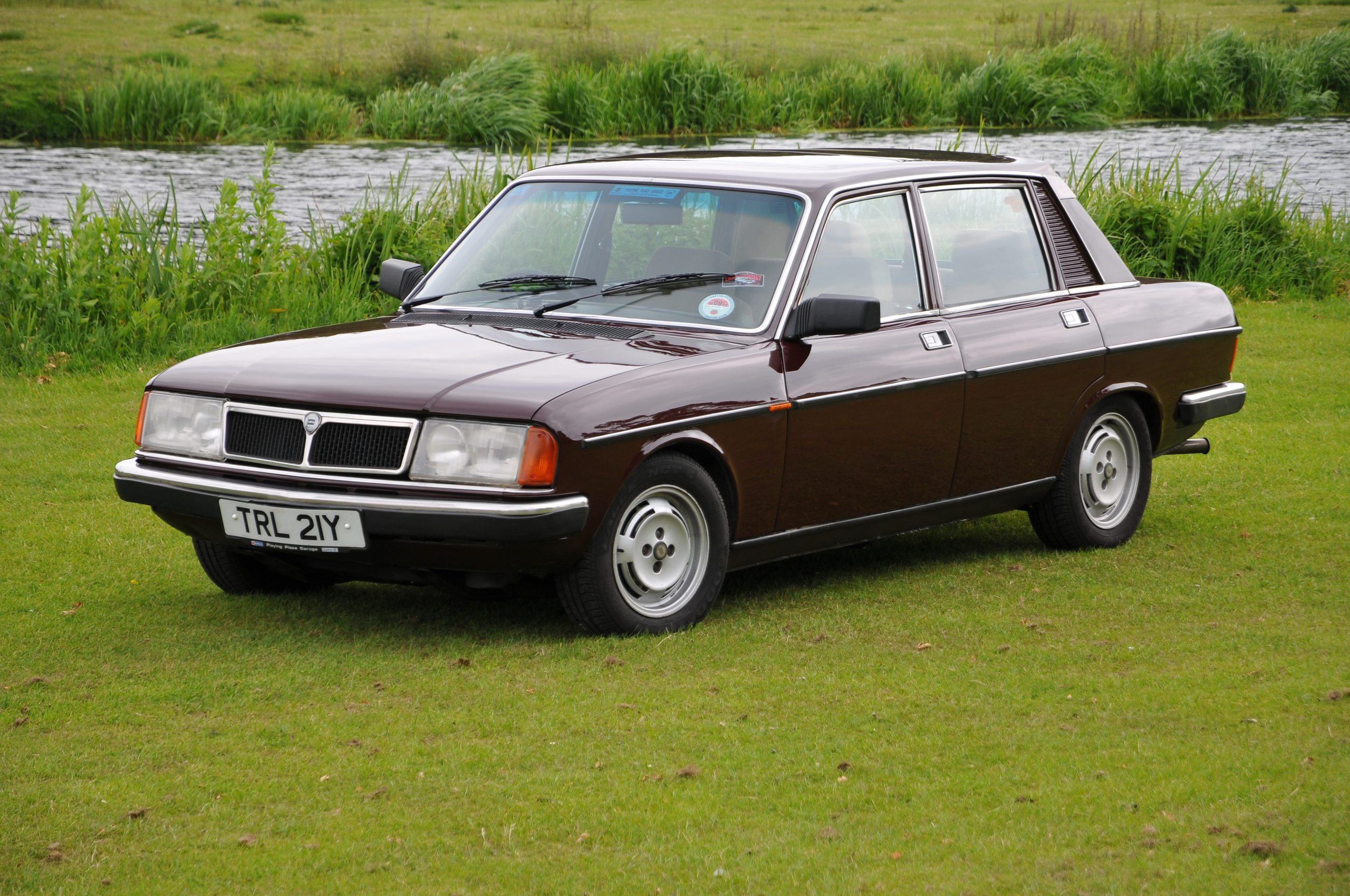
4. Lancia Trevi (Beta Trevi): A Bold Dashboard and Sports Sedan of the 1980s
The Lancia Trevi, produced from 1980 to 1984, is a distinctive three-box saloon based on the Lancia Beta. It is most famous for its unconventional “Swiss cheese” dashboard, designed by architect Mario Bellini. The fascia contained 29 circular holes housing gauges and warning lights, creating a look that critics initially mocked as a confusing “Star Trek” board.
Despite early criticism, the design was an ergonomic innovation, angling controls toward the driver and shielding displays from sun glare. Today, the dashboard is celebrated as one of the most daring and unique production interiors in automotive history.
The Trevi combined this bold interior with lively performance. It used Fiat-derived twin-cam engines in 1.6L and 2.0L configurations, providing responsive driving for its time. In 1982, Lancia introduced the Volumex supercharged model, producing 135 horsepower while maintaining reasonable fuel consumption compared with turbo alternatives.
Its handling was sharp and direct, delivering a rewarding sports sedan experience, especially with the five-speed gearbox. Lift-off oversteer was occasionally noted, but the car remained engaging to drive and well-balanced for its class.
Comfort was high, with cosy velour-trimmed seats and a practical cabin layout. The exterior was more formal and boxy than the Beta fastback, reflecting Lancia’s aim to create a sophisticated, driver-focused luxury sedan. Experimental variants, such as the twin-engine Bimotore, explored innovative performance solutions but were never produced due to overheating and stability concerns.
Despite its engineering and design merits, the Trevi struggled with reputation issues inherited from the Beta, particularly severe rust problems that affected its reliability perception, especially in the UK market. Its polarizing styling, both inside and out, limited mass appeal at the time.
Today, the Lancia Trevi is appreciated as a well-engineered and historically significant sports sedan that combined bold, experimental design with capable driving dynamics.
The “Swiss cheese” dashboard remains an icon of 1980s automotive creativity, reflecting a period when designers were willing to challenge conventional interior layouts to improve ergonomics and driver interaction. While controversial in its own time, the Trevi is now recognized as a rare and innovative example of Lancia’s daring approach to style and performance.
5. Lexus IS300 (First Generation): The Chronograph-Inspired Dashboard
The first-generation Lexus IS300, produced from 1998 to 2005, is widely recognized for its unusual and highly stylized dashboard layout. Departing from traditional automotive design, Lexus modeled the instrument cluster after a high-end chronograph watch.
The speedometer served as the main dial, while smaller sub-dials for engine temperature, fuel level, and battery voltage were nested inside, resembling complications on a luxury timepiece.
This tricompax-style cluster was designed to evoke precision and elegance, with intricate overlapping needles and detailed tick marks that made the interior feel more like a finely crafted watch than a standard car dashboard. Many models featured white-faced gauges that contrasted with the dark cabin, emphasizing the sporty, sophisticated aesthetic.
Ergonomically, the design focused on driver engagement. The speedometer dominated the view, with the tachometer placed slightly to the side, creating a driver-centric layout. The inset gauges were small, which could challenge readability initially, but became intuitive with familiarity.
Complementing the dashboard, USDM models included a spherical chrome shift knob, drilled aluminum pedals, and chrome accents in the footwell, enhancing the “racer-inspired” feel. This analog-focused approach contrasted with the emerging digital displays of the era, appealing to enthusiasts who valued mechanical precision and tactile quality.
Beneath the stylish interior, the IS300 was powered by the renowned 3.0-liter 2JZ-GE inline-six engine, paired with either a five-speed manual or automatic transmission. The rear-wheel-drive chassis offered sharp, balanced handling, making the sedan engaging to drive.
The car was praised for reliability, smooth performance, and high build quality, with minimal rattles even after long-term use. The 0-60 mph time was approximately 7.4 seconds, and the chassis provided a connected, responsive driving experience comparable to contemporaries like the BMW E46 3-Series.
The IS300’s chronograph-style dashboard became iconic in the early 2000s tuner scene due to its shared platform with the Toyota Supra and the car’s sporty, modifiable character. It remains highly regarded among enthusiasts as a distinctive and elegant interior design that combines mechanical sophistication with a driver-focused layout.
Despite minor drawbacks, including tight rear seating, relatively low fuel efficiency, and limited manual transmission availability, the first-generation IS300 is celebrated for its unique aesthetic, durable engineering, and role as a sports sedan that successfully merged style, precision, and performance.

Also read: 5 Cars That Are Easy to Park in Cities vs 5 With Huge Turning Radii
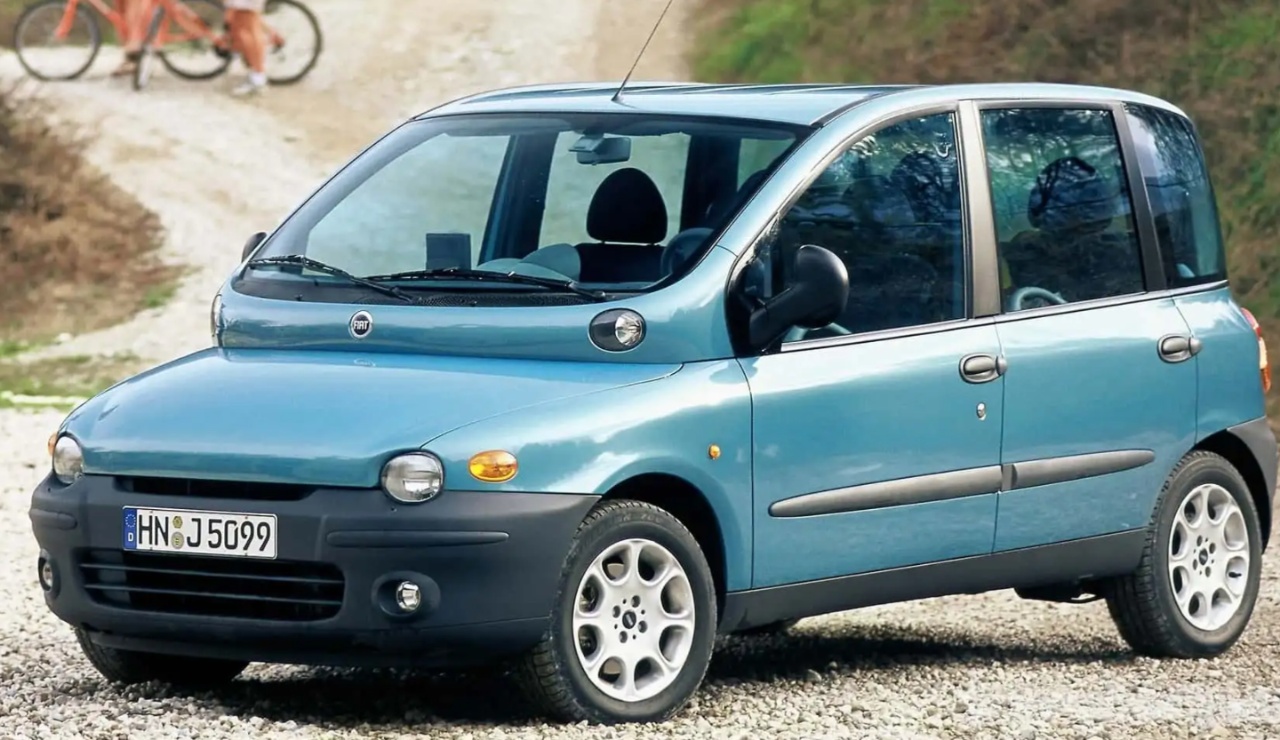
6. Fiat Multipla: Function-Driven Central Dashboard Design
The Fiat Multipla is widely recognized for having one of the most unconventional dashboard layouts ever put into a production car. While its exterior design is often described as polarizing, the interior is just as unusual, driven by a strong focus on practicality and space efficiency.
The Multipla was designed around a unique 3+3 seating configuration, allowing three passengers to sit side by side in both the front and rear rows. This layout required a complete rethinking of traditional dashboard design.
Instead of placing instruments directly in front of the driver, Fiat centralized all gauges and controls into a large, bulbous pod positioned in the middle of the cabin. This “island” housed the speedometer, rev counter, radio, and other essential controls.
As a result, the area behind the steering wheel was left completely flat, giving the dashboard a distinctive, almost table-like appearance. While this meant drivers had to glance toward the center to check information, it also created a more open and spacious front cabin.
The dashboard’s design extended beyond layout into materials and styling. The upper section was often covered in fabric rather than hard plastic, giving the interior a softer, more domestic feel.
Air vents and controls were arranged in a playful, almost abstract manner, sometimes described as resembling a “robot face.” The gear shifter was mounted high on the central console for easier reach, especially with a middle front passenger present.
Despite its unusual appearance, the layout was carefully organized. Controls were arranged based on frequency of use, and the central placement made information visible to both driver and passengers. Large windows and deep glass areas further enhanced visibility, making the cabin feel airy and open.
The Fiat Multipla demonstrates a design philosophy where function takes priority over tradition. Its central dashboard may appear chaotic at first glance, but it reflects a thoughtful attempt to maximize usability, comfort, and interior flexibility in a compact family vehicle.
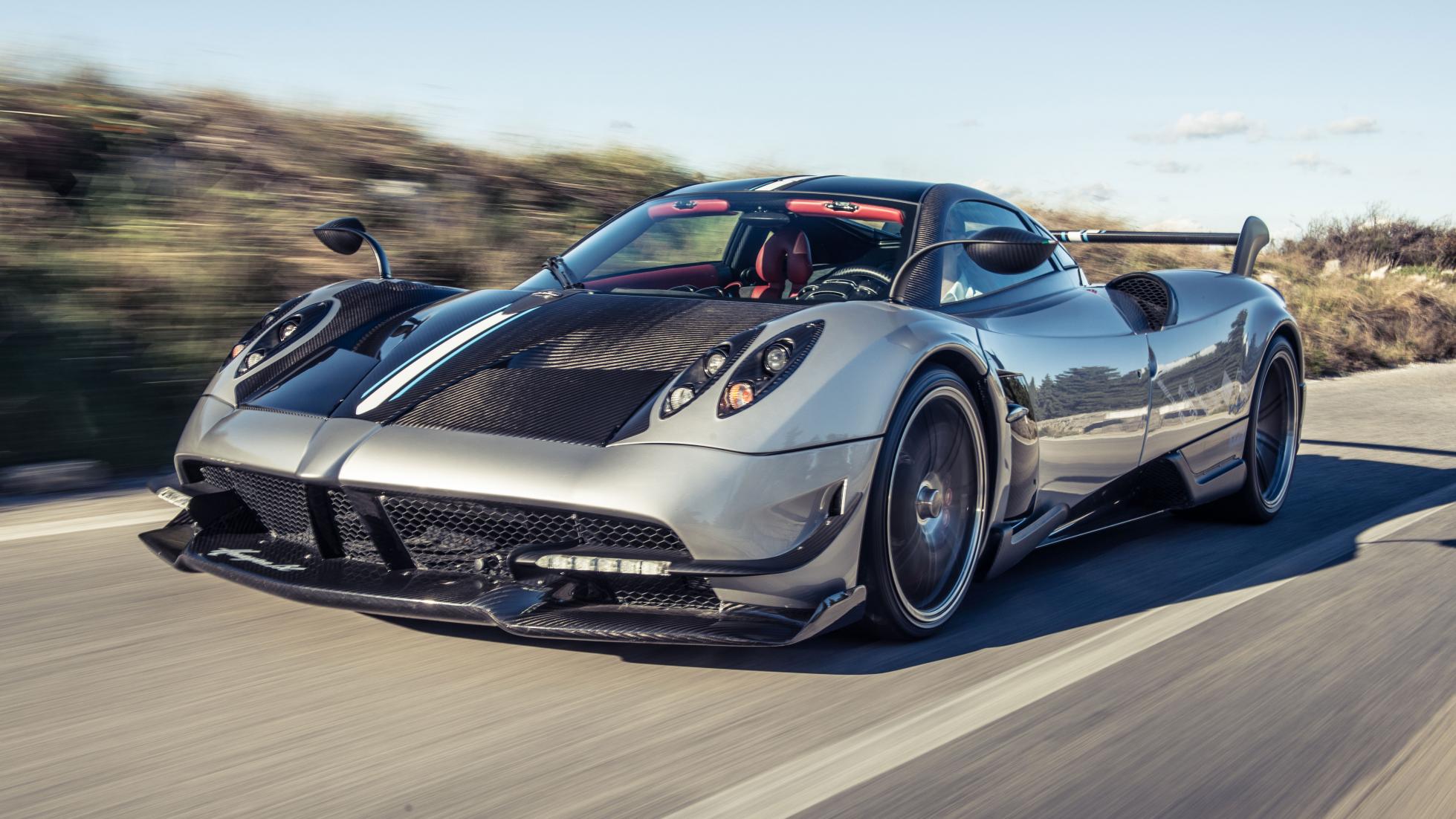
7. Pagani Huayra: A Masterpiece of Mechanical Art
The Pagani Huayra is a hypercar celebrated for its steampunk-inspired, handcrafted interior, where every detail reflects meticulous engineering and artistry. Rejecting conventional digital displays, its instrument cluster draws inspiration from high-end Swiss watches.
The speedometer and tachometer feature intricate detailing, layered dials, and unique fonts, while smaller gauges for fuel, temperature, and voltage are integrated within the main dial, creating a sophisticated, watch-like appearance. The cluster is housed in a single block of milled aluminum, showcasing Pagani’s commitment to precision and bespoke craftsmanship.
The center console continues the mechanical theme, with toggle switches and air vents inspired by musical instruments, combining Victorian-era aesthetics with modern performance. The steering wheel and instrument cluster are engineered to move together when adjusted, ensuring all gauges remain visible.
Exposed mechanical elements, including the gear shifter mechanism, highlight the Huayra’s complexity rather than hiding it. Carbon-fiber structural components serve both functional and artistic purposes, merging utility with design. The interior is a deliberate display of technical artistry and engineering refinement, prioritizing mechanical beauty over digital convenience.
Performance is equally impressive. A twin-turbocharged Mercedes-AMG V12 produces 791 horsepower and 775 lb-ft of torque, sent to the rear wheels through a seven-speed single-clutch automatic transmission.
The Huayra weighs approximately 2,755 pounds, allowing a 0-60 mph sprint in just 3.3 seconds. It can sustain 1.9 g’s of lateral acceleration in corners, peaking at 2.2 g, while carbon-ceramic Brembo brakes deliver precise stopping power.
The two-seat cabin combines luxury and function, with supple leather, wood accents, and a removable carbon-fiber roof featuring a glass panel. Every detail, from the seats to the exposed gear selector, reflects careful attention and high-quality craftsmanship. Infotainment is minimal, with a nine-channel sound system but no smartphone integration, keeping focus on driving and mechanical experience.
The Pagani Huayra remains a rare example of a hypercar where the interior is a work of art as much as a cockpit. Its combination of mechanical elegance, technical innovation, and extreme performance creates an immersive driving experience that celebrates both engineering excellence and aesthetic sophistication.
8. Citroën GSA: A Futuristic Experiment in Driver-Centric Design
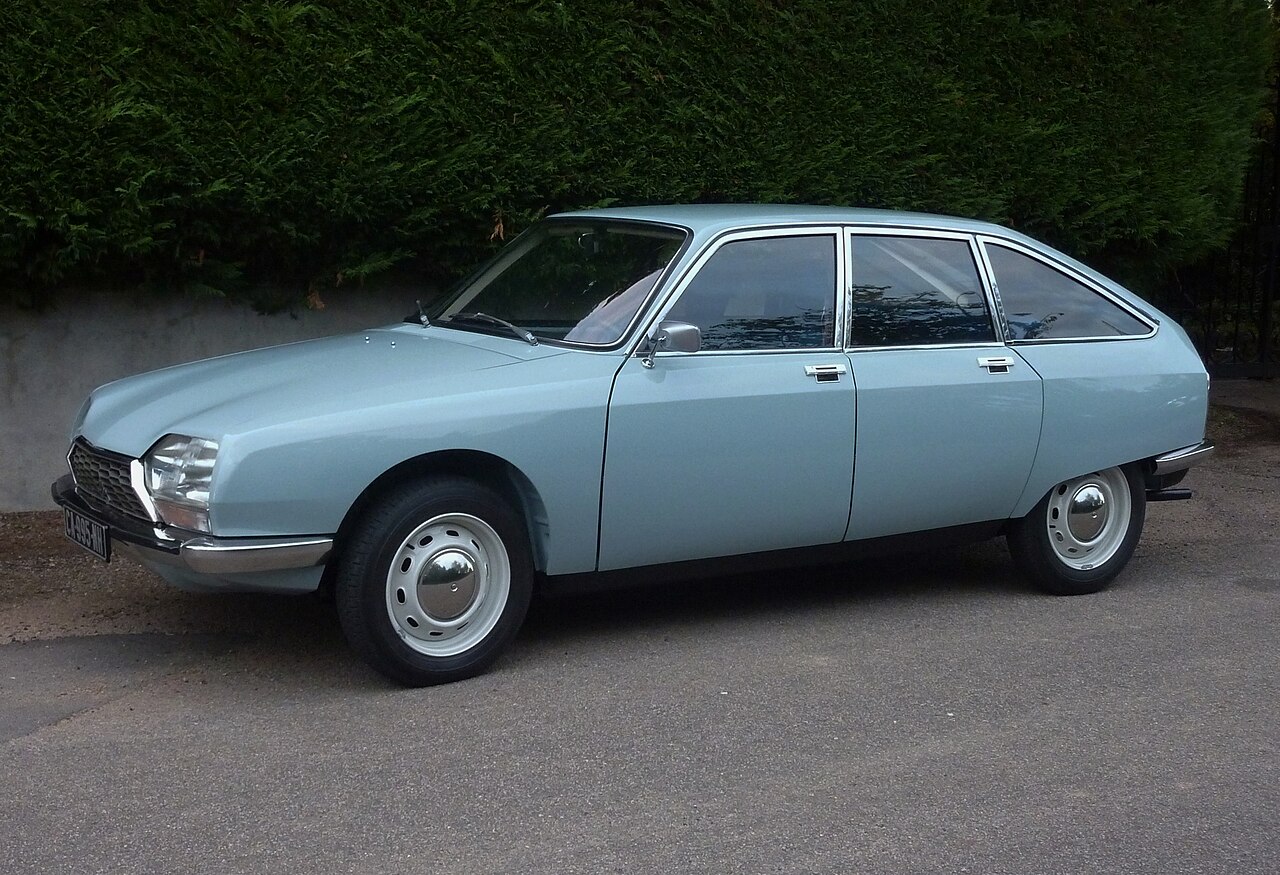
The Citroën GSA, produced from 1979 to 1986, is one of the most unconventional cars of its time, reflecting Citroën’s long-standing reputation for innovative and eccentric engineering.
As an evolution of the Citroën GS, it embraced a radical approach to interior design, aiming to create a driver-focused, aircraft-like cockpit. Instead of traditional layouts, the GSA reimagined how drivers interact with essential controls, resulting in one of the most unusual dashboards ever fitted to a production car.
One of its defining features was the use of “satellite” control pods. Rather than conventional stalks behind the steering wheel, the GSA placed cylindrical control units on either side of the wheel within fingertip reach.
These pods group functions such as lights, indicators, wipers, and the horn, allowing drivers to operate them without removing their hands from the wheel. Complementing this was the signature single-spoke steering wheel, a Citroën hallmark designed to improve visibility of the instruments and reduce injury risk in collisions.
Equally distinctive was the rotating drum speedometer, often described as a “cyclops eye.” Instead of a needle moving across a dial, speed was displayed on a revolving drum viewed through a magnifying lens, allowing for quick and precise readings. A similar mechanism was used for the tachometer.
The dashboard also featured a centrally mounted handbrake and styling inspired by early digital technology, giving the cabin a space-age appearance that felt far removed from conventional automotive interiors.
Beyond its design, the GSA was known for its exceptional comfort and technical sophistication. Its hydropneumatic suspension provided a smooth, self-leveling ride that absorbed road imperfections with ease, while still offering stable handling. The car was powered by air-cooled flat-four engines ranging from 1.0 to 1.3 liters, delivering reliable but modest performance.
Despite its strengths, the GSA faced challenges, including rust issues and the need for careful maintenance of its hydraulic systems. Its unconventional design also limited its appeal in some markets.
Today, the Citroën GSA is regarded as a cult classic that represents a bold era of experimentation, combining futuristic design, innovative engineering, and remarkable comfort in a way few cars have ever matched.
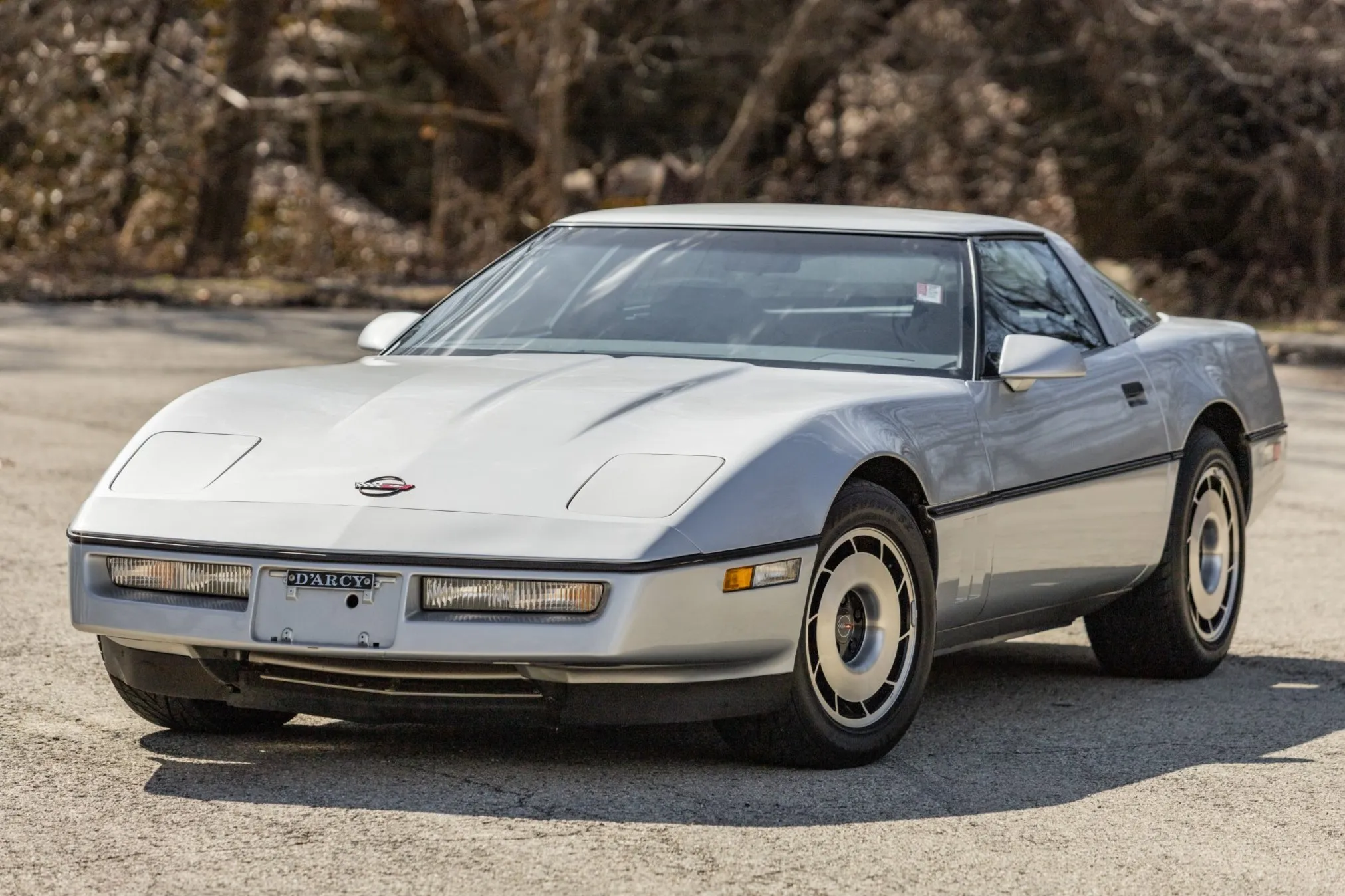
9. Chevrolet Corvette C4 (1984): The Digital Dashboard Revolution
The 1984 Chevrolet Corvette C4 introduced a bold new direction in automotive design, featuring one of the most futuristic dashboards ever seen in a production car. Known as the “Atari” dash, it was the first to use a fully digital, multi-colored Liquid Crystal Display instrument cluster as standard.
Instead of traditional analog gauges, the Corvette displayed speed, engine RPM, and fuel levels through bright, graph-style bars. These bars changed color from green to yellow to red as performance increased, creating a visual experience similar to 1980s video games or science fiction interfaces.
The dashboard consisted of three separate digital panels, presenting information in both numeric and graphical formats. Complementing this was the Driver Information Center, which allowed the driver to cycle through various data points such as oil pressure, coolant temperature, voltage, and fuel economy.
This system provided a level of driver interaction and information rarely seen at the time. Despite the advanced technology, the car still used a mechanical odometer, highlighting the transitional nature of early digital systems.
The interior also included unconventional elements like the “breadbox” passenger pad, which replaced the glovebox and functioned as a safety feature. The Corvette’s design extended beyond the cabin, featuring a low, aerodynamic body and a removable targa roof.
Power came from a 5.7-liter L83 V8 engine producing 205 horsepower, paired with either a four-speed automatic transmission or a unique “4+3” manual gearbox. The car delivered strong handling and impressive cornering ability, though its stiff suspension created a firm, sometimes uncomfortable ride.
Despite its innovation, the digital dashboard faced reliability challenges. The LCD displays were prone to fading or failure due to heat and sun exposure, and repairs were often complex and costly. These issues eventually led Chevrolet to reintroduce more conventional analog gauges in later models.
Today, the 1984 Corvette C4 is remembered as a daring experiment in automotive technology. Its digital dashboard, futuristic styling, and performance-focused engineering represent a defining moment in 1980s car design and a significant step toward the digital interfaces seen in modern vehicles.
10. McLaren 720S: Folding Driver Display Innovation
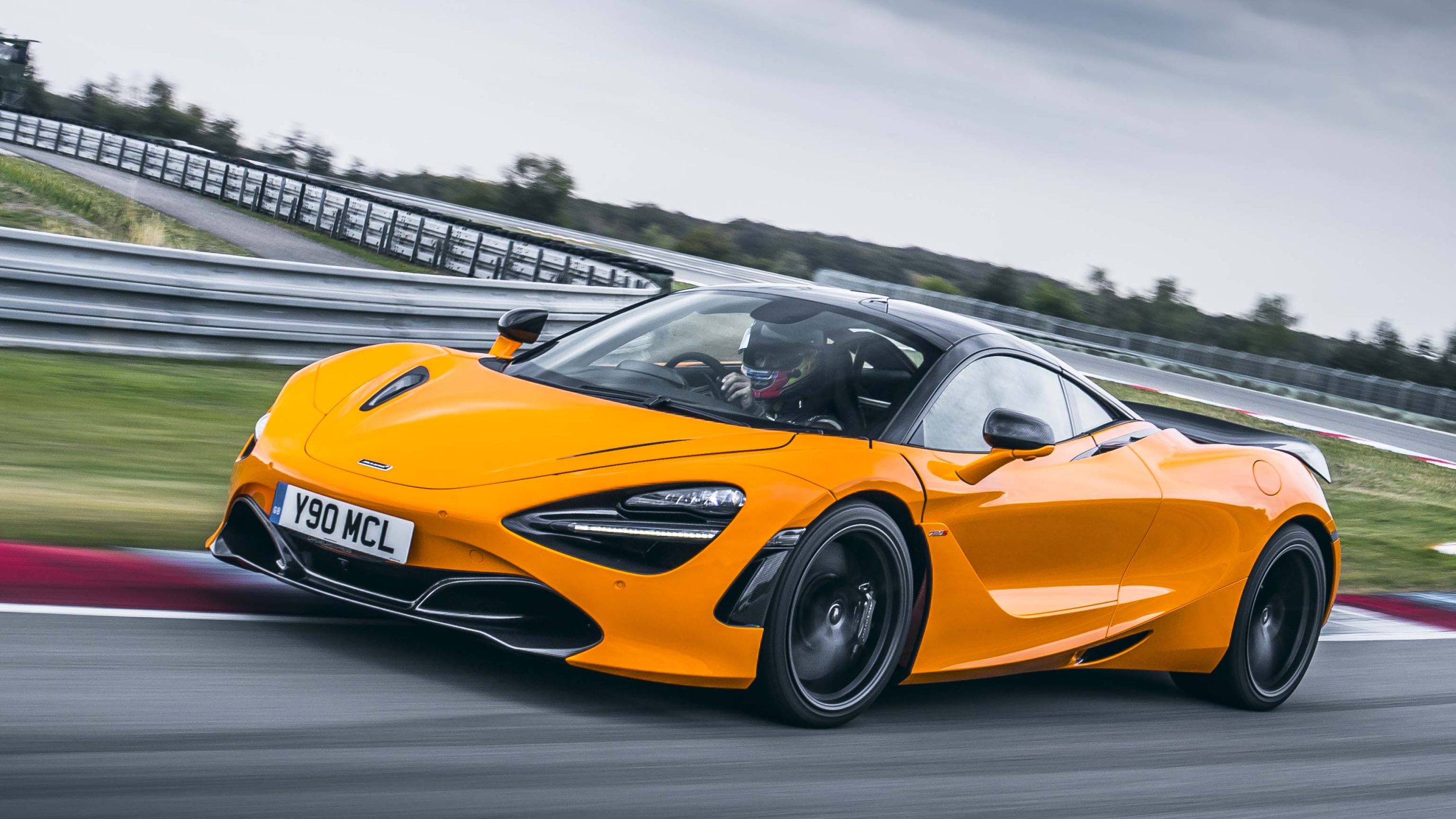
The McLaren 720S features one of the most distinctive dashboard designs in modern automotive engineering through its “Folding Driver Display.” At first glance, the system appears to be a typical high-definition digital instrument cluster.
In Full Display Mode, it provides a complete set of information such as speed, engine RPM, navigation, and detailed vehicle data, including tire pressure and engine temperature. This layout reflects the advanced digital interfaces commonly seen in high-performance cars.
What makes the system unique is its ability to physically transform. With a simple button press or when Track Mode is activated, the display rotates downward into the dashboard.
This motion reveals a narrow “Slim Display Mode,” which shows only essential information such as gear position, speed, and RPM. By limiting the amount of data presented, the design reduces distractions and helps the driver stay focused during high-speed driving.
This feature also improves visibility. When the main screen folds away, the top of the dashboard becomes lower, allowing a clearer view of the road ahead.
The effect is enhanced by the car’s slim pillars and extensive glass design, which together create excellent forward and peripheral visibility. The display system also adjusts according to driving modes like Comfort, Sport, and Track, giving the driver flexibility depending on conditions and preferences.
In addition to its innovative interior, the 720S delivers exceptional performance. It is powered by a 4.0-liter twin-turbocharged V8 engine producing about 710 horsepower. The car can accelerate from 0 to 60 mph in around 2.8 seconds and reach a top speed exceeding 200 mph. Its advanced suspension system allows it to remain comfortable on regular roads while maintaining precise handling on the track.
The Folding Driver Display combines digital technology with mechanical movement in a way that enhances both usability and driving focus. It represents a modern approach to dashboard design that prioritizes clarity, adaptability, and driver engagement.
The cars featured in “10 Cars With the Most Unusual Dashboard Gauge Layouts Ever Built” demonstrate how far designers have gone to transform the driver’s environment.
From the mechanical artistry of the Pagani Huayra to the futuristic digital displays of the Chevrolet Corvette C4, each vehicle represents a bold attempt to innovate beyond the norm. These designs were not always perfect, and some faced criticism or reliability issues, but they all contributed to the evolution of automotive interiors.
What ties these cars together is their willingness to experiment. Whether through rotating displays, satellite controls, or unconventional gauge layouts, they challenged the idea of what a dashboard should be. Many of these concepts influenced future designs, while others remain unique snapshots of their era’s imagination.
In the end, these unusual dashboards remind us that progress often comes from taking risks. They show that even the smallest details, like how information is presented to a driver, can become a canvas for creativity and innovation in automotive design.
Also read: 10 Cars With Robust Wheel Bearings That Survive US Potholes
