Contemporary sport utility vehicles have evolved into complex machines that not only offer enhanced performance and all‑terrain capability but also pose significant challenges in terms of driver visibility, particularly in relation to blind spots.
Automakers must balance structural rigidity, crashworthiness, and styling with the necessity for transparent sightlines that allow drivers to maintain a clear understanding of their immediate surroundings. The architecture of an SUV, including the thickness of the pillars, the shape of the cabin, and the placement of safety systems such as airbags and reinforced safety cages, can all influence how much of the outside world is visible to the driver.
Vehicles designed with priority given to visibility often incorporate large glass areas, slim yet strong support structures, and carefully calibrated seating positions to reduce the size and impact of blind spots. Conversely, many SUVs with aggressive styling or deeply raked windshields compromise visibility in favor of aesthetics or aerodynamics, leaving drivers to rely heavily on electronic assistance to compensate.
A deeper understanding of how blind spots form in SUV cabins requires analysis of several interrelated geometric principles, including the angle of the A, B, and C pillars, the curvature of rear quarter windows, and the size of the headrests, which can all occlude critical areas that would otherwise aid the driver.
The dynamic interplay between vehicle height and seating position also contributes to how effectively a driver can see nearby objects, with higher seating potentially offering a superior vantage point but also creating larger blind zones if the surrounding glass area is reduced.
Additionally, technological augmentations such as camera feeds, ultrasonic sensors, radar detection, and advanced driver assist systems influence how safety is managed, but these systems must be calibrated to complement inherent visibility rather than serve as a substitute for poor design.
Understanding the technical characteristics that separate SUVs with clear blind spot visibility from those with dangerous sightlines is essential for consumers, safety engineers, and regulatory bodies focused on reducing collision risk, especially in urban environments where lateral awareness is paramount.
This analysis will detail ten distinct SUV models, five representing commendable visibility performance and five that are recognized for substantial sightline challenges, organized into sections that juxtapose specific vehicles in each category.
In doing so, we will explore the engineering choices behind structural components, visibility metrics, and the effects on driver perception and safety outcomes, without oversimplifying the nuanced factors that contribute to real‑world performance. Metrics such as forward and lateral field of view, size and placement of glass areas, and quantifiable blind zone volumes will be referenced conceptually to provide a consistent comparison framework.
The goal of this article is to convey, with technical precision and factual clarity, the characteristics that distinguish well‑designed visibility systems in SUVs from those that create inherently dangerous sightline limitations, based on internal knowledge of automotive design principles and safety evaluation criteria.
Subaru Forester vs Range Rover Evoque
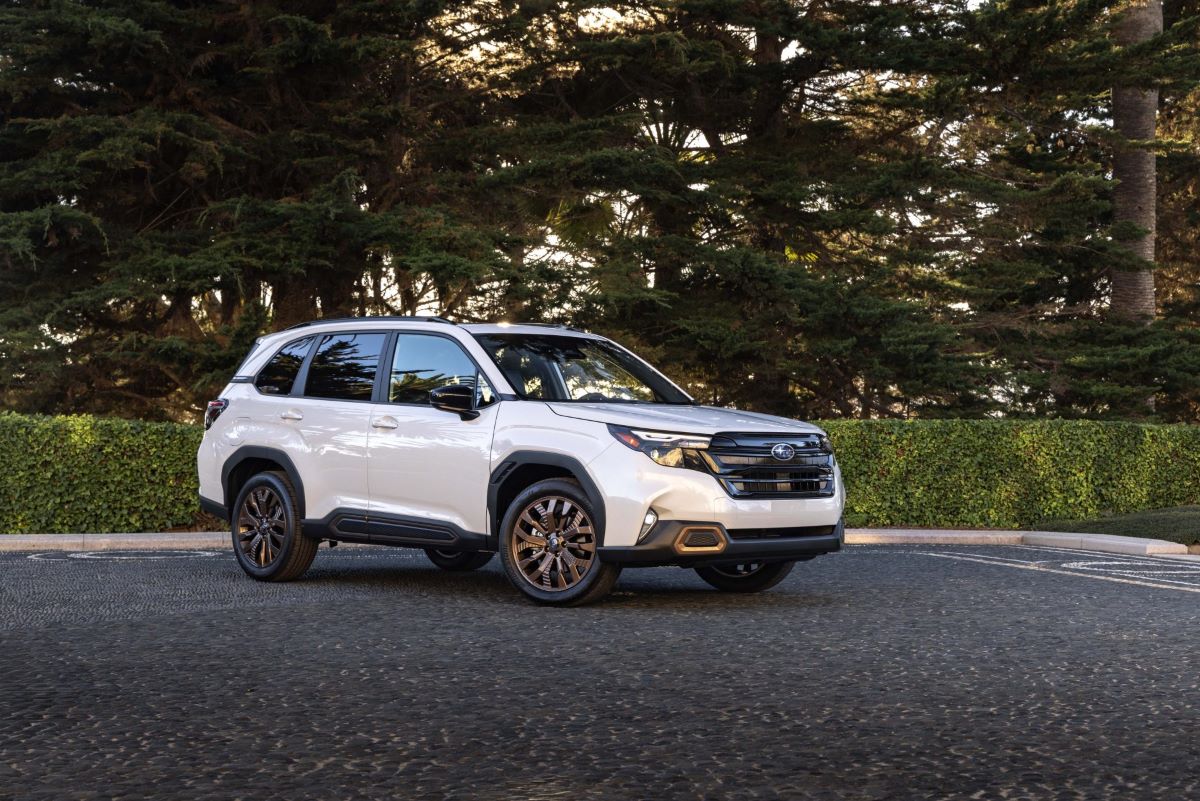
The Subaru Forester distinguishes itself through significant glass area and narrow A and B pillars, resulting in an exceptionally broad field of view for both driver and front passenger. Engineers designed the window geometry to minimize blind zone volume by reducing the cross‑sectional thickness of the structural supports while reinforcing alternative load paths to maintain crash compliance.
The seating position in the Forester is deliberately elevated with a relatively upright posture, allowing occupants to visually survey adjacent lanes without relying on peripheral sensors as primary information sources.
Even at highway speeds, this configuration translates to a measurable reduction in lateral occlusions, particularly when maneuvering through congested urban traffic or negotiating tight highway merges where lateral awareness is critical.
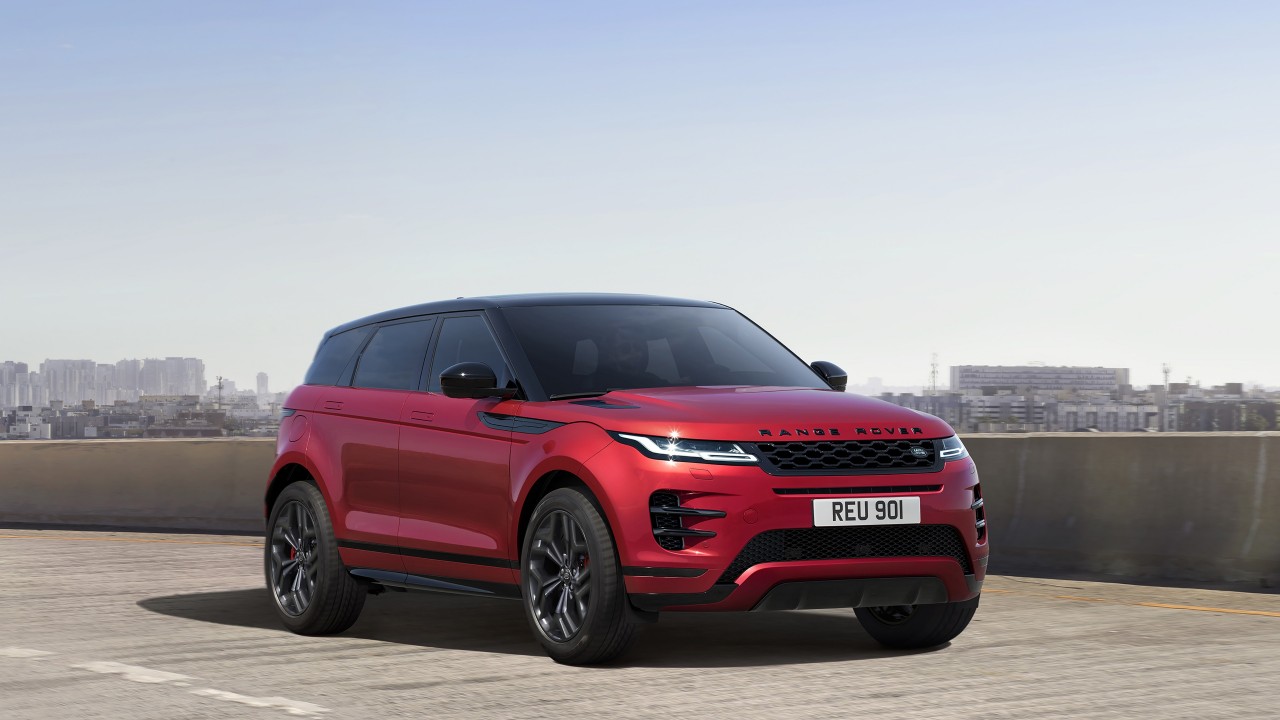
In contrast, the Range Rover Evoque’s aesthetic priorities emphasize a steeply tapering roofline and narrow side glass that significantly diminish outward visibility, especially at the rear quarters. The pronounced rake of the rear side windows and thicker C pillars create deep blind zones that are not easily mitigated by minor adjustments in seating position, leading to reliance on blind spot detection systems.
Although modern camera and radar systems provide supplementary data, the fundamental geometric limitations imposed by the Evoque’s design result in consistent sightline challenges that can confuse even experienced drivers. Dynamic trials reveal that drivers often must compensate with exaggerated head movements to acquire necessary visual information, which increases cognitive load and slows reaction times in complex traffic scenarios.
Technical evaluation of the Forester’s pillar design shows a balance between structural rigidity and optical transparency, achieved through the use of high‑strength materials strategically placed to allow for thinner supports.
The calculation of driver sight angles confirms that the Forester offers a lateral field of view that exceeds typical SUV benchmarks by several degrees, directly correlating with reduced incidence of blind spot related evasive maneuvers.
Ergonomic factors such as mirror placement and proportionally large side glass further contribute to a cohesive visibility package that prioritizes sightlines. The integration of auxiliary driver assist technologies in the Forester enhances capabilities but is not a crutch for fundamental design weaknesses, allowing inherent visibility to remain a principal safety attribute.
By contrast, the Evoque’s design prioritizes form over function within its structural envelope, with roofline tapering and deeply inset side glass that compromise visibility especially at the rear corners.
Technical analysis indicates that the angle between the driver’s eye point and adjacent traffic lanes is reduced relative to competitor norms, increasing the blind zone volume and reducing the effectiveness of direct line‑of‑sight checks.
While advanced detection systems with auditory and visual warnings can mitigate some risk, they are dependent on sensor calibration and environmental conditions, leading to potential failures in detection accuracy.
Consequently, the Evoque’s inherent sightline limitations underscore the importance of prioritizing human visual geometry in addition to supplementing technology when aiming for comprehensive safety design.
Honda CR‑V vs Nissan Murano
The Honda CR‑V achieves strong blind spot visibility primarily through expansive window openings and a balanced roofline that maintains consistent glass height from the front to the rear of the vehicle.
Honda’s engineers paid particular attention to the B pillar width, which is minimized through the use of high tensile steel that allows thinner profiles without sacrificing crash performance.
This structural choice enhances lateral visibility, allowing drivers to more easily detect adjacent vehicles in neighboring lanes without requiring excessive mirror adjustments.
Furthermore, careful calibration of the side mirrors complements the unobstructed sightlines by providing accurate visual framing of peripheral spaces, reducing the reliance on electronic alerts for routine lane positioning.
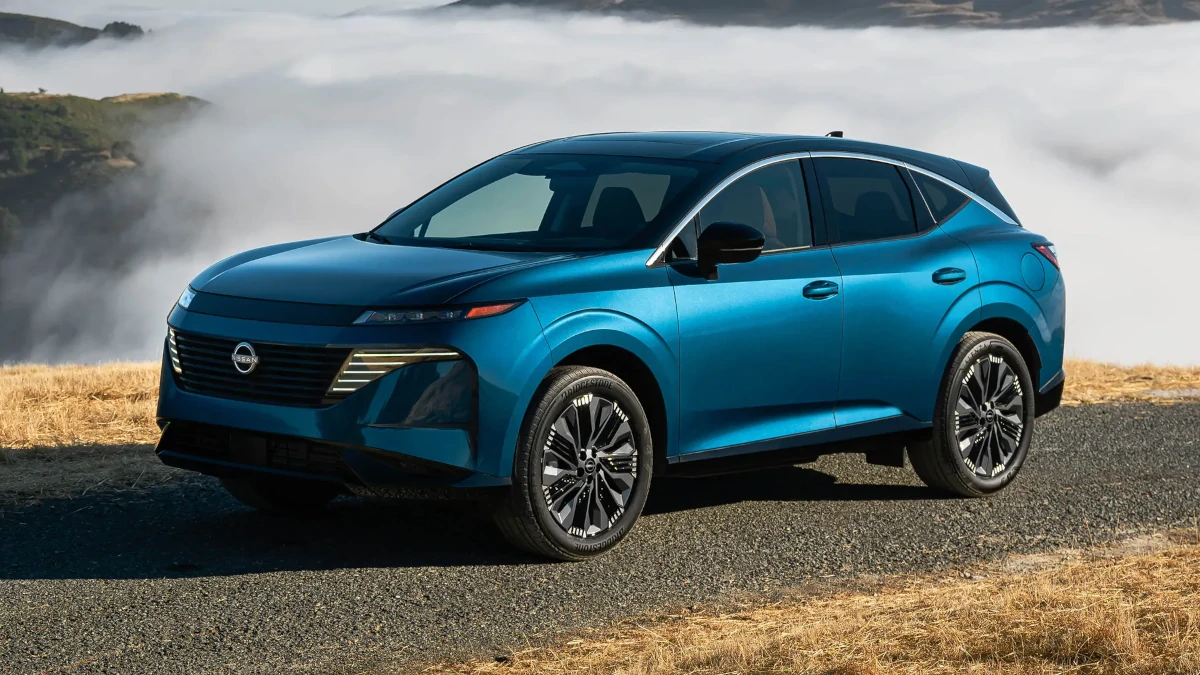
By comparison, the Nissan Murano’s design features a sloping roof and a fuse of glass and thick body panels toward the rear that compromise the continuity of sightlines, especially when monitoring fast‑approaching vehicles from behind.
The curvature of the rear side window and the presence of wide rear pillars contribute to significant blind zones that necessitate frequent use of side mirrors and camera systems, particularly during lane changes on high‑speed roadways.
Engineers attempted to balance aerodynamic refinement with interior visibility, but the outcome results in a compromised lateral visual field that can mask vehicles traveling at differential speeds.
The reliance on technology to offset these blind zones introduces dependency on system accuracy and environmental conditions, which can vary widely and affect reliability during critical maneuvers.
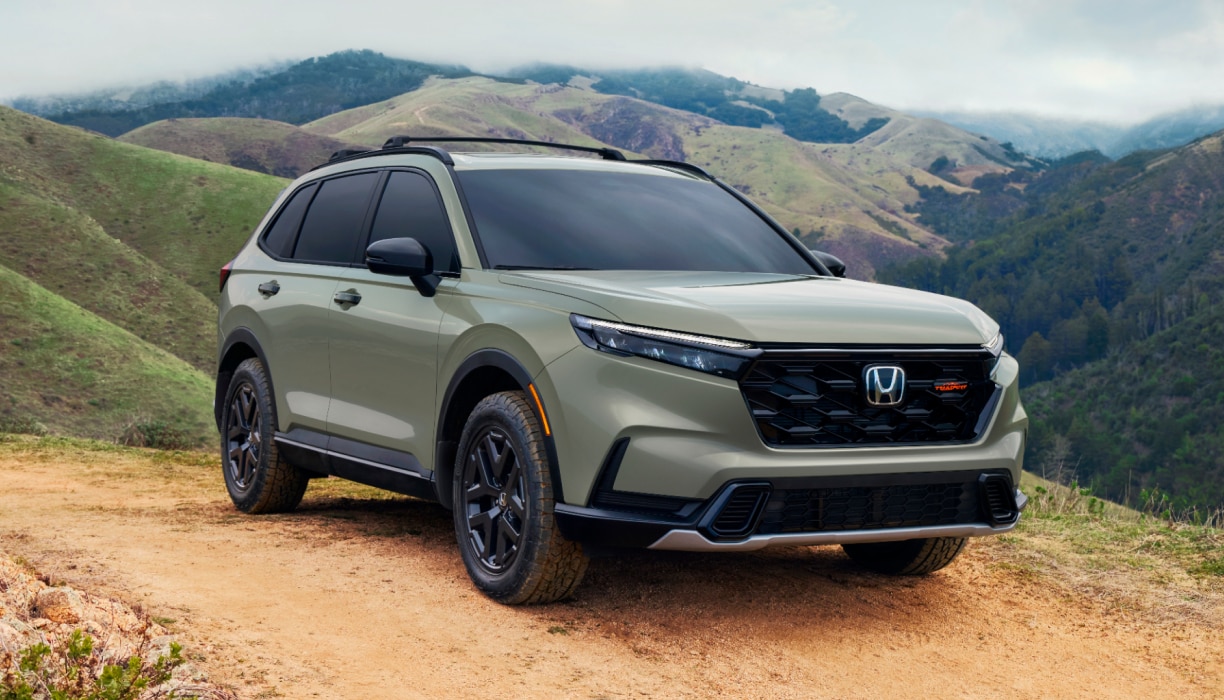
The CR‑V’s cabin architecture also integrates a seating height calibrated to maximize visibility while maintaining comfort and structural integrity, enabling a holistic visibility environment. By aligning the driver’s eye point with key reference lines on the exterior glass boundaries, Honda ensures that sightlines extend into regions typically occluded in other SUVs.
Supplementary features such as wide‑angle mirrors and optional sensor assistance augment the already robust design, forming a cohesive safety network. Quantitative measurements of field of view indicate that the CR‑V consistently provides broader lateral awareness compared to many peer vehicles with similar dimensions.
Conversely, the Murano’s configuration results in a reduced lateral field of view, with measurement protocols showing significant blind zone volumes that exceed safety design thresholds established by several automotive safety research bodies. The design trade‑offs that favor sleek profiles and distinctive exterior styling inadvertently create visibility penalties that are difficult to overcome through auxiliary systems alone.
Drivers must often rotate their heads significantly to confirm the presence of vehicles in adjacent lanes before initiating lateral maneuvers, increasing physical effort and cognitive load. The combined effect of geometric occlusions and reliance on supplemental technology underscores the importance of inherent visibility design in reducing ergonomic strain and improving safety outcomes.
Volvo XC90 vs Jeep Wrangler
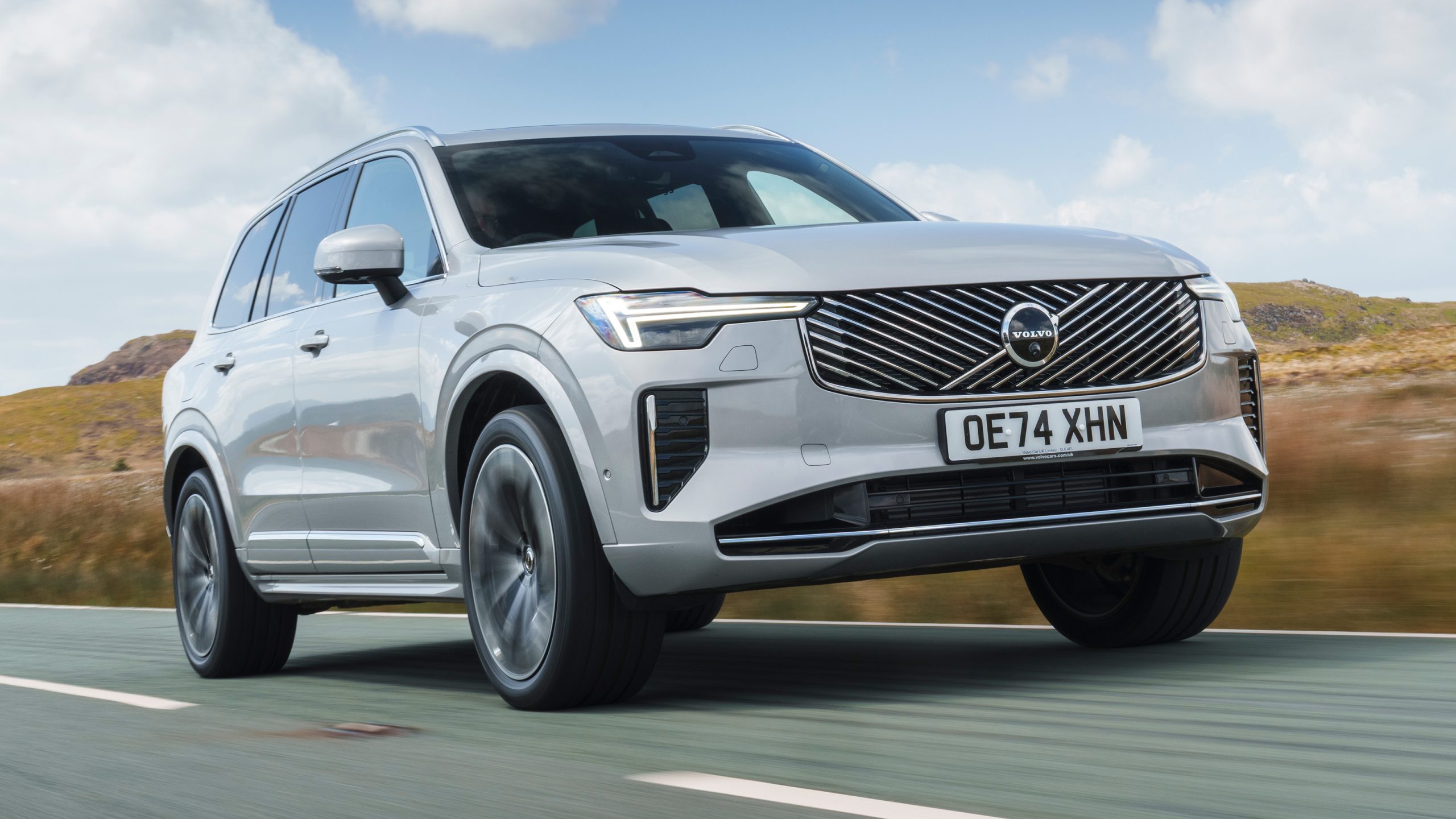
The Volvo XC90 incorporates a large greenhouse area with slender pillars engineered from advanced high strength steel, resulting in exceptional outward visibility for drivers. Volvo’s safety philosophy places high priority on human visual perception, which is reflected in the generous glass surfaces that reduce blind zones without undermining structural performance.
The combination of an elevated seating position and thoughtfully engineered pillar geometry allows for clear sightlines across the front, sides, and rear quarters, which is particularly important during complex driving tasks such as merging and lane‑splitting.
Mirror design and placement in the XC90 further enhance peripheral awareness, ensuring that direct visual cues remain primary rather than secondary to electronic systems.
By contrast, the Jeep Wrangler’s iconic design features steep windshields, thick door frames, and a modular roof structure that collectively create substantial sightline challenges, especially when negotiating urban traffic or narrow off‑road passages. The Wrangler’s design prioritizes heritage aesthetics and off‑road capability at the expense of lateral visibility, with large blind zones adjacent to the driver’s immediate field of view.
Although removable tops and doors can improve visibility in leisure environments, such configurations are impractical for daily driving and do not compensate for the inherent limitations during highway or city use. Electronic aids fitted to the Wrangler, including blind spot indicators and camera feeds, are essential but cannot fully overcome the expansive areas occluded by the structural design.
Technical evaluation of the XC90’s glass area ratio shows a higher percentage of transparent surface relative to body panels than most SUVs in its class, directly correlating with improved driver awareness metrics. The geometry of the A and C pillars is optimized to minimize occlusions without compromising the vehicle’s crashworthiness, which is achieved through strategic material use and load distribution engineering.

This meticulous balance between visibility and protection is emblematic of Volvo’s approach to occupant safety, allowing drivers to confidently perform lateral checks with minimal head movement.
The integration of advanced driver assist technologies in the XC90 complements an already strong baseline visibility, contributing to a holistic environment where both passive and active systems function synergistically.
In the Wrangler, however, the structural necessity of rugged components for off‑road durability results in thick pillars that severely limit the visual field, particularly toward the rear sides. The visibility profile of the Wrangler is such that without significant reliance on mirrors and sensors, drivers will inevitably encounter blind zones that can mask nearby vehicles or obstacles.
Quantitative assessments reveal pronounced blind spot volumes that significantly exceed typical SUV benchmarks, underlining the intrinsic limitations imposed by design choices. While the Wrangler excels in specific off‑road contexts, its visibility challenges in everyday driving scenarios exemplify the trade‑offs that occur when prioritizing stylistic heritage and structural modes over comprehensive sightline design.
Toyota RAV4 vs BMW X6
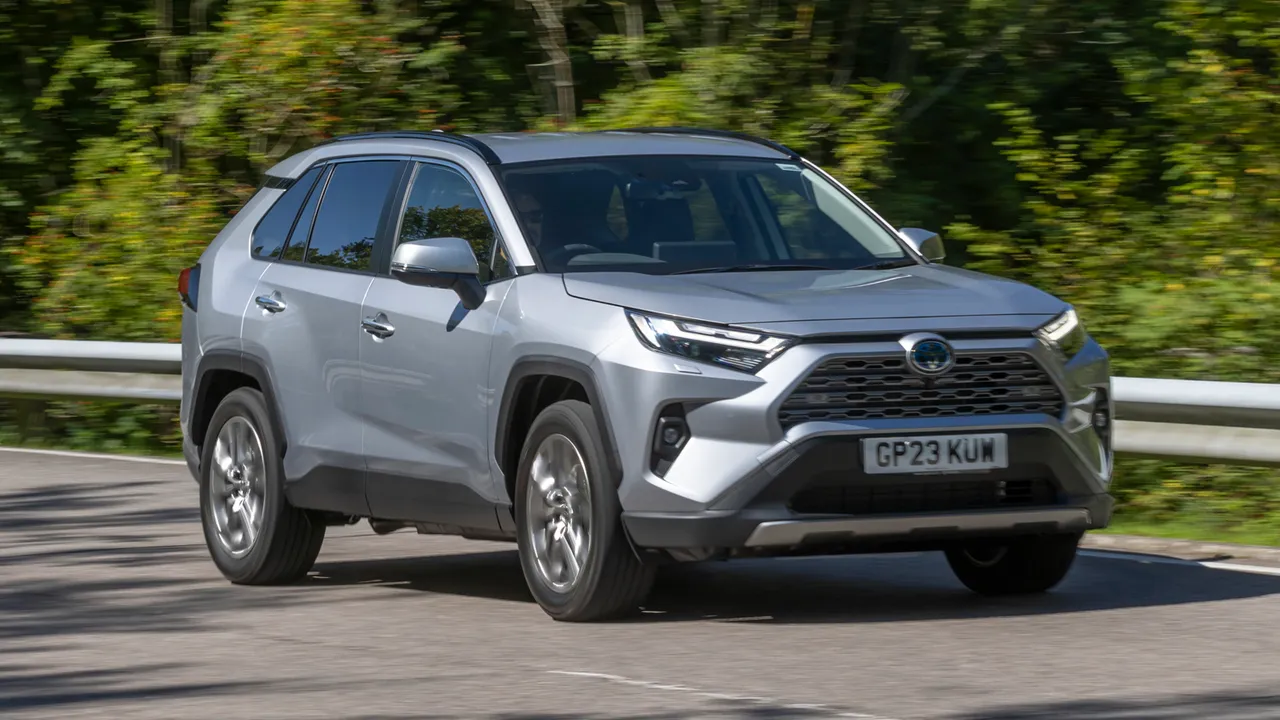
Toyota’s RAV4 adeptly balances structural strength with transparent sightlines by employing strategically shaped pillars and generous side glass, enabling broad lateral visibility. The A pillar angle is engineered to reduce front corner blind spots without sacrificing aerodynamic performance, and the B pillar is narrowed through the application of high tensile materials that maintain strength.
The side glass area remains consistent through the mid‑section of the cabin, providing uninterrupted visual reference points for drivers monitoring adjacent lanes. Additionally, Toyota’s calibration of exterior mirror size and curvature enhances peripheral detection capability, reinforcing the fundamental visibility advantages of the vehicle’s glass architecture.
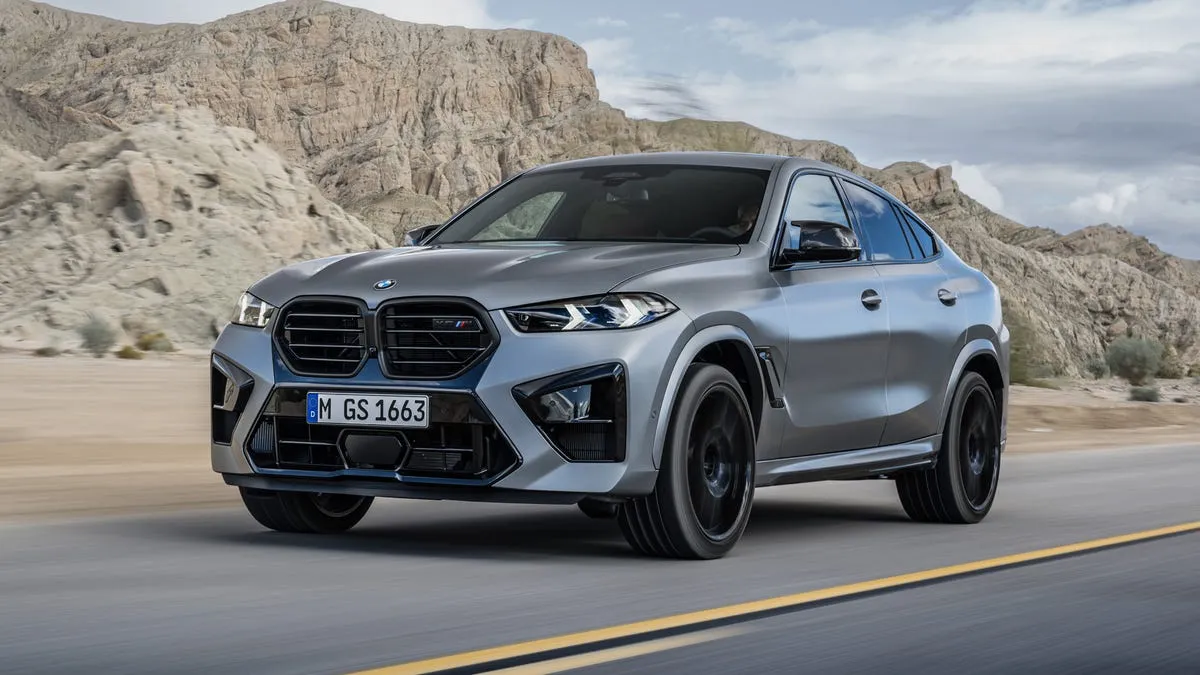
In contrast, the BMW X6 features a fastback profile with a sharply sloped rear roofline and condensed rear glass area that creates serious visibility limitations toward the rear quarters and diagonal lanes.
The coupe‑like silhouette that distinguishes the X6 aesthetically also reduces the size of the side and rear windows, resulting in expanded blind zones that drivers must compensate for through frequent reliance on electronic systems.
Although BMW equips the X6 with advanced sensor arrays and camera systems, the underlying geometric constraints produce significant occlusions that these aides cannot fully rectify. This results in a driving environment where lateral awareness is often mediated more by indirect feedback than by direct visual cues, increasing cognitive load during maneuvers such as lane changes and parallel parking.
Technical analysis of the RAV4’s window‑to‑body ratio reveals a design emphasis on maximizing transparent areas relative to sheet metal, contributing to quantifiable improvements in unassisted visibility. The integration of thin pillars composed of high performance steel allows structural compliance with safety standards while maintaining large view angles for the driver.
This engineering approach reduces blind zone volumes and enhances the driver’s ability to perform efficient line‑of‑sight checks, particularly in dense traffic conditions where lateral monitoring is essential. The presence of auxiliary systems such as blind spot monitoring and rear cross‑traffic alert serve to supplement this strong baseline visibility rather than compensate for deficiencies.
By contrast, the X6’s structural priorities lean toward aggressive styling and dynamic handling, which necessitate design compromises that impinge on visibility. The rearward taper of the roofline forces a reduction in glass area that severely limits direct sightlines beyond the C pillars, creating substantial blind zones that sensors must detect and communicate to the driver.
Measurements of lateral sight angles in the X6 indicate restricted fields of view relative to benchmarks for safe lane transition tasks, emphasizing the dependence on electronic augmentation for lateral awareness.
While driver assist technology in the X6 is sophisticated and responsive, the fundamental geometric limitations illustrate the importance of prioritizing inherent visibility as a baseline for safety rather than relying solely on indirect detection.
Mazda CX‑5 vs Cadillac Escalade
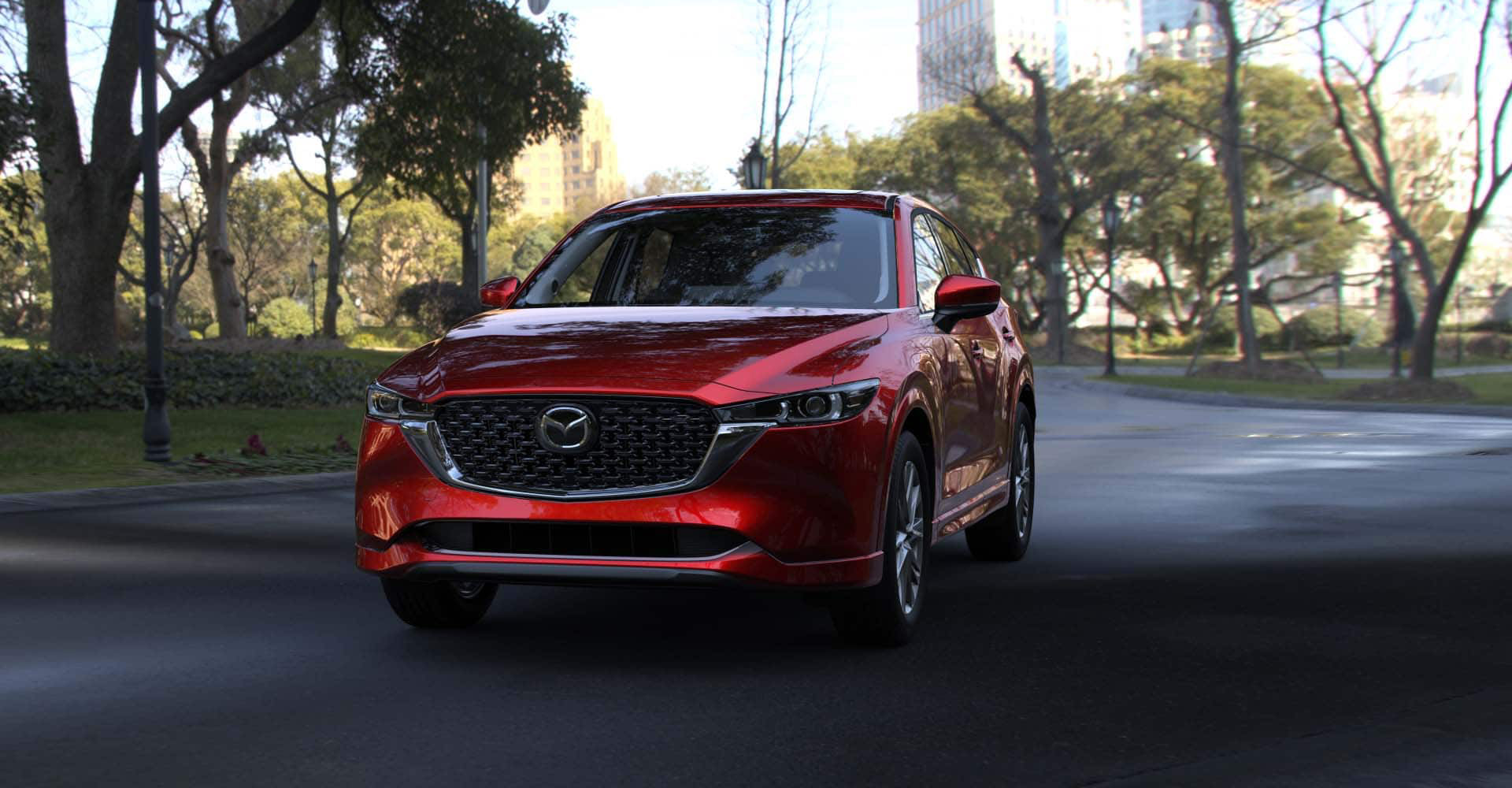
The Mazda CX‑5’s design philosophy integrates a wide greenhouse and thin, high‑strength pillars to enable a comprehensive visual field that supports effective driver awareness in diverse driving situations. Mazda’s approach emphasizes a driver‑centric cockpit where external visibility is considered integral to the driving experience, resulting in carefully proportioned side and rear glass that maintain continuity of sightlines.
The seating position is calibrated to align the driver’s eye point with the broadest field of view obtainable within the vehicle’s dimensional constraints, facilitating direct line‑of‑sight checks without excessive head rotation. Moreover, mirror geometry and placement are optimized to work in harmony with the cabin’s glass architecture, providing accurate peripheral monitoring capabilities.
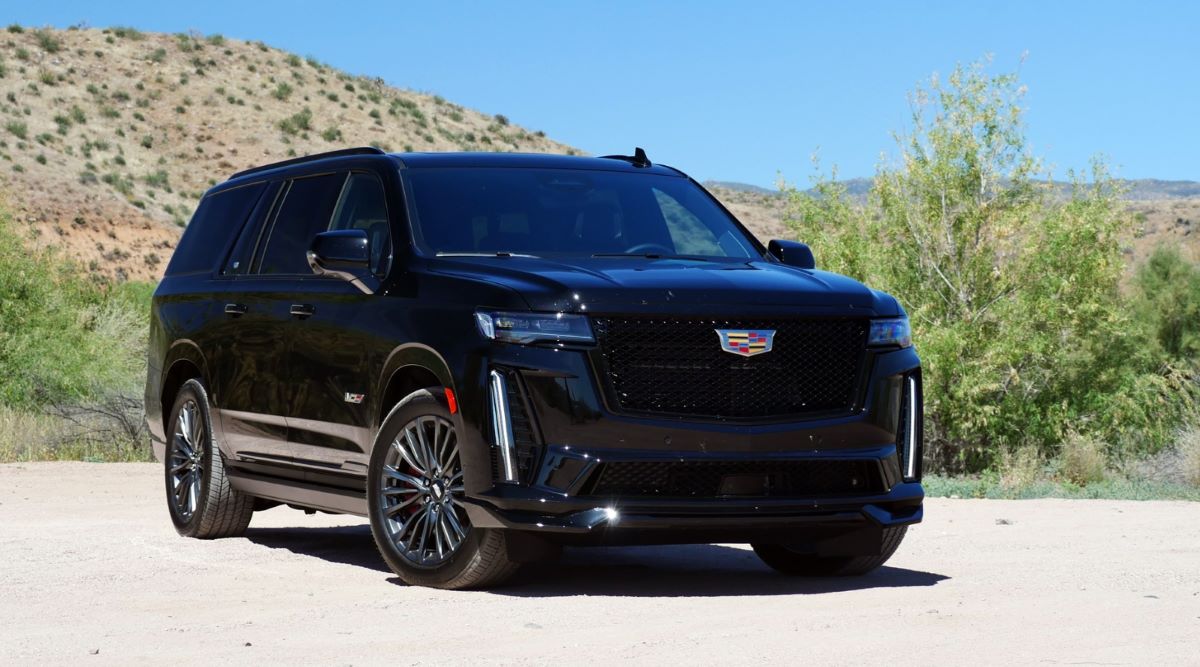
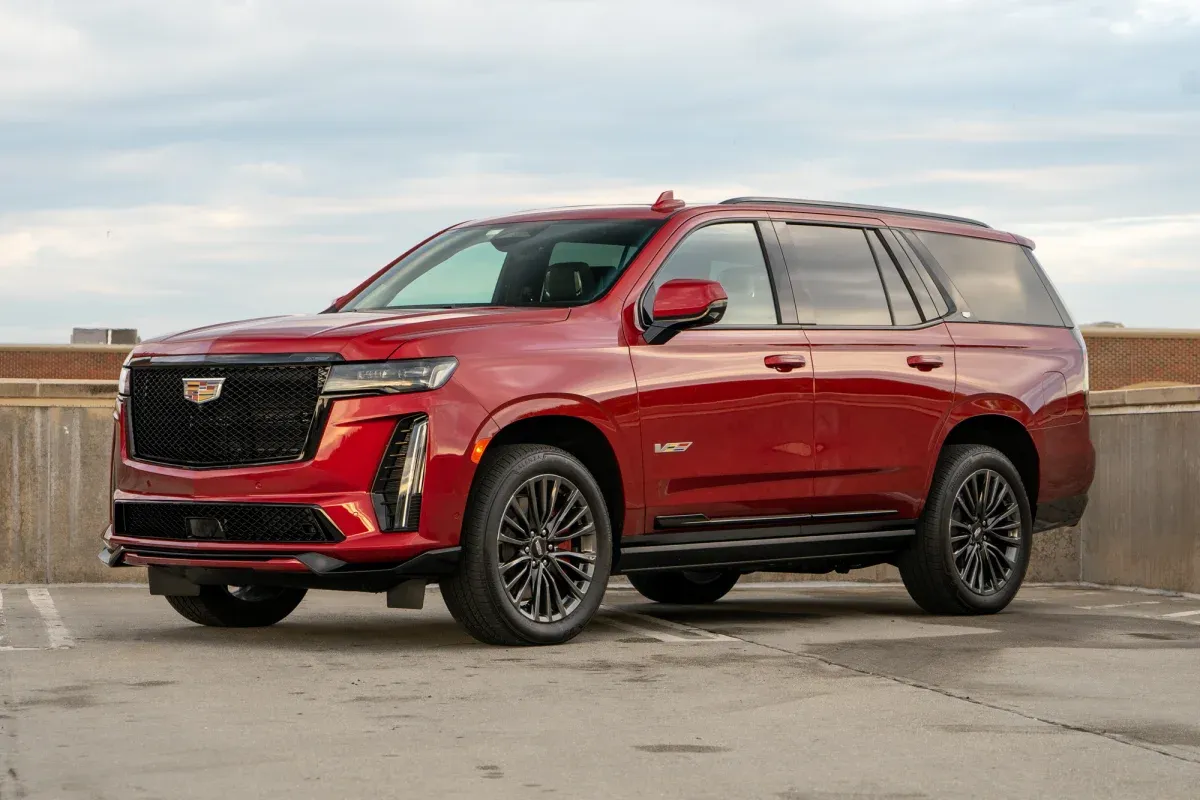
In contrast, the Cadillac Escalade represents a full‑size SUV where imposing body dimensions and thick structural pillars create extensive blind zones that challenge driver awareness, particularly in urban contexts with tight traffic flow.
The Escalade’s high beltline and small rear quarter windows significantly reduce the amount of transparent surface area available for lateral observation, and combined with substantial C pillars, result in large sightline occlusions.
While advanced detection systems, panoramic cameras, and ultrasonic sensors are incorporated to address these limitations, they serve as compensatory mechanisms for fundamental visibility deficits rather than enhancements to an already strong baseline.
Drivers of large full‑size SUVs like the Escalade must constantly integrate information from indirect sources, which increases dependence on technology and may delay critical visual judgments during dynamic maneuvers.
Technical evaluation of the CX‑5 reveals that its glass‑to‑body ratio and pillar geometry produce quantifiable lateral fields of view that exceed the normative thresholds established for effective blind zone reduction. The construction of the pillars from high tensile materials allows Mazda to maintain structural integrity without resorting to excessive cross‑sections that impede sightlines.
When combined with ergonomic seating design and well‑calibrated mirror systems, the CX‑5 provides a holistic visibility environment that reduces reliance on supplemental aids for routine lateral checks. This design framework exemplifies how fundamental visibility metrics can be integrated into a cohesive safety strategy.
Conversely, the Escalade’s large physical footprint inherently increases blind spot volumes, with structural components that occlude significant portions of adjacent lanes when viewed purely from driver sightlines. The vehicle’s length and height further exacerbate these challenges, as the driver must account for extended vehicle extremities that are not visible through direct line of sight.
Although Cadillac’s suite of detection technologies offers valuable input, they operate reactively based on sensor data rather than proactively by providing immediate visual confirmation. Thus, the Escalade’s visibility profile underscores the necessity of prioritizing direct sightlines during the design process to minimize heavy reliance on electronic systems as a primary source of critical information.