Urban driving presents challenges that often go unnoticed by those accustomed to wide-open roads. One of the most frequent difficulties is parking in busy city environments, where space is limited and maneuverability is essential.
Drivers must consider not only the length and width of a vehicle but also how easily it can turn, fit into tight spots, and navigate narrow streets. A car’s turning radius becomes a significant factor in these situations, influencing how comfortably it can handle sharp corners, parallel parking, and confined parking garages.
City life demands vehicles that offer both convenience and efficiency in tight quarters. Small, compact cars often excel in urban settings because they require less space to perform maneuvers, making them ideal for crowded streets and limited parking lots.
Their size allows for greater confidence when reversing into narrow spots, and their steering systems are often tuned to respond quickly to small adjustments. On the other hand, larger vehicles or those designed for highways and open roads may present challenges in city driving due to their longer turning radius and bulkier frame.
Understanding the difference between cars that are easy to park and those with huge turning radii can help prospective buyers make informed decisions. Factors such as wheelbase, length, steering responsiveness, and vehicle design all contribute to parking ease.
While compact cars and certain crossovers are generally more adaptable to urban environments, trucks, full-size SUVs, and some luxury vehicles often struggle in tight spaces. Awareness of these traits ensures drivers can choose vehicles that suit their daily needs and reduce stress during city commutes.
Additionally, urban parking scenarios are evolving with increased population density and the growth of ride-sharing, delivery, and micro-mobility options. Drivers often face parallel parking challenges on narrow streets, angled parking in busy lots, and maneuvering through congested intersections.
Vehicles with tight turning capabilities provide an advantage in these scenarios, enabling drivers to complete tasks more efficiently and safely. Meanwhile, cars with large turning radii can become cumbersome, requiring multiple adjustments and heightening the risk of minor collisions.
Choosing the right vehicle for city living involves balancing personal preference, lifestyle, and practicality. While some drivers prioritize interior space and luxury, others focus on convenience, agility, and ease of parking.
By comparing cars that excel in tight spaces to those that demand more maneuvering room, individuals can better assess which vehicles will make urban driving less stressful. The following sections examine five cars that are particularly easy to park in city settings and five that have larger turning radii, illustrating the key differences between them.
5 Cars That Are Easy to Park in Cities
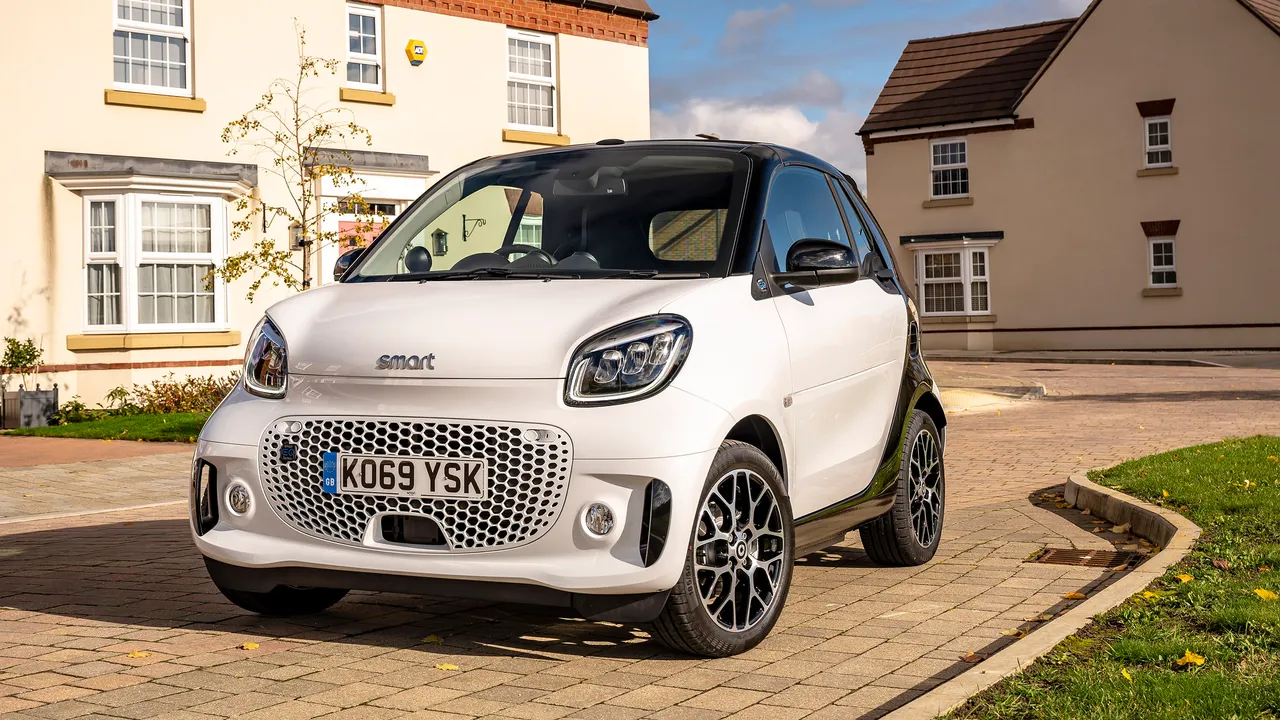
1. Smart Fortwo
The Smart Fortwo is a tiny city car designed specifically for urban environments. Its extremely short length allows drivers to slip into parking spaces that would be impossible for larger vehicles. The car’s narrow frame makes navigating tight streets simple, and it can even park perpendicularly in some diagonal spaces. Steering is responsive, giving drivers precision in tight maneuvers.
Despite its small size, the Smart Fortwo provides a surprisingly comfortable interior for two occupants. The seats are positioned high enough to offer good visibility, which helps in spotting obstacles while parking. Its compact dimensions reduce blind spots, enhancing safety in congested areas. The vehicle also has a low turning radius, allowing for effortless U-turns and tight cornering.
Fuel efficiency is another benefit, making it practical for city commutes. The Fortwo’s lightweight design ensures that braking and acceleration remain manageable, even in heavy traffic.
Drivers can easily navigate crowded streets without feeling overwhelmed by the car’s presence. This combination of size and control contributes to its reputation as one of the easiest cars to park in urban areas.
Technology features further aid parking convenience. Many models include rear sensors or optional rearview cameras, making parallel parking almost effortless. The small dimensions mean that even if a space seems tight, the car can usually fit with a little adjustment. Its simplicity and maneuverability make it highly favored among city dwellers.
Finally, the Smart Fortwo stands out in areas where parking is at a premium. Its compactness allows owners to exploit small gaps that larger vehicles cannot use. For those frequently traveling in crowded downtown districts, it offers a combination of efficiency, agility, and minimal stress during parking.
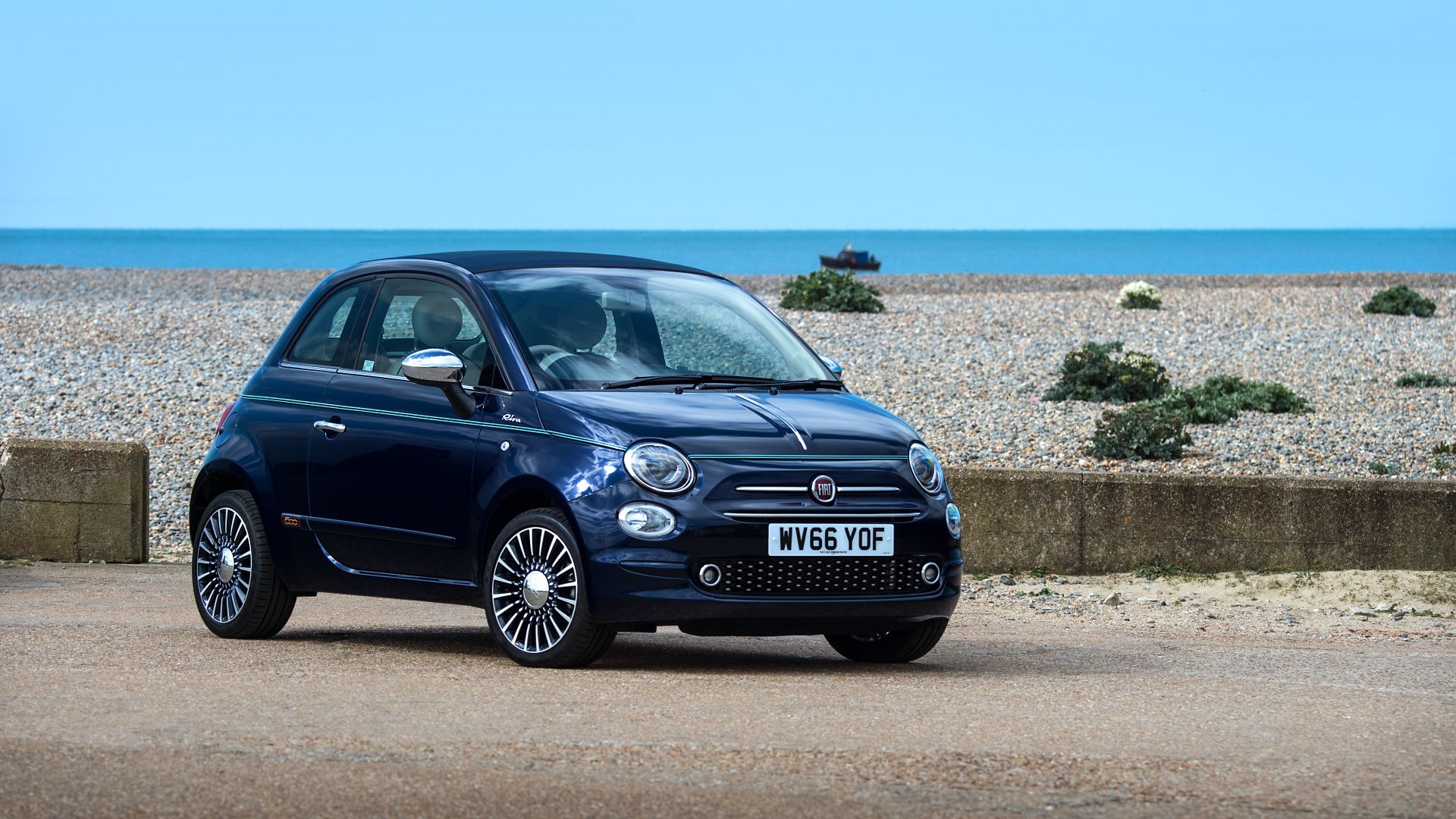
2. Fiat 500
The Fiat 500 combines retro style with practical city driving capabilities. Its short wheelbase and narrow width make it easy to maneuver through dense urban streets. Parking is simple due to its compact design, which allows drivers to take advantage of small spaces. The steering is light and responsive, improving control in tight areas.
Inside, the Fiat 500 feels surprisingly spacious for its size. Smart interior design maximizes legroom and storage while keeping the footprint minimal. Visibility is generally good, making it easier to judge distances while parking. The small turning radius ensures smooth cornering and easy alignment in restricted spaces.
Fuel economy complements its city-friendly design. The car handles stop-and-go traffic efficiently, allowing drivers to spend less time worrying about consumption while navigating crowded streets. This efficiency, combined with the compact size, reinforces its suitability for urban use.
Parking assistance features, like rear sensors and optional cameras, make parallel parking manageable. Even less experienced drivers can comfortably navigate tricky spots without repeated attempts. Its agility is a defining feature, providing confidence in busy environments.
The Fiat 500’s combination of style and functionality makes it appealing to drivers who value both appearance and practicality. Its compact size, efficient steering, and small turning radius place it among the most convenient vehicles for city parking.
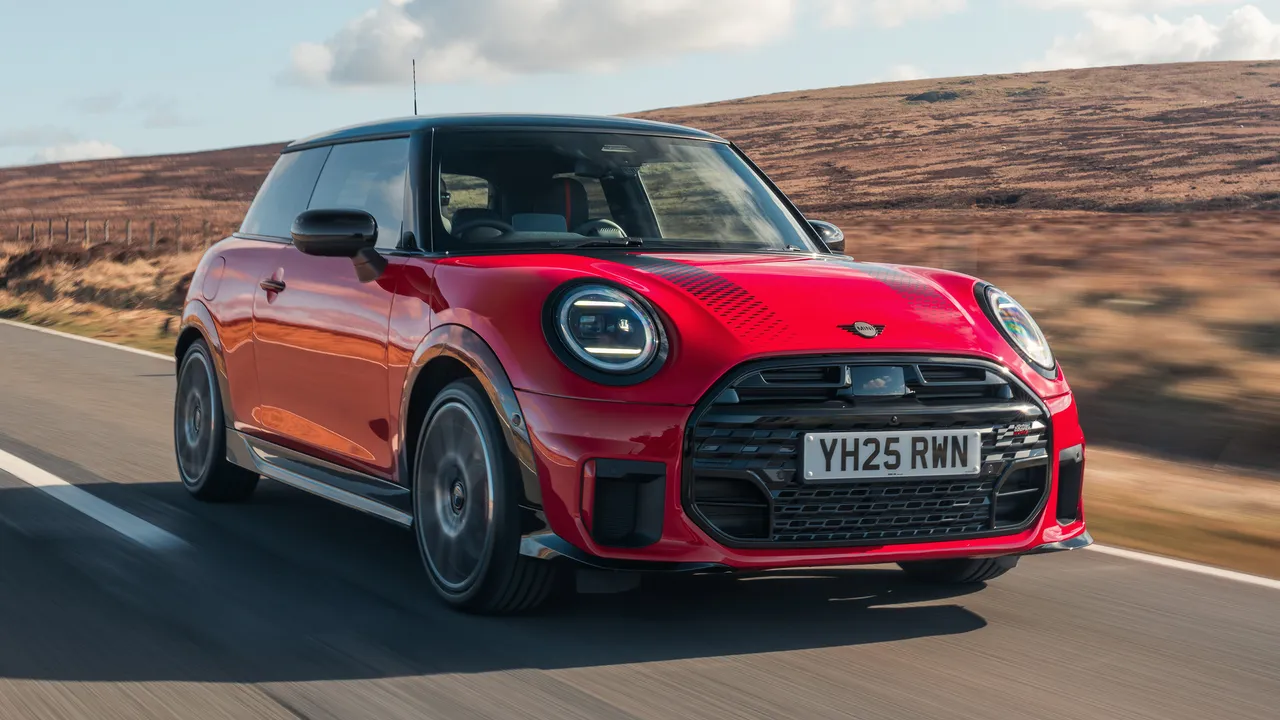
3. MINI Cooper
The MINI Cooper is another vehicle celebrated for its urban maneuverability. Compact dimensions and responsive steering allow drivers to navigate narrow streets with ease. Parallel parking is straightforward due to its short length and small turning circle. Its iconic design is coupled with engineering aimed at maximizing agility in tight spaces.
Interior space is well-utilized despite the small exterior size. Comfortable seating and clear visibility assist drivers in judging distances during parking. The car’s size allows for multiple parking options that larger vehicles cannot exploit. Its nimble handling ensures confidence when turning sharply or reversing.
MINI Coopers are also practical for daily commuting. They handle traffic jams efficiently and require minimal effort to reposition in crowded lots. The car’s suspension and steering setup enhance control in tight corners, reducing stress during city driving.
Advanced features like parking sensors and cameras further enhance its convenience. Drivers can park in challenging spots with minimal adjustments. The combination of technology and natural maneuverability makes the MINI Cooper a favorite for city dwellers.
The MINI Cooper blends performance, design, and ease of parking. Its small size, tight turning radius, and responsive steering make it one of the most user-friendly vehicles for urban environments.
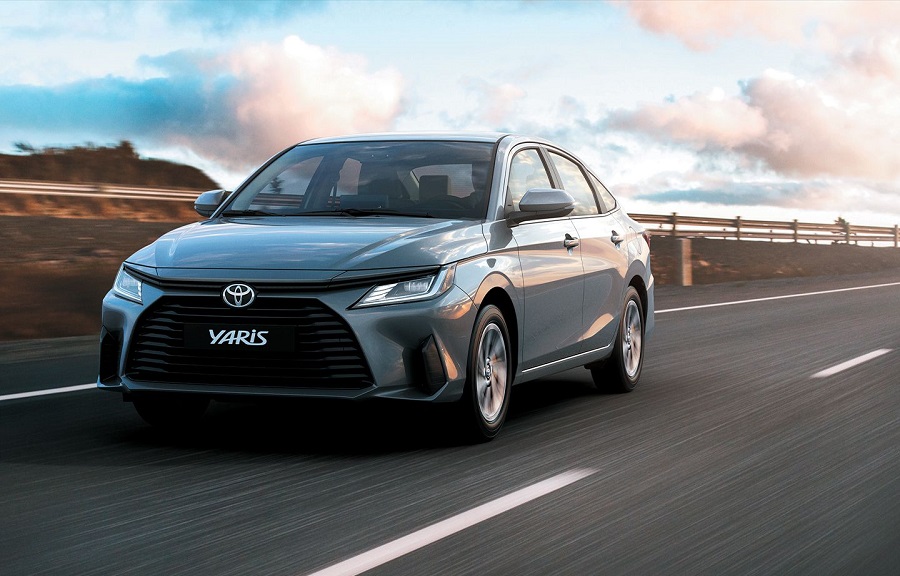
4. Toyota Yaris
The Toyota Yaris is a subcompact car with excellent city driving attributes. Its short wheelbase makes turning in tight areas simple, and its narrow body allows for efficient use of limited parking spaces. Steering is precise and light, giving drivers confidence when maneuvering in crowded streets.
The interior is thoughtfully designed to maximize comfort and functionality. Visibility from the driver’s seat is sufficient for parking, and the compact dimensions reduce blind spots. Rearview cameras and sensors improve accuracy when backing into spaces.
Fuel efficiency adds to the Yaris’s appeal for urban commuters. Frequent stops, traffic lights, and slow-moving traffic are handled efficiently without sacrificing responsiveness. Its small turning radius ensures it can navigate tight corners without multiple adjustments.
The Yaris’s practicality extends to both small streets and parking lots. Drivers can easily position the car in tight spaces, making it a convenient option for daily city driving. Its reliability and ease of use reinforce its status as a practical urban vehicle.
With its combination of maneuverability, technology, and efficiency, the Toyota Yaris continues to be a strong choice for those prioritizing ease of parking. Its compact dimensions and responsive handling make city driving manageable.
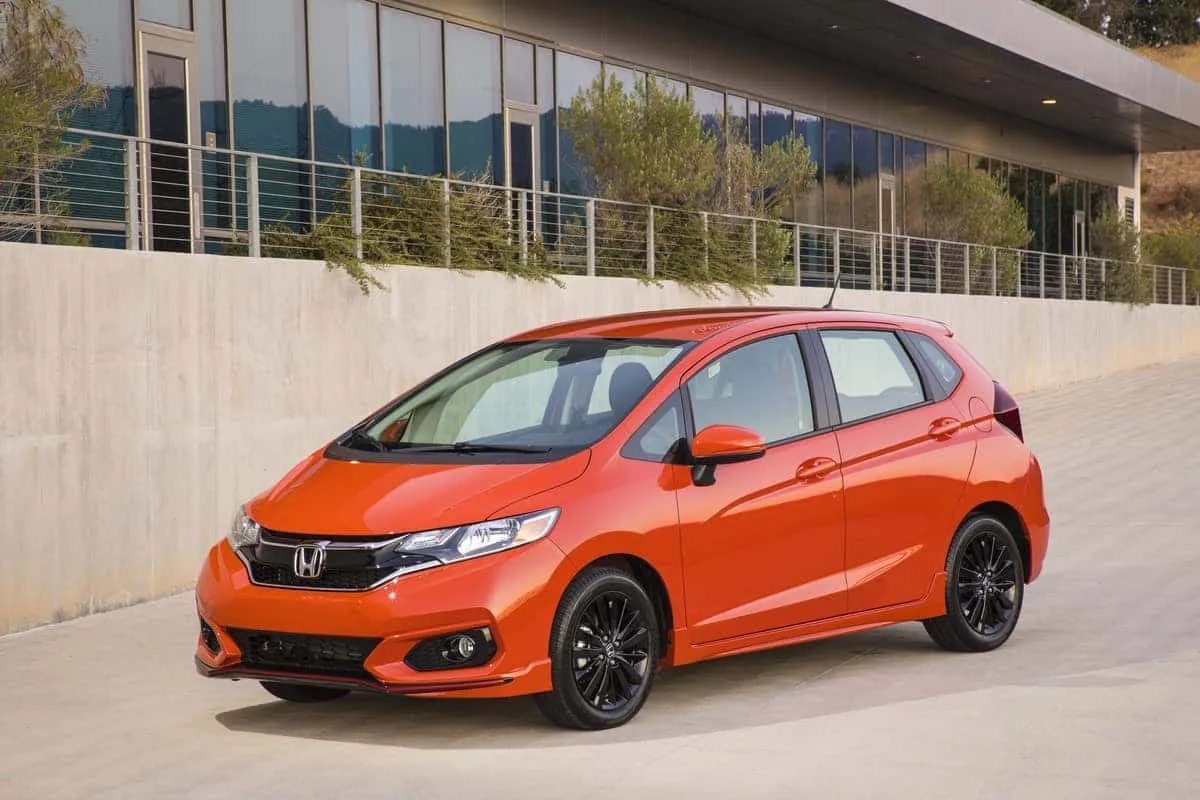
5. Honda Fit
The Honda Fit is a versatile subcompact car designed for tight urban spaces. Its compact size allows drivers to slip into narrow parking spots with minimal effort. Steering is light, and the car responds predictably to inputs, making maneuvers precise and straightforward. Its small turning radius improves accessibility in crowded streets.
Inside, the Honda Fit offers flexible seating and cargo arrangements. Visibility is generally good, helping drivers monitor surrounding vehicles during parking. Its design emphasizes efficiency and ease of use in urban driving scenarios.
Fuel efficiency and reliability make it practical for daily commuting. The car handles frequent stops and slow-moving traffic with ease, allowing drivers to remain confident in congested areas. Its agility is enhanced by its compact dimensions and responsive steering.
Advanced features such as rearview cameras and parking sensors help navigate tricky spaces. The car can fit into spots that many larger vehicles cannot access, reducing parking stress. Its reputation as a practical city car is well-earned.
The Honda Fit combines versatility, reliability, and maneuverability. Its compact size and small turning radius make it ideal for urban parking, offering a balance of practicality and comfort for city drivers.
5 Cars With Huge Turning Radii
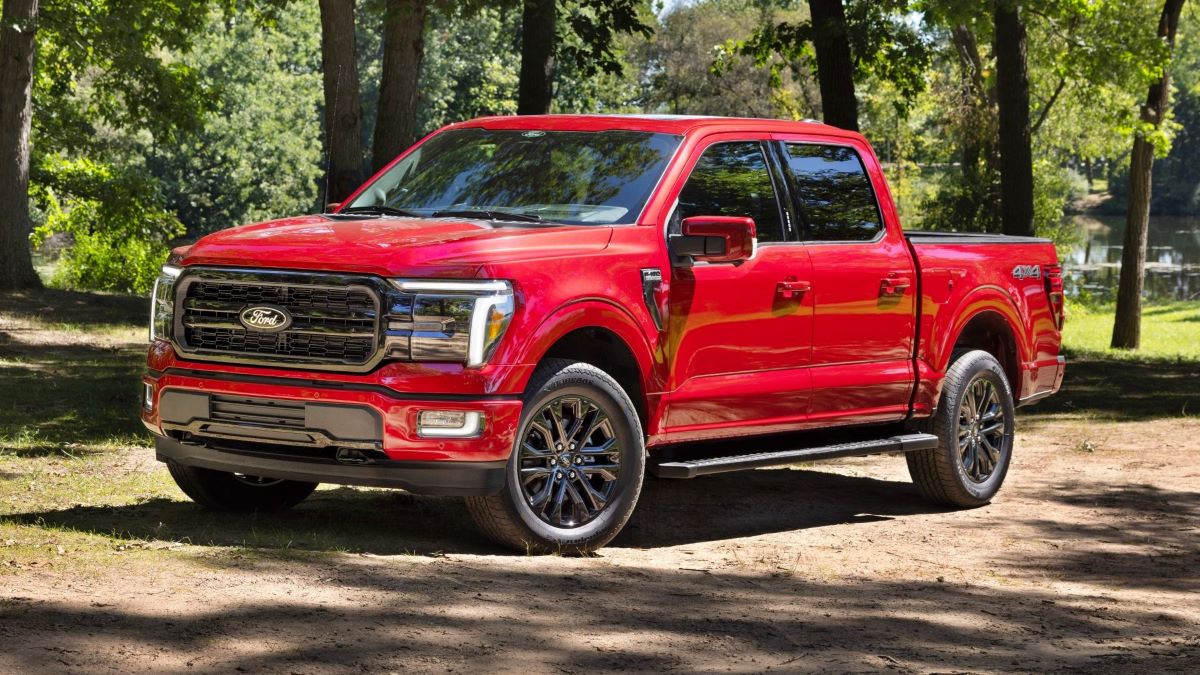
1. Ford F-150
The Ford F-150 is a full-size pickup truck that excels in hauling and towing but is challenging in tight spaces. Its long wheelbase contributes to a large turning radius, making sharp turns difficult in urban environments. Parking requires significant space, and multiple adjustments are often necessary. Its size can overwhelm city streets, especially narrow lanes.
Despite the challenges, the F-150 offers excellent interior comfort and utility. Large cargo capacity and passenger space make it ideal for long trips or heavy-duty tasks. However, these attributes make it less convenient for parallel parking or maneuvering in confined lots. Its handling in urban traffic is slower and more cumbersome compared to smaller vehicles.
Visibility from the driver’s seat is high, but the long body creates blind spots near the rear corners. Drivers must be cautious when reversing or turning into tight areas. Sensors and cameras help, but the physical size of the vehicle remains a limiting factor.
Fuel efficiency is lower than most city-focused cars, adding to the inconvenience in stop-and-go traffic. Acceleration and braking require more distance, which can be challenging in crowded streets. Maneuverability is sacrificed in favor of utility and power.
The F-150 is better suited for open roads and suburban environments. Its turning radius limits its practicality in dense urban areas, highlighting the trade-off between capability and maneuverability. Drivers need to plan parking carefully.
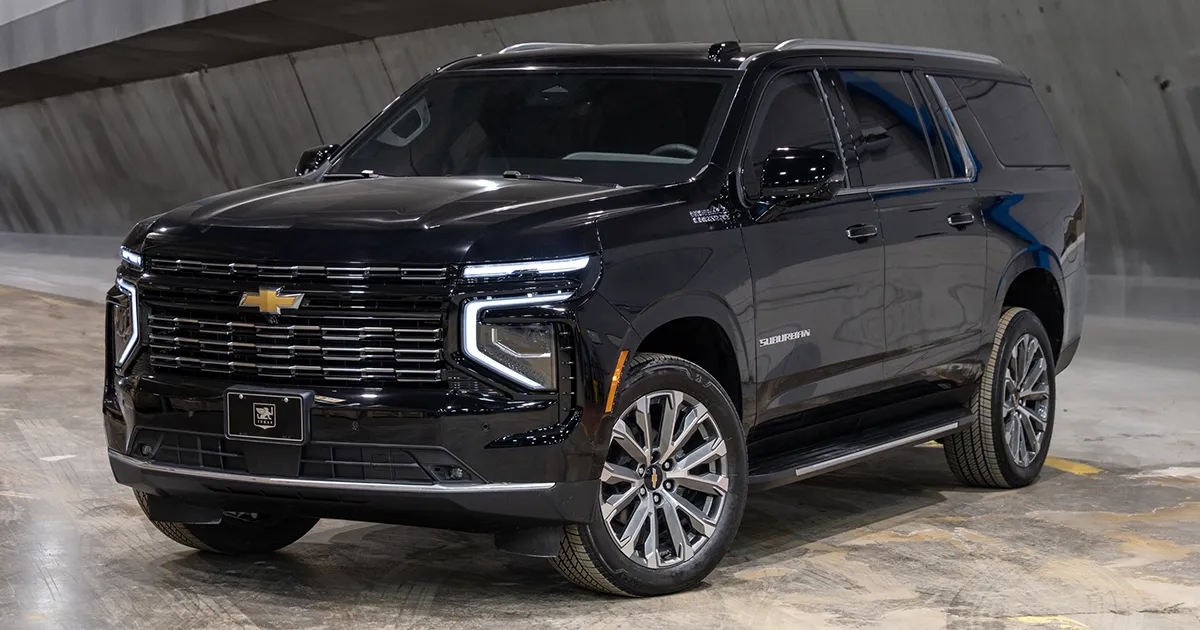
2. Chevrolet Suburban
The Chevrolet Suburban is a large SUV designed for space and long-distance comfort. Its extended wheelbase results in a huge turning radius, making tight city turns cumbersome. Parallel parking requires significant skill and effort. The vehicle’s sheer size can intimidate drivers in congested areas.
Interior space is impressive, with seating for up to nine passengers. Cargo room is extensive, supporting travel and family needs. However, the bulk of the vehicle reduces agility, especially on narrow streets or small parking lots. Turning maneuvers take more space and planning.
Blind spots are more pronounced than in compact cars. Even with modern safety technology, the large body requires constant attention to nearby obstacles. Maneuvering in crowded urban environments can be stressful and time-consuming.
Fuel consumption is high, especially in city traffic. Slow acceleration and long stopping distances make city driving less efficient. While the Suburban excels in comfort, it is not optimized for tight urban streets.
This SUV is ideal for highways, rural roads, and suburban settings. Its turning radius and length make city parking challenging, requiring careful consideration before choosing it as a daily urban driver.
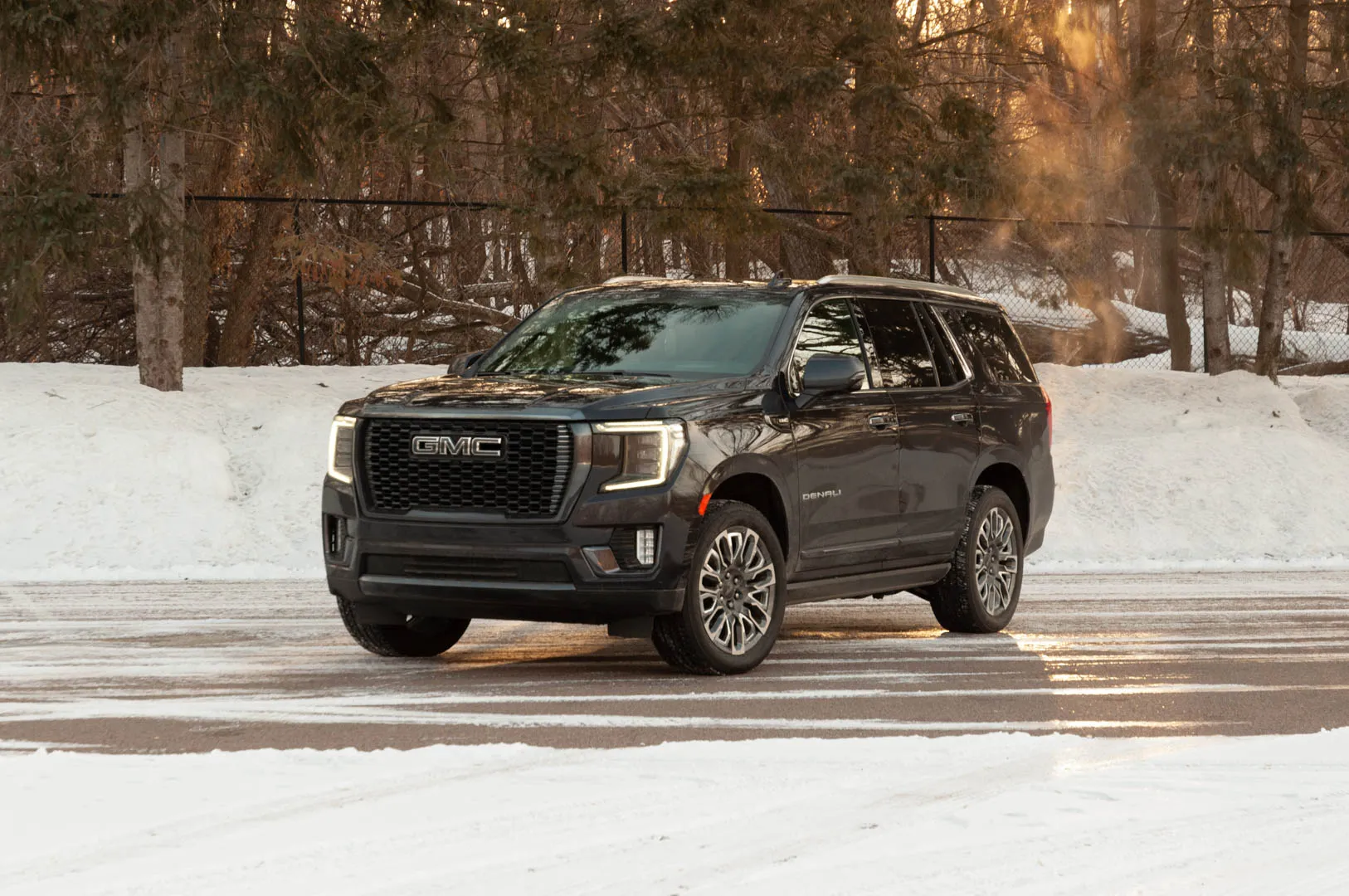
3. GMC Yukon XL
The GMC Yukon XL is another full-size SUV with a massive footprint. Its long wheelbase contributes to a large turning radius, complicating maneuvers in tight areas. Parallel parking and sharp turns demand extra caution and precision. Crowded streets can feel restrictive for this vehicle.
Interior amenities are focused on comfort and utility. Large seating capacity and cargo space make it suitable for family trips. However, these features increase the difficulty of handling in urban scenarios. The vehicle requires more space to execute standard maneuvers.
Visibility is good from the front, but rear corners are difficult to monitor without technology. Drivers often need assistance from cameras and sensors to park safely. Tight turns require multiple adjustments.
Fuel economy is lower than that of compact cars, which can be noticeable in stop-and-go traffic. Braking and acceleration need to be planned carefully, especially in congested city streets. Its agility is limited compared to smaller vehicles.
The Yukon XL performs best in spacious environments rather than dense city streets. Its large turning radius restricts flexibility, emphasizing the difference between urban-friendly cars and vehicles designed for open roads.
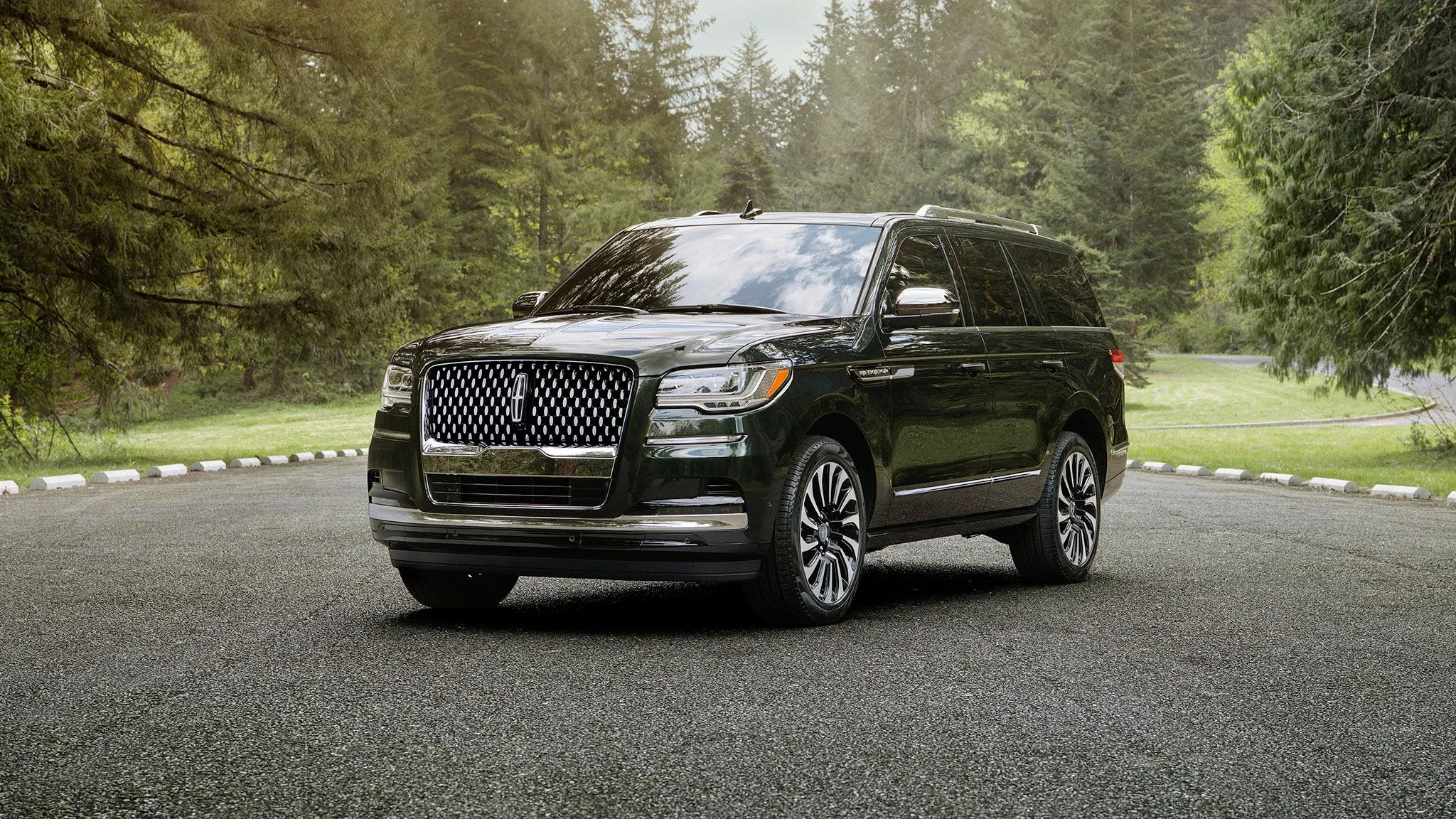
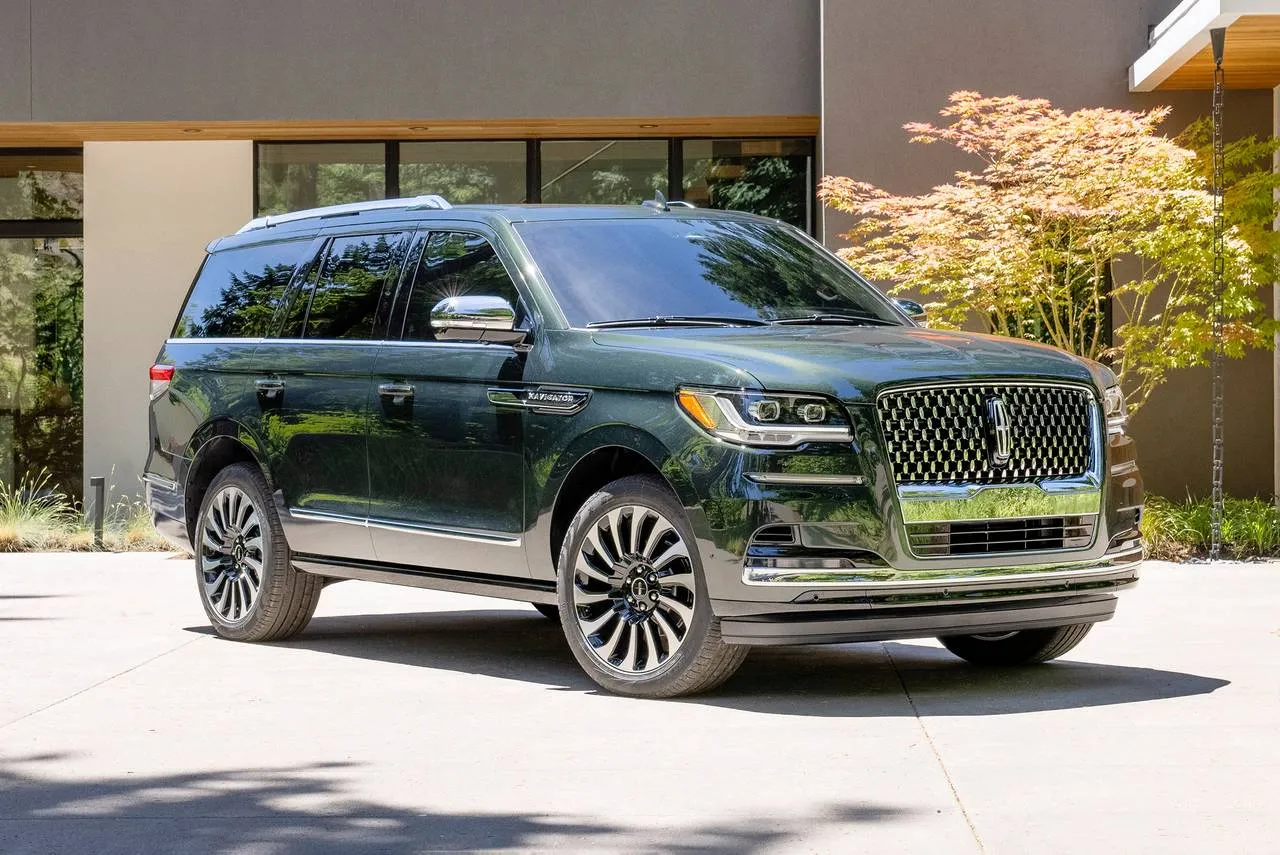
4. Lincoln Navigator
The Lincoln Navigator combines luxury with size, resulting in a significant turning radius. Its wheelbase and extended body make maneuvering in urban settings cumbersome. Parallel parking and tight corners require careful navigation. Drivers must anticipate space requirements well in advance.
The vehicle offers premium interior features, including spacious seating and advanced technology. Comfort is prioritized, but the large dimensions make city driving more challenging. Maneuverability is sacrificed for luxury and presence.
Blind spots are considerable, requiring reliance on cameras and sensors. Reversing and turning maneuvers often need multiple attempts in narrow spaces. The vehicle’s weight adds to the difficulty of precise control.
Fuel efficiency is low, and slow acceleration in traffic is noticeable. The Navigator is designed for smooth, open roads rather than congested city streets. Urban parking demands more time and caution.
Its combination of size and luxury makes it ideal for highway and suburban use. In city environments, drivers must account for the large turning radius to avoid collisions and parking difficulties.
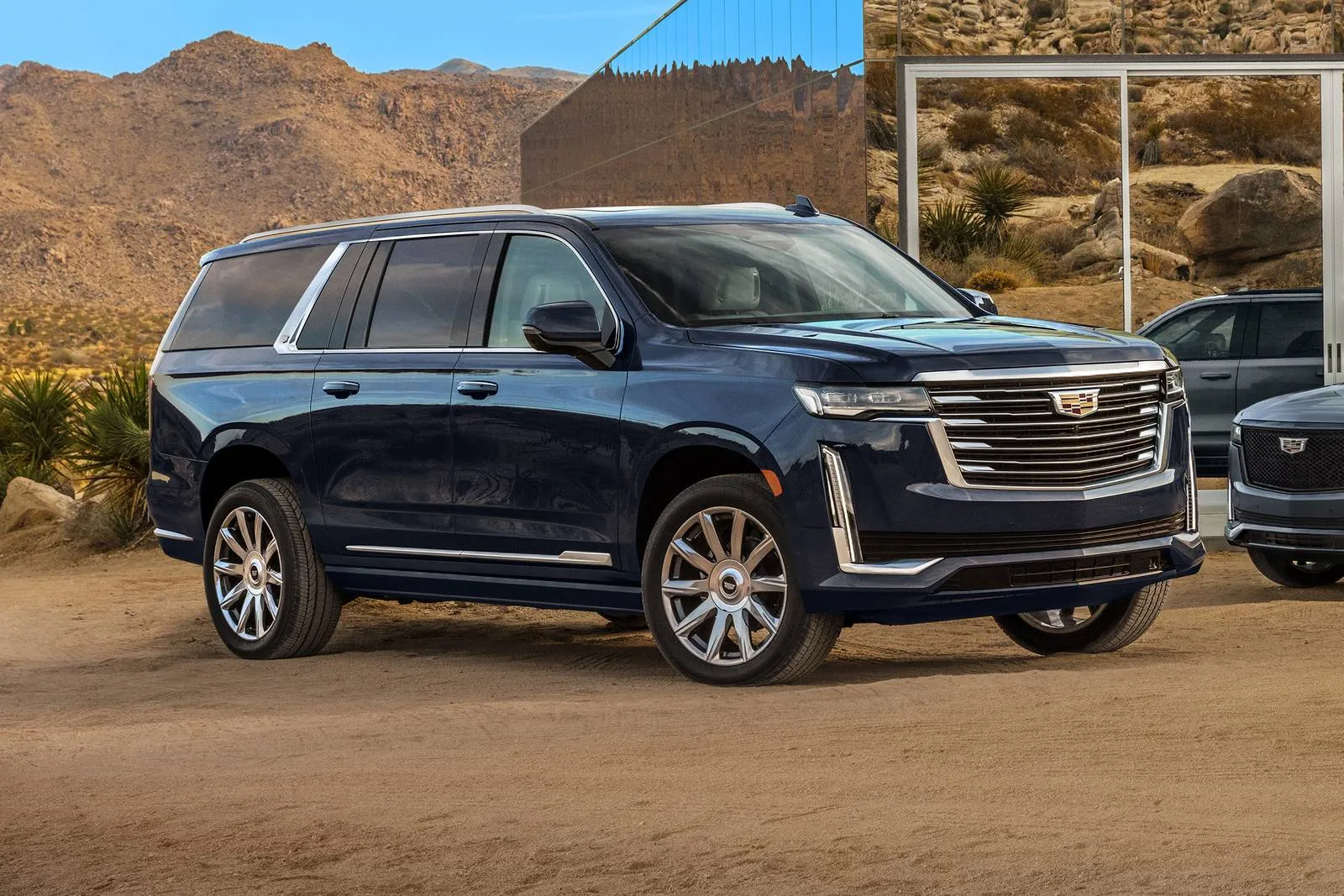
5. Cadillac Escalade ESV
The Cadillac Escalade ESV is a stretched luxury SUV with significant turning limitations. Its extended wheelbase creates a large turning radius, making urban driving less convenient. Parallel parking can be stressful, and tight spaces require careful maneuvering. Its long body challenges city streets.
Inside, the Escalade ESV provides opulent seating and storage options. The spacious cabin is ideal for passengers and cargo but makes agility secondary. Steering responsiveness is limited by the vehicle’s size, affecting precise movements in confined areas.
Blind spots are pronounced, necessitating reliance on parking sensors and cameras. Reversing maneuvers can require multiple adjustments. Drivers need awareness of the vehicle’s footprint to avoid accidents in crowded environments.
Fuel consumption is high, especially during urban commutes. Handling and braking are slower compared to compact city cars. The vehicle excels in comfort and presence but is less practical for tight streets and small parking lots.
The Escalade ESV performs best on highways and in suburban settings. Its large turning radius emphasizes the contrast between urban-friendly vehicles and those designed for space, comfort, and long-distance travel.