
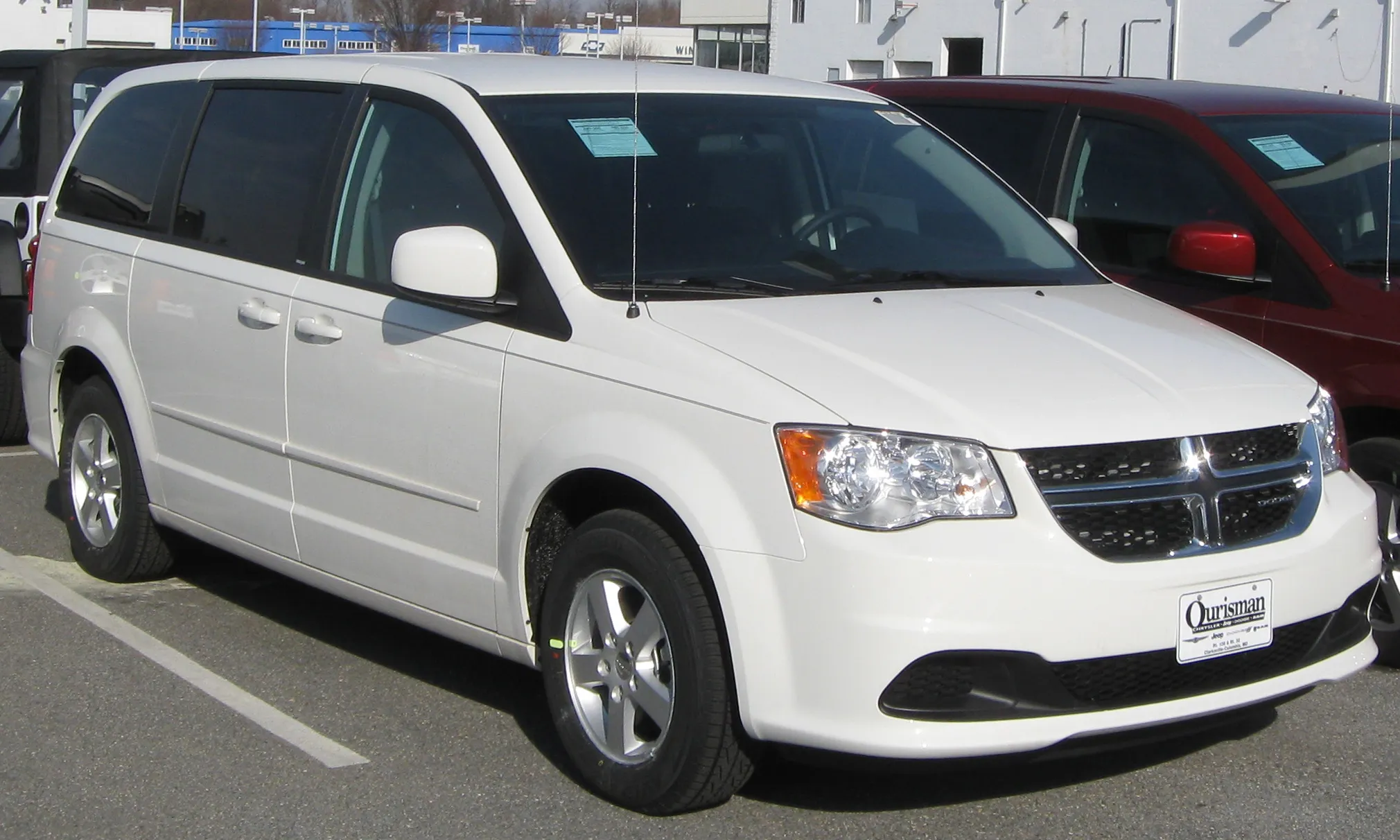
When families shop for a vehicle, emotions often influence the decision as much as logic. Many buyers are drawn toward large SUVs because they look modern and adventurous.
However, when the numbers are examined carefully, minivans often emerge as the more intelligent financial decision. They are designed specifically for family transportation, which means fewer compromises and more built in value.
A major financial advantage comes from how minivans are engineered. Instead of focusing on off road styling or oversized wheels, manufacturers invest in practical features that reduce everyday costs.
This includes efficient powertrains, practical interiors, easier access, and safety systems that help prevent expensive accidents. These advantages may not always look exciting, but they matter greatly when calculating total ownership costs.
Families also benefit from the way minivans reduce hidden expenses. Things like easier child access, better cargo organization, and comfortable long distance travel may seem like convenience features, but they often prevent situations that lead to extra spending.
Less stress on mechanical parts, fewer minor accidents, and better fuel usage all contribute to long term savings.
Another overlooked benefit is how long families tend to keep minivans. Because they are purchased for function rather than fashion, owners are more likely to use them for many years. This spreads the initial purchase cost across a longer ownership period, improving the overall financial value.
When viewed from a purely financial perspective, minivans consistently deliver strong value through efficiency, durability, and practicality. The following reasons explain why these vehicles continue to be one of the smartest financial tools a family can own, even in a market dominated by more expensive alternatives.
Also Read: 5 Hybrids With Simple Cooling Systems vs 5 With Complex Maintenance
1. Better Fuel Efficiency Saves Thousands Over Time
Fuel is one of the largest long term expenses of owning any vehicle. Even small differences in fuel consumption can add up to significant amounts over several years. Minivans are usually designed with aerodynamics and efficiency in mind rather than aggressive performance, which helps families control one of their most predictable expenses.
Many family vehicles spend most of their time in city driving conditions such as school drop offs, grocery trips, and office commutes. Minivans are typically tuned for this type of usage pattern.
Their engines often prioritize smooth power delivery and efficiency instead of high horsepower numbers. This engineering philosophy reduces fuel waste during stop and go driving.
Another financial advantage comes from the fact that many minivans now use hybrid technology or highly optimized transmissions. These systems reduce fuel consumption without requiring major changes in driving habits. Families benefit automatically without needing to learn new charging routines or maintenance procedures.
Over a five to ten year ownership period, better fuel efficiency can result in substantial savings. When calculated monthly, the difference may not seem dramatic. However, when multiplied across years of ownership, the savings can equal several months of loan payments or cover major maintenance expenses.
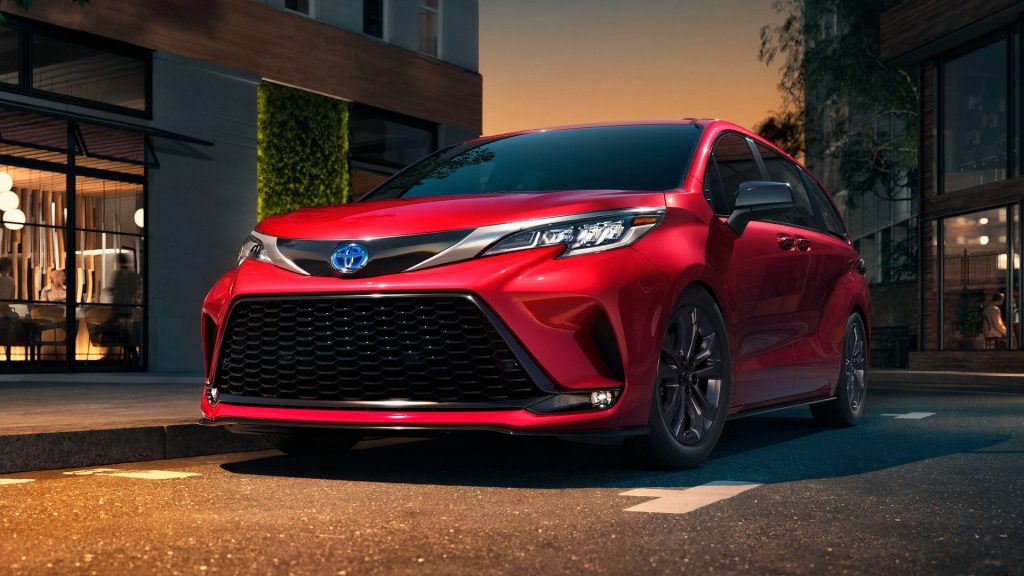
This is why financially focused buyers often prioritize efficiency over image. A vehicle that quietly reduces operating expenses every week can be more valuable than one that simply looks impressive. In the long run, fuel savings remain one of the most consistent and reliable financial advantages of choosing a minivan.
2. Lower Insurance Costs Due to Family Focused Design
Insurance costs are rarely the first thing buyers think about, but they play a major role in the real cost of ownership. Minivans often benefit from lower insurance premiums because they are statistically associated with safer driving behavior and lower accident severity compared to performance oriented vehicles.
Insurance companies calculate risk based on historical data. Vehicles that are typically driven by families tend to be involved in fewer high speed incidents. This lowers the risk profile of minivans, which can translate into more affordable premiums compared to larger SUVs or vehicles with sport oriented reputations.
Another factor that helps is safety technology. Minivans frequently include advanced driver assistance features as standard equipment. Automatic braking, blind spot monitoring, lane assistance, and adaptive cruise systems reduce accident probability. Insurance providers often reward these safety features through discounts.
Repair costs also play a role. Because minivans are built with practicality in mind, parts are often easier to access and replace compared to complex luxury SUVs. Lower repair complexity can help control claim costs, which also helps keep insurance rates manageable.
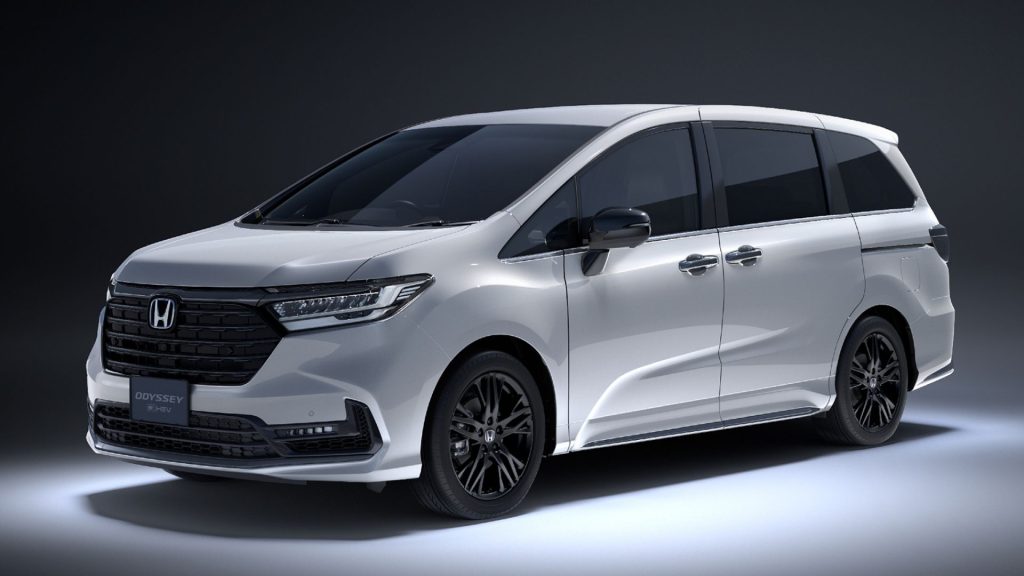
From a budgeting perspective, predictable insurance costs make financial planning easier. Families already manage many recurring expenses such as education, housing, and healthcare. A vehicle that avoids sudden increases in insurance expenses contributes to financial stability.
When these factors are combined, minivans often become one of the safer financial bets in terms of insurance spending. Over years of ownership, even modest monthly savings can add up to meaningful financial advantages.
3. Lower Maintenance Costs Because of Proven Engineering
One of the biggest financial advantages of minivans comes after the purchase, when maintenance begins to matter more than the initial price. Many minivans rely on well tested mechanical components rather than complicated performance systems. This reduces the chances of unexpected repairs and keeps service routines predictable.
Manufacturers usually design these vehicles for reliability because families depend on them daily. A breakdown is not just inconvenient, it disrupts school schedules, work commutes, and important responsibilities. Because of this, automakers often prioritize durability over experimentation in this segment.
Routine servicing also tends to be straightforward. Oil changes, brake replacements, and tire rotations are usually simple procedures on minivans because accessibility is considered during the design stage. This can reduce labor time, which directly lowers service bills compared to vehicles with tightly packed engine compartments.
Parts availability is another financial advantage. Since many minivans share components with other high production vehicles, replacement parts are often widely available and reasonably priced. Owners usually do not face the premium pricing that sometimes comes with niche or luxury vehicles.
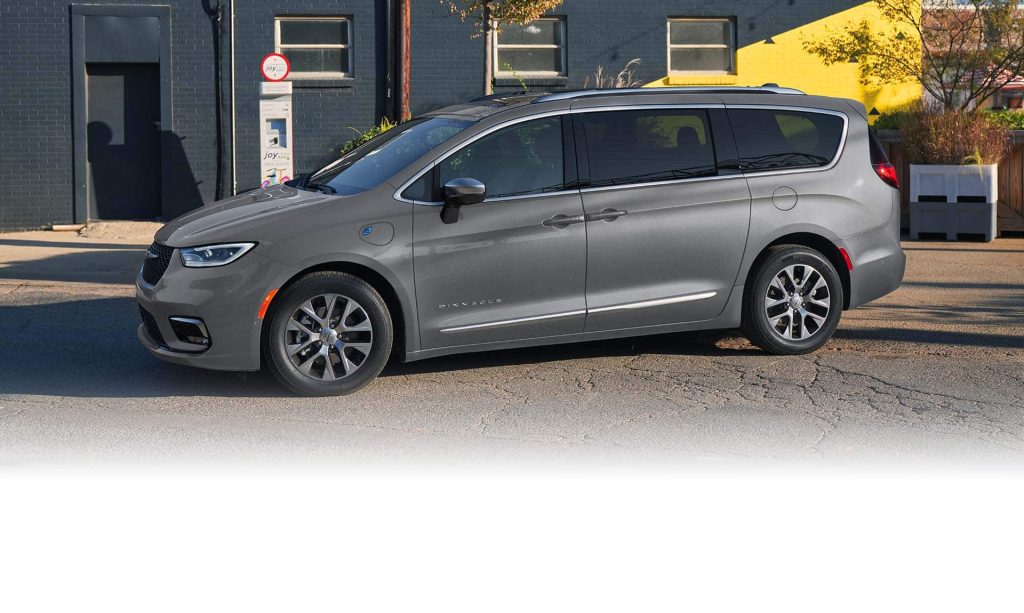
Over time, predictable maintenance becomes a major budgeting advantage. Instead of worrying about sudden expensive failures, families can plan regular servicing as part of normal expenses. Financial stability often comes from avoiding surprises, and minivans tend to support this principle.
This combination of durability, practical engineering, and manageable servicing costs makes minivans appealing to buyers who think beyond the purchase price. The real savings often appear during years of ownership rather than on the day of purchase.
4. Sliding Doors Help Prevent Expensive Parking Lot Damage
A feature many people underestimate is the sliding door. At first glance it may seem like a convenience feature, but financially it can prevent one of the most common types of vehicle damage. Tight parking spaces are responsible for countless small dents and scratches that slowly reduce vehicle value.
Traditional doors swing outward and require significant clearance. Children especially may open doors without judging distance properly. This often leads to accidental contact with nearby vehicles, walls, or pillars. Each small impact may seem minor but repairs can become costly over time.
Sliding doors move along a track instead of outward. This design almost eliminates the risk of door edge impacts. Parents do not need to constantly remind children to open doors carefully, which reduces daily stress and accidental damage risks.
Another hidden benefit is easier entry in crowded urban areas. Whether parked at a shopping center or a school pickup zone, sliding doors allow passengers to enter and exit without requiring extra space. This reduces the likelihood of rushed movements that cause scratches or mirror damage.
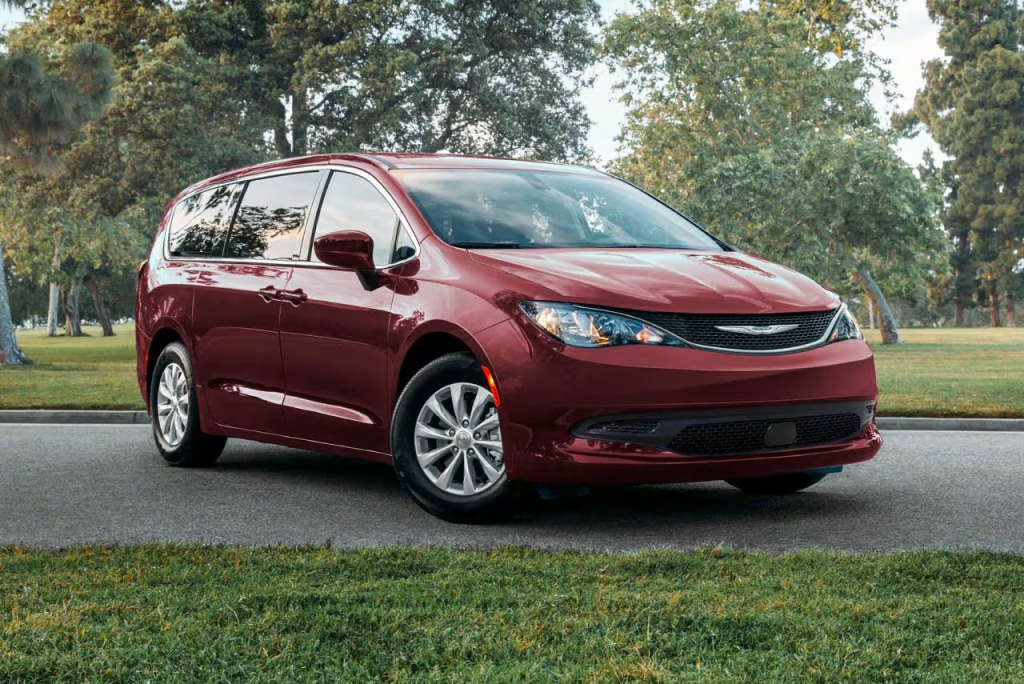
Financially, avoiding even two or three minor body repairs can save a significant amount during ownership. Paint correction and dent removal are rarely cheap, especially when modern paint finishes are involved. Preventing damage is always cheaper than repairing it.
This is a good example of how practical design translates into financial value. A feature created for convenience ends up protecting the owner’s wallet just as much as it protects the vehicle’s body.
5. Strong Resale Value Due to Consistent Family Demand
Not every financial benefit appears during ownership. Some of the biggest advantages show up when it is time to sell or trade the vehicle. Minivans often maintain solid resale value because there is always a steady demand from growing families looking for practical transportation.
Unlike trend driven vehicles that lose appeal when styles change, minivans serve a permanent purpose. Families will always need vehicles that can carry multiple passengers comfortably. Because of this, demand tends to remain stable rather than fluctuating with fashion trends.
Buyers in the used market often look for vehicles that already proved their reliability. Minivans usually attract these buyers because they are known for long term usability. A well maintained family vehicle can therefore attract serious buyers quickly, which helps sellers avoid heavy price reductions.
Another reason resale values remain stable is practicality. Features such as flexible seating, large cargo areas, and easy access make these vehicles useful even after many years. Function does not become outdated as quickly as styling trends, which protects long term value.
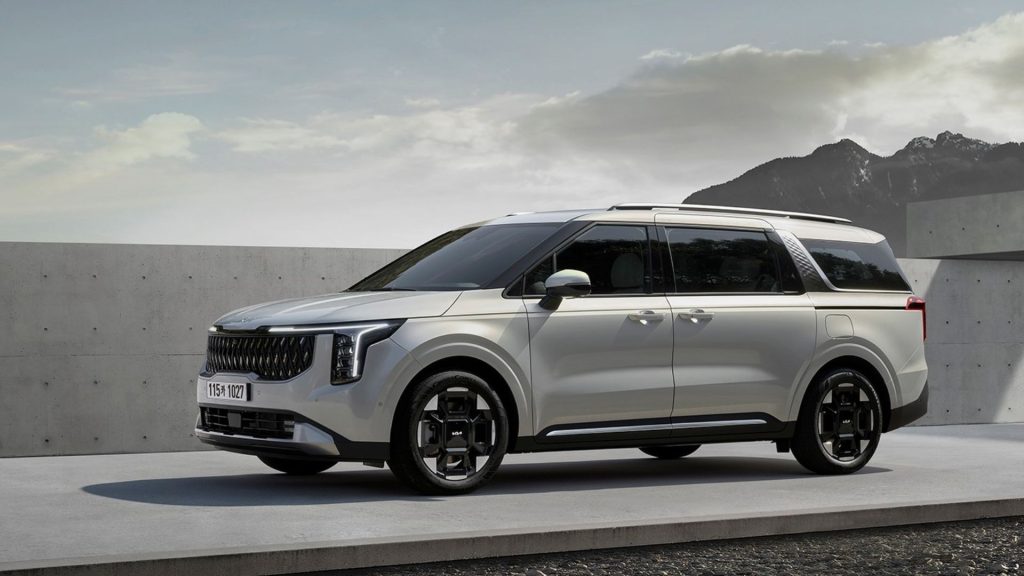
Depreciation affects every vehicle, but some lose value faster than others. Vehicles purchased mainly for appearance often suffer the most. Minivans, on the other hand, are usually purchased for purpose. This difference helps them maintain relevance in the second hand market.
From a financial planning perspective, a vehicle that holds its value better reduces total ownership cost. When the time comes to upgrade, the owner may recover a larger portion of the original investment. This makes minivans a more strategic purchase for families thinking about long term financial efficiency.
6. Multi Purpose Design Eliminates the Need for a Second Vehicle
A hidden financial advantage of minivans is their ability to replace multiple vehicle roles. Instead of owning one vehicle for passengers and another for cargo or travel, many families find that a single minivan can handle nearly every transportation need.
Consider the typical situations families face. School transportation during weekdays, grocery shopping on weekends, long distance travel during holidays, and occasional furniture or appliance transport. Many vehicles can handle one or two of these tasks well, but few manage all of them efficiently.
Minivans are built with adaptable interiors that can change depending on the situation. Seats can be folded, removed, or adjusted to create cargo space when needed. This flexibility can remove the need to rent larger vehicles or pay for delivery services for moderately sized items.
Travel planning also becomes simpler. Instead of taking two vehicles on family trips, everyone can travel together. This reduces fuel usage, toll expenses, and parking fees. Over multiple trips each year, these savings can become noticeable.
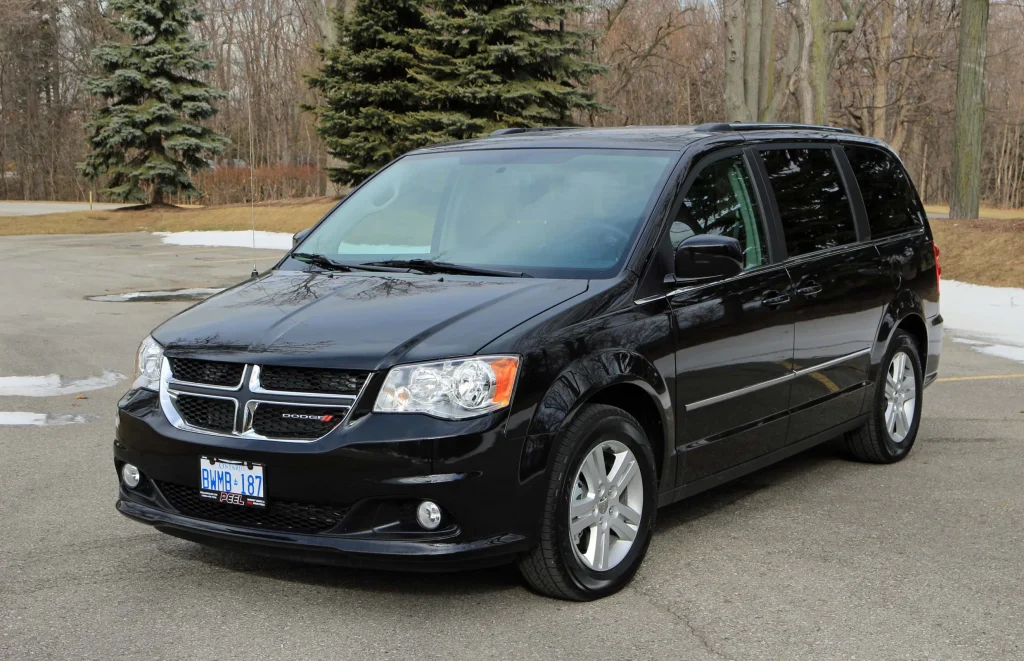
There is also a time value benefit. Managing one well suited vehicle instead of two reduces registration fees, insurance payments, and service schedules. Fewer vehicles mean fewer financial obligations competing for the family budget.
Financial efficiency often comes from consolidation. When one vehicle successfully replaces the need for multiple transportation solutions, the long term savings become clear. This versatility is one of the strongest but least discussed financial strengths of the minivan category.
7. Family Oriented Interiors Reduce Wear and Tear Expenses
Vehicles used by families experience a different kind of stress compared to vehicles used by single owners. Spilled drinks, food crumbs, shoes on seat backs, and constant entry and exit can quickly damage poorly designed interiors. Minivans are usually built with this reality in mind, which helps reduce refurbishment costs.
Instead of delicate materials, many minivans use durable fabrics, reinforced plastics, and easy to clean surfaces. These materials may not always look luxurious, but they are chosen because they last longer under heavy daily use. This helps families avoid costly interior repairs or professional detailing services.
Storage design also plays a financial role. When there are proper compartments for bottles, devices, bags, and small items, there is less chance of clutter causing damage. Loose objects often cause scratches and broken trim pieces. Organized storage reduces this risk significantly.
Floor design is another small but important detail. Many minivans include heavy duty carpeting or all weather floor options that can handle mud, dust, and moisture. This prevents permanent stains that can reduce resale value or require replacement.
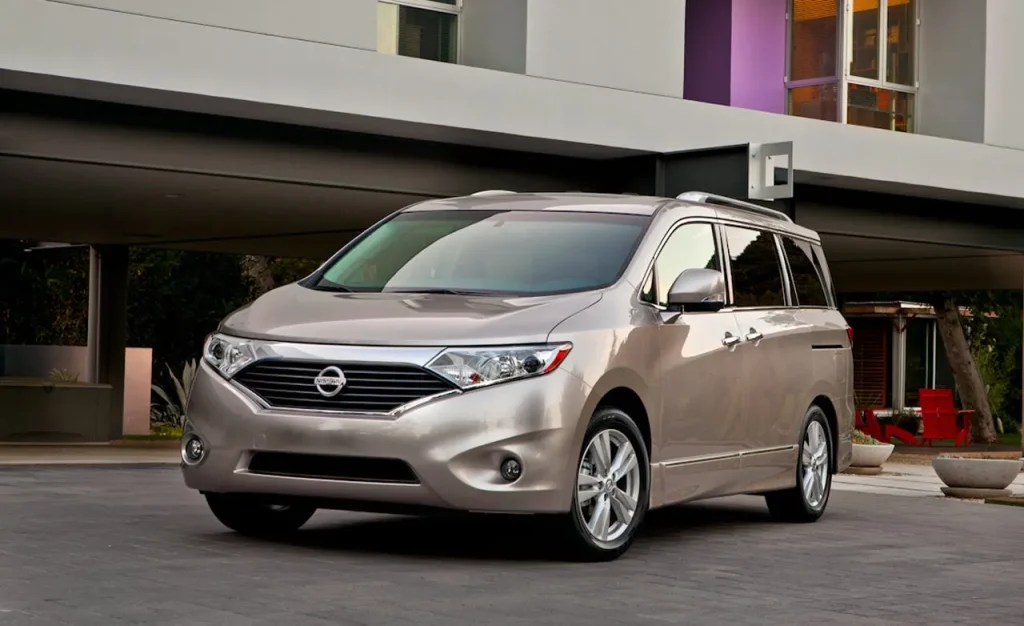
Another overlooked factor is seat engineering. Family vehicles see constant seat adjustments. Strong seat frames and durable adjustment mechanisms reduce the chance of expensive mechanical failures inside the cabin.
The financial benefit here is subtle but real. A vehicle that ages well on the inside avoids restoration expenses and maintains better value. By designing interiors specifically for real family behavior rather than showroom appeal, minivans help owners avoid many small but frequent expenses.
8. Better Visibility Helps Prevent Costly Accidents
Financial savings do not always come from direct costs. Sometimes they come from avoiding losses. Good visibility is one of the most underrated safety advantages of minivans, and safety often translates directly into financial protection.
Minivans are usually designed with large windows, well positioned mirrors, and driving positions that prioritize awareness rather than aggressive styling. This improves the driver’s ability to judge distance, notice pedestrians, and react to traffic situations early.
Accidents often happen because of blind spots or poor sightlines. Even minor collisions can result in repair bills, insurance deductibles, and increased premiums. A vehicle that helps prevent these incidents effectively protects the owner from unexpected financial setbacks.
Parking is another area where visibility matters. Clear sightlines make it easier to maneuver in tight areas without damaging bumpers or wheels. Even with parking sensors and cameras, natural visibility remains one of the best safety tools.
Driver confidence also improves when visibility is strong. Less stress while driving often leads to smoother and more cautious operation. This indirectly reduces mechanical strain as well, since smoother driving reduces brake and tire wear.
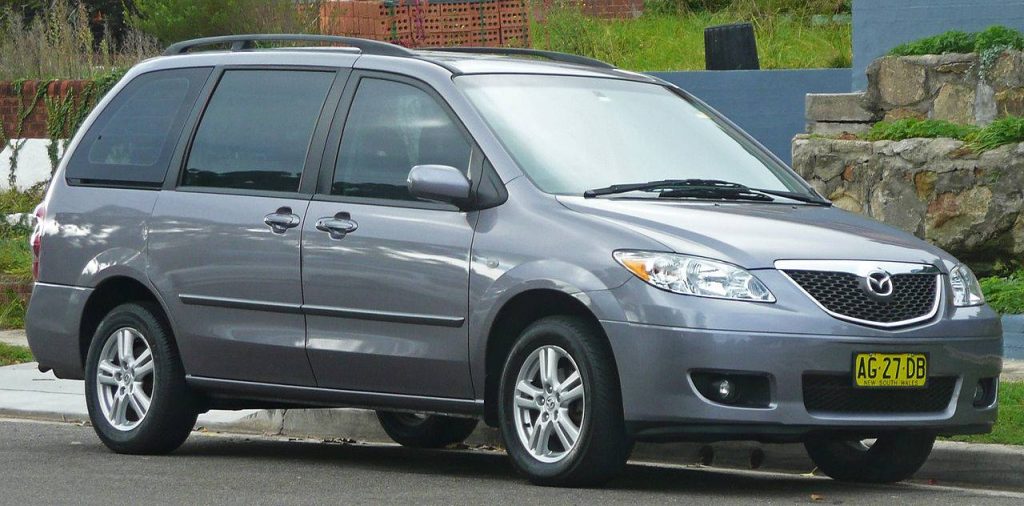
When viewed financially, avoiding just one moderate accident can justify this advantage. The savings from prevented repairs, insurance claims, and lost time can be substantial. Good design that helps drivers avoid trouble often proves more valuable than features that only look impressive on paper.
9. Practical Tire Sizes Keep Replacement Costs Manageable
Tires are a recurring expense that many buyers underestimate. Performance vehicles and large SUVs often use oversized wheels with low profile tires that look impressive but cost significantly more to replace. Minivans usually avoid this trend and instead use practical tire sizes that focus on longevity and affordability.
Standard tire sizes offer a major financial benefit because they are widely available. When many vehicles use the same dimensions, competition between tire manufacturers keeps prices reasonable. This gives owners more choices across different price ranges instead of forcing them into premium options.
Another advantage is sidewall height. Tires with slightly taller sidewalls tend to absorb road impacts better. This reduces the chances of sidewall damage from potholes and rough roads. Fewer tire failures mean fewer emergency replacements, which are often the most expensive situations.
Minivans also tend to prioritize balanced tire wear rather than aggressive handling. Suspension setups usually focus on comfort and stability. This leads to more even wear patterns, which helps owners get the full life expectancy from their tires instead of replacing them early.
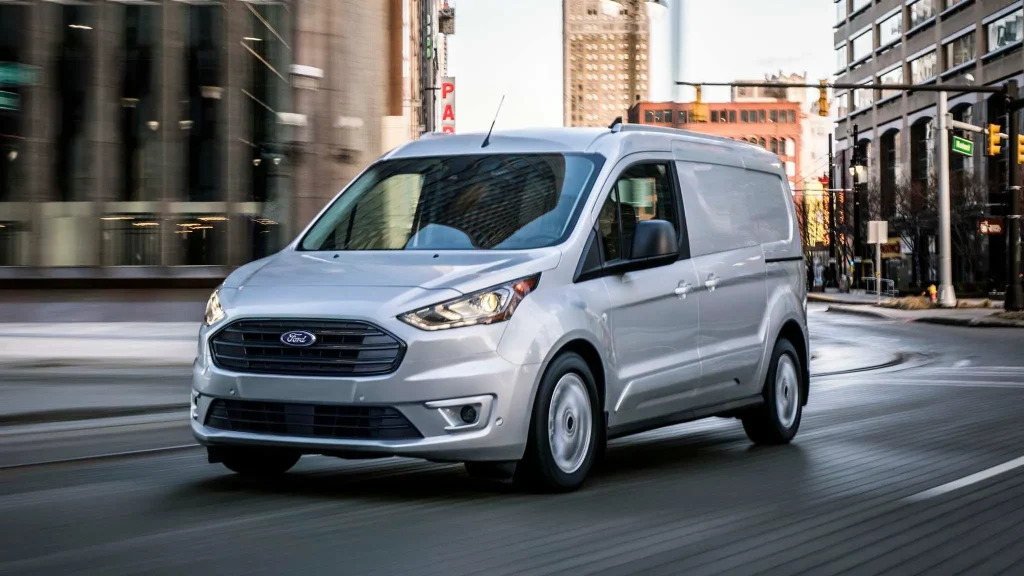
Rotation schedules are also easier to manage because minivans rarely use staggered tire setups. Being able to rotate all four tires evenly extends tire life and improves value from each purchase.
Over several years of ownership, the difference between practical tires and expensive performance tires can add up to a substantial amount.
Financially disciplined buyers often recognize that practical specifications reduce recurring costs. This is another example of how minivans quietly focus on saving money rather than chasing visual trends.
10. Easier Entry Height Reduces Long Term Health Related Costs
Vehicle design can even influence financial health in indirect ways. Minivans usually sit at a height that allows easy entry without climbing up or bending down too far. This may seem like a comfort feature, but over time it can help prevent physical strain.
Families often include members of different age groups, from small children to grandparents. A vehicle that requires minimal effort to enter and exit reduces the risk of small injuries such as twisted knees or back strain. Avoiding even minor medical visits can save both money and time.
Daily comfort also matters more than many people realize. Repeated awkward movements over several years can contribute to joint discomfort. Vehicles that reduce these stresses help support long term physical comfort, which indirectly protects financial wellbeing.
There is also a practical cost advantage related to child safety. Loading children into difficult seating positions often leads to rushed movements or awkward lifting angles. Easier access reduces the chances of accidental drops or strain injuries.
Convenience also saves time, and time often connects to financial productivity. When daily routines become easier, families spend less effort managing simple transportation tasks. This efficiency adds value even if it does not appear directly on a bill.

Financial planning is not only about direct vehicle costs. It also includes how a vehicle fits into everyday life. A design that reduces physical strain and improves daily usability may prevent small but meaningful costs over the long term. Minivans often excel in this area because their design starts with real world usability rather than appearance.
11. Built In Family Technology Reduces Need for Expensive Add Ons
Modern families depend heavily on technology during travel. Navigation, entertainment, device charging, and communication tools are no longer luxuries but everyday necessities. Minivans often include many of these features as part of the standard design, which helps families avoid spending extra money on aftermarket solutions.
For example, multiple charging ports placed across all seating rows remove the need to buy additional adapters or power splitters. When every passenger has access to power, there is less need to purchase portable battery packs or other temporary solutions.
Entertainment systems are another example. Many family vehicles are designed with rear seat entertainment options or device integration in mind. Without these built in systems, families often end up buying tablets, mounts, headphones, and other accessories that increase total travel costs.
Navigation integration also reduces dependency on external devices. Clear infotainment systems with large displays help drivers avoid buying separate navigation units. Over time, avoiding multiple gadget purchases becomes a quiet financial advantage.

Connectivity features can also reduce communication costs. Hands free communication systems and integrated apps help drivers manage calls and directions safely without investing in additional hardware.
Another overlooked advantage is installation quality. Built in systems are designed to work seamlessly with the vehicle’s electrical architecture. Aftermarket installations sometimes create electrical problems or require future corrections, adding unexpected expenses.
By including useful technology from the beginning, minivans help families avoid the gradual spending that often comes from buying extra accessories. These small avoided purchases may not seem dramatic individually, but together they represent meaningful long term savings.
12. Long Ownership Cycles Improve Overall Cost Efficiency
One of the strongest financial advantages of minivans is how long families tend to keep them. Unlike vehicles purchased for status or trends, minivans are usually bought for a specific purpose. Because their usefulness does not fade quickly, owners often keep them for many years.
Keeping a vehicle longer improves financial efficiency because the purchase cost is spread across more years. A vehicle used for ten years instead of five effectively cuts the annual ownership cost significantly. This simple principle is one of the foundations of smart vehicle ownership.
Minivans support long ownership cycles because their design ages slowly. Practical features do not become outdated as quickly as styling trends. Spacious interiors, comfortable seating, and flexible cargo space remain useful regardless of changing market fashions.
Reliability reputation also encourages long term ownership. When owners trust their vehicle, they are less likely to replace it prematurely. Avoiding frequent vehicle changes helps families avoid repeated taxes, registration fees, and financing costs.
There is also a psychological financial benefit. When a vehicle continues to meet family needs year after year, there is less temptation to upgrade unnecessarily. Avoiding frequent upgrades is one of the simplest ways to maintain financial discipline.
Ultimately, the best financial vehicle is often the one you do not need to replace quickly. Minivans tend to support this philosophy better than many alternatives. Their ability to remain useful across different stages of family life makes them one of the most cost efficient long term transportation choices available.

When examined carefully, the financial advantages of minivans come from dozens of practical decisions rather than one dramatic feature. Better fuel efficiency, lower insurance costs, manageable maintenance, and smart interior design all work together to reduce the real cost of ownership.
What makes these vehicles financially intelligent is their focus on everyday life. Instead of chasing trends, they solve real problems. Preventing small accidents, reducing wear and tear, and eliminating unnecessary extra purchases are the kinds of benefits that quietly protect a family budget.
Another major strength is stability. Minivans tend to age well both mechanically and functionally. This allows families to keep them longer, recover better resale value, and avoid the financial losses that often come from frequently changing vehicles.
Perhaps the biggest lesson is that the smartest financial decisions are often the least flashy ones. A vehicle that consistently saves small amounts of money across fuel, insurance, maintenance, and usability can outperform more expensive alternatives in total value.
For families focused on long term financial efficiency rather than short term image, minivans continue to prove their worth. They may not always be the trendiest choice, but when measured by total cost of ownership and practical value, they remain one of the most logical investments a family can make.
Also Read: 5 SUVs With Perfect Entry Height for Seniors vs 5 That Are Too High
