Driver visibility is one of the most underrated factors when choosing a compact SUV. Many buyers focus on features like fuel economy, performance, or interior technology, but the ability to clearly see surrounding traffic is just as important.
Blind spots can create stress during lane changes, parking, and heavy traffic situations, especially for drivers who prefer confidence over guesswork.
Modern SUVs unfortunately tend to have larger blind spots than older vehicles due to thicker pillars, higher beltlines, and safety structures designed to improve crash protection.
Studies have shown that visibility has generally decreased in newer SUVs compared to vehicles from decades ago, making smart design even more important for buyers concerned about awareness.
However, not all compact SUVs suffer from poor outward visibility. Some models still prioritize large windows, thinner pillars, better mirror placement, and driver assistance technology that helps reduce blind spot anxiety.
Features like blind spot monitoring, 360 degree cameras, and wide angle rear cameras can also significantly improve driver confidence.
Good visibility is not just about safety. It also improves everyday driving comfort. Drivers who can clearly judge vehicle positioning often feel less tired during long commutes and less nervous in tight urban environments.
Vehicles designed with open sightlines also tend to feel more spacious inside, which improves the overall ownership experience.
This list focuses on compact SUVs that are known for strong outward visibility, intelligent safety technology, and designs that help drivers stay aware of their surroundings. Some achieve this through traditional design choices like large glass areas, while others rely on modern driver assistance systems.
If you are someone who dislikes relying purely on sensors and prefers actually seeing what is around you, these vehicles represent some of the best choices available today.
Below are ten compact SUVs that work especially well for drivers who want fewer blind spot worries and better road awareness.
Also Read: 10 Used SUVs With Headlight Units That Cost $1500 to Replace
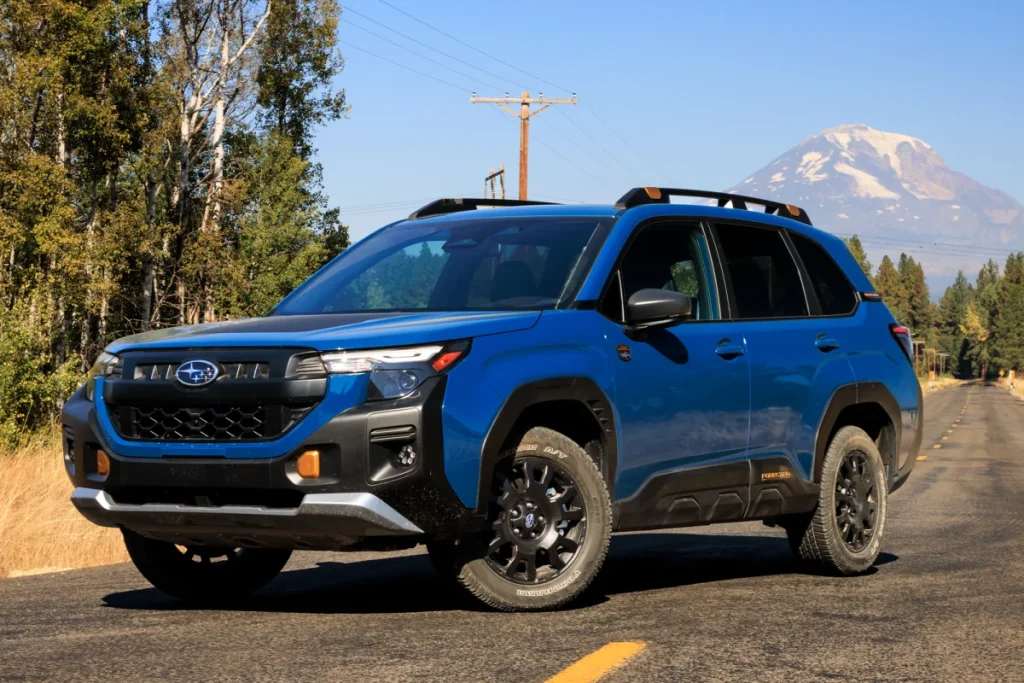
1. Subaru Forester
When discussions about visibility in compact SUVs begin, the Subaru Forester almost always enters the conversation early. This is not accidental.
The vehicle has built a reputation around providing one of the clearest outward views in the segment, largely because Subaru has resisted the trend toward overly aggressive styling that sacrifices glass area.
One reason the Forester performs so well in this area is its tall greenhouse design. In simple terms, the cabin uses large windows and relatively upright shapes rather than sloping rooflines.
This gives drivers a clearer sense of their surroundings without needing to depend entirely on cameras or sensors. Experts frequently note that its large windows and narrow pillars help it stand out among small SUVs for visibility.
Another important factor is how the seating position works with the window layout. Drivers sit high enough to see over traffic while still maintaining a clear view of the road directly ahead. This combination makes it easier to judge distances when navigating tight spaces.
Instead of presenting this vehicle traditionally, consider how it behaves in everyday situations:
Parking lot navigation feels easier because you can actually see pedestrians approaching from angles that are usually hidden in other SUVs.
Lane changes feel more natural because shoulder checks reveal more usable visual information. Urban driving becomes less stressful because thick rear pillars do not dominate the view.
Technology also reinforces this strength rather than compensating for weaknesses. Subaru includes driver assistance systems designed to support the already strong visibility rather than fix poor design. This creates a more natural driving experience.
Another overlooked advantage is how the open visibility makes the cabin feel less confining. Drivers who dislike claustrophobic interiors often appreciate how airy the Forester feels compared to competitors with smaller windows.
For drivers who want traditional visibility advantages combined with modern safety systems, the Forester remains one of the strongest choices in the compact SUV category.
2. Honda CR-V
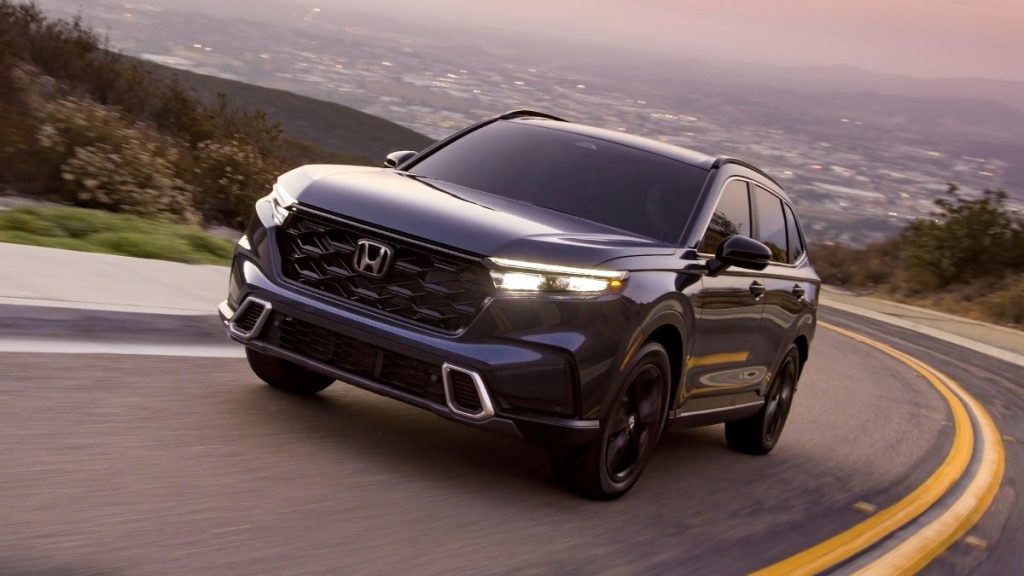
Some vehicles earn their place on lists not because of one standout feature but because they consistently avoid major weaknesses. The Honda CR-V fits this description well, especially when it comes to visibility and driver awareness.
Instead of focusing on dramatic styling, the CR-V follows a more balanced design philosophy. The hood is shaped in a way that allows drivers to better understand where the front of the vehicle ends. This may seem like a small detail, but it makes parking and slow speed maneuvering significantly easier.
The side glass design is another area where this SUV performs well. The windows are large enough to provide strong outward awareness, which helps reduce the feeling of driving a bulky vehicle. Reviews often highlight its large windows and practical driver assistance features that support overall visibility and safety.
Let us look at this vehicle from a practical user perspective rather than a technical one:
A commuter may appreciate how easy it is to merge in traffic because the mirrors and window shapes reduce uncertainty.
A new driver may find confidence because the vehicle does not feel oversized from behind the wheel. A family driver may appreciate the wide rear camera view that helps when reversing in crowded areas.
Honda also reinforces this design with its safety suite, which includes lane assistance and collision warning systems. These features work as a backup rather than a necessity because the natural sightlines are already strong.
Another area where the CR-V stands out is predictability. Drivers often report that it feels easy to place on the road because visibility helps them understand the vehicle’s dimensions without constant corrections.
Rather than trying to impress with bold design, the CR-V succeeds by being easy to live with. That approach makes it especially appealing to drivers who want a compact SUV that feels manageable rather than intimidating.
For buyers who want a visibility friendly SUV that also balances comfort, reliability, and practicality, the CR-V continues to be one of the safest and most confidence inspiring choices available.
3. Mazda CX-5
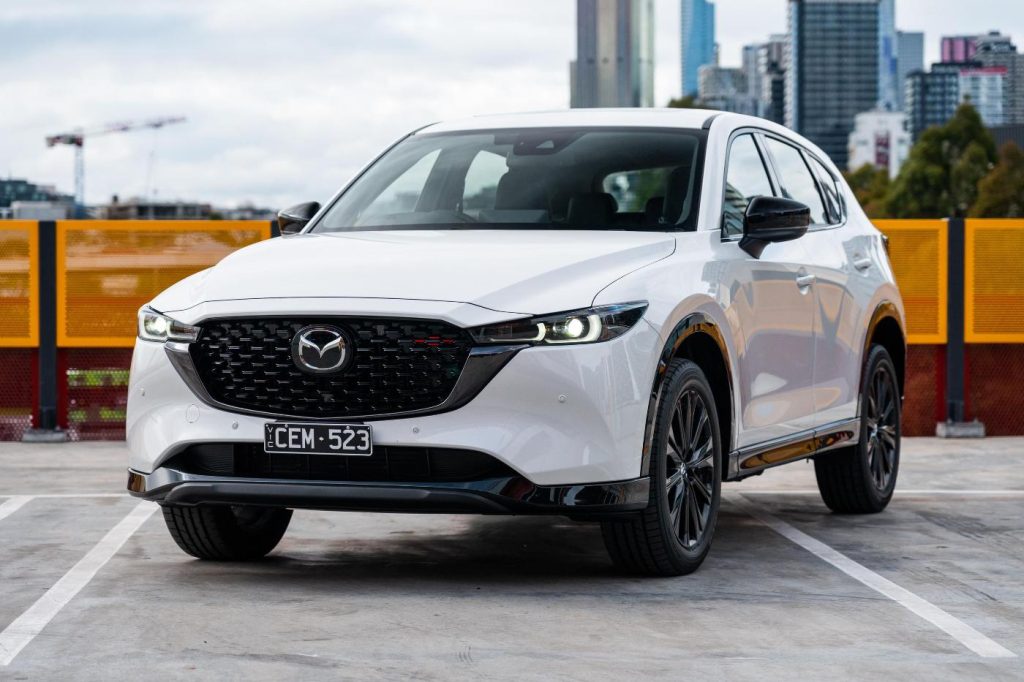
Visibility is not always about having the biggest windows. Sometimes it is about intelligent design that allows the driver to naturally understand their surroundings without distraction. The Mazda CX-5 takes this approach by focusing on driver centered design rather than simply maximizing glass size.
Mazda engineers often talk about designing vehicles around natural human movement, and that philosophy becomes obvious once you sit behind the wheel. The mirrors are positioned in a way that reduces overlap between mirror view and pillar obstruction. This improves the usefulness of side mirrors during highway driving.
Another strong point is how the dashboard and hood are shaped. The hood slopes in a controlled way that helps drivers judge the vehicle’s front corners. This becomes very helpful when navigating tight streets or entering narrow parking spaces.
Instead of explaining this SUV in a conventional review format, consider how it performs across three different driving scenarios:
The CX-5 allows drivers to maintain awareness even in dense traffic because the driving position and window design support quick visual checks. This reduces hesitation during lane changes.
Clear mirror positioning and well designed defogging systems help maintain awareness even when weather conditions reduce visibility.
Driver assistance alerts act as an extra safety layer, but the real strength remains the natural sightlines that reduce dependence on electronic warnings.
Another design strength is the thickness of the roof pillars. While all modern cars require strong pillars for safety, Mazda has managed to shape them in a way that reduces visual obstruction compared to many competitors with bulkier structures.
Interior layout also contributes to confidence. The driving position encourages upright posture, which naturally improves awareness. This may sound subtle, but posture directly affects how easily drivers can scan their surroundings.
The CX-5 is ideal for drivers who want visibility without sacrificing a premium driving feel. It does not rely only on technology and does not simply increase window size. Instead, it carefully balances structure, ergonomics, and driver psychology.
For drivers who want a compact SUV that feels intuitive to drive while still maintaining strong outward awareness, the CX-5 presents a well engineered solution.
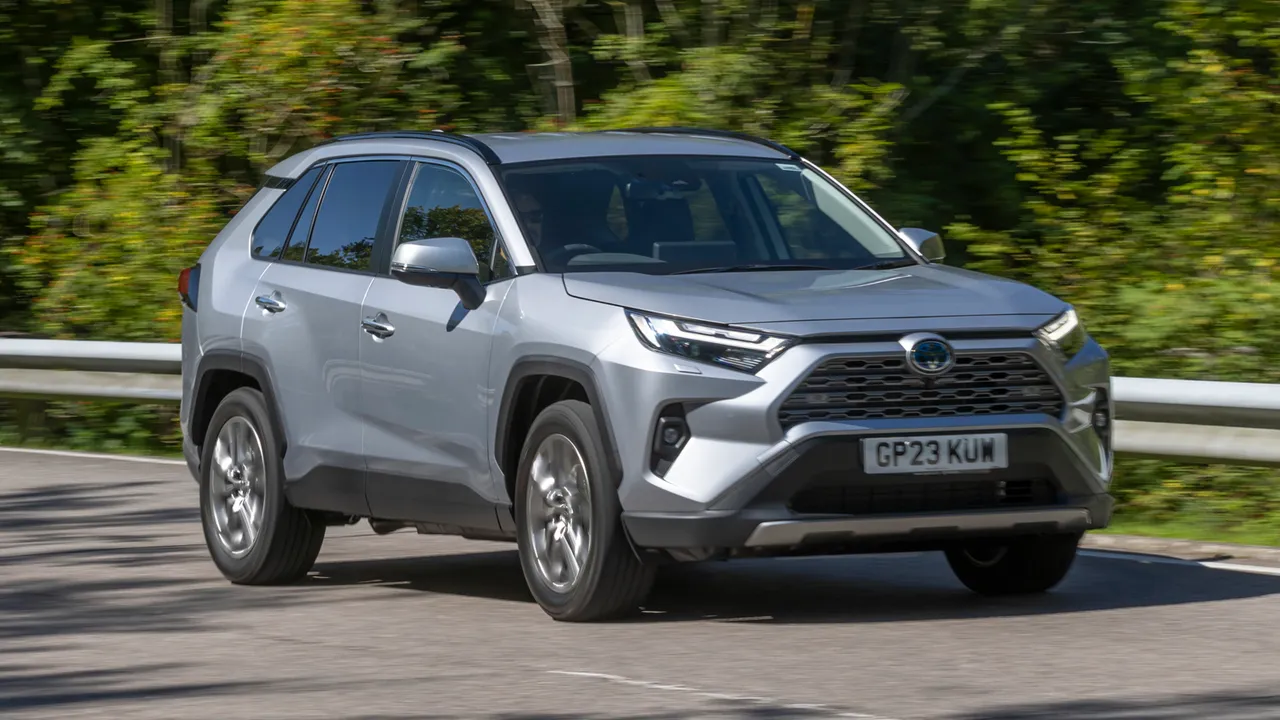
4. Toyota RAV4
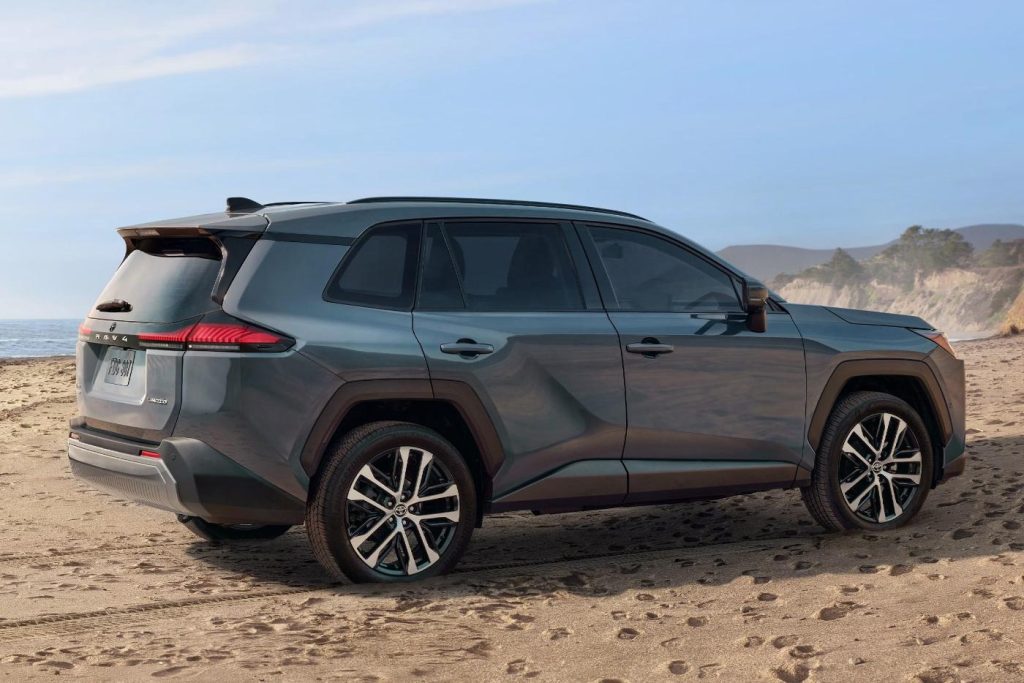
The Toyota RAV4 approaches visibility from a practical engineering perspective rather than a design experiment. It focuses on creating predictable sightlines that help drivers feel comfortable regardless of experience level.
One of its strongest advantages comes from its upright design. The relatively flat hood and squared edges make it easier to judge the vehicle’s position. This helps drivers understand where the vehicle sits in traffic without second guessing distances.
To understand why the RAV4 works well for drivers concerned about blind spots, it helps to break its strengths into functional categories:
The vehicle shape allows drivers to better understand the corners of the SUV. This improves confidence when maneuvering in tight areas.
The side mirrors are large and positioned to provide useful coverage instead of just meeting design trends. This helps reduce the traditional blind zone found in many SUVs.
Blind spot monitoring and rear cross traffic alerts act as additional safeguards, especially in busy urban conditions.
Another strength is how Toyota balances safety with usability. While many SUVs have thick rear pillars, the RAV4 attempts to manage this through window shaping and camera assistance. This ensures that the driver never feels completely dependent on guesswork.
Daily usability is another area where the RAV4 quietly performs well. It is easy to drive in congested environments because it does not feel overly wide from the driver’s perspective. This psychological comfort often matters as much as physical dimensions.
The vehicle also benefits from Toyota’s long standing reputation for durability. Drivers who plan to keep their vehicles for many years often prioritize consistent design over experimental styling. The RAV4 fits well into this mindset by offering predictable visibility combined with practical ownership advantages.
For drivers who want a compact SUV that emphasizes clarity, predictability, and everyday confidence rather than flashy design risks, the RAV4 continues to be one of the most dependable options available.
5. Hyundai Tucson
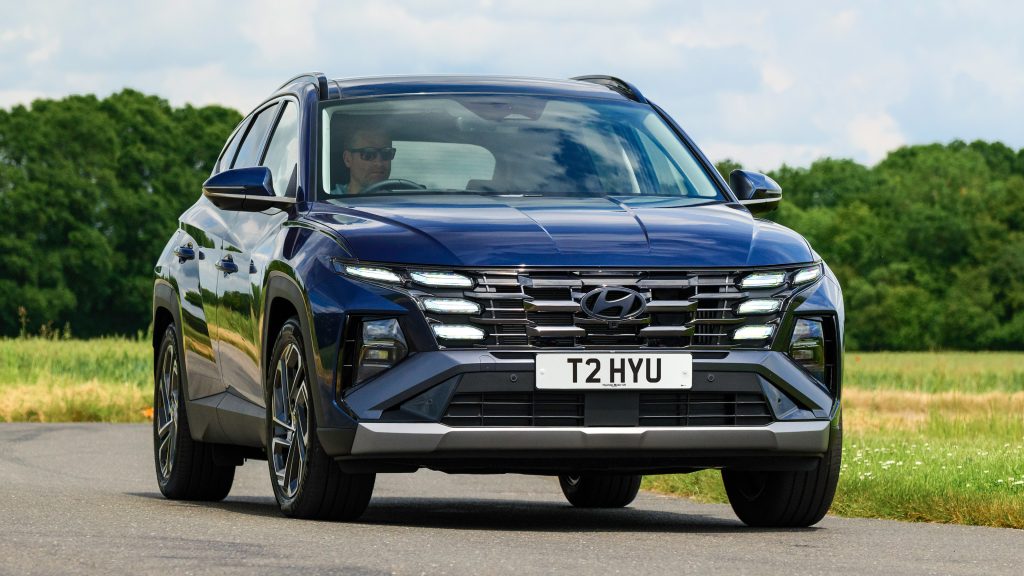
The Hyundai Tucson represents a modern approach to solving visibility concerns without relying entirely on traditional design.
While many new SUVs sacrifice visibility for styling trends, this vehicle attempts to balance both by combining smart technology with thoughtful driver positioning. The result is a compact SUV that feels manageable even in dense traffic where awareness matters most.
One of the biggest reasons the Tucson works well for drivers who dislike blind spots is how naturally it allows drivers to understand the vehicle’s proportions.
The steering position, dashboard height, and window alignment create a driving experience where the vehicle feels smaller than it actually is. This psychological advantage plays a big role in reducing stress during everyday driving.
Another strength comes from how Hyundai integrates visibility assistance features. Instead of simply adding warning lights, the vehicle offers camera based systems that can show blind spot views directly in the instrument display.
This creates an extra layer of awareness that feels natural once drivers become familiar with it. Rather than replacing good design, these systems enhance the overall driving experience.
The side window design also deserves attention because it avoids extreme upward curves that reduce glass space. This allows drivers to perform shoulder checks with better results compared to many competitors that prioritize aggressive styling. The rear design also maintains usable visibility despite modern structural requirements.
Urban drivers especially benefit from how easy it feels to judge spacing while parking. The vehicle does not create the sensation of sitting inside a high walled structure, which is a common complaint among compact SUV buyers. Instead, it maintains a balance between protection and openness.
Another reason many drivers feel comfortable in the Tucson is because it does not overwhelm with complexity. Controls are logically placed, displays are readable, and visibility technology feels supportive instead of intrusive. This helps drivers maintain focus rather than constantly managing alerts.
For drivers who want a compact SUV that combines modern safety innovation with everyday visibility confidence, the Tucson provides a well balanced solution that reduces the anxiety often associated with blind spots.
6. Nissan Rogue
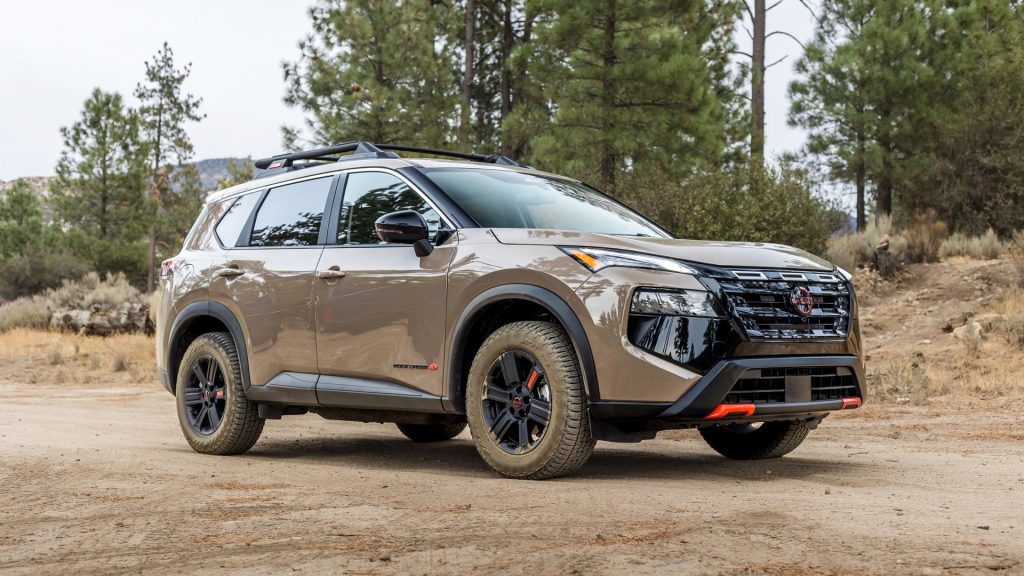
The Nissan Rogue appeals strongly to drivers who want a compact SUV that feels unintimidating from the moment they sit in the driver seat.
Some vehicles require adjustment time before drivers feel comfortable judging distances, but the Rogue tends to feel approachable almost immediately because of its visibility focused design.
A major factor behind this is the way Nissan has shaped the cabin environment. The window line does not feel excessively high, which helps drivers avoid the boxed in feeling common in many newer SUVs. This gives a clearer view of surrounding traffic and helps reduce hesitation during merging or turning.
Another advantage is how the Rogue balances safety structure with practical visibility. While modern safety standards require strong body construction, Nissan has worked to prevent those structural elements from overwhelming the driver’s field of vision. This helps maintain a natural connection between driver and road.
Technology also plays a meaningful role here. Nissan includes safety systems that monitor areas drivers cannot easily see, but the vehicle does not force reliance on them. Instead, they function as reassurance while the natural sightlines remain the primary strength. This approach tends to appeal to drivers who still prefer traditional visual awareness.
Daily driving comfort also benefits from this design philosophy. Drivers often find that fatigue is reduced because they do not need to constantly lean forward or adjust position to check traffic conditions. Small ergonomic decisions like this often go unnoticed during test drives but become important during ownership.
The Rogue also performs well in situations like school pickup lines, shopping center traffic, and crowded intersections where constant awareness is required. Because the vehicle feels predictable in size and visibility, drivers often report increased confidence in tight environments.
For buyers who want a compact SUV that feels easy to adapt to, offers reassuring visibility, and avoids the bulky feel common in the segment, the Rogue presents a strong choice that supports confident everyday driving.
7. Volkswagen Tiguan
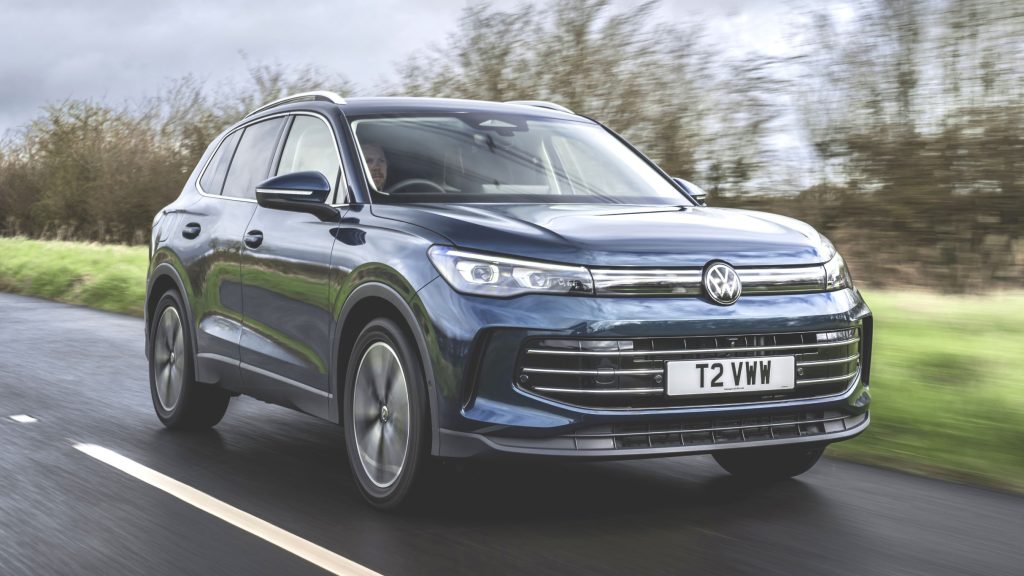
Some compact SUVs try to impress drivers with aggressive styling, but the Volkswagen Tiguan takes a calmer and more rational approach. It focuses on making the driver feel in control rather than overwhelmed.
This becomes especially important for people who are sensitive to blind spots and want a vehicle that feels transparent in how it communicates surrounding space.
From the first drive, many people notice how easy it is to understand the Tiguan’s shape. The straight lines and controlled proportions allow drivers to judge distance more naturally than in vehicles with dramatic curves. This becomes especially noticeable when changing lanes or positioning the vehicle in tight city roads.
Another factor that improves the experience is how balanced the seating position feels. Drivers are not forced into a very high perch nor a low car like posture. Instead, the vehicle creates a middle ground where road awareness feels natural. This balance often helps drivers feel more confident because the vehicle responds in predictable ways to steering inputs.
Rear visibility is also handled better than many vehicles in this class. The rear window shape avoids excessive narrowing, which helps when checking traffic conditions. When combined with the available digital monitoring systems, the Tiguan gives drivers multiple layers of awareness instead of forcing reliance on just one method.
One of the more subtle strengths comes from how the vehicle behaves during longer drives. Drivers who worry about blind spots often remain mentally alert for longer periods, which can increase fatigue.
A vehicle with clear visibility reduces this tension because fewer corrections and checks are required. The Tiguan supports this by offering a relaxed and controlled highway experience.
The vehicle also works well for drivers who want something that feels structured rather than experimental. Its design philosophy focuses on clarity and usability, which appeals to drivers who prefer function over dramatic styling statements.
For drivers who want a compact SUV that quietly builds confidence through good design rather than flashy claims, the Tiguan stands as a practical and reassuring option.
8. Ford Escape
The Ford Escape offers a different interpretation of how a compact SUV can address blind spot concerns. Instead of relying only on window size, it focuses on how drivers interact with the vehicle during real world conditions. The goal seems to be reducing uncertainty rather than simply improving measurements on paper.
Many drivers immediately notice how approachable the Escape feels. The vehicle does not feel bulky from the inside, which helps drivers quickly adapt to its dimensions. This is particularly important for people transitioning from sedans who often worry about losing visibility when moving into an SUV.
The design of the front area also helps create confidence. The hood does not dominate the forward view, which makes it easier to judge distance in traffic. This becomes especially useful in slow moving urban environments where constant spacing adjustments are required.
Another advantage appears during lane transitions. The combination of mirror placement and side window shape allows drivers to gather useful visual information quickly. Instead of performing exaggerated shoulder checks, drivers can make smoother and more natural observations of surrounding traffic.
Technology also supports this design without becoming the main solution. Blind spot alerts and cross traffic warnings are present, but the vehicle still allows drivers to depend primarily on direct visibility. This tends to appeal to people who prefer using their own judgment instead of relying entirely on electronic warnings.
The Escape also benefits from a driving character that feels light and manageable. When a vehicle feels easier to control, drivers often feel more confident about their awareness because they are not fighting the size of the vehicle. This creates a positive feedback effect where comfort improves attention.
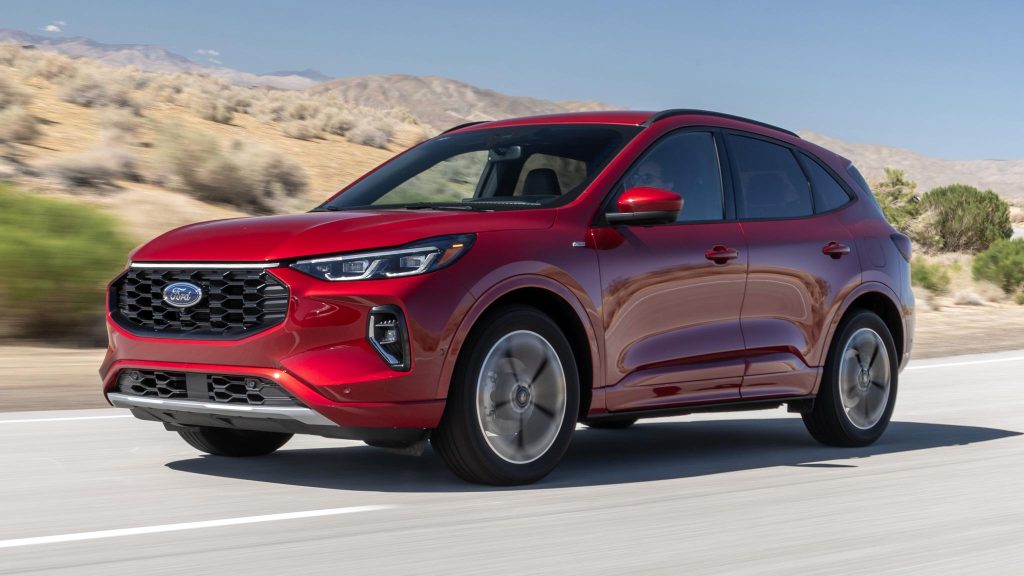
For drivers who want a compact SUV that feels unintimidating, visibility friendly, and easy to manage in daily driving situations, the Escape provides a well balanced option that prioritizes confidence and clarity.
9. Kia Sportage
The Kia Sportage demonstrates how modern compact SUVs can improve driver confidence even while adopting contemporary design trends.
While many vehicles in this category lean toward dramatic exterior styling that can sometimes compromise visibility, the Sportage manages to maintain practical sightlines while still looking modern and distinctive.
What many drivers appreciate first is how the vehicle manages side awareness. The window design still allows meaningful visibility despite the structural demands of modern safety standards. This balance helps drivers feel protected without feeling visually restricted, which is often the main complaint among buyers worried about blind spots.
Another important factor is how the driving position supports natural awareness. The seat height provides a clear perspective of surrounding traffic without making the vehicle feel top heavy. This makes it easier to monitor smaller cars, motorcycles, and pedestrians that might otherwise disappear in poorly designed blind zones.
The Sportage also benefits from thoughtful mirror engineering. Instead of treating mirrors as simple attachments, they are integrated in a way that improves viewing angles. This helps drivers track vehicles approaching from the rear without needing exaggerated head movement.
Many drivers also report that the vehicle feels easy to understand within the first few days of ownership. This is an important quality because some SUVs require a long adjustment period before drivers fully trust their ability to judge spacing. The Sportage instead feels predictable, which reduces hesitation in busy traffic.
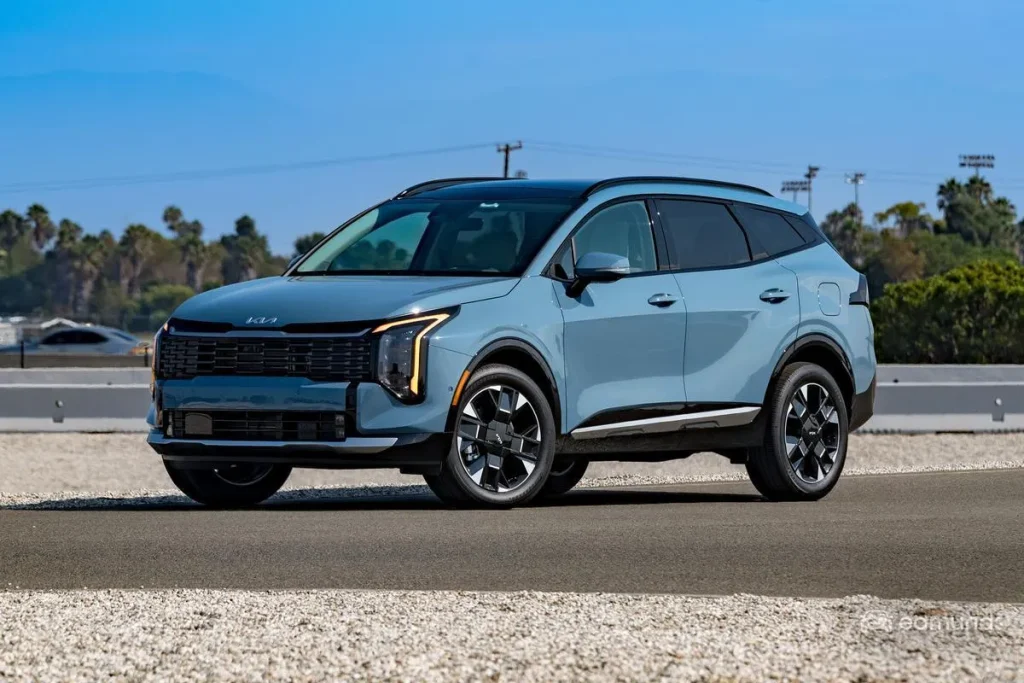
Technology also plays a supportive role by providing blind spot alerts and camera assistance that help drivers confirm what they already see. This layered approach to awareness tends to feel more reassuring than systems that attempt to compensate for poor design.
The Sportage is also a good choice for drivers who want strong visibility without sacrificing interior comfort or modern convenience. It manages to deliver a well rounded ownership experience without forcing drivers to choose between style and usability.
For drivers who want a compact SUV that blends modern design with practical awareness advantages, the Sportage offers a strong balance that supports confident everyday driving.
10. Chevrolet Equinox
The Chevrolet Equinox represents a more traditional philosophy in the compact SUV segment. Rather than pushing extreme styling or radical design changes, it focuses on creating a driving experience that feels familiar and manageable.
This approach tends to appeal to drivers who simply want clear outward awareness without needing to adapt to unusual design choices.
One of the most noticeable strengths of the Equinox is how natural the forward visibility feels. The windshield design allows a broad view of the road, which helps drivers maintain awareness in complex traffic environments.
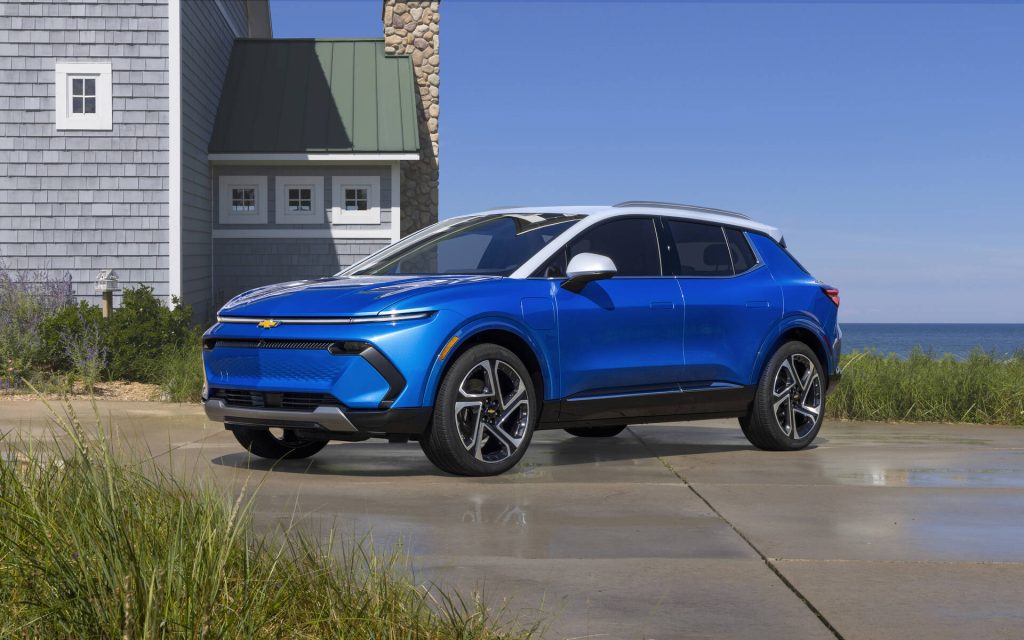
This type of straightforward visibility often becomes more valuable than advanced features because it reduces mental workload.
Side awareness is also handled competently because the vehicle avoids overly aggressive door shapes that reduce glass area. This helps maintain useful visual reference points when monitoring adjacent lanes. Drivers who perform frequent lane changes often appreciate how little guesswork is required.
Another advantage comes from how easy it is to judge the vehicle’s width. Some compact SUVs feel wider than they actually are because of interior design choices. The Equinox avoids this by creating a driving perspective that feels proportional and easy to understand.
The vehicle also supports drivers through well calibrated safety alerts. Instead of frequent unnecessary warnings, the assistance systems tend to activate in meaningful situations. This prevents drivers from becoming desensitized to alerts, which can sometimes happen in vehicles with overly sensitive systems.
Long term comfort also plays a role in driver awareness. When seating position and ergonomics are comfortable, drivers remain attentive for longer periods. The Equinox supports this through a relaxed driving posture that reduces strain during extended use.
For drivers who want a compact SUV that focuses on traditional strengths like clear sightlines, predictable handling, and comfortable ergonomics, the Equinox remains a solid and confidence inspiring option.
Also Read: 5 Trucks With Indestructible Transmissions vs 5 That Overheat Early