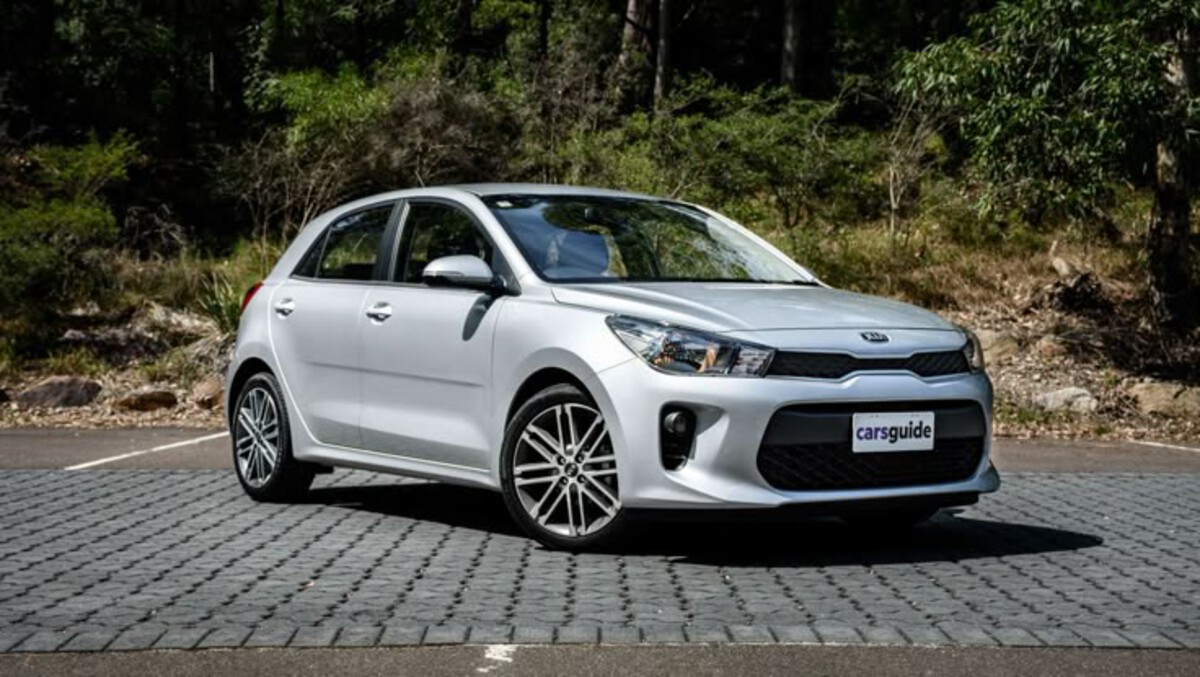
The rise of small crossover SUVs has been one of the biggest trends in the automotive market over the past decade. Buyers are often drawn to their taller seating position, rugged styling, and marketing promises of versatility. However, in the middle of this shift, hatchbacks have quietly continued to offer practical advantages that many drivers overlook.
Hatchbacks may not always have the same visual presence as crossovers, but when examined closely, they often deliver better real world usability. From lower ownership costs to improved driving dynamics, these vehicles can provide smarter solutions for people who value efficiency and practicality over trends.
One important reality is that many small crossovers are built on the same platforms as hatchbacks. In many cases, the crossover is simply a slightly taller and heavier version of a hatchback with different styling. This means buyers may end up paying more for something that delivers very similar functionality with added compromises.
Another overlooked factor is urban usability. Modern cities are becoming more crowded, parking spaces are tighter, and fuel prices remain an ongoing concern. In these conditions, the lighter weight and compact proportions of hatchbacks often become advantages rather than limitations.
Driving enjoyment is another area where hatchbacks frequently stand out. Their lower center of gravity and lighter structure can make them feel more stable and responsive compared to taller crossovers. For drivers who still enjoy the experience of being behind the wheel, this difference can be noticeable every day.
Financial logic also plays a role. Hatchbacks often cost less to purchase, insure, and fuel. Over several years of ownership, these differences can add up significantly. Buyers focused on long term value often discover that the practical choice is not always the most heavily advertised one.
Cargo flexibility is another surprise. While crossovers appear more spacious, hatchbacks often provide very similar usable cargo room thanks to their rear liftgate design. With rear seats folded, many hatchbacks can handle daily hauling tasks just as effectively.
Maintenance considerations can also favor hatchbacks. Their lighter weight and simpler construction can sometimes reduce wear on components like brakes and tires. Over time, these small savings become meaningful.
This discussion is not about claiming hatchbacks are better for everyone. Instead, it is about understanding where they may offer smarter advantages depending on how a vehicle is actually used.
The following eight reasons highlight situations where choosing a hatchback instead of a small crossover SUV can be a more practical and efficient decision. Each reason focuses on real ownership benefits rather than appearance or marketing trends.
Let’s begin with the first two reasons that often surprise buyers once they compare both vehicle types carefully.
Also Read: 5 Small Engines That Can Actually Tow vs 5 That Struggle Under Load
1. Lower Purchase Cost for Similar Practicality
One of the most immediate advantages of choosing a hatchback instead of a small crossover SUV is the difference in purchase price. Many buyers are surprised to discover that they are often paying several thousand dollars more for a crossover that offers nearly the same interior space and features as a hatchback.
This price difference usually comes from market demand rather than engineering cost. Crossovers are popular, which allows manufacturers to price them higher. Hatchbacks, despite offering strong practicality, often remain more affordable simply because they are less trendy.
From a buyer’s perspective, this creates an interesting opportunity. Instead of stretching a budget for an entry level crossover, the same money can often buy a higher trim hatchback with better features. This might mean upgraded interiors, better infotainment systems, or more advanced safety technology.
There is also an opportunity cost to consider. Money saved on the initial purchase can be used for other priorities such as maintenance funds, insurance coverage, or even future upgrades. Smart buyers often think beyond the monthly payment and consider total financial impact.
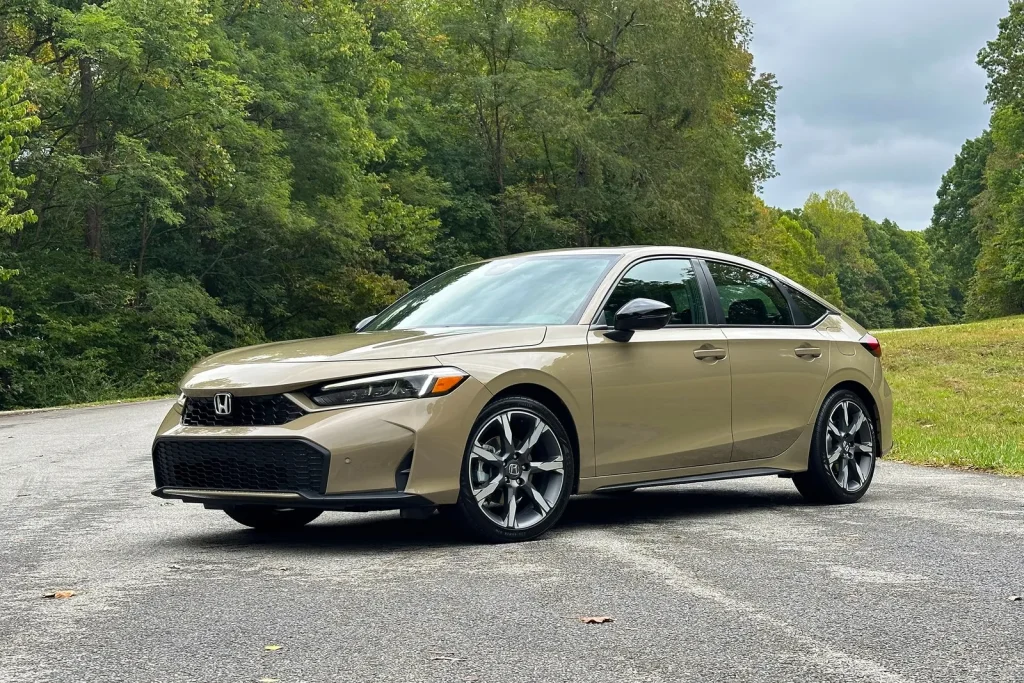
Another important angle is depreciation. Since hatchbacks often start at lower prices, the total dollar value lost over time can sometimes be less painful compared to crossovers that begin at higher price points.
Buyers should also consider what they are actually getting for the extra cost of a crossover. In many cases, the difference comes down to ride height and styling rather than meaningful improvements in capability.
Some people also assume higher price automatically means better durability or safety. That is not necessarily true. Many hatchbacks share the same engineering platforms and safety structures as their crossover counterparts.
For first time buyers or budget conscious households, choosing a hatchback can also reduce financial pressure. Lower payments or smaller loans can make ownership more comfortable.
Another hidden benefit appears when negotiating. Hatchbacks sometimes have better incentives or discounts because they receive less attention than crossovers. This can improve value even further.
Choosing a hatchback can sometimes feel like choosing logic over fashion. For buyers who value practicality per dollar, this reason alone can make the decision very clear.
2. Better Fuel Efficiency in Daily Driving
Fuel economy is one of the most practical differences between hatchbacks and small crossover SUVs. Because hatchbacks are usually lighter and sit lower to the ground, they typically require less energy to move. This translates into better fuel efficiency in everyday conditions.
Weight plays a major role here. Even small increases in vehicle mass require more fuel during acceleration. Since crossovers often add extra structural height and components, they usually weigh more than comparable hatchbacks.
Aerodynamics also contribute to the difference. Hatchbacks generally have sleeker shapes with less wind resistance. Crossovers, due to their taller bodies, push more air at highway speeds. This increases fuel consumption over long distances.
For drivers with long commutes, this difference becomes significant over time. Saving even a small amount of fuel each week can add up over several years of ownership.
There is also a city driving advantage. Hatchbacks often feel more efficient in stop and go traffic because their lighter structure requires less effort to get moving repeatedly. This is where many drivers spend most of their time.
Another factor is tire size. Crossovers often use larger tires that can increase rolling resistance. Hatchbacks usually use smaller, lighter wheels that can help efficiency.
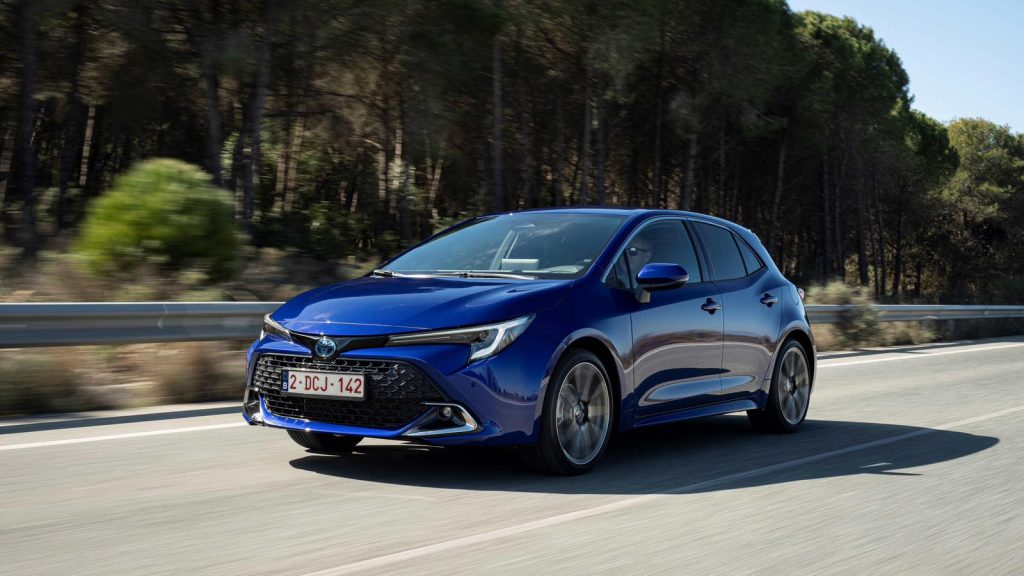
Environmental impact is also worth mentioning. Using less fuel reduces emissions, which can matter to buyers trying to reduce their environmental footprint.
Maintenance savings can also appear indirectly. Vehicles that use less fuel sometimes place less strain on certain drivetrain components over time.
Range between refueling stops can also improve. A more efficient vehicle means fewer fuel stops during busy weeks, which adds convenience.
For buyers focused on operating costs rather than vehicle image, better fuel efficiency is often one of the strongest arguments for choosing a hatchback.
3. Easier Maneuverability in Tight Urban Environments
Driving in crowded cities is very different from driving on open highways. Narrow streets, limited parking, sudden traffic stops, and tight turns reward vehicles that are easy to control in small spaces. This is an area where hatchbacks often prove their advantage over small crossover SUVs.
The biggest difference starts with vehicle proportions. Hatchbacks typically sit lower and have more compact body dimensions. This makes it easier to judge distances when navigating tight spaces. Drivers often feel more confident squeezing into small parking gaps or navigating crowded areas.
Turning radius is another practical advantage. Many hatchbacks are designed with city driving in mind, which allows sharper turning capability. This can make U turns, parking lot navigation, and narrow street driving much less stressful.
Visibility also plays an interesting role. While crossovers offer height, hatchbacks often provide clearer spatial awareness because of their compact shape. Drivers can better judge the corners of the vehicle, which reduces hesitation in tight conditions.
Parking convenience becomes noticeable very quickly. A hatchback can often fit into spaces that might feel uncomfortable for a slightly taller and bulkier crossover. For people who deal with street parking daily, this becomes a meaningful advantage.
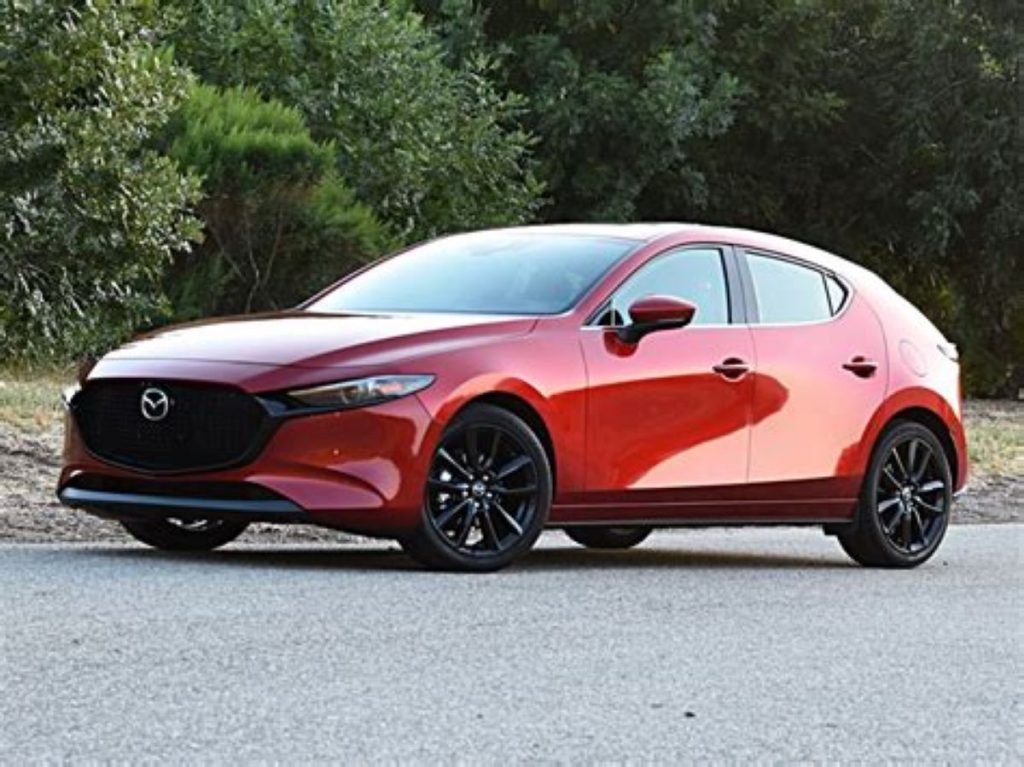
There is also less body roll during quick lane changes or turns. Because hatchbacks sit closer to the ground, they often feel more stable during quick directional changes. This can improve confidence in heavy traffic situations.
Another overlooked benefit is reduced stress. Driving a smaller feeling vehicle in busy environments often reduces mental fatigue. Constantly worrying about vehicle size can make daily driving more tiring than necessary.
Fuel savings can even appear indirectly. Easier maneuverability often means fewer corrections, smoother driving, and less aggressive braking, which can support better efficiency.
New drivers may also find hatchbacks less intimidating. Learning vehicle control is often easier in something that feels manageable rather than oversized.
When daily driving involves city streets, tight parking, and frequent stops, the practical convenience of a hatchback becomes very clear. Sometimes the vehicle that feels easiest to live with every day becomes the better long term choice.
4. More Engaging Driving Experience
Not every buyer thinks about driving enjoyment when choosing a practical vehicle, but the difference between hatchbacks and small crossovers can be surprisingly noticeable. For people who still appreciate how a car feels on the road, hatchbacks often deliver a more connected experience.
The most important factor is center of gravity. Hatchbacks sit lower than crossovers, which helps them feel more planted during turns. This creates a sense of stability that can make everyday driving feel smoother and more controlled.
Weight distribution also contributes. Since hatchbacks usually avoid the extra height and structural reinforcements of crossovers, they often feel lighter on their feet. This can make acceleration feel more responsive even when engine power is similar.
Steering response is another difference many drivers notice. Hatchbacks often react more quickly to steering inputs because of their lower profile. This can make driving feel more precise, especially on winding roads.
There is also a confidence factor involved. Vehicles that lean less during turns often feel safer to drivers, even if both vehicle types meet the same safety standards. The perception of control matters in daily driving satisfaction.
Braking behavior can also feel more predictable. Lower vehicles typically transfer weight more evenly during braking, which can create a smoother stopping feel.
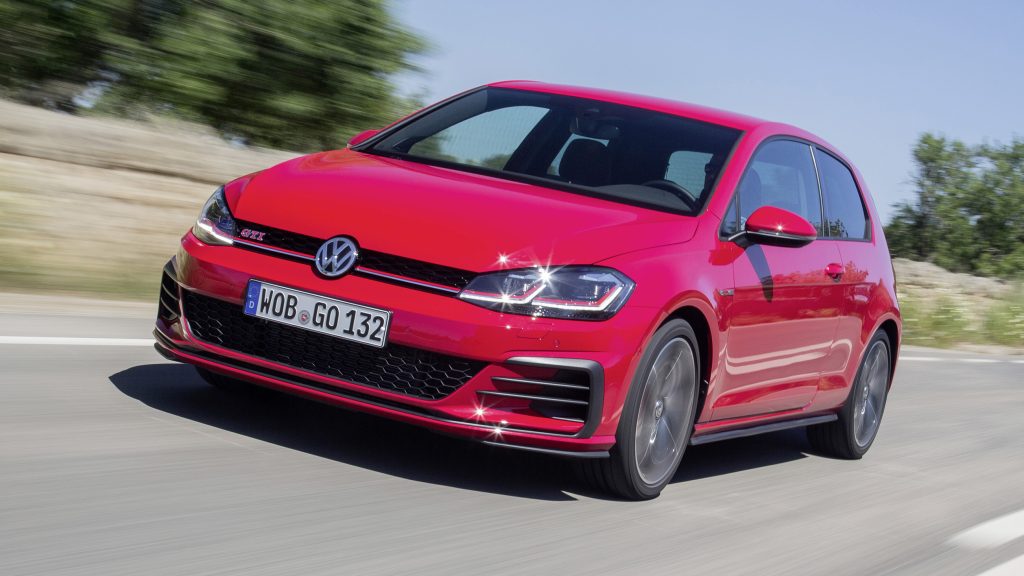
Drivers who enjoy road trips may also notice reduced fatigue. A car that responds naturally to driver inputs requires less constant correction. Over long distances this can make a noticeable difference.
Another benefit appears during emergency maneuvers. Vehicles with lower body movement often feel more predictable during sudden lane changes. While modern crossovers are very capable, physics still favors lower vehicles in this area.
Even something as simple as entering a highway ramp can feel different. Hatchbacks often feel more composed when transitioning through curves compared to taller vehicles.
Choosing a hatchback does not mean sacrificing practicality. It simply means gaining a more balanced experience where everyday driving can still feel enjoyable.
For buyers who believe transportation should still include some driving satisfaction, this reason alone can make hatchbacks worth serious consideration.
5. Lower Long Term Ownership Costs Beyond Fuel
When comparing hatchbacks and small crossover SUVs, many people focus only on fuel savings, but the financial advantages often extend much further. The true cost of ownership includes maintenance, tires, insurance, and wear related expenses. In many of these areas, hatchbacks quietly maintain an advantage.
One of the biggest cost differences comes from tires. Crossovers often use larger wheels and wider tires to support their design and stance. Larger tires usually cost more to replace. Hatchbacks typically use more modest tire sizes, which can reduce replacement expenses over time.
Brake wear can also differ. Since hatchbacks generally weigh less, the braking system often deals with slightly lower stress in daily driving. Over many years, this can translate into longer brake life and fewer replacement cycles.
Insurance costs can sometimes favor hatchbacks as well. Because they often have lower purchase prices and are sometimes categorized differently by insurers, premiums may be slightly lower. While the difference varies, it is another area where savings can accumulate.
Another hidden cost comes from suspension wear. Taller vehicles with higher centers of gravity may experience slightly more stress on suspension components when dealing with uneven roads. Hatchbacks, being lower and lighter, can sometimes reduce that strain.
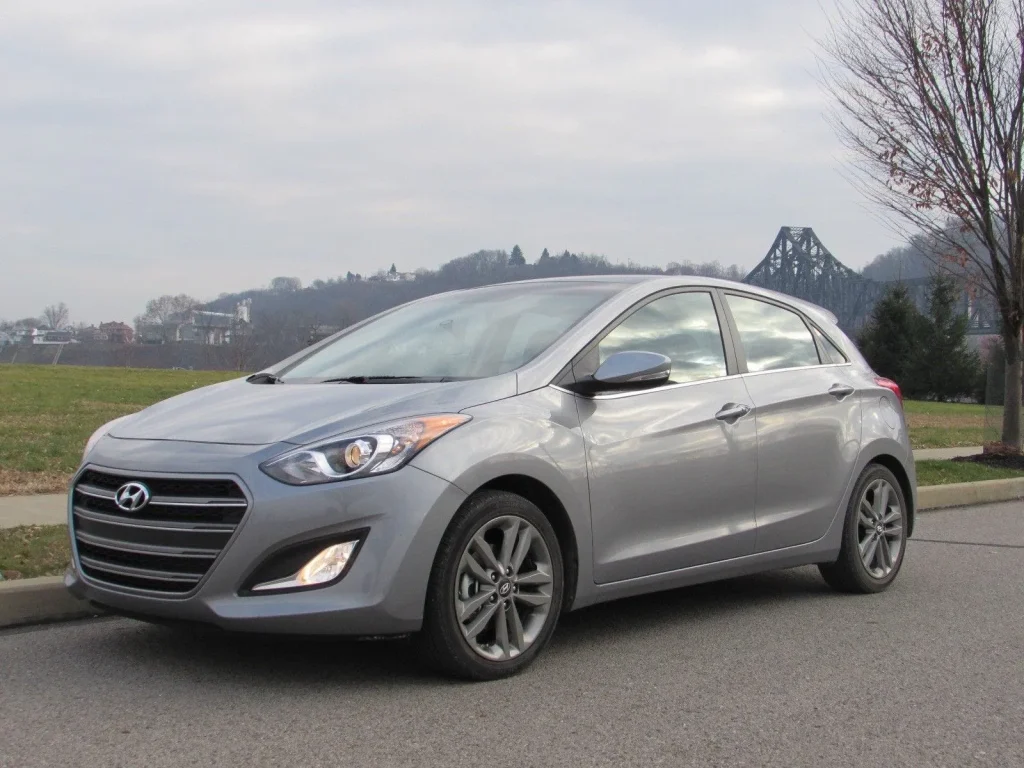
There is also the matter of replacement parts. In some cases, hatchbacks share components with other compact cars, making parts more widely available and sometimes less expensive. Platform sharing often helps keep ownership practical.
Registration and taxation can also vary depending on region and vehicle classification. Lower vehicle values can sometimes reduce annual ownership fees.
Even cleaning and upkeep can be easier. Smaller body surfaces can mean less time and cost involved in maintaining exterior condition. This may sound minor but over years it becomes noticeable.
Financial predictability is another advantage. Buyers choosing hatchbacks often do so because they want controlled and predictable ownership expenses. This mindset often leads to better long term budgeting and fewer surprises.
Taken together, these smaller savings rarely appear dramatic individually. However, combined across several years, they can equal a meaningful financial difference.
Choosing a hatchback can be less about saving money in one area and more about saving small amounts everywhere. Over time, this layered advantage can make a noticeable impact on total ownership experience.
6. Comparable Cargo Practicality Without Extra Bulk
Many buyers assume a small crossover SUV automatically offers more cargo usefulness than a hatchback. In reality, the difference is often smaller than expected. Because hatchbacks use a rear liftgate design and folding rear seats, they can deliver impressive versatility without needing extra height.
The most important factor is usable space rather than total space. While crossovers may offer slightly more vertical room, hatchbacks often use their cargo areas very efficiently. Flat load floors and wide openings can make everyday loading tasks easy.
For grocery runs, luggage, sports equipment, or daily errands, the difference in real world usability can be surprisingly small. Many hatchbacks can easily handle the same routine tasks people expect from small crossovers.
Another advantage is loading convenience. Since hatchbacks sit lower, lifting heavy items into the cargo area often requires less effort. This can make a difference when loading bulky items repeatedly.
Parking garages and height restrictions can also favor hatchbacks. Some crossover owners occasionally encounter height limitations in older structures. Hatchbacks avoid this concern due to their lower profiles.
There is also a balance advantage. A lower cargo floor can make loading more stable. Heavy objects placed lower in the vehicle reduce movement during driving and can improve stability.
Flexibility is another strength. Folding rear seats in a hatchback often creates a long and continuous cargo area. For transporting longer items such as furniture boxes or equipment, this layout can be very practical.
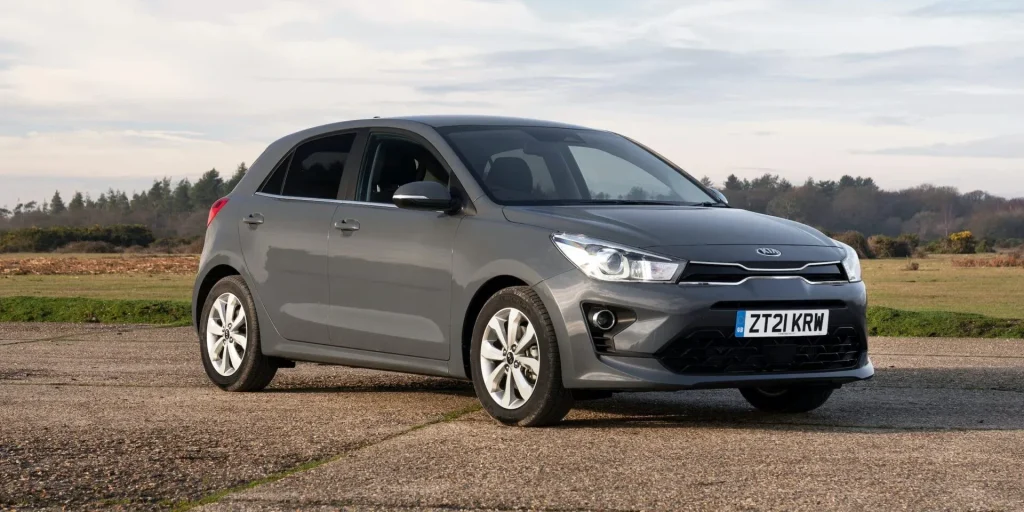
Another overlooked benefit is visibility. Because hatchbacks do not extend as high in the rear, rearward visibility can sometimes be better compared to taller cargo areas in crossovers.
Some buyers also realize they rarely use the maximum cargo capacity of any vehicle. For daily life, practical accessibility matters more than absolute size. In these cases, hatchbacks often provide exactly what is needed without excess bulk.
Choosing a hatchback can mean accepting slightly less maximum space in exchange for easier daily use. For many drivers, that trade makes perfect sense.
When cargo needs are realistic rather than hypothetical, hatchbacks often prove they are just as practical as small crossovers for everyday life.
7. Simpler Entry and Exit for Daily Convenience
One factor that rarely gets discussed in comparisons is how easy a vehicle is to get into and out of multiple times a day. While small crossover SUVs advertise their higher seating position as an advantage, hatchbacks often provide a more natural step in height for many drivers.
The difference comes from how the body is positioned relative to the ground. Hatchbacks usually allow drivers to slide into the seat rather than climb up or step down. This movement can feel more natural during repeated daily use such as commuting, errands, or deliveries.
In tight parking spaces this can also become an advantage. Taller vehicles sometimes require wider door openings to allow comfortable entry. Hatchbacks often need less clearance, which can make a difference in crowded parking lots.
Another important consideration is passenger convenience. Children, elderly passengers, and shorter individuals often find hatchbacks easier to enter without assistance. The step in height tends to feel more manageable.
There is also a rhythm factor involved. For people who enter and exit their vehicles many times per day, small differences in ergonomics can reduce fatigue. A comfortable entry motion repeated daily can become a quality of life improvement.
Garage use is another area where hatchbacks can feel more convenient. Lower roof height allows more margin in low clearance garages and makes movement around the vehicle easier.
Some drivers also prefer the more car like seating feel once inside. Hatchbacks often position the driver in a way that feels more connected to the road. For those transitioning from traditional sedans, this can feel familiar and comfortable.
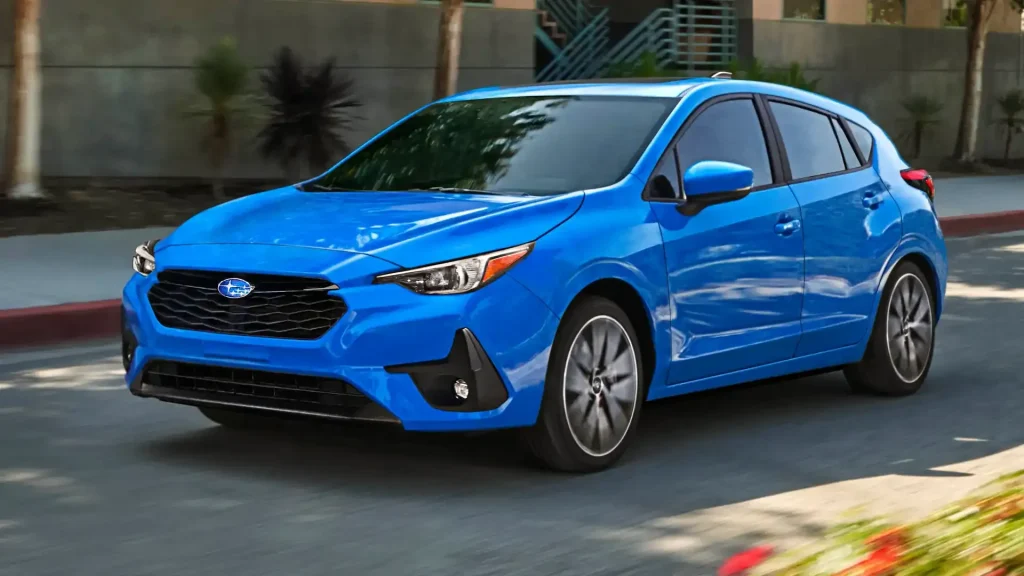
There is also a practical winter advantage. Climbing into taller vehicles during icy conditions can sometimes feel less stable. Lower entry points can feel safer when footing is uncertain.
Repeated use reveals these small ergonomic advantages more clearly than short test drives. What may seem minor at first often becomes noticeable after months of ownership.
Choosing a hatchback can mean choosing ease of use rather than simply height. For drivers who value comfort in everyday interaction rather than just driving position, this becomes an unexpectedly important factor.
Daily usability is often defined by small physical interactions. When those interactions feel natural, the vehicle becomes easier to live with over time.
8. Less Trend Dependency and Better Value Stability
Automotive trends change constantly. At one time sedans dominated. Today crossovers lead the market. Tomorrow another design may take attention. Hatchbacks often exist slightly outside these trend cycles, which can actually work in their favor for practical buyers.
Because hatchbacks are usually purchased for function rather than fashion, they tend to attract buyers who value usability. This can help maintain a stable demand among practical shoppers even when broader trends shift.
There is also less pressure to chase styling updates. Some crossovers change designs frequently to stay fashionable. Hatchbacks often evolve more gradually, which can help them feel relevant longer.
Value perception can also benefit. Vehicles bought primarily for practical reasons often retain loyal buyer interest. When it comes time to sell, there is usually a consistent group of buyers specifically looking for efficient and affordable transportation.
Another advantage is avoiding trend premiums. Buyers who purchase vehicles outside peak trends sometimes avoid inflated pricing. Choosing a hatchback instead of following crossover demand can sometimes mean paying closer to actual engineering value rather than popularity pricing.
There is also a timelessness factor. Simple and functional designs often age better than aggressively styled vehicles created to stand out temporarily. Hatchbacks often benefit from this restraint.
Some buyers also appreciate owning something less common. With so many crossovers on the road, hatchbacks can feel distinctive without trying to be flashy. This subtle uniqueness can be appealing.
Long term satisfaction often comes from how well a vehicle serves daily needs rather than how fashionable it looked at purchase time. Buyers who prioritize function often remain happier with their decisions.
Another practical angle is that hatchbacks often appeal strongly in used markets because they are known for efficiency and affordability. This can help support resale demand even when new car trends change.
Choosing a hatchback can sometimes mean stepping outside current market fashion and focusing on long term practicality instead.
For buyers who prefer making decisions based on usefulness rather than popularity, hatchbacks can represent one of the most rational vehicle choices available.
Choosing between a hatchback and a small crossover SUV often comes down to perception versus practical reality. While crossovers dominate the market due to styling trends and marketing appeal, hatchbacks continue to offer strong everyday advantages that many buyers overlook.
When examined from a usability and ownership perspective, hatchbacks often prove to be the smarter choice for drivers focused on efficiency, cost control, and daily convenience.
One of the strongest arguments for hatchbacks is financial value. They typically cost less to buy and often come with lower ownership expenses such as tires, insurance, and maintenance.
Over several years, these smaller savings can combine into a meaningful financial advantage. Buyers also often get more features for the same price compared to entry level crossovers.
Efficiency is another major benefit. Hatchbacks usually weigh less and have better aerodynamics, which helps reduce fuel consumption.
For commuters and city drivers especially, this can translate into consistent long term savings and fewer fuel stops. Lower weight can also contribute to reduced wear on components.
Practical usability also favors hatchbacks in many daily situations. Their compact size makes them easier to park, easier to maneuver in crowded areas, and less stressful to drive in tight urban environments.
At the same time, their liftback design still allows flexible cargo use that can handle most everyday hauling needs.
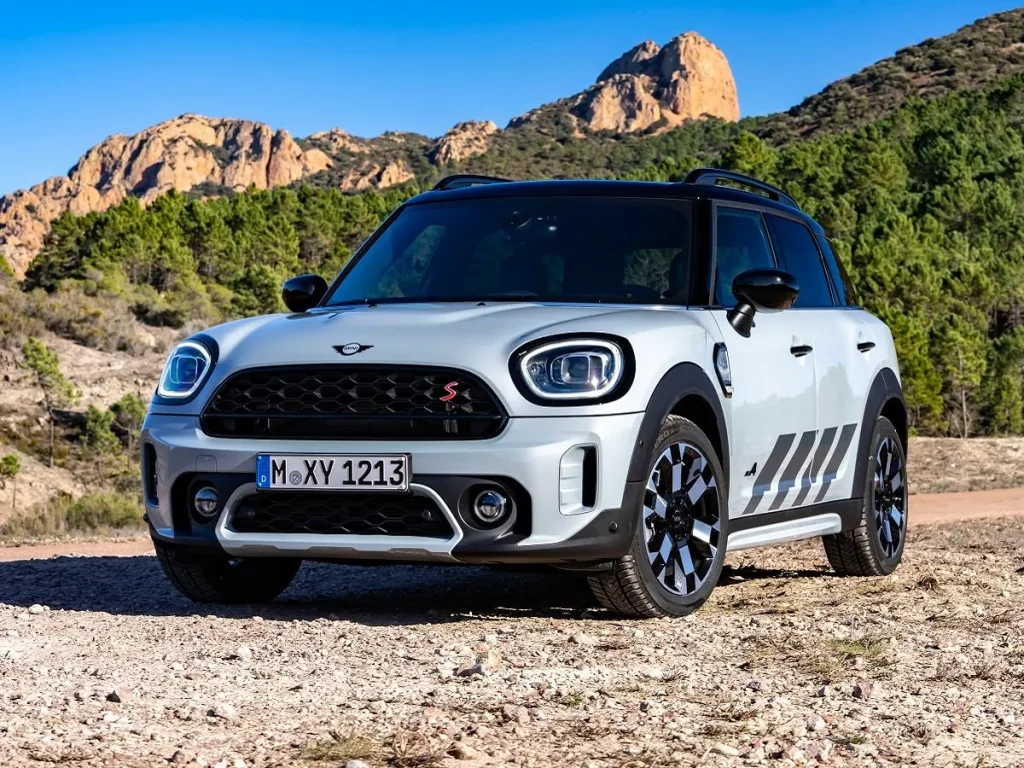
Driving experience is another area where hatchbacks often stand out. Their lower center of gravity helps them feel more stable and responsive. For drivers who still care about how a vehicle feels on the road, this can make daily driving more enjoyable without sacrificing practicality.
Convenience factors such as easier entry and exit, lower loading height, and better maneuverability further strengthen the case. These small daily advantages may seem minor individually but can significantly improve long term ownership satisfaction.
Finally, hatchbacks often avoid the pricing pressure created by market trends. Since they are usually purchased for practical reasons rather than fashion appeal, they can represent honest value purchases for buyers focused on real utility.
In the end, hatchbacks prove that bigger is not always better. For many drivers, they offer the right balance of efficiency, practicality, affordability, and driving comfort. Buyers who look beyond trends often discover that a well chosen hatchback can deliver everything they truly need in a daily vehicle.
Also Read: 5 SUVs With Usable Third Rows vs 5 That Only Fit Small Children