
Some car owners enjoy maintaining their vehicles, keeping track of service schedules, and visiting repair shops regularly to keep everything in perfect condition. Others simply want a car that works without demanding constant attention.
For these drivers, reliability is not just a benefit. It is the main requirement. They want a vehicle that starts every morning, handles daily use without complaints, and only needs routine maintenance once a year rather than unexpected repairs.
The reality is that not all used cars are suitable for this type of ownership. Some vehicles offer impressive technology or performance but require frequent maintenance or develop age related problems. These cars may be interesting to drive, but they are not ideal for someone who values simplicity and long service intervals.
The best vehicles for low maintenance ownership usually share a few important characteristics. Proven engines with simple designs often last longer. Transmissions known for durability reduce the risk of expensive repairs.
Brands with strong reliability records tend to engineer their vehicles with long term ownership in mind rather than short term appeal.
Another important factor is parts availability. A dependable car should also be easy to maintain when service is needed. Vehicles with widely available parts and mechanics familiar with their design are easier to keep running without long workshop visits. This reduces downtime and ownership stress.
Driving style also matters. Cars that are engineered for smooth operation rather than aggressive performance often last longer because components experience less stress. Many of the best long lasting vehicles focus on balance rather than pushing engineering limits.
This list focuses on used cars known for durability, predictable ownership costs, and strong reliability reputations. These are vehicles often chosen by owners who want transportation that feels dependable rather than demanding. The goal is simple. Cars that allow you to focus on driving instead of constantly thinking about repairs.
We begin with two vehicles that built their reputations by making dependability feel normal rather than exceptional.
Also Read: 5 Cars That Handle 200,000 Miles Gracefully vs 5 That Fall Apart
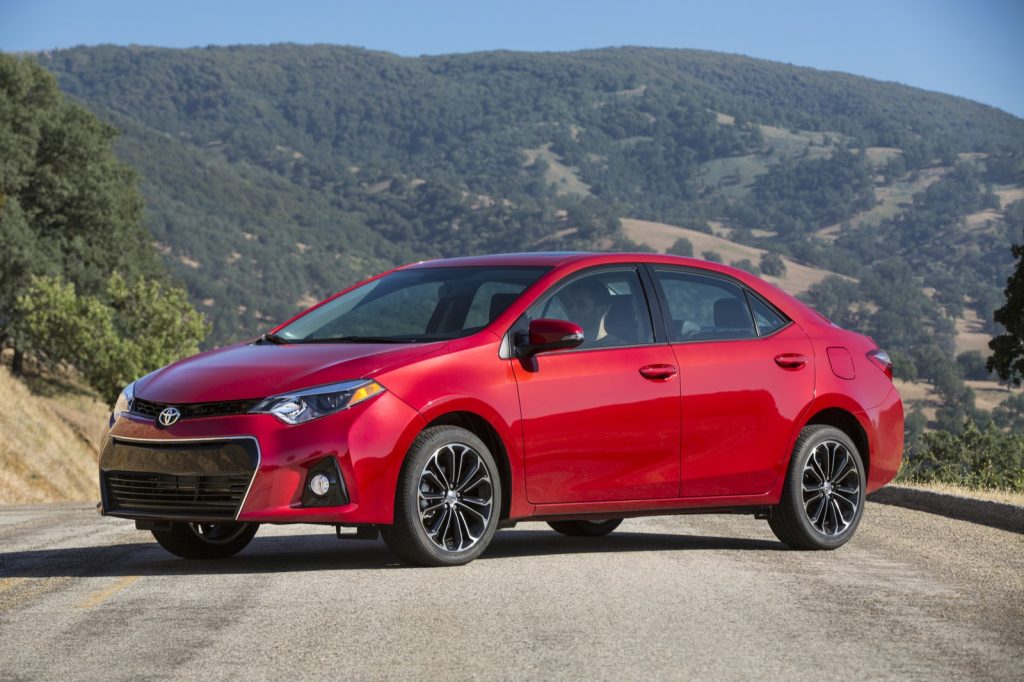
1. Toyota Corolla
There is a reason the Toyota Corolla is often recommended to buyers who want minimal ownership stress. Instead of trying to impress with bold styling or aggressive performance, the Corolla focuses on doing simple things extremely well.
This approach has helped it become one of the most trusted used cars for drivers who prefer predictable ownership.
The Corolla’s greatest strength is its mechanical simplicity. Many model years use naturally aspirated engines that avoid unnecessary complexity. Fewer complicated components usually mean fewer unexpected failures over time. This is one of the main reasons many Corollas can go years with only basic maintenance.
Another major advantage is how forgiving the car is when maintenance timing is not perfect. While regular service is always recommended, the Corolla has a reputation for tolerating minor delays better than more sensitive vehicles. This quality appeals to owners who do not want strict maintenance schedules controlling their lives.
Ownership costs also stay manageable because parts are inexpensive and widely available. Since the Corolla has been produced in large numbers, replacement components are easy to find and most repair shops are familiar with its design. This reduces both repair time and labor costs when service is required.
Fuel efficiency also contributes to its low maintenance appeal. Efficient engines typically experience less stress than high performance engines, which can help extend component life. The Corolla is designed for steady daily driving rather than hard acceleration, which benefits longevity.
Many owners also report that electronics and interior controls continue working reliably even after years of use. This may seem like a small detail, but avoiding electrical problems saves both money and frustration.
For someone who wants a used car that behaves like an appliance rather than a project, the Corolla remains one of the safest bets. It is not exciting, but it rarely becomes a burden, which is exactly what low maintenance owners want.
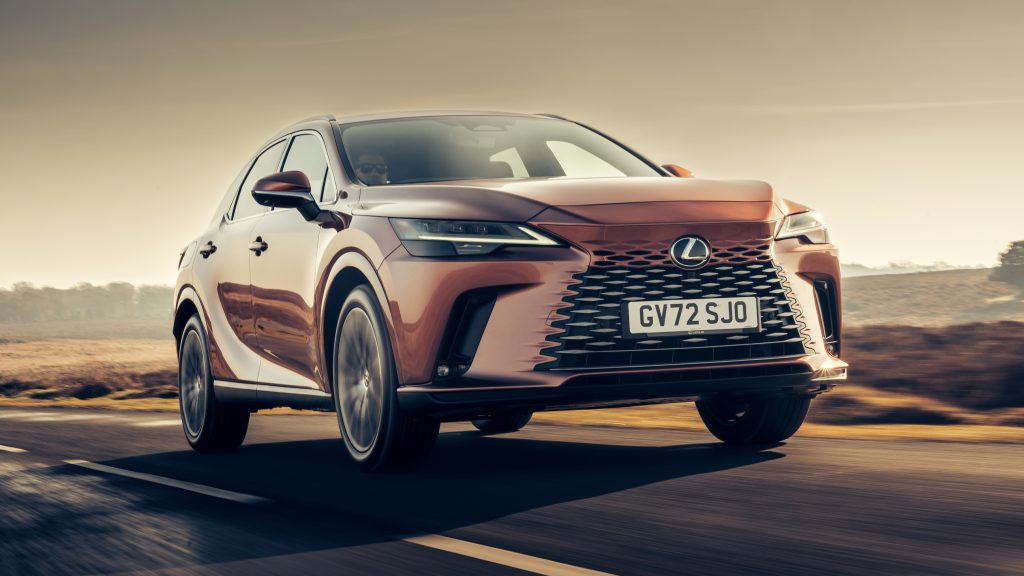
2. Lexus RX
The Lexus RX offers a completely different interpretation of low maintenance ownership. Instead of focusing on simplicity alone, it combines Toyota group reliability with luxury level build quality. This creates a vehicle that feels refined while still maintaining a strong reputation for durability.
One of the key reasons the RX works well for infrequent service visits is engineering maturity. Lexus tends to introduce new technology carefully rather than rushing experimental features into production. This slower development approach often results in systems that remain dependable as the vehicle ages.
The powertrains in many RX models are known for smooth operation rather than aggressive output. This matters because engines designed for smoothness often experience less wear compared to those tuned for maximum performance. The result is long term mechanical stability that suits relaxed owners.
Another advantage comes from interior durability. Lexus invested heavily in material quality, which means switches, seat controls, and climate systems often continue functioning without trouble even after extended use. This reduces the small but annoying repair visits that can add up with lesser vehicles.
The RX also benefits from conservative engineering decisions. Instead of chasing extreme fuel economy numbers or performance benchmarks, Lexus focused on reliability balance. This philosophy often results in vehicles that simply keep working without demanding attention.
Many used RX vehicles were owned by drivers who prioritized comfort over aggressive driving. This often means less mechanical stress compared to vehicles commonly driven hard. Finding well maintained examples is usually not difficult.
For buyers who want a used SUV that combines comfort with a reputation for long service intervals, the Lexus RX offers a compelling choice. It shows that luxury ownership does not always mean complicated ownership if the engineering philosophy is focused on long term dependability.
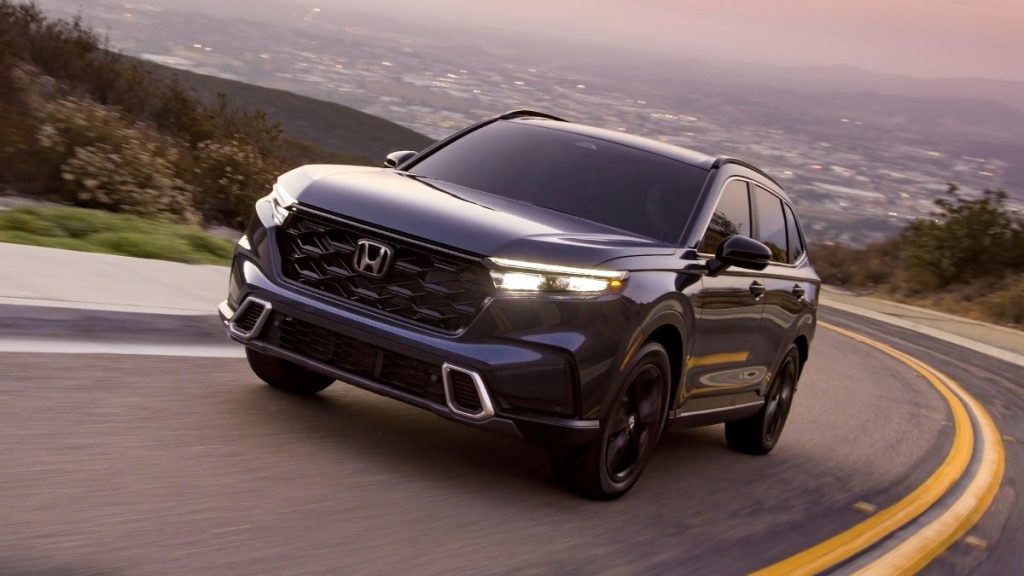
3. Honda CR-V
Some vehicles become popular because of marketing. Others become popular because they quietly solve everyday problems better than expected. The Honda CR-V falls into the second category. It built its reputation by being exactly what many owners need. Practical, dependable, and rarely troublesome.
One of the CR-V’s strongest advantages is how well it handles daily use without drama. The engines used in many older models are known for steady operation rather than pushing performance limits. This type of tuning helps reduce internal stress and improves long term durability.
Space efficiency also plays an unexpected role in reliability. Because the CR-V offers generous cargo room and flexible seating, owners are less likely to overload the vehicle in ways that strain suspension components. A well balanced load helps reduce wear on shocks and bushings over time.
Another important point is service predictability. CR-V maintenance schedules are straightforward and easy to follow. Oil changes, brake service, and fluid replacements are simple procedures that most workshops can complete quickly. This is ideal for owners who only want one planned service visit each year.
The CR-V also developed a strong reputation for transmission durability compared to some competitors in the compact SUV category. This matters because transmission repairs are among the most expensive problems a used car owner can face. Avoiding this risk makes ownership far more relaxed.
Resale popularity also indirectly supports reliability. Because so many CR-Vs remain on the road, manufacturers continue producing affordable replacement parts. This keeps maintenance affordable and ensures that repairs, when needed, do not become complicated.
Owners often describe the CR-V as a vehicle that fades into the background of daily life. That description may not sound exciting, but it is actually high praise. A car that does not demand attention is often exactly what busy owners want.
For drivers who want something slightly larger than a sedan but just as dependable, the CR-V remains one of the safest used choices available.
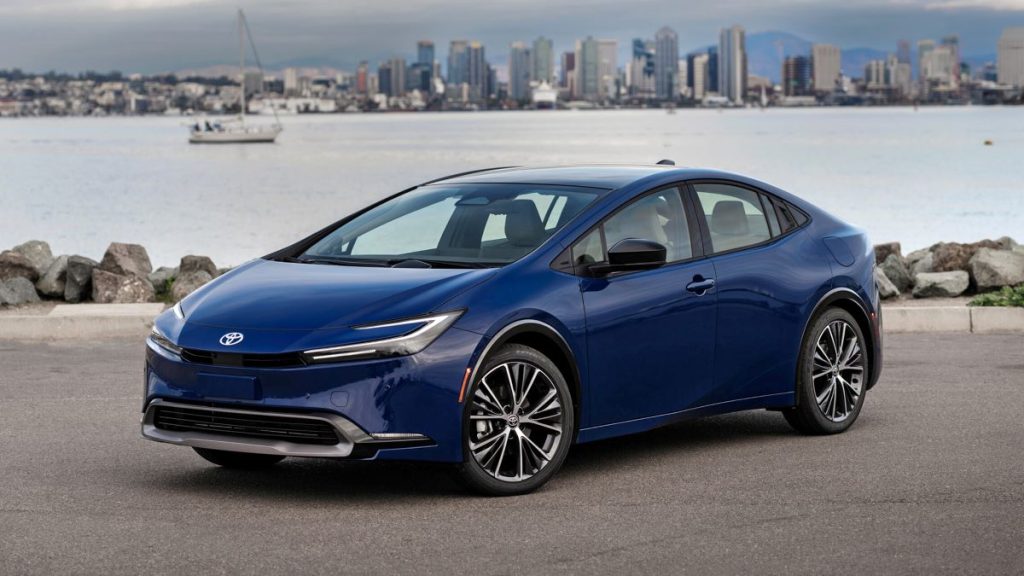
4. Toyota Prius
The Toyota Prius proves that complexity does not always mean unreliability. Many buyers initially worry about hybrid systems, assuming they will require constant maintenance.
The Prius has spent years proving the opposite. It became one of the most dependable used vehicles precisely because its hybrid system was engineered for longevity rather than experimentation.
One of the biggest reasons the Prius suits owners who dislike frequent service visits is reduced mechanical strain. The hybrid system allows the gasoline engine to rest during low speed driving. This shared workload reduces engine wear compared to conventional vehicles that rely entirely on combustion power.
Brake longevity is another hidden advantage. Because the Prius uses regenerative braking to recover energy, traditional brake components often last longer. Some owners report going far longer between brake replacements compared to conventional cars.
The Prius also benefits from a design philosophy centered on efficiency rather than performance. Components engineered for efficiency often operate under lower stress. Lower stress usually translates into longer life spans and fewer unexpected repairs.
Hybrid battery concerns are often overstated. Many Prius models have demonstrated long battery life when used normally. Replacement costs have also become more manageable over time, making long term ownership less intimidating.
Another factor is ownership demographics. Many Prius vehicles were owned by careful drivers focused on efficiency. This often means smoother driving habits and better maintenance discipline compared to vehicles associated with aggressive driving.
Fuel savings also indirectly support maintenance budgets. Lower fuel costs leave more room for proper servicing when needed, which helps maintain reliability over time.
The Prius is a strong reminder that engineering maturity matters more than technology type. When hybrid systems are designed carefully, they can actually reduce maintenance demands rather than increase them.
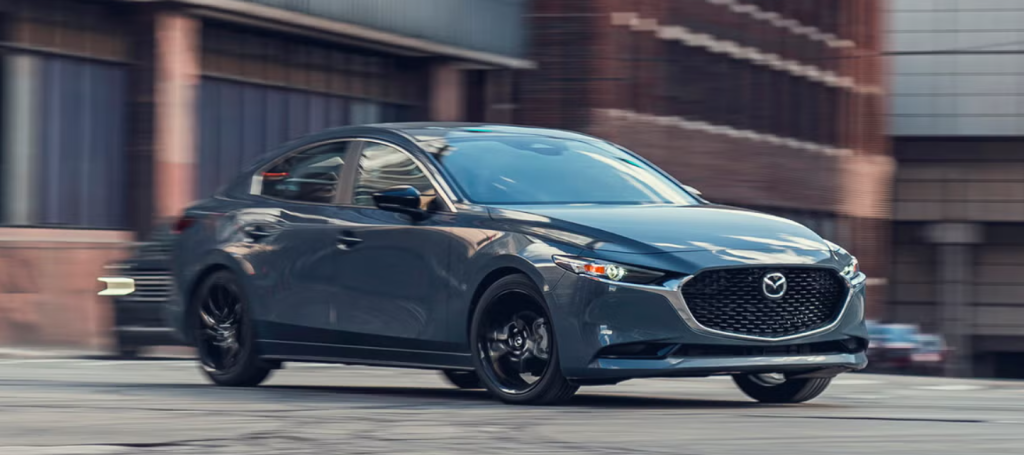
5. Mazda3
The Mazda3 approaches reliability from a slightly different direction. Instead of relying purely on conservative engineering like some competitors, Mazda focused on reducing unnecessary complexity while still delivering an engaging driving experience. The result is a compact car that manages to feel enjoyable without becoming maintenance heavy.
A key reason the Mazda3 fits low maintenance ownership is its engine philosophy. Mazda avoided small turbocharged engines in many model years and instead refined naturally aspirated designs. This decision reduced heat stress and long term wear factors that sometimes affect highly boosted small engines.
Build quality is another area where the Mazda3 quietly excels. Door panels, switches, and interior materials often hold up well even after years of use. This durability reduces the small repairs that can make ownership feel inconvenient even when they are not expensive.
Mazda also invested in transmission refinement. Both manual and automatic versions in many years developed a reputation for consistent performance without widespread failure trends. This helps reduce the risk of major repair interruptions.
Handling balance also plays an unexpected role. A well balanced chassis reduces uneven tire wear and helps suspension components last longer. The Mazda3’s stable ride quality helps distribute stress more evenly across mechanical parts.
Another advantage comes from ownership expectations. Many Mazda3 buyers appreciate the car for its driving feel rather than extreme performance. This usually leads to moderate driving habits rather than aggressive use, which benefits long term durability.
Maintenance access is also straightforward. Routine service points are easy to reach, which helps reduce labor time during annual servicing. Simpler maintenance procedures often mean fewer opportunities for errors.
For buyers who want a reliable used car that still feels more interesting than basic transportation, the Mazda3 offers a smart middle ground. It shows that dependability does not always require sacrificing driving enjoyment.
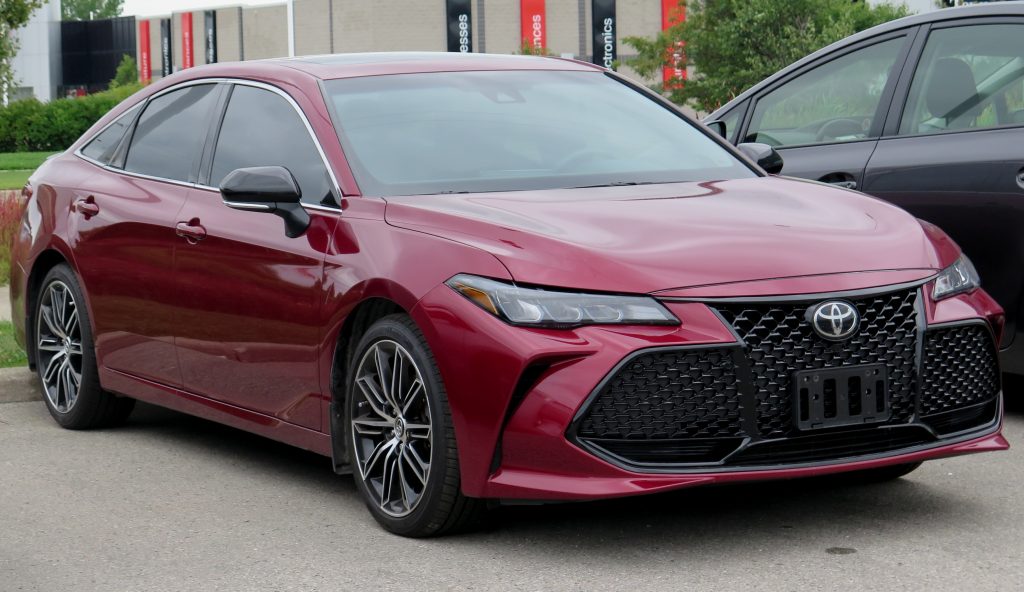
6. Toyota Avalon
If someone asked what car is most likely to be owned by a person who dislikes repair shops, the Toyota Avalon would be a strong candidate. This full size sedan built its identity around comfort, smooth operation, and long term ownership satisfaction rather than trend chasing features.
The Avalon’s advantage begins with its powertrain. Many models share proven engines also used in other Toyota vehicles. Using well tested components across multiple models often improves reliability because problems are discovered and resolved across a large production base.
Ride quality also contributes to longevity. The Avalon is tuned for comfort rather than sharp handling. A softer suspension setup reduces impact stress on structural and suspension components. Over many years, this can reduce wear related repairs.
There is also a usage pattern advantage. Avalons are frequently owned by drivers who value smooth travel over fast acceleration. This often means less aggressive driving behavior and reduced mechanical strain compared to sport focused vehicles.
Interior aging is another quiet strength. Leather quality, dashboard materials, and electronic controls often remain functional for long periods. This reduces nuisance repairs that can make ownership feel demanding even when the vehicle still runs well.
Because the Avalon was not marketed as a trendy vehicle, it often escaped the heavy modification culture seen with some sedans. Finding unmodified examples with original components is usually easier, which helps reliability.
Another practical benefit is predictable maintenance intervals. Routine service rarely involves complicated procedures, which allows owners to combine multiple maintenance tasks into one yearly visit if they plan carefully.
The Avalon represents a type of vehicle that is becoming less common. A large, comfortable sedan built primarily to last. For someone who wants a used car that rarely asks for attention, it remains a very logical choice.
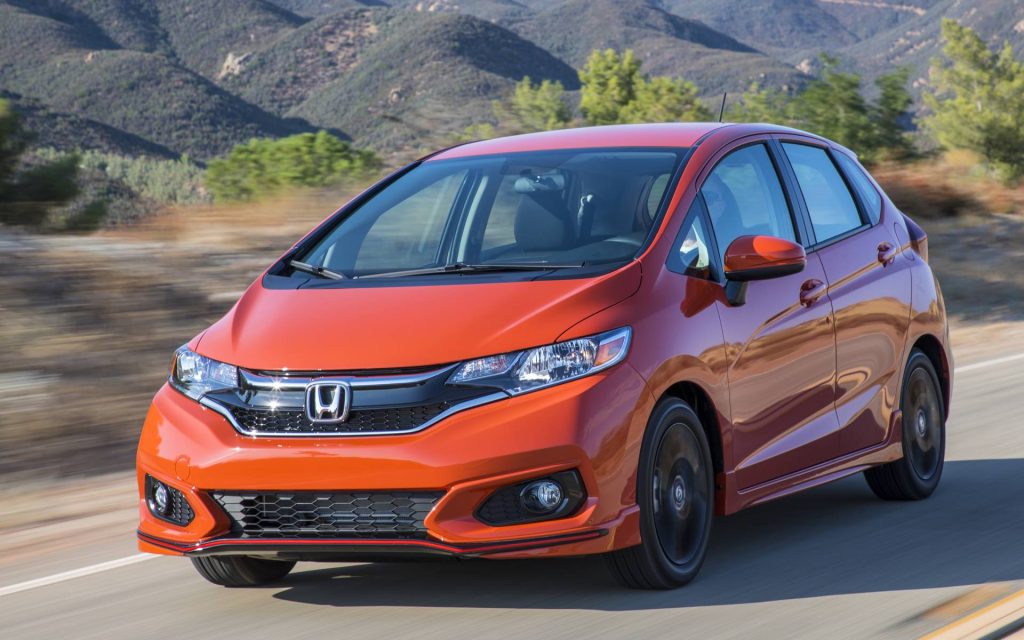
7. Honda Fit
The Honda Fit is proof that small cars can deliver big reliability if they are engineered with practical thinking instead of just cost cutting. While many subcompact cars are built to meet price targets first, the Fit was designed with usability and durability in mind. This difference becomes very clear in long term ownership.
What makes the Fit especially appealing for owners who want minimal workshop visits is its mechanical honesty. The engines are simple, naturally aspirated units known for steady performance rather than pushing extreme output from small displacement. This helps reduce internal stress and improves longevity.
One of the most impressive aspects of the Fit is how intelligently it uses space. The Magic Seat system allows multiple cargo configurations without putting strain on hinges or mechanisms. Honda engineered these moving parts to be durable, which helps prevent the type of interior failures that sometimes develop in small cars.
Another reason the Fit survives long ownership periods well is weight management. Because the car is relatively light, components such as brakes and tires often last longer compared to heavier vehicles. Reduced mass means less energy is required to stop and control the vehicle, which reduces wear.
Owners also benefit from the car’s straightforward service needs. There are no complicated luxury features that require specialized calibration. Most routine maintenance tasks can be completed quickly, making it realistic for owners to combine services into one annual visit.
Interestingly, the Fit also built a reputation for tolerating city driving abuse. Frequent stops, tight parking situations, and short trips tend to be harder on vehicles, yet the Fit has shown resilience in these conditions when maintained properly.
The electronics also tend to age gracefully. Climate controls, window switches, and infotainment systems generally remain functional without developing widespread faults. Avoiding electrical problems is a major reason some owners can go long periods without unexpected repairs.
The Honda Fit may not look like a traditional long life vehicle at first glance, but its thoughtful engineering makes it ideal for people who want simple, dependable transportation that rarely interrupts their schedule.
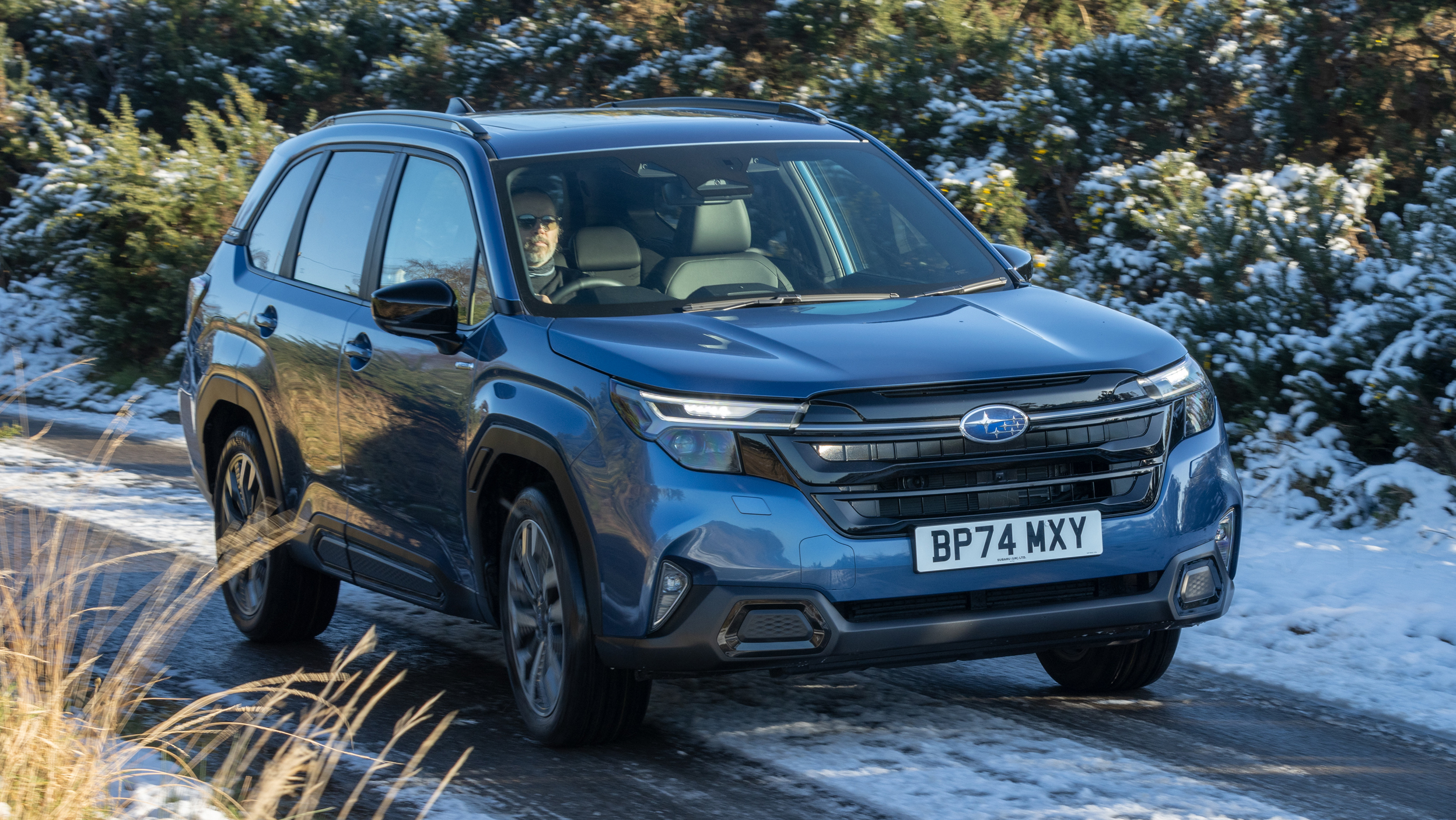
8. Subaru Forester
The Subaru Forester takes a more rugged approach to low maintenance ownership. Instead of focusing purely on urban efficiency, it was engineered to remain dependable across a wide variety of driving conditions. This makes it attractive to owners who want one vehicle that can handle everything without needing constant attention.
A major strength of the Forester is its symmetrical all wheel drive system. Unlike some part time systems, Subaru designed this setup to operate continuously with balanced power delivery. This reduces stress spikes on drivetrain components and can improve long term durability when properly maintained.
Visibility is another feature that indirectly contributes to reliability. The Forester’s large windows and upright design help drivers see obstacles clearly, which can reduce minor accidents that lead to repair visits. Avoiding damage is just as important as avoiding mechanical failure.
The boxer engine design also plays a role. By placing the engine lower in the chassis, Subaru improved stability and reduced vibration transfer. Lower vibration levels can contribute to longer component life because parts are not constantly exposed to unnecessary movement.
Maintenance patterns also favor long intervals between visits. Oil changes and fluid services are straightforward, and many independent workshops understand Subaru engineering well enough to handle routine servicing efficiently.
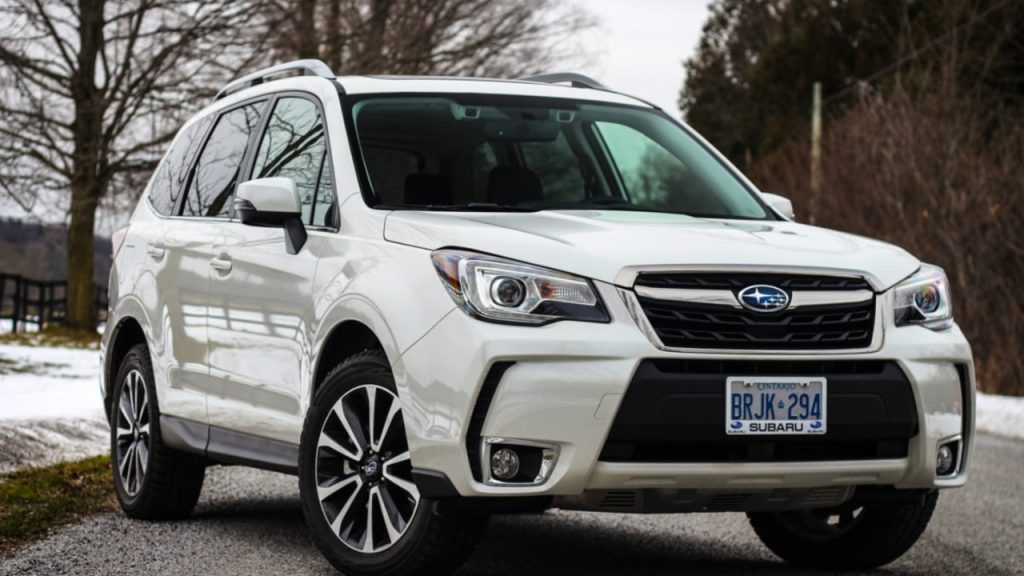
There is also a cultural factor with Forester ownership. Many buyers choose this model for dependability and safety rather than performance. This often leads to careful driving habits and consistent maintenance, which improves the quality of used examples available on the market.
Interior durability also deserves mention. Materials are chosen more for longevity than appearance. While not always luxurious, they tend to resist wear and continue functioning properly after years of use.
The Forester is well suited to someone who wants a vehicle that quietly handles daily responsibilities without demanding constant supervision. It is not designed to impress with flash. It is designed to remain dependable, which is exactly why it belongs on this list.
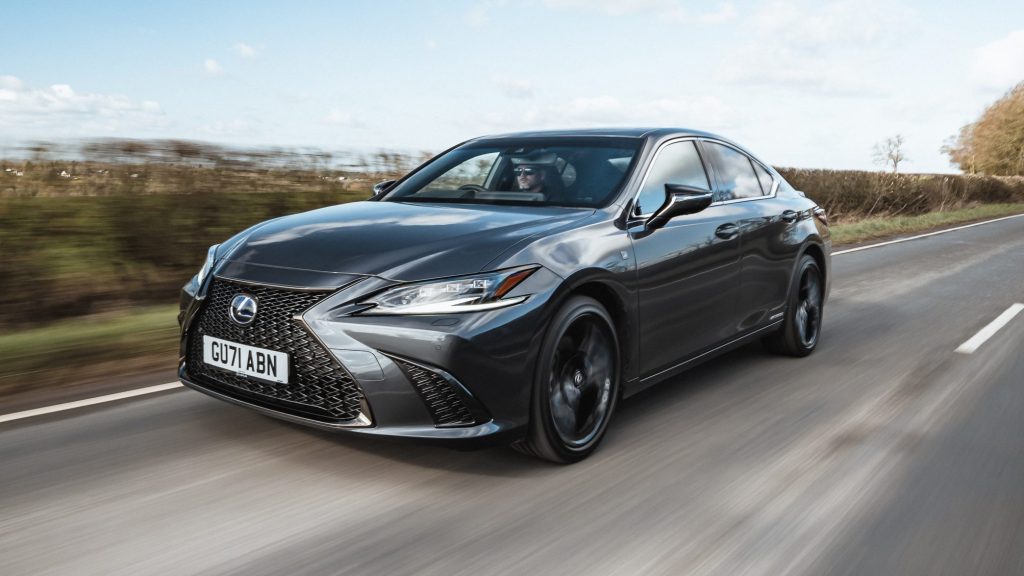
9. Lexus ES
If dependability could be described as a driving experience, it would probably feel very similar to the Lexus ES. This sedan built its reputation not through performance or aggressive styling but through its ability to operate smoothly year after year with minimal unexpected issues.
For owners who only want to think about service once a year, this kind of consistency matters more than excitement.
The ES benefits greatly from Toyota group engineering discipline. Many of its mechanical components are shared with proven platforms that have already demonstrated long term durability. Using tested technology instead of experimental systems helps reduce the chances of surprise failures.
One area where the ES stands out is how gently it treats its own components. The transmission is tuned for smooth shifts rather than fast ones. The engine prioritizes quiet operation over aggressive response. These decisions reduce internal stress and allow parts to last longer.
Cabin quality also contributes to fewer repair visits. Lexus invested heavily in switch durability and interior assembly precision. Buttons tend to maintain their feel, screens rarely develop glitches, and seat adjustments continue working long after many competitors begin showing wear.
Another advantage is owner behavior patterns. The ES is often purchased by drivers who value comfort and calm driving. This often results in less aggressive acceleration, smoother braking, and fewer high stress driving situations. These habits naturally extend component life.
Noise insulation is another unexpected benefit. A quiet cabin allows drivers to notice unusual sounds early. Detecting small problems early can prevent them from becoming large repairs, which helps reduce the number of workshop visits.
Service access is also well planned. Routine maintenance points are logically placed, making yearly servicing efficient. When maintenance is easy to perform, it is more likely to be done properly and on time.
For buyers who want a used car that behaves predictably and rarely disrupts their routine, the Lexus ES offers a very strong argument. It represents a type of engineering where the goal is not to impress on the first drive but to satisfy over many years.
10. Toyota Camry
Ending this list with the Toyota Camry feels appropriate because it represents one of the most balanced examples of long term reliability in the used car market. The Camry does not dominate any single category, but it performs well in almost every area that matters for owners who want minimal maintenance demands.
The secret to the Camry’s durability is not one major feature but a collection of small decisions. Toyota consistently avoided unnecessary complexity in engine design. Transmissions were tuned for longevity instead of aggressive performance. Electrical systems were designed to be stable rather than experimental.
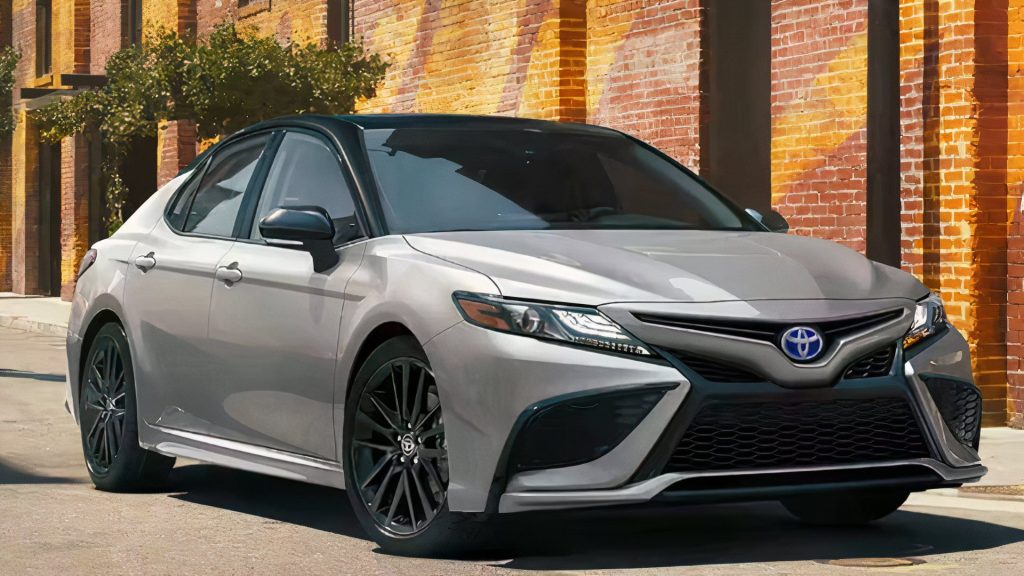
The result is a car that rarely develops patterns of major failure. Instead of dramatic issues, most Camry ownership stories involve routine service and little else. This predictability is exactly what appeals to people who want to limit repair shop visits.
Another advantage comes from how well the Camry tolerates different types of use. Whether driven in city traffic or on long highway commutes, it tends to maintain consistent behavior. This adaptability makes it suitable for owners with changing routines.
Availability of knowledge also supports reliability. Because so many Camrys have been sold, mechanics understand their common service needs very well. This reduces diagnostic time and helps ensure that maintenance is done correctly during yearly visits.
Ownership cost stability is another major benefit. Parts pricing tends to remain reasonable, and the large supply of components keeps service affordable. When maintenance costs stay manageable, owners are less likely to postpone important work.
The Camry also benefits from conservative redesign cycles. Toyota typically introduces improvements gradually, which helps avoid the type of first year problems that sometimes affect completely new designs.
For someone who wants a used vehicle that can quietly handle years of ownership with minimal disruption, the Camry remains one of the safest decisions available. It is not designed to surprise. It is designed to continue working.
Also Read: 5 SUVs With Perfect Entry Height for Seniors vs 5 That Are Too High
