
Most car buyers assume purchasing used is always the smarter financial decision. Depreciation is often described as the biggest cost of new car ownership, and avoiding that early value drop is usually seen as the key to saving money.
While this logic works in many situations, there is an interesting exception that many buyers overlook. Some vehicles hold their value so well that the price difference between new and used becomes surprisingly small. In these cases, buying used may actually be the less logical decision.
High resale value usually comes from a combination of strong reliability, brand reputation, low ownership costs, and consistent demand in the used market.
When a vehicle earns a reputation for durability or practicality, buyers are often willing to pay a premium even after several years of use. This creates a situation where used prices remain artificially high compared to what buyers might expect.
When the price gap between a three year old vehicle and a brand new one becomes narrow, buyers must consider what they are really gaining.
A new vehicle offers a full warranty, no unknown ownership history, the latest technology, and the ability to configure exactly what they want. If the used model only saves a small percentage of the cost, the advantages of buying new may outweigh the savings.
Another overlooked factor is interest rates and incentives. Manufacturers often provide financing offers, maintenance packages, or warranty extensions on new cars that are not available on used ones. These benefits can sometimes reduce the real world cost difference even further.
This does not mean used cars are a bad idea. In many cases they remain the smartest choice. However, certain vehicles have such strong resale demand that they break the traditional depreciation rule. These are the cars where buying used requires careful price comparison because the expected savings may not exist.
Here are ten vehicles known for such strong resale value that buying them used sometimes makes less sense than buyers expect.
Also Read: 5 Hybrids With Simple Cooling Systems vs 5 With Complex Maintenance
1. Toyota Tacoma
The Toyota Tacoma has built one of the strongest resale reputations in the automotive world, especially in the midsize pickup segment.
What makes the Tacoma unusual is not just that it holds value well, but how consistently it does so regardless of market trends. Even during periods when truck demand fluctuates, the Tacoma tends to maintain strong pricing in the used market.
A major reason is its durability reputation. Many buyers specifically search for used Tacomas because they believe the truck can handle years of heavy use without major failures. This belief, whether fully accurate in every case or not, keeps demand extremely high. When demand stays high, prices naturally follow.
Another factor is limited depreciation caused by buyer loyalty. Tacoma owners often keep their trucks for long periods, which reduces supply in the used market. When fewer used vehicles are available, resale prices remain elevated. This can make a three or four year old Tacoma surprisingly expensive compared to a new one.
There is also a lifestyle factor. The Tacoma has become associated with outdoor culture, overlanding, and adventure travel. This image keeps interest strong among younger buyers and enthusiasts who are willing to pay extra for the brand identity as much as the mechanical capability.
When comparing numbers, buyers sometimes discover that a lightly used Tacoma costs only slightly less than a factory fresh one. At that point, choosing new can provide better long term value because the buyer gains warranty coverage and the knowledge that the vehicle has not been modified or used aggressively.
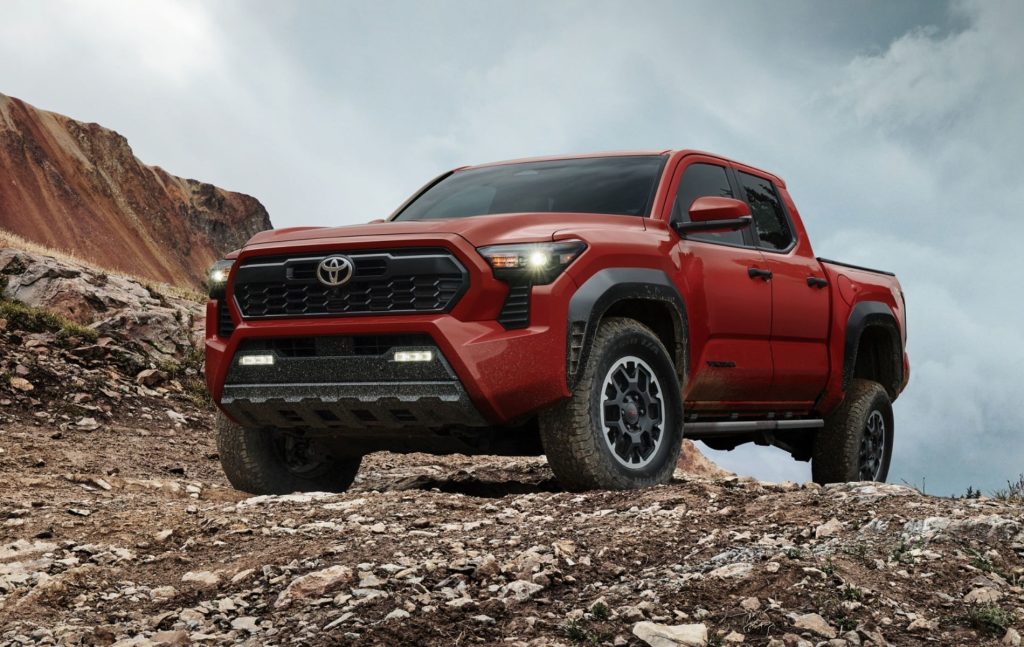
Tacoma pricing also tends to remain strong because Toyota avoids dramatic yearly redesigns. This means older trucks do not look outdated quickly, which helps maintain their appeal.
For anyone considering this truck, careful price comparison is essential. The Tacoma is one of the rare cases where depreciation may not create the savings buyers expect, making a new purchase sometimes the more rational financial decision.
2. Jeep Wrangler
The Jeep Wrangler exists in a category of its own because it functions as both transportation and a hobby vehicle. This dual purpose identity plays a huge role in why its resale values remain so strong. Buyers are not just purchasing a vehicle. They are buying into a culture of off road capability and customization.
Unlike many SUVs that lose appeal as new models arrive, the Wrangler benefits from timeless design. Its boxy shape changes slowly across generations. This means even older models still look relevant. Because styling does not quickly become outdated, depreciation pressure is reduced.
Used Wrangler prices also stay high because of modification potential. Many buyers specifically want a Wrangler to personalize it with lift kits, larger tires, or off road accessories. This enthusiast demand supports used values even when mileage is higher than average.
There is also a psychological element. Buyers often trust the Wrangler’s rugged image and assume it can tolerate tough use. Whether the vehicle was actually used off road or not, this perception alone keeps resale demand strong.
However, this strong resale market creates an unusual buying situation. A used Wrangler may have experienced hard use, trail driving, or aftermarket modifications that affect reliability. Yet it may still command a premium price simply because of brand image. This is where buying new can become attractive.
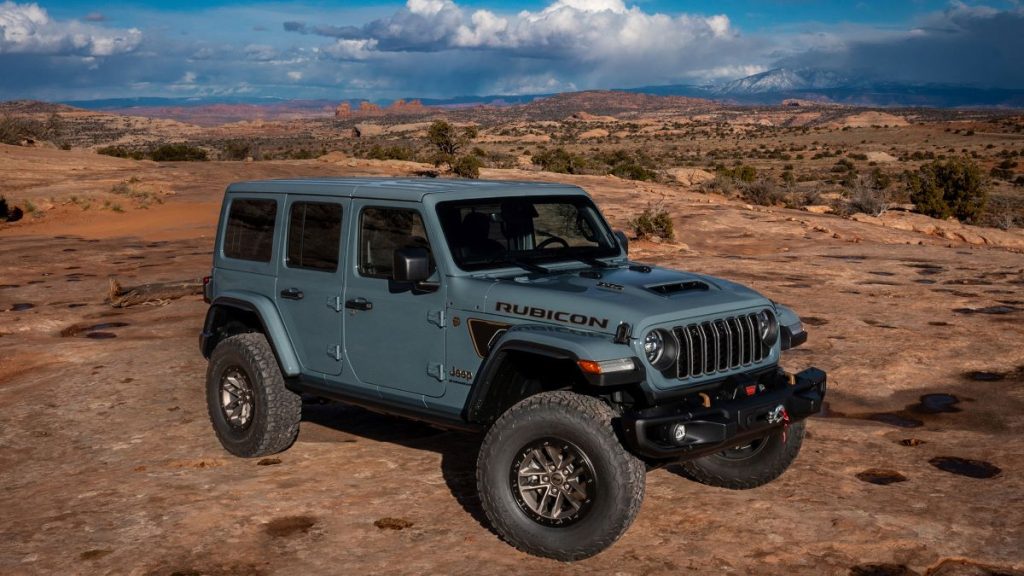
A new Wrangler offers a clean starting point. No hidden off road wear, no questionable modifications, and full warranty protection. When the used price difference becomes narrow, the peace of mind of buying new may justify the additional cost.
Another interesting detail is seasonal demand. Wrangler prices often increase during warmer months when buyers think about outdoor activities. This seasonal demand pattern helps maintain resale strength year after year.
For buyers who assume used always means cheaper value, the Wrangler proves that market demand can completely change the usual rules. Sometimes the smarter purchase is the one with zero history instead of one with unknown adventures.
3. Subaru Crosstrek
Not every vehicle earns high resale value because of power or prestige. The Subaru Crosstrek built its reputation through practicality and trust.
It quietly became one of the most sought after compact crossovers in the used market because it offers something many buyers want but few vehicles combine so effectively. Efficiency, all weather capability, and manageable ownership costs.
One reason the Crosstrek holds value so strongly is its standard all wheel drive system. In many competing crossovers, this feature costs extra or is limited to higher trims. Subaru made it part of the basic formula. This immediately increases its desirability in colder regions and among buyers who want extra traction without paying luxury prices.
Another factor that keeps used prices high is how predictable the ownership experience tends to be. The Crosstrek does not promise speed or excitement. Instead it offers consistency.
It starts reliably, handles poor roads confidently, and usually does not surprise owners with expensive repairs if properly maintained. This reputation spreads quickly through word of mouth.
Demand is also strengthened by first time buyers. Many younger drivers specifically target the Crosstrek as a practical first crossover because of its manageable size and reputation for safety. This creates a steady flow of used buyers that keeps resale prices elevated.
There is also the issue of price comparison. When checking listings, buyers often find that a two or three year old Crosstrek sometimes costs only slightly less than a new one. When the difference becomes narrow, the argument for buying new becomes stronger because buyers gain the latest safety updates and a full warranty period.
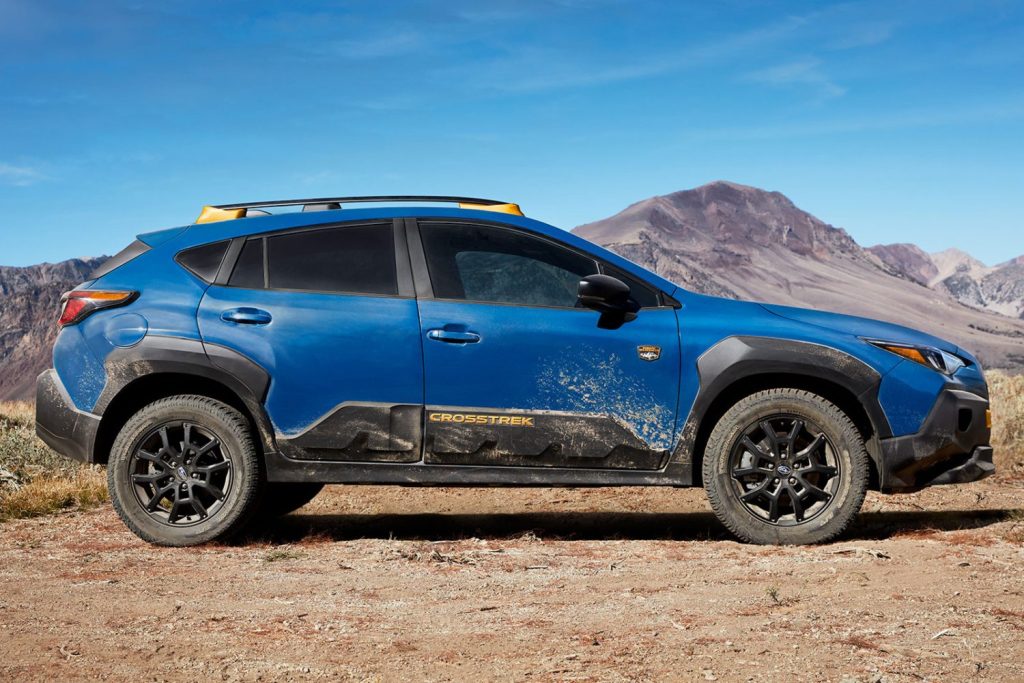
Subaru also benefits from a loyal owner base. Many Crosstrek drivers replace their vehicles with another Subaru, which reduces supply in the used market. Fewer available vehicles combined with steady demand helps maintain price strength.
The Crosstrek is a clear example of how a vehicle does not need luxury branding to resist depreciation. Sometimes a reputation for honesty and usefulness is enough to keep values unusually strong.
4. Honda Civic
The Honda Civic demonstrates how consistency over decades can translate directly into resale strength. Few cars have managed to maintain relevance across so many generations while appealing to such a wide audience. From students to commuters to enthusiasts, the Civic attracts a diverse buyer base that keeps used demand extremely strong.
Part of this comes from mechanical reputation. The Civic is widely seen as a car that can accumulate high mileage without major drama if serviced properly. This belief keeps buyers comfortable paying higher prices even when vehicles are no longer new.
Fuel efficiency also plays a major role. As fuel costs fluctuate, efficient compact cars often see renewed interest. The Civic remains one of the safest bets for buyers looking to reduce operating costs, which helps protect its value even when the broader market shifts toward SUVs.
Another interesting factor is trim diversity. The Civic ranges from basic commuter versions to sporty variants. This broad appeal creates multiple layers of demand in the used market. Some buyers want affordability while others specifically seek performance trims. This layered interest helps maintain strong overall pricing.
Now consider the buying decision itself. If a one or two year old Civic is priced only modestly below a new one, buyers must ask whether the savings justify giving up warranty coverage and the ability to select exact specifications. In many cases the answer becomes less obvious than expected.
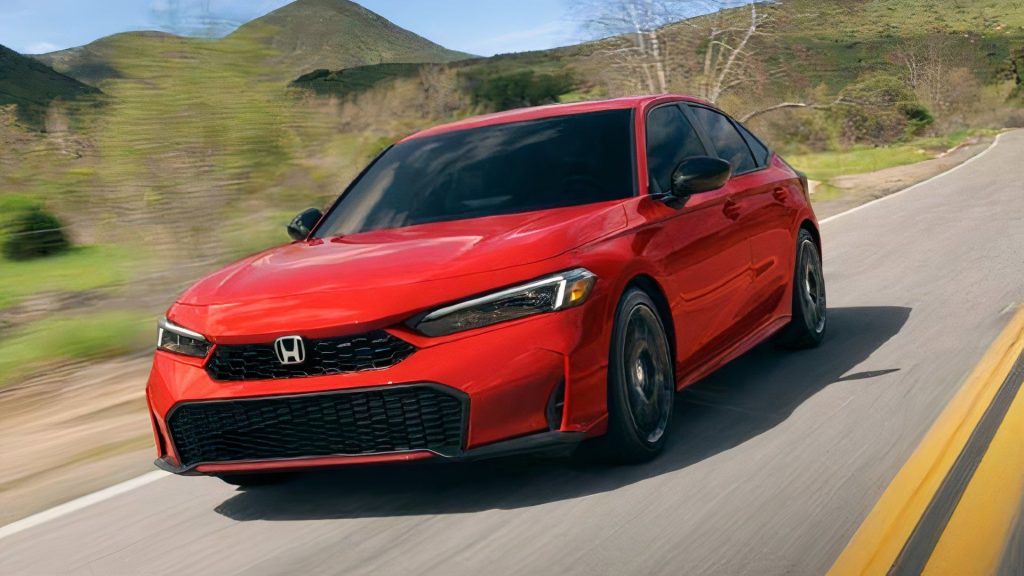
Honda also benefits from strong brand trust built over years of reliability rankings and owner satisfaction. This trust alone often allows sellers to ask higher prices compared to less proven competitors.
The Civic proves that high resale value is not limited to trucks or SUVs. Even a compact sedan can resist depreciation when it combines reliability, efficiency, and long term buyer confidence. That strength sometimes reduces the financial advantage of buying used compared to starting fresh with a new model.
5. Toyota 4Runner
The Toyota 4Runner operates almost like a time capsule in the modern car market. While many SUVs moved toward car based platforms focused on comfort, the 4Runner stayed committed to traditional body on frame construction. This old school engineering approach is exactly what keeps its resale value unusually strong.
Buyers who want a true off road capable SUV with proven mechanical simplicity often find very few alternatives. Because Toyota kept the 4Runner formula consistent for many years, even older versions remain desirable. This is very different from vehicles that become outdated quickly after redesigns.
The resale strength also comes from durability expectations. Many buyers believe the 4Runner can survive rough terrain and long ownership periods with fewer problems than more complex crossovers. This perception alone is powerful enough to support strong used pricing even when fuel economy is not competitive.
Another interesting aspect is how depreciation behaves differently with this SUV. Instead of dropping sharply in the first few years like most vehicles, the 4Runner tends to decline slowly. This slow depreciation curve means used buyers may not see the dramatic savings they expect.
Consider a practical example. If a three year old 4Runner costs only moderately less than a new one, buyers must evaluate what they are giving up. A new model offers updated infotainment, zero wear from off road use, and complete warranty protection. When the price difference becomes narrow, these advantages start to matter more.
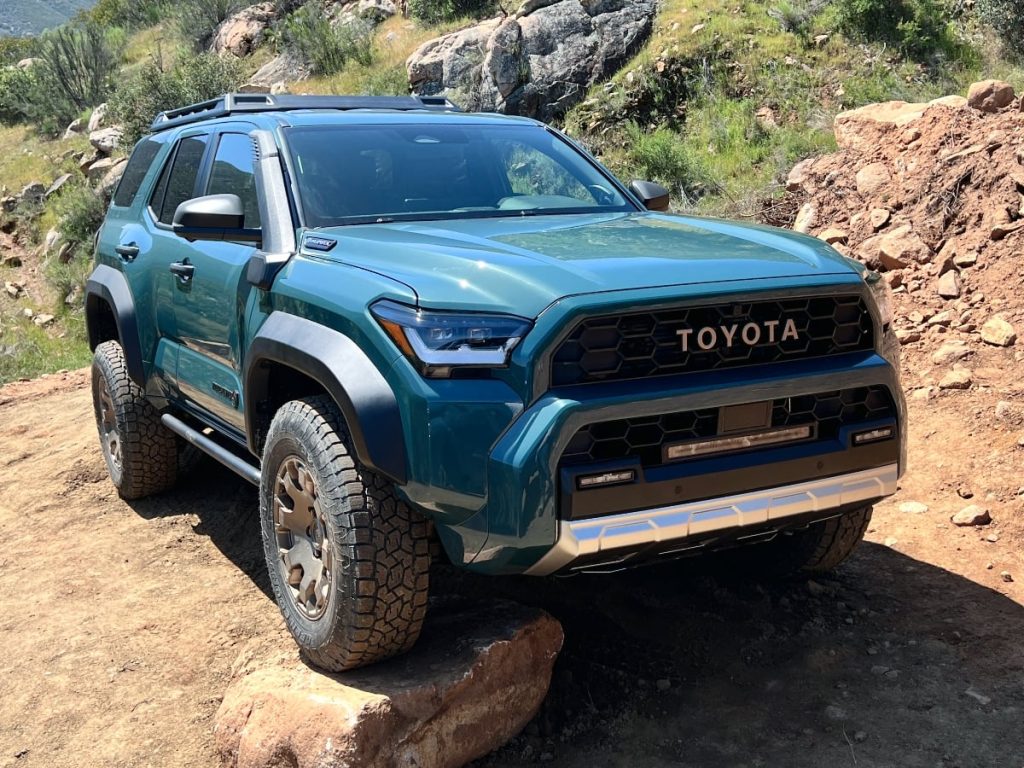
The vehicle also benefits from a strong enthusiast community. Owners often share maintenance experiences and modification ideas, which keeps interest alive across older model years. This kind of community support often helps vehicles maintain value better than expected.
The 4Runner shows how engineering identity can influence resale more than modern trends. It remains expensive in the used market not because it is the newest design but because it represents something that is becoming rare.
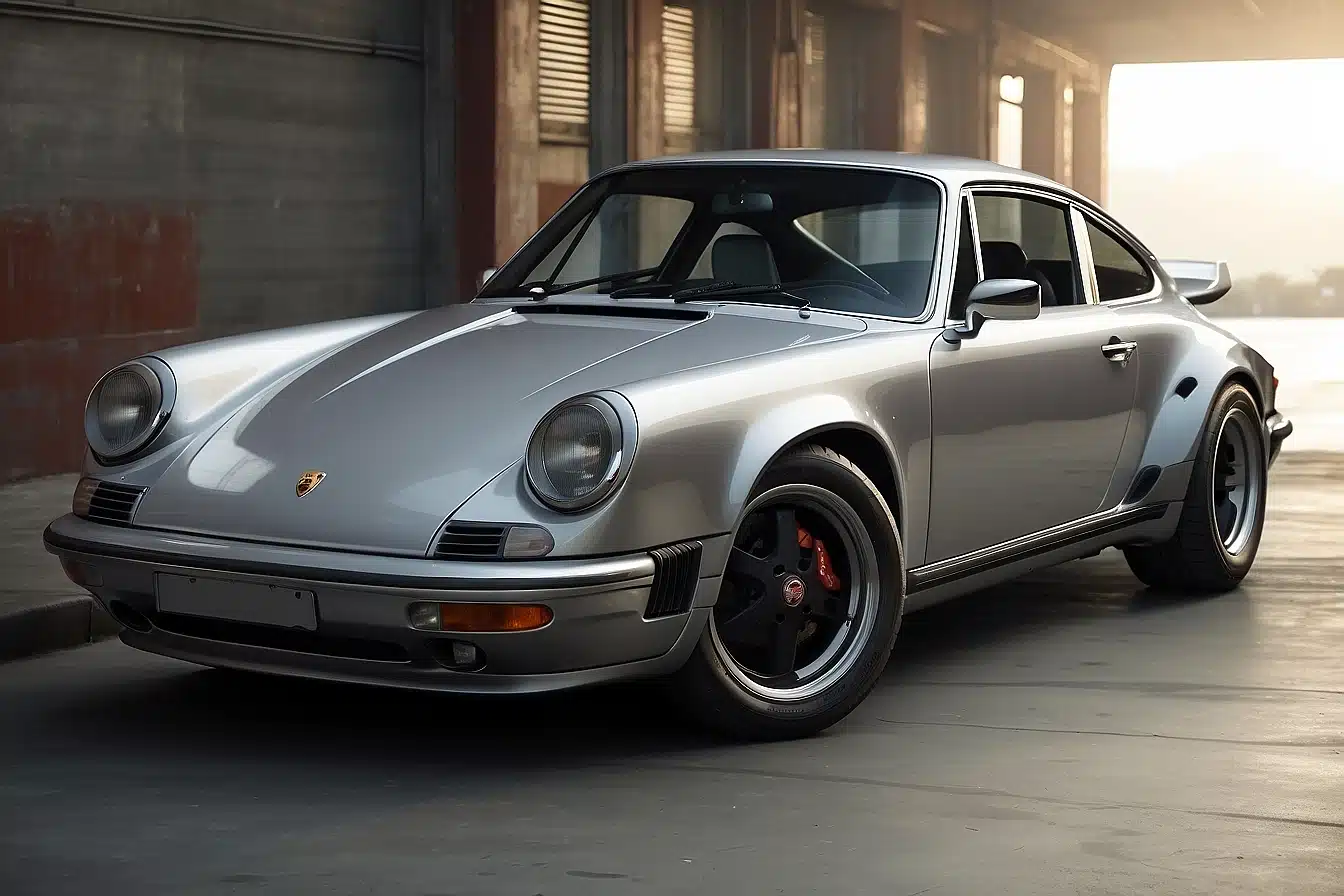
6. Porsche 911
At first glance, a Porsche 911 may seem out of place on a list about resale value, but it might actually be one of the strongest examples of the concept. Unlike most luxury performance cars that lose value rapidly, the 911 has a long history of resisting depreciation better than expected.
The explanation begins with engineering continuity. Porsche evolves the 911 carefully instead of reinventing it. Because design changes are gradual, older models rarely feel obsolete. This protects resale values because previous generations remain relevant rather than outdated.
Exclusivity also plays a role. Porsche does not flood the market with excessive production numbers. Limited supply combined with global demand naturally supports strong resale pricing. This means even used examples can remain expensive compared to their original price segment.
Another factor is buyer behavior. Many 911 owners treat their cars as collectibles rather than simple transportation. Careful maintenance, limited mileage, and documented service history are common. This creates a used market filled with well preserved examples, which further strengthens value.
Here is where the buying decision becomes interesting. When a lightly used 911 costs close to the price of a new entry level configuration, some buyers choose new because they can select options, colors, and warranty coverage. The customization experience alone can justify the extra cost for some buyers.
The 911 also benefits from brand heritage. Porsche’s motorsport history and engineering image give buyers confidence that the vehicle represents more than basic transportation. Emotional value can be just as powerful as practical value in maintaining resale strength.
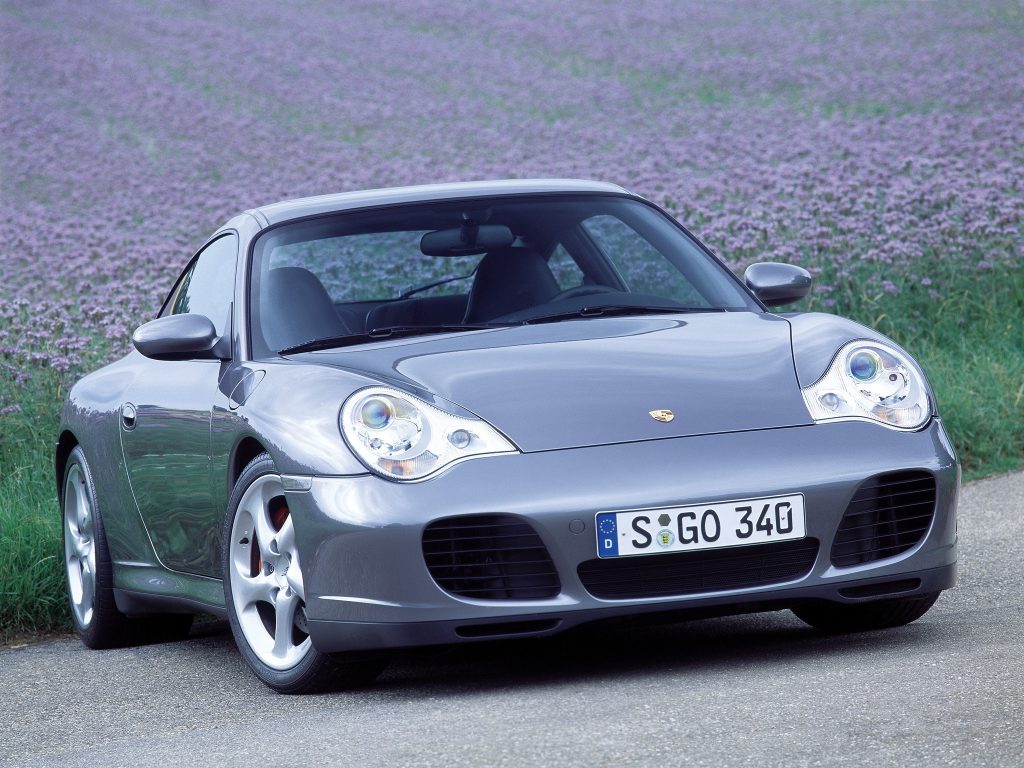
This is one of the rare performance cars where depreciation does not follow normal luxury vehicle patterns. It demonstrates how strong brand identity and careful production strategy can change the economics of buying used versus new.
7. Toyota Land Cruiser
Some vehicles hold their value because they are popular. Others hold their value because they are respected. The Toyota Land Cruiser belongs firmly in the second category. It is a vehicle whose reputation was built over decades of reliability in extreme environments rather than marketing campaigns.
The Land Cruiser’s resale strength is largely tied to its global image. In many parts of the world it is seen as one of the most dependable vehicles ever built. From deserts to mountain regions, its durability stories have created a near legendary reputation. This reputation naturally follows the vehicle into the used market.
Another major factor is limited availability. Toyota has never sold the Land Cruiser in extremely large numbers in many markets. Lower supply combined with strong demand from buyers who specifically want this model keeps resale values high even after many years.
The ownership profile also contributes to value retention. Many Land Cruiser buyers are long term owners who maintain their vehicles carefully. When these vehicles do appear for sale, they often come with detailed service histories. This improves buyer confidence and helps sellers maintain strong asking prices.
However, the financial question becomes interesting when comparing new versus lightly used examples. A recent model Land Cruiser often costs surprisingly close to a new one because depreciation happens slowly. When the price difference is small, some buyers prefer new because they gain updated safety technology and full warranty protection.
Another angle to consider is longevity. Buyers often justify high used prices because they believe the Land Cruiser can last decades. This expectation allows sellers to maintain strong resale pricing because buyers think long term rather than short term.
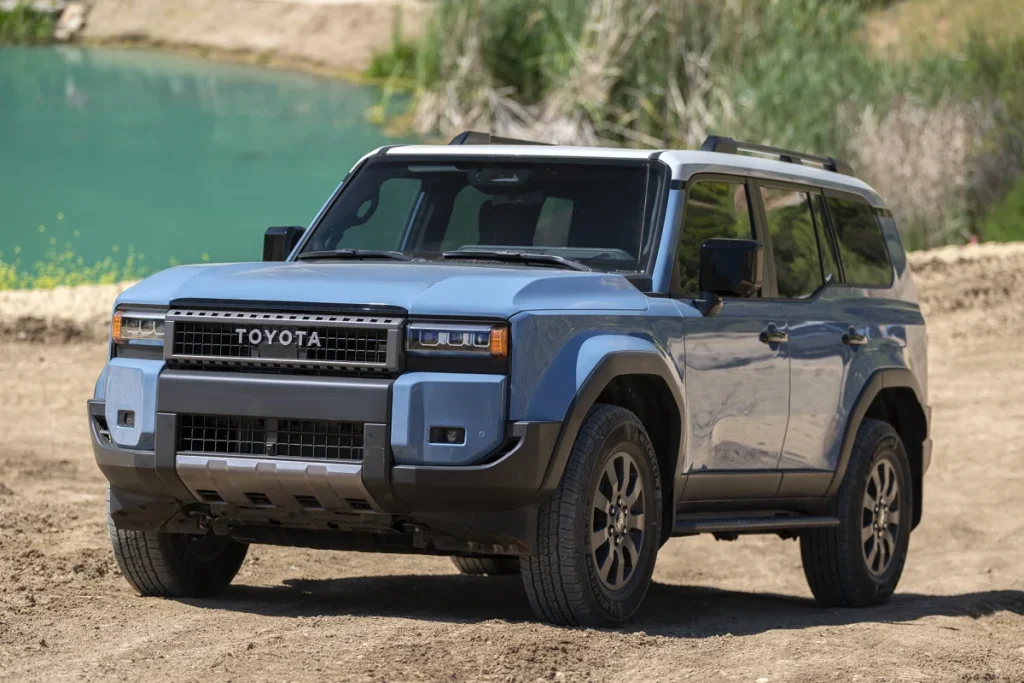
The Land Cruiser is less about luxury and more about engineering credibility. That credibility is exactly what keeps its used prices elevated and sometimes reduces the usual financial advantage of buying second hand.
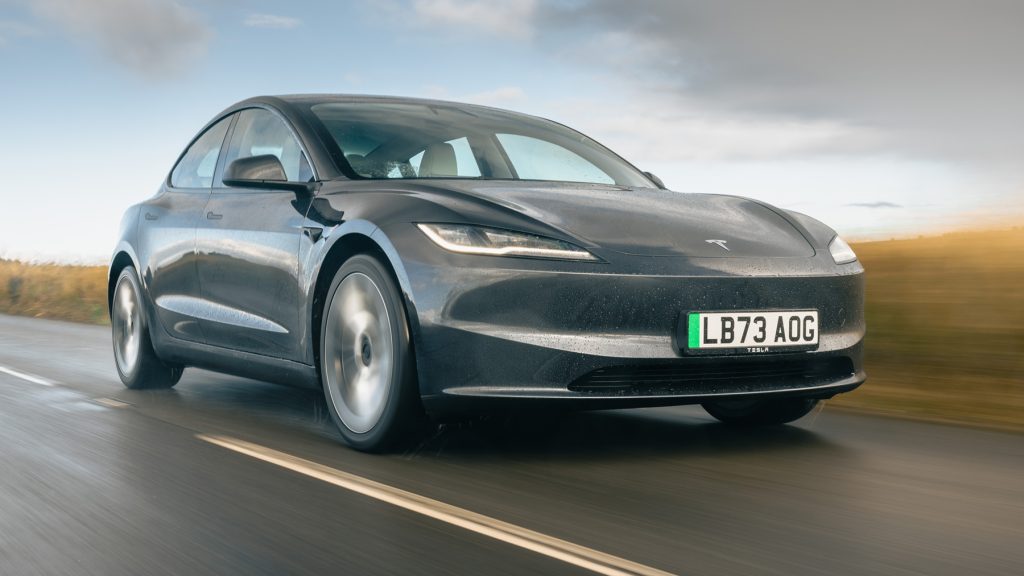
8. Tesla Model 3
Electric vehicles usually experience unpredictable resale patterns, but the Tesla Model 3 created a unique situation where strong brand demand helped support resale values during certain market periods. Its strong recognition and technology focused image helped it maintain attention even as the EV market expanded.
One of the biggest factors behind Model 3 resale strength is software relevance. Unlike traditional vehicles where technology becomes outdated quickly, Tesla introduced over the air updates that allowed features to improve after purchase. This helped older vehicles remain competitive longer than expected.
Charging infrastructure familiarity also helps demand. Buyers entering the EV world often prefer Tesla because of its established charging network and brand visibility. This creates a steady stream of used buyers who specifically want a Tesla rather than a general electric vehicle.
Technology appeal also plays a role. The large touchscreen interface, minimalist interior, and strong acceleration performance continue to attract buyers even after several years. Because the design still feels modern, depreciation pressure is reduced compared to vehicles that age visually.
But the decision between used and new can become complicated. Price fluctuations, tax incentives, and occasional manufacturer price adjustments sometimes reduce the gap between new and used models. When this happens, buyers may reconsider whether buying used actually saves meaningful money.
Battery warranty coverage is another important factor. Buying new provides maximum coverage duration and peace of mind about battery health. When used pricing remains high, this added protection can become a deciding factor.
The Model 3 demonstrates how technology perception can influence resale as much as mechanical durability. It is one of the few electric vehicles where buyers sometimes debate whether used pricing truly delivers the expected financial advantage.
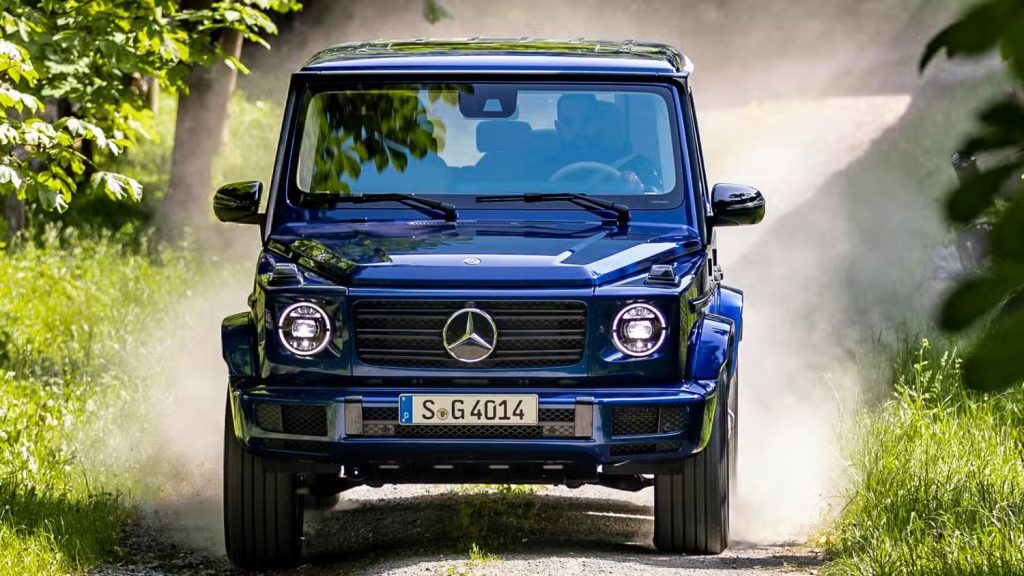
9. Mercedes-Benz G-Class
The Mercedes-Benz G-Class stands as one of the most unusual resale success stories in the automotive world.
Originally developed as a military style utility vehicle, it gradually transformed into a luxury status symbol while still retaining its original box shaped identity. This unique combination is exactly what keeps resale values exceptionally strong.
Unlike most luxury SUVs that depreciate heavily after a few years, the G Class behaves differently because it exists in a niche of its own. There are very few direct competitors that offer the same mix of heritage design, luxury appointments, and off road credibility. Limited competition helps protect its value.
Another reason comes from image. The G Class became associated with exclusivity and celebrity ownership. This type of social visibility increases desirability in the used market because buyers are often paying for recognition as much as transportation.
Production numbers also play a role. Mercedes does not produce the G Class in the same volume as its mainstream SUVs. Lower availability keeps demand higher than supply in many markets, which naturally supports resale prices.
This creates an unusual buying equation. A two or three year old G Class may still cost a very high percentage of its original price. At that point, buyers must think carefully about whether the savings justify accepting unknown prior use and reduced warranty coverage.
Customization is another factor. Many new buyers prefer to order their own color combinations and interior trims. When used prices stay high, some customers decide it makes more sense to pay extra to configure exactly what they want rather than compromise on someone else’s specification.
The G Class is proof that some vehicles become icons rather than just products. Once a vehicle reaches that status, normal depreciation rules often stop applying, which changes the financial logic behind buying used.
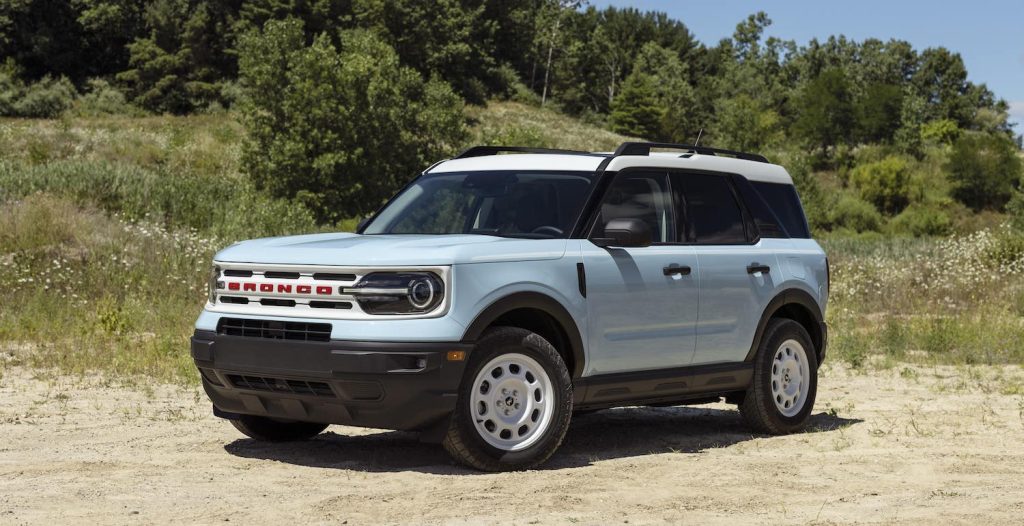
10. Ford Bronco
The return of the Ford Bronco created a rare market situation where demand immediately exceeded supply. When a vehicle launches with strong enthusiasm and limited availability, resale values often remain elevated because many buyers are willing to pay extra rather than wait.
The Bronco benefited from this exact situation. Its retro inspired design, serious off road capability, and strong marketing push created excitement that carried directly into the used market. Even early models quickly developed strong resale pricing because demand stayed intense.
Another reason behind its value strength is configuration diversity. With multiple roof styles, trim levels, and off road packages available, certain combinations became highly desirable. This allows some used Broncos to command strong prices simply because they have sought after features.
The Bronco also attracts a specific type of buyer. Many are enthusiasts who follow the model closely and are willing to pay premiums for well equipped versions. This type of focused demand helps maintain strong pricing compared to general purpose SUVs.
Now consider the financial comparison. If a slightly used Bronco costs close to a new one, buyers may prefer ordering new to get exactly the configuration they want. They also gain full warranty protection and avoid the possibility that the previous owner pushed the vehicle hard off road.
Market timing also matters. Vehicles with strong launch demand sometimes maintain resale strength for several years. During that window, buying used may not deliver the typical savings buyers expect from depreciation.
The Bronco represents how hype, capability, and limited availability can combine to create unusual resale conditions. It is a reminder that market demand sometimes matters more than age when it comes to vehicle pricing.
The traditional advice to always buy used to save money remains valid in many situations, but it is not a universal rule. Some vehicles hold their value so effectively that the expected financial advantage of buying used becomes much smaller than expected. In these cases, buyers must look beyond assumptions and compare actual numbers.
Vehicles with strong resale value usually share certain traits. They often have strong reliability reputations, loyal buyer communities, or unique identities that keep demand high. Limited supply can also play a major role, especially when production volumes remain controlled or when early demand exceeds availability.
The smartest approach is simple comparison. Instead of assuming a used vehicle is automatically the better deal, buyers should compare pricing, warranty coverage, financing options, and feature differences. Sometimes the added benefits of buying new outweigh the small difference in cost.
Another important lesson is understanding why resale value matters. High resale value is usually a positive sign because it reflects trust in the vehicle. However, it can also mean used buyers pay more than expected. This is why research always matters more than assumptions.
In the end, the best purchase decision comes from understanding the specific vehicle rather than following general rules. Whether buying new or used, the real goal should always be long term value, ownership confidence, and a purchase decision based on facts rather than habits.
Also Read: 5 Trucks With Soft Highway Rides vs 5 That Feel Like Heavy Machinery
