
Buying a used car under 15,000 dollars often feels like a compromise between affordability and safety.
Many buyers assume that choosing a cheaper used vehicle automatically means giving up modern safety features, structural strength, and long term reliability. However, that assumption is not always true.
The used car market is full of vehicles that were originally designed with strong safety engineering, advanced driver protection technologies, and excellent crash test performance, and today they can be found at surprisingly reasonable prices.
One of the biggest advantages of shopping in this price range is depreciation. Cars lose a large portion of their value within the first five to seven years, but their safety engineering does not disappear.
A well built sedan or SUV from a reputable manufacturer can still offer strong crash protection, multiple airbags, stability control, and driver assistance features even after years of use. This means smart buyers can access vehicles that were once considered premium safety choices at a fraction of their original cost.
Safety should always be evaluated beyond just airbags. Structural rigidity, braking performance, visibility, electronic stability systems, and reliability history all play major roles.
A safe car is not just one that performs well in crash tests but one that helps drivers avoid accidents in the first place.
Features like blind spot monitoring, lane departure warning, automatic emergency braking, and adaptive cruise control have slowly filtered into affordable used vehicles, making them more attractive than ever.
Another important factor is ownership confidence. Some used cars may appear cheap initially but become expensive due to poor reliability or weak build quality.
The best safe used cars combine durability with protective engineering. This combination ensures that the vehicle remains dependable while continuing to protect occupants for many years.
This list focuses on ten used vehicles that balance price, safety ratings, durability, and real world owner satisfaction. These are not just cheap cars. These are smart purchases for buyers who want protection without overspending.
Each vehicle represents a different approach to safety, whether through engineering excellence, technology, or long term dependability.
We begin with two models that consistently prove that affordability and safety can exist together without compromise.
Also Read: 5 Small Engines That Can Actually Tow vs 5 That Struggle Under Load
1. Toyota Camry
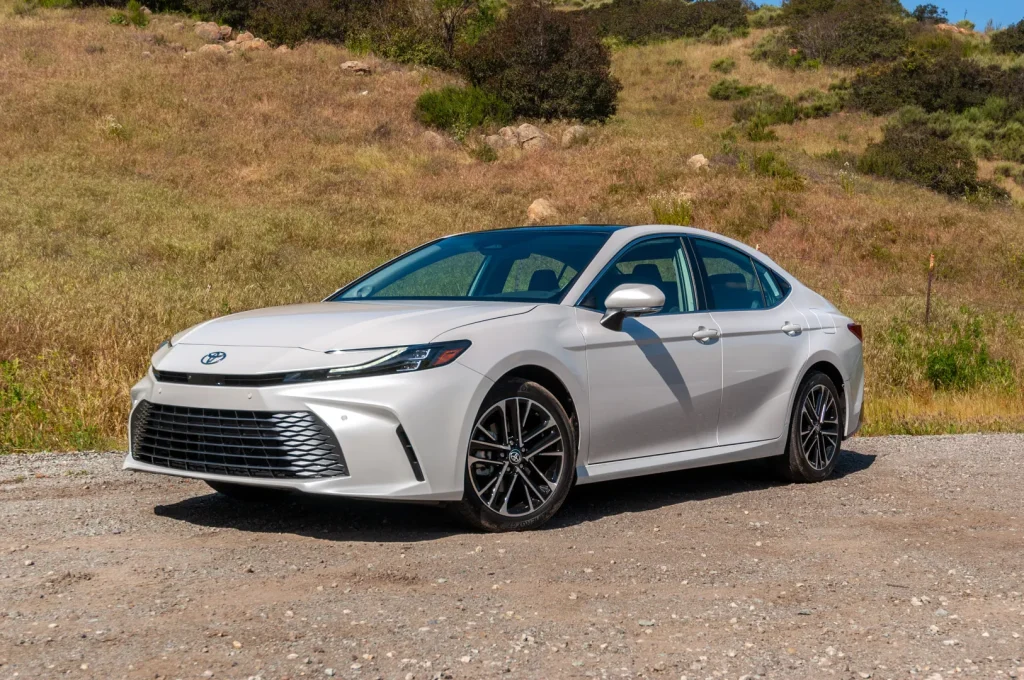
The Toyota Camry has built its reputation on consistency rather than flashiness, and that consistency is exactly what makes it such a strong safety choice in the used market.
Instead of relying on dramatic redesigns, Toyota focused on refining structural strength, improving impact absorption, and adding driver assistance features gradually across model years. This careful evolution created a sedan that feels predictable and secure rather than experimental.
One of the biggest reasons the Camry stands out is its balanced driving character. It is not a sporty sedan that encourages aggressive driving, nor is it a soft car that feels disconnected from the road.
The steering is stable, the braking response is progressive, and the suspension keeps the vehicle planted during sudden maneuvers. These traits may not sound exciting, but they play a major role in accident avoidance.
Toyota also focused heavily on passive safety. Many Camry models from the mid 2010s include ten airbags, including knee airbags that were not common in the segment at the time. The cabin structure was engineered to distribute crash forces away from passengers, which helped it earn strong safety ratings in multiple crash evaluations.
Reliability also contributes to safety in a way many buyers overlook. A car that starts every day, maintains consistent braking performance, and does not suffer from random electrical faults is inherently safer than one that develops unpredictable problems. The Camry’s long standing reliability record reduces the chances of mechanical surprises.
Another advantage is parts availability and maintenance familiarity. Because the Camry is so common, repairs are straightforward and affordable. This encourages owners to maintain safety critical systems like brakes, tires, and suspension instead of postponing repairs due to high costs.
For buyers who want a safe used vehicle without needing to research complicated technology packages or rare options, the Camry represents a straightforward answer. It is a car that protects not through complexity but through thoughtful engineering and proven durability.
2. Honda Accord
If the Camry represents conservative safety, the Honda Accord represents intelligent safety through design efficiency.
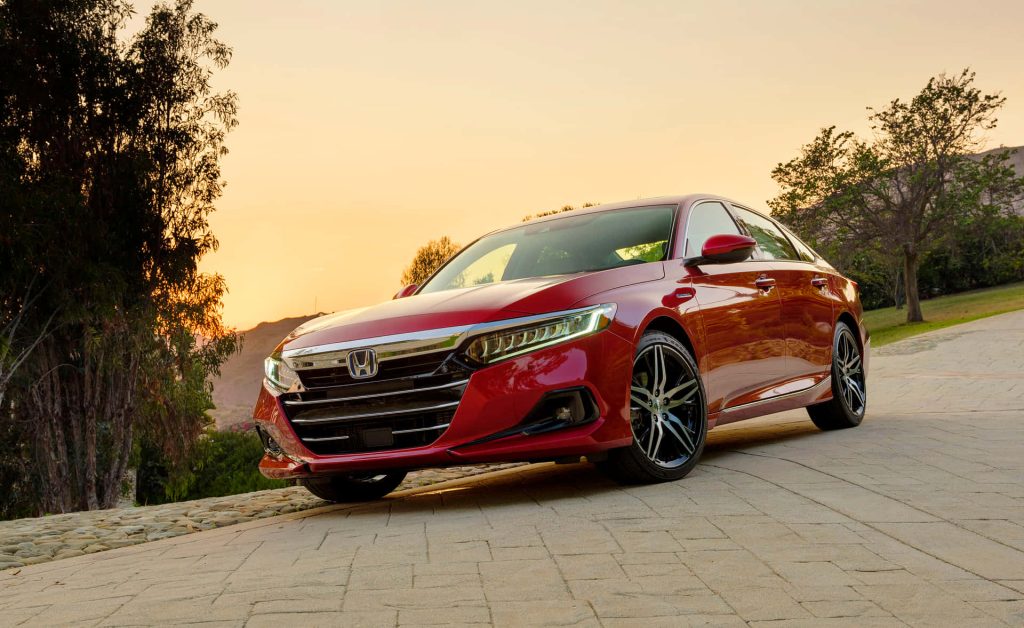
Honda approached safety by improving driver awareness and vehicle responsiveness, creating a sedan that feels alert and cooperative rather than simply protective. This philosophy helped the Accord become a frequent top safety pick across several generations.
The Accord’s greatest strength lies in how naturally it communicates with the driver. Visibility is excellent thanks to thin roof pillars and a well positioned dashboard.
This design reduces blind spots and helps drivers judge distances more accurately. Good visibility is one of the most underrated safety features because it works every second the vehicle is moving.
Honda also emphasized active safety systems earlier than many competitors. Many used Accord models within this price range include the Honda Sensing package, which brought features like forward collision warning, lane keeping assist, and collision mitigation braking into the mainstream sedan category. These technologies were once limited to luxury cars but became accessible through the Accord.
The chassis engineering deserves equal attention. The Accord has a rigid body structure that improves crash energy management while also improving handling precision. This dual benefit means the car can both avoid collisions and protect occupants if one occurs.
Ownership experience also strengthens the safety case. The Accord tends to age gracefully when properly maintained. Switchgear remains functional, sensors continue to operate correctly, and mechanical components typically do not degrade unpredictably. This consistency reduces the risk of safety features failing due to age related issues.
Buyers looking for a used car that feels modern even years after production often find the Accord appealing. It delivers a driving experience that feels controlled and confident rather than outdated.
For under 15,000 dollars, it offers a rare combination of driver assistance technology, structural integrity, and everyday usability that makes it one of the smartest safety focused used purchases available.
3. Subaru Outback
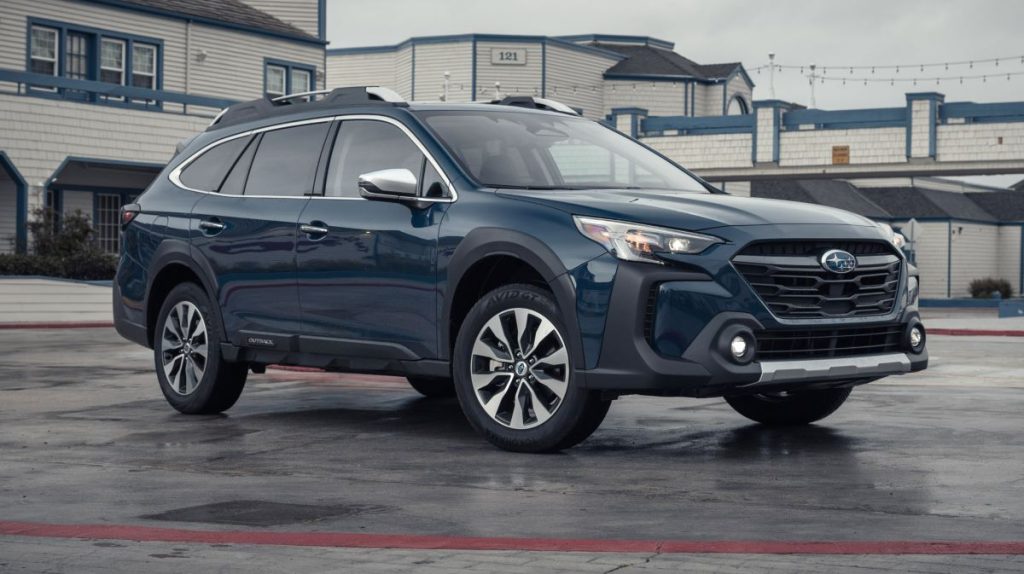
The Subaru Outback takes a completely different approach to safety compared to traditional sedans. Instead of focusing purely on crash protection or driver assistance technology, Subaru designed the Outback around stability in difficult conditions. This makes it especially valuable for drivers who regularly deal with rain, rough roads, or unpredictable weather.
The defining safety advantage of the Outback is its standard all wheel drive system. Unlike many competitors where all wheel drive was optional, Subaru made it standard equipment.
This improves traction during acceleration, cornering, and emergency maneuvers. On slippery roads, this extra grip can be the difference between maintaining control and losing it.
Ground clearance also plays a role. The Outback sits higher than a sedan but drives more like a car than a traditional SUV. This gives drivers better road visibility without the top heavy feeling that some taller vehicles develop. Better forward visibility can help drivers anticipate traffic problems earlier.
Subaru also invested heavily in its EyeSight safety system on many models. This package introduced adaptive cruise control, pre collision braking, and lane departure warning using stereo cameras. The system gained praise for its smooth operation and accuracy compared to early competitor systems that sometimes felt abrupt.
The Outback also attracts practical owners who tend to maintain their vehicles well. Many were purchased by families or outdoor enthusiasts who valued dependability over performance. This often translates into better maintained used examples compared to vehicles bought purely for style.
Interior ergonomics also support safer driving. Controls are logically placed, outward visibility is wide, and the seating position reduces fatigue on long drives. Driver fatigue is rarely discussed in safety conversations, but a comfortable driver is a more attentive driver.
For buyers who want something different from the usual sedan while still prioritizing protection, the Outback offers a compelling alternative. It is not just about surviving crashes but about maintaining control before danger develops.
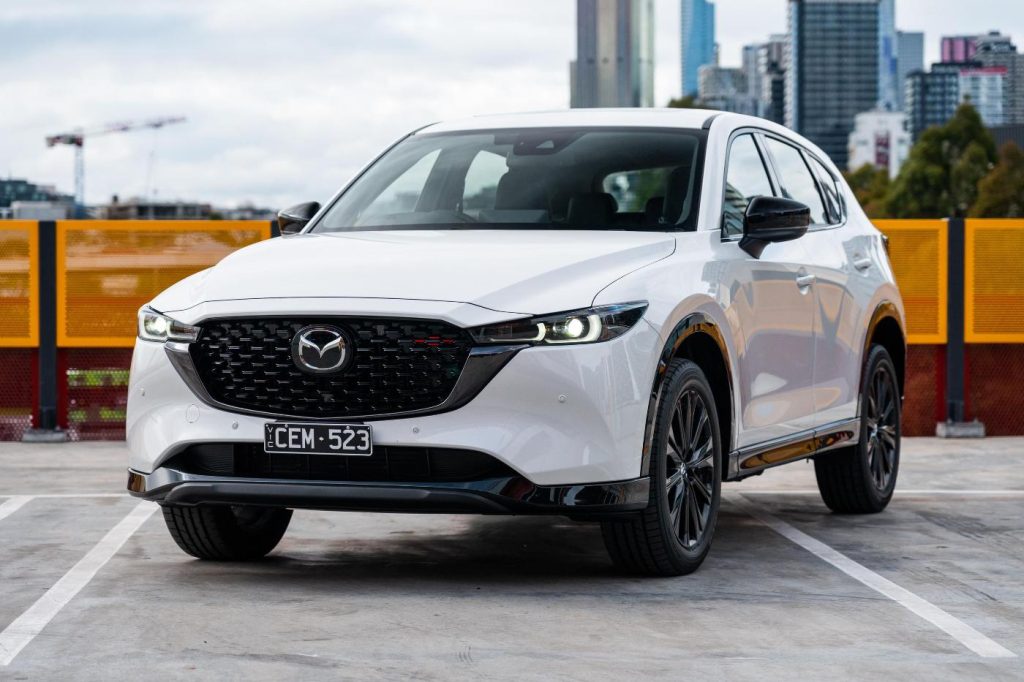
4. Mazda CX-5
The Mazda CX-5 proves that safety and driving enjoyment do not have to be opposites. Mazda approached safety from a philosophy they call driver engagement. The idea is simple. A driver who feels connected to the vehicle reacts faster and makes better decisions. The CX-5 demonstrates this philosophy extremely well.
Unlike many compact SUVs that focus purely on comfort, the CX-5 emphasizes steering precision and predictable handling. The vehicle responds quickly to inputs without feeling nervous. This allows drivers to make smooth corrections instead of sudden panic reactions, which can reduce accident risk.
Mazda also placed strong emphasis on structural engineering. The CX-5 uses a rigid body structure designed to channel crash energy away from passengers. Combined with advanced airbag systems and strong side impact protection, this helped the CX-5 earn excellent safety scores during its production years.
Another strength comes from its braking feel. Some SUVs in this class have overly sensitive or vague brake pedals. The CX-5 instead provides progressive brake feedback. Drivers can easily judge how much stopping power they are applying, which helps during emergency braking situations.
Mazda also quietly improved interior distraction reduction. The infotainment screen is positioned high to reduce eye movement away from the road. The control knob interface found in many models allows adjustments without reaching toward the screen. Small design decisions like these help drivers keep their attention forward.
Long term ownership reports also suggest the CX-5 avoids many of the electrical issues that sometimes affect technology heavy vehicles. Safety systems that continue functioning properly years later provide more real protection than systems that were impressive only when new.
Buyers searching for a used SUV under 15,000 dollars often compare many options, but the CX-5 stands out because it blends structural safety, driver awareness, and reliability into one well balanced package. It rewards attentive drivers while still providing strong passive protection.
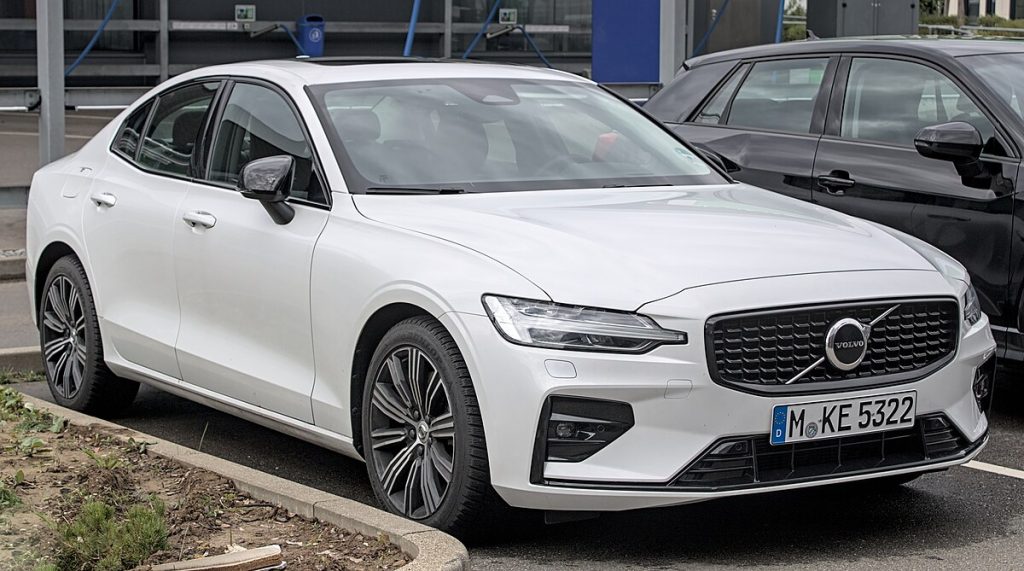
5. Volvo S60
Some cars earn their safety reputation through marketing, but Volvo built its entire brand identity around occupant protection. The Volvo S60 is a clear example of this philosophy, offering safety thinking that often feels years ahead of its price point in the used market.
Buying one under 15,000 dollars often means getting engineering that was originally developed with far more expensive competition in mind.
What separates the S60 from many rivals is Volvo’s obsession with real world crash scenarios rather than just laboratory testing. The company studied common accident types such as offset collisions and side impacts, then engineered reinforced passenger compartments designed to remain intact even under severe conditions.
The seats themselves deserve attention. Volvo invested heavily in seat design not just for comfort but for injury reduction.
Many S60 models include whiplash protection seat structures designed to reduce spinal injury during rear impacts. This is a detail many manufacturers overlooked while focusing only on airbags.
Another interesting safety angle is Volvo’s early use of pedestrian detection and automatic emergency braking. While these systems are common today, Volvo was among the early adopters of making them widely available. Some used S60 models in this budget include these systems, giving them a surprisingly modern safety advantage.
The driving experience also supports calm behavior. The S60 does not encourage aggressive driving. Instead it promotes smooth progress with stable highway manners and predictable cornering. The quiet cabin also helps reduce driver stress, which can indirectly improve concentration.
There is also a psychological factor with Volvo ownership. Buyers often choose these cars specifically for safety, which means previous owners frequently prioritized maintenance and careful driving habits. This can increase the chances of finding well cared for examples.
The S60 is not the cheapest car to maintain compared to Japanese rivals, but for buyers who prioritize protection engineering above everything else, it offers something unique in this price range. It is a vehicle built with safety as the first priority rather than an added feature.
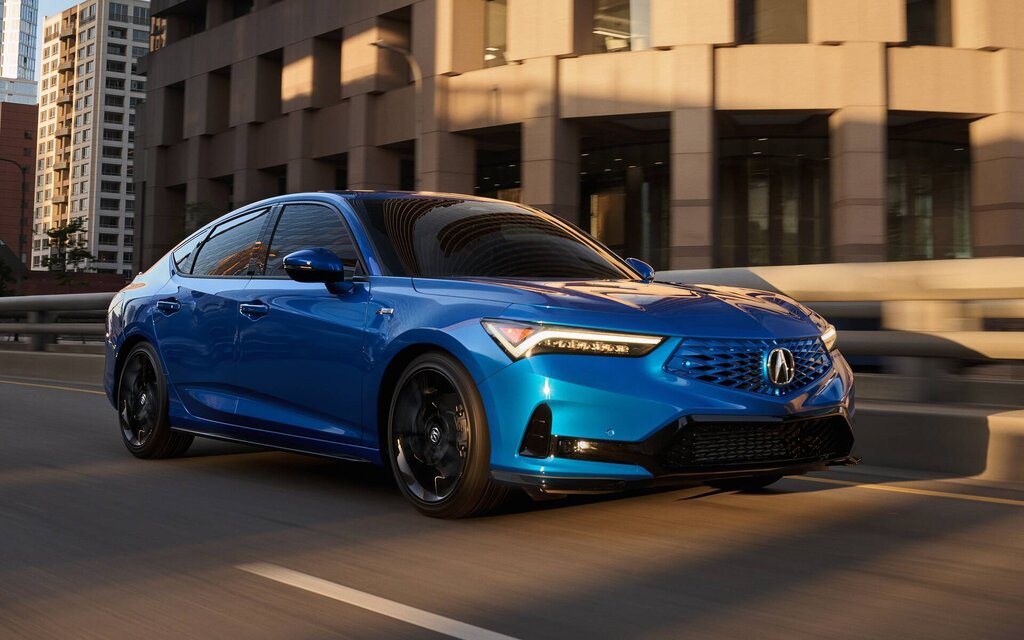
6. Acura TLX
The Acura TLX offers a different safety story because it mixes performance engineering with protective technology. Instead of treating safety as something separate from driving dynamics, Acura created a sedan where handling precision itself becomes part of the protection strategy.
One of the most interesting safety related features available on some TLX models is the Super Handling All Wheel Drive system. This system does more than improve traction.
It can send power between rear wheels to help the car rotate through corners more smoothly. In emergency avoidance situations, this kind of stability can help drivers maintain their intended path.
The TLX also benefits from strong braking hardware compared to many mainstream sedans. Acura engineered the braking system to handle repeated stopping without fade, which is useful not only for spirited driving but also for emergency situations where consistent stopping power matters.
Technology integration also strengthens the safety argument. Many TLX models include blind spot monitoring, rear cross traffic alert, and forward collision mitigation. These systems operate quietly in the background and only intervene when necessary, which helps drivers trust them instead of becoming annoyed by false alerts.
Interior build quality plays a subtle role as well. Buttons, sensors, and electronics tend to age well, which means safety features are less likely to stop working as the car gets older. Durability of electronics is an often ignored part of long term safety.
Another advantage is structural engineering. Acura used advanced materials to improve crash energy distribution while keeping the vehicle responsive. This results in a sedan that feels solid without feeling heavy or slow to react.
For buyers who want a used car that feels more premium than typical mainstream sedans while still offering serious safety credentials, the TLX offers a compelling balance. It shows that a car can be engaging to drive while still being engineered with protection in mind.
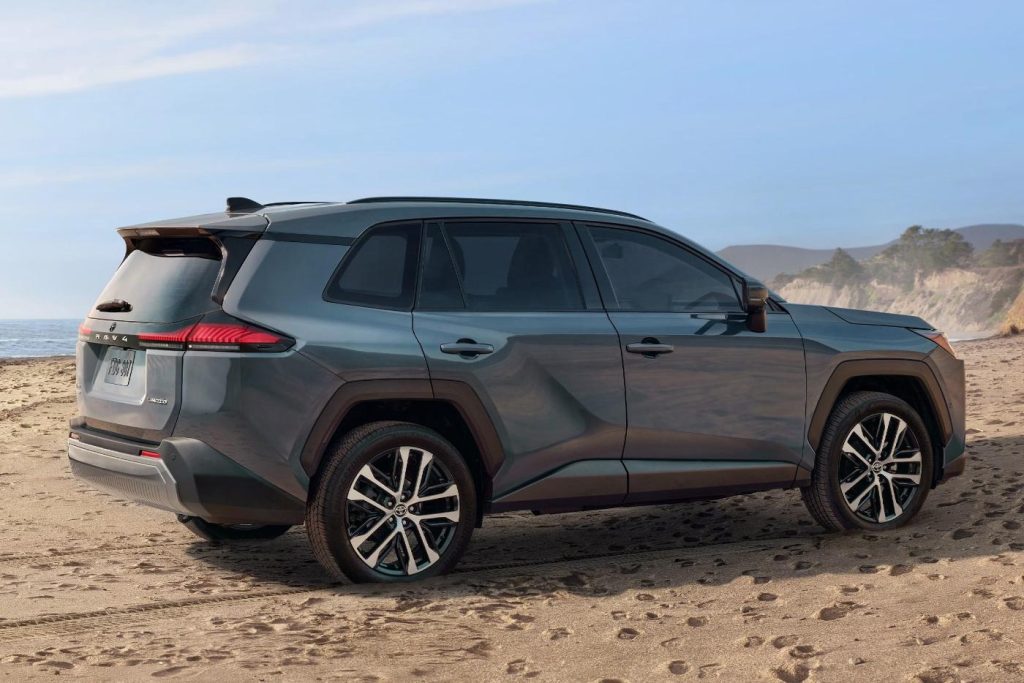
7. Toyota RAV4
The Toyota RAV4 earns its place on this list not because it specializes in one particular safety feature but because it avoids weaknesses.
Many used vehicles have one strong advantage but also one major flaw. The RAV4 instead built its reputation by being consistently dependable across safety, reliability, and usability categories without developing serious problem areas.
One of the strongest safety advantages of the RAV4 is its predictable behavior. The steering is not overly light and not overly heavy. The suspension does not feel floaty nor excessively stiff. This neutral character makes the vehicle easy to control for a wide range of drivers, including those who may not have advanced driving skills.
Another strength comes from Toyota Safety Sense, which became available on later models now entering this price range. This package introduced automatic emergency braking, lane departure alert, and adaptive cruise control to a very large audience.
Because Toyota sold the RAV4 in high numbers, these safety features became widely available in the used market rather than rare options.
The RAV4 also benefits from strong resale value, which indirectly reflects safety confidence. Vehicles that maintain value often do so because buyers trust their durability and engineering. That trust usually comes from long term ownership experiences rather than marketing claims.
Practicality also improves safety in unexpected ways. The large cargo space means owners are less likely to overload the passenger cabin with loose items. Good outward visibility helps drivers judge traffic better. Large mirrors and simple interior layouts reduce distractions.
Maintenance simplicity is another hidden advantage. Routine services such as brake replacement and tire changes are straightforward, which increases the likelihood that owners actually keep the vehicle in proper condition. A safe design only remains safe if it is properly maintained.
The RAV4 may not be the most exciting vehicle emotionally, but it consistently delivers something more valuable. It delivers confidence. For many used car buyers, confidence in how a vehicle behaves every day is more important than impressive specifications on paper.
8. Hyundai Genesis (later called Genesis G80)
Sometimes the safest used car choice is not the most obvious one. The Hyundai Genesis sedan, which later evolved into the Genesis G80, represents a luxury safety bargain that many buyers overlook because they focus only on mainstream brands. This creates an opportunity to buy a well engineered protective vehicle for a surprisingly modest price.
One of the most noticeable differences when stepping into a Genesis is the sense of solidity. The doors close with a heavy, reassuring feel and the cabin insulation creates a calm environment. This quietness is not just about luxury. Reduced noise allows drivers to stay more relaxed and focused, especially on long drives.
Hyundai equipped the Genesis with a large number of safety technologies to compete with German luxury brands. Depending on the year, buyers may find features such as automatic emergency braking, smart cruise control, lane keeping assist, and even driver attention monitoring systems.
The size of the car also contributes to safety perception. Larger sedans often provide more space for crash structures, and the Genesis used this advantage to build strong front and side impact protection zones. The result is a vehicle that performs well in crash protection while also offering comfort.
There is also a value advantage that improves ownership decisions. Because Genesis sedans depreciated faster than some competitors, buyers can afford newer model years with more safety features while staying within budget. This means more technology for the same money compared to some rivals.
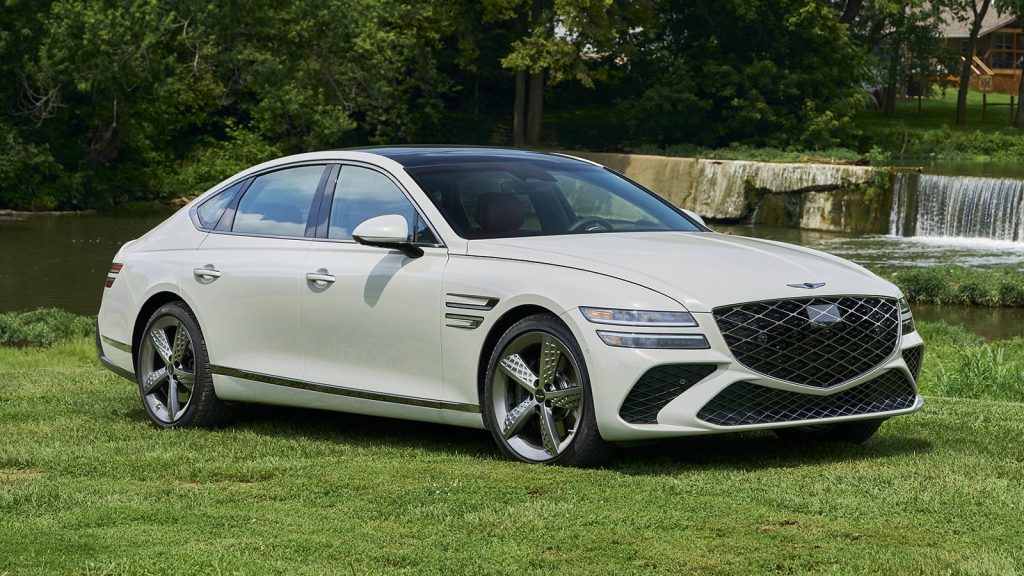
Another overlooked benefit is how these cars were typically owned. Many Genesis sedans were purchased by mature buyers who prioritized comfort and smooth driving. As a result, aggressive wear and modification is less common compared to sport oriented vehicles.
For someone willing to consider a luxury sedan instead of the usual compact choices, the Genesis offers an unexpected path to safety. It demonstrates how depreciation can work in favor of buyers who think strategically.
9. Lexus ES
The Lexus ES represents a different interpretation of safety, one that focuses on reducing driver fatigue and long term ownership stress rather than just dramatic crash statistics. Lexus understood that many accidents happen not because of reckless driving but because of tired, distracted, or stressed drivers. The ES was engineered to quietly reduce those risks.
The first thing most drivers notice is ride quality. The ES is tuned to absorb road imperfections smoothly, which reduces physical fatigue during long drives. When a car constantly transmits bumps and vibrations, drivers become mentally tired faster. A relaxed driver maintains better reaction time and awareness.
Lexus also emphasized consistency. The throttle response is smooth, the transmission shifts gently, and the steering inputs feel progressive. This smooth behavior prevents sudden surprises that could cause overcorrection. It creates a sense of control rather than tension.
Material quality also supports safety longevity. Switches, sensors, and interior electronics in the ES tend to remain functional even after many years. This matters because advanced safety systems are only useful if they continue working properly as the vehicle ages.
Many ES models in this budget also include Lexus Safety System features such as pre collision warning, lane departure alert, and adaptive cruise control. Lexus tuned these systems to be less intrusive than some competitors, which helps drivers keep them activated instead of turning them off due to annoyance.
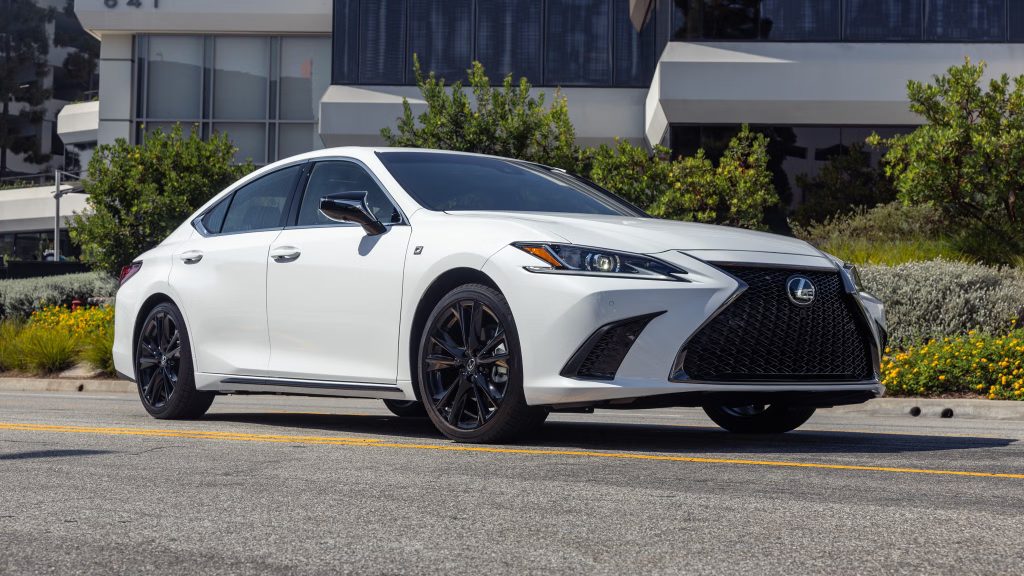
The ES also benefits from Toyota group engineering reliability. Mechanical dependability reduces the chance of breakdown related roadside risks. A car that consistently operates as expected contributes to everyday safety more than one that constantly needs attention.
For buyers who see safety as a long term ownership experience rather than just a list of features, the Lexus ES offers something very compelling. It focuses on keeping the driver calm, comfortable, and confident mile after mile.
10. Ford Fusion
The Ford Fusion closes this list by showing how thoughtful American sedan engineering can deliver strong safety value in the used market. While it may not always receive the same attention as Japanese rivals, the Fusion developed a strong reputation for balanced safety engineering and solid crash performance.
One of the Fusion’s biggest advantages is structural strength. Ford invested heavily in body rigidity during this generation, which helped the vehicle perform well in small overlap crash tests that challenged many manufacturers. Strong structural design is often invisible to buyers but critical when it matters most.
Another important detail is available driver assistance technology. Later Fusion models offered Ford Co Pilot360 features including blind spot monitoring, lane keeping assistance, and automatic emergency braking. These systems helped bring modern safety technology into affordable price ranges.
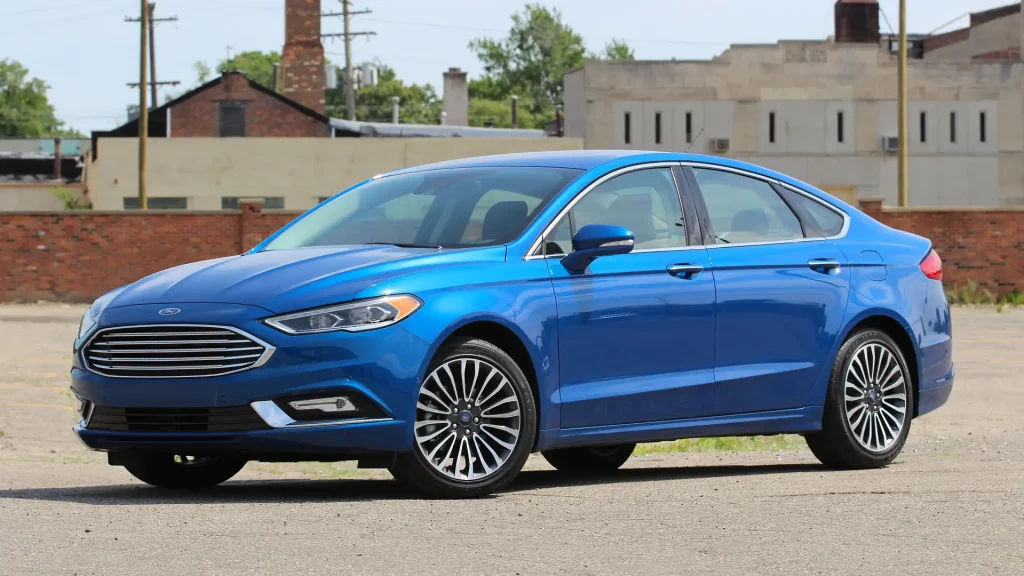
The Fusion also benefits from well tuned steering weight. It feels substantial without being heavy. This gives drivers better feedback about road conditions compared to overly boosted steering systems that can feel disconnected. Good steering feedback helps drivers react earlier to traction changes.
There is also diversity in powertrain choices, including hybrid versions known for smooth operation. Smooth power delivery can reduce sudden acceleration mistakes, especially in urban traffic where quick reactions are necessary.
Affordability of purchase also means buyers may have more budget left for quality tires. Tires are one of the most important safety components on any car, yet they are often neglected when the purchase price is too high. A reasonably priced Fusion can allow smarter post purchase safety investments.
The Fusion shows that safe transportation does not require luxury branding or high resale prices. Sometimes it simply requires solid engineering, good crash design, and accessible technology packaged into an honest family sedan.
Also Read: 5 Engines With Timing Chains for Life vs 5 With Fragile Tensioners
