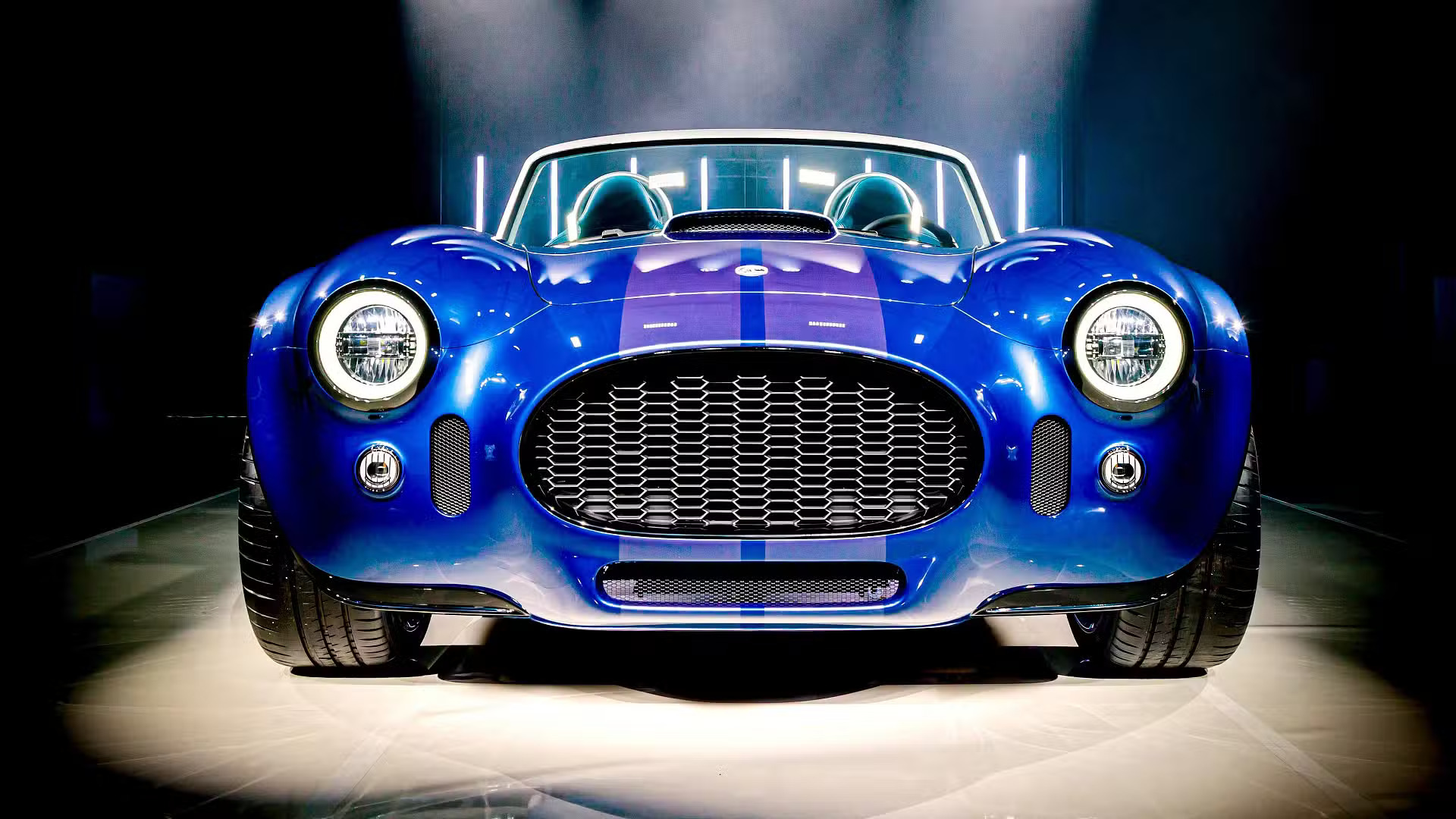
The history of the automobile is filled with fascinating examples of collaboration across continents, where American and European brands shared the same engine to create vehicles that combined the best of both worlds. From lightweight British sports cars to Italian supercars, these partnerships leveraged American reliability and torque with European design, precision, and handling.
Such collaborations often emerged from necessity, innovation, or market strategy, producing iconic cars that were faster, more powerful, and sometimes more affordable than their purely European counterparts. Models like the AC Cobra, De Tomaso Pantera, and Sunbeam Tiger demonstrate how blending a European chassis with an American V8 created performance vehicles that captured imaginations on both sides of the Atlantic.
Other cars, such as the Jensen Interceptor and MG ZT 260, used American engines to deliver effortless power and durability in otherwise European-engineered bodies. Even unusual experiments, like the BMW-powered Lincoln Mark VII, highlight the willingness of automakers to cross borders for engineering solutions.
These seven cars showcase how strategic engine sharing fostered innovation, performance, and a unique appeal that continues to influence collectors and enthusiasts today.
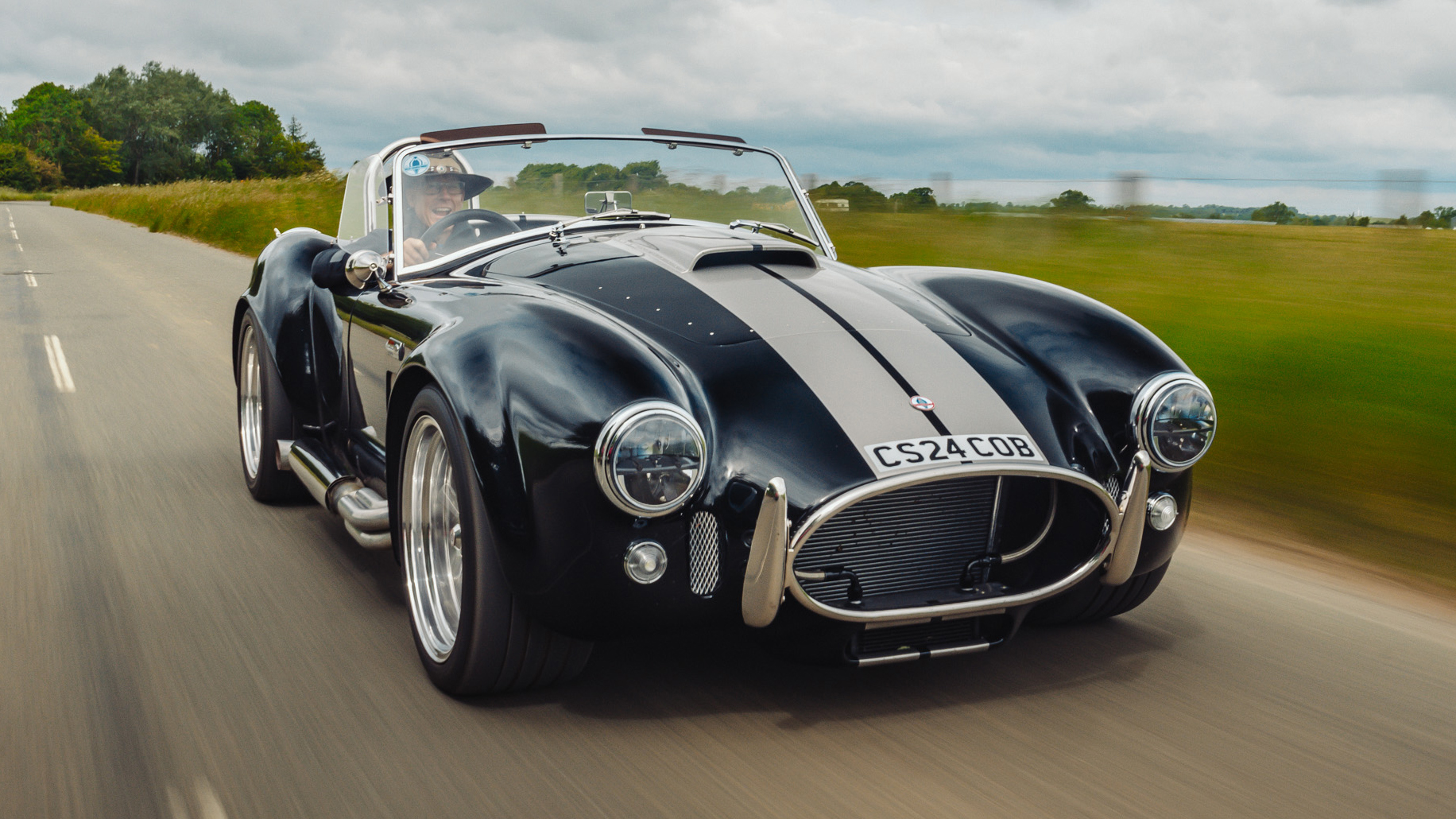
1. AC Cobra (Ford Windsor V8): A Legendary Anglo-American Hybrid
The AC Cobra is one of the most iconic sports cars ever built and represents a successful blend of British design and American engineering. Its story began in 1961 when American racer Carroll Shelby envisioned combining the precise handling of a lightweight European chassis with the raw power of an American V8 engine.
At the time, AC Cars in Britain needed a new engine supplier for its AC Ace, creating the perfect opportunity for collaboration. Shelby proposed installing a Ford Windsor V8 into the Ace chassis, which led to the creation of the AC Cobra.
Ford played a crucial role in the project because it wanted to compete with Chevrolet’s Corvette. The company supplied its small block Windsor V8 engines, starting with the 260 cubic inch version and later upgrading to the more powerful 289 cubic inch engine. The production process reflected the car’s international nature.
AC Cars built the body and chassis in England, then shipped them to the United States, where Shelby’s team installed the engine, transmission, and completed final tuning. The car was sold as the Shelby Cobra in the United States and the AC Cobra in Europe, both using the same American engine.
The Cobra quickly became famous for its impressive performance. With a lightweight body and a powerful V8 engine, it could accelerate from 0 to 60 miles per hour in under five seconds. This performance helped it succeed in motorsports, where it competed strongly against European manufacturers such as Ferrari.
Later versions introduced the larger 427 cubic inch big block V8 to maintain its competitive edge. This made the car even more powerful, but also more difficult to handle due to the increased torque and lack of modern driving aids.
Despite its strengths, the Cobra had several drawbacks. The interior was very cramped, the driving position was uncomfortable, and the absence of power steering and advanced braking systems made it challenging to drive. The flexible chassis also contributed to unstable handling, especially at high speeds.
Even with these issues, the AC Cobra remains a legendary car. Its classic roadster design, powerful performance, and unique combination of European agility and American muscle have secured its place as a highly valued collector’s vehicle and an enduring symbol of automotive innovation.
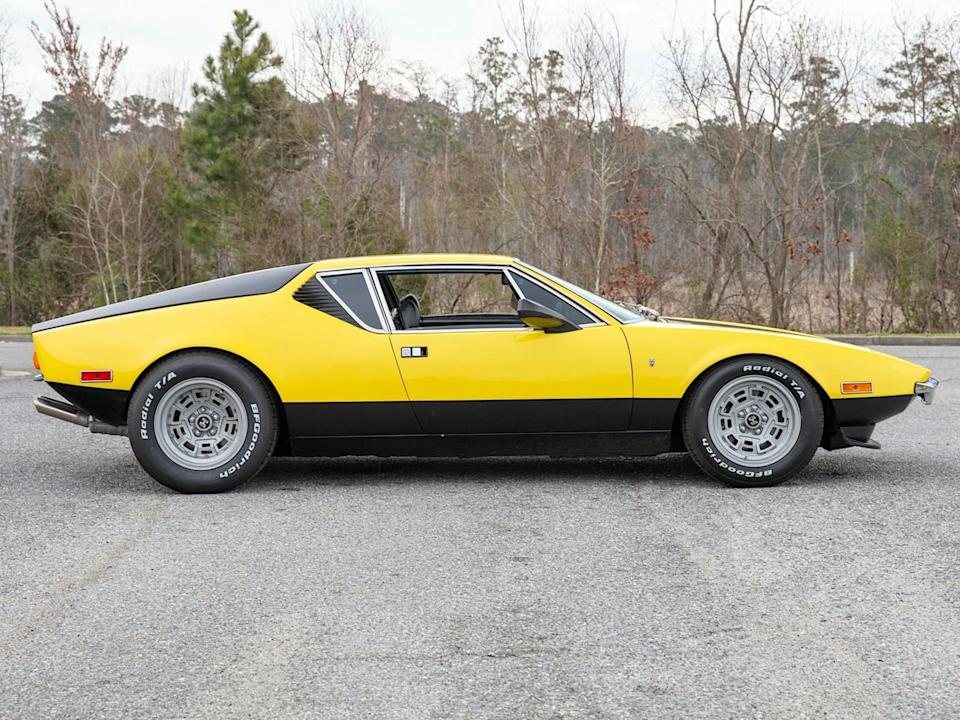
2. De Tomaso Pantera (Ford 351 Cleveland): Italian Style with American Muscle
The De Tomaso Pantera is a striking example of American and European automotive collaboration, combining Italian design with reliable American engineering. Introduced in 1971, the Pantera was designed by Ghia and built by De Tomaso in Italy under the leadership of Alejandro de Tomaso.
Its defining feature was the use of a Ford 351 cubic inch Cleveland V8 engine, which gave the car the performance and durability of American muscle while maintaining the visual appeal of an exotic European supercar.
Ford played a central role in the Pantera’s development as part of its strategy to enter the high-performance exotic market. By partnering with De Tomaso, Ford aimed to create a “halo car” that could compete with brands like Ferrari and Lamborghini while remaining more accessible.
The Pantera was sold through Lincoln-Mercury dealerships in the United States from 1971 to 1975, making it one of the few exotic-style cars available through a mainstream dealer network. This approach allowed buyers to experience supercar styling without the high maintenance costs typically associated with European vehicles.
The Ford 351 Cleveland V8 was a key element of the Pantera’s appeal. Known for its strong torque and durability, the engine produced over 330 horsepower and delivered impressive acceleration, with 0 to 60 miles per hour times of around 5.5 seconds. Unlike many Italian engines of the era, which required specialized maintenance, the Cleveland V8 was widely available and easier to service, contributing to the car’s practicality.
The Pantera offered a raw and engaging driving experience. Its mid-engine layout provided balanced handling, while the ZF 5-speed transaxle delivered precise performance, although it required careful shifting.
However, the car was not without flaws. Early models suffered from build quality issues and inadequate cooling systems, which often led to overheating. The interior was compact and could become uncomfortably hot, especially in early versions without improved air conditioning.
Despite these drawbacks, the Pantera earned a lasting reputation as a unique hybrid of performance and style. Even after Ford ended its involvement during the 1970s energy crisis, production continued with the same American V8 foundation. Today, the Pantera remains a cult classic, admired for blending Italian exotic design with the القوة and accessibility of American muscle.
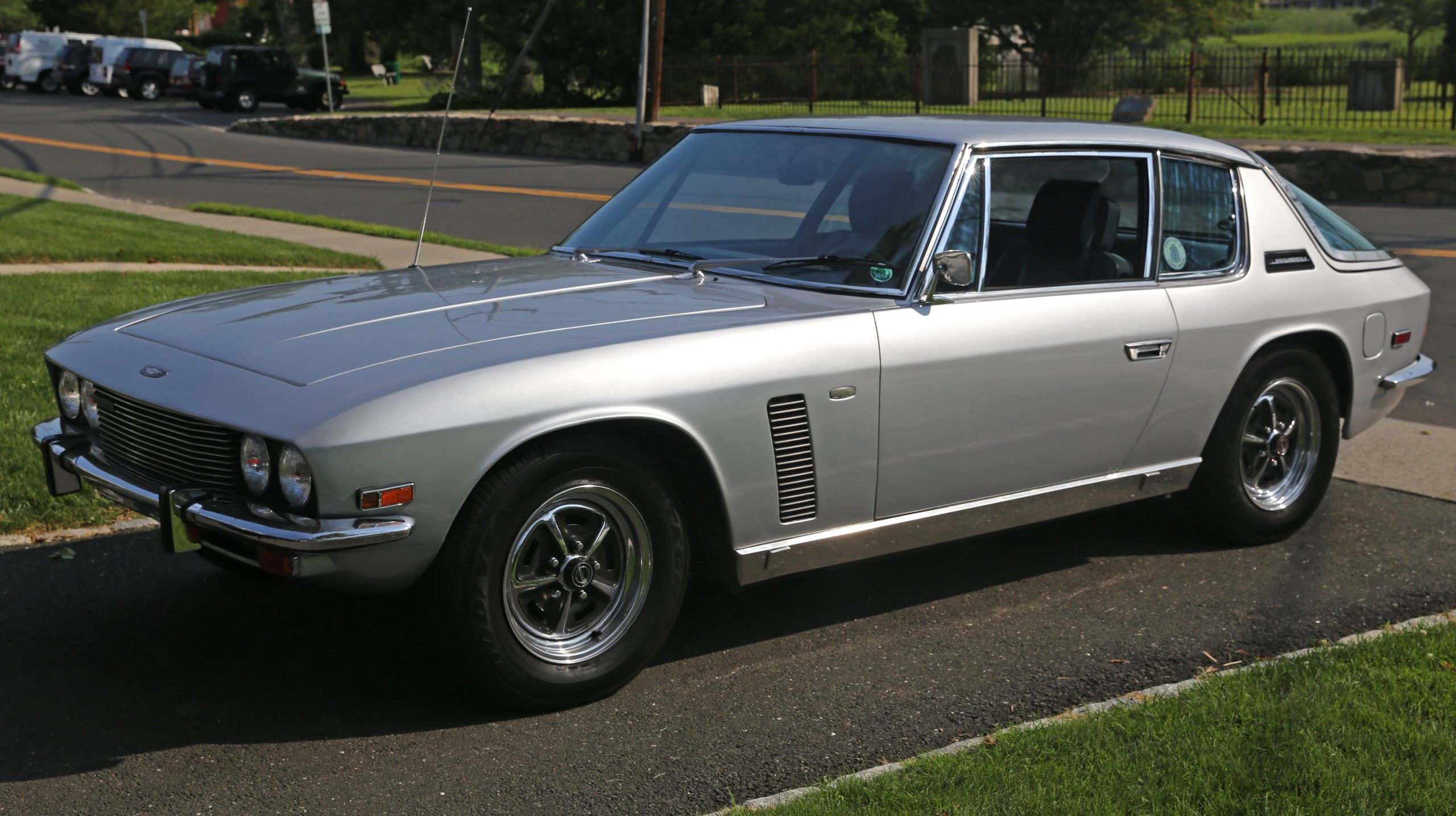
3. Jensen Interceptor (Chrysler 440 Big Block): A Luxurious Grand Tourer with American Power
The Jensen Interceptor is a classic example of a grand touring car that successfully combined British craftsmanship, Italian styling, and American muscle. Produced in the late 1960s and 1970s, it was designed to be a refined yet powerful “gentleman’s express,” capable of high-speed cruising with comfort and ease.
Its body was styled by the Italian firm Carrozzeria Touring and later built by Vignale, while final assembly took place in West Bromwich, England. This multinational approach gave the Interceptor both exotic appeal and practical performance.
A key feature of the Interceptor was its use of Chrysler V8 engines. Early models were equipped with a 383 cubic inch engine, but later versions adopted the larger and more powerful 440 cubic inch Magnum V8. This 7.2-liter engine provided immense torque and strong acceleration, making the car exceptionally fast for its size and weight.
The high-performance SP variant, equipped with a “Six-Pack” setup of three two-barrel carburetors, produced around 385 horsepower and nearly 490 lb-ft of torque. This gave the Interceptor effortless performance, especially suited for long-distance driving rather than tight, technical handling.
Jensen’s decision to use American engines was driven by practicality. As a small manufacturer, it lacked the resources to develop its own reliable high-performance engines.
By sourcing proven Chrysler V8s and pairing them with automatic transmissions, Jensen ensured durability, easier maintenance, and reduced development costs. This approach also made the car more appealing to buyers who wanted performance without the complexity of European engines.
The Interceptor’s design and interior emphasized luxury and comfort. It featured a distinctive glass rear hatch, which became one of its most recognizable design elements. Inside, the cabin was fitted with high-quality materials such as leather upholstery, wood trim, and plush carpeting. Despite having four seats, rear space was limited, making it more suitable for two passengers and luggage.
However, the car had its drawbacks. Its heavy weight affected handling, and fuel consumption was extremely high, especially with the large 440 engine. Additionally, issues such as rust and unreliable electrical systems were common concerns.
Despite these flaws, the Jensen Interceptor remains a beloved classic. Its combination of elegant design, luxurious interior, and powerful American V8 performance has secured its place as a distinctive and memorable grand tourer.
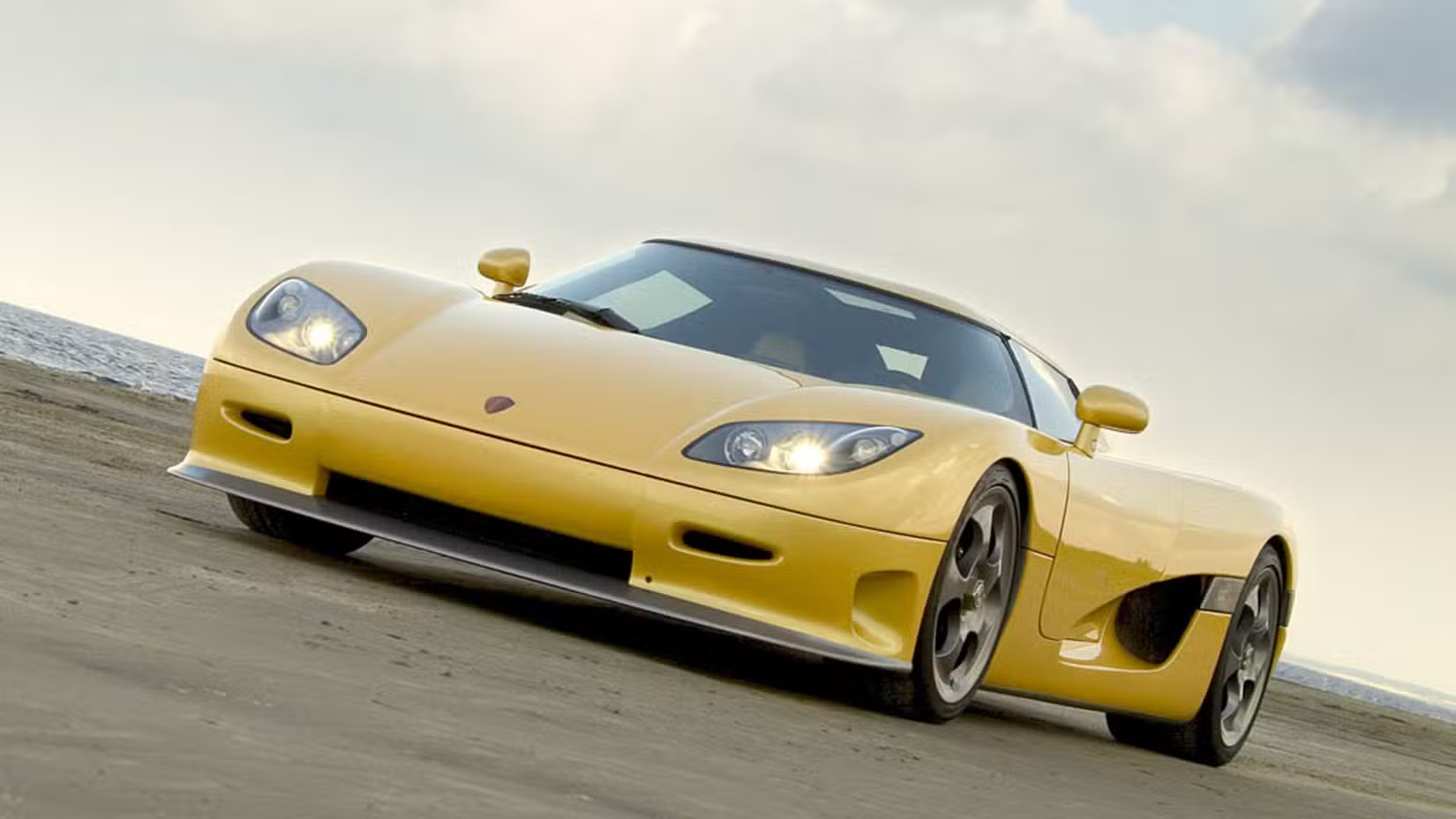
4. Koenigsegg CC8S (Ford Modular V8): From American Roots to Hypercar Innovation
The Koenigsegg CC8S represents an important chapter in the evolution of modern hypercars, showcasing how a small Swedish startup achieved world-class performance by building on proven American engineering.
Introduced in the early 2000s, the CC8S was Koenigsegg’s first production model and laid the foundation for the brand’s future innovations. At its core was a heavily modified Ford Modular V8 engine, demonstrating a clever blend of reliability and advanced engineering.
Koenigsegg selected the Ford 4.6-liter Modular V8 as a starting point because of its durability, compact design, and availability. Commonly found in vehicles like the Ford Mustang Cobra, this engine provided a solid base for high-performance tuning. However, the final product was far from standard.
Koenigsegg engineers extensively reworked the engine, increasing its displacement to 4.7 liters and equipping it with advanced features such as twin superchargers and a dry-sump lubrication system. These modifications allowed the engine to produce around 655 horsepower, transforming it into a true hypercar powerplant.
The performance of the CC8S was remarkable for its time. With a lightweight carbon fiber chassis weighing just over 2,500 pounds, the car could accelerate from 0 to 62 miles per hour in approximately 3.5 seconds and reach a top speed exceeding 240 miles per hour.
Its immense power and low weight created a raw and intense driving experience, often described as a “Swedish muscle car” due to its combination of European precision and American-style power.
Beyond its engine, the CC8S also introduced several defining design features. It utilized a carbon fiber monocoque for strength and rigidity, and it debuted the brand’s signature dihedral synchro-helix doors. Its advanced suspension system provided agility and stability at high speeds, although the car could feel challenging to handle at the limit.
The CC8S received significant acclaim, including recognition for having one of the most powerful production engines of its time. It also earned praise from automotive critics and enthusiasts, helping establish Koenigsegg as a serious competitor in the hypercar market. Despite some early criticisms regarding refinement and visibility, the CC8S proved that a new manufacturer could compete with established brands.
The CC8S marked the beginning of Koenigsegg’s journey toward developing its own engines and groundbreaking technologies, setting the stage for its rise as a leader in high-performance automotive engineering.
Also read: 5 Cars That Are Easy to Park in Cities vs 5 With Huge Turning Radii
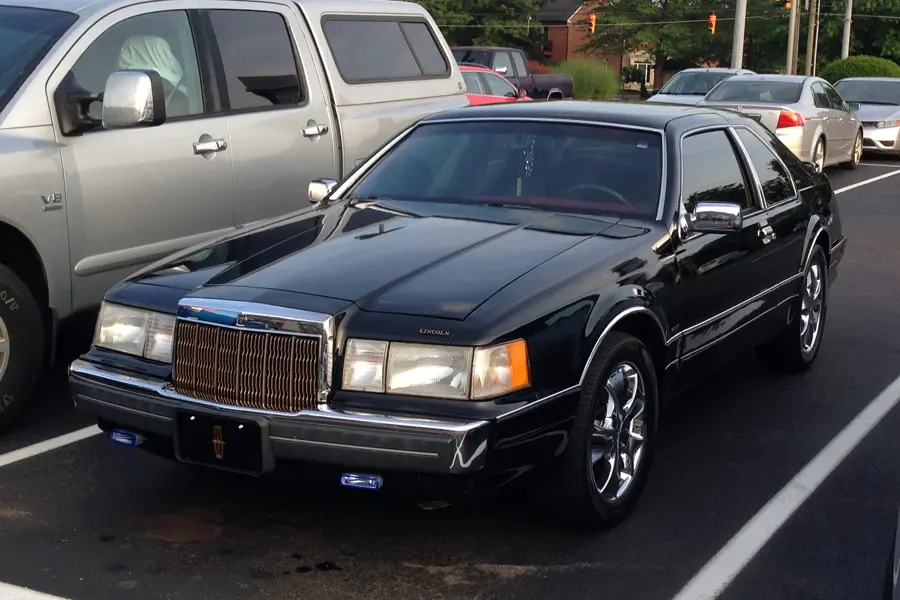
5. Lincoln Mark VII (BMW 2.4L Diesel): A Rare Transatlantic Experiment in Efficiency
The Lincoln Mark VII, equipped with a BMW 2.4-liter diesel engine, stands as an unusual example of American and European automotive collaboration.
Introduced in the mid-1980s, this version of the Mark VII reflected a time when automakers were responding to stricter fuel economy regulations and shifting consumer priorities. Instead of relying solely on traditional American V8 power, Lincoln explored a more efficient solution by turning to German engineering.
The primary motivation behind this decision was the need to improve fuel efficiency after the oil crisis of the 1970s. Diesel engines had already gained popularity in Europe for their ability to deliver strong fuel economy and durability.
BMW was known for producing refined diesel engines, and Ford selected its 2.4-liter turbocharged inline-six, known as the M21, to power the Mark VII. This engine was also used in the BMW 524td and had a reputation for reliability when properly maintained.
However, the diesel engine produced only about 114 horsepower, which was significantly less than the output of the standard 5.0-liter V8. This resulted in slower acceleration and a less responsive driving experience, particularly from a standstill.
Despite this drawback, the car delivered excellent fuel efficiency for a luxury coupe, achieving around 35 to 38 miles per gallon on the highway. This balance of economy and comfort aligned with the goals of the project, even if it did not fully meet consumer expectations.
Market reception was limited. American buyers at the time were not enthusiastic about diesel engines in luxury vehicles, often associating them with noise, reduced performance, and commercial use. As a result, only a small number of units were produced between 1984 and 1985, making the model quite rare today.
The diesel Mark VII still retained the features expected of a Lincoln, including air suspension, electronic climate control, and a comfortable, well-equipped interior. However, maintaining the BMW engine could be challenging due to limited parts availability and the need for specialized knowledge.
Today, the BMW-powered Lincoln Mark VII is remembered as a rare and unconventional model. It highlights a period when automakers experimented with combining American luxury and European efficiency, even if the idea proved ahead of its time.
6. MG ZT 260 (Ford 4.6L V8): A Bold British Sedan with American Muscle
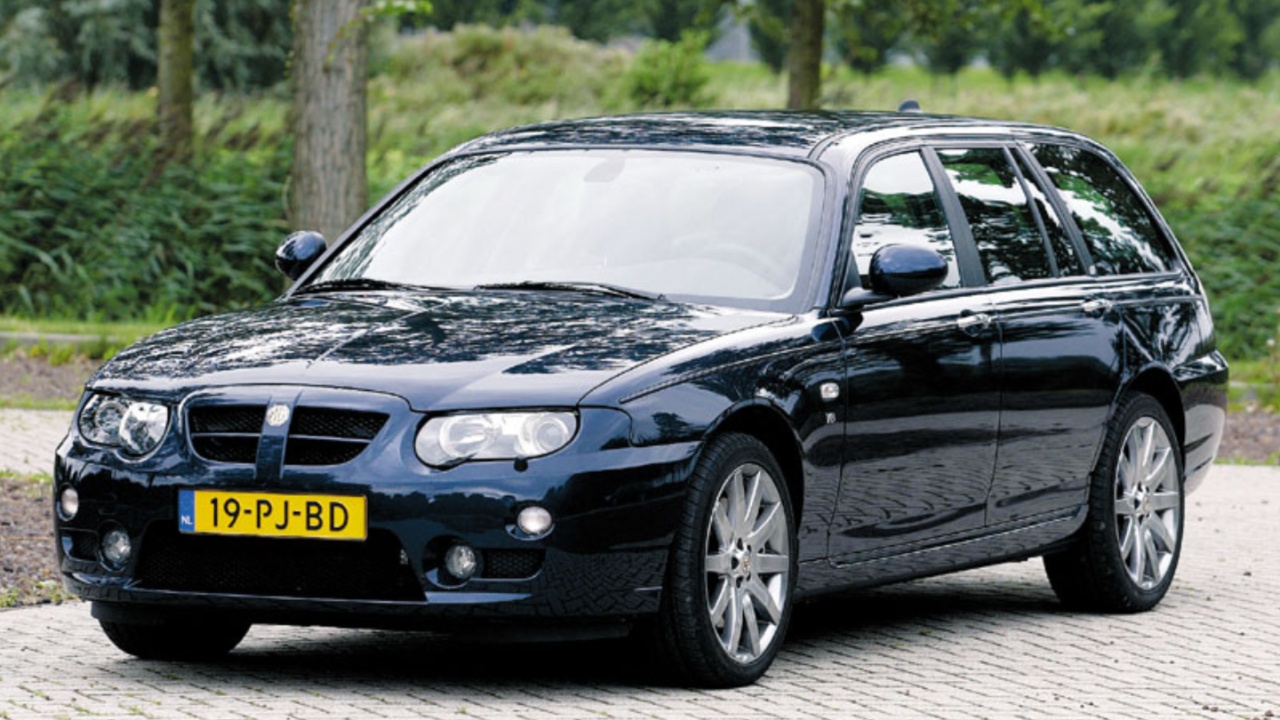
The MG ZT 260 is one of the most unusual and ambitious performance sedans to emerge from Britain in the early 2000s. Based on the front-wheel-drive Rover 75, MG Rover transformed the car into a rear-wheel-drive performance model by installing a 4.6-liter Ford Modular V8 engine, commonly found in the Ford Mustang.
This dramatic engineering overhaul turned a refined executive sedan into a distinctive “sleeper” car with strong performance and a deep American V8 sound.
MG Rover pursued this project during a financially difficult period, when the company lacked the resources to develop its own high-performance engine. Instead, it chose Ford’s reliable and compact single overhead cam 4.6-liter V8, which could fit within the car’s engine bay.
The engine was further tuned by Roush to produce around 256 horsepower and 302 lb-ft of torque. This provided the ZT 260 with respectable performance, including a 0 to 60 mph time of about 6.3 seconds and a top speed of 155 mph.
The transformation required significant engineering changes. MG partnered with Prodrive to convert the car from front-wheel drive to rear-wheel drive, a process that involved redesigning the chassis and adding a large transmission tunnel to accommodate the driveshaft and gearbox.
Components from vehicles like the Aston Martin DB7 and Jaguar XK8 were incorporated to support the new layout. While this improved driving dynamics and balance, it also reduced interior space, particularly for rear passengers.
On the road, the ZT 260 offered a unique driving experience. It combined British styling and interior comfort with the raw character of an American V8 engine. The car delivered strong low-end torque and an engaging, rear-wheel-drive feel, although its relatively heavy weight limited outright speed compared to rivals like the BMW M3. The manual gearbox, while durable, could feel heavy and less refined.
The car had both strengths and weaknesses. Its Ford-based engine and drivetrain were known for reliability and ease of maintenance, with parts widely available. However, fuel consumption was high, and ride quality could feel firm at lower speeds. Some suspension and electrical issues were also reported.
With fewer than 900 units produced, the MG ZT 260 remains a rare and sought-after model. It stands as a bold example of creative engineering, blending British design with American muscle in a way few cars have attempted.
7. Sunbeam Tiger (Ford 260 V8): A Compact British Roadster with American Power
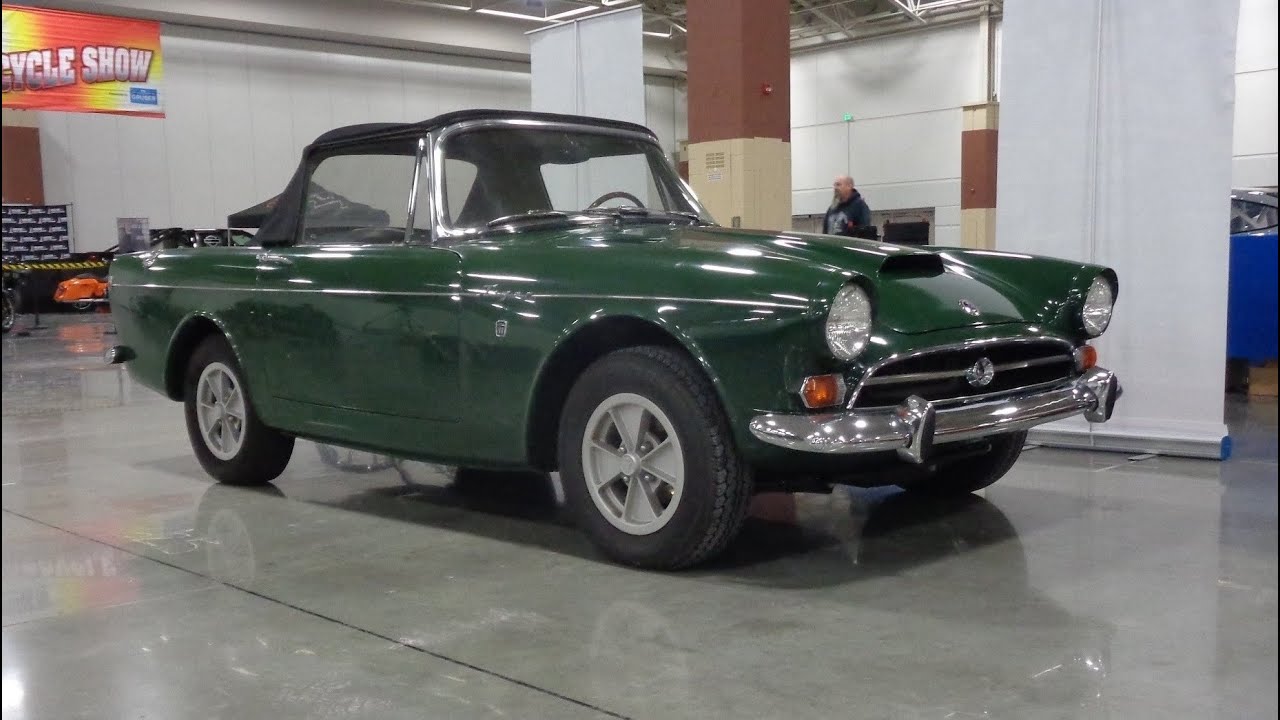
The Sunbeam Tiger is a classic example of 1960s British and American automotive collaboration, created by combining a lightweight European sports car with a powerful American V8 engine.
Produced between 1964 and 1967, the Tiger was developed as a high-performance version of the Sunbeam Alpine, which originally came with a modest four-cylinder engine. Seeking to improve performance and compete with more powerful rivals, the Rootes Group turned to an approach similar to the successful AC Cobra formula.
To bring this idea to life, Rootes enlisted Carroll Shelby, who had already proven the effectiveness of installing American V8 engines into lightweight European chassis. Working with Rootes executive Ian Garrad, Shelby managed to fit a Ford 260 cubic inch V8 into the compact engine bay of the Alpine in a remarkably short time.
The fit was extremely tight and required significant modifications, including repositioning components like the battery and upgrading the steering and braking systems to handle the increased power.
The result was a dramatic transformation. The Ford V8 produced around 164 horsepower, more than doubling the output of the original Alpine engine. This gave the Tiger strong acceleration and a top speed exceeding 120 miles per hour, making it a true performance car despite its small size.
Its power-to-weight ratio delivered the kind of “pocket rocket” driving experience that enthusiasts appreciated, combining quick acceleration with a distinctive V8 exhaust note.
In terms of driving dynamics, the Tiger retained much of the Alpine’s character but required adjustments to manage the added power. Suspension upgrades and structural reinforcements improved stability, though the car could still feel demanding due to relatively small brakes and narrow tires. Despite this, it offered a balanced and enjoyable driving experience, along with enough comfort for long-distance touring.
The Tiger’s production ended prematurely after Chrysler acquired the Rootes Group and chose not to continue selling a car powered by a rival company’s engine. As a result, production numbers remained relatively low.
Today, the Sunbeam Tiger is highly regarded as a collectible classic. It represents a more accessible alternative to the Cobra while delivering similar thrills. Its blend of British styling and American muscle has secured its place as one of the most memorable hybrid sports cars of its era.
The stories of these seven cars illustrate the enduring appeal of American-European engineering collaborations. By pairing reliable, high-performance American engines with finely crafted European chassis, designers created vehicles that were faster, more practical, and more distinctive than many conventional options of their time.
The AC Cobra and Sunbeam Tiger delivered thrilling, lightweight sports car experiences, while the Pantera and Jensen Interceptor combined exotic design with accessible American muscle. Even modern examples, like the Koenigsegg CC8S, began with American powerplants to launch global automotive innovation.
While some, such as the Lincoln Mark VII diesel, were experimental and niche, they reveal the creative thinking that arises from cross-continental engineering solutions. Ultimately, these hybrids highlight the power of collaboration, demonstrating that when American torque meets European finesse, the result can be legendary cars that remain cherished and collectible decades later.
Also read: 10 Cars With the Most Unusual Dashboard Gauge Layouts Ever Built