
Buying a used car is one thing. Committing to it for the rest of its mechanical life is an entirely different decision. When you plan to keep a car indefinitely, reliability becomes the single most important factor. Style, speed, and technology mean very little if the engine fails at 120,000 miles.
Not every car is built for this kind of long-term relationship. Some vehicles impress on the showroom floor but quietly fall apart after 80,000 miles. Others are engineered with such mechanical integrity that 200,000 miles is just the beginning.
The difference between these two types of cars can cost you tens of thousands of dollars over a lifetime. This list focuses on used cars that reward loyalty. These are vehicles with proven track records backed by large-scale reliability studies and decades of real-world owner data.
Whether you are a daily commuter or simply someone who hates car payments, these ten picks represent the smartest long-term investments in today’s used car market. Buy one, maintain it well, and it may be the last car you ever need.
1. Toyota Camry
When people talk about cars that simply refuse to die, the Toyota Camry is almost always the first name spoken. It has earned that reputation through decades of mechanical consistency, affordable maintenance, and a powertrain philosophy built entirely around durability. The Camry is not the most exciting car on this list. It does not need to be.
The Camry’s strength lies in its naturally aspirated four-cylinder and V6 engines. These engines are chain-driven, meaning no costly timing belt replacements will ever appear on your repair bill. Toyota has refined these powerplants across multiple generations without introducing unnecessary complexity.
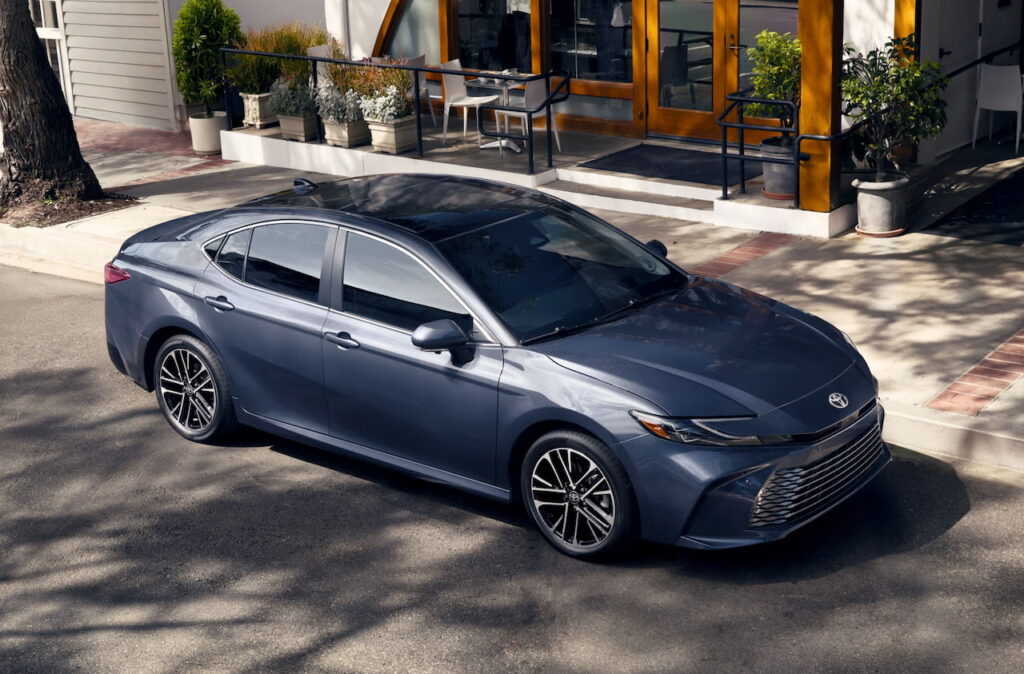
Annual maintenance costs for the Camry sit at approximately $388 per year on average. That number is extraordinarily low for a midsize sedan and compounds into thousands of dollars saved over a decade of ownership. Low running costs are the defining advantage of planning to keep any car for the long haul.
The 2012–2017 generation is particularly celebrated among high-mileage owners. The 2.5-liter four-cylinder in this era tolerates occasional maintenance neglect better than most engines. It bounces back quickly with basic servicing and regularly crosses 200,000 miles without internal repairs.
The six-speed automatic transmission used across multiple Camry generations is a thoroughly proven unit. It shifts smoothly and wears very gradually with proper fluid maintenance. Major transmission failures before 150,000 miles are genuinely rare in well-maintained examples.
Parts availability for the Camry is exceptional worldwide. Because Toyota sells millions of these cars globally, aftermarket and OEM components are inexpensive and universally stocked. A mechanic in any town or rural area will know this car intimately, keeping labor costs competitive.
The interior quality of older Camrys is honest and hardwearing. The plastics may not feel premium, but they survive heavy daily use without cracking at high mileage. Seat fabric holds its shape, switchgear works reliably, and the dashboard layout remains intuitive well into old age.
For anyone planning indefinite ownership, the Camry is arguably the safest bet in the entire used market. It asks very little while delivering year after year of dependable transportation. Buy a clean example with documented service history and you may never need another car again.
2. Honda Civic
The Honda Civic has been a symbol of affordable, long-lasting transportation for over fifty years. It is the car that mechanics recommend to their own family members without hesitation. Its combination of lightweight construction, efficient engines, and straightforward engineering makes it one of the most dependable used cars money can buy.
Honda’s engineers have consistently resisted the temptation to over-complicate the Civic. The result is a car that ages gracefully and demands very little in exchange for consistent, loyal service. Simplicity in engineering is the greatest gift a manufacturer can give a long-term owner.
The 2.0-liter naturally aspirated engine found in base LX trims is the wiser choice for maximum longevity. Naturally aspirated engines have fewer components that can wear out compared to turbocharged alternatives. Fewer failure points mean fewer repair bills across a fifteen-year ownership span.
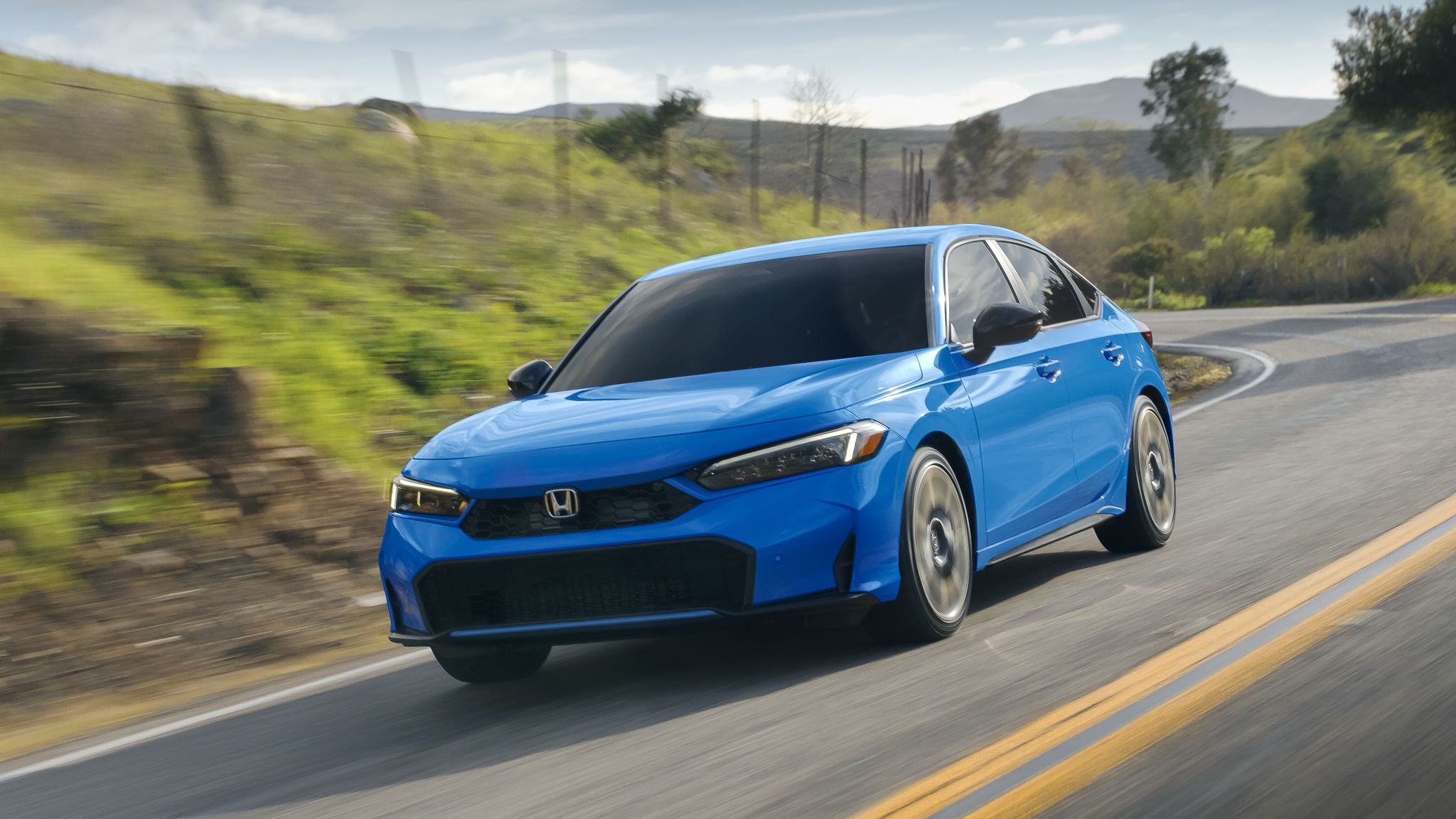
Annual maintenance costs for the Civic average around $368 per year. This is among the lowest figures in the entire compact car segment. Budget predictability over many years is just as valuable as the initial purchase price when planning indefinite ownership.
The Civic’s suspension design is well-tuned for durability as well as comfort. Worn bushings and struts are the most common repairs, but they are inexpensive and straightforward to address. The suspension does not suffer from exotic or expensive failures at any mileage level.
Rust resistance improved dramatically in 2016-and-newer Civic models. Honda applied improved galvanized steel treatments that hold up significantly better in salt-heavy climates. If you live in a region with harsh winters, prioritizing a 2016-or-later example is a smart long-term investment.
The Civic’s global production scale means parts are never difficult to find. Independent mechanics universally know this platform inside and out. Competitive labor rates and fast repair turnaround are guaranteed advantages no matter where you live or travel.
For a buyer seeking a compact car to keep indefinitely, the Civic stands in a class of its own. Its combination of low running costs, mechanical simplicity, and universal parts availability makes it one of the wisest long-term purchases available anywhere in the used car market today.
3. Toyota Corolla
For more than half a century, the Toyota Corolla has proven that transportation does not have to be complicated to be good. It is one of the best-selling cars in automotive history, and that popularity is built entirely on a foundation of reliability. The Corolla is not glamorous. It is genuinely, deeply dependable.
Toyota uses naturally aspirated engines, chain-driven timing systems, and proven transmission designs across Corolla generations. There are no twin-turbos to maintain, no exotic engineering that becomes expensive to service after the warranty expires. Conservative engineering choices translate directly into lower lifetime ownership costs.
The 2014–2019 generation is particularly strong for long-term ownership. The 1.8-liter four-cylinder engine in these years is one of the most thoroughly proven small engines in all of automotive history. Owners routinely report crossing 200,000 miles with nothing more than consistent oil changes and fresh air filters.
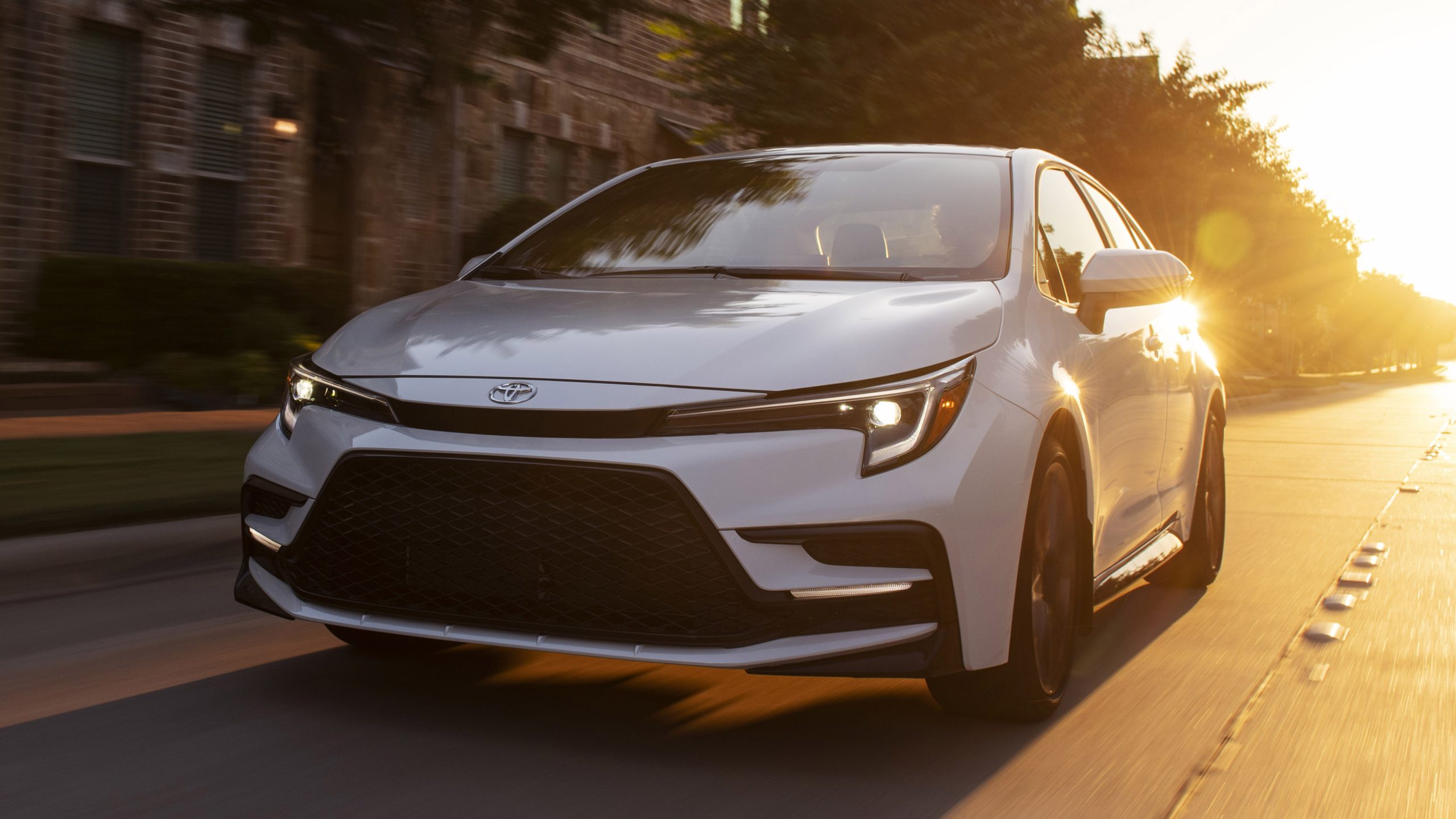
Global parts sharing is a major advantage of the Corolla platform. Brake pads, sensors, and body panels are cheap and universally available in virtually every market on earth. You will never face the nightmare of hunting down obscure or expensive components as your car ages into high mileage territory.
The interior is built for function over fashion. Materials are honest, wear-resistant, and survive heavy daily use without significant deterioration. Buttons, knobs, and climate controls outlast the cars of many premium competitors simply because Toyota chooses proven components over flashy ones.
Models from 2017 onward offer Toyota Safety Sense as standard equipment. This includes automatic emergency braking and lane departure warning technology. These features add real-world protection without introducing complex systems that commonly malfunction as the car ages.
The Corolla’s modest weight is an underrated longevity advantage. Lighter cars place less stress on brakes, suspension, and drivetrain components across every mile driven. Less stress means longer component life and lower cumulative repair costs across a decade or more of ownership.
The Corolla is the sensible, steady partner that rewards loyalty with decade after decade of quiet, faithful service. Buy one in good condition, maintain it consistently, and it will almost certainly outlast every expectation you set for it on the day you bought it.
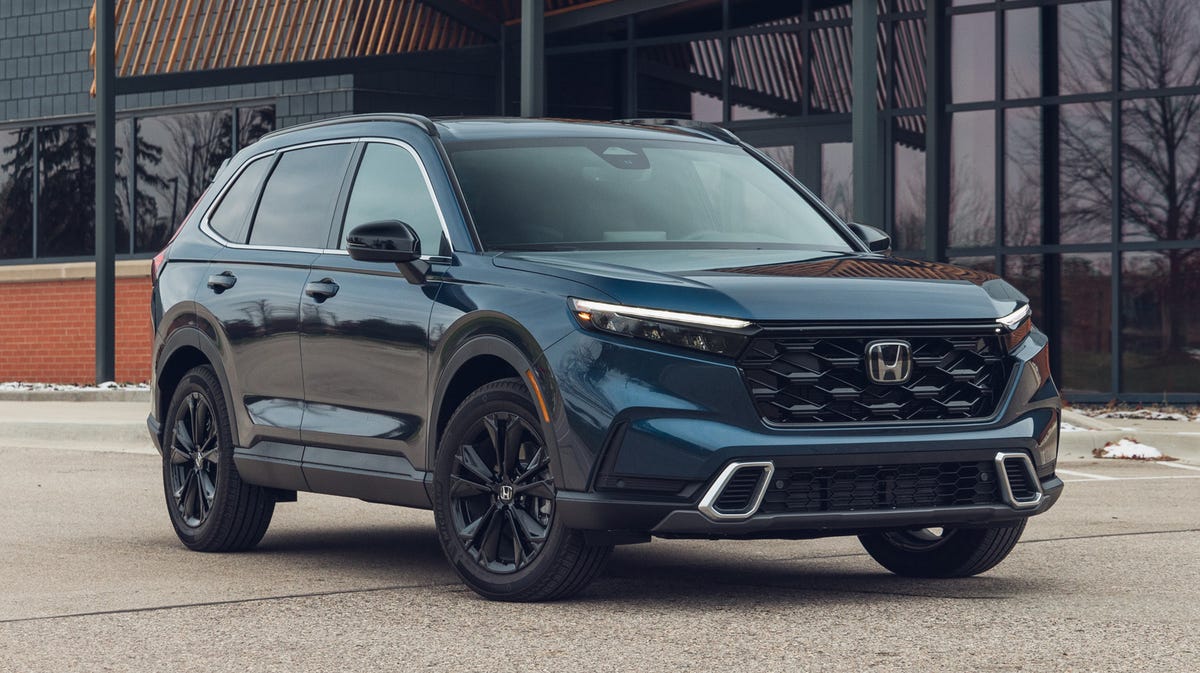
4. Honda CR-V
The Honda CR-V represents everything a practical family needs in a long-term vehicle. It offers generous interior space, excellent fuel economy, available all-wheel drive, and a reliability record built across nearly thirty years of continuous production. It is practical without apology and dependable without exception.
The 2.4-liter naturally aspirated engine found in pre-2017 models is particularly bulletproof among CR-V powerplants. It produces modest but adequate power while demanding nothing more than regular oil changes to remain healthy at high mileage. Simplicity is the engine’s greatest strength.
Honda’s Real-Time AWD system uses a simple dual-pump design with very low actuator failure rates. Simpler all-wheel drive systems translate directly to lower repair costs over a decade of ownership. This is a critical advantage for buyers in snowy or wet climates who need year-round traction.
Early 2017–2018 turbocharged CR-V models experienced fuel-oil dilution issues in cold climates. Honda issued an ECU update that resolved this problem in production units built after January 2019. Verifying this update was completed is an essential step before purchasing any 2017–2018 example.
Cargo practicality is another reason the CR-V works so well as a lifetime vehicle. The flat-folding rear seats create a genuinely useful and wide load floor. Real-world versatility like this becomes more valuable, not less, as the years of ownership accumulate.
The CR-V’s build quality is consistent and honest across its major generations. Body panels fit tightly, door seals last well, and the interior materials resist premature wear. Honda builds the CR-V to be used hard without showing the consequences too quickly.
Fuel economy in the CR-V consistently delivers real-world figures between 27 and 32 miles per gallon. Over a decade of ownership and 150,000 miles driven, efficient fuel consumption saves a significant amount of money. Running cost efficiency is one of the most compelling arguments for choosing this SUV.
For families or individuals planning long-term ownership, the CR-V is a near-perfect choice. Its combination of space, efficiency, reliability, and parts availability creates a vehicle that genuinely improves as a value proposition the longer you keep it.
Also Read: 8 Ways to Verify a Used Car Maintenance History for Free
5. Toyota Tacoma
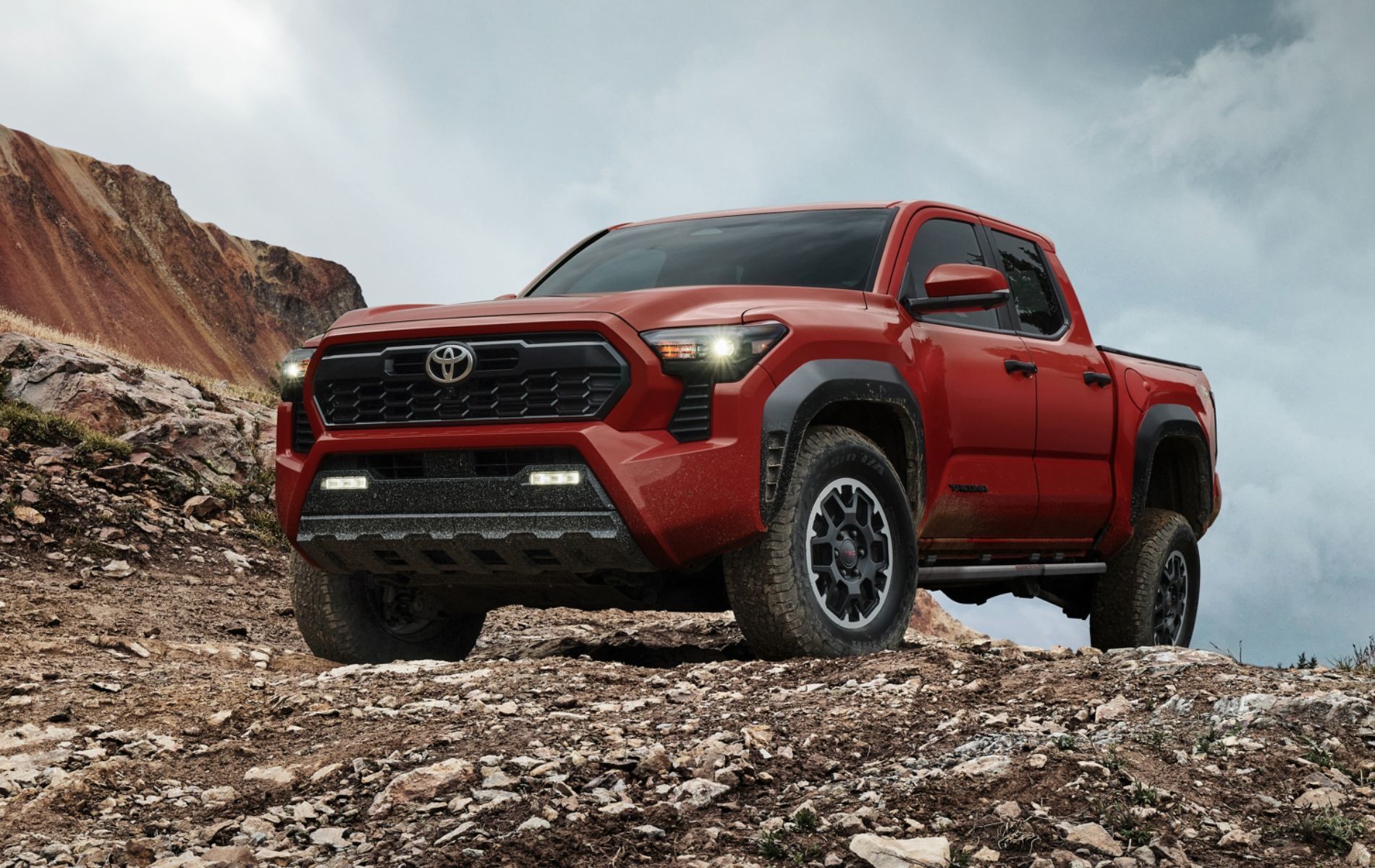
The Toyota Tacoma is not just a reliable truck. It is a phenomenon of automotive longevity that regularly generates stories of owners reaching 300,000 and even 400,000 miles without major engine work. No other midsize truck comes close to matching its real-world durability record. The Tacoma earns its legendary reputation every single day.
The Tacoma’s body-on-frame construction is a fundamental longevity advantage. This traditional truck architecture absorbs rough use, heavy loads, and off-road stress better than unibody designs. It also makes structural repairs more straightforward and less expensive when they eventually become necessary.
The 2.7-liter four-cylinder and 4.0-liter V6 engines offered in second-generation Tacomas are among the most durable truck engines ever produced. Both engines use timing chains and simple internal architecture designed for heavy-duty endurance. They are workhorses in the truest mechanical sense.
Toyota’s reputation for rust-resistant materials and corrosion protection pays long-term dividends in the Tacoma. The frame was a weakness in some earlier models, but Toyota addressed this with improved coatings and a settlement program for affected owners. Checking frame condition remains an important step before buying any pre-2010 example.
The Tacoma holds its resale value better than almost any other vehicle on the used market. This characteristic is a double-edged sword because it means higher purchase prices. However, it also confirms the market’s deep trust in the truck’s longevity and dependability across hundreds of thousands of miles.
Four-wheel drive components in the Tacoma are robustly engineered and long-lasting with proper maintenance. Regular differential and transfer case fluid changes are the key to keeping the drivetrain healthy. Owners who follow this maintenance schedule rarely face expensive four-wheel drive repairs.
The Tacoma’s interior is simple and tough. The controls are large, tactile, and designed to work with work gloves on. Materials resist wear from heavy daily use, dirt, and the kind of abuse that a working truck inevitably encounters over many years of service.
Whether you use it as a daily driver, a work truck, or an adventure vehicle, the Tacoma will almost certainly outlast you financially. It is one of the most compelling arguments for buying used and never looking back at the new truck market again.
6. Lexus RX
The Lexus RX proves that luxury and long-term reliability are not mutually exclusive. Built on Toyota’s proven mechanical foundations and assembled to exceptional quality standards, the RX offers a premium ownership experience without the reliability penalties that typically accompany European luxury alternatives. It is the smart long-term luxury choice.
The RX is powered by Toyota’s well-proven V6 and later hybrid powertrains. These engines share their fundamental architecture with less expensive Toyota models, meaning the underlying mechanical reliability is identical. You get the luxury cabin without sacrificing the durability underneath.
The RX hybrid variant deserves particular attention for long-term ownership. Toyota’s hybrid system has been in continuous production and refinement since the late 1990s. The hybrid battery in well-maintained RX models regularly exceeds 200,000 miles before requiring replacement, contrary to common buyer fears.
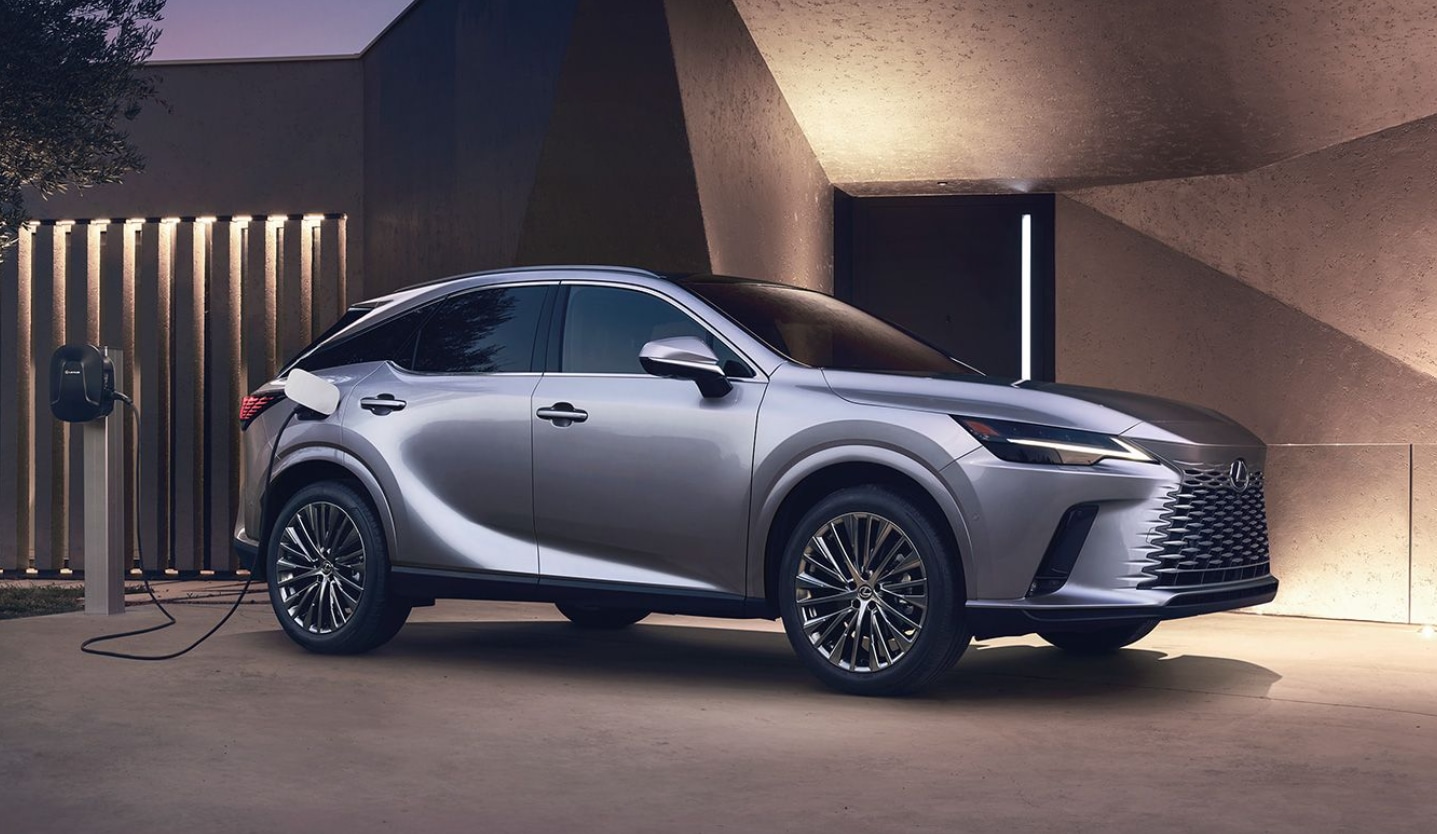
Lexus assembly quality is notably tighter than the Toyota vehicles that share its platforms. Panel gaps are tighter, interior materials are more premium, and NVH refinement keeps the cabin quieter for longer. These qualities make high-mileage ownership significantly more pleasant than in budget alternatives.
Annual maintenance costs for the Lexus RX are higher than a Camry but far lower than comparable European luxury SUVs. A BMW X5 or Mercedes GLE at the same mileage will typically cost two to three ties more per year to maintain. The RX delivers the prestige of luxury without the financial punishment.
The RX interior ages gracefully due to high-quality leather and trim materials. Seats retain their shape and support through years of daily use. Dashboard materials resist cracking and fading in ways that cheaper alternatives simply cannot match across a decade of sunlight exposure.
Safety technology in the RX has been strong across multiple generations. Later models equipped with Lexus Safety System+ offer comprehensive active protection. These systems use straightforward sensor architectures that remain reliable and serviceable well into high mileage ownership.
The Lexus RX is the ideal choice for buyers who want genuine luxury without the long-term financial risk of European alternatives. It combines Toyota’s legendary mechanical durability with a premium experience that makes every mile more enjoyable than the last.
7. Subaru Outback
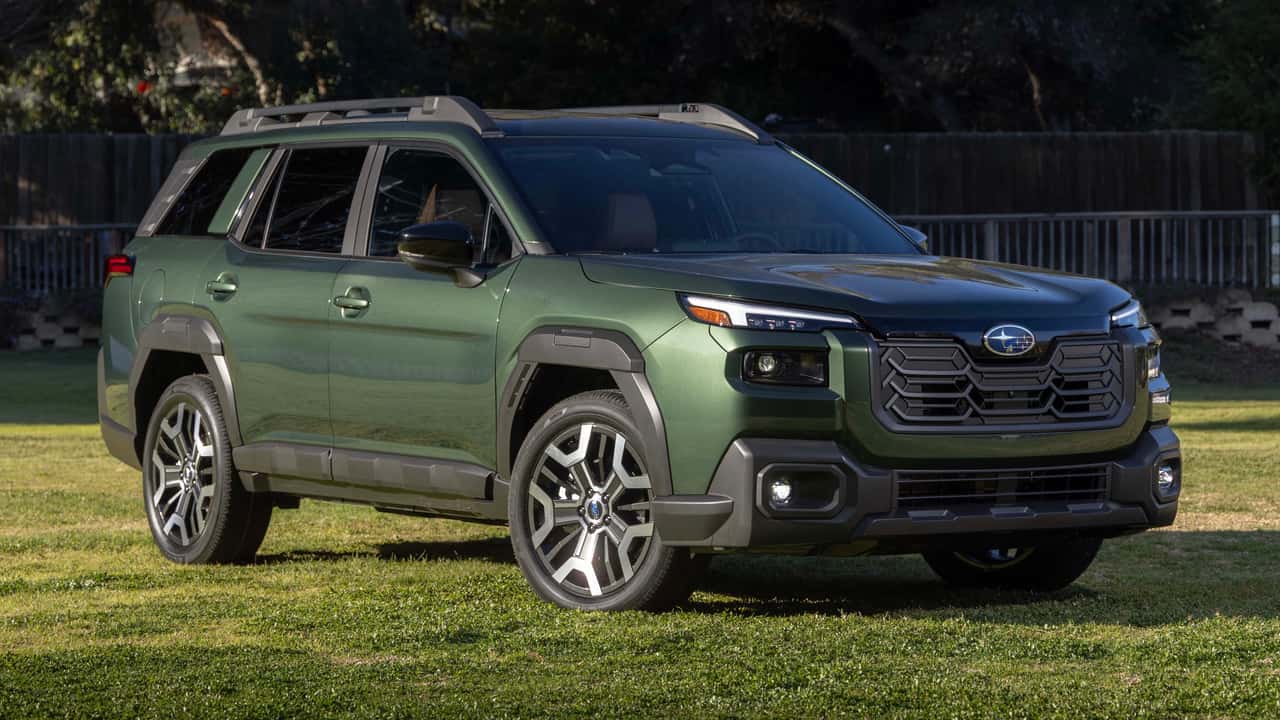
The Subaru Outback occupies a unique position in the long-term ownership conversation. Its combination of standard all-wheel drive, generous ground clearance, wagon practicality, and proven Subaru reliability makes it one of the most versatile vehicles you can commit to for life. It handles virtually any road condition with quiet confidence.
Subaru’s Symmetrical All-Wheel Drive system is a major long-term ownership advantage. Unlike add-on AWD systems found in many competitors, Subaru’s layout is a full-time, balanced design that distributes power efficiently and wears evenly. The system adds minimal complexity while delivering maximum traction in all conditions.
The 2.5-liter naturally aspirated boxer engine in the Outback is the powertrain to seek for maximum longevity. This engine has been in continuous production and refinement for many years. Its horizontal cylinder layout gives it a lower center of gravity and inherently good balance under load.
Older Subaru models, particularly pre-2012 examples, were known for head gasket issues on the 2.5-liter engine. This problem was comprehensively addressed in later production years through improved gasket materials and cooling system redesigns. Sticking to 2013-and-newer models largely eliminates this concern from the ownership equation.
The Outback’s ground clearance of around 8.7 inches in modern generations is genuinely useful for light off-road exploration. It handles unpaved roads, deep snow, and rough rural tracks with an ease that most cars and crossovers cannot match. This capability expands your lifestyle options significantly across a long ownership tenure.
Cargo space in the Outback is among the best in its class for a non-truck vehicle. The wagon body style provides a flat, wide load floor that accommodates large items with ease. Real-world practicality like this only becomes more valuable as the years of ownership accumulate.
Subaru parts are widely available and competitively priced. The brand has grown substantially in popularity over the past two decades, meaning dealership coverage is broad and independent mechanic familiarity is high. You will never struggle to find qualified service for an Outback anywhere in the country.
The Outback is the perfect vehicle for owners who live active lives in variable climates. Its combination of all-weather capability, practical space, and proven mechanical reliability makes it one of the most versatile long-term ownership choices on this entire list.
8. Toyota 4Runner
The Toyota 4Runner is one of the last remaining body-on-frame SUVs built with genuine mechanical toughness as its primary design goal. While the automotive world has shifted toward car-based crossovers, Toyota has kept the 4Runner on a truck platform for very deliberate reasons. That decision is a gift to long-term owners everywhere.
The fifth-generation 4Runner, produced from 2010 to the present, uses a 4.0-liter V6 engine that is one of the most durable naturally aspirated engines in the SUV class. This engine is known for crossing 250,000 and 300,000 miles with regularity when maintained properly. Its reputation among high-mileage enthusiasts is almost mythological.
Body-on-frame construction gives the 4Runner structural rigidity that unibody SUVs simply cannot match under sustained rough use. The frame absorbs punishment from off-road driving, heavy towing, and rough roads without transmitting excessive stress to the body structure. Long-term structural integrity is the direct result.
The 4Runner’s suspension system is robust and serviceable. Worn shocks and bushings are the most common maintenance items, and they are straightforward repairs that any competent mechanic can handle. The underlying suspension geometry remains sound and reliable well beyond 200,000 miles.
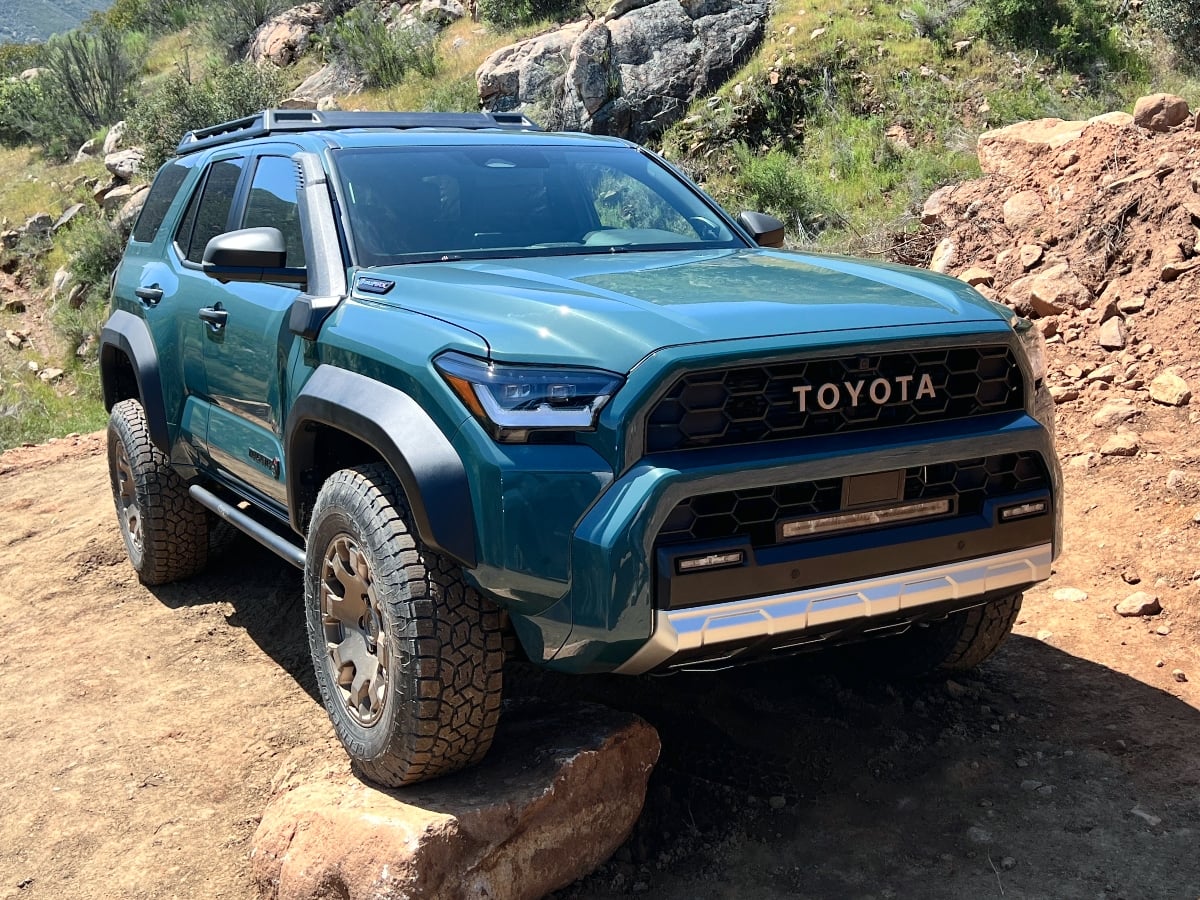
Toyota’s Multi-Terrain Select and Crawl Control systems on higher trims add off-road capability without introducing fragile electronic complexity. These systems are designed for reliability under stress. They have a strong track record of functioning correctly even in high-mileage, well-used examples.
Interior quality in the 4Runner is functional and durable rather than luxurious. The materials are chosen for toughness over aesthetics. This practical approach means the interior holds up exceptionally well through years of heavy use, children, pets, and outdoor gear.
Resale value for the 4Runner is extraordinarily strong, rivaling even the Tacoma. This confirms widespread market confidence in the vehicle’s long-term durability. Strong resale value also means the 4Runner protects your financial investment better than almost any other SUV you could choose.
If you want an SUV that will handle everything life throws at it for twenty years or more, the Toyota 4Runner is your answer. It is uncompromised, overbuilt, and almost impossible to wear out with proper care.
9. Honda Accord
The Honda Accord has competed at the very top of the midsize sedan class for decades. It consistently earns praise from owners, mechanics, and reliability analysts for its combination of performance, comfort, and durability. The Accord is not merely a good car. It is one of the greatest long-term ownership propositions in automotive history.
The Accord’s powertrain lineup across recent generations offers a choice between turbocharged four-cylinders and naturally aspirated V6 engines. For maximum long-term reliability, the 3.5-liter V6 found in 2013–2017 models is the choice of experienced long-term owners. It is one of Honda’s most refined and durable engines ever produced.
Honda’s VTEC variable valve timing technology has been proven over decades of real-world use. It optimizes both performance and fuel efficiency without adding fragile complexity to the engine. Well-maintained VTEC engines in Accords routinely exceed 200,000 miles without internal repairs.
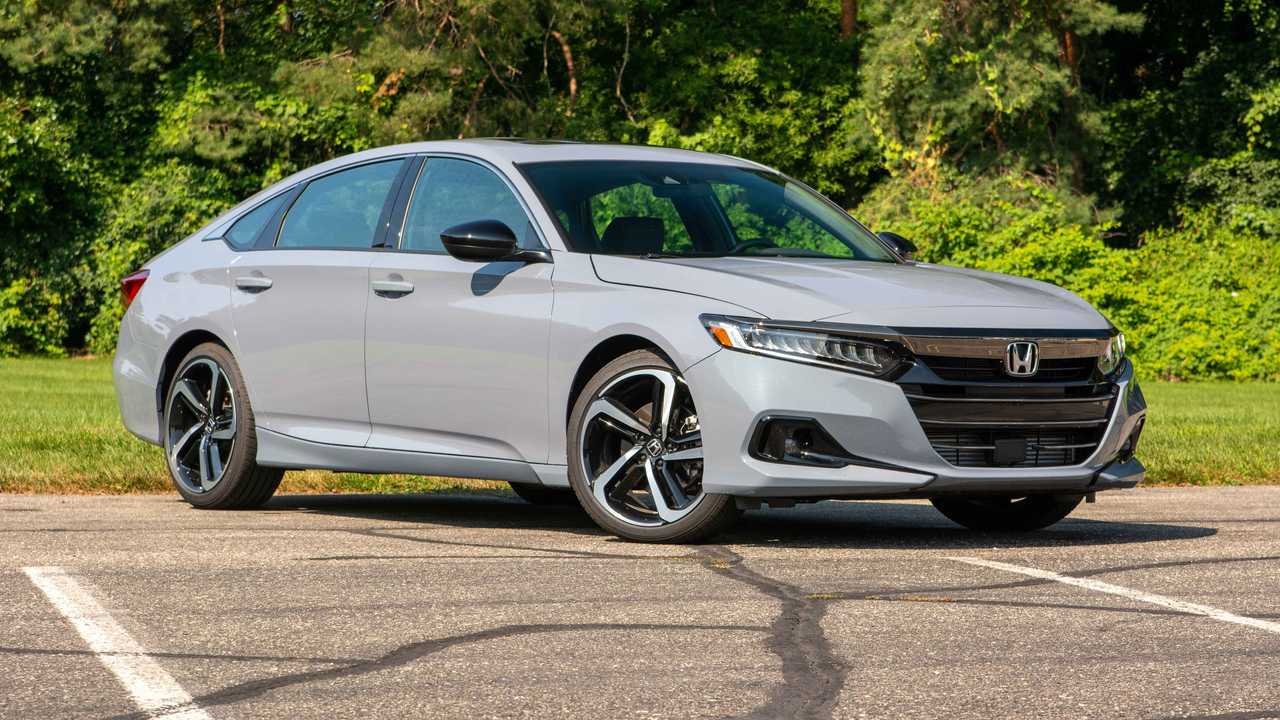
The Accord’s chassis and suspension are tuned with a level of sophistication that makes it genuinely enjoyable to drive at any mileage. A high-mileage Accord still feels more planted and responsive than many newer competitors. This driving quality makes long-term ownership significantly more pleasant than choosing a purely utilitarian alternative.
Interior space in the Accord is genuinely impressive for a midsize sedan. Rear seat legroom rivals some larger vehicles. Trunk capacity is generous and well-shaped for practical everyday use across many years of family life.
Build quality in the Accord is consistently tight and well-executed. Body panel gaps stay consistent, door seals last well, and interior materials resist the premature wear that plagues lesser competitors. Honda assembles the Accord with a care that is evident in how well high-mileage examples present themselves.
The Accord’s global popularity ensures parts availability that matches the Civic and Camry in breadth and affordability. No matter where your car needs service, you will find both the parts and the expertise to keep it running properly. This universal serviceability is a crucial advantage for indefinite ownership.
The Honda Accord delivers a premium driving experience at a fraction of premium car prices and without premium car running costs. It is the ideal choice for owners who refuse to sacrifice comfort and driving enjoyment in the name of long-term practicality.
10. Toyota Prius
The Toyota Prius changed the automotive world when it launched, and it has continued to surprise skeptics ever since with its remarkable long-term reliability. What many people initially dismissed as complicated hybrid technology has proven to be one of the most durable and cost-effective powertrains ever placed in a production car. The Prius rewards patient, practical owners like no other vehicle on this list.
Toyota’s hybrid system in the Prius uses a combination of a naturally aspirated four-cylinder engine and an electric motor. These two power sources share the workload so efficiently that neither unit is ever working at full stress for extended periods. Shared load means reduced wear on both the engine and the electric components simultaneously.
The hybrid battery in the Prius is far more durable than most buyers expect. Third and fourth-generation models regularly see their original battery packs exceed 200,000 miles. When replacement does become necessary, aftermarket battery options have driven costs down significantly over the past decade.
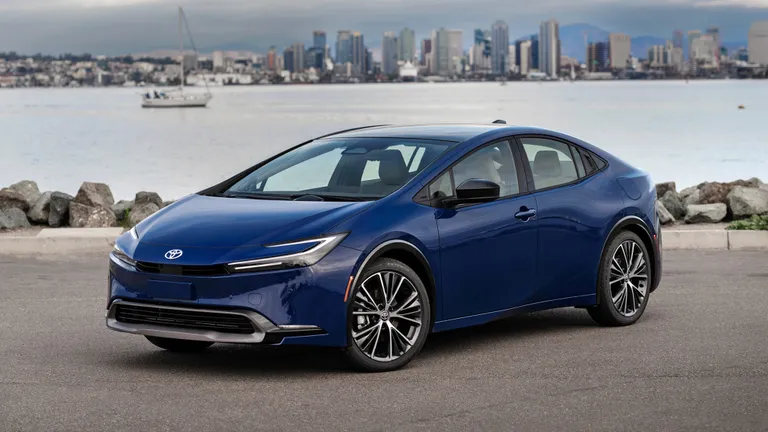
Brake wear in the Prius is dramatically reduced compared to conventional vehicles. Regenerative braking recovers energy during deceleration, meaning the physical brake pads are used far less aggressively. Many Prius owners report original brake pads lasting well beyond 100,000 miles under normal driving conditions.
Fuel economy is the Prius’s most celebrated feature, and it translates into massive long-term savings for indefinite owners. Real-world fuel consumption consistently delivers 45 to 50 miles per gallon in mixed driving. Over 200,000 miles of ownership, this efficiency advantage saves thousands of dollars compared to conventional alternatives.
The third-generation Prius from 2010–2015 is the sweet spot for used buyers seeking maximum value and proven reliability. These models have been on the road long enough to develop a comprehensive reliability history. Their mechanical performance at high mileage is well-documented and consistently impressive.
Maintenance requirements for the Prius are genuinely minimal. Oil change intervals are standard, but the absence of a traditional transmission eliminates one of the most significant maintenance concerns in conventional vehicles. The service schedule is simple, affordable, and predictable across many years of ownership.
The Prius interior is efficient in its use of space and consistently practical. The hatchback body style provides excellent cargo flexibility. The instrument layout, while unconventional, becomes second nature quickly and remains perfectly functional through many years of daily use.
The Toyota Prius is proof that choosing reliability and efficiency does not require sacrificing longevity. It is a deeply intelligent long-term purchase that delivers financial and practical rewards that compound meaningfully with every additional year of ownership.
Also Read: 10 Best Used Performance Cars That Haven’t Been Driven Too Hard
