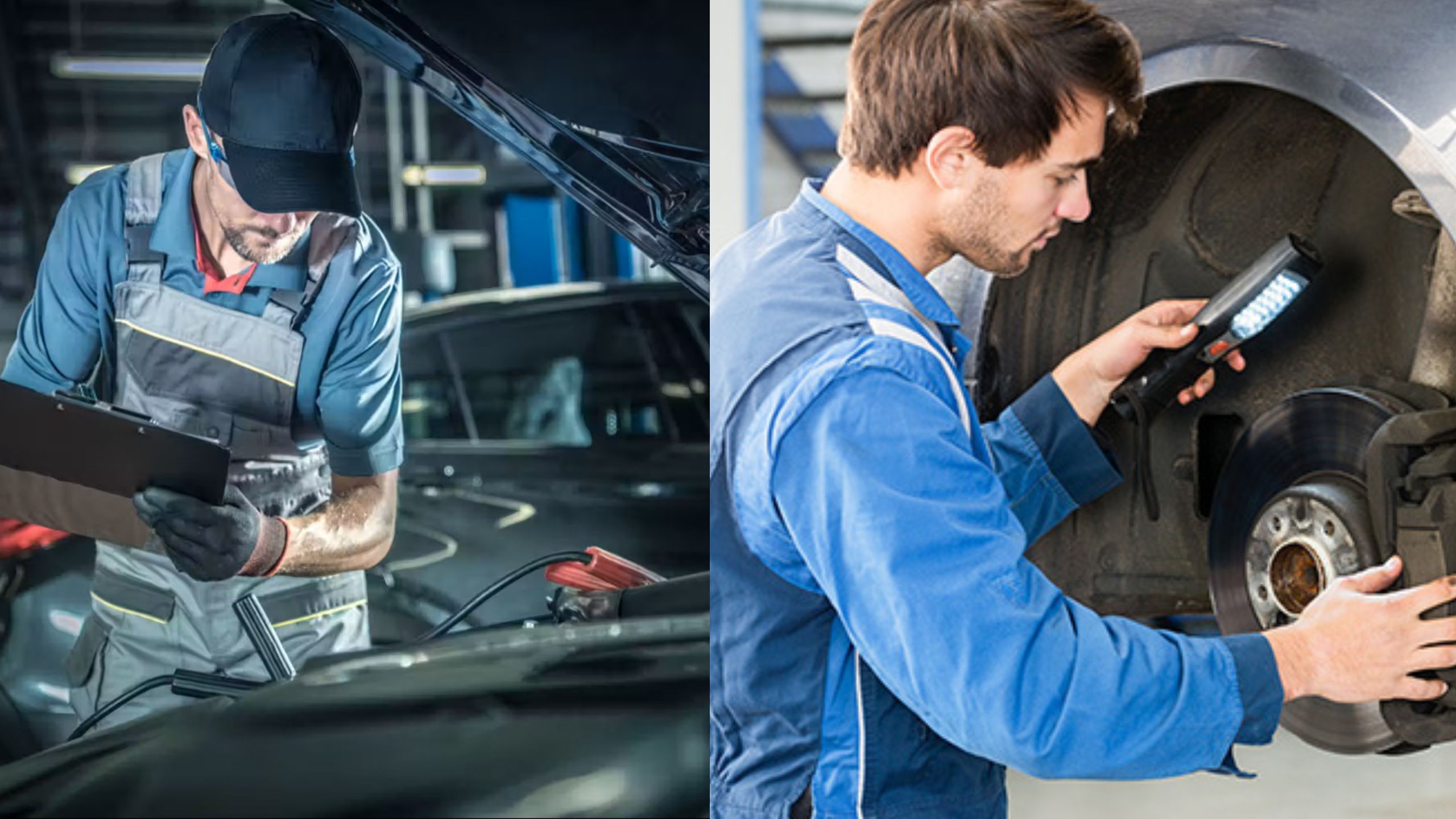
Buying a used car can be one of the smartest financial decisions you ever make. However, it can also turn into a costly nightmare if you skip the verification process.
A car’s maintenance history tells you everything about how the previous owner treated the vehicle. It reveals whether oil changes were done on time, whether major repairs were handled properly, and whether the car was involved in any accidents.
Many buyers assume that checking a car’s history requires spending money on paid services. The truth is, there are numerous free methods available that can give you a surprisingly detailed picture. You just need to know where to look and what questions to ask.
A well-maintained car will save you thousands of dollars in unexpected repairs. A poorly maintained one will drain your wallet from the very first month of ownership. This makes verification not just a smart step, but an essential one.
Whether you are buying from a private seller or a dealership, these free verification methods apply equally. They empower you as a buyer to make an informed, confident decision.
1. Ask the Seller Directly for Service Records
The simplest and most overlooked step is to ask the seller for physical service records. Most responsible car owners keep a file of receipts, invoices, and service booklets. These documents can tell you a great deal about how the car was maintained over the years.
When you ask, pay attention to how the seller responds. A confident, organized seller will produce documents quickly. A hesitant or evasive response can be your first red flag.
Service records typically include oil change receipts from workshops or dealerships. They may also contain records of tyre rotations, brake replacements, and fluid top-ups. Each receipt has a date and mileage stamp that helps you build a timeline.
Look at the intervals between services. If oil changes happened every 5,000 to 7,000 kilometres, that is a good sign. If there are massive gaps of 20,000 kilometres or more, the car may have been neglected.
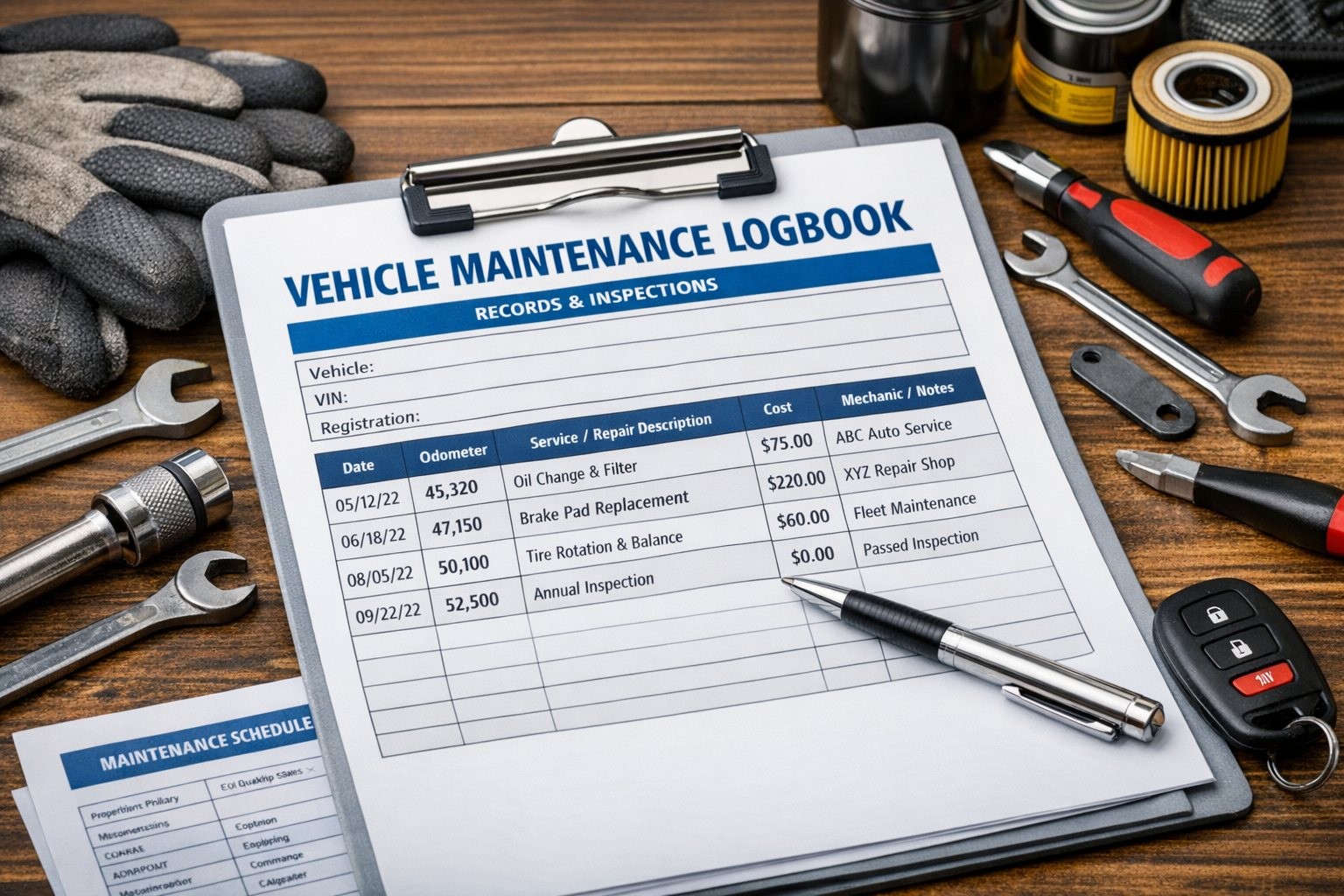
Cross-check the mileage on the receipts with the current odometer reading. The numbers should follow a logical, increasing sequence. Any inconsistency in mileage could indicate odometer tampering, which is a serious legal and mechanical concern.
Also check whether the services were done at authorised service centres or local roadside garages. Authorised centres follow manufacturer-recommended procedures. Local garages may cut corners or use substandard parts.
Ask if the car still has its original service booklet. Manufacturers provide a booklet where service stamps are recorded at each visit. A complete, stamped booklet is one of the most reliable forms of maintenance proof available.
If the seller claims records were lost or thrown away, that is not necessarily a dealbreaker. However, it does mean you will need to rely more heavily on the other methods described in this article. Always treat the absence of records as a reason for extra caution.
Finally, compare the brand and type of lubricants mentioned in the receipts. If the manufacturer recommends full synthetic oil and the receipts show mineral oil was used, that is a concern. Small details like these can reveal a lot about the level of care given to the vehicle.
2. Check the Vehicle Identification Number (VIN) on Free Platforms
Every car has a unique Vehicle Identification Number, or VIN. This 17-character code is a goldmine of information. It is stamped on the dashboard, door frame, and sometimes on the engine block.
You can use this number to check the car’s history on several free platforms. Many countries have government-run portals where you can enter the VIN and retrieve basic information. This may include registration history, ownership changes, and insurance records.
In India, the Vahan portal maintained by the Ministry of Road Transport and Highways is a powerful free resource. You can enter the car’s registration number or VIN and access details like the registered owner’s name, fuel type, and insurance status. This takes only a few minutes and costs nothing.
Some platforms also show whether the car has ever been reported stolen. This is critical information that can save you from legal trouble. Buying a stolen vehicle, even unknowingly, can result in the car being seized without any compensation.

The VIN can also tell you where the car was manufactured and which factory it came from. This can help verify if the specifications match what the seller claims. Mismatched VINs between the dashboard and engine bay are a serious warning sign.
Check all VIN plaques on the car and ensure they all match. Criminals sometimes replace body panels or engine components from different vehicles. If VINs do not match, the car may have been rebuilt using parts from multiple vehicles.
Free platforms may not always show full service history, but they can confirm ownership and accident reports. Even partial information is valuable during the verification process. It helps you establish a factual baseline before moving forward.
Always write down the VIN before visiting the seller so you can do your research in advance. Going prepared with prior knowledge puts you in a stronger negotiating position. It also signals to the seller that you are a serious and informed buyer.
3. Visit the Authorised Service Centre with the Car
If the car was ever serviced at an authorised dealership or service centre, those records are stored digitally. Most manufacturers in India and globally maintain digital service logs. You can visit the nearest authorised service centre for that brand with the car.
Service advisors at these centres can pull up the car’s history using its VIN or registration number. They can tell you the dates of past services, what work was performed, and whether any recall work was done. This is a free service that most dealerships offer as part of their customer support.
This method works especially well for relatively newer cars. Older cars that predate digital record-keeping systems may have limited data available. However, it is always worth trying, even for cars that are eight to ten years old.
Bring the seller along or get their written permission to inquire on their behalf. Some service centres may require the registered owner’s consent before sharing records. A seller who refuses to accompany you to the service centre is a red flag.

Ask the service advisor specifically about any major repairs. Find out if the car ever had engine overhaul work, gearbox repairs, or major electrical issues. These are costly repairs that the seller may not voluntarily disclose.
Also ask about any pending recalls. Manufacturers sometimes issue recall notices for safety-related defects. If the recall work was never done, you could be driving a car with a known safety issue.
The service history at authorised centres also confirms whether genuine parts were used. Counterfeit or substandard parts can shorten a car’s lifespan considerably. Genuine parts ensure the vehicle performs as designed by the manufacturer.
This method, combined with physical service records from the seller, gives you a very complete picture. It is one of the most reliable free verification tools available. Never skip this step if the car being considered is a popular brand with a widespread service network.
4. Inspect the Car’s Physical Condition as a Maintenance Indicator
A car’s physical condition speaks loudly about its maintenance history. You do not need to be a mechanic to spot obvious signs of neglect. A thorough visual inspection can reveal a great deal for free.
Start by checking the engine bay. A clean engine bay with no visible oil leaks suggests regular maintenance. An engine covered in grease and grime indicates that even basic cleaning was neglected.
Check the oil dipstick. Pull it out and examine the colour of the oil. Fresh, well-maintained oil is amber or light brown. Black, thick, or sludgy oil indicates the oil has not been changed in a very long time.
Look at the condition of the coolant reservoir. The coolant should be a bright colour, typically green, pink, or blue. Murky or brown coolant can indicate overheating issues or a failing head gasket.
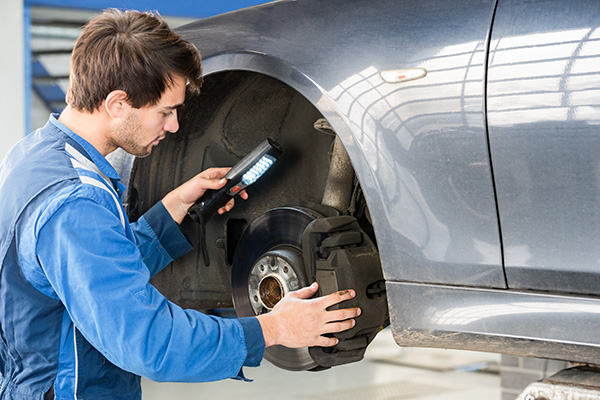
Examine the tyres carefully. All four tyres should show even wear patterns. Uneven wear on one side suggests alignment problems that were never addressed. This could indicate the car was in a minor accident or has suspension issues.
Inspect the brake pads through the wheel spokes. The pads should have a reasonable amount of material left. Worn-down pads with metal-on-metal contact suggest the brakes were dangerously ignored.
Check all the fluid levels including brake fluid, power steering fluid, and windshield washer fluid. A well-maintained car will have all fluids at proper levels. Missing or contaminated fluids suggest irregular maintenance habits.
Look under the car for rust, oil stains, or water puddles. Fresh oil stains beneath the engine or gearbox are signs of active leaks. Rust on the undercarriage can compromise structural integrity and safety.
Finally, check the condition of rubber components like hoses and belts. Cracked, brittle, or frayed belts suggest they have not been replaced in years. In a well-maintained car, these components are replaced at manufacturer-recommended intervals.
Also Read: 8 Ways to Verify a Used Car Maintenance History for Free
5. Use Free Government and Insurance Portals
Many governments around the world offer free online portals for checking vehicle information. In India, the Parivahan and Vahan websites are excellent starting points. These portals are maintained by the central government and are accessible to anyone.
By entering the vehicle’s registration number, you can retrieve key details. These include the name of the registered owner, the date of first registration, and the type of fuel the car uses. You can also check whether the car’s fitness certificate and pollution under control certificate are valid.
Insurance history is another powerful indicator of how the car has been used. A car with a continuous insurance record shows the owner was responsible. Gaps in insurance coverage may indicate periods when the car was unregistered, abandoned, or used illegally.
In some cases, insurance portals also record accident claims made against the vehicle. Even minor fender-bender claims show up in the system. This gives you an idea of the car’s accident history without paying for a private report.

Check whether the car has any hypothecation listed. Hypothecation means the car was purchased through a loan that may still be outstanding. Buying a car with an unpaid loan can result in the financier repossessing the vehicle.
Also verify the car’s road tax payment status. Road tax arrears can create legal complications during the transfer of ownership. It is better to discover these issues before signing any agreement.
The motor vehicle department in many states also maintains records of traffic violations and challans. Excessive challans can indicate a reckless driver who may have also been reckless with maintenance. It paints a more complete picture of the car’s history.
These government portals are free, regularly updated, and highly reliable. They provide legally verified information that private sellers cannot manipulate. Always use these resources as a foundation for your used car research.
6. Run a Free Online Mileage and History Check
Odometer fraud is one of the most common forms of used car deception. Sellers sometimes roll back the odometer to make the car appear younger than it is. Detecting this fraud is easier than you might think.
Several free websites allow you to check a car’s mileage history using its VIN or registration number. These databases aggregate data from MOT tests, insurance renewals, and past listings. Comparing these figures to the current odometer reading can quickly reveal tampering.
In the UK, the DVLA’s free MOT history checker is an excellent tool. Each MOT test records the mileage at the time of inspection. If the recorded mileage shows a decline at any point, the odometer has been tampered with.
In India, mileage data can sometimes be cross-referenced through service records and government portals. While a centralised mileage database is still evolving in India, combining multiple data sources can still help detect inconsistencies. Always triangulate from more than one source.
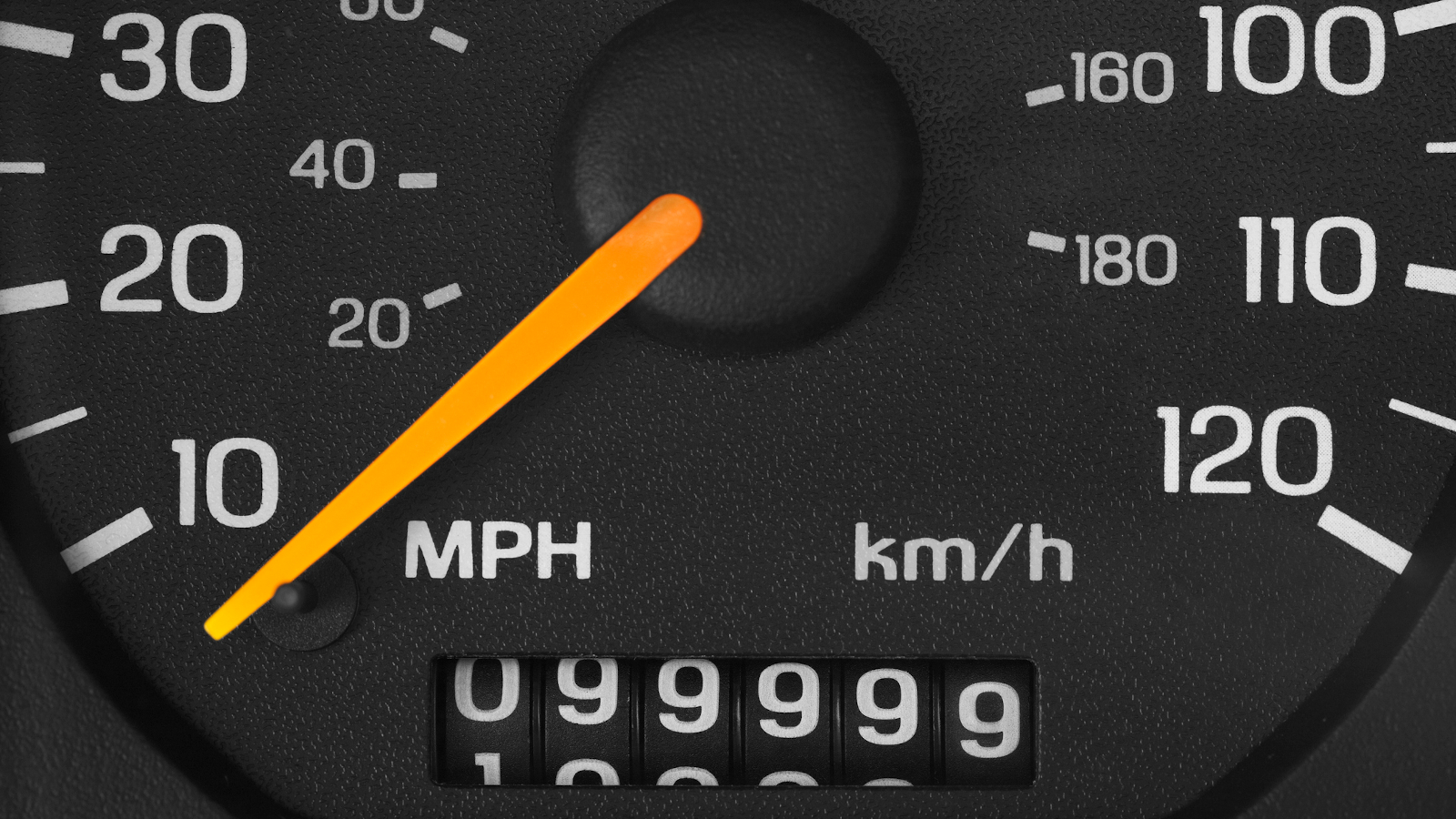
High mileage is not always bad. A car with 150,000 kilometres that has been serviced regularly is often better than a car with 50,000 kilometres that has been neglected. Consistent maintenance matters more than the number on the odometer.
However, if the mileage seems suspiciously low for the car’s age, ask probing questions. A ten-year-old car with only 30,000 kilometres may have spent long periods unused. Prolonged inactivity can cause its own set of mechanical problems.
Also check the wear on the steering wheel, gear knob, and driver’s seat. These components wear proportionally with mileage. If a car has low mileage but a heavily worn steering wheel, something does not add up.
Floor mats and pedal rubber are also reliable wear indicators. Brand new pedal rubbers on an older car may suggest they were recently replaced to hide high mileage. Trust your instincts when something feels inconsistent.
7. Talk to Previous Owners If Possible
If the car has changed hands more than once, tracking down a previous owner can yield invaluable information. This may sound difficult, but it is more achievable than most buyers realise. Government registration records sometimes list previous owner details.
Ask the current seller how they came to own the car. If it was a private purchase, they may still have the previous owner’s contact information. A transparent seller who has nothing to hide will usually be willing to share this.
Speaking directly to a previous owner gives you unfiltered information. They may share details about recurring problems, accident repairs, or mechanical quirks. This kind of candid insight is difficult to obtain from documents alone.
Ask the previous owner why they sold the car. Common answers like “upgraded to a newer model” are generally reassuring. Answers involving repeated breakdowns, expensive repairs, or unusual noises should raise your concern significantly.
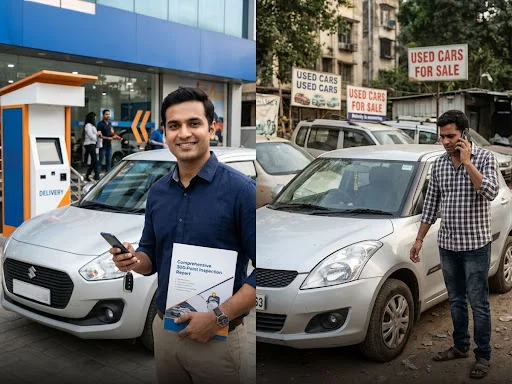
Previous owners may also remember specific workshops or mechanics who worked on the car. You can then contact those workshops to verify service records. Mechanics often keep job cards or digital records of work performed.
In small communities or residential societies, it is common to know who previously owned a vehicle. Neighbours and security guards sometimes have surprisingly detailed knowledge about a car’s usage history. Do not underestimate the value of informal inquiries.
Social media platforms can also help you trace a car’s history. Some cars are sold through Facebook Marketplace or local community groups. Searching the car’s registration number may reveal past listings with photos and descriptions.
Even if you cannot reach the previous owner, the attempt itself demonstrates due diligence. It shows you are serious about making an informed decision. Sellers who obstruct your attempts to contact previous owners are likely hiding something important.
8. Get a Free Inspection from a Trusted Mechanic
Taking the car to an independent mechanic for a pre-purchase inspection is one of the most valuable free verification methods. Many mechanics offer basic assessments at no charge, especially if they know you are a potential customer. Even a 30-minute look by an experienced mechanic can reveal hidden problems.
A mechanic can check for signs of previous accident repairs by examining panel gaps and paint matching. They can identify whether the car has been repainted after a collision. Mismatched paint or irregular panel gaps are telltale signs of bodywork.
They will also inspect the suspension, steering, and braking systems for wear and damage. These are areas that directly affect safety and are expensive to repair. Early detection can save you from inheriting costly problems.
The mechanic can check whether the engine mounts are intact and whether the frame rails show signs of bending. Bent frame rails indicate a serious front-end collision. This kind of structural damage significantly affects how a car handles and can never be fully corrected.
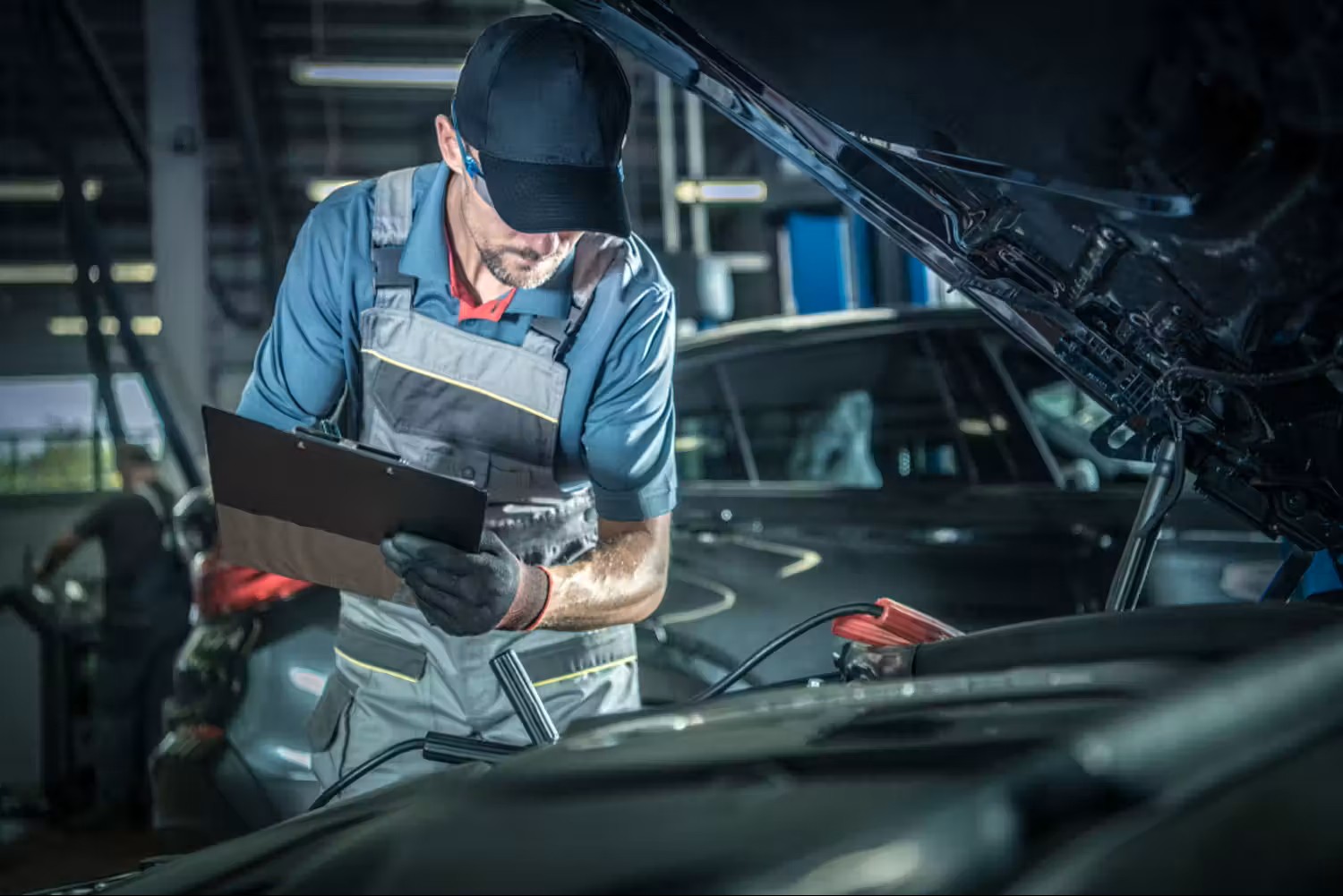
Ask the mechanic to perform a compression test if possible. This checks whether each cylinder is functioning correctly. Low compression in one or more cylinders suggests worn piston rings or valve damage, which is a major mechanical concern.
Have them check the gearbox for smooth operation. Jerky gear changes, slipping, or unusual sounds in the transmission are signs of deferred maintenance. Gearbox repairs are among the most expensive jobs in automotive maintenance.
A mechanic will also check for water ingress, which can indicate flood damage. Water-damaged cars often have corroded wiring, mould in the upholstery, and malfunctioning electronics. These problems are often hidden under cosmetic repairs.
Choose a mechanic who is independent and not connected to the seller. A mechanic recommended by the seller may not give you an unbiased opinion. Trust, honesty, and independence are the three qualities you need in your inspection partner.
9. Check Online Classified History and Past Listings
When a car is listed for sale online, that listing often remains accessible or archived. Searching for the car’s registration number across classifieds platforms can uncover its full sales history. This is a free method that requires nothing more than a search engine.
Look at how long the car has been listed. A car that has been on the market for months may have underlying issues that other buyers have already discovered and walked away from. Fast-moving cars are generally more trustworthy, though not always.
Previous listings may mention accident history, recent repairs, or mechanical issues. Sellers sometimes disclose problems in old listings that they omit from newer ones. Comparing old and new listings can reveal inconsistencies in the seller’s narrative.
Look for discrepancies in the asking price over time. A significant price drop without explanation can indicate the seller has been unable to sell due to hidden defects. It could also suggest a recently discovered problem prompted the price reduction.
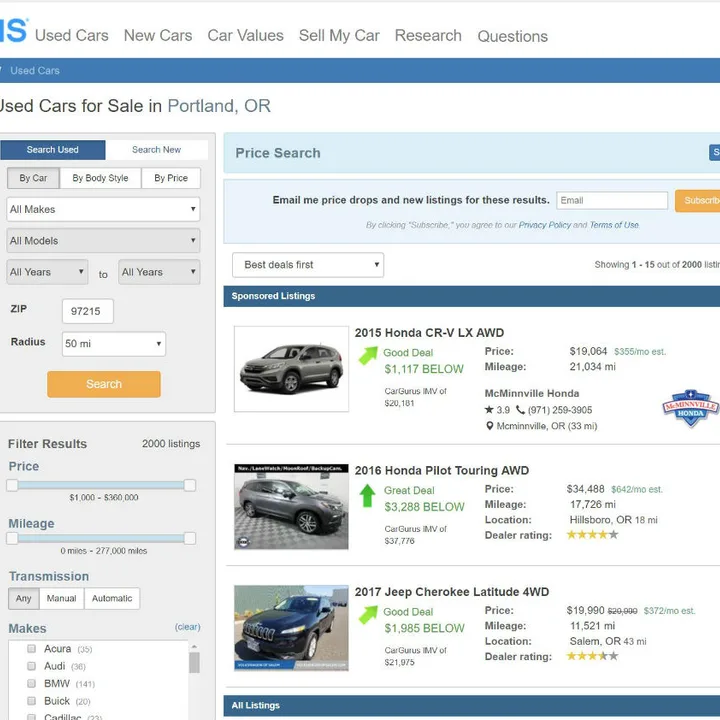
Photos in past listings can be extremely revealing. Look at the condition of the tyres, body panels, and interior in older photos. Comparing them to the car’s current condition helps you see how it has aged and whether it has been involved in accidents since then.
Check if the car was previously listed by a different seller at a different location. This helps confirm the ownership chain. Frequent ownership changes within a short period can indicate the car has persistent problems that owners keep offloading.
Some cars appear repeatedly across multiple platforms in a short span of time. This pattern, known as flipping, often involves buying cheap problem cars, doing cosmetic fixes, and reselling quickly. Being aware of this practice protects you from being the next victim.
Also pay attention to the language used in old listings. Phrases like “needs some attention” or “small mechanical issue” in a previous listing but “excellent condition” in the current one are red flags. Language changes between listings often mask unresolved issues.
10. Cross-Reference All Information and Trust Your Instincts
After gathering information from all the above sources, the final step is to cross-reference everything you have found. Lay out the documents, portal printouts, mechanic notes, and your personal observations side by side. Look for consistency across all sources.
Consistent information across multiple independent sources is a strong indicator of honesty. When service records match the authorised centre’s digital logs and align with the physical wear of the car, you can feel more confident. Alignment across sources is the gold standard of verification.
Inconsistencies, on the other hand, demand explanation. If the service records show regular maintenance but the mechanic finds severely worn components, something does not add up. Always ask the seller to explain discrepancies rather than assuming they are innocent mistakes.
Pay attention to your emotional response during the verification process. If you feel uneasy, pressured, or confused by the seller’s answers, trust that instinct. Experienced buyers often say that their gut feeling was the most reliable tool they had.

Do not let urgency override caution. Sellers sometimes create artificial pressure by claiming multiple buyers are interested. A genuine, well-maintained car does not need pressure tactics to sell. Take the time you need to verify thoroughly.
Compile a simple checklist of what you verified and what remains unclear. Anything unverifiable should be treated as a potential risk factor. Adjust your offer price accordingly to account for uncertainties.
Remember that the goal of all these steps is not to find the perfect car. It is to ensure you are not paying a premium price for a car with hidden problems. A little extra time spent on verification can save you enormous amounts of money and stress.
Finally, document your findings in writing before completing the purchase. This creates a record of the condition and history you were presented with. If problems arise later, this documentation can support any claims you may need to make against the seller.
Also Read: 10 Used BMW Models Under $20,000 That Are Still Worth Owning