
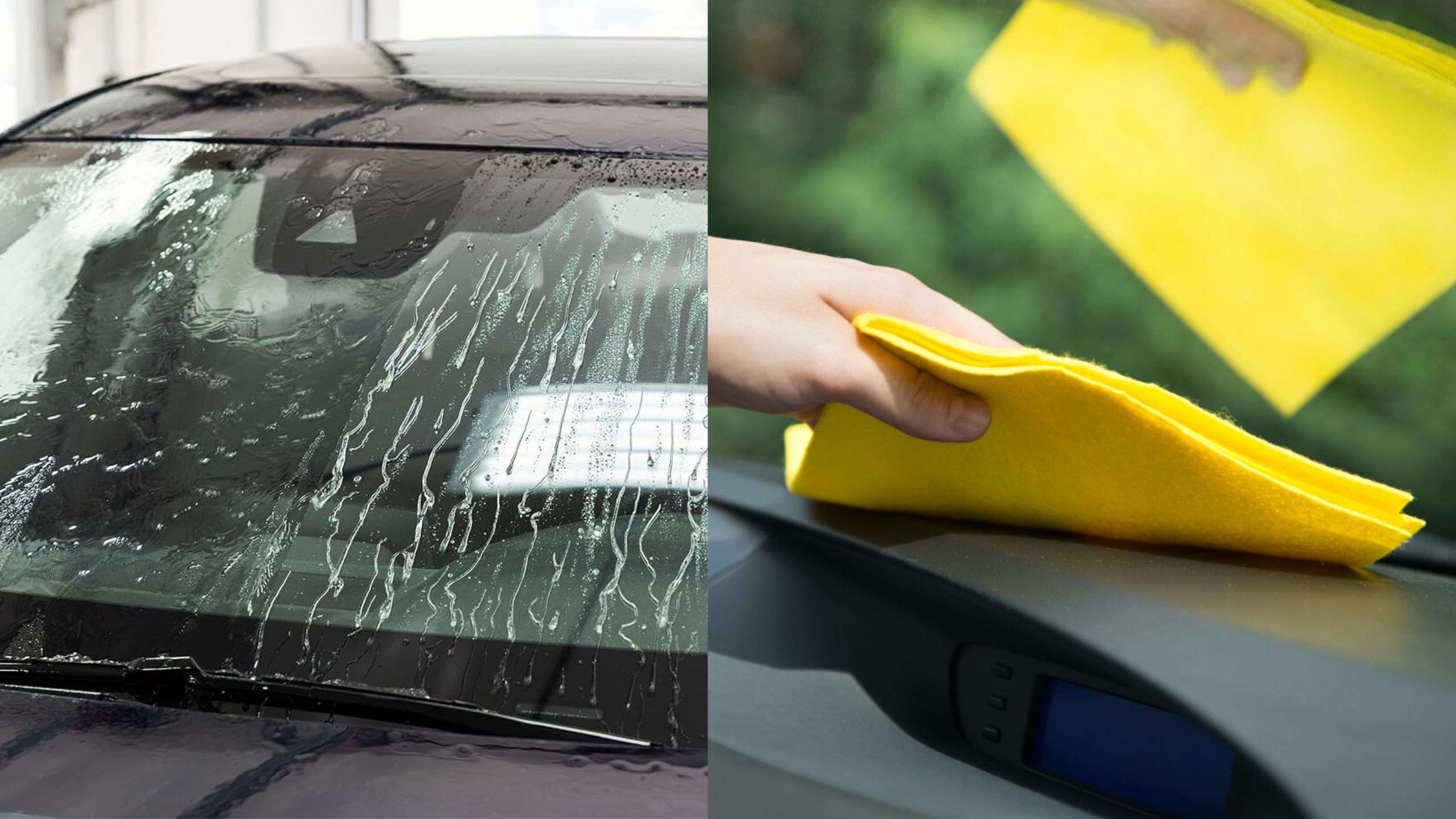
Driving in high humidity can be one of the most frustrating experiences for any car owner. Your windshield fogs up within seconds, and visibility drops to a dangerous level. This happens because warm, moist air meets the cooler surface of your glass, causing condensation to form instantly.
High humidity is a common challenge in tropical regions, coastal areas, and during monsoon seasons. It doesn’t matter whether you are driving early in the morning or late at night foggy windshields can strike at any time. The problem becomes even worse when there are multiple passengers inside the vehicle.
Poor windshield visibility is not just an inconvenience. It is a serious road safety hazard that can lead to accidents, misjudged distances, and slow reaction times. Every driver must take this issue seriously and act fast.
The good news is that there are proven, practical ways to keep your windshield clear even in the most humid conditions. From simple habits to smart products, the solutions are easy to apply. You don’t need to be a mechanic or spend a lot of money.
This guide covers the 12 best ways to keep your car windshield clear in high humidity. Each method is explained in detail so you can choose what works best for your situation. Read on and drive safer every single day.
1. Use Your Car’s Defogger System Correctly
Your car’s built-in defogger is the first line of defense against a foggy windshield. Most drivers use it incorrectly, which is why they still struggle with poor visibility. Understanding how to use this system properly can make a massive difference.
The front defogger in most vehicles works by blowing air across the windshield surface. This air circulation pushes away the moist layer that causes fogging. However, the temperature and fan settings you choose matter a great deal.
Start by turning on the air conditioning along with the defogger. Many people avoid the AC in cool weather, but it plays a crucial role. The AC removes moisture from the air before it hits the windshield, drying out the cabin air quickly.
Set the airflow direction to the windshield vents only at first. Avoid splitting airflow to the feet or face until the fog clears. This concentrated airflow works much faster to clear the glass.
Increase the fan speed to the highest setting initially. High fan speed pushes dry, conditioned air across the full surface of the windshield. Once the fog clears, you can lower the fan speed to maintain clarity.

Do not set the temperature too cold or too hot at the start. Extreme temperature differences can actually increase condensation temporarily. A moderate, slightly warm temperature setting works best in high humidity.
Use the recirculation mode carefully. In high humidity, recirculation traps moist cabin air and makes fogging worse. Switch to fresh air intake mode so drier outside air enters the vehicle.
Many modern cars have a dedicated fog button that automatically adjusts all these settings. If your car has this feature, use it every time you start driving in humid conditions. It takes the guesswork out of defogger operation.
The rear defogger is equally important and often overlooked. Press the rear defogger button as soon as you notice the back glass fogging up. It uses electric heating elements embedded in the glass to clear moisture quickly.
Make sure your defogger vents are clean and unobstructed. Dust and debris block airflow and reduce the system’s effectiveness significantly. Clean the dashboard vents with a soft brush or compressed air regularly.
Regular maintenance of your car’s HVAC system also ensures the defogger works at full capacity. A clogged cabin air filter reduces airflow and makes defoggers less effective. Replace the cabin filter every 12,000 to 15,000 kilometers for best results.
2. Apply an Anti-Fog Coating to the Windshield
Anti-fog coatings are one of the most effective long-term solutions for humid driving conditions. These products create a thin, invisible layer on the glass surface. This layer prevents moisture droplets from forming and clinging to the windshield.
Anti-fog sprays and wipes work by altering the surface tension of the glass. When moisture contacts a treated surface, it spreads into a thin, transparent sheet instead of forming droplets. This process is called the hydrophilic effect, and it keeps your vision clear.
You can find anti-fog products at most automotive stores and online retailers. They come in spray bottles, foam applicators, and pre-moistened wipes. Each type works well, so choose the format that feels most convenient for you.
Before applying any anti-fog product, clean the windshield thoroughly. Dirt, oil, and fingerprints prevent the coating from bonding properly to the glass. Use a dedicated glass cleaner and a microfiber cloth for the best prep results.
Spray the anti-fog product evenly across the entire inner surface of the windshield. Do not miss the corners and edges, as fog often starts from these areas. Work in small circular motions to ensure even coverage.
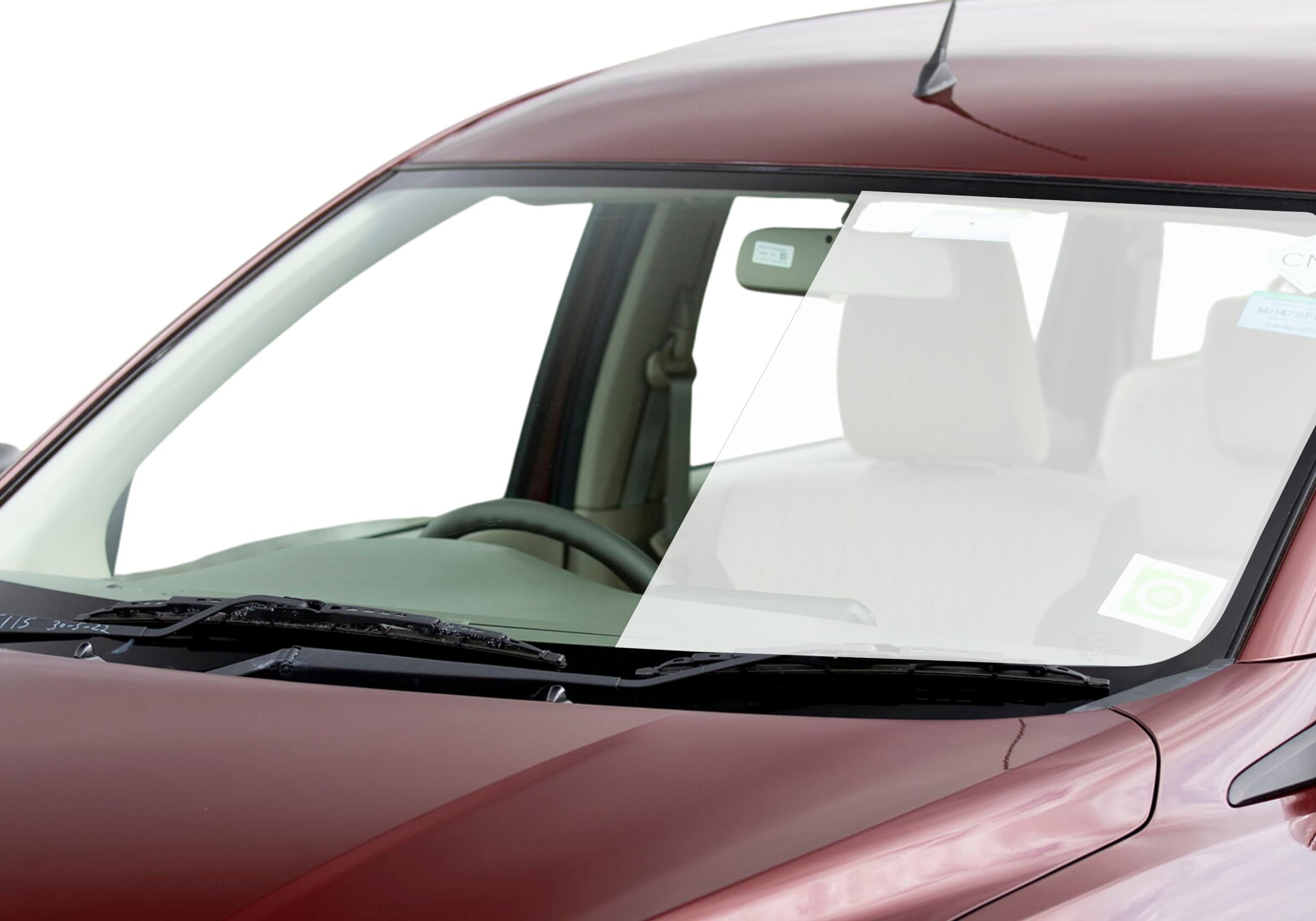
Allow the product to dry completely before buffing it off. Rushing this step leaves streaks and reduces the effectiveness of the coating. Follow the manufacturer’s instructions carefully for drying and buffing times.
Most anti-fog coatings last several weeks with normal use. Reapply the product whenever you notice fogging returning to previously treated areas. Some premium brands offer longer-lasting protection that can survive multiple washes.
Anti-fog treatments are also available for side windows and mirrors. Treating all glass surfaces in your vehicle creates a comprehensive anti-fog system. This is especially useful during long drives in rainy or coastal areas.
Nano-ceramic anti-fog coatings are a newer and more durable option available in the market. These coatings bond at the molecular level and last much longer than traditional sprays. They are slightly more expensive but offer superior performance in extreme humidity.
Avoid touching the treated surface with bare hands after application. Skin oils break down the coating and create uneven patches. Use cotton gloves when cleaning treated glass to preserve the anti-fog layer.
3. Keep the Interior of Your Car Clean and Dry
A dirty and damp car interior is one of the biggest contributors to windshield fogging. Moisture hides in carpets, seat covers, floor mats, and upholstery. All of this trapped moisture evaporates slowly and fogs up your windows from the inside.
Start by removing all wet items from your car immediately after a rainy day. Wet umbrellas, bags, and shoes release large amounts of moisture into the cabin air. Even small amounts of dampness can significantly increase interior humidity.
Vacuum your car’s carpets and floor mats regularly to remove dust and trapped moisture. Wet vacuuming is even more effective if your car has been exposed to rain or flooding. Dry the carpets fully before placing them back in the car.
Check under the seats and in the trunk for any signs of water leakage. A hidden water leak can keep your car’s interior perpetually damp. Identify and seal the source of any leak as soon as possible.
Use baking soda or moisture-absorbing packets inside your car to reduce cabin humidity. Place them under the seats or in the trunk for continuous moisture control. Replace them every few weeks for consistent effectiveness.
Silica gel packets are another excellent and affordable moisture absorber. They are the same small packets found in shoe boxes and electronics packaging. Keep a handful of them in a small container inside your car’s cabin.
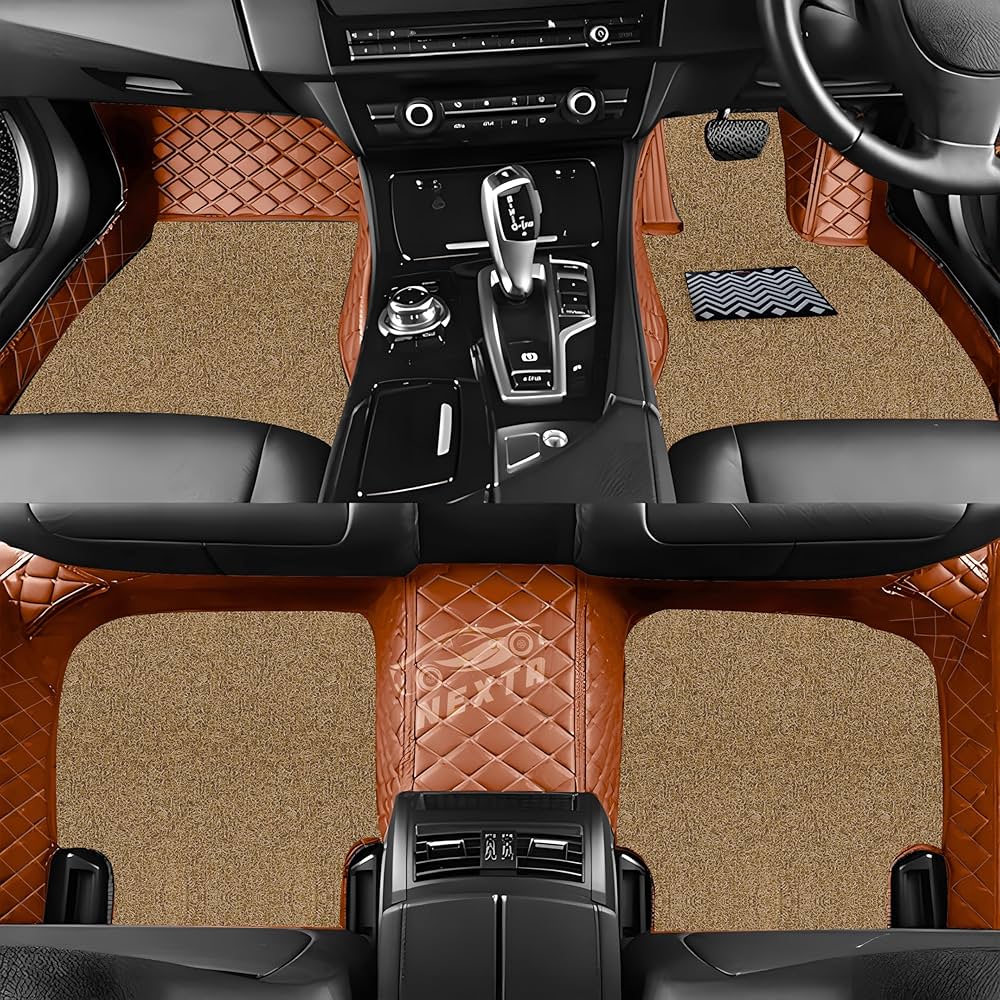
Wash your floor mats separately and allow them to dry completely in the sun before reinstalling. Wet floor mats are a hidden source of cabin humidity that many drivers ignore. Never reinstall damp or wet mats after washing them.
Leather and fabric seat covers can also trap moisture after rain or spills. Wipe leather seats dry immediately and allow fabric seats to air out with windows open. Use a car seat dehumidifier pad for persistent moisture issues in seating areas.
Keep food and beverages sealed inside your car. Open drinks and food items add unnecessary moisture to the cabin environment. Even a partially open water bottle raises humidity levels measurably inside a closed car.
Park your car in a covered or shaded area whenever possible. Direct sunlight followed by rapid cooling causes repeated cycles of condensation inside the cabin. A covered parking spot dramatically reduces these moisture cycles over time.
4. Use a Quality Rain Repellent on the Exterior Glass
Rain repellents work on the outside of the windshield and play a key role in maintaining visibility. These products cause water to bead up and roll off the glass quickly. This beading effect dramatically improves your ability to see through the windshield in wet weather.
Products like Rain-X are among the most popular rain repellents used by drivers worldwide. They are easy to apply and provide immediate visible results. A single application can last for several weeks depending on weather conditions and driving frequency.
Clean the exterior of the windshield thoroughly before applying a rain repellent. Remove all bug splatter, dirt, and old wax using an automotive glass cleaner. A perfectly clean surface ensures maximum bonding for the repellent product.
Apply the repellent using a folded applicator pad or microfiber cloth. Work in small overlapping circles to cover the entire glass surface evenly. Don’t skip the lower corners near the wipers, as those areas are prone to moisture buildup.
Allow the product to haze over after application, which usually takes two to five minutes. This haziness signals that the product is bonding to the glass surface. Once hazed, buff it off firmly with a clean, dry microfiber cloth.
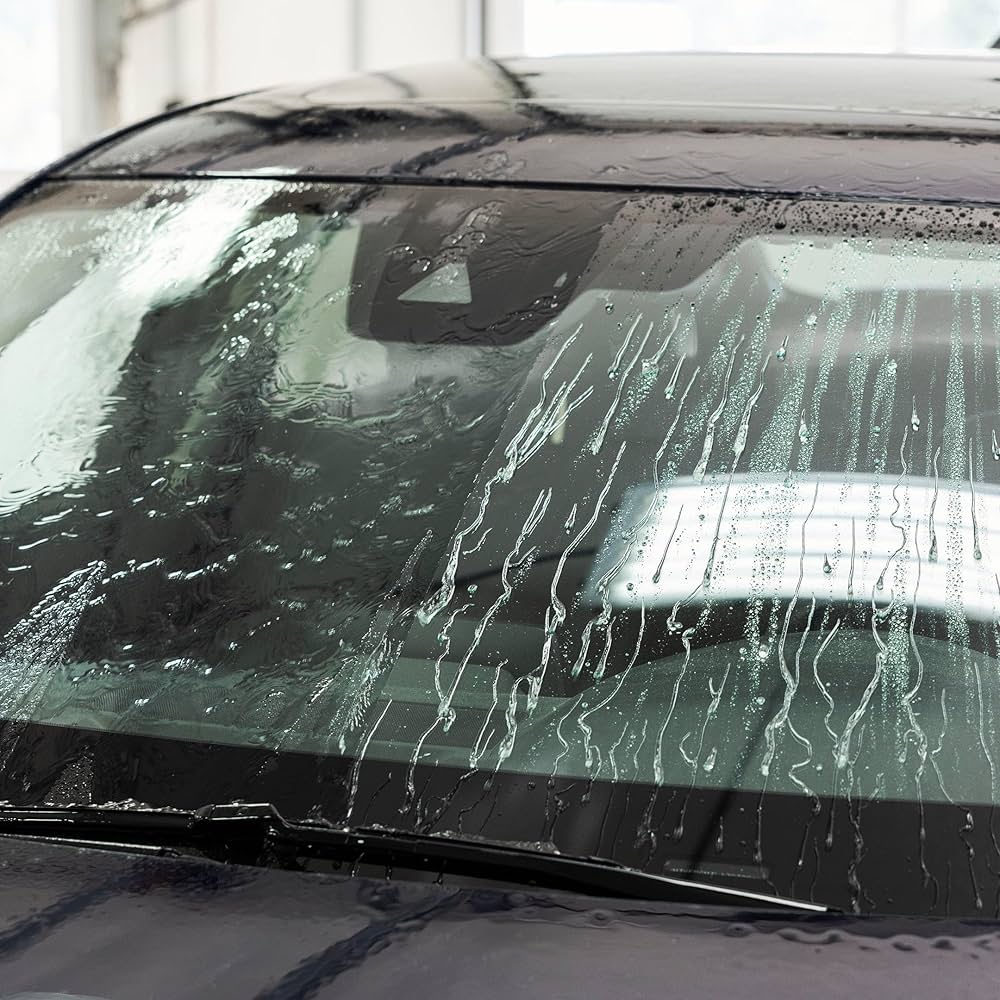
Rain repellents reduce the need to use your wipers constantly in light rain. The beading action clears water from your line of sight faster than wipers alone. This keeps your windshield clearer and reduces wiper wear over time.
Some rain repellents are available in spray-on formulas that are even easier to apply. These are perfect for quick touch-ups when you’re on the go or short on time. They may not last as long as wipe-on formulas but are effective for immediate use.
Reapply the repellent as soon as the beading effect begins to diminish. You will notice water no longer beads and instead sheets across the glass. That is the signal to clean and reapply for continued protection.
Also apply rain repellent to side windows and mirrors for full visibility protection. Clearer side mirrors are critical for safe lane changes and reversing in wet conditions. A fully treated vehicle gives you a major safety advantage in high humidity.
Also Read: 10 Engines That Can Handle Standard Grade Fuel Without Losing Longevity
5. Replace Old or Damaged Windshield Wipers
Worn-out wipers are a silent enemy of windshield clarity in humid conditions. They smear water across the glass instead of wiping it cleanly. This smearing creates streaks that reduce visibility and reflect light badly at night.
Windshield wipers typically need replacement every six to twelve months. In tropical and humid climates, the rubber deteriorates even faster due to heat and UV exposure. Inspect your wipers monthly and replace them at the first sign of wear.
Signs of wiper wear include skipping, squeaking, streaking, and incomplete wiping. If water is not being cleared in a single smooth pass, the wiper is past its prime. Do not wait for complete failure before replacing them.
Choose wipers designed for tropical or high-humidity climates when possible. These wipers are made with heat-resistant rubber compounds that last longer. They maintain contact with the glass more consistently in varying temperatures.
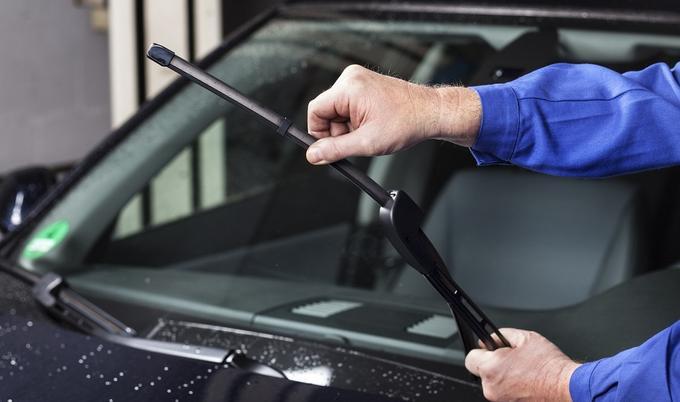
Beam wipers, also known as bracketless wipers, are a superior choice for humid regions. They apply even pressure across the full blade length and don’t clog with debris. Beam wipers outperform traditional frame wipers in rain and humidity.
Clean your wiper blades regularly with a damp cloth to remove dust and rubber residue. Even good wipers lose effectiveness when coated with grime. A quick wipe of the blade every two weeks can significantly extend their working life.
Lift the wiper arms away from the windshield when parking your car in intense sun. Heat causes the rubber to deform and stick to the glass surface. Keeping them lifted prevents unnecessary rubber degradation and glass sticking.
Use your wiper fluid when activating the wipers on a dry but dusty glass. Running wipers dry scratches the glass and wears the rubber blade faster. Always spray fluid before wiping to protect both the blade and the windshield.
Check the wiper arm tension as well, not just the blade itself. Weak arm springs fail to press the blade firmly against curved windshields. Replace the entire wiper arm assembly if the tension spring is visibly weak or bent.
Pair new wipers with a good wiper fluid that contains anti-fog or de-icing additives. These fluids help reduce fogging while also clearing dirt and insects. They offer a dual benefit that plain water simply cannot match.
6. Crack Open a Window Slightly While Driving
Opening a window even slightly is one of the quickest and simplest ways to fight windshield fog. It allows humid interior air to escape and drier outside air to enter. This simple act can reduce cabin moisture levels within just a few minutes.
When multiple people are inside the car, the humidity level rises sharply. Every person breathes out warm, moist air that immediately contributes to fogging. Opening a rear window helps release this collective moisture buildup efficiently.
You don’t need to open the window fully to get results. A gap of just one to two centimeters is enough to create meaningful air circulation. Even at highway speeds, a small gap provides significant ventilation without causing discomfort.
In light rain or drizzle, cracking a window on the opposite side from the wind works well. This prevents rainwater from entering while still allowing moist air to escape. Position your open window on the leeward side of the vehicle for best results.
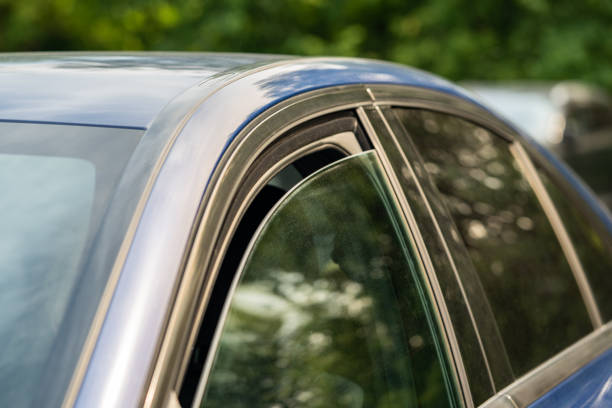
Children and pets inside the car produce significant amounts of moisture through breathing and movement. Open rear windows slightly when traveling with children or animals. This small adjustment prevents the rear windows from fogging up rapidly.
Avoid keeping all windows fully sealed in stop-and-go traffic in humid conditions. Stationary vehicles with closed windows fog up far faster than moving ones. A cracked window during traffic jams makes a noticeable difference to interior clarity.
In cold and humid weather, opening a window may feel uncomfortable. In that case, use it for just a minute or two to exchange the air inside the cabin. A brief burst of ventilation is enough to significantly reduce interior moisture.
Combined with your AC and defogger, a slightly open window creates a powerful anti-fog system. Fresh outside air dilutes the moist cabin air while the AC dries remaining moisture. This combined approach works faster than any single method alone.
7. Use Cat Litter or Silica Gel as a Moisture Absorber
This is one of the most affordable and surprisingly effective tricks used by experienced drivers. Cat litter, particularly the silica-based type, is an incredibly powerful moisture absorber. Placing it inside your car overnight dramatically reduces interior humidity.
Fill a clean sock or small mesh bag with silica cat litter granules. Tie it closed and place it on your dashboard or under the seat. The litter silently absorbs moisture from the surrounding air throughout the night.
This trick works especially well when your car sits parked overnight in humid conditions. Morning fog on the inside of windows is caused by moisture that built up during the night. Cat litter targets this exact problem by reducing ambient moisture while the car is stationary.
Replace the cat litter in the bag every two to three weeks. Over time, the silica granules become saturated and lose their absorption capacity. Fresh litter restores full effectiveness immediately and is very inexpensive to replenish.
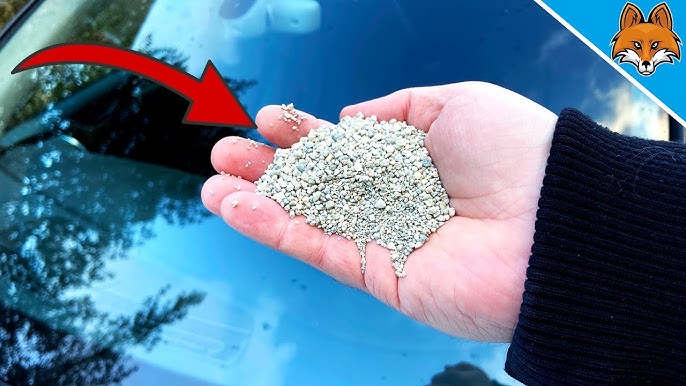
Commercial silica gel packs designed for car use are also available in automotive stores. These come in reusable pouches that can be dried out in the sun or microwave to restore their effectiveness. Reusable options are eco-friendly and cost-effective over the long run.
Place multiple small bags throughout the car for maximum coverage. Put one under each front seat, one in the trunk, and one on the rear dashboard. Distributing the absorbers evenly gives the best moisture reduction results.
Activated charcoal bags are another excellent option with similar moisture-absorbing properties. They also help neutralize odors inside the cabin, which is a useful bonus in humid weather. Charcoal bags are available in many sizes and shapes to fit different areas of the car.
For extremely humid environments, you can combine cat litter bags with a small electric dehumidifier plugged into the car’s USB port. These mini dehumidifiers are widely available online and are very energy efficient. The combination of passive and active dehumidification keeps cabin humidity impressively low.
8. Keep Your Windshield Clean from the Inside
The inside surface of your windshield gets dirtier than most drivers realize. An oily, grimy interior glass surface actually encourages moisture to cling and form fog more readily. A clean glass surface resists fogging much better than a contaminated one.
The interior glass accumulates a film from off-gassing of plastic dashboard components. This chemical film is invisible but creates a sticky, hazy layer over time. It reduces clarity and makes anti-fog treatments less effective.
Clean the inside of your windshield at least once every two weeks. Use a dedicated automotive glass cleaner and a clean microfiber cloth for best results. Avoid household glass cleaners as they can leave a residue that increases fogging.
Fold the microfiber cloth into quarters to create a firm, flat cleaning surface. Wipe in horizontal strokes first, then follow with vertical strokes for complete coverage. This cross-pattern technique eliminates streaks and ensures no areas are missed.
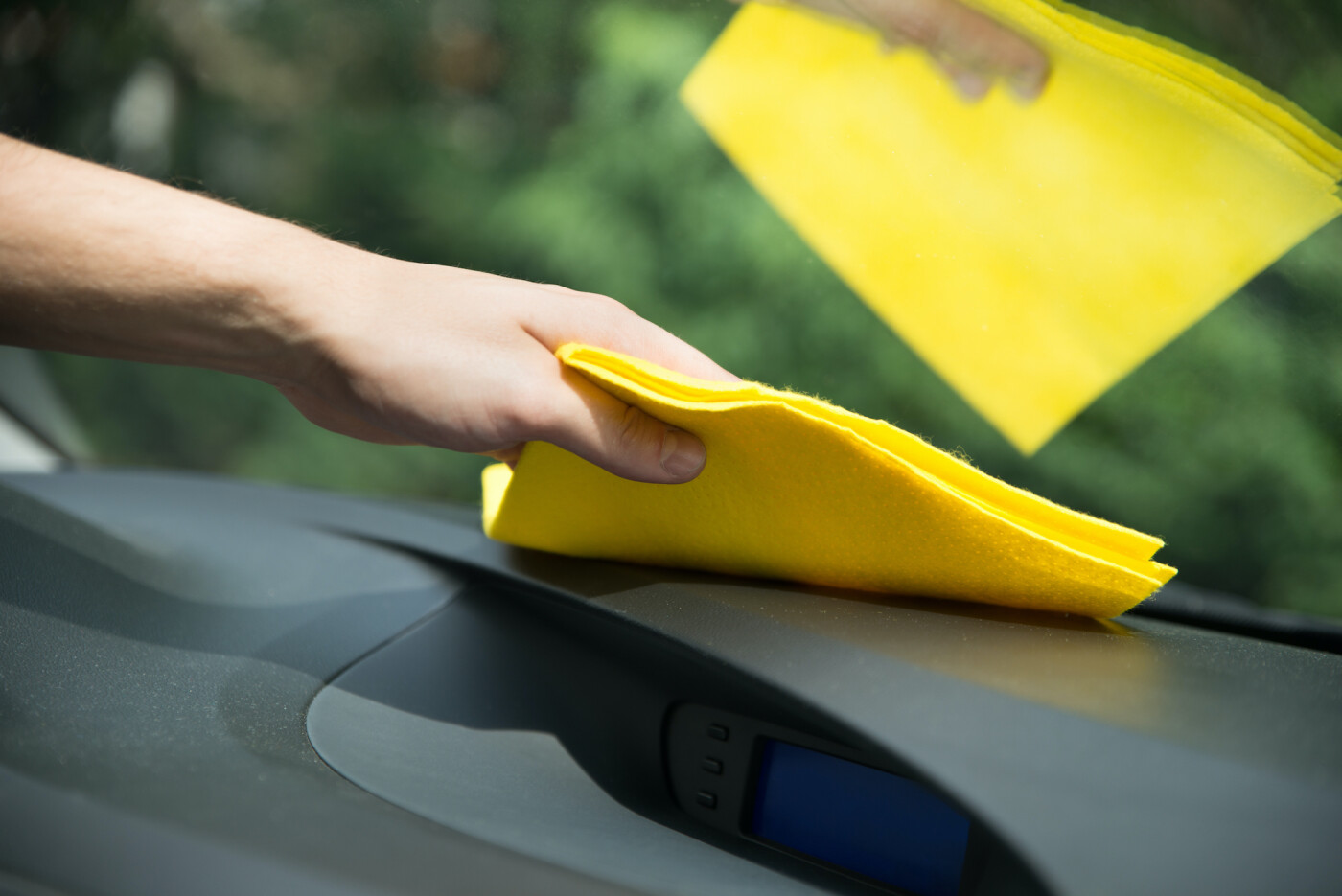
The corners and edges of the windshield are especially important to clean thoroughly. Fog tends to start at the edges and spread inward across the glass. Keeping corners clean delays the onset of fogging during humid conditions.
Use a long-handled window cleaning tool for the lower section of the windshield. This area is hard to reach by hand but collects significant grime and oil film. Specially designed car interior window cleaning tools are available at most auto accessory stores.
After cleaning, allow the glass to dry completely before applying any anti-fog treatment. Applying products to a damp surface reduces their bonding ability. A dry, clean surface is the ideal foundation for all protective glass coatings.
Avoid wiping the inside of the windshield with your hands or clothing in an emergency. This transfers skin oils onto the glass and worsens the oily film over time. Keep a microfiber cloth in the glove box for quick, clean wipes on the go.
9. Service Your Car’s Air Conditioning System Regularly
A well-maintained AC system is one of the most powerful tools against windshield fogging. The AC removes moisture from cabin air through the condensation process on its evaporator coils. When the system is functioning properly, it keeps interior humidity at a manageable level.
Many drivers don’t realize that a poorly maintained AC actually makes fogging worse. A clogged evaporator or low refrigerant reduces the system’s ability to dehumidify air. This allows moisture levels inside the cabin to rise unchecked.
Have your car’s AC system inspected at least once a year by a certified technician. Check the refrigerant level, compressor performance, and evaporator condition during each service. Early detection of issues saves money and prevents problems during humid weather.
Replace the cabin air filter as part of your regular AC maintenance routine. A dirty cabin filter restricts airflow and reduces the efficiency of both cooling and dehumidification. Most manufacturers recommend replacement every 15,000 kilometers or once a year.

The AC condenser located at the front of the car should also be kept clean. Dust and insect debris block the condenser and reduce cooling efficiency. Clean it gently with a soft brush or low-pressure water spray during your routine car washes.
Running your AC for at least ten minutes, even on cooler days, helps maintain the system. Regular use prevents seals from drying out and keeps the refrigerant properly distributed. It also helps prevent mold growth in the evaporator and ductwork.
Mold and bacteria growing in the AC evaporator is a hidden cause of foggy windows. These microorganisms release moisture as they grow and also cause unpleasant odors. An annual AC antibacterial treatment eliminates this problem effectively.
If your windows fog up almost immediately, even with the AC running, suspect a refrigerant leak. Low refrigerant means the system cannot remove humidity from cabin air effectively. Have the system recharged and leak-tested by a professional without delay.
10. Use a Portable Car Dehumidifier
Portable car dehumidifiers have become increasingly popular and effective in recent years. These small devices are designed specifically to reduce moisture in enclosed spaces like car cabins. They are an excellent supplement to your car’s built-in HVAC system.
Electric car dehumidifiers plug into the 12V power outlet or USB port in your dashboard. They quietly draw in cabin air and remove moisture using a thermoelectric cooling element. The collected water is stored in a small reservoir that you empty periodically.
Mini dehumidifiers work best when used overnight while the car is parked. This is when moisture levels rise the fastest inside a sealed vehicle. Running one overnight significantly reduces the morning fog problem that many drivers experience.
Choose a dehumidifier that is appropriate for the size of your car’s interior. A unit that is too small will have little effect on a large SUV or van. Most product descriptions specify the volume of space they are designed to dehumidify.
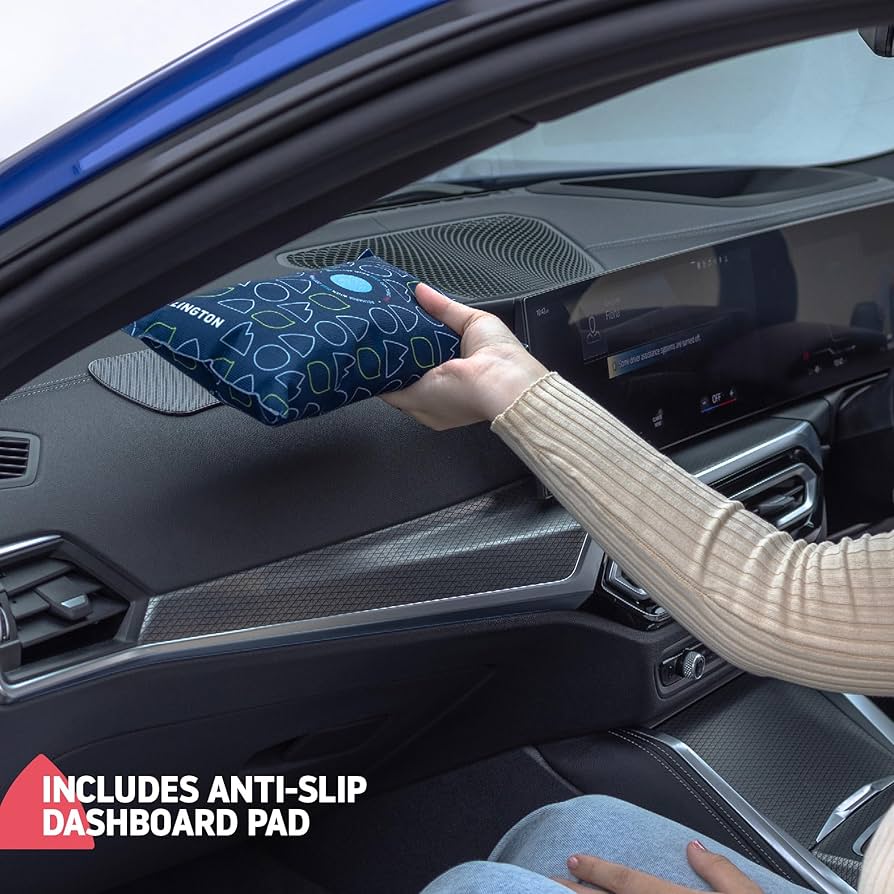
Rechargeable silica gel dehumidifiers are a non-electric alternative worth considering. These work entirely through chemical absorption without any power required. They are compact, silent, and very effective in smaller car interiors.
Recharge silica gel dehumidifiers by placing them in direct sunlight or a warm oven for a few hours. The heat drives out the absorbed moisture and restores the gel to full capacity. This recharging process can be repeated dozens of times before replacement is needed.
Place the dehumidifier on the dashboard or rear shelf where it gets maximum airflow exposure. Avoid placing it directly on fabric or carpet, as the absorbed moisture needs to dissipate from the device. An raised placement improves its ability to capture moisture from the surrounding air.
Combine a portable dehumidifier with your car’s AC during your commute for maximum effect. The AC removes moisture while driving, and the dehumidifier manages residual moisture when the car is parked. This two-pronged strategy keeps your windshield clear under even extreme humidity conditions.
11. Avoid Recirculation Mode in High Humidity
The air recirculation button in your car is designed to improve AC efficiency and block outside odors. However, in high humidity it becomes a problem rather than a solution. Understanding when to avoid this mode is essential for clear windshield visibility.
When recirculation mode is active, the car continuously cycles the same interior air. This interior air is already loaded with moisture from passengers breathing and wet clothing. Recycling this damp air repeatedly makes windshield fogging significantly worse.
Switch to fresh air mode whenever you experience fogging on a humid day. Fresh air mode brings in outside air that, while humid, is drier than the thoroughly saturated cabin air. This constant air exchange prevents moisture from reaching critical condensation levels.
Fresh air mode works best when combined with the air conditioning. The AC cools and dries the incoming fresh air before distributing it through the cabin. This combination is the most effective strategy for controlling interior humidity while driving.
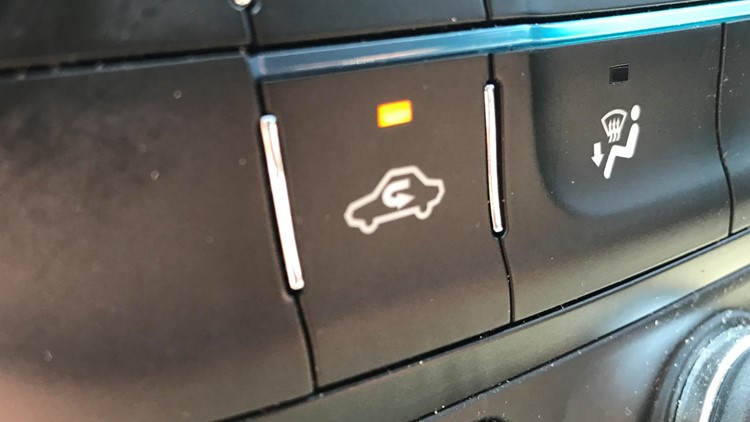
Use recirculation mode only when driving through areas with strong external odors or heavy pollution. In tunnels, behind trucks, or in construction zones, briefly switching to recirculation is fine. Return to fresh air mode as soon as the odor or pollutant source is behind you.
In very cold weather, fresh air mode can make the cabin feel uncomfortably cold quickly. In that scenario, alternate between fresh air and recirculation mode every few minutes. This balanced approach prevents both discomfort and excessive moisture buildup.
Make it a habit to always check which mode is active when you start your car. Many drivers leave recirculation on from a previous journey without realizing it. A quick check of the dashboard indicator prevents unnecessary fogging from the very start.
Modern cars with automatic climate control systems sometimes manage this switch automatically. If your car has this feature, enable it and let the system decide the optimal mode. Manual intervention is rarely needed when automatic climate control is functioning correctly.
12. Pre-Treat Your Windshield Before the Rainy or Humid Season
Prevention is always better than cure, and this applies directly to windshield fogging. Taking time before the humid season begins to prepare your windshield pays off significantly. A few hours of preparation can give you months of clearer, safer visibility.
Start by giving your windshield a complete cleaning, both inside and outside. Use a clay bar on the exterior to remove embedded contaminants and road film. Clay bar treatment creates an exceptionally clean surface for all subsequent protective coatings.
Apply a professional-grade glass sealant or ceramic coating to the exterior windshield. These products last much longer than consumer-grade rain repellents and offer superior water beading. A single professional application can last a full rainy season or longer.
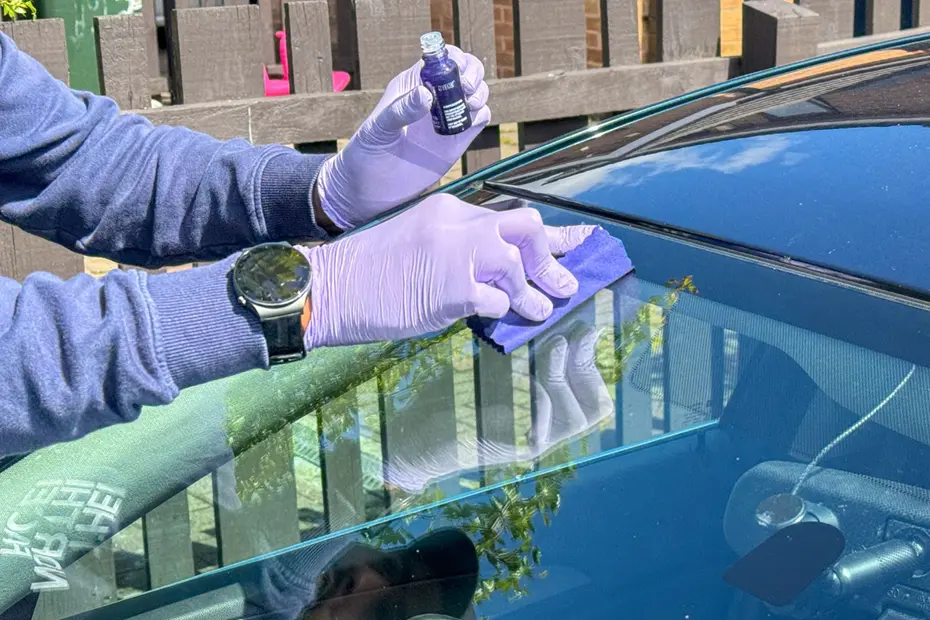
Treat the interior glass with a long-lasting anti-fog coating before the monsoon or humid season starts. Doing this before the season begins means you are protected from the very first humid day. You won’t need to scramble for solutions when visibility suddenly deteriorates.
Inspect and replace your wiper blades as part of your pre-season preparation. New wiper blades paired with treated glass give you the best possible visibility in wet conditions. This combination works together to keep your view clear regardless of rainfall intensity.
Check all window seals and rubber gaskets around your windshield for cracks or gaps. Damaged seals allow moisture to enter the cabin directly and worsen fogging problems. Replace any damaged seals before the rainy season to prevent water infiltration.
Have your AC system serviced and refrigerant levels topped up before humidity peaks. A fully charged and functional AC system handles the humidity load much better during the season’s worst days. Proactive servicing prevents breakdowns at the most inconvenient times.
Stock up on anti-fog sprays, silica gel packs, and cleaning supplies before the season hits. Being prepared means you never have to drive with a foggy windshield because you ran out of supplies. A small preparedness kit in your glove box keeps all your tools within arm’s reach at all times.
Also Read: 10 Cars With Such High Resale Value That Buying Used Is a Mistake
