
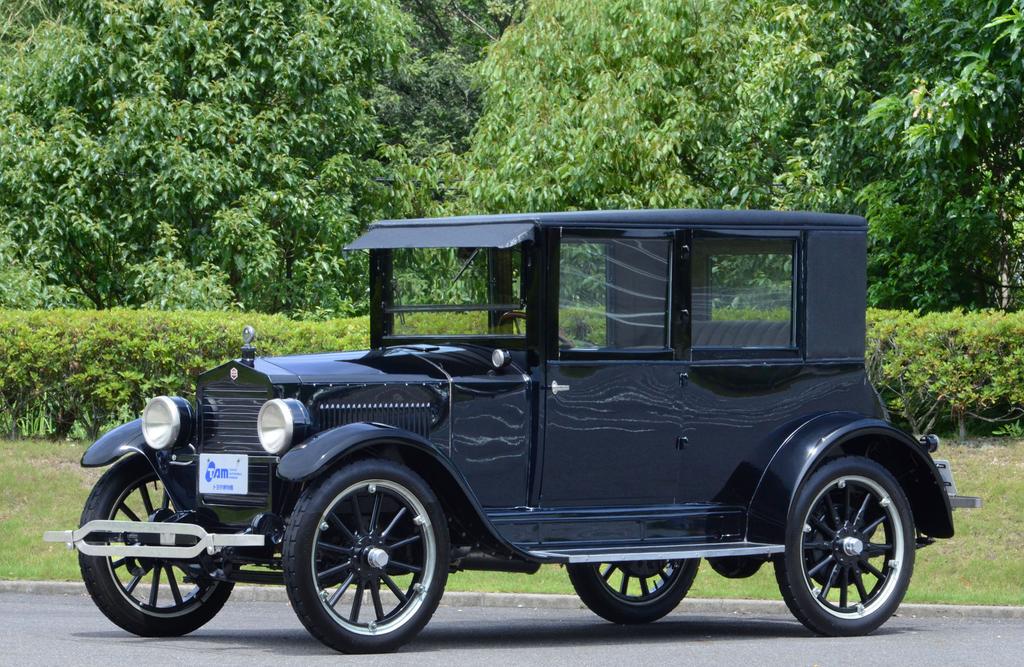
The evolution of American family travel is inseparable from the development of the automobile. From the Ford Model T’s introduction in 1908 to the Tesla Model S today, cars have transformed how families move, explore, and live. The Model T made mobility affordable, giving middle-class families the freedom to travel beyond their local communities and shaping the growth of suburbs.
Innovations such as the Essex Coach, Chevrolet Carryall Suburban, and Ford Country Squire added comfort, space, and versatility, turning cars into practical, year-round companions for daily errands, long trips, and family adventures.
The Volkswagen Microbus and Jeep Wagoneer introduced flexible interiors and off-road capability, while vehicles like the Ford Mustang combined practicality with style and fun. Later, the Dodge Caravan and Ford Explorer redefined family convenience and utility, and hybrids like the Toyota Prius and electric vehicles such as the Tesla Model S brought efficiency, technology, and sustainability to the forefront of family travel.
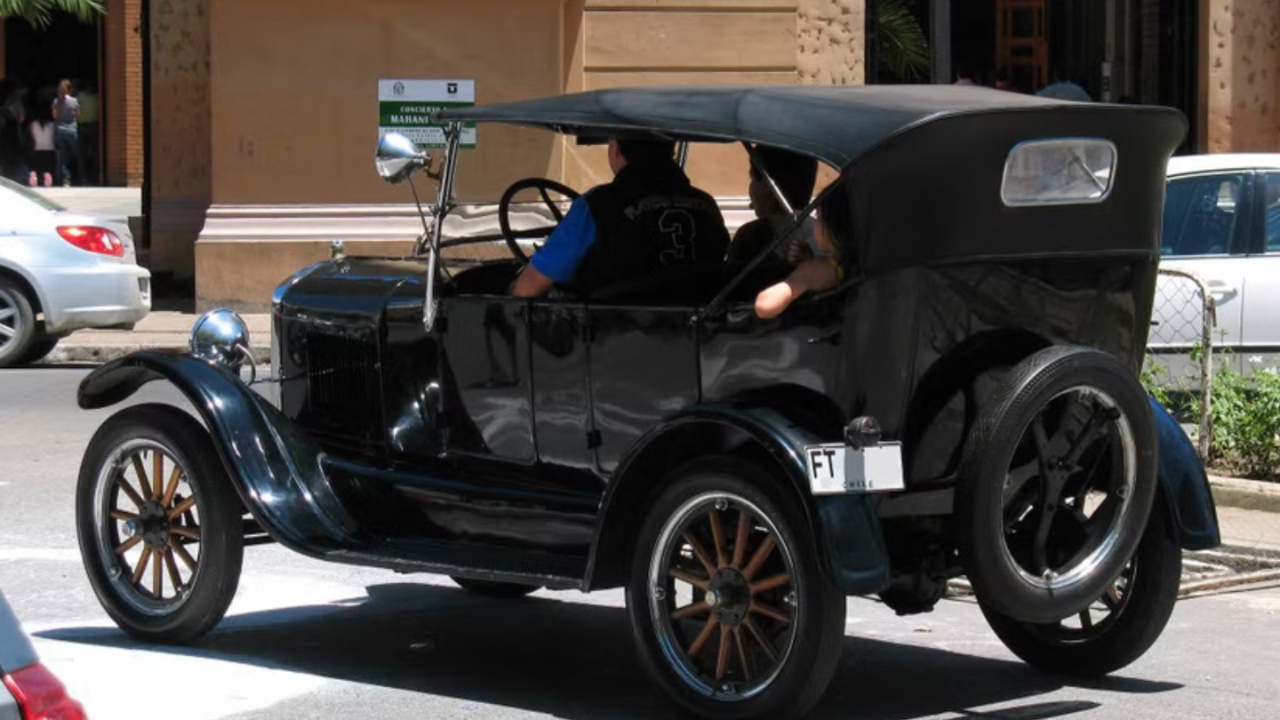
1. Ford Model T (1908–1927)
The Ford Model T reshaped American life by making automobiles affordable and practical for ordinary people. Before its introduction, most travel depended on trains or horses, limiting freedom and flexibility.
Developed by Henry Ford, the Model T used assembly-line production to reduce costs dramatically. This innovation allowed the car’s price to fall to about $250 by the 1920s, making it accessible to middle-class families, farmers, and workers.
The Model T was valued for its durability and simplicity. It was designed to handle rough, unpaved roads common in early twentieth-century America. Its straightforward mechanical design made repairs easy, even for owners with little technical knowledge.
The car featured a 2.9-liter four-cylinder engine producing about 22 horsepower and could reach speeds of 40 to 45 miles per hour. Its pedal-based transmission system was unusual but effective and helped pave the way for future automatic driving systems.
The impact of the Model T extended far beyond transportation. With more than 15 million units sold, it made personal mobility widely available and changed how families lived and traveled. People could visit relatives, explore new places, and commute more easily. This shift encouraged the expansion of road networks and supported the growth of suburbs, as workers could live farther from their jobs.
The Model T also revolutionized industrial production. Ford’s assembly-line system became a global standard for manufacturing efficiency. Although the car lacked modern safety features and had limited braking ability, its influence remains significant. It is widely considered the most influential car of the twentieth century because it transformed the automobile from a luxury item into an essential part of everyday life.
2. Essex Coach (1922)
The Essex Coach of 1922 transformed family travel by making enclosed, weatherproof cars affordable for the middle class. Before its introduction, most vehicles were open “touring” cars that exposed passengers to rain, dust, and wind. Enclosed cars existed but were considered expensive luxuries.
Produced by the Hudson Motor Car Company, the Essex Coach changed this dynamic by offering a fully enclosed, steel-roofed vehicle at nearly the same price as open models, with costs dropping to around $895 within a few years.
This innovation marked a turning point in automotive design and usage. By providing a sealed cabin, the Essex Coach allowed families to travel comfortably in all weather conditions, effectively turning the car into a year-round mode of transportation rather than a seasonal convenience.
It introduced the idea of the automobile as a private, mobile space, often described as a “room on wheels,” which greatly improved long-distance travel comfort and practicality.
The vehicle also featured solid engineering and practical design. It used a metal-over-wood body structure that balanced durability with affordability. Powered by a 2.6-liter four-cylinder engine, it could reach speeds of up to 55 miles per hour, making it suitable for both daily use and longer trips.
Its compact build and accessible engine made maintenance easier, while its enclosed interior provided a more comfortable and refined experience compared to open-air cars.
The impact of the Essex Coach extended across the entire auto industry. Its success demonstrated strong consumer demand for enclosed vehicles, prompting manufacturers to shift away from open designs.
By the early 1930s, most cars produced were fully enclosed. Often credited with sparking the “closed car revolution,” the Essex Coach set the standard for modern passenger vehicles and permanently changed how families experienced travel.
3. Chevrolet Carryall Suburban (1935)
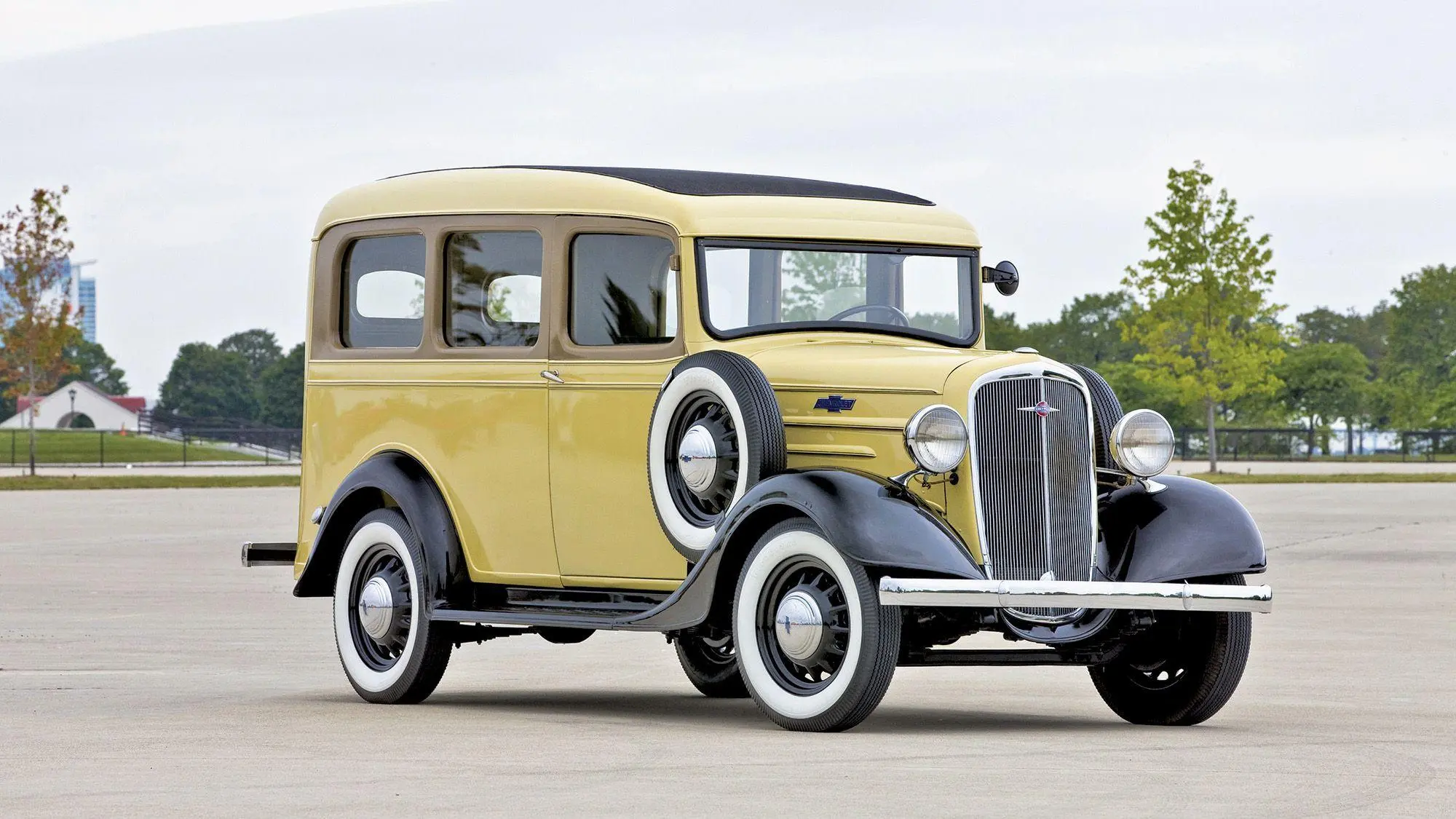
The 1935 Chevrolet Carryall Suburban is widely regarded as the foundation of the modern SUV, combining the strength of a truck with the passenger capacity of a family vehicle. Introduced during the Great Depression, it addressed the need for a durable and versatile mode of transportation that could handle both people and cargo.
Built by Chevrolet, the Suburban featured a sturdy commercial truck chassis combined with an enclosed wagon body, allowing it to carry up to eight passengers along with their luggage over rough, unpaved roads.
This “carry-all” concept was a major innovation. Before its arrival, families relied on smaller cars or fragile, wood-bodied station wagons that lacked durability. The Suburban’s all-steel construction made it far more reliable and long-lasting, especially for heavy-duty use and long-distance travel.
Its interior design emphasized flexibility, with removable seating that allowed the vehicle to quickly shift from a passenger carrier to a cargo hauler. This adaptability made it ideal not only for large families but also for organizations that needed multi-purpose transport.
Performance was also practical for its time. Powered by a 3.4-liter inline-six engine, it delivered enough strength to manage both heavy loads and extended trips. Its design prioritized function over luxury, but it provided a level of comfort and space that earlier utility vehicles lacked. This balance of toughness and usability helped redefine what a family vehicle could be.
The Suburban’s influence extended far beyond its initial release. It introduced the idea that one vehicle could meet a wide range of needs, from daily commuting to long road trips.
As infrastructure improved, it supported the rise of group travel and suburban living. With a production history spanning nearly 90 years, it remains the longest-running nameplate in automotive history, cementing its legacy as a pioneer of the SUV segment.
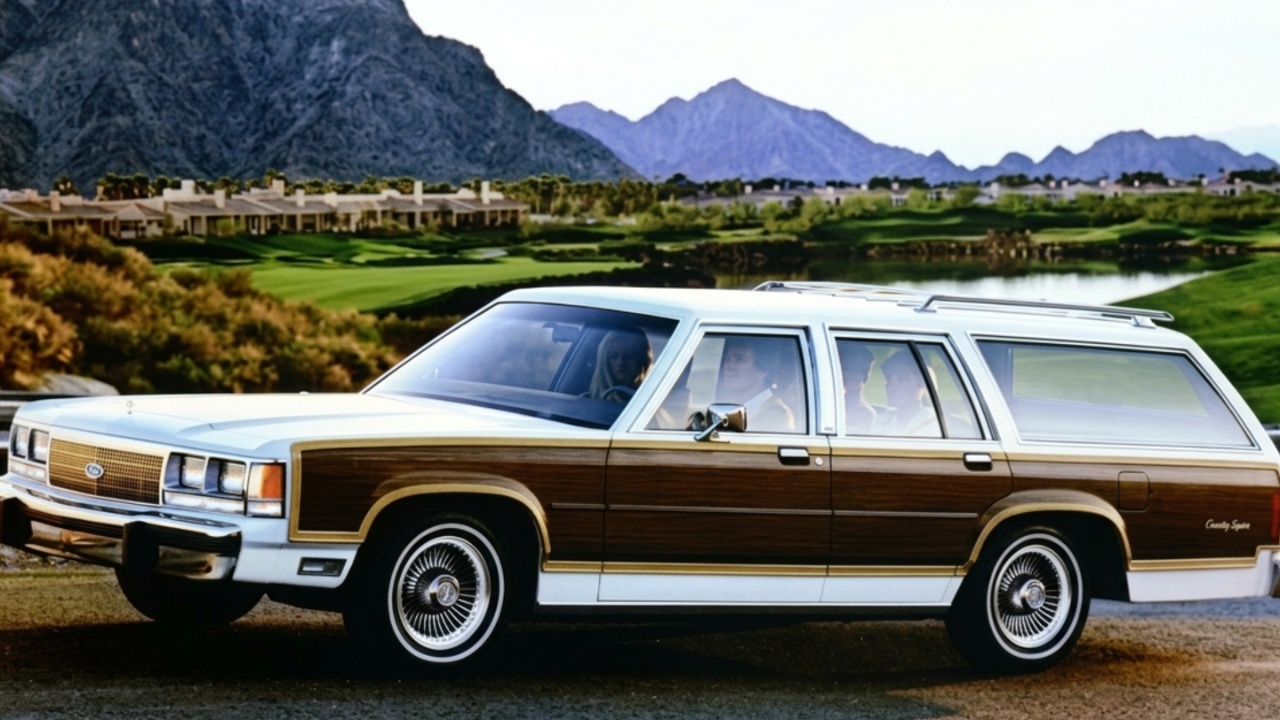
4. Ford Country Squire (1950–1991)
The Ford Country Squire became one of the most iconic family vehicles in American history, symbolizing postwar prosperity and suburban life. Produced by Ford Motor Company, it emerged at a time when families were moving to the suburbs and needed a spacious, reliable vehicle for daily errands and long-distance travel.
With its distinctive wood-paneled exterior, the Country Squire quickly became a visual representation of the American Dream from the 1950s through the 1980s.
Designed with practicality and comfort in mind, the Country Squire offered seating for up to eight or nine passengers, making it ideal for large families. Its three-row configuration, including a rear-facing third row, became a defining feature and a memorable part of many childhood experiences.
The vehicle also provided a smooth, car-like ride despite its large size, allowing families to travel comfortably on long road trips. Its powerful V8 engines enabled it to carry heavy loads, tow trailers, and handle cross-country vacations with ease.
One of its most notable innovations was the “Magic Doorgate,” introduced in the 1960s. This two-way tailgate could either fold down like a traditional tailgate or swing open like a door, making loading cargo and accessing the rear seats far more convenient. The wagon’s flexible interior also allowed seats to fold or be removed, transforming it into a highly versatile cargo hauler when needed.
Over its 41-year production run, the Country Squire evolved in both design and materials. Early models featured real wood paneling, which was later replaced with simulated woodgrain for easier maintenance.
Despite its large size and relatively low fuel efficiency, it remained a popular choice for decades. Eventually replaced by minivans and SUVs, the Country Squire left a lasting legacy as the quintessential family station wagon and a cultural icon of American life.
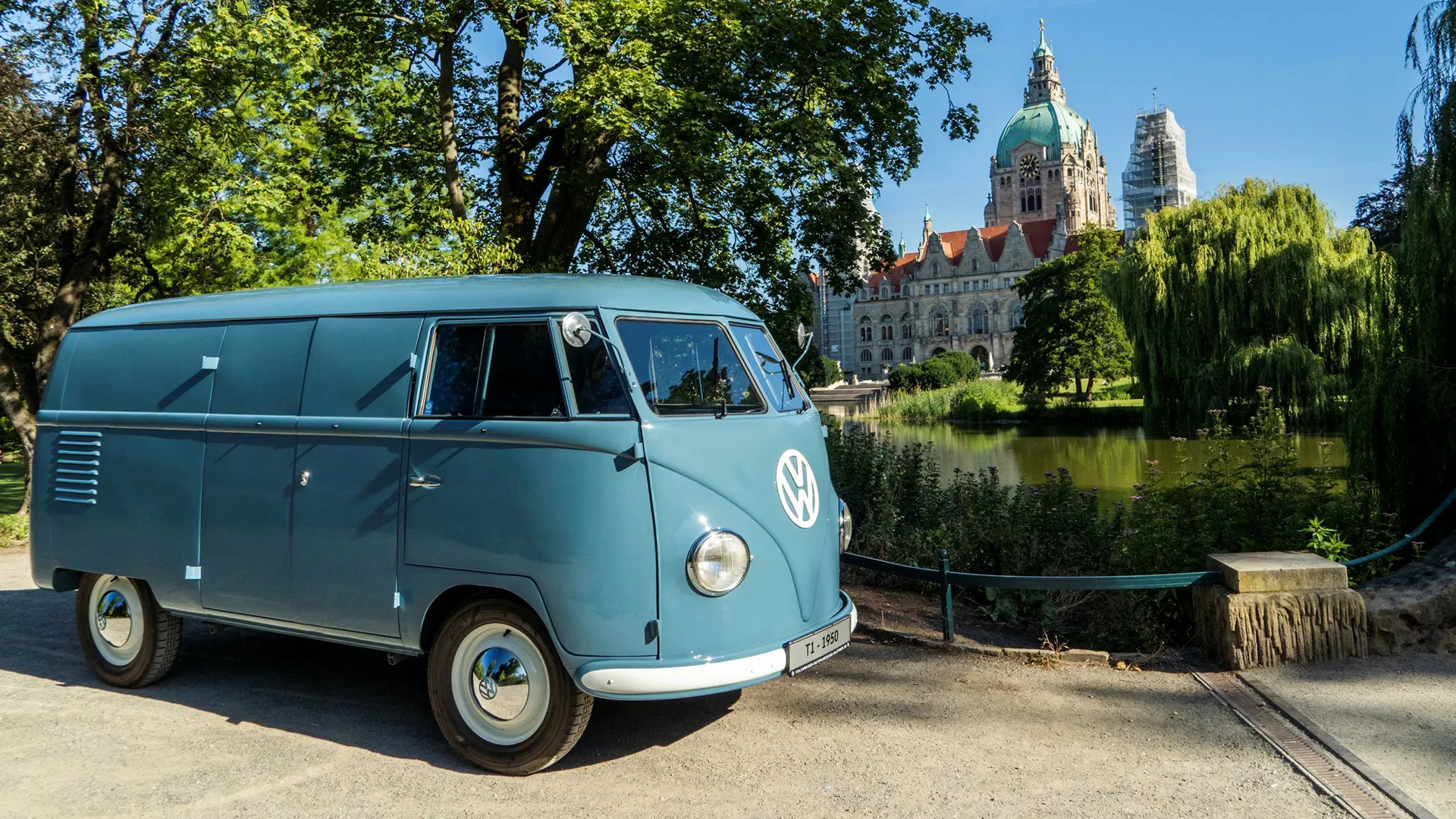
5. Volkswagen Type 2 Microbus (1950–Present)
The Volkswagen Type 2 Microbus redefined family travel by introducing a compact yet highly spacious alternative to traditional cars. Produced by Volkswagen, it featured a unique “forward control” design, where the driver sat above the front wheels, and the engine was mounted at the rear. This layout maximized interior space while keeping the vehicle’s exterior footprint relatively small, allowing it to carry up to nine passengers comfortably.
Unlike large American station wagons with powerful V8 engines, the Microbus emphasized efficiency, practicality, and personality. Its boxy shape and high roof created a roomy, flexible interior that could easily be adapted for passengers, cargo, or both.
This versatility made it especially popular with large families and travelers who needed a multi-purpose vehicle. It also became known as one of the first true camper vans, often converted into a “home on wheels” for road trips, beach outings, and extended travel.
The Microbus had a major cultural impact, particularly during the 1960s and 1970s. It became a symbol of freedom, creativity, and the counterculture movement, representing a more communal and relaxed approach to travel.
Families and young adventurers alike embraced it as a vehicle that encouraged shared experiences rather than just transportation. It’s simple, air-cooled engine design also made it relatively easy to maintain, adding to its appeal.
Despite its strengths, the Microbus had limitations. Early models were slow and lacked modern safety features, especially due to their cab-over design. However, its influence on automotive design was profound. It introduced the concept of the “one-box” vehicle, where passengers and cargo share a single integrated space, paving the way for modern minivans and passenger vans.
With a production history spanning decades and a lasting cultural legacy, the Microbus remains one of the most recognizable and influential vehicles ever made, shaping how families travel and experience the open road.
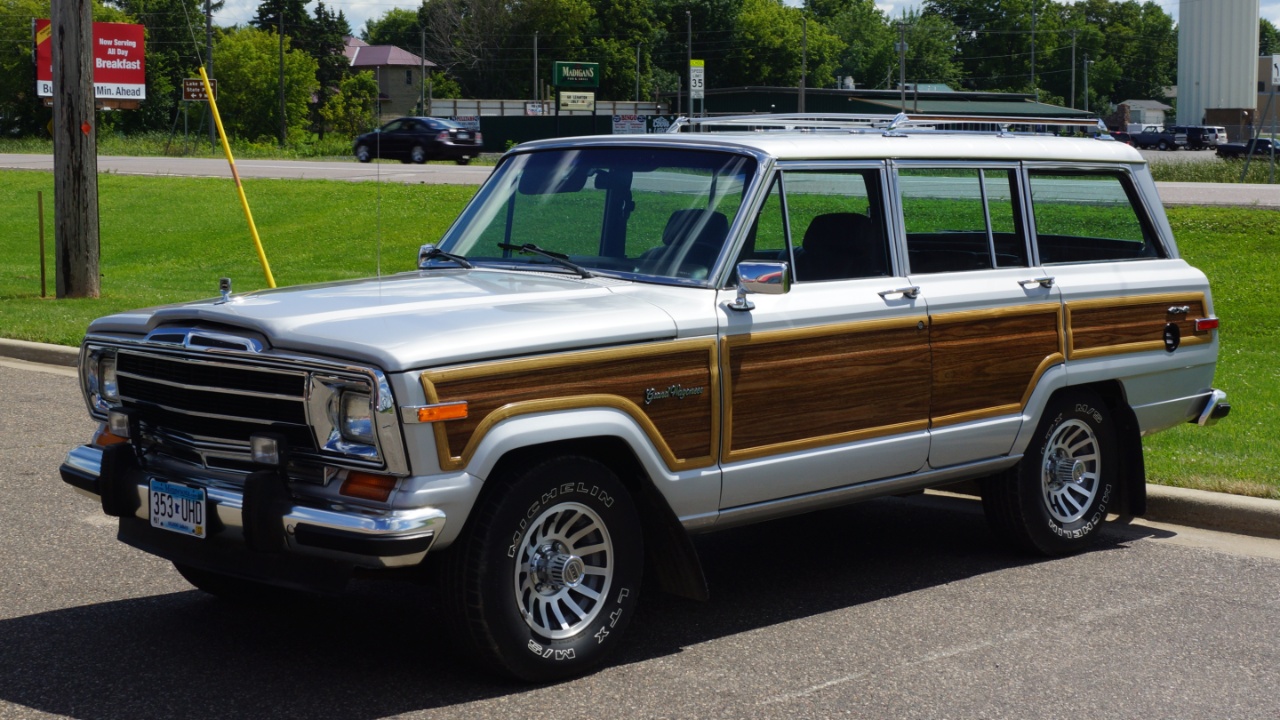
6. Jeep Wagoneer (1963–1991)
The Jeep Wagoneer revolutionized family travel by creating the first true luxury SUV, blending rugged off-road capability with the comfort of a passenger car.
Produced by Jeep, it was introduced in 1963 at a time when four-wheel-drive vehicles were mainly utilitarian machines used for farming or military purposes. The Wagoneer changed this perception by offering a refined driving experience alongside its ability to handle rough terrain.
One of its most important innovations was combining four-wheel drive with features typically found in sedans. It was among the first 4×4 vehicles to offer an automatic transmission, power steering, and, later, air conditioning and premium interiors.
This made it practical for everyday family use while still being capable of outdoor adventures such as camping trips, skiing, and exploring remote areas. It appealed especially to suburban families who wanted both comfort and versatility in a single vehicle.
The Wagoneer also stood out for its spacious design and family-friendly features. It provided ample seating and cargo capacity, making it suitable for both daily errands and long-distance travel.
Its durable construction and strong engine performance allowed it to carry heavy loads and navigate difficult environments without sacrificing ride quality. Over time, it evolved into the more upscale Grand Wagoneer, which introduced luxury touches such as leather seating and advanced sound systems.
Culturally, the Wagoneer helped shift consumer preferences away from traditional station wagons toward SUVs. Its iconic woodgrain styling and upscale image made it a status symbol, particularly in affluent communities. With a production run lasting nearly three decades, it proved the lasting appeal of combining utility with comfort.
Although it had drawbacks such as poor fuel economy and maintenance issues, the Wagoneer’s influence remains significant. It established the template for modern SUVs and demonstrated that family vehicles could offer both adventure and luxury in one package.
Also read: 5 Cars That Handle 200,000 Miles Gracefully vs 5 That Fall Apart
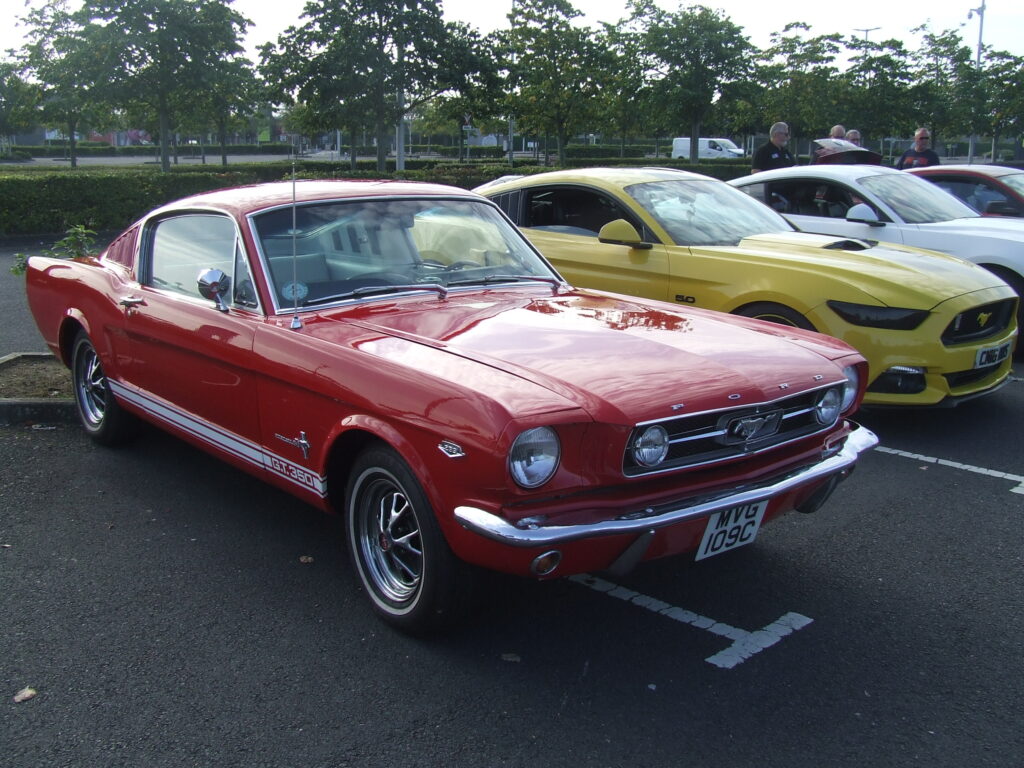
7. Ford Mustang (1964–Present)
The Ford Mustang transformed the idea of the family car by combining everyday practicality with style, performance, and personal expression. Introduced in 1964 by Ford Motor Company, it created an entirely new category known as the “pony car.”
Unlike traditional family vehicles that focused purely on utility, the Mustang offered a compact design, sporty appearance, and seating for four, making it appealing to young families who wanted both function and excitement.
One of the Mustang’s most significant contributions was making performance affordable. Priced under $2,400 at launch, it gave middle-class buyers access to a stylish, powerful car without the high cost of traditional sports cars.
Buyers could also customize their vehicles with different engines, transmissions, and design options, allowing them to express their personality through their car. This level of choice helped shift consumer expectations, turning cars into lifestyle statements rather than simple transportation tools.
The Mustang also played a key role in changing family travel habits. As more households began owning a second car, it became a popular option for commuting, leisure drives, and weekend trips.
It proved that a family-oriented vehicle did not have to be large or boring, introducing a sense of fun and individuality into everyday driving. Its popularity was immediate, with over a million units sold within its first two years, showing strong demand for this new concept.
Over time, the Mustang has continued to evolve, adapting to changing technology and consumer needs while maintaining its identity. Modern versions include improved handling, advanced safety features, and digital technology, making them more practical for daily use. The introduction of newer variants, including electric models, shows its continued relevance.
The Mustang redefined what people expected from a family car by blending performance, affordability, and style into one influential package.
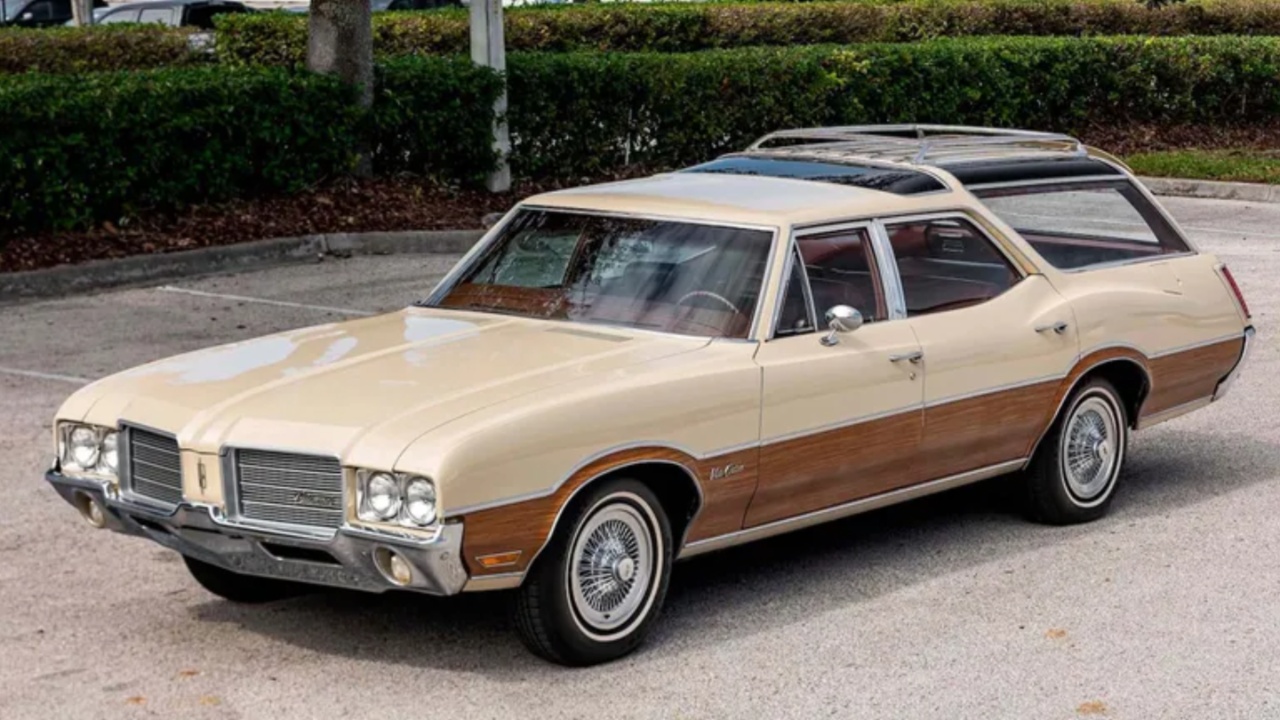
8. Oldsmobile Vista Cruiser (1964–1977)
The Oldsmobile Vista Cruiser redefined the family road trip by focusing on passenger experience and scenic enjoyment rather than just transportation. Produced by Oldsmobile, it stood out among 1960s and 1970s station wagons with its distinctive raised roofline and panoramic skylight windows.
These tinted glass panels, positioned above the second and third rows, created an open, airy cabin that allowed passengers to enjoy views of the sky, mountains, and surroundings, turning every journey into a more immersive experience.
This innovative “Vista Roof” design transformed the station wagon from a simple cargo carrier into what many described as an “observation deck on wheels.” Families could now enjoy sightseeing without leaving their seats, making long-distance travel more engaging, especially for children.
The design also improved interior comfort by increasing headroom, particularly for the third row, which was forward-facing rather than the more common rear-facing configuration of the time.
Beyond its unique roof, the Vista Cruiser offered practicality and performance suited to growing suburban families. Built on an extended wheelbase, it provided generous interior space and could seat up to eight passengers. Its flexible seating and large cargo area made it ideal for vacations, errands, and daily use. Equipped with powerful V8 engines, it had enough strength for highway cruising and hauling heavy loads, including trailers.
The vehicle also reflected the era’s emphasis on comfort and style. Features such as plush carpeting, optional air conditioning, and woodgrain trim enhanced its appeal as a premium family wagon. However, it had some drawbacks, including potential roof leakage and typical fuel consumption associated with large V8 engines.
The Vista Cruiser elevated the concept of family travel by making the journey itself as enjoyable as the destination, leaving a lasting impression on automotive design and road trip culture.
9. Dodge Caravan (1984–Present)
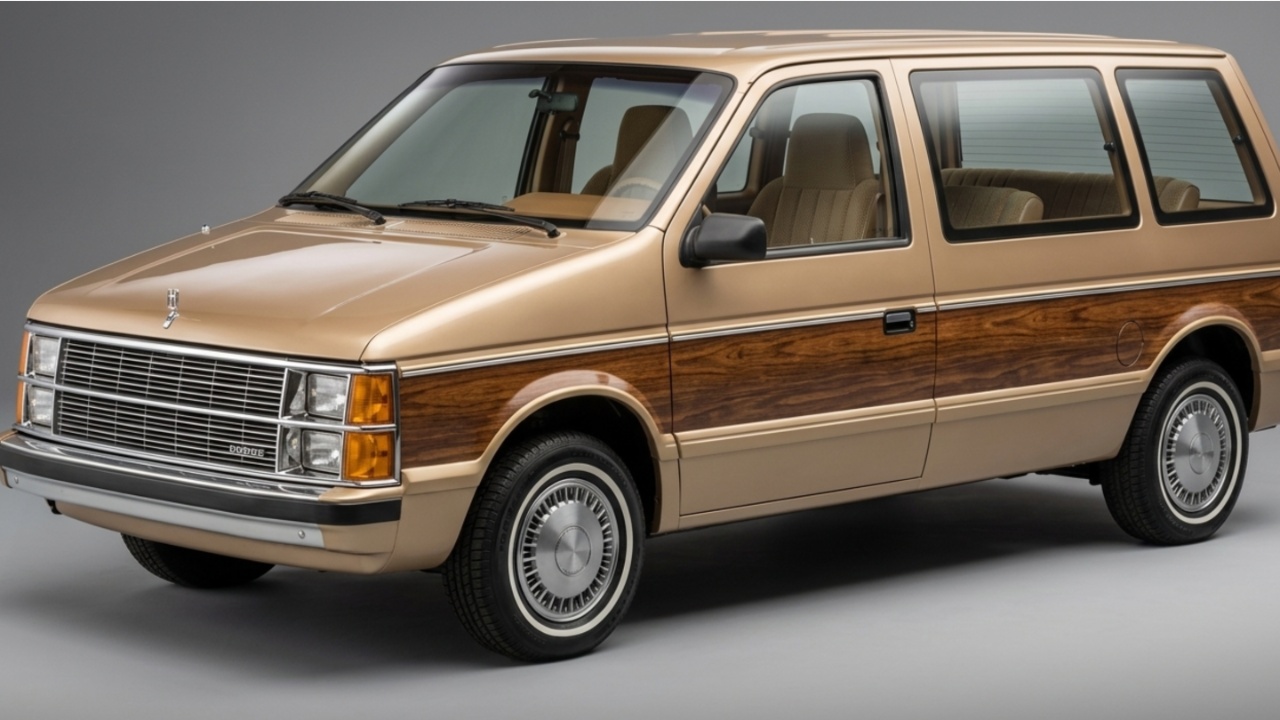
The Dodge Caravan transformed family transportation by creating the modern minivan, a vehicle designed around practicality, space, and ease of use. Developed by Chrysler and launched in 1984, it offered a smarter alternative to bulky station wagons, combining spacious interior capacity with car-like handling and maneuverability.
A key innovation was the front-wheel-drive platform, which allowed for a low floor. This made entry and exit simple for children and adults, while improving driving control. The sliding side door further enhanced convenience, enabling easy access in tight parking spots and making it much easier for parents to manage car seats. These features redefined what families expected from a practical vehicle.
The interior emphasized flexibility and functionality. Seating for up to seven passengers could be configured in multiple ways, and later models introduced “Stow ’n Go” seating, allowing seats to fold into the floor for maximum cargo space.
The Caravan could carry large items, such as full sheets of plywood, turning it into both a people carrier and a cargo transporter in minutes. Its size, combined with smart design, made it ideal for errands, vacations, and daily family use.
The Dodge Caravan reshaped the automotive industry by effectively replacing the station wagon as the standard family vehicle and inspiring other manufacturers to develop minivans. It remained a best-selling and reliable choice for decades, offering efficiency, convenience, and versatility in one package.
While SUVs later became more popular, the Caravan’s influence remains significant. It redefined family mobility, proving that a vehicle could be compact, easy to drive, and highly functional while still meeting the complex needs of modern households. It set the template for practical, family-focused automotive design that endures today.
10. Ford Explorer (1991–Present)
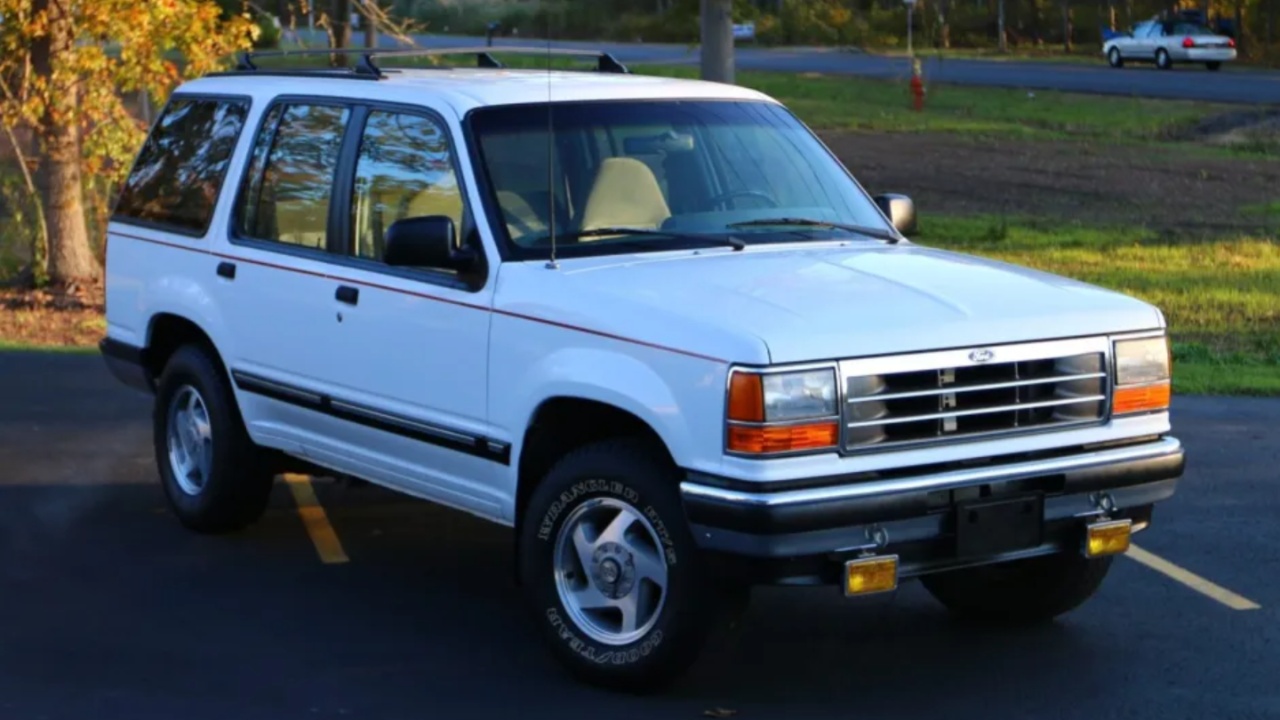
The 1991 Ford Explorer transformed American family travel by taking the SUV from rugged off-road use to mainstream suburban streets.
By combining truck-like toughness with the comfort and convenience of a family sedan, it created the first widely popular mid-size family SUV. Its design offered the high seating position and commanding presence of a traditional SUV, while four doors, spacious rear seating, and versatile cargo space made it practical for daily family life.
A key innovation was the 5-door layout, which improved access to rear seats and cargo, making it ideal for school runs, grocery trips, and weekend excursions.
The Explorer also offered refined driving dynamics compared with its smaller, more truck-like predecessors, delivering a smoother ride suitable for long drives while maintaining rugged styling. Ford complemented this with a range of trims, from the practical XL to the luxury Eddie Bauer edition, appealing to diverse family needs and budgets.
Over six generations, the Explorer has evolved significantly. Early models (1991–2001) were body-on-frame SUVs built on the Ford Ranger chassis, known for durability but high fuel consumption.
Later generations transitioned to unibody platforms, improving comfort, efficiency, and performance while keeping the SUV’s versatility intact. Features like flip-up rear windows, independent rear suspension, and turbocharged engines enhanced practicality and modern appeal.
The Explorer’s mainstream success reshaped the automotive market, effectively replacing minivans as the go-to family vehicle and inspiring other automakers to prioritize the family SUV segment. Its spacious interior, high cargo capacity, and all-wheel-drive options have made it a reliable choice for families, with many models reaching over 200,000 miles.
By bridging utility, comfort, and style, the Ford Explorer redefined what families expected from a vehicle. It made SUVs a central part of American life, setting the standard for family mobility in the 21st century and cementing their legacy as a pioneering model in the evolution of family-focused vehicles.
11. Toyota Prius (2004–Present)
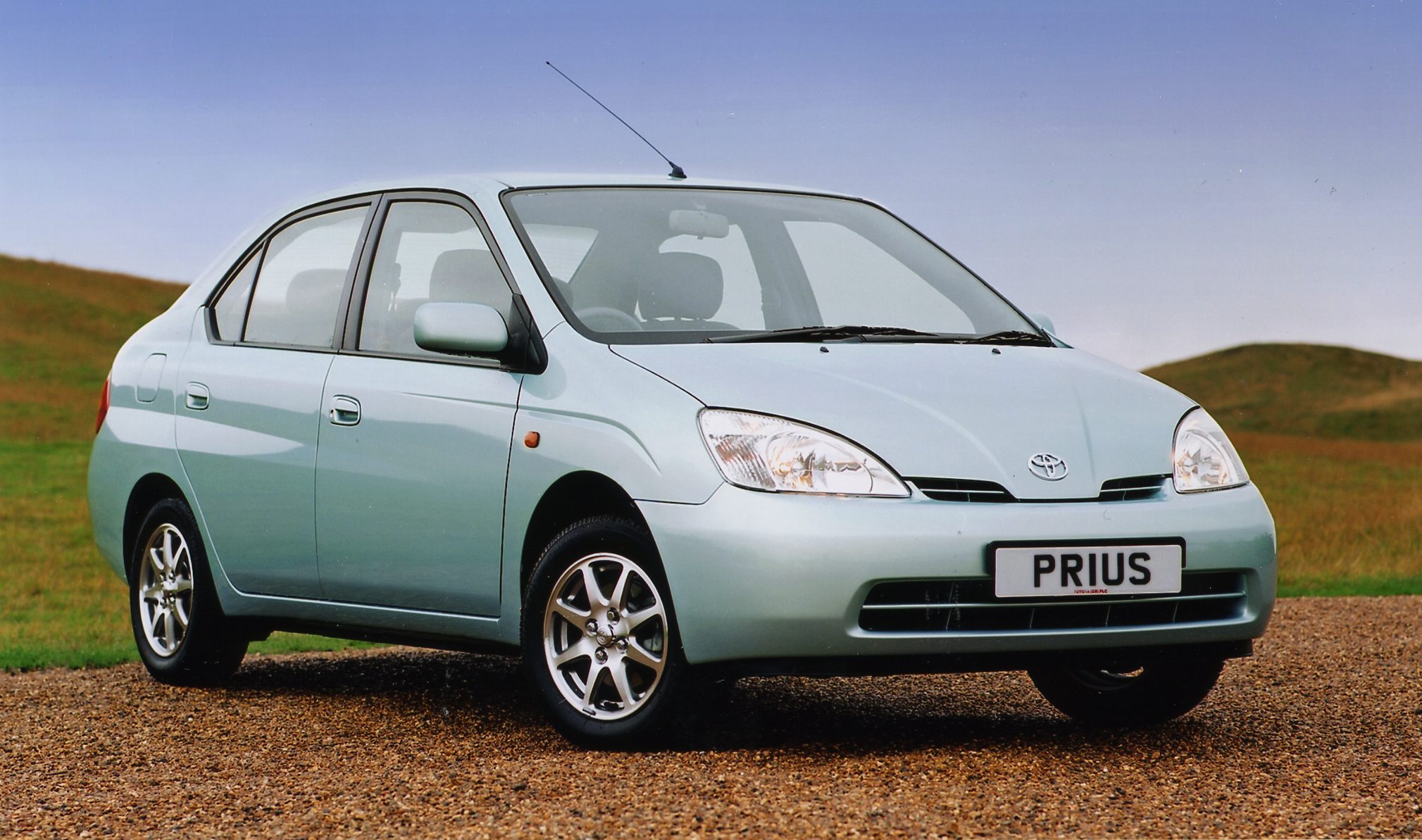
The 2004 Toyota Prius transformed family travel by making fuel efficiency central to everyday driving. As the first widely popular hybrid, it combined practicality, reliability, and advanced technology, proving that eco-friendly vehicles could serve families without sacrificing space or convenience.
Its liftback design maximized interior room, allowing comfortable seating for passengers and ample cargo for road trips or daily errands, while maintaining a compact exterior ideal for urban driving.
Fuel efficiency was its defining feature, delivering 46–52 MPG in real-world conditions. This lowered the cost of long-distance travel, making fuel expenses less of a concern for families. The Prius also made environmentally conscious driving desirable, appealing to a broad range of drivers and setting expectations for practical, green vehicles.
Practicality was enhanced with 60/40 split rear seats and a versatile hatchback layout, providing flexibility for passengers and cargo. Toyota’s reputation for reliability reassured families about hybrid longevity, while the addition of electronic all-wheel drive in later models improved traction and safety in various weather conditions.
The Prius also introduced advanced safety and comfort technologies to the mainstream. Features such as adaptive cruise control, lane departure alerts, pre-collision systems, dual-zone climate control, and premium audio ensured longer journeys were safer and more enjoyable. Families could travel efficiently and comfortably while reducing environmental impact.
By demonstrating that hybrids could be spacious, reliable, and practical, the second-generation Prius changed how Americans viewed family vehicles. It encouraged longer trips with lower fuel consumption and fewer emissions, while promoting the adoption of high-tech, energy-conscious cars.
The 2004 Prius set a new standard for fuel efficiency, functionality, and environmental responsibility, redefining expectations for family travel in the 21st century.
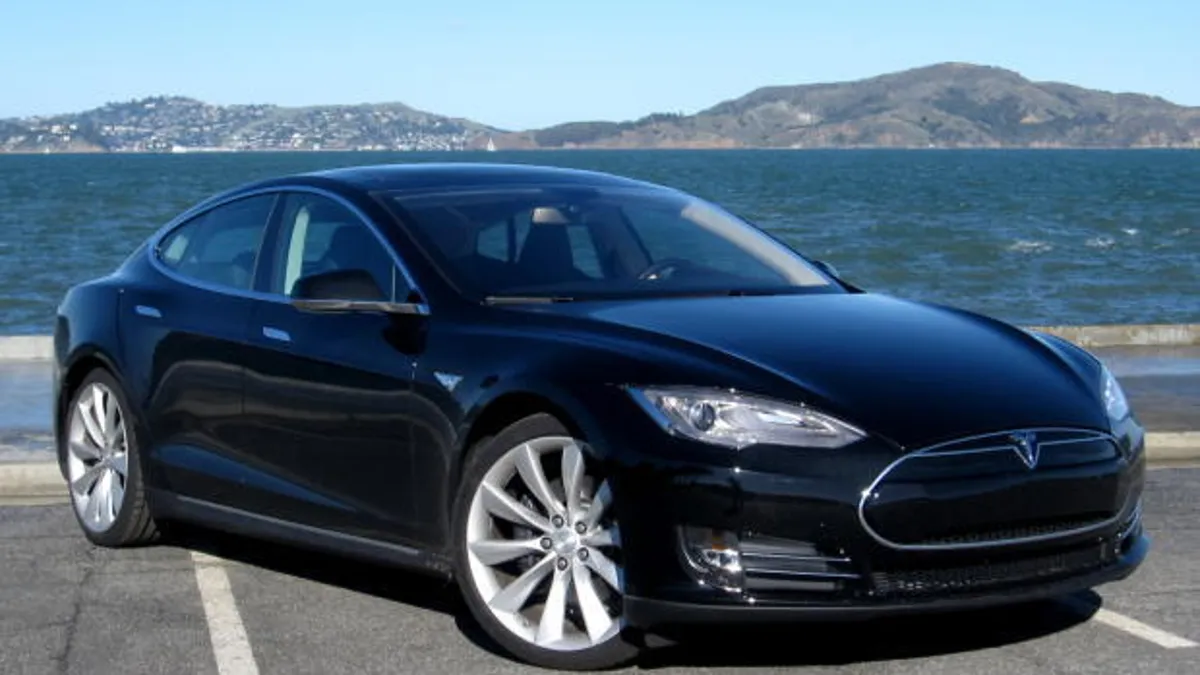
12. Tesla Model S (2012–Present)
The Tesla Model S redefined family travel by proving that electric vehicles could combine performance, technology, and practicality. Launched in 2012, it was the first EV to offer long-range capability exceeding 250 miles, making road trips viable for families.
Tesla’s Supercharger network and integrated trip planner eliminated concerns about charging, allowing extended travel with minimal downtime. Optional rear-facing jump seats provided seating for up to seven passengers, giving families uncommon flexibility for a sedan.
The Model S introduced the concept of the “software-defined car,” where over-the-air updates continually enhanced performance, safety, and comfort. It’s 17-inch central touchscreen, centralized controls, navigation, and entertainment, while Autopilot features helped reduce driver fatigue during long journeys.
The cabin’s minimalist design, combined with quiet, instant electric acceleration, created a smooth, low-stress environment suitable for children and family trips.
Cargo practicality was enhanced through both a rear hatchback and a front trunk (“frunk”), providing more storage than many SUVs. Safety was also a priority, with the low center of gravity from the floor-mounted battery contributing to top crash-test ratings. Additional family-friendly features, such as pre-conditioning and Dog Mode, demonstrated attention to everyday convenience.
By merging supercar-level acceleration with EV efficiency, the Model S showed that electric cars could be desirable, luxurious, and capable of long-distance travel. It transformed perceptions of what a family car could be, encouraging the adoption of EVs in mainstream American households.
Beyond transportation, it introduced a new standard for high-tech mobility, sustainable driving, and connected vehicle experiences, setting a benchmark that continues to influence electric and hybrid family vehicles worldwide.
The Tesla Model S remains a symbol of innovation, offering a rare combination of range, performance, technology, and family-oriented practicality in the electric vehicle segment.
These twelve vehicles illustrate how family travel has evolved alongside society, technology, and consumer needs. From the Model T’s groundbreaking affordability to the Tesla Model S’s electric innovation, each car addressed the challenges of its era while reshaping expectations for comfort, utility, and adventure.
Minivans and SUVs provided space and convenience, hybrids emphasized efficiency, and high-tech EVs introduced connectivity and performance. Collectively, these vehicles transformed family mobility, making road trips, suburban living, and long-distance travel safer, easier, and more enjoyable.
They reflect the shifting priorities of American households, from practicality and reliability to sustainability and technological innovation. The legacy of these cars continues to influence modern vehicles, demonstrating that family transportation is about more than getting from place to place; it is about freedom, shared experiences, and shaping the way families live and explore together.
Also read: 10 Cars With the Most Unusual Dashboard Gauge Layouts Ever Built
