
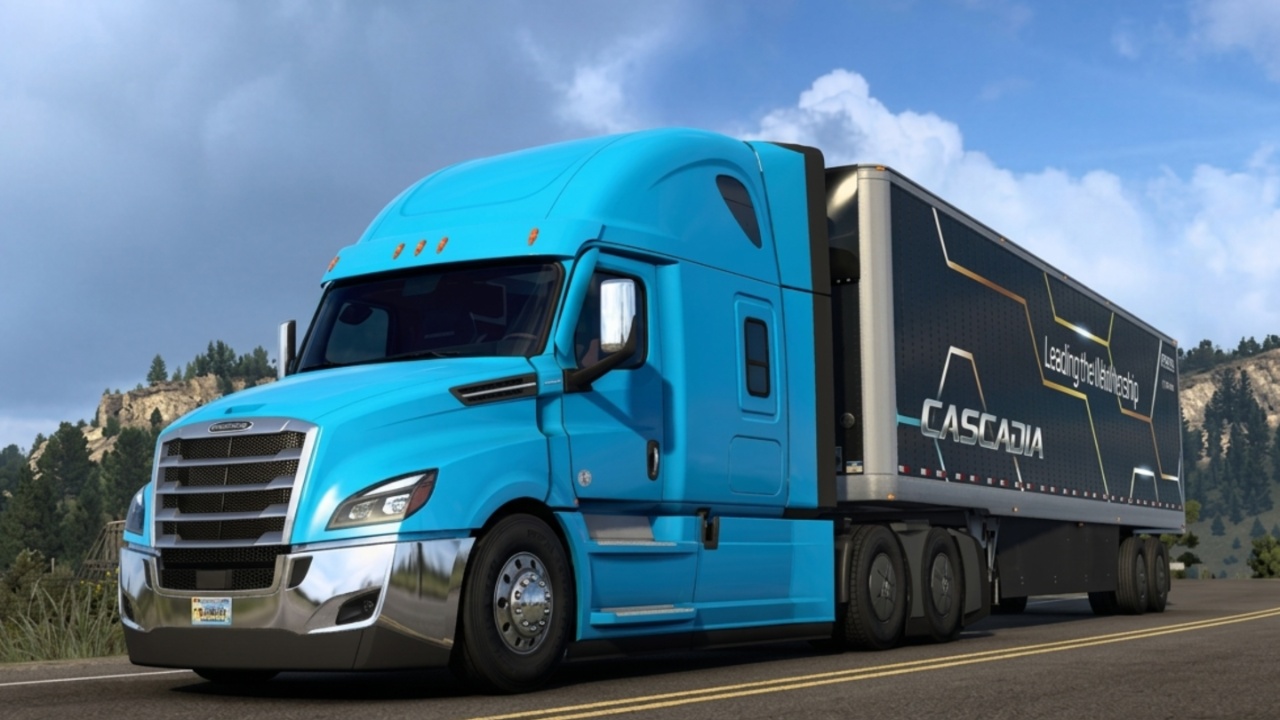
Modern American trucks are no longer just powerful machines built for towing and hauling. They have evolved into highly advanced systems packed with intelligent software designed to improve safety, comfort, and everyday usability.
While many drivers are familiar with popular features like towing modes or infotainment screens, there are several hidden capabilities that often go unnoticed. These features are built deep within the vehicle’s software and can dramatically change how a truck performs and feels in real-world situations.
From making trailers virtually invisible to allowing voice-controlled commands from across your home, these innovations show how technology is redefining what trucks can do. Whether you use your truck for work, travel, or daily driving, understanding these lesser-known tools can help you get more out of your vehicle.
Here are eight hidden software features found in modern American truck systems that deliver convenience, safety, and smarter performance.
1. Transparent Trailer View: Making Trailers Virtually Invisible
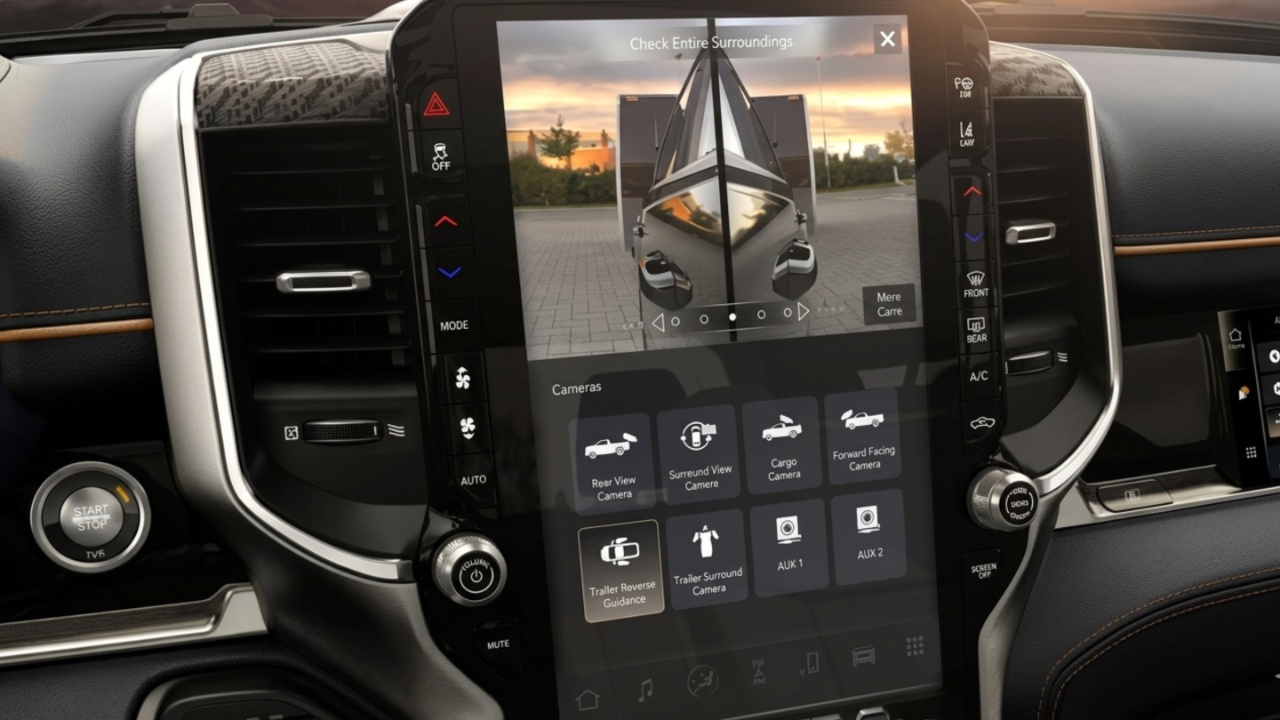
Transparent Trailer View, developed by GMC and Chevrolet, is a cutting-edge software feature designed to transform towing safety. By combining a tailgate-mounted camera, an accessory camera on the rear of the trailer, and side-mirror cameras, the system stitches multiple video feeds together in real time.
The resulting composite image on the infotainment screen renders the trailer virtually invisible, giving drivers a clear view of traffic, obstacles, and surroundings that would normally be blocked by a trailer.
This technology addresses one of the biggest challenges in towing: blind spots. Drivers can confidently monitor vehicles, motorcycles, and other hazards behind the trailer, significantly reducing the risk of dangerous lane changes and “Hail Mary” maneuvers in heavy traffic. It also makes reversing, parking, and low-speed maneuvers much easier, offering precise alignment and reducing stress for both novice and experienced drivers.
Transparent Trailer View works with most conventional trailers up to 32 feet, as well as fifth-wheel or gooseneck setups. Drivers can save multiple trailer profiles in the trailer app to maintain accurate digital rendering, and the system functions even while driving forward, not just in reverse.
Though considered a hidden, high-end feature requiring specific camera packages, it has quickly become essential for serious towers, offering unmatched safety, improved maneuverability, and peace of mind on the road.
2. Flood Start Engine Protection: Safeguarding Truck Engines
Flood Start Engine Protection, also known as “Clear Flood” or “Extended Start” mode, is a hidden feature in many Ford trucks, including F-150s and Super Duties. Integrated into the engine control module (ECU), it allows the engine to crank without firing by cutting off fuel delivery when the accelerator is fully depressed during ignition.
This simple yet powerful tool ensures the engine builds oil pressure before combustion, protecting critical components and extending engine life.
One key application is after an oil change. Fresh filters are empty, leaving the engine momentarily without oil pressure. Activating Flood Start primes the oil system while cranking, preventing dry-start wear on components like the timing chain, cam phasers, and valve lifters.
It also addresses common startup rattles in engines such as the 3.5L EcoBoost, where cam phasers and timing chain tensioners can sound noisy during cold starts. By priming these systems first, the feature reduces repair costs and extends reliability.
Flood Start also prevents “bore wash,” a condition where excess fuel during a flooded start washes away the protective oil film on cylinder walls, causing premature ring wear. By clearing excess fuel safely while cranking, it protects spark plugs and lubrication.
This factory-built feature requires no additional tools; simply hold the accelerator while starting. Despite its simplicity, most drivers are unaware of it. Flood Start Engine Protection transforms high-wear events like cold starts or flooded engines into controlled, safe procedures, offering a professional-grade safeguard for engine health and longevity.
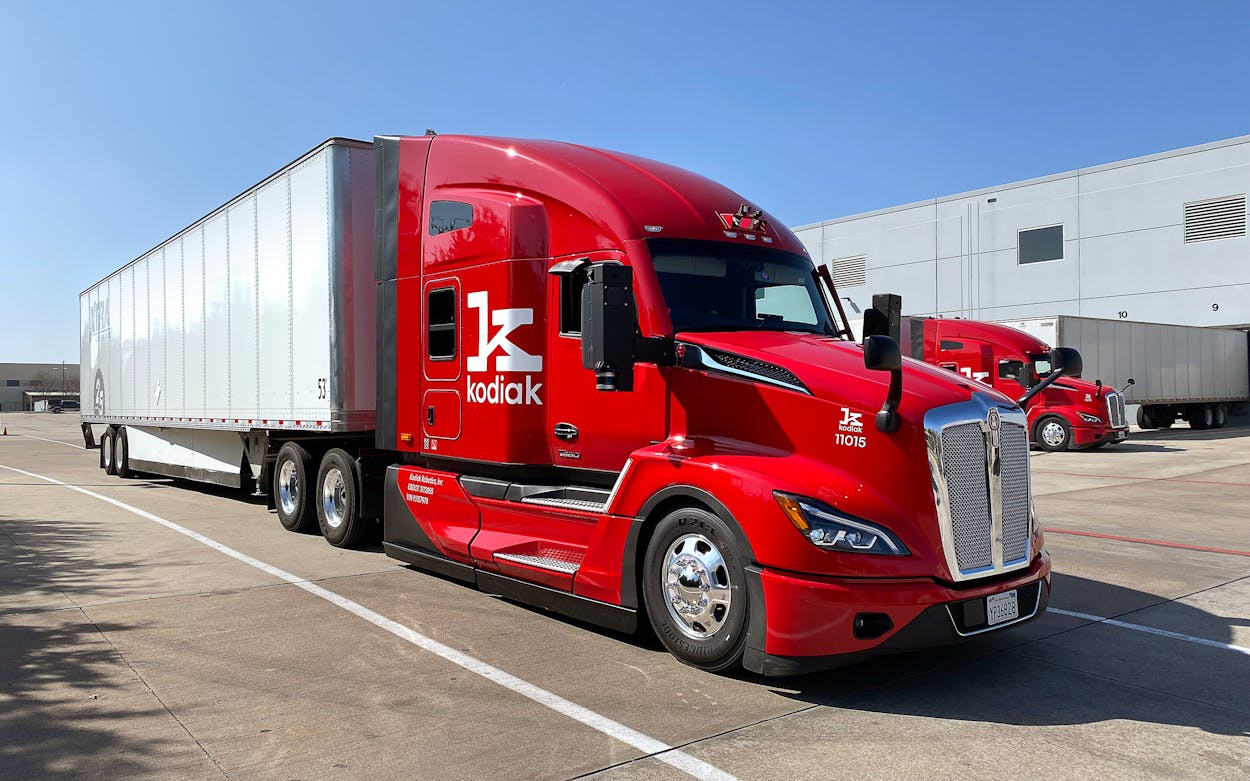
3. Key Fob-Linked Driver Profiles: Personalized Comfort and Safety
Key fob-linked driver profiles are a smart, often overlooked feature in modern American trucks, including the Chevy Silverado, GMC Sierra, and Ford F-150. By linking a unique key fob to a driver profile through the infotainment system, the truck automatically recognizes who is entering and adjusts settings before the door even opens.
This includes the seat, steering wheel, side mirrors, and pedal positions, creating an instantly personalized driving environment.
Beyond physical adjustments, the system also recalls radio presets, climate control preferences, navigation favorites, and even remote start HVAC settings, providing convenience and comfort for every driver. For households where trucks are shared, this eliminates the need to manually readjust settings each time, saving time and reducing frustration.
The feature also enhances safety and control. Systems like Ford’s MyKey allow parents to limit speed, audio volume, and ensure driver-assist features remain active for teen drivers. For commercial fleets, driver profiles can track behavior, optimize route efficiency, and maintain compliance with working hour requirements.
Key fob-linked profiles combine convenience, safety, and efficiency into a seamless, automatic process.
By detecting the driver before entry and customizing the vehicle environment, this hidden software feature transforms shared trucks into vehicles that feel personally tailored to each operator. It represents a blend of technology, comfort, and practical intelligence, making it one of the most valuable under-the-radar features in modern pickup trucks.
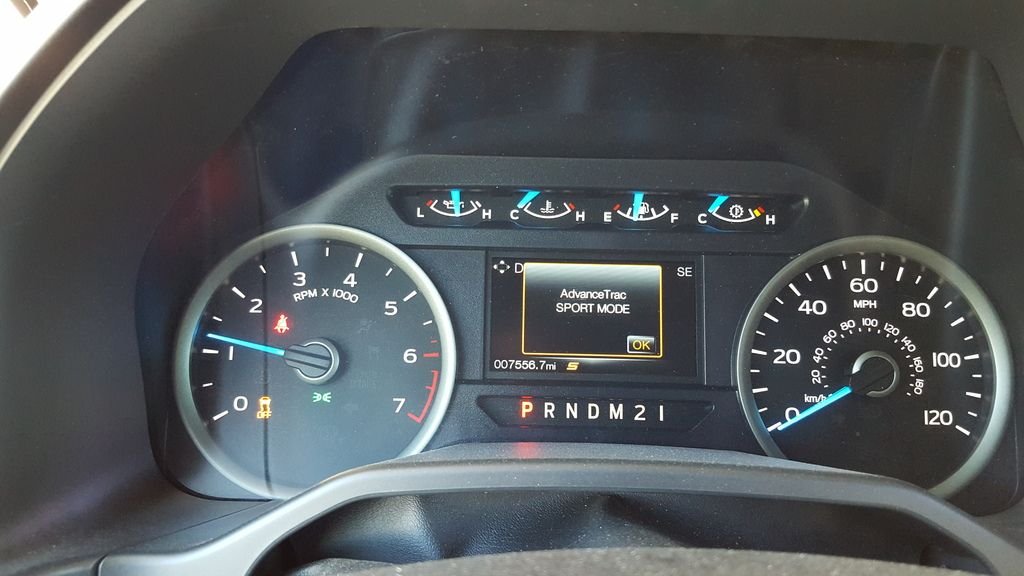
4. Advance-Trac Sport Mode: Hidden Performance for Ford Trucks
Advance-Trac Sport Mode is a hidden feature in modern Ford trucks, especially the F-150, that makes driving more responsive and engaging. By double-tapping the traction control button, the system recalibrates electronic stability control and throttle mapping. This allows for more aggressive gear shifts, faster throttle response, and increased wheelspin before the computer intervenes, giving the truck a sportier and more agile feel.
Unlike turning off stability control completely, Sport Mode keeps safety systems active while allowing a wider yaw threshold. This enables controlled sliding and spirited driving on highways, corners, or off-road surfaces such as sand, mud, or gravel. The system also optimizes downshifts, holds gears longer at higher RPMs, and anticipates acceleration to provide smoother and more immediate power delivery.
For trucks equipped with active exhaust systems, Sport Mode can create a louder, more aggressive exhaust note that enhances the driving experience. It reduces the intrusive throttle and brake corrections typical of standard traction control, making the truck feel lighter and more responsive.
Hidden within the software and easy to activate, Sport Mode transforms a work-oriented truck into a capable performance vehicle without compromising everyday safety. A simple button press provides drivers with a balance of reliability and spirited driving, offering greater control and confidence in a wide range of road and off-road conditions.
Also read: 5 Cars With Simple Mechanical Cooling vs 5 With Fragile Electric Fans
5. Passive Walk-Away Locking: Effortless Security and Convenience
Passive Walk-Away Locking is a hidden software feature in many modern trucks, including Chevrolet, RAM, and Ford models, that enhances both security and convenience. Once enabled through the vehicle’s settings, the system uses proximity sensors to detect the distance of the key fob or authorized device.
When the driver exits the truck and moves several feet away, the system automatically locks all doors and often provides confirmation through a horn chirp or flashing lights.
This feature is especially valuable for drivers who frequently carry tools, groceries, or equipment, as it removes the need to manually lock the vehicle. It ensures that the truck is always secured, even during moments of distraction or when the driver forgets to press the lock button. This automatic function provides peace of mind by reducing the risk of leaving the vehicle unlocked.
Passive Walk-Away Locking is also beneficial for work and fleet vehicles that make frequent stops. It guarantees consistent security without requiring repeated driver input. In addition, the system can often be customized, allowing users to adjust alert preferences such as audible or visual confirmations.
For the feature to function properly, certain conditions must be met. The engine must be turned off, all doors must be closed, and the key fob must be outside the detection range.
By combining automation with practical security, Passive Walk-Away Locking simplifies everyday use while ensuring that vehicles remain protected at all times.
6. Uconnect Mobile Office Hotspot: Connectivity on the Go
The Uconnect Mobile Office Hotspot is a powerful yet often overlooked feature in modern RAM trucks that transforms the vehicle into a fully functional mobile workspace.
By activating the built-in 4G LTE Wi-Fi hotspot through the infotainment system, the truck uses its external antenna to deliver a stronger and more reliable internet connection than a typical smartphone. This makes it especially valuable in remote areas, job sites, or locations with weak cellular coverage.
The system supports multiple connected devices at once, allowing passengers or work teams to use laptops, tablets, and smartphones simultaneously. This capability turns the truck cabin into a productive “office on wheels,” enabling tasks such as sending emails, managing projects, attending virtual meetings, or streaming content during long trips.
In addition to performance, the hotspot offers practical advantages. It reduces the need to rely on a personal phone hotspot, helping conserve battery life and ensuring consistent connectivity without repeated setup. The network is also secure, providing a safer alternative to public Wi-Fi in places like cafes or rest stops.
The feature integrates with other tools within the Uconnect ecosystem, such as navigation syncing and voice assistant functions, further enhancing productivity. Flexible subscription options allow users to activate the service only when needed.
By combining strong connectivity, convenience, and versatility, the Uconnect Mobile Office Hotspot ensures drivers and passengers stay connected, productive, and entertained wherever the road leads.
7. Remote Window Venting: Smart Cabin Cooling
Remote Window Venting is a hidden yet highly useful feature found in many Ford and Chevrolet trucks. Activated through a simple key fob command, typically by pressing and holding the unlock button, the system lowers all windows simultaneously without unlocking the vehicle. This allows drivers to release trapped heat from the cabin before entering, making it especially helpful during hot weather.
The feature improves comfort by cooling the interior in advance, particularly in trucks with leather seats or dark interiors that retain heat. By letting hot air escape, it also reduces the workload on the air conditioning system, allowing it to cool the cabin more efficiently once the engine is started.
In addition to comfort, Remote Window Venting supports vehicle security. Unlike leaving windows slightly open manually, this system enables controlled airflow while keeping the doors locked. Some models also allow the windows to be raised remotely, offering a quick way to secure the vehicle if needed.
It also helps maintain better air quality by clearing out odors and reducing moisture buildup inside the cabin. This is useful after long drives, during humid conditions, or when the truck has been parked for extended periods.
Often considered a “hidden” feature due to its specific activation method, Remote Window Venting provides a convenient and effective way to manage cabin temperature, improve air circulation, and enhance everyday driving comfort.
8. Siri and Google Assistant Shortcuts: Voice-Controlled Truck Commands
Siri and Google Assistant Shortcuts are powerful yet often overlooked features in modern trucks, allowing seamless voice control through apps like FordPass and MyChevrolet. By integrating with smartphone shortcut systems, drivers can perform complex vehicle functions using simple voice commands such as starting the engine, locking doors, or checking vehicle status. This removes the need to manually open apps, making remote interaction faster and more convenient.
A major advantage of this feature is hands-free operation. Drivers can carry out essential tasks while keeping their focus on the road, reducing distractions and improving safety. Shortcuts can also combine multiple actions into a single command. For instance, a driver can activate a routine that starts the truck, provides weather updates, and begins directions all at once.
Beyond basic controls, voice assistants can adjust cabin settings like climate control, seat heaters, and defrosters, enhancing comfort with minimal effort. The system also supports third-party app integration, allowing users to send messages, access directions, or control smart home devices directly from their voice assistant.
Customization is another key strength. Drivers can create personalized commands that match their routines, improving efficiency during daily commutes or long trips.
Although an initial setup is required within smartphone shortcut apps, this feature provides a flexible and efficient way to interact with a vehicle, turning it into a connected and voice-responsive system focused on convenience, safety, and personalization.

Hidden software features are quietly reshaping the modern truck experience, turning traditional work vehicles into smart, adaptive machines. From safety-focused systems like Transparent Trailer View and Flood Start Engine Protection to convenience-driven tools such as Passive Walk-Away Locking and Remote Window Venting, each feature plays a role in improving everyday driving.
What makes these technologies stand out is how seamlessly they operate in the background, often requiring little effort from the driver while delivering meaningful benefits. They reduce stress, improve efficiency, and add layers of control that were once only possible with aftermarket upgrades or professional tools.
As trucks continue to evolve, software will play an even bigger role in defining their capabilities. Knowing how to access and use these hidden features ensures you are not just driving your truck, but fully utilizing everything it was designed to offer.
Also read: 10 Cars With Such High Resale Value That Buying Used Is a Mistake
