Reliability is the single most important factor when choosing engines for fleet vehicles and high mileage work transportation. Businesses depend on vehicles that start every day, handle heavy usage, and avoid unexpected downtime.
When a fleet vehicle fails, it does not just create a repair bill. It interrupts operations, delays deliveries, and reduces productivity. That is why proven engines with strong durability records are always preferred over newer but less tested designs.
High mileage engines usually share certain characteristics. Many of them use conservative tuning instead of pushing maximum performance.
Lower stress internal components, strong cooling systems, and simple fuel delivery designs often allow these engines to survive hundreds of thousands of miles. In fleet environments, predictability is often more valuable than speed or innovation.
Another important factor is service accessibility. Engines that allow quick maintenance reduce labor time and keep vehicles on the road. Many of the most respected work engines became popular not because they were the most powerful, but because they were easy to maintain and tolerant of heavy daily use.
Fuel type also plays a role. Some gasoline engines built for trucks and vans have proven extremely durable, while certain diesel engines became famous for running for decades with proper maintenance. Each type serves a different purpose depending on workload, fuel costs, and operating conditions.
Fleet managers also pay attention to parts availability. Engines used across multiple vehicle platforms usually become easier to maintain because replacement components are widely available. This lowers long term ownership cost and simplifies repairs across multiple vehicles.
This list highlights twelve engines that developed strong reputations for reliability in commercial use, delivery fleets, construction vehicles, and high mileage service trucks. Each engine earned its place for a different reason such as longevity, low maintenance cost, mechanical simplicity, or ability to tolerate continuous heavy operation.
These engines continue to be trusted choices for buyers who measure value in years of dependable service rather than short term performance numbers.
Also Read: 12 Best US Cities to Purchase a Used Car Without Hidden Rust
1. Toyota 2UZ FE 4.7L V8 (Toyota Tundra / Land Cruiser)
When discussions about long lasting gasoline truck engines begin, the Toyota 2UZ FE almost always enters the conversation. This engine built its reputation not through marketing claims but through real world endurance in some of the harshest environments imaginable.
Originally designed with a cast iron block instead of aluminum, the engine prioritized structural strength over weight savings.
This decision allowed it to tolerate heavy loads and high temperatures without developing the fatigue issues sometimes seen in lighter designs. Many examples have crossed extreme mileage figures while still maintaining internal integrity.
Another factor behind its success is conservative engineering. Toyota avoided pushing this engine to its limits, choosing instead to operate it well within its stress tolerance. This approach often results in engines that may not lead performance charts but outlast more aggressively tuned competitors.
The engine also gained credibility through its use in global markets. It powered vehicles in regions where maintenance schedules are not always ideal. The fact that it continued performing reliably under these conditions strengthened its reputation among fleet operators.
Service intervals also contributed to its popularity. Timing belt replacements and fluid changes are straightforward compared to many modern engines. Because of this, maintenance planning becomes predictable for commercial users managing multiple vehicles.
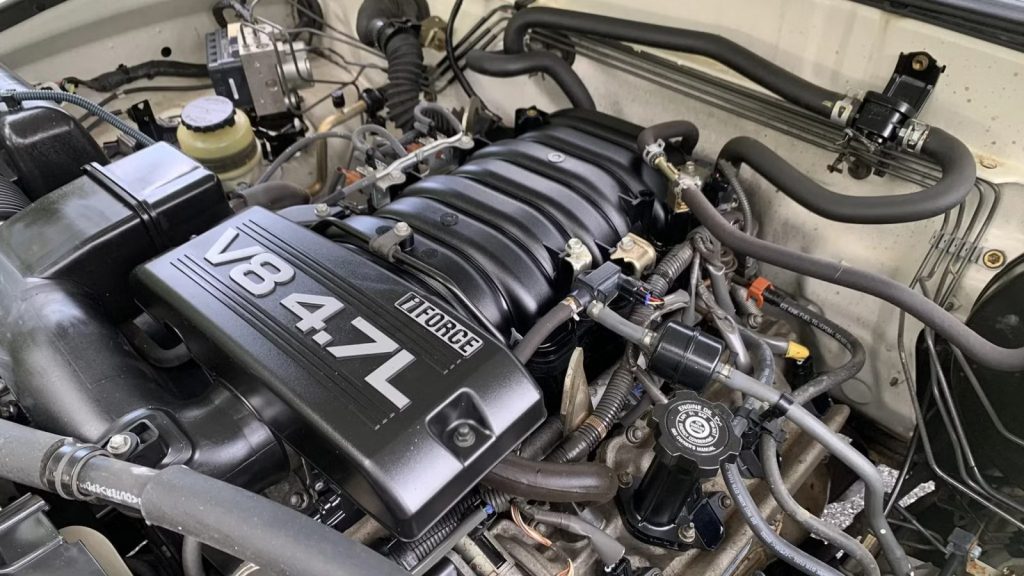
Owners also appreciate how smoothly the engine delivers power. Instead of sharp bursts of acceleration, it produces steady torque, which helps reduce wear on drivetrain components over time.
The 2UZ FE became known as an engine that rewards basic maintenance with exceptional lifespan. For businesses that value long term dependability over cutting edge efficiency, this engine remains one of the most respected gasoline work engines ever produced.
2. Ford 6.2L Boss V8 (Ford Super Duty / F 150)
The Ford 6.2 liter Boss V8 represents a different philosophy of reliability. Instead of focusing on luxury refinement or complex turbocharging, Ford developed this engine with durability under stress as the primary goal.
This engine became especially respected in heavy duty fleet use because of its strong internal components. Forged connecting rods and a robust block design allow it to handle continuous heavy loads without showing early fatigue. Many municipal fleets adopted vehicles with this engine because of its predictable durability.
Cooling performance is another strength often mentioned by technicians. The engine was designed with heavy duty cooling capacity, allowing it to operate for long hours in hot conditions without overheating concerns. For work trucks operating in demanding climates, this matters significantly.
Another reliability advantage comes from its naturally aspirated design. By avoiding turbochargers, the engine reduces complexity and potential failure points. Fleet operators often prefer this type of engineering because fewer components usually means fewer unexpected repairs.
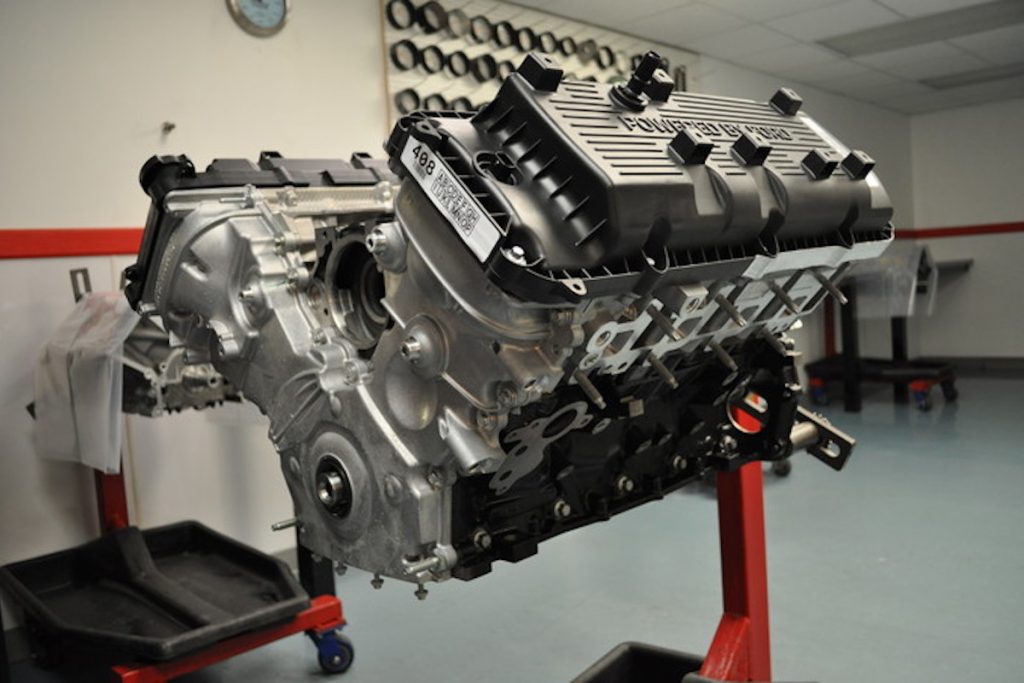
The engine also performs well in severe duty cycles such as towing or idle heavy operation. Many work trucks spend hours running while stationary to power equipment. This engine proved capable of handling that type of usage without excessive wear.
Maintenance access is also practical. Spark plug service, oil changes, and belt replacements can be completed without excessive disassembly. For fleet service departments, this reduces downtime and labor cost.
The Boss V8 developed a reputation as an engine that may not be flashy but consistently delivers under pressure. For companies needing dependable gasoline power in demanding work environments, it remains a highly respected choice.
3. General Motors 5.3L Vortec V8 (Chevrolet Silverado / GMC Sierra)
Some engines earn their reputation through extreme durability testing. Others become respected simply because millions of working vehicles depend on them every day. The General Motors 5.3 liter Vortec V8 falls into the second category, becoming one of the most widely trusted fleet engines in North America.
What makes this engine stand out is its balance. It was never designed to dominate horsepower comparisons. Instead, it became known for delivering dependable performance year after year without demanding constant attention. Many fleet operators appreciate engines that do their job quietly without requiring frequent intervention.
Another advantage comes from its widespread use. Because this engine powered so many trucks, vans, and commercial vehicles, service knowledge became extremely common. Mechanics understand its behavior, common wear points, and preventative maintenance needs. This familiarity helps reduce diagnostic time and repair uncertainty.
The engine also developed a reputation for tolerating extended highway operation. Delivery fleets that accumulate large yearly mileage often report consistent performance when regular oil changes are maintained. This kind of predictable behavior is extremely valuable in business transportation.
Fuel system durability also contributes to its long service life. The injection systems used in many Vortec engines proved resistant to contamination when basic fuel quality standards were followed. This helps reduce unexpected fuel related failures.
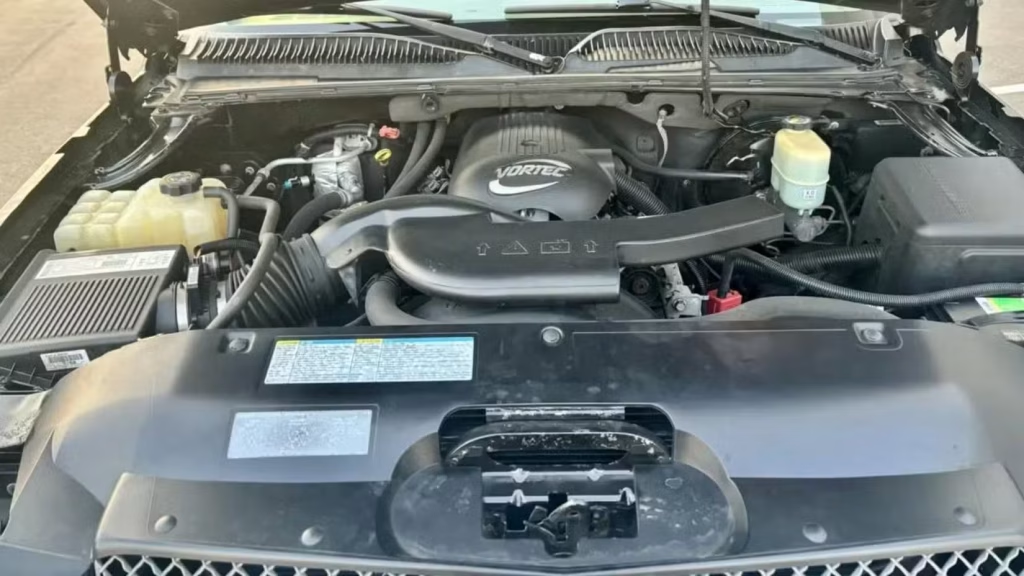
Another factor that helped this engine succeed is parts availability. Because of its popularity, replacement components are easy to source and competitively priced. Fleet managers often consider this just as important as reliability itself.
Rather than being known for innovation, the 5.3 Vortec became known for consistency. It is an engine that demonstrates how proven design and large scale usage can build a strong legacy of trust among work vehicle owners.
4. Cummins 5.9L 12 Valve Diesel (Ram Heavy Duty Trucks)
Few diesel engines have achieved the legendary status of the Cummins 5.9 liter 12 valve. Among mechanics and fleet operators, it is often described as one of the most overbuilt light duty truck diesel engines ever offered to the public.
One of the defining reasons behind its durability is its mechanical simplicity. Unlike later diesel engines filled with emissions related complexity, the 12 valve Cummins used a straightforward mechanical injection system. This reduced electronic dependency and made the engine easier to service in demanding work environments.
Its inline six cylinder configuration also contributes to longevity. This layout naturally balances engine forces and reduces vibration stress on internal components. Many heavy equipment engines use this design for exactly that reason.
Another major advantage is low RPM torque production. Instead of needing high engine speeds to generate pulling power, the engine produces strong torque at lower revolutions. Operating at lower speeds typically reduces long term wear, which contributes to extended service life.
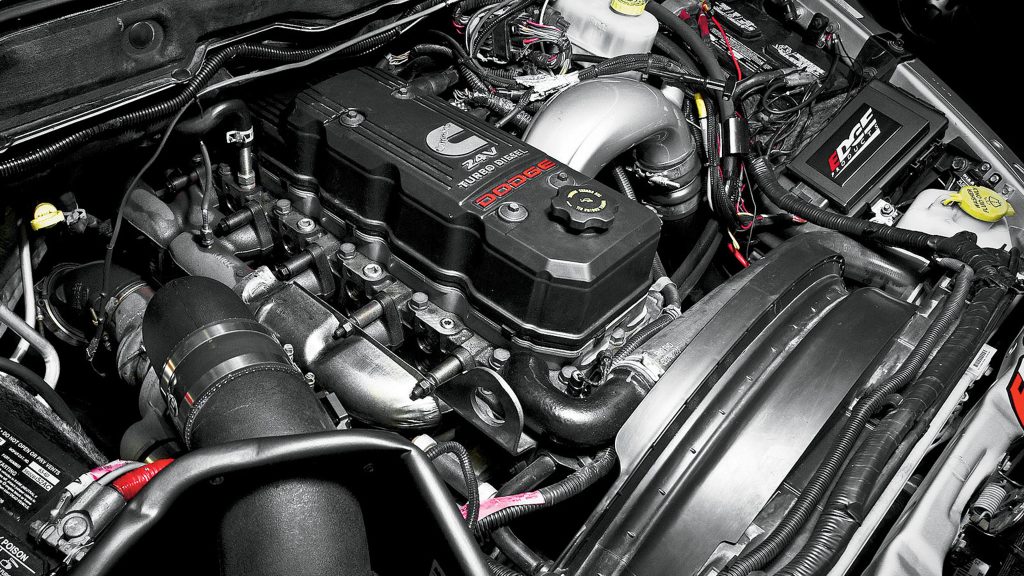
The engine block itself is known for its strength. Thick cast construction allows it to tolerate high compression and heavy workloads. It is not uncommon to see these engines still operating after extremely high mileage when maintained properly.
Another interesting aspect is rebuild potential. Unlike many modern engines that are often replaced instead of rebuilt, the 5.9 Cummins can be overhauled and returned to service multiple times. This makes it especially valuable for long term commercial use.
The 12 valve Cummins became respected not just because it lasts long, but because it was designed with service life as a primary objective. That philosophy continues to make it a benchmark for diesel durability.
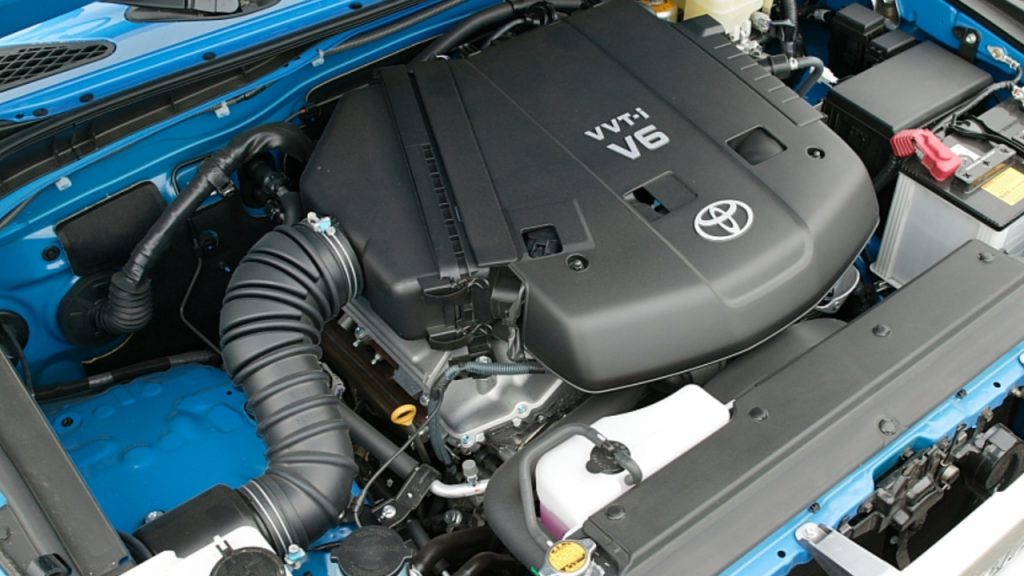
5. Toyota 1GR FE 4.0L V6 (Toyota Tacoma / 4Runner)
Some engines become known for extreme power. Others gain attention for efficiency. The Toyota 1GR FE became respected for something far more important in work environments, its ability to keep operating with minimal drama year after year.
This engine built its identity around reliability through simplicity. Toyota designed it as a naturally aspirated V6 without complicated forced induction systems. That decision reduced internal heat stress and removed additional failure points that often appear in turbocharged designs used in heavy duty applications.
Another important strength is thermal management. The cooling system design allows the engine to maintain stable operating temperatures even when used in slow moving off road or job site conditions. Many engines struggle in these environments due to limited airflow, but the 1GR FE developed a strong reputation for stability.
Instead of focusing on high output numbers, the engine delivers predictable mid range torque. This makes it particularly useful in service trucks and field support vehicles that require steady pulling strength rather than aggressive acceleration.
Durability of internal components also deserves recognition. The timing chain design eliminates the need for periodic timing belt replacements, which reduces maintenance planning for fleet managers. Over time this saves both labor hours and service scheduling complexity.
Another reason this engine appears in many high mileage vehicles is its tolerance for daily start stop use. Utility companies and inspection fleets often operate vehicles in constant short trip cycles, and this engine has shown strong resistance to premature wear under those conditions.
The 1GR FE represents a philosophy where durability comes from avoiding unnecessary complexity. For organizations that want a gasoline engine capable of surviving long service lives with routine care, it remains a dependable and proven option.
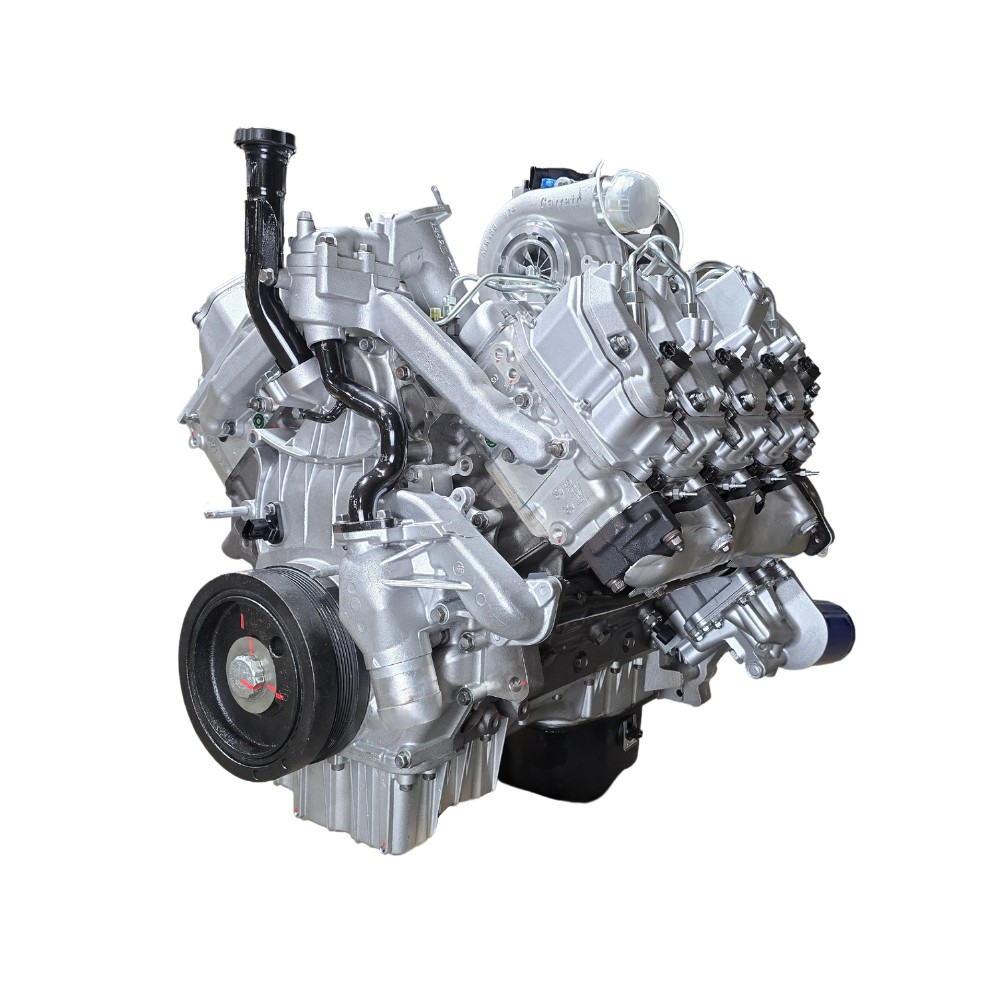
6. Duramax 6.6L LB7 Diesel (Chevrolet Silverado HD / GMC Sierra HD)
The Duramax 6.6 liter LB7 diesel earned its place in reliability discussions because it demonstrated how modern diesel performance could be combined with long service life. When it was introduced, it helped redefine expectations for light duty diesel truck capability.
One of its biggest strengths is torque consistency. This engine produces strong pulling power across a wide operating range, which makes it especially valuable in towing fleets. Whether moving equipment trailers or commercial loads, the engine rarely feels strained when properly maintained.
Fuel efficiency also helped its reputation grow among businesses. Diesel engines already provide efficiency advantages in heavy duty use, and the LB7 proved capable of delivering strong fuel economy for its size. Over hundreds of thousands of miles, this becomes a measurable cost advantage.
Another factor contributing to its durability is bottom end strength. The crankshaft and internal structure were designed to handle high compression forces typical of diesel operation. This structural strength is one of the reasons many examples remain operational at very high mileage levels.
Service culture also played a role in this engine’s success. Because of its popularity, a large knowledge base developed among diesel technicians. This makes troubleshooting easier compared to rare or short production engines.
Owners also frequently mention how well the engine responds to preventative maintenance. Regular fuel filter changes and proper lubrication often allow these engines to deliver extremely long service lives.
Rather than being known only for strength, the LB7 became known for balancing performance, efficiency, and longevity. This combination helped it become one of the most respected diesel engines used in heavy duty work trucks.
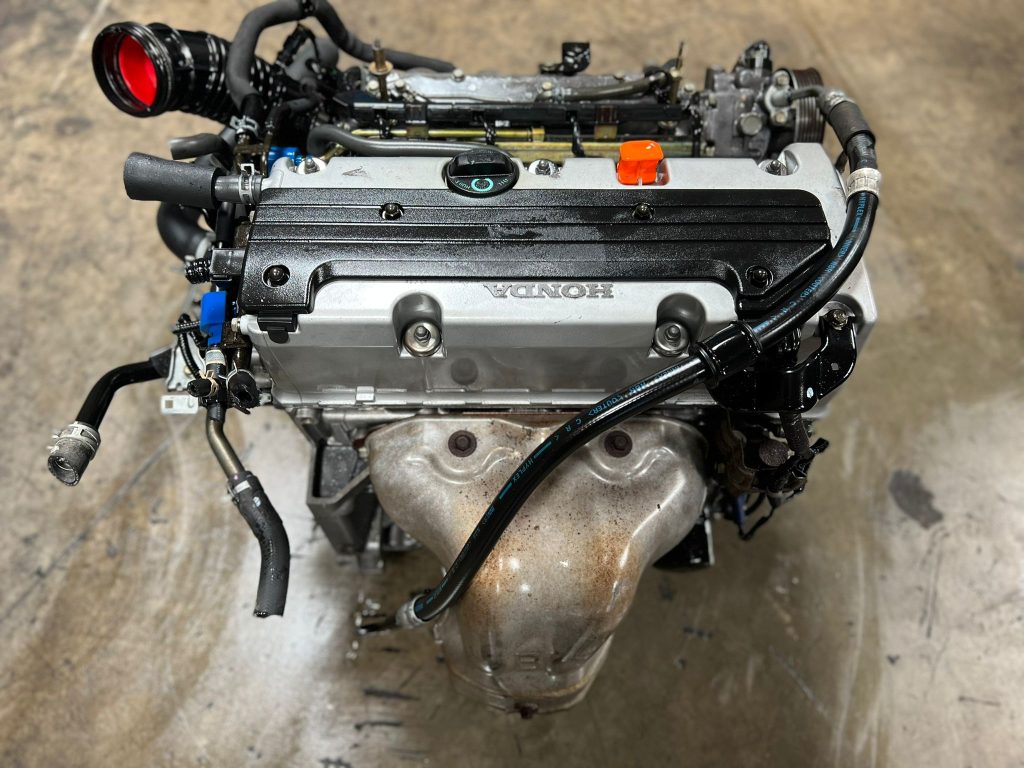
7. Honda K24 2.4L Inline 4 (Honda Accord / CR V Fleet Use)
At first glance, the Honda K24 may seem out of place on a list dominated by truck and diesel engines. However, reliability in fleet environments is not limited to heavy duty hauling. Many business fleets depend on smaller vehicles for inspection work, sales travel, medical transport, and service visits. This is where the K24 engine earned its reputation.
Instead of brute strength, this engine built its legacy on mechanical efficiency and longevity through precision engineering. Honda designed the K series with strong internal balancing and efficient oil flow, allowing the engine to maintain stability during continuous daily operation.
Another reason this engine became popular in high mileage commercial sedans is its resistance to internal wear when basic maintenance is followed. Many examples have demonstrated the ability to cross very high mileage figures without requiring internal rebuilds, which is exactly what fleet managers want from gasoline four cylinder engines.
Fuel efficiency is another important advantage. For fleets that travel thousands of miles monthly, lower fuel consumption directly reduces operating expenses. The K24 manages to balance economy with enough power to carry passengers and equipment without feeling underpowered.
The engine also became known for smooth operation even after years of use. Excessive vibration can accelerate wear on mounts and accessories, but this engine generally maintains refinement well into its lifespan.
Another factor often mentioned is the engine’s tolerance for continuous daily usage. Vehicles equipped with this engine often operate in multiple shift cycles such as delivery services or transport companies. Its consistent reliability under these conditions helped build trust.
The K24 proves that reliability is not only about size or power. It shows how thoughtful engineering and balance can produce an engine capable of delivering dependable service across extremely high mileage.
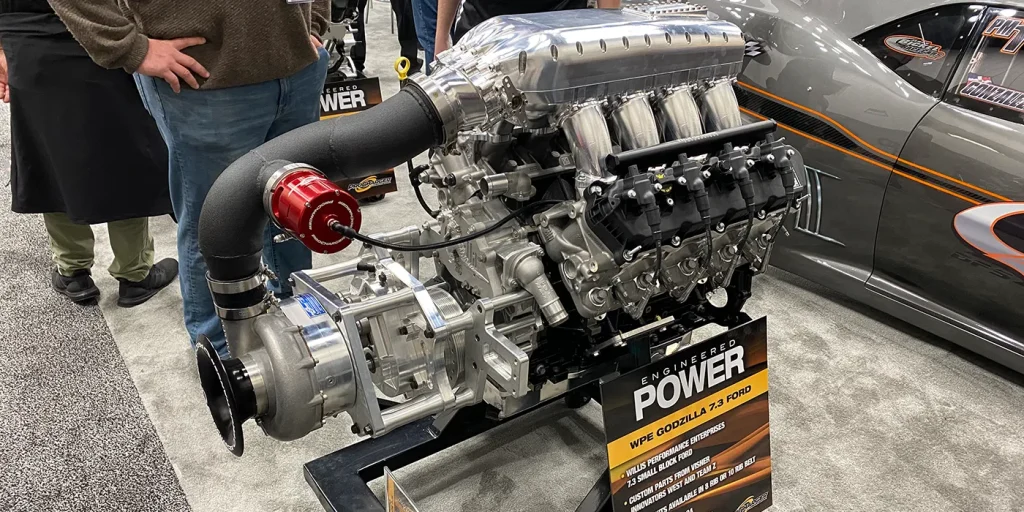
8. Ford 7.3L Power Stroke Diesel (Ford Super Duty)
The Ford 7.3 Power Stroke diesel achieved something very few engines accomplish. It became respected not just among fleet operators but also among independent mechanics, farmers, and contractors who rely on their trucks as essential tools.
One of the reasons behind this reputation is its conservative design philosophy. Built during a time when durability was prioritized over emissions complexity, this engine avoided many of the fragile components seen in later diesel generations. That simplicity contributed greatly to its long service life.
Its large displacement also plays a role in durability. Because the engine does not need to operate at high stress levels to produce necessary torque, internal components often experience less fatigue over time. This contributes to the extremely high mileage examples still found in operation.
Another reason this engine remains respected is its ability to tolerate heavy towing for extended periods. Many engines can tow occasionally, but the 7.3 built its reputation by doing it daily in commercial environments such as equipment transport and agricultural hauling.
Technicians also appreciate the engine’s serviceability. The design allows access to many critical components without excessive disassembly. This helps reduce repair time, which is crucial when work vehicles must return to service quickly.
Another factor is owner loyalty. Many operators who have owned vehicles with this engine actively search for another when expanding their fleets. That kind of long term trust usually comes only from consistent performance over decades.
The 7.3 Power Stroke became more than just an engine. It became a benchmark example of how durability, simplicity, and practical engineering can create lasting respect in the work vehicles world.
9. General Motors 6.0L Vortec V8 (Chevrolet Express / Silverado 2500)
Not every reliable engine becomes famous among enthusiasts. Some quietly build their reputation in commercial vans, utility trucks, and service vehicles where dependability matters more than recognition. The General Motors 6.0 liter Vortec V8 is one of those engines.
This engine became especially respected in commercial van fleets such as the Chevrolet Express because of its predictable operating behavior. Businesses often prioritize engines that behave consistently across hundreds of vehicles, and this engine demonstrated that kind of repeatable reliability.
Another reason it stands out is durability under constant load conditions. Service vans often carry heavy tool inventories every day rather than occasional cargo. This engine proved capable of handling continuous weight without excessive internal stress, which helped it earn long term trust.
Instead of focusing on advanced technology, the 6.0 Vortec relied on a proven overhead valve design. This simpler architecture reduced the number of moving parts compared to some overhead cam designs. Fewer components often translates into fewer mechanical complications over time.
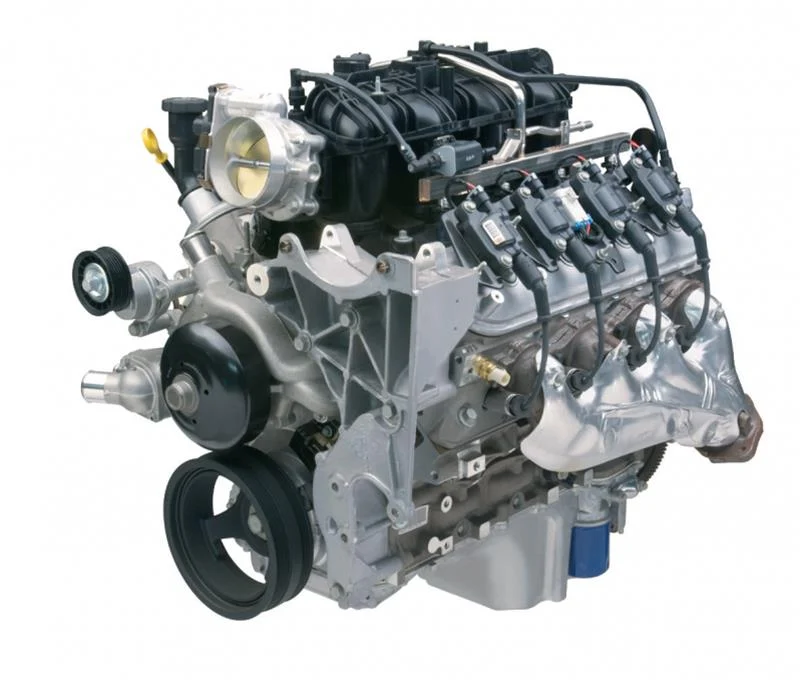
The engine also gained respect for its tolerance of extended idle time. Many commercial vehicles operate equipment while parked, such as electrical service trucks and mobile workshops. This engine demonstrated the ability to handle these long idle periods without accelerated wear.
Parts logistics also favor this engine. Because it was installed across multiple vehicle types, supply chains for components remain strong. Fleet operators often consider this just as valuable as durability itself.
The 6.0 Vortec became known as an engine that rarely attracts attention but consistently completes its job. For fleet managers seeking long service life with minimal operational surprises, that reliability profile is exactly what matters.
10. Mercedes Benz OM642 3.0L V6 Diesel (Sprinter Vans)
Reliability sometimes comes from strength, and sometimes from engineering precision. The Mercedes Benz OM642 diesel gained its place through refined design aimed at long distance commercial transportation rather than heavy towing.
This engine became widely recognized through its use in Sprinter delivery vans, which often accumulate extremely high mileage through logistics operations. Many courier companies depend on these vehicles for regional transport routes, giving the engine a strong real world testing environment.
One of its main advantages is efficiency under sustained highway operation. Long distance delivery fleets value engines that maintain fuel economy during continuous travel. The OM642 developed a strong reputation for balancing fuel consumption with dependable power output.
Another factor behind its durability is its advanced fuel injection management. Precise fuel metering helps reduce internal deposits and supports cleaner combustion. Over time this contributes to more stable internal conditions and longer service intervals.
The engine also became respected for maintaining smooth performance even under heavy scheduling demands. Delivery vehicles often operate daily with little downtime. The ability to handle this pace is essential for logistics businesses.
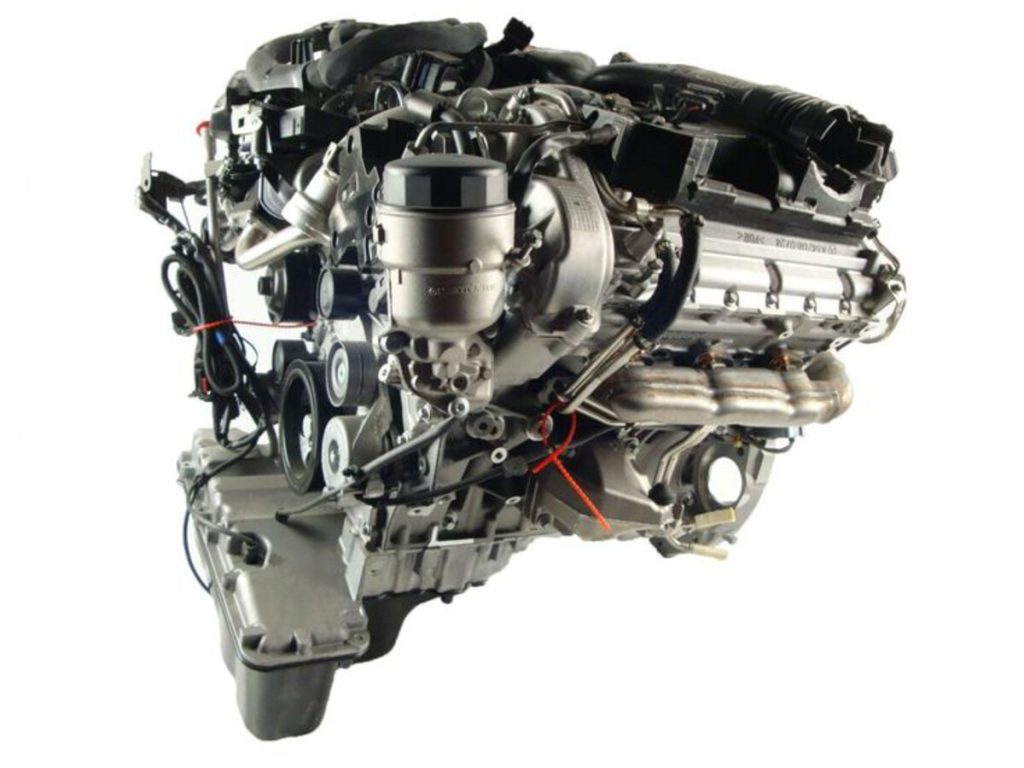
Service planning also benefits from the engine’s design. When maintained according to recommended intervals, it tends to deliver consistent performance without frequent unscheduled repairs. For businesses operating on tight delivery schedules, this reliability becomes a major advantage.
The OM642 demonstrates how durability can also come from engineering efficiency. It shows that an engine designed for continuous commercial movement can achieve long service life through careful design rather than just heavy construction.
11. Navistar DT466 Diesel (International Medium Duty Trucks)
The Navistar DT466 stands in a completely different category from most pickup truck engines because it was designed specifically for medium duty commercial trucks. This engine did not become respected through marketing exposure. It earned its reputation through decades of daily use in delivery fleets, school buses, and vocational trucks.
One of the most important reasons for its longevity is its wet sleeve cylinder design. Unlike many engines that require complete disassembly for major internal repairs, this design allows cylinder liners to be replaced individually. This makes engine rebuilding more practical and extends total service life significantly.
Another defining feature is its low speed operating nature. The DT466 was designed to produce torque without needing high RPM operation. Engines that operate at lower speeds generally experience less friction and internal stress, which contributes to longer operational lifespan.
Instead of focusing on compact packaging, engineers prioritized accessibility. Many components are positioned for easier servicing, which reduces labor hours during repairs. In commercial environments where time equals money, this design philosophy becomes extremely valuable.
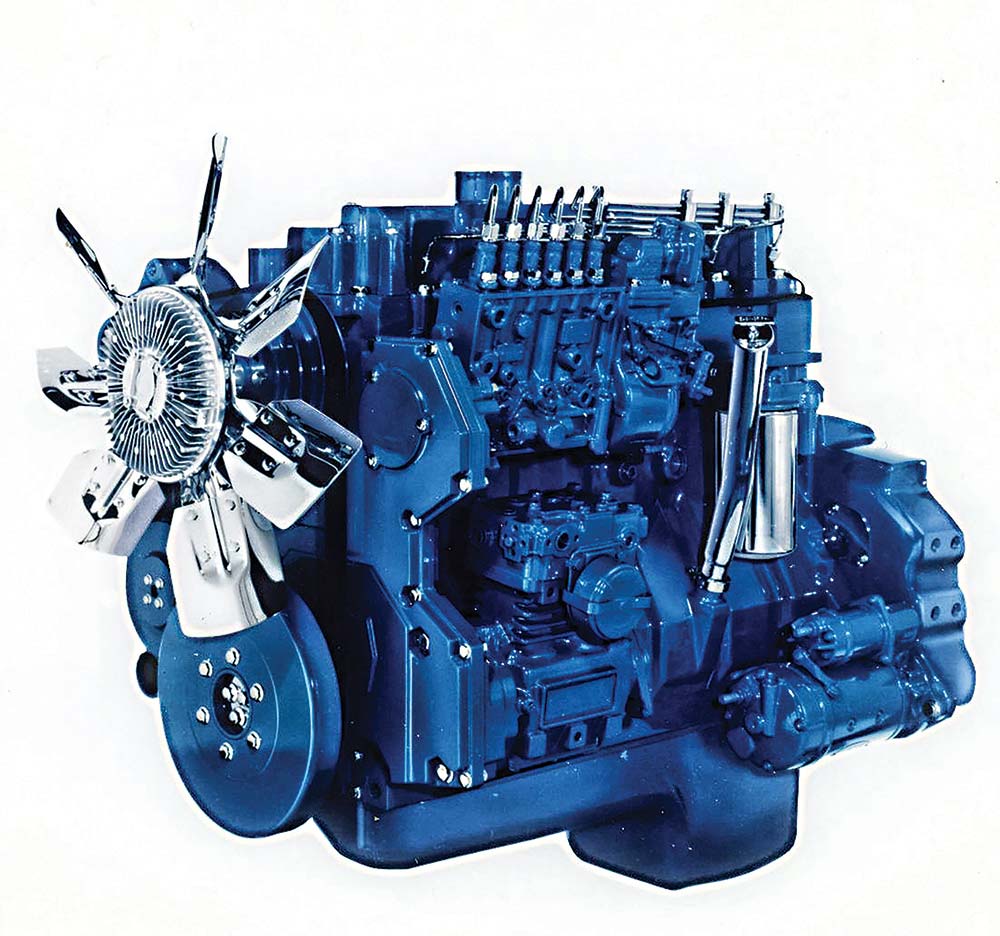
Another factor behind its strong reputation is rebuild culture. Many fleet operators choose to overhaul these engines instead of replacing them because the base structure remains strong even after heavy use. Some units have reportedly gone through multiple rebuild cycles while remaining in service.
The engine also gained respect because of its use in essential transportation such as school districts. Reliability expectations in those environments are extremely high, which further strengthened its credibility.
The DT466 represents an example of how designing an engine for serviceability and longevity can result in decades of dependable operation in demanding commercial roles.
12. Toyota 5VZ FE 3.4L V6 (Toyota Tacoma / T100 Work Trucks)
The Toyota 5VZ FE closes this list by demonstrating how a smaller displacement engine can still earn a reputation for extreme durability when engineered correctly. While not as large as many engines listed here, it proved that careful design can overcome size limitations.
This engine became widely respected among small contractor fleets and utility services that required dependable midsize trucks. Many of these vehicles accumulated high mileage through daily service calls, often operating in demanding stop and go environments.
One of the reasons behind its reliability is its conservative power tuning. Toyota chose to prioritize durability margins instead of extracting maximum performance. This approach reduces internal stress and allows the engine to operate comfortably within its design limits.
Another strength is gasket and sealing durability. Oil leaks often shorten engine life when ignored, but this engine developed a reputation for maintaining good sealing integrity when basic maintenance schedules were followed. This contributes to long term mechanical health.
The engine also became known for stable operation across temperature extremes. Whether operating in hot climates or cold morning starts, it generally maintains consistent behavior. That reliability in varying conditions helped it gain trust among service vehicle operators.
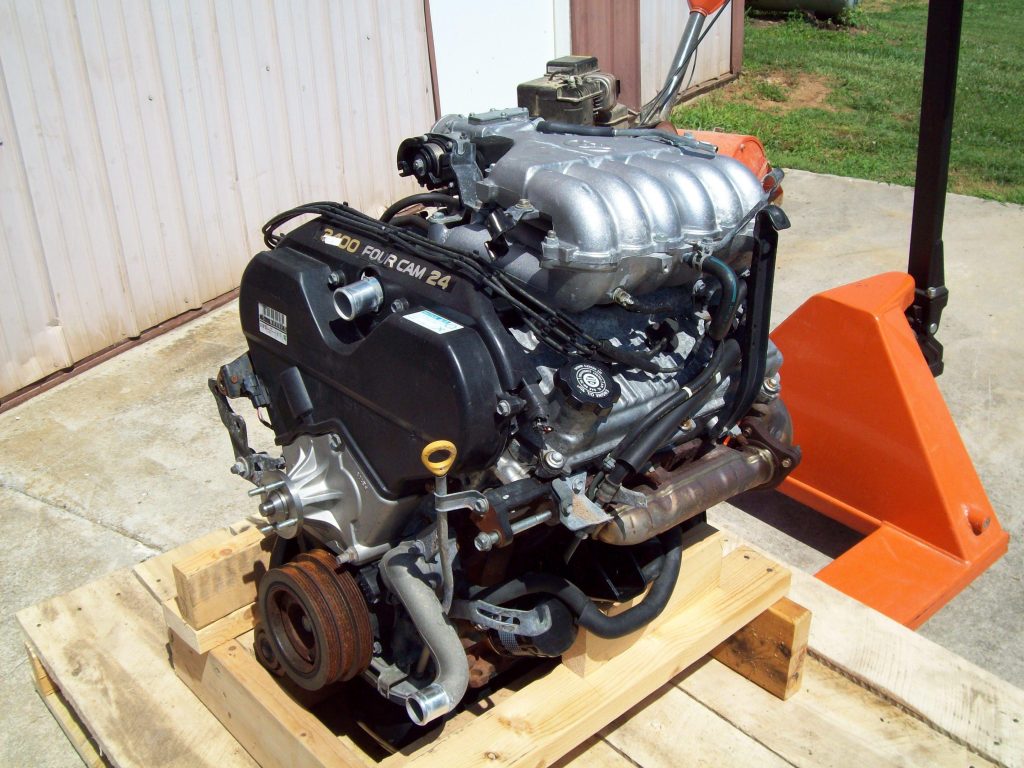
Maintenance requirements also remain straightforward. Timing belt service is predictable, and general upkeep does not require specialized procedures. This makes it easier for smaller businesses without large maintenance departments to manage ownership.
The 5VZ FE shows that reliability is not only defined by size or output. It highlights how thoughtful engineering and durability focused design can create an engine capable of delivering many years of dependable fleet service.
Also Read: 12 Best Vehicles for Digital Nomads With Massive Built In Inverters