
When trucks are pushed to their limits through towing, hauling, or commercial duty, one of the most critical yet often overlooked components is the rear differential.
While engines and transmissions usually receive most of the attention, the rear differential is the component that actually transfers power to the wheels under heavy load. If this part is not built for durability, even the strongest engine cannot compensate for weakness at the axle.
A durable rear differential must withstand constant torque stress, heat buildup, and heavy weight transfer.
Trucks that regularly carry construction materials, tow equipment trailers, or haul large payloads depend on strong ring gears, reinforced housings, and high quality bearings. Without these engineering strengths, wear can occur quickly and lead to expensive failures.
Another important factor is cooling. Heavy loads generate friction inside the differential, which increases temperatures.
Trucks designed for demanding work often include larger differential housings, better fluid capacity, and stronger seals to ensure proper lubrication even during prolonged stress.
Gear ratios also influence durability. Properly matched gearing reduces strain by allowing the truck to move heavy loads without forcing the drivetrain to struggle.
Trucks designed with work in mind usually include axle ratios optimized for torque multiplication rather than just highway efficiency.
Locking differentials also contribute to strength. Many work focused trucks include mechanical or electronic locking systems that distribute power evenly when traction becomes uneven.
These systems not only improve off road capability but also reduce internal stress by preventing uneven load distribution.
Long term reliability history is another strong indicator of rear differential durability. Some trucks have earned reputations in industries such as farming, construction, and towing because their axles consistently survive high stress use over many years. These real world results often matter more than technical specifications.
In this list, we will examine ten trucks known for having particularly durable rear differentials capable of handling heavy loads.
Each truck earns its place for a different reason, whether it is axle design, proven reliability, engineering strength, or work focused drivetrain construction. These trucks demonstrate how strong differential design plays a major role in true truck durability.
Also Read: 10 Ordinary Looking Sedans That Can Outrun Most Modern Sports Cars
1. Ford Super Duty F250
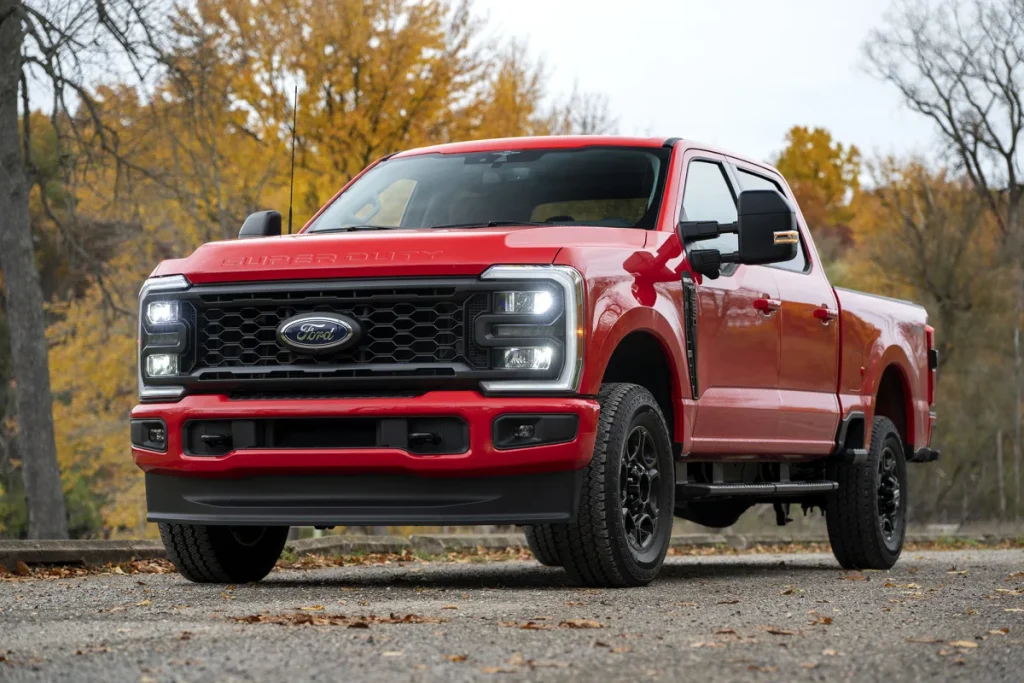
When conversations turn toward heavy load durability, the Ford Super Duty F250 is often mentioned because of its reputation for overbuilt drivetrain components.
This truck was designed with commercial workloads in mind, and that philosophy extends directly to the strength of its rear differential assembly.
Ford equipped many F250 models with large ring gear differentials designed to tolerate continuous torque loads.
The size of these internal components matters because larger gears distribute stress more effectively, reducing localized wear when the truck is used for towing or hauling on a regular basis.
Another important factor is the axle housing construction. The F250 uses a thick, reinforced axle casing intended to resist flex under heavy payload conditions. Reduced flex helps maintain proper gear alignment, which is essential for long term differential survival.
Fleet usage history also supports the durability claims. Many utility companies and contractors rely on these trucks for daily transport of heavy materials. The fact that these vehicles are trusted in demanding work environments says a great deal about their drivetrain resilience.
Cooling capacity is another strength worth highlighting. Heavy hauling creates internal heat, and the F250 differential is designed to maintain lubrication even during prolonged stress. Proper fluid circulation plays a major role in preventing premature gear wear.
Another aspect often overlooked is how electronic locking differential options improve durability indirectly. By ensuring both wheels receive balanced torque when needed, the system prevents one side from absorbing excessive strain. Balanced load distribution contributes to longer component life.
The truck also benefits from strong aftermarket support. Owners who push their trucks even further often upgrade differential covers or fluids, and the platform responds well to such improvements. This flexibility adds another layer of long term durability potential.
The Ford Super Duty F250 earns its place because it treats the rear differential as a core strength rather than an afterthought. For buyers who regularly deal with heavy trailers or jobsite payloads, this truck offers a level of drivetrain confidence that few lighter trucks can match.
2. Chevrolet Silverado 2500HD
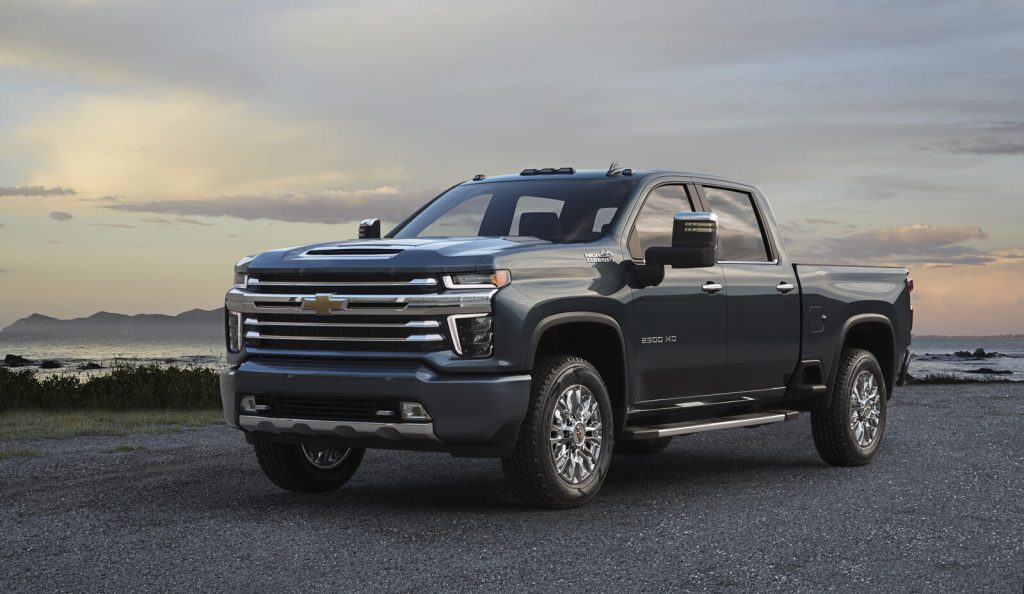
Durability sometimes comes from refinement rather than just size, and the Chevrolet Silverado 2500HD demonstrates how careful engineering can produce a rear differential capable of surviving years of demanding use. This truck has developed a reputation among heavy duty users for consistent drivetrain performance under pressure.
A major reason behind this reputation is the American Axle Manufacturing rear differential used in many Silverado HD models. These components are specifically engineered for high torque environments and are widely respected for their ability to tolerate repeated heavy load cycles.
Material strength plays a big role here. The gears inside these differentials are manufactured with heat treated steel designed to resist deformation. This becomes especially important when the truck is used for frequent towing where torque spikes occur during acceleration.
Another area where this truck performs well is lubrication management. The differential is designed to maintain proper fluid distribution even when the truck is operating on inclines or carrying uneven loads. This helps ensure that critical gear surfaces remain protected.
The Silverado 2500HD also benefits from axle ratios specifically chosen for work duty. These ratios allow the truck to move heavy loads without forcing the differential to absorb unnecessary strain. Good gearing reduces stress before it even begins.
Owners who use these trucks in agriculture often report strong long term reliability from the rear axle assemblies. Farm usage tends to reveal weaknesses quickly, yet these trucks often continue working for years without differential failures when maintained properly.
The available automatic locking differential also contributes to durability. By ensuring equal power distribution during traction loss, internal stress is reduced. This feature helps protect internal components during difficult conditions.
Another strength is service accessibility. The design allows relatively straightforward fluid maintenance, encouraging proper upkeep. Trucks that are easier to maintain often last longer simply because owners are more likely to service them correctly.
The Chevrolet Silverado 2500HD deserves recognition because it combines proven mechanical components with practical engineering. For drivers who depend on a truck that can repeatedly carry heavy loads without differential concerns, it remains a very dependable choice.
3. Ram 2500 Heavy Duty
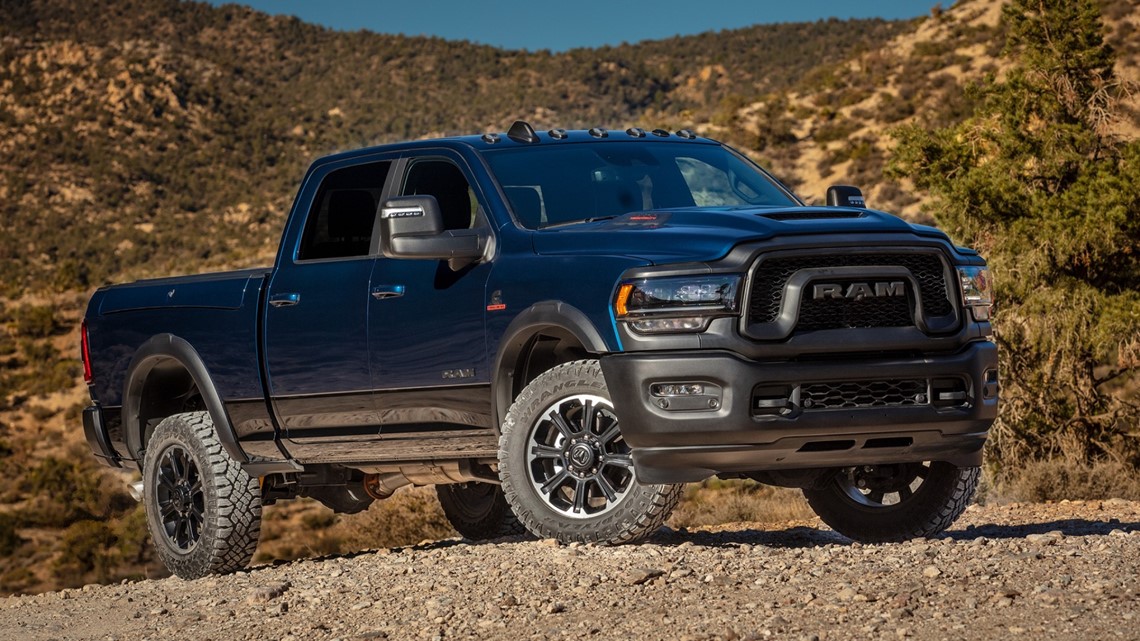
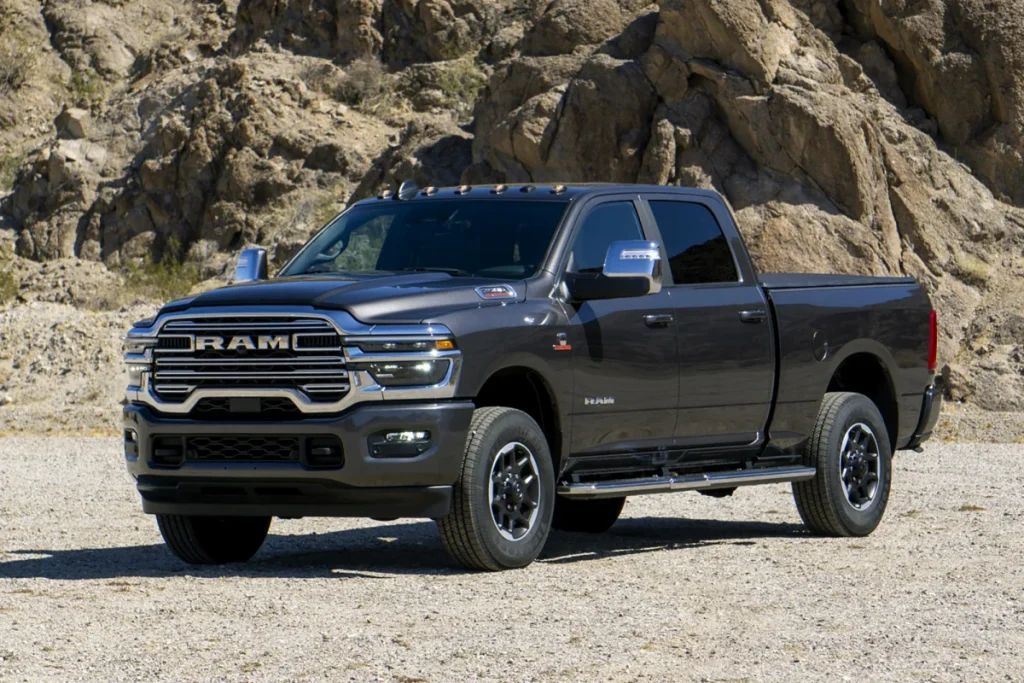
Strength in a work truck often comes from how well its components tolerate repeated punishment rather than how they perform under ideal conditions. The Ram 2500 Heavy Duty has built a strong following among owners who regularly move heavy loads, and much of that trust comes from the durability of its rear axle design.
This truck typically uses heavy duty rear differentials designed to manage high torque outputs from large gasoline and diesel engines. These differentials are engineered to deal with constant stress rather than occasional strain, which is exactly what heavy load users require.
One of the standout characteristics is the thickness of the axle shafts. Stronger axle shafts help transfer torque without twisting under pressure. This is particularly important when trucks are used for towing large trailers or carrying dense cargo such as building materials.
The Ram also benefits from a rear suspension setup designed to support weight without overloading the differential housing. Proper suspension support ensures that weight is distributed across the chassis instead of concentrating stress in one area of the drivetrain.
Another factor contributing to durability is the use of limited slip differential options. These systems reduce sudden torque spikes by distributing power more evenly. This not only improves traction but also protects internal gear surfaces from uneven stress patterns.
Many Ram 2500 trucks are used in hot climates and demanding environments, which makes heat resistance a critical quality. The differential design includes sufficient fluid capacity to maintain lubrication during extended heavy operation.
The truck also earns respect from towing communities because of how well its rear axle tolerates long distance hauling. Owners often report stable performance even after years of pulling equipment trailers or recreational vehicles.
Service strength is another advantage. The Ram platform allows straightforward differential maintenance, which encourages regular fluid changes. Preventive maintenance is one of the biggest contributors to differential lifespan.
The Ram 2500 Heavy Duty deserves recognition because its rear differential is built as a true work component rather than a light duty adaptation. For buyers who expect their truck to perform under constant load pressure, it represents a very dependable mechanical foundation.
4. GMC Sierra 2500HD
The GMC Sierra 2500HD approaches heavy load durability with a combination of engineering strength and long term reliability focus. While it shares much of its mechanical foundation with the Silverado HD, GMC has positioned this truck as a premium work tool without compromising the strength of its drivetrain components.
Rear differential strength begins with the use of high capacity axle assemblies capable of managing large torque outputs. These assemblies are built to support both commercial hauling and recreational towing without experiencing early fatigue.
Another key advantage is gear tooth engineering. The gears inside the Sierra HD differential are shaped to maximize surface contact. This design spreads force more evenly and reduces the chances of stress concentration that could lead to premature wear.
Structural rigidity also plays a role. The rear axle housing is designed to maintain alignment even when the truck is fully loaded. Maintaining proper gear alignment helps prevent uneven wear patterns that can shorten differential life.
The Sierra also includes intelligent traction management systems that help reduce drivetrain shock. Sudden traction changes can send sharp torque spikes through the axle. Electronic systems help smooth these transitions, indirectly protecting the differential.
Another factor worth noting is corrosion protection. Trucks used in harsh environments often face moisture and debris exposure. Protective coatings on drivetrain components help maintain long term durability even when conditions are less than ideal.
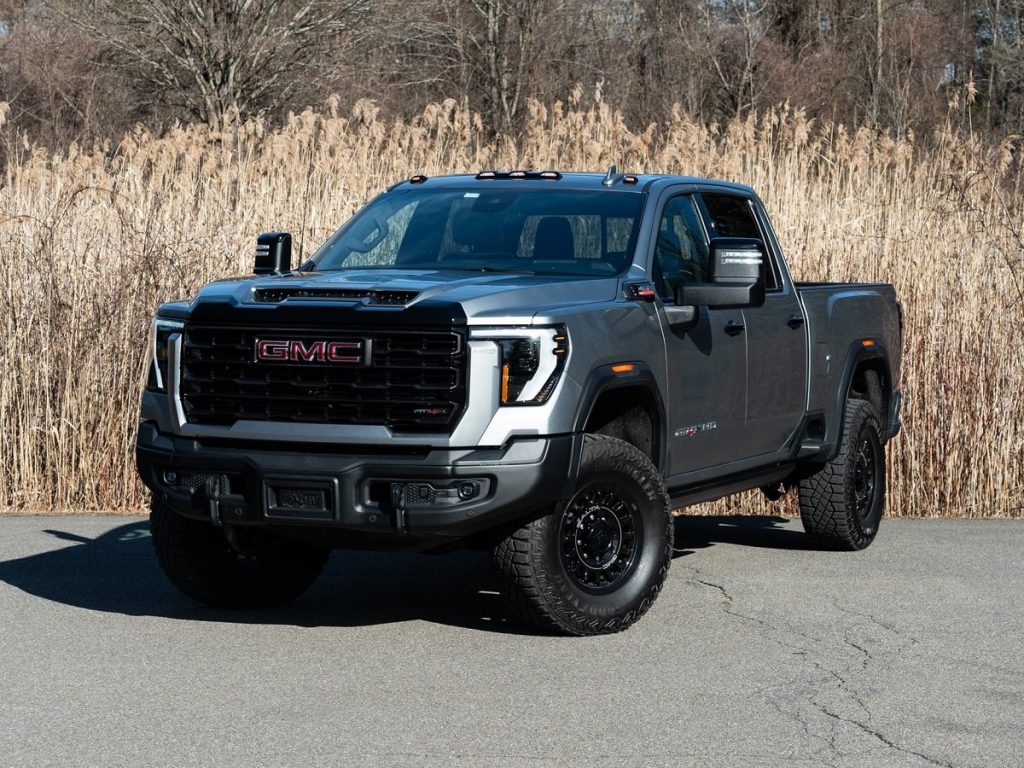
User reports from towing operators frequently mention how well these trucks maintain quiet differential operation over time. Excessive noise can indicate wear, and the Sierra HD often maintains smooth operation with proper care.
The available locking differential option adds another layer of reliability. By keeping both rear wheels rotating together when needed, the system reduces individual component strain. Balanced power delivery always contributes to longer mechanical life.
The GMC Sierra 2500HD earns its place through consistent real world performance. For buyers seeking a truck whose rear differential is capable of handling serious work without constant concern, it stands as a strong and confidence inspiring choice.
5. Toyota Land Cruiser 79 Series Pickup
Durability can sometimes be measured by where a truck is trusted to operate. The Toyota Land Cruiser 79 Series pickup is widely used in mining, agriculture, and remote transport operations where mechanical failure is simply not acceptable. Much of this reputation comes from the extraordinary strength of its rear differential and axle assembly.
Unlike many lifestyle focused trucks, the Land Cruiser 79 was designed primarily as a work machine. Its rear differential is engineered to tolerate extreme torque loads and continuous heavy payload use without requiring complex electronic assistance. This mechanical simplicity often translates into exceptional long term reliability.
The rear axle itself is known for its full floating design in many configurations. This type of construction separates load bearing duties from torque transfer duties, which reduces stress on individual components. This approach is commonly used in serious commercial trucks rather than light duty pickups.
Another reason this truck stands out is the quality of the steel used in its drivetrain components. Toyota designed these parts to handle rough terrain, heavy cargo, and difficult environments where maintenance may not always be frequent. That margin of strength helps the differential survive abuse that would damage lighter designs.
Locking differential availability also strengthens its reputation. A manually selectable rear locker allows equal power distribution to both wheels, which prevents one side from overworking when traction becomes uneven. Balanced torque is always beneficial for component longevity.
This truck is also known for surviving extreme climates ranging from desert heat to coastal humidity. The differential sealing system is designed to prevent contamination from dust or water, which helps preserve lubrication quality over time.
Another strength is its reputation among humanitarian organizations and field engineers who depend on reliable transportation. Vehicles used in these sectors must perform under constant load stress, and the Land Cruiser platform continues to prove its durability.

The Toyota Land Cruiser 79 Series pickup earns its place because it represents old school mechanical strength. For buyers who want a truck whose rear differential is designed for survival rather than convenience, few vehicles have a stronger global reputation.
6. Nissan Patrol Pickup
The Nissan Patrol Pickup is another example of a truck whose durability story is written through real world endurance rather than marketing claims. Known for its use in infrastructure projects and remote transportation, this truck has proven its ability to handle heavy loads through a robust rear differential design.
A major strength lies in the heavy duty rear axle construction. Nissan engineered the Patrol Pickup to withstand repeated heavy cargo use without suffering from common axle fatigue problems. This strength makes it attractive to operators who prioritize longevity over modern luxury features.
The differential gears are designed with large contact surfaces to distribute torque forces more effectively. This helps prevent stress fractures that can occur when smaller gears are subjected to repeated heavy loads.
Another advantage is how the suspension and differential work together. The rear leaf spring system supports heavy payloads while minimizing excessive flex at the differential mounting points. Proper structural support helps preserve gear alignment.
Heat resistance also contributes to its durability. The differential housing is designed with enough fluid capacity to maintain lubrication during extended heavy operation. Maintaining oil quality is essential when trucks operate for long periods under stress.
The Patrol Pickup also benefits from a simple and serviceable design philosophy. In regions where complex diagnostic equipment may not be available, the ability to maintain mechanical components easily becomes a significant advantage.
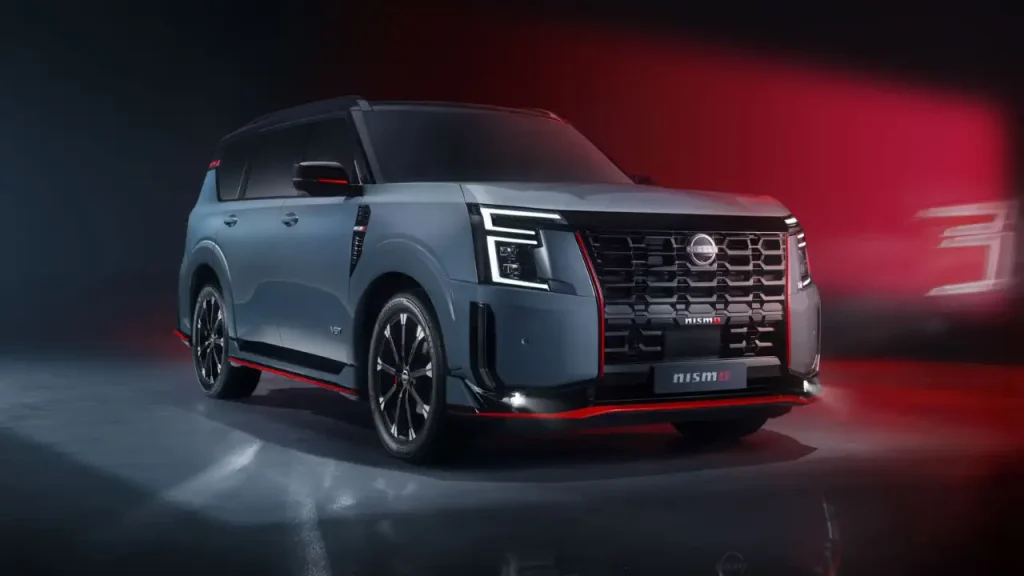
Traction performance also adds indirect durability benefits. Optional limited slip differentials help distribute torque evenly, which prevents shock loads from damaging individual drivetrain components.
Another point worth mentioning is long term owner feedback. Many operators report that with routine fluid changes and inspections, the rear differential can last for many years even in demanding roles. This kind of reputation is difficult to achieve without strong engineering fundamentals.
The Nissan Patrol Pickup deserves recognition because it was built with endurance as a priority. For drivers and businesses needing a truck capable of carrying heavy loads without differential concerns, it remains a proven and dependable choice.
7. Ford Ranger Heavy Duty Global Version
Durability does not always require a full size platform. Some midsize trucks prove their strength through careful engineering rather than sheer size.
The global heavy duty versions of the Ford Ranger demonstrate this idea by offering rear differential designs capable of handling serious workloads despite the truck’s more manageable dimensions.
This version of the Ranger was developed for markets where trucks are expected to perform both commercial and personal duties. Because of this expectation, Ford reinforced key drivetrain components, including the rear differential, to tolerate constant payload stress rather than occasional use.
One of the most important strengths is the use of a strengthened rear axle with high load rated bearings. Bearings are often overlooked when discussing durability, yet they play a crucial role in how well a differential survives heavy usage. Strong bearings reduce internal friction and improve long term reliability.
Another notable advantage comes from the differential gear hardening process. Heat treated gears improve resistance to pitting and wear, especially when the truck is used for towing equipment or carrying dense cargo such as tools or supplies.
The Ranger also benefits from well matched axle ratios designed to reduce drivetrain strain. Proper gearing allows the engine to move heavy loads without forcing the differential to absorb unnecessary shock loads during acceleration.
Cooling efficiency also contributes to durability. The differential housing is designed to maintain stable fluid temperatures even when the truck is used for long workdays. Stable lubrication conditions are critical for preserving internal gear surfaces.
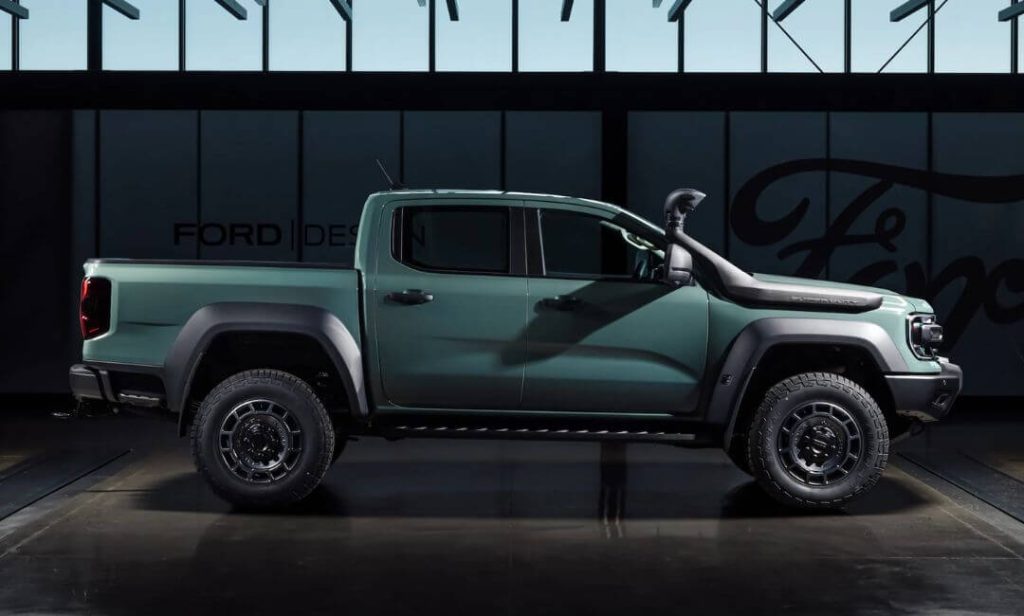
The truck also includes an available electronic locking rear differential. This system allows drivers to maintain traction when needed while also helping balance torque loads across both rear wheels. Balanced torque always reduces long term stress.
Another advantage is the truck’s growing reputation in fleet usage. Businesses often select the Ranger because it offers a balance between operating cost and mechanical durability. Fleet vehicles quickly reveal weaknesses, yet this platform continues to show dependable rear axle performance.
The Ford Ranger Heavy Duty Global Version earns its position because it shows that durability is not limited to the largest trucks. For buyers needing a capable work truck with a strong rear differential in a more compact package, it represents a smart and practical solution.
8. Isuzu D Max
Some trucks become respected because they consistently perform difficult jobs without drawing attention to themselves. The Isuzu D Max is one of those vehicles. It may not always appear in mainstream discussions, but among commercial operators it has developed a strong reputation for rear axle and differential durability.
One of the reasons behind this reputation is Isuzu’s long history in commercial vehicle manufacturing. The company applies lessons from its larger work trucks into smaller pickup platforms, especially in drivetrain design. This experience shows in the strength of the D Max rear differential.
The axle housing is built with durability as a priority rather than weight savings. A stronger housing helps maintain gear alignment when the truck is loaded close to its maximum capacity. Proper alignment prevents uneven wear and contributes to longer service life.
Another strength is the truck’s torque focused diesel engine pairing. Engines that produce steady torque instead of sudden spikes place less shock stress on differential components. This type of predictable load helps mechanical parts last longer.
Maintenance accessibility is another practical advantage. The D Max is designed to allow relatively easy servicing of differential fluids. Trucks that are easy to maintain often remain in better mechanical condition simply because routine service is less complicated.
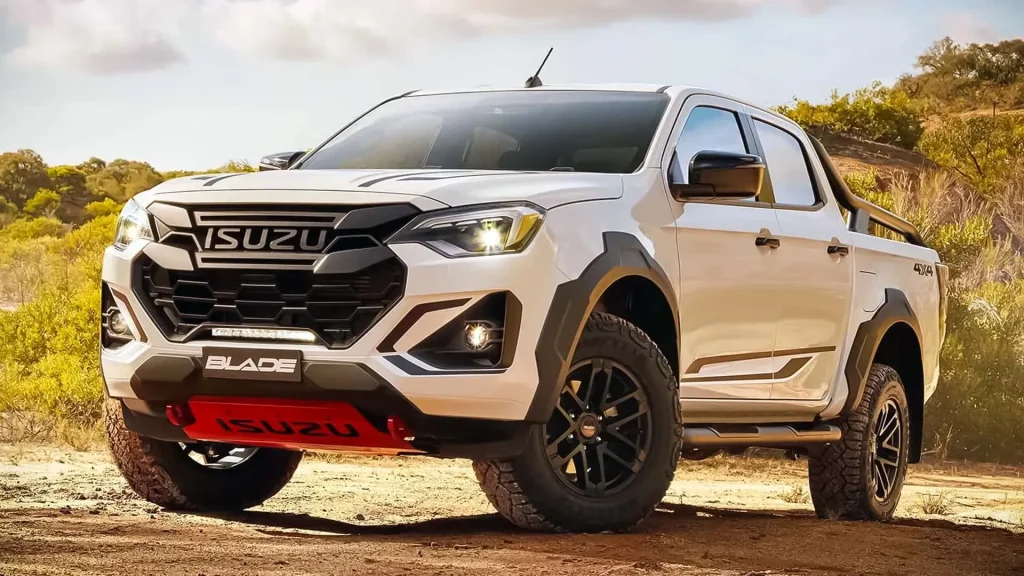
The truck also includes traction support systems that help prevent wheel spin under load. Excessive wheel spin followed by sudden traction can damage differentials, so systems that manage power delivery help extend component life.
Long term usage reports from construction and delivery sectors often highlight how well these trucks tolerate heavy usage cycles. Vehicles used in such industries must prove themselves through constant workload, not occasional use.
Another factor that contributes to its durability story is global usage in developing regions. Trucks that operate in challenging road conditions tend to expose mechanical weaknesses quickly, yet the D Max continues to maintain a reputation for resilience.
The Isuzu D Max earns recognition because it delivers dependable mechanical strength without unnecessary complexity. For buyers who value proven work durability in a pickup known for strong rear differential design, it stands as a highly respected option.
9. Mitsubishi L200 Triton
Strength in a work truck is often proven through consistency rather than headlines, and the Mitsubishi L200 Triton represents this type of quiet durability.
Known in many markets for its reliability under commercial use, this truck has demonstrated that a well engineered rear differential can survive years of heavy hauling without requiring oversized dimensions.
The rear axle assembly of the L200 Triton was designed with load distribution in mind. Instead of focusing purely on maximum capacity numbers, Mitsubishi focused on ensuring that torque forces move smoothly through the drivetrain. This helps reduce stress spikes that often cause early wear in lesser designs.
Another advantage is the truck’s balanced weight distribution. A properly balanced chassis helps ensure the rear differential is not subjected to uneven pressure when carrying cargo. This type of structural harmony can significantly improve long term durability.
The Triton also uses strong differential gears designed for repeated stress cycles. Trucks used in delivery or equipment transport often face constant loading and unloading situations, and the Triton has proven capable of handling this repeated strain without rapid deterioration.
Another factor contributing to its durability is the Super Select four wheel drive system available in many versions. This system allows drivers to choose the most appropriate drivetrain mode for the situation, which helps avoid unnecessary stress on the rear differential during normal driving conditions.

The truck also benefits from a reputation for mechanical simplicity. Straightforward engineering often leads to easier maintenance and fewer unexpected failures. Owners who maintain proper fluid service intervals often report long differential life.
Rear suspension design also plays a role. The leaf spring setup helps distribute cargo weight evenly across the rear axle. Even distribution helps prevent localized stress on gears and bearings.
The Triton is also respected in industries such as forestry and infrastructure maintenance where trucks must operate on mixed terrain. Real world usage in such demanding roles supports its reputation for drivetrain durability.
The Mitsubishi L200 Triton earns its place by proving that thoughtful engineering can deliver durability without excessive size. For owners needing a truck capable of heavy loads with a dependable rear differential, it stands as a practical and proven performer.
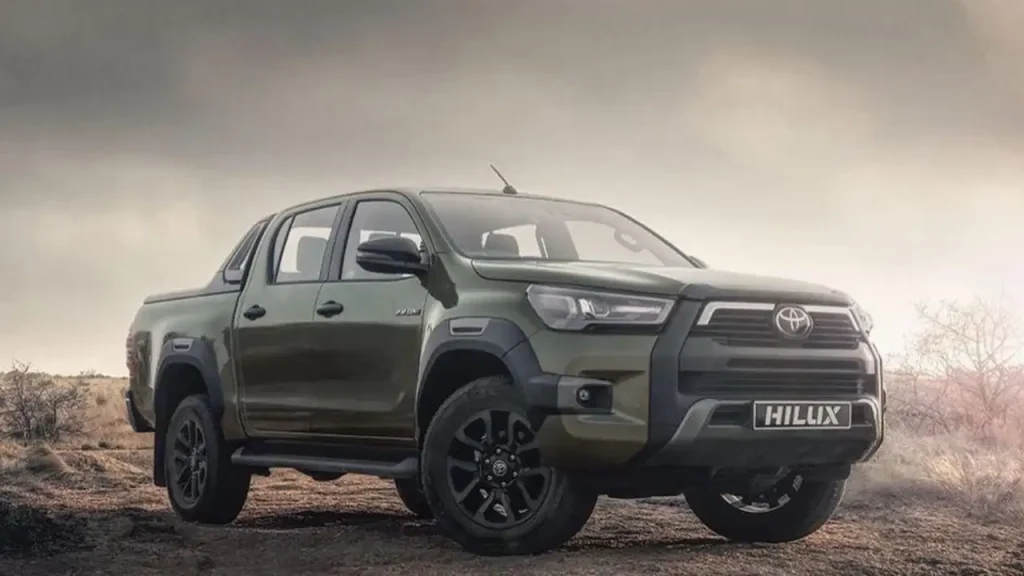
10. Toyota Hilux
Few trucks in the world have built a durability reputation as strong as the Toyota Hilux. This reputation did not come from advertising but from decades of real world use in some of the harshest environments imaginable. A major part of that story comes from the exceptional reliability of its rear differential.
The Hilux differential is engineered with a focus on longevity rather than complexity. Strong gear construction and conservative design margins allow it to tolerate heavy loads without operating close to its limits. This type of engineering approach often results in longer service life.
Another advantage is the truck’s ability to maintain differential reliability even under poor road conditions. From rocky construction paths to overloaded rural transport duties, the Hilux has repeatedly demonstrated its ability to survive where lighter duty pickups struggle.
The axle shafts are also known for their strength. Properly engineered shafts help ensure torque is transferred without excessive twisting forces that could damage internal components. This strength becomes especially important when trucks carry dense cargo.
The Hilux also benefits from strong sealing systems designed to keep contaminants away from differential fluid. Keeping dust and water out is essential for maintaining lubrication quality, especially in harsh environments.
Another important detail is the availability of locking differentials in some models. This feature allows equal power delivery to both rear wheels, reducing uneven load stress. Balanced power distribution contributes directly to mechanical durability.
The truck’s global reputation also adds credibility. Construction crews, emergency services, and remote transport operators have used it. Vehicles trusted in these roles must deliver long term drivetrain reliability.
Owners often describe the Hilux as a truck that continues working even after years of demanding service. Much of this endurance comes from conservative engineering that prioritizes survival over trends.
The Toyota Hilux closes this list because it represents one of the clearest examples of rear differential durability in the truck world. For buyers seeking a vehicle known for handling heavy loads without drivetrain concerns, it remains one of the most trusted names available.
Also Read: 10 Best Compact SUVs for Drivers Who Hate Large Blind Spots
