Preparing an SUV for a summer towing trip involves much more than simply attaching a trailer and starting the journey. Many drivers assume that if their vehicle has a listed tow rating, it is automatically ready for long distance hauling.
In reality, towing places additional stress on cooling systems, suspension components, braking performance, and vehicle stability. Without the right supporting upgrades, even a capable SUV can struggle when faced with high temperatures, long highway climbs, and fully loaded trailers.
Summer travel adds another layer of challenge. Heat affects engine efficiency, tire pressure, transmission temperatures, and brake performance. When towing weight is added to those conditions, small weaknesses in equipment can quickly become serious problems.
That is why experienced towers rarely rely only on factory equipment. They focus on strengthening key areas that directly influence safety and control.
Another important factor is predictability. Good towing upgrades do not just increase capability. They improve driver confidence. When an SUV feels stable during crosswinds, stops smoothly in traffic, and maintains proper temperatures on hills, the entire trip becomes less stressful.
This is especially important for families traveling long distances where fatigue and road conditions can already create enough challenges.
It is also worth understanding that towing upgrades are not only for extreme trailers. Even moderate loads benefit from better braking response, improved visibility, and proper weight distribution. These improvements reduce wear on the vehicle while also protecting passengers and cargo.
This guide focuses on twelve essential towing upgrades that can significantly improve SUV towing performance before a summer trip. Each upgrade addresses a different aspect of towing preparation, from safety equipment to mechanical protection and driver awareness tools.
Proper preparation does not just protect your vehicle. It protects your entire travel experience by reducing risks and improving long distance reliability.
Also Read: 12 Best US Cities to Purchase a Used Car Without Hidden Rust
1. Weight Distribution Hitch System
One of the most important towing upgrades any SUV owner can consider is a weight distribution hitch. While a standard hitch may be enough for very light trailers, heavier loads often cause the rear of the SUV to squat. This changes steering geometry, reduces front tire grip, and can negatively affect braking stability.
A weight distribution system solves this problem by spreading trailer tongue weight more evenly across the vehicle. Instead of allowing all the pressure to sit on the rear suspension, the system uses spring bars to transfer some of that force toward the front axle. This helps the SUV remain level and improves steering control.
Many drivers first notice the benefit not during acceleration but during emergency maneuvers. When weight is properly balanced, the vehicle feels more planted and predictable. Lane changes become smoother and highway stability improves, especially when trucks pass at speed.
Installation also encourages proper towing habits. Setting up a weight distribution hitch requires measuring ride height and adjusting tension correctly. This process helps owners better understand how trailer balance affects handling.
Some advanced versions also include built in sway control features. These designs reduce side to side trailer movement caused by wind or uneven pavement. This added stability can make a dramatic difference on long interstate drives.
For summer travel, this upgrade becomes even more valuable because road trips often involve fully packed trailers. Proper load distribution prevents unnecessary strain on suspension parts and helps maintain tire contact where it matters most.
For many experienced towing enthusiasts, this is considered the first serious upgrade rather than an optional accessory.
2. Trailer Brake Controller
A trailer brake controller is less about convenience and more about safety responsibility. When towing anything beyond very light loads, relying only on the SUV’s brakes increases stopping distance and brake wear. A properly installed brake controller allows the trailer to actively assist in stopping.
This device works by sending proportional braking force to the trailer’s electric brakes when the driver presses the brake pedal. Instead of the trailer pushing forward against the SUV, both units slow down together. This reduces stress on brake pads and improves control during sudden stops.
Modern proportional controllers measure deceleration rather than simply activating brakes at a preset level. This means braking feels natural and smooth instead of jerky. The trailer responds based on how hard the SUV is stopping, which improves confidence in traffic conditions.
Adjustment is another key advantage. Drivers can fine tune braking force depending on trailer weight. A heavily loaded camper may require stronger settings, while a lighter utility trailer may need less aggressive braking. This flexibility helps adapt to different towing situations.
Summer trips often involve long downhill sections in hilly regions. Having trailer brakes properly adjusted can prevent overheating and brake fade. This is especially important when outside temperatures are already high.
Many experienced towers consider this upgrade essential because it directly reduces accident risk. It transforms towing from a situation where the SUV does all the stopping into a coordinated braking system.
3. Transmission Cooler Upgrade
Heat is one of the biggest hidden enemies of any vehicle that tows regularly. While engines often get most of the attention, the transmission frequently carries an equal share of the workload.
Pulling extra weight forces the transmission to shift under load and maintain torque delivery for longer periods. Without proper cooling, temperatures can rise quickly, especially during summer travel.
An auxiliary transmission cooler acts like a safety buffer. It helps reduce fluid temperatures by adding extra cooling capacity beyond the factory system. This becomes particularly valuable during slow traffic, mountain climbs, and long highway stretches where heat buildup happens gradually rather than suddenly.
Some drivers only realize the importance of transmission cooling after experiencing slipping gears or delayed shifts during towing. These symptoms often point to fluid overheating. Adding a dedicated cooler helps maintain fluid viscosity and protects internal clutch packs from premature wear.
Unlike cosmetic upgrades, this modification works quietly in the background. You may not feel it directly while driving, but over thousands of miles it can significantly extend transmission life. That makes it one of the smartest preventative upgrades rather than a reactive repair.
There is also a financial advantage. Transmission repairs can be extremely expensive compared to the cost of installing a cooler. Many towing professionals see this upgrade as insurance rather than an optional improvement.
Summer trips with loaded cargo, passengers, and trailers create the exact conditions where transmission protection matters most. Stable operating temperatures allow smoother shifts and more consistent performance.
For those planning long distance towing rather than occasional short trips, improved transmission cooling often becomes a priority before any performance modifications.
4. Heavy Duty Brake Pads and Rotors
Stopping power becomes far more important once towing enters the picture. Standard factory brake components are designed to balance comfort, cost, and average driving needs. When towing weight is added, those same components must handle greater momentum and higher temperatures.
Upgrading to heavy duty brake pads and rotors changes how the SUV handles repeated stopping situations. Performance oriented brake pads are typically made from compounds designed to tolerate higher temperatures without losing effectiveness. This helps prevent the fading sensation that sometimes appears after multiple stops.
Rotors designed for towing applications often feature improved ventilation or stronger metallurgy. Their purpose is not just stopping power but heat management. Better heat dissipation helps prevent warping and uneven wear that can develop when standard rotors are pushed beyond their intended limits.
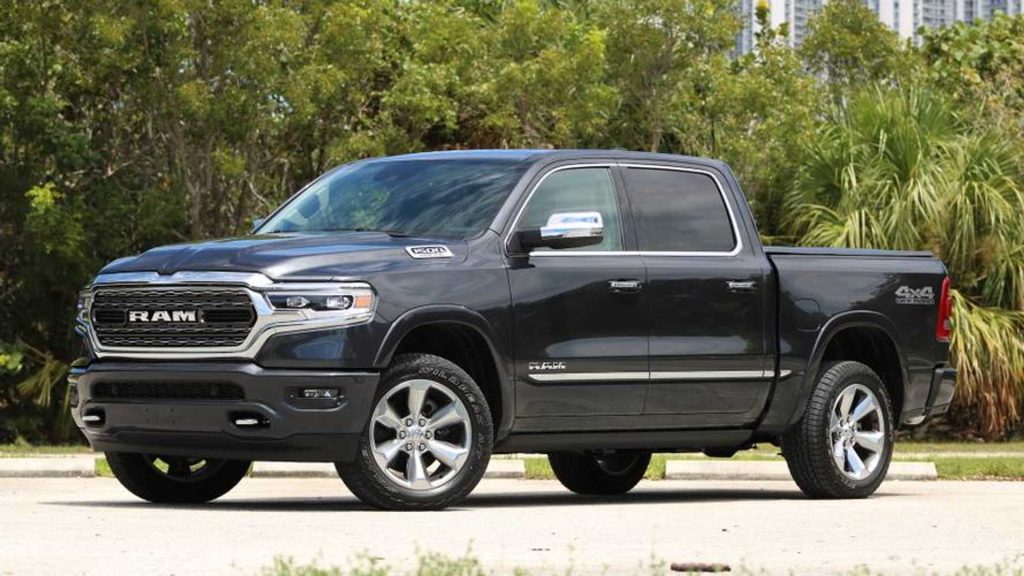
Consider situations like crowded summer highways or sudden slowdowns near vacation destinations. In these moments, braking consistency matters more than outright power. Upgraded components help maintain the same pedal feel even after multiple braking events.
Another overlooked advantage involves confidence. Drivers who upgrade braking components often report feeling more comfortable in unpredictable traffic. Knowing the vehicle can stop reliably reduces stress during long journeys.
This type of upgrade also supports the rest of the towing system. Strong braking works together with trailer brakes and proper weight distribution to create a balanced safety setup rather than relying on a single solution.
For SUVs that will tow frequently in warm weather conditions, improved braking components are not about performance. They are about maintaining dependable control when it matters most.
5. Load Range Rated Towing Tires
Not all SUV tires are built with towing in mind. Many factory tires are selected to provide a comfortable ride, quiet road noise, and good fuel efficiency. While those qualities are useful for daily commuting, towing introduces completely different demands. Extra trailer weight increases sidewall stress, heat buildup, and load pressure on each tire.
Switching to higher load range rated tires changes how the vehicle handles these demands. These tires use stronger internal construction and reinforced sidewalls to manage additional weight without excessive flex. Less sidewall movement improves stability, particularly during highway driving where trailer sway can begin from small movements.
Another advantage appears during hot weather travel. Summer pavement temperatures can become extremely high, and towing increases friction heat even more. Tires designed for heavier loads typically use compounds that tolerate heat better, reducing the risk of premature wear or blowouts.
Drivers sometimes overlook how much tire stability affects steering feel. With stronger tires, the SUV often feels more planted when changing lanes or correcting small steering movements. This becomes especially noticeable when passing large vehicles or dealing with crosswinds.
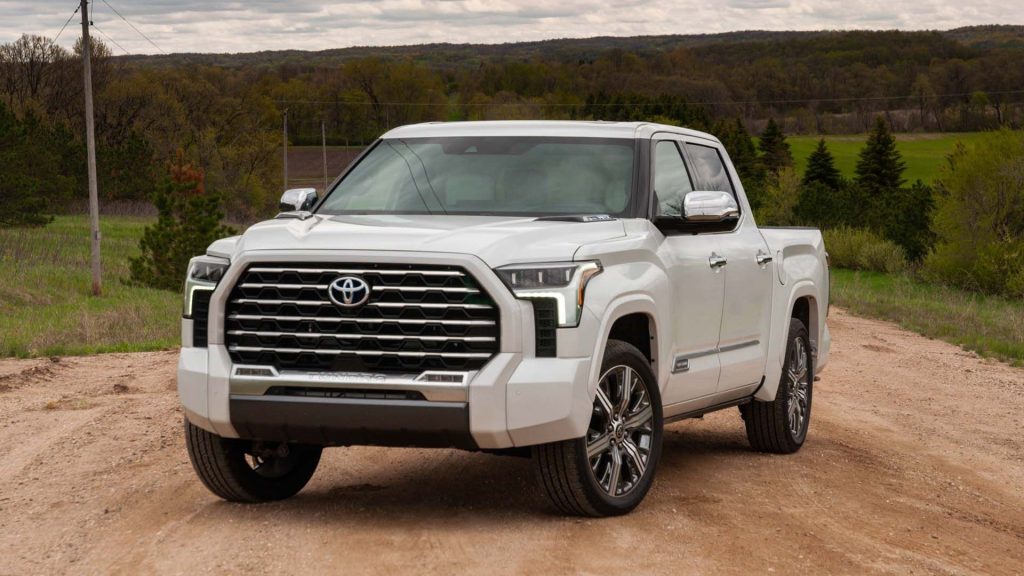
Tire pressure management also becomes easier. Load rated tires often provide clearer pressure guidelines for towing situations. Maintaining proper inflation helps distribute weight evenly and improves braking response.
Unlike visual upgrades, towing tires change the behavior of the vehicle in subtle but important ways. They reduce unwanted movement, improve predictability, and support the suspension system rather than working against it.
For a summer towing trip that may involve long distances and varying road conditions, having the right tire construction can make the difference between a relaxed journey and a constantly tense driving experience.
6. Extended Tow Mirrors
Visibility plays a major role in towing safety, yet it is often underestimated until the first difficult lane change. Standard SUV mirrors are designed for normal vehicle width. Once a trailer is attached, especially a wider camper or enclosed hauler, rear visibility can become limited.
Extended tow mirrors solve this by providing a wider viewing angle along both sides of the trailer. This allows drivers to monitor traffic approaching from behind without relying solely on guesswork. Better awareness means fewer sudden steering corrections and smoother lane positioning.
Some designs extend outward physically, while others use additional mirror panels to widen the field of view. Either approach helps eliminate blind spots created by the trailer body. For drivers new to towing, this upgrade often provides immediate confidence.
There is also a fatigue reduction benefit. Constantly straining to see around a trailer can become mentally exhausting during long trips. Clear mirror visibility allows drivers to make decisions more calmly, which becomes especially important after several hours on the road.
Backing up also becomes less stressful. With better side visibility, small steering inputs become easier to judge. This helps prevent overcorrection, which is a common frustration for inexperienced towers.
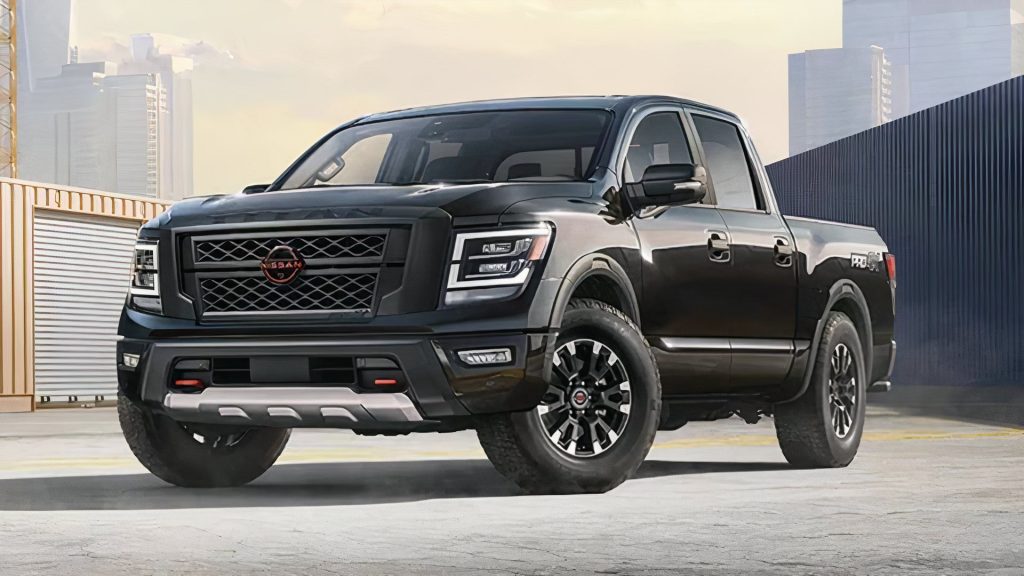
Summer trips often involve crowded fuel stations, rest stops, and campgrounds. In these environments, good mirror coverage can prevent minor accidents and simplify parking maneuvers.
Among all towing upgrades, this is one of the simplest to appreciate immediately. Better visibility directly translates into better decision making, which ultimately supports safer and more relaxed travel.
7. Rear Suspension Air Helper Springs
Some towing upgrades change performance. Others change how a vehicle carries itself under pressure. Rear air helper springs belong to the second category because their main purpose is to restore balance when extra tongue weight pushes the SUV downward.
When a trailer is attached, the rear suspension often compresses more than intended. This affects headlight aim, steering feel, and braking posture. Air helper springs allow the driver to add adjustable support by inflating small air bags installed within or alongside the rear suspension. The vehicle can then return to a more level position.
What makes this upgrade especially practical is its adaptability. Instead of committing to permanently stiff suspension, the driver can adjust pressure depending on the load. When not towing, pressure can be reduced to maintain normal ride comfort. During towing, additional support can be added within minutes.
Handling benefits appear gradually rather than dramatically. The SUV may feel more composed during long curves, less floaty over dips, and more stable during braking transitions. These improvements often become noticeable after several hours of towing rather than immediately after installation.
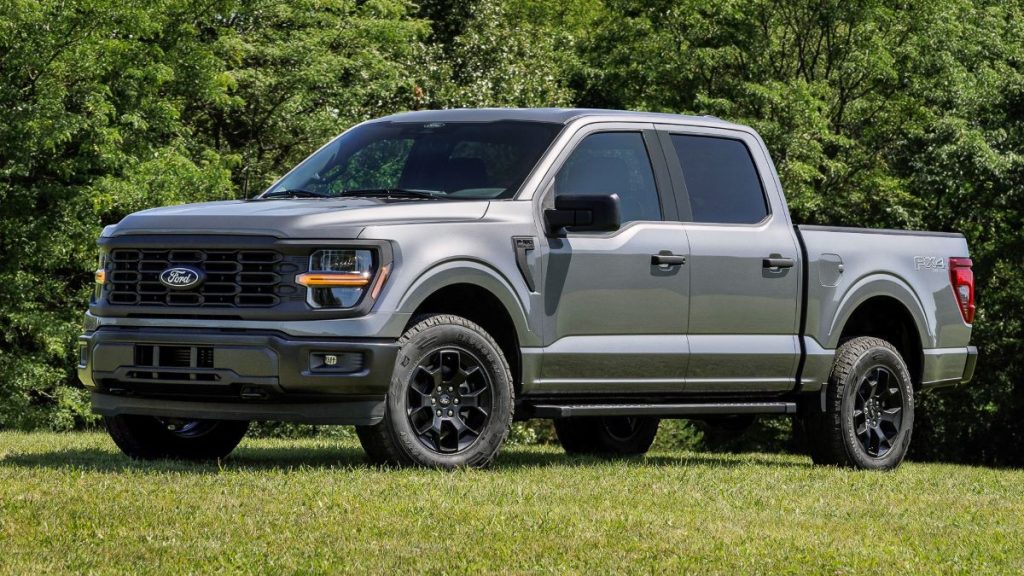
There is also a mechanical benefit worth noting. Supporting the rear suspension properly reduces stress on factory springs and shock absorbers. Over time this can help prevent premature sagging and maintain suspension geometry.
This upgrade is especially helpful for summer travel where cargo areas are often fully loaded with travel equipment, coolers, and luggage. Instead of allowing the vehicle to struggle under combined passenger and trailer weight, adjustable support keeps everything working within intended limits.
For drivers who want better control without sacrificing everyday comfort, air helper springs provide a flexible solution that adapts to real towing conditions.
8. Trailer Sway Control System
Trailer sway is not always dramatic when it begins. Often it starts as small side movements caused by wind, uneven pavement, or passing traffic. If left uncontrolled, those movements can grow into dangerous oscillations. A trailer sway control system is designed to stop this behavior before it becomes serious.
This type of upgrade works by applying resistance to side to side trailer motion. Some systems use friction bars that physically limit movement, while others integrate with electronic stability systems to apply braking corrections automatically. Both approaches focus on keeping the trailer aligned with the tow vehicle.
Drivers usually appreciate this upgrade most during highway travel. Strong side winds or sudden air pressure changes from large trucks can introduce instability. Sway control adds a stabilizing effect that keeps the trailer tracking more predictably behind the SUV.
There is also a psychological advantage. Drivers who know sway protection is present often report feeling less tense during long highway drives. Reduced anxiety can lead to better concentration and smoother driving inputs.
Loading mistakes can also be partially forgiven by sway control. While proper trailer balance should always be the goal, real world packing is not always perfect. Having an additional layer of stability protection provides a useful safety margin.
Summer conditions often include unpredictable weather patterns and busy travel routes. Under these circumstances, extra stability support becomes especially valuable.
For anyone towing a medium or large trailer, sway control is often considered part of a complete towing safety setup rather than an optional accessory.
9. Engine Oil Cooler Enhancement
Long distance towing places a unique type of stress on engine lubrication. While most drivers think about horsepower and torque, the real story often lies in how well the engine manages friction under heavy load. Towing increases internal temperatures, and when summer heat is added, oil protection becomes even more critical.
An upgraded engine oil cooler helps maintain consistent lubrication performance by controlling oil temperature. Cooler oil retains its protective qualities longer and reduces the chance of viscosity breakdown.
This means internal engine components such as bearings, camshafts, and piston rings remain properly protected even during extended climbs or heavy acceleration periods.
Instead of viewing this as a performance modification, experienced towers often treat it as a durability upgrade. Engines that maintain stable oil temperatures tend to experience less long term wear. This becomes important for drivers planning repeated towing trips rather than a single vacation journey.
Heat management also affects engine efficiency. When oil temperatures remain controlled, the engine does not need to compensate for thermal stress. This can help maintain smoother operation across varying driving conditions.
There is also a preventative maintenance angle to consider. Oil degradation caused by excessive heat can shorten service intervals. By improving cooling, oil condition remains stable longer, helping maintain predictable maintenance schedules.
During summer travel, long idle periods in traffic combined with towing weight can quietly raise temperatures. Having extra cooling capacity ensures the engine remains within safe operating limits even when airflow is reduced.
This upgrade rarely attracts attention because it operates silently in the background. However, its value becomes clear over time through improved engine longevity and consistent towing performance.
10. Upgraded Tow Rated Hitch Receiver
Every towing setup depends on one central connection point, the hitch receiver. While many SUVs already include a factory hitch, not all are optimized for frequent or near limit towing. Upgrading to a higher rated tow receiver can provide both structural strength and peace of mind.
A stronger hitch receiver is designed with thicker steel construction and improved mounting reinforcement. This allows it to handle dynamic forces that occur during braking, acceleration, and uneven road surfaces. Towing is not just about static weight. Movement creates additional stress that better hardware can manage more effectively.
Drivers often underestimate how much force travels through the hitch during emergency stops or rough pavement transitions. A reinforced receiver helps ensure that these stresses are managed safely without flexing or fatigue over time.
Compatibility is another benefit. Heavy duty receivers often support a wider range of towing accessories including advanced weight distribution systems and specialized ball mounts. This flexibility makes future towing adjustments easier without needing additional modifications.
Confidence is sometimes the biggest improvement. Knowing that the main connection between the SUV and trailer is built with additional strength allows drivers to focus more on the road and less on equipment concerns.
Summer road trips frequently include unpredictable terrain such as construction zones, expansion joints, and uneven secondary roads. These conditions create additional hitch stress that stronger receivers are better prepared to handle.
For drivers who tow regularly or plan long distance travel, upgrading the hitch receiver is less about increasing tow rating and more about ensuring structural reliability throughout the journey.
11. Onboard Trailer Tire Pressure Monitoring System
Many towing problems do not begin with major mechanical failures. They often start with something small that goes unnoticed. Trailer tire pressure is a perfect example. Unlike SUV tires, trailer tires are not always visible from the driver’s seat, which makes it difficult to detect a slow pressure loss before it becomes dangerous.
An onboard trailer tire pressure monitoring system solves this blind spot. Sensors mounted on trailer valve stems continuously send pressure and temperature data to a display inside the SUV. Instead of stopping randomly to inspect tires, the driver receives real time updates.
The biggest advantage appears during highway travel. A slow leak that might normally go undetected for hours can be identified early. Catching this early can prevent tire destruction, trailer instability, or roadside emergencies in high temperatures.
Temperature monitoring is equally valuable. Tire heat often rises before pressure failure occurs. By seeing temperature changes, drivers can respond before a dangerous situation develops. This is particularly important during summer travel when road temperatures already increase tire stress.
Another benefit involves trip efficiency. Instead of making frequent inspection stops, drivers can focus on planned rest breaks. This improves travel flow and reduces unnecessary interruptions.
Many systems also allow programmable warning thresholds. This means alerts can be customized based on trailer type and tire specifications. Such flexibility allows better adaptation to different towing setups.
For those who value prevention rather than reaction, this upgrade offers something simple but powerful: awareness. Knowing what is happening behind the vehicle at all times reduces uncertainty and supports safer decision making.
It is a small technological addition that delivers a large safety advantage during long distance towing.
12. Auxiliary Reverse Camera for Trailer Visibility
Backing up with a trailer is often considered one of the most stressful parts of towing, even for experienced drivers. Standard rear cameras quickly become ineffective once a trailer blocks the view. Adding an auxiliary camera directly to the trailer changes that experience completely.
Instead of relying only on mirrors and estimation, a dedicated rear facing trailer camera provides a direct visual reference. This helps drivers see obstacles, alignment angles, and distance markers clearly. The improvement in control can be immediate.

Campgrounds, fuel stations, and rest areas become much easier to navigate. Rather than needing a second person to guide parking, the driver can rely on a clear video feed. This independence can be especially helpful during solo travel situations.
Another advantage involves safety during crowded travel seasons. Summer vacation traffic often means busy parking lots filled with pedestrians and vehicles. A clear rear camera view reduces the chance of minor accidents caused by limited visibility.
Modern systems often integrate with dashboard displays or wireless monitors. Some even include night vision capability, which helps during early morning departures or late arrivals.
Drivers frequently report that this upgrade reduces mental strain. Instead of feeling tense while reversing, they can focus on smooth and controlled movements. Over time this leads to better towing confidence overall.
As a finishing upgrade before a summer towing trip, improved rear visibility may not increase power or towing capacity, but it improves something just as important: control in tight situations.
When combined with the other upgrades listed, it helps complete a well prepared towing setup designed for safety, stability, and long distance reliability.
Also Read: 12 Reasons Why Minivans Are the Smartest Financial Choice for Families