
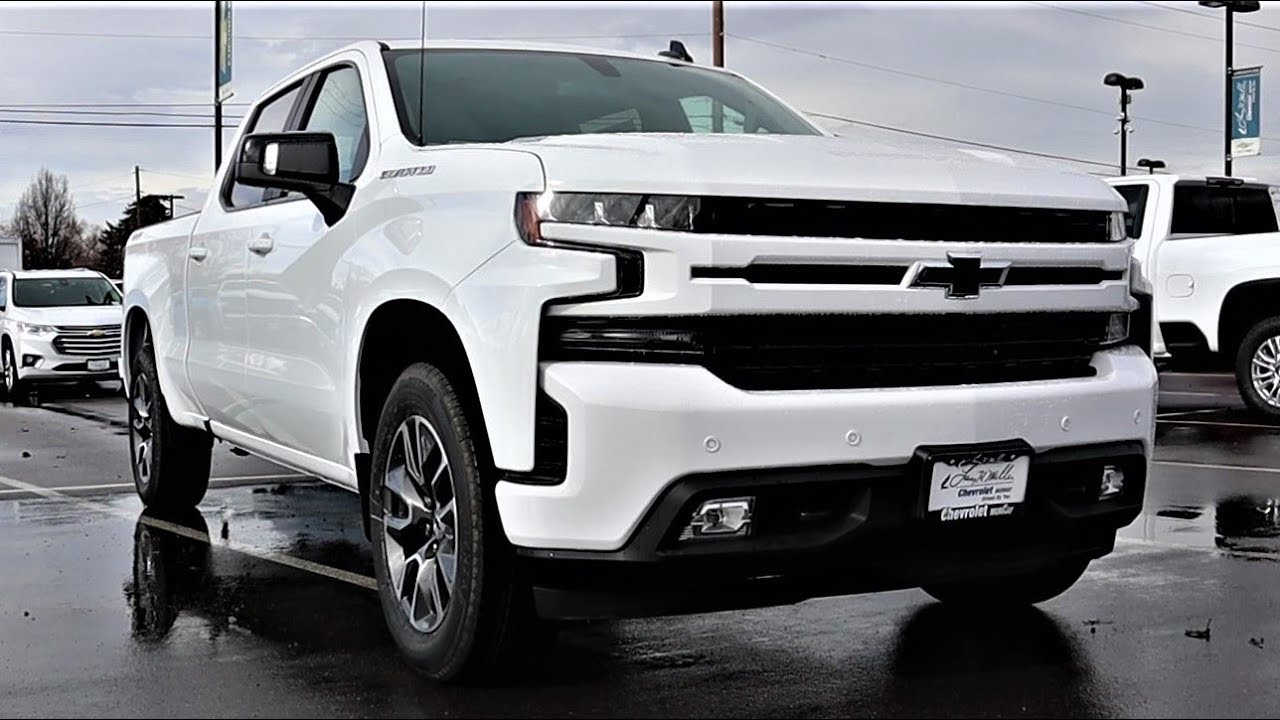
Modern trucks are designed to handle serious towing responsibilities, but one component often determines how safe and controlled that towing experience feels: the factory integrated brake controller.
While engine power and towing capacity usually receive the most attention, the ability to control trailer braking smoothly and predictably is just as important. A well calibrated brake controller can make the difference between a confident towing experience and one that feels unstable or stressful.
Factory integrated brake controllers have become increasingly sophisticated over the past decade. Unlike aftermarket systems, factory units are designed to communicate directly with the truck’s stability control, ABS system, and transmission programming.
This allows more precise brake modulation and smoother trailer response during acceleration, braking, and emergency maneuvers.
Accuracy matters because trailer braking must match truck braking behavior. If trailer brakes engage too aggressively, the trailer may jerk or feel unstable.
If they engage too softly, stopping distance increases and the truck must do more of the braking work. A properly tuned integrated controller ensures balanced deceleration, which improves safety and reduces driver fatigue.
Another advantage of factory systems is their ability to adapt automatically. Many modern trucks adjust trailer braking based on load detection, road slope, and braking pressure.
This reduces the need for constant manual adjustment and allows the system to react faster than most drivers could manually.
User interface design also plays a major role. The best systems allow easy gain adjustment, clear trailer connection feedback, and manual override controls placed within easy reach. This improves driver confidence because adjustments can be made quickly without distraction.
Long term durability is another reason factory systems stand out. Because they are built into the vehicle architecture, they are typically better protected from wiring issues, poor installation, or compatibility problems that sometimes affect aftermarket controllers.
Another overlooked benefit is integration with driver assistance systems. Some trucks coordinate trailer braking with sway control technology, which can automatically apply braking pressure to stabilize the trailer if unwanted movement is detected.
The following trucks stand out because of how accurately their factory brake controllers manage trailer braking force. Each one demonstrates how engineering refinement can improve towing stability, driver confidence, and long distance towing comfort.
Also Read: 8 Reasons to Choose a Hatchback Over a Small Crossover SUV
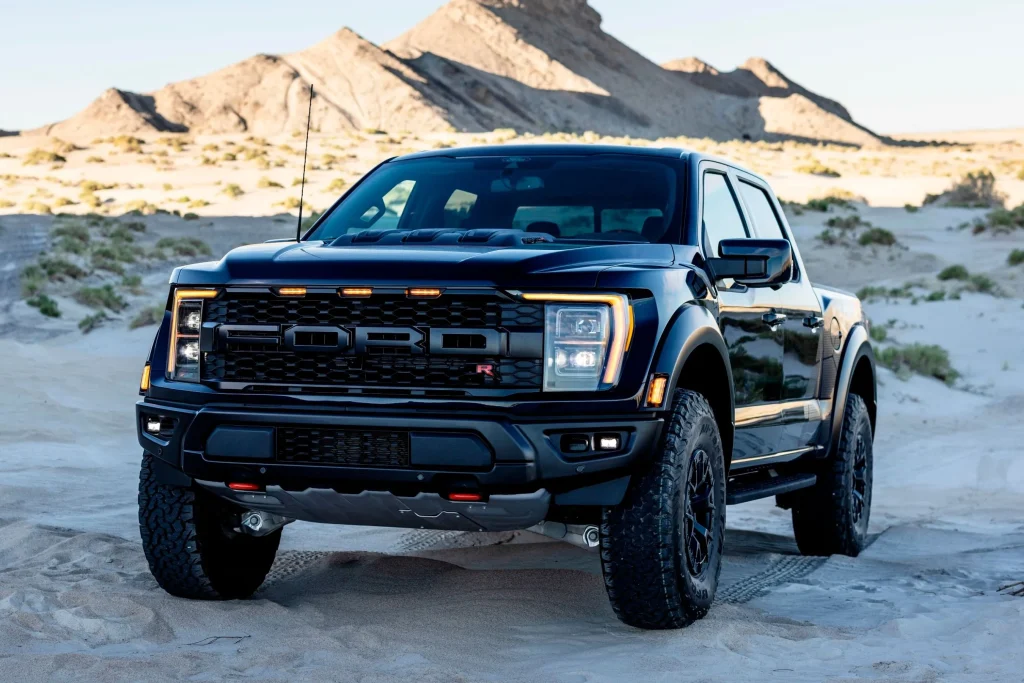
1. Ford F-150
The Ford F 150 has built a reputation not only for strong towing performance but also for how intelligently its integrated trailer brake controller manages braking behavior.
Instead of simply applying a fixed braking curve, the system constantly evaluates driver input and vehicle conditions to deliver smooth and predictable trailer response.
One of the strongest advantages of the F 150 system is how naturally the trailer braking blends with the truck’s own braking feel.
When the driver presses the brake pedal, the trailer does not feel like a separate mass pushing or pulling. Instead, the combination feels unified, which helps reduce stress during heavy traffic or downhill towing.
Ford designed the system to communicate directly with its towing stability software. When the truck detects sudden deceleration, the controller can increase trailer braking proportionally. This helps prevent the trailer from pushing forward during emergency stops.
The manual override lever is another well thought out feature. It is positioned so the driver can apply trailer braking independently if sway begins. This allows quick stabilization without needing to brake the truck itself.
The information display is also very clear. The truck provides real time gain settings, trailer connection confirmation, and output levels through the instrument cluster. This helps drivers understand exactly how the system is behaving instead of guessing.
Another strength is how the system behaves under varying loads. Some brake controllers require constant adjustment when trailer weight changes. The F 150 system adapts well, often requiring only minor adjustments once properly set.
Brake smoothness during low speed maneuvering is another area where accuracy shows. Some trucks produce jerky trailer braking when backing or parking. The Ford system tends to maintain progressive braking even at very low speeds.
Durability is another factor. Because the controller is integrated into the truck electronics, wiring protection and signal accuracy tend to remain consistent over time.
The system also works well with Ford’s trailer backup assist technology. This coordination ensures braking remains predictable even when steering adjustments are made during reversing.
Owners who tow frequently often appreciate how little attention the system requires once configured. Instead of constant monitoring, it becomes a background safety system that simply works as intended.
This combination of smooth modulation, clear driver feedback, and intelligent integration is what makes the F 150 brake controller one of the most accurate factory systems available.
2. Ram 1500
The Ram 1500 approaches trailer brake control with a different philosophy that emphasizes smoothness and driver customization. Rather than focusing only on automation, Ram gives drivers detailed control while still maintaining strong electronic integration.
One standout feature is how adjustable the system feels without becoming complicated. Gain settings can be fine tuned through the infotainment interface, allowing drivers to match braking feel to trailer type and load characteristics.
Brake application in the Ram system often feels very progressive. Instead of applying immediate strong braking force, the system ramps pressure smoothly. This helps prevent trailer jerk and improves passenger comfort during routine stops.
Another area where the Ram controller shows accuracy is highway braking behavior. During long distance towing, consistent brake response reduces driver fatigue. The system maintains predictable braking feel even after hours of travel.
The manual trailer brake activation switch is also designed for quick response. Located within natural finger reach, it allows fast correction if the trailer begins to move unexpectedly.
The Ram system also integrates with trailer sway control functions. If the vehicle detects instability, it can automatically apply braking corrections without requiring driver reaction time.
User feedback is another strong point. The truck provides clear visual confirmation of trailer connection and brake output levels. This makes troubleshooting easier and gives confidence before beginning a trip.
Low speed control is particularly refined. When maneuvering a trailer into tight spaces, the system avoids sudden brake engagement. This allows precise positioning when parking or connecting equipment.
The Ram braking system also accounts for downhill towing conditions. Engine braking coordination combined with trailer brake control helps maintain stable speeds without constant pedal input.
Another benefit is system consistency across different trailer sizes. Whether pulling a moderate travel trailer or equipment trailer, the controller tends to maintain predictable modulation.
From a design perspective, Ram focused on making the system feel natural rather than mechanical. The result is a brake controller that feels like an extension of the truck instead of an added system.
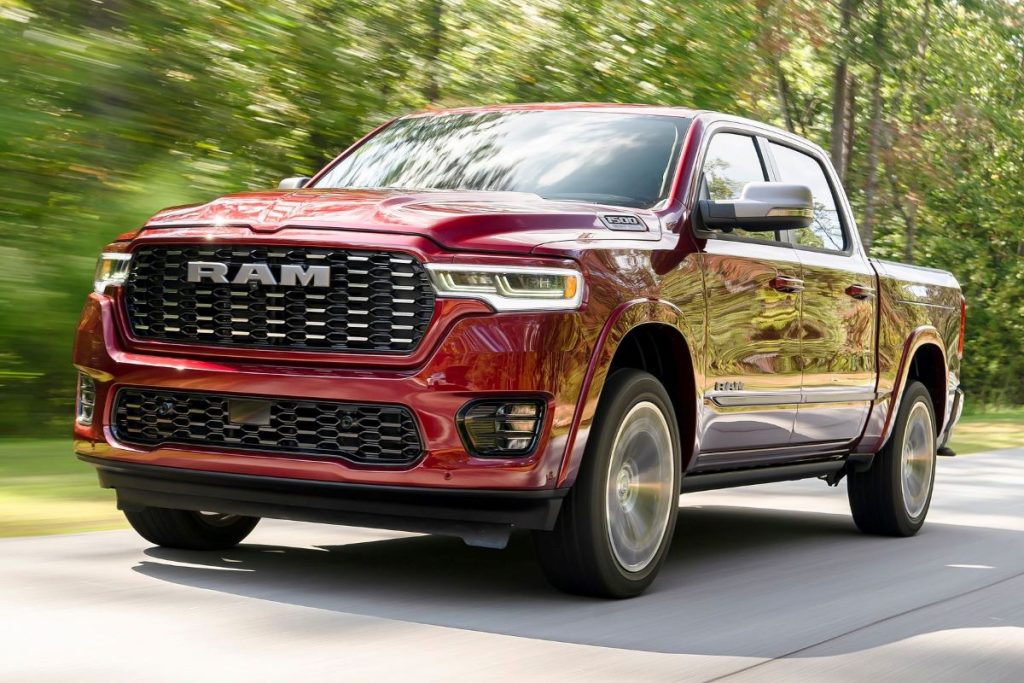
By combining customization, stability integration, and refined brake progression, the Ram 1500 demonstrates how a well tuned factory controller can significantly improve towing control.
3. Chevrolet Silverado 1500
The Chevrolet Silverado 1500 takes a very engineering focused approach to trailer brake control, with an emphasis on predictability and consistency under different towing conditions. The integrated brake controller is designed to reduce driver guesswork by maintaining stable braking characteristics regardless of speed or terrain.
One of the most noticeable strengths is how the system maintains balance between truck and trailer braking pressure.
Instead of reacting abruptly, the controller applies braking in a measured pattern that mirrors pedal pressure. This creates a controlled deceleration feel that is especially useful when towing heavier loads.
Another area where the Silverado system stands out is downhill control. When descending grades, the brake controller works alongside transmission grade braking to maintain steady speed. This coordination reduces the need for constant manual braking input and helps prevent overheating.
The control interface is also straightforward. Physical buttons located near the dashboard allow quick gain adjustments without needing to navigate menus. This layout benefits drivers who frequently switch between different trailers.
The manual apply function is designed with smooth activation rather than sudden force. This allows drivers to correct minor trailer sway without creating additional instability. Fine control here makes a noticeable difference during highway towing.
Chevrolet also focused on calibration accuracy. The system responds proportionally to pedal input rather than relying on aggressive preset curves. This helps create a more natural braking response, particularly during gradual stops.
Trailer connection diagnostics are another advantage. The truck alerts the driver if communication with the trailer braking system becomes inconsistent. This helps identify wiring issues before they become safety concerns.
Another positive characteristic is how the controller behaves in stop and go traffic. Some systems can feel overly sensitive at low speeds, but the Silverado controller maintains smooth brake transitions that reduce jerkiness.
The integration with stability control adds another layer of safety. If the truck detects instability, selective braking can be applied automatically to maintain alignment between truck and trailer.
Drivers who tow regularly often appreciate how predictable the Silverado system feels after initial setup. Once gain is properly adjusted, the system typically requires minimal ongoing changes.
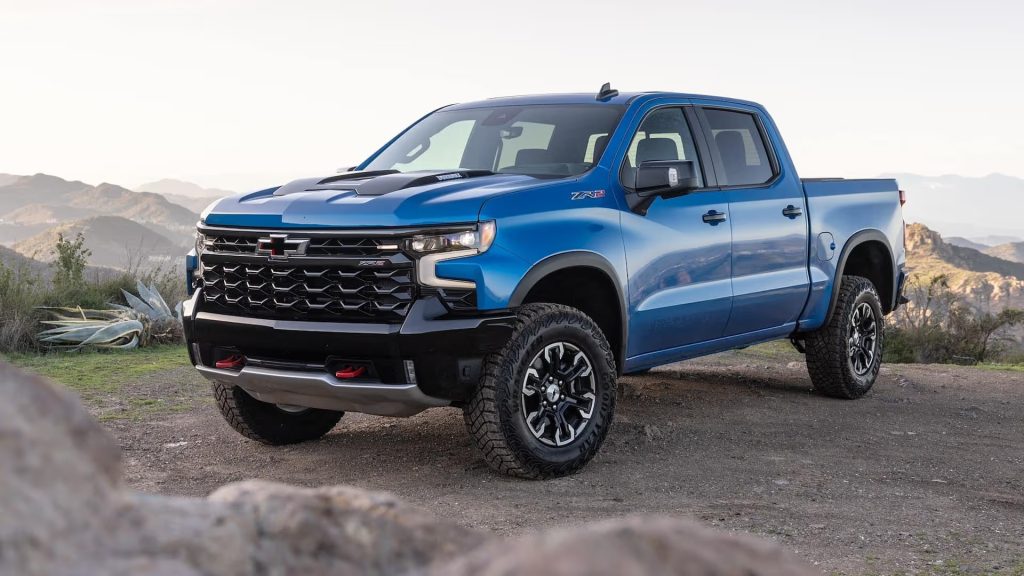
This focus on smooth proportional braking, clear physical controls, and strong integration with vehicle stability systems makes the Silverado 1500 one of the most confidence inspiring trucks when it comes to factory brake controller accuracy.
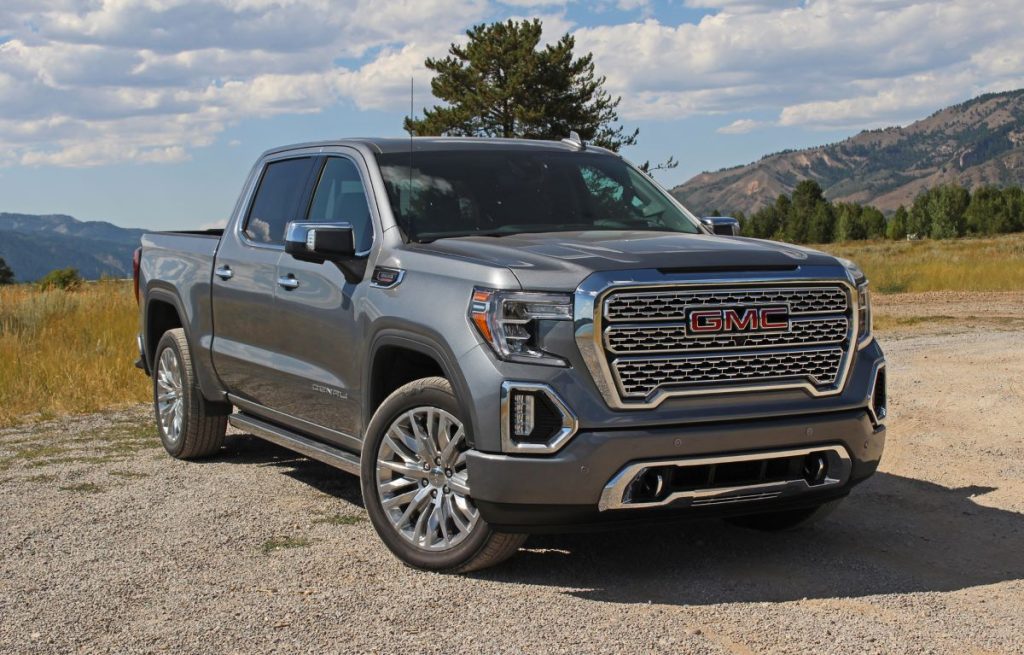
4. GMC Sierra 1500
The GMC Sierra 1500 shares much of its engineering foundation with the Silverado but takes a slightly different approach by emphasizing refinement and driver feedback. The brake controller in the Sierra is tuned to provide smooth operation while also offering a premium feeling user experience.
One of the first things drivers often notice is how refined the braking transitions feel. Instead of noticeable engagement points, the trailer braking blends smoothly into the truck’s braking effort. This is especially noticeable during gradual deceleration.
The Sierra system also focuses heavily on information clarity. Through the driver information display, users can see trailer brake output levels, gain adjustments, and connection status. This level of transparency helps drivers feel more in control of the towing process.
Manual control placement is also well considered. The manual apply slider allows precise brake engagement rather than simple on or off activation. This precision is particularly useful when managing trailer movement on uneven surfaces.
Another important feature is the system’s adaptability. When towing loads with different weight distributions, the controller maintains consistent braking feel. This reduces the need for constant recalibration between trips.
The Sierra also performs well in emergency braking simulations. The proportional braking design ensures the trailer contributes effectively to stopping force rather than relying entirely on the truck brakes.
Low speed trailer management is another area of strength. Backing a trailer into a confined area requires delicate brake input, and the Sierra controller allows very gradual brake response which improves positioning accuracy.
Noise and vibration behavior is also improved through careful calibration. Smooth brake application reduces clunking sounds that can occur when trailer brakes engage too aggressively.
The Sierra system also works closely with traction management software. If the system detects wheel slip while towing, it can coordinate brake pressure adjustments to maintain stability.
Drivers who frequently tow in mixed conditions often appreciate how little adjustment is needed once initial settings are established. This consistency reduces the mental workload associated with towing.
By focusing on smoothness, clear feedback, and refined manual control precision, the GMC Sierra 1500 demonstrates how thoughtful calibration can make a brake controller feel both accurate and easy to trust.
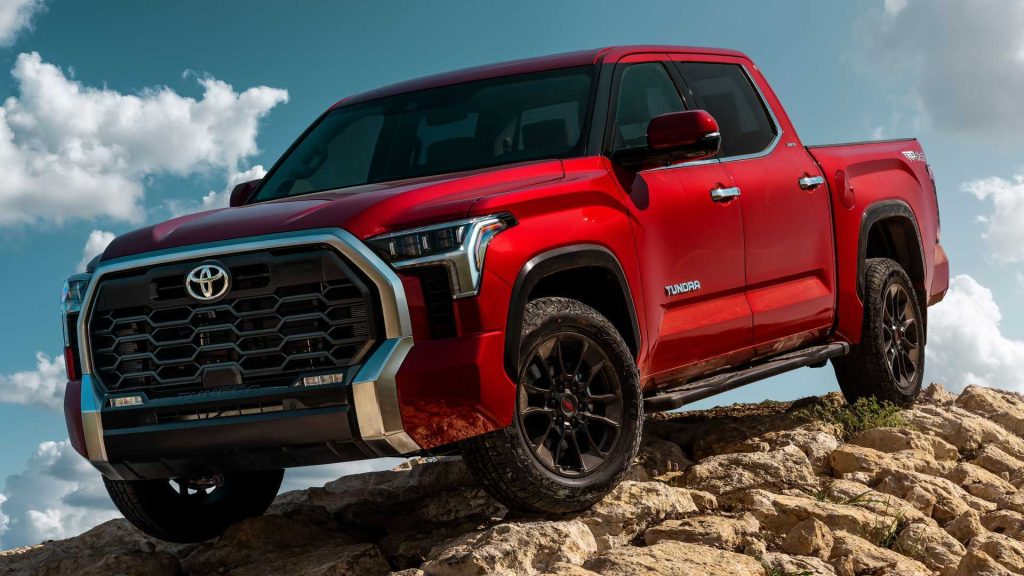
5. Toyota Tundra
The Toyota Tundra approaches integrated trailer brake control with a strong focus on reliability and predictable behavior.
Instead of emphasizing complexity, Toyota engineers focused on making the system intuitive and dependable across a wide range of towing conditions. This philosophy reflects the brand’s broader reputation for durability and consistent performance.
One of the biggest strengths of the Tundra brake controller is how simple it feels to operate. Drivers do not need to constantly fine tune settings because the system tends to maintain stable braking behavior once properly configured. This makes it especially appealing to owners who tow regularly and want consistent performance.
Brake response is designed to feel natural rather than aggressive. When the driver applies the brake pedal, the trailer braking follows in a very linear way. This helps reduce the feeling of the trailer pushing forward or lagging behind during deceleration.
Toyota also designed the system to work closely with its towing assistance technologies. When trailer sway is detected, the system can apply selective braking adjustments to help maintain alignment. This adds an extra layer of safety during highway towing.
Another important advantage is how the controller behaves under variable road conditions. Whether towing on uneven pavement or gradual slopes, the system maintains smooth braking engagement rather than reacting with sudden force changes.
User controls are intentionally straightforward. Physical adjustment buttons allow gain changes without distraction. This helps drivers maintain focus on the road while making small corrections if necessary.
The manual trailer brake function also deserves attention. Instead of activating abruptly, the system allows progressive manual brake application. This can be very useful when correcting minor trailer movement caused by crosswinds or passing traffic.
Low speed performance is another area where the Tundra system shows careful tuning. During parking maneuvers or trailer hookup, the brake controller avoids sudden engagement, allowing very controlled movement.
Toyota also prioritized long term durability. Because the controller is integrated into the truck’s electronic architecture, signal consistency tends to remain stable over years of use.
Many owners appreciate how predictable the system feels over time. Instead of constantly learning new behaviors, drivers quickly become familiar with how the system reacts.
This emphasis on simplicity, consistent brake response, and long term reliability makes the Toyota Tundra one of the most trusted trucks when it comes to accurate factory integrated brake controller performance.
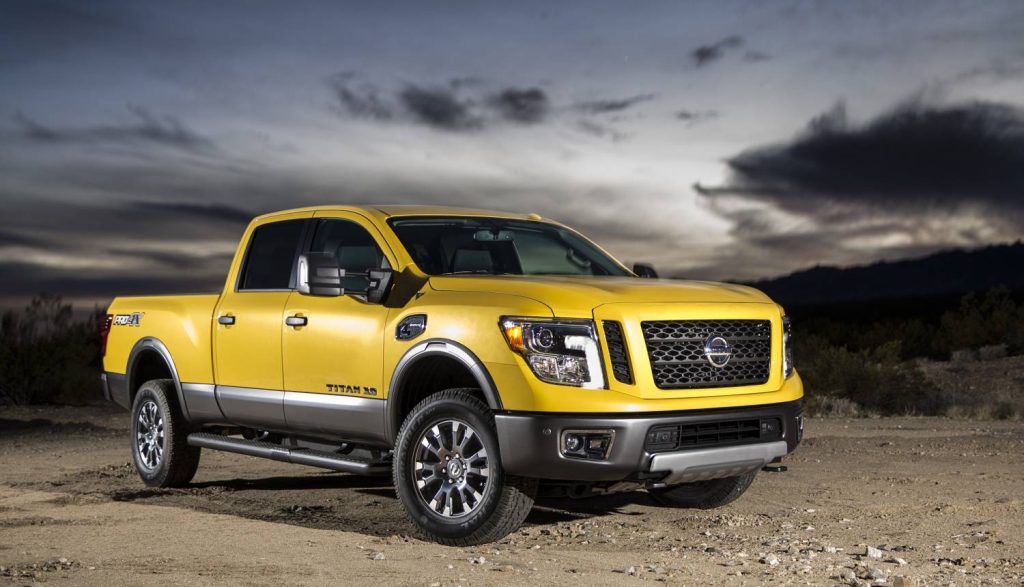
6. Nissan Titan
The Nissan Titan offers a brake controller designed around driver confidence and clear system response. Rather than focusing only on technical capability, Nissan aimed to create a system that feels easy to understand and predictable during real towing situations.
One of the most appreciated aspects of the Titan system is its clear response to driver input. Brake application from the trailer feels closely matched to pedal pressure, which creates a balanced stopping sensation. This helps drivers feel more in control, especially when towing medium weight trailers.
Another strength is the simplicity of gain adjustment. The Titan allows easy gain tuning through accessible controls, which helps drivers quickly match braking behavior to trailer weight without complicated procedures.
The system also performs well in mixed traffic environments. During stop and go driving, the brake controller applies trailer braking smoothly, avoiding the sudden grab feeling that can make towing uncomfortable.
Manual override functionality is also well designed. The control allows quick trailer brake application when needed, which can be helpful if trailer movement needs correction without applying full vehicle braking.
The Titan also integrates trailer braking with its vehicle stability systems. If instability is detected, the system can assist with brake modulation to help maintain alignment between truck and trailer.
Feedback to the driver is another strength. The instrument display shows gain settings and confirms trailer connection status. This helps drivers verify proper operation before starting a trip.
Another important factor is consistency during longer trips. Some brake controllers may feel slightly different after extended use due to heat or load variation. The Titan system tends to maintain uniform response even during long distance towing.
Low speed trailer control is also handled well. When maneuvering in confined areas, the system allows very gentle brake application, which helps avoid sudden stopping.
Nissan also designed the system to require minimal adjustment once properly set. This reduces the need for constant monitoring and helps drivers focus on the driving task.
Through its focus on clarity, smooth response, and dependable performance, the Nissan Titan demonstrates how a well calibrated brake controller can improve towing comfort and driver confidence.
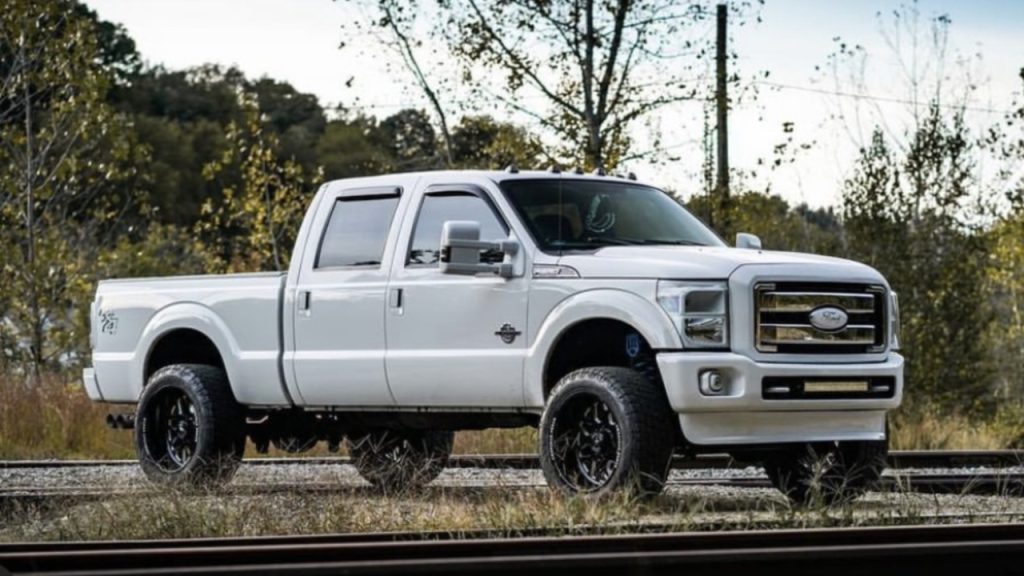
7. Ford Super Duty F 250
The Ford Super Duty F 250 represents a different level of brake controller engineering because it is designed with heavy duty towing as a primary mission rather than an occasional task. This changes how the integrated brake controller is calibrated.
Instead of focusing only on smoothness, the system is also designed to maintain precise braking authority under extreme load conditions.
One of the strongest characteristics of the Super Duty controller is its ability to maintain braking balance with very heavy trailers. Even when towing large equipment or multi axle trailers, the system delivers stable proportional braking without sudden force spikes. This level of control helps prevent trailer push during hard stops.
Another advantage is how well the controller works with the truck’s exhaust braking system. During downhill towing, the combination of engine braking and trailer brake modulation helps maintain controlled descent speeds. This reduces brake wear and improves driver confidence on long grades.
The information display is also more detailed than many light duty trucks. Drivers can monitor trailer brake output, connection condition, and gain levels through the instrument cluster. This level of detail is particularly useful for operators who tow frequently.
Manual trailer brake activation is also very responsive. The control allows quick application of trailer braking without requiring full pedal input. This can be useful for correcting trailer movement caused by road irregularities or wind.
Another strength is how the system behaves under repeated braking. Heavy trailers require consistent performance even when brakes heat up. The Super Duty controller is designed to maintain stable modulation under these demanding conditions.
Low speed control is also impressive considering the truck’s heavy duty nature. Despite its capability focus, the system still allows controlled braking when positioning trailers in work environments.
Integration with trailer sway control is another important benefit. If the truck detects trailer oscillation, automatic brake intervention can help restore alignment without waiting for driver correction.
Ford also designed the controller for commercial reliability. The wiring protection and signal calibration are intended to remain accurate even under frequent heavy use.
Drivers who tow regularly often appreciate how confidence inspiring the system feels. Instead of feeling like the trailer is a separate load, the braking behavior feels coordinated and predictable.
This focus on heavy load precision, stability integration, and consistent braking response makes the Ford Super Duty F 250 one of the most accurate trucks available for factory integrated trailer brake control.
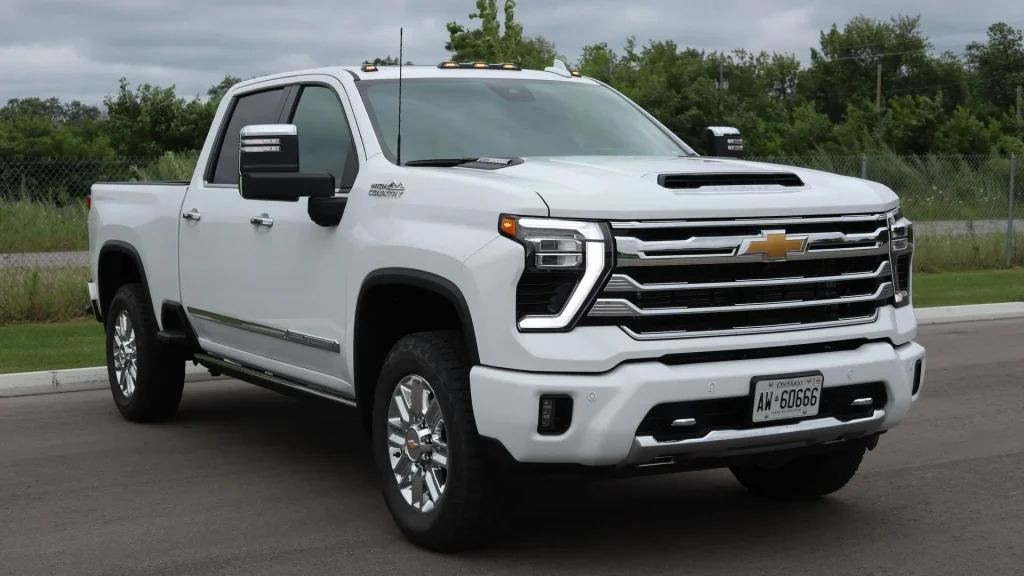
8. Chevrolet Silverado 2500HD
The Chevrolet Silverado 2500HD closes this list with a brake controller designed specifically for serious towing applications. Built for heavy workloads, the system focuses on maintaining precise brake timing and predictable output even when dealing with demanding trailer weights.
One of the key strengths of the Silverado 2500HD system is its proportional braking accuracy. The controller carefully matches trailer braking to pedal pressure, which helps maintain balanced stopping forces. This is particularly important when towing large trailers that require coordinated braking effort.
Another important feature is how the system supports long distance towing. Brake consistency during extended trips reduces driver fatigue because the truck behaves predictably at every stop. This becomes especially important for operators who tow across long highway distances.
The physical control layout is also practical. Gain adjustment buttons are easy to reach, allowing quick corrections when switching between trailers with different brake characteristics.
Manual override response is another strong point. The system allows controlled trailer brake application without abrupt force, which is useful when stabilizing trailer movement in challenging road conditions.
Chevrolet also engineered the system to work closely with the truck’s stability management technology. If the system detects unwanted trailer movement, it can apply braking corrections to help maintain control.
Another advantage is braking smoothness when empty versus loaded. Some heavy duty trucks feel overly aggressive when towing lighter trailers. The Silverado controller maintains progressive braking behavior regardless of load size.
Diagnostics are also well integrated. The truck provides alerts if trailer brake communication becomes inconsistent, which allows problems to be addressed before towing begins.
Durability is another key strength. Because the system is built for demanding use, it is designed to maintain calibration accuracy over long service life.
The Silverado 2500HD system also performs well in worksite environments where trailers must be positioned carefully. Controlled low speed braking helps with precise trailer placement.
This combination of heavy duty precision, clear driver controls, and stable proportional braking behavior makes the Chevrolet Silverado 2500HD one of the most accurate factory equipped trucks for integrated trailer brake control.
Factory integrated brake controllers have become one of the most important towing technologies in modern trucks. While towing capacity often receives the most attention, braking accuracy is what truly determines how safe and controlled the towing experience feels in real situations.
The trucks discussed here demonstrate how proper integration between braking systems, stability control, and trailer management software can significantly improve towing confidence.
Smooth proportional braking reduces stress, improves safety margins, and allows drivers to focus more on the road rather than constantly adjusting settings.
Another important takeaway is how much integration matters. Factory systems benefit from direct communication with vehicle electronics. This allows faster response times and more consistent performance than many standalone systems.
Driver interface design also proves important. Clear displays, easy gain adjustment, and well placed manual controls all contribute to better usability. A brake controller is most effective when drivers can interact with it naturally.
Long term reliability also plays a role. Systems designed as part of the vehicle architecture tend to maintain calibration accuracy better because they avoid many of the wiring and compatibility challenges associated with external installations.
Trailer stability technology has also improved brake controller effectiveness. Many trucks now use automatic brake intervention to correct sway, which adds another safety layer.
Ultimately, the most accurate brake controllers are those that feel almost invisible during use. When properly designed, they allow the truck and trailer to behave as one coordinated unit rather than two separate machines.
Choosing a truck with a well engineered factory brake controller is not just about convenience. It is about safety, confidence, and control. For anyone who tows regularly, this feature deserves as much attention as engine performance or towing capacity because it directly affects how secure every towing mile will feel.
If towing is a regular requirement, prioritizing brake controller accuracy can lead to a more predictable, safer, and more comfortable towing experience over the life of the truck.
Also Read: 8 Reasons Why Buying From a Private Seller Is More Complex Today
