
Choosing between a midsize truck and a full size truck is one of the most important decisions buyers face when entering the pickup market. At first glance, the difference may appear simple. Full size trucks look larger, advertise higher capability numbers, and often carry stronger road presence.
Midsize trucks appear easier to manage, more affordable, and practical for lighter duties. However, the real decision is much more complex than simply choosing the bigger or smaller option.
Many buyers initially assume that bigger automatically means better. While full size trucks do offer advantages in maximum towing, cabin space, and heavy duty work potential, these benefits may not always translate into better ownership experiences.
In many situations, the extra size can introduce compromises in cost, maneuverability, efficiency, and daily usability.
At the same time, midsize trucks are often underestimated. Modern midsize pickups have become significantly more capable than older generations.
They now offer strong payload ratings, respectable towing ability, advanced safety systems, and interiors that rival larger trucks. For many users, they provide all the capability needed without the extra bulk.
The decision becomes even more important when considering how trucks are actually used. Many owners rarely use maximum towing capacity.
Instead, they use their trucks for commuting, occasional hauling, weekend projects, and travel. In these situations, factors such as parking ease, operating cost, and comfort may matter more than maximum strength.
Financial considerations also play a major role. Purchase price differences, fuel consumption, tire replacement costs, and insurance rates can vary significantly between these categories. A buyer focused only on capability numbers may overlook long term ownership expenses.
Another important factor is environment. Someone living in a dense urban area may benefit from the smaller footprint of a midsize truck. Someone regularly towing heavy equipment may find the extra size of a full size truck necessary. The correct choice depends on matching the truck to the real environment it will operate in.
Technology has also blurred the lines between these categories. Driver assistance systems, off road packages, and interior features are now available across both segments. This makes the decision less about luxury and more about practical differences in size and strength.
The smartest approach is not choosing based on image or marketing, but understanding the factors that truly affect ownership satisfaction. Looking at how the truck will actually be used provides better guidance than focusing only on specifications.
The following factors highlight important considerations that should be evaluated before deciding whether a midsize truck is the better choice over a full size alternative. Each factor focuses on real world ownership impact rather than brochure comparisons.
Also Read: 8 Reasons to Choose a Hatchback Over a Small Crossover SUV
1. Real Usage Requirements Versus Maximum Capability
One of the most important factors to consider is how the truck will actually be used rather than what it is theoretically capable of doing. Many buyers purchase full size trucks for capability they rarely use, which can result in unnecessary cost and size compromises.
A practical starting point is evaluating the heaviest load you realistically expect to carry. For many owners, this may involve home improvement supplies, small trailers, motorcycles, or recreational equipment. Modern midsize trucks can handle many of these tasks comfortably.
It is also useful to think about frequency instead of possibility. A full size truck may be helpful for rare heavy tasks, but if ninety percent of driving involves commuting or light hauling, the advantages of the smaller truck may outweigh occasional limitations.
Another helpful exercise is listing typical weekly uses. Daily commuting, grocery runs, school transport, and occasional cargo trips often do not require maximum truck capability. In these cases, a midsize platform may provide better balance.
Work related needs also deserve realistic evaluation. Some professions require heavy payload or towing capacity, but many trades only need moderate cargo capability. Buying based on actual work needs rather than maximum numbers helps avoid overbuying.
Recreational usage provides another angle. Activities such as camping, cycling, and kayaking usually require storage solutions rather than extreme towing ratings. Many midsize trucks are well suited for these uses.
Another factor often ignored is driver confidence. Some drivers simply feel more comfortable operating a slightly smaller truck, especially in tight environments. Confidence can influence safety and satisfaction more than theoretical strength.
Storage considerations also matter. Garage fitment can become an everyday convenience factor. A truck that fits comfortably into home parking spaces may improve daily ownership experience.
It is also important to consider whether occasional heavy needs could be solved differently. Renting a larger truck when needed may be more practical than owning one permanently.
Capability should always be matched to real needs rather than imagined scenarios. Choosing based on realistic usage prevents paying for unused potential.
Understanding this factor helps buyers focus on balance instead of extremes. The best truck is not always the one with the highest numbers but the one that fits daily life most effectively.
2. Maneuverability and Driving Environment Considerations
One of the most practical differences between midsize and full size trucks appears the moment you begin driving in tight environments. Physical dimensions directly influence how easy a truck feels in real traffic situations, and this is something many buyers underestimate until they live with the vehicle daily.
City driving is often where this difference becomes obvious. Narrow streets, crowded intersections, and limited turning space can make a larger truck feel cumbersome. A midsize truck usually provides a tighter turning radius, which makes U turns, parking lot navigation, and lane adjustments feel less stressful.
Parking is another daily reality that deserves serious thought. Many urban and suburban parking spaces were not designed with modern full size trucks in mind. A slightly smaller truck can reduce the need to search for larger spaces or park farther away from destinations.
Older parking structures present another challenge. Height restrictions, narrow ramps, and tight corners can make full size trucks difficult to manage. A midsize truck may provide more flexibility in these situations.
Driver fatigue is also connected to maneuverability. Constantly managing a larger vehicle through tight areas can increase mental effort during daily driving. A vehicle that feels easier to place on the road often results in a more relaxed driving experience.
Residential neighborhoods may also influence this decision. Areas with narrow lanes or roadside parking often reward smaller vehicle dimensions. Passing through these spaces comfortably can make daily driving smoother.
Trail access is another interesting factor. Some off road locations and forest access roads are better suited to midsize trucks simply because of width limitations. A narrower truck may allow access to locations that are difficult for larger vehicles.
Visibility can also play a role. While modern trucks offer cameras and sensors, physical size still affects how easily a driver can judge distance. Some drivers prefer the slightly more compact feel of a midsize truck for this reason.
Wind sensitivity can also differ. Larger trucks with greater side area may react more to crosswinds, especially when empty. A midsize truck may feel more manageable in windy highway conditions.
Another overlooked factor is passenger comfort during daily driving. A vehicle that feels easier to drive often results in smoother driving habits, which improves ride quality for everyone inside.
Choosing the right size based on where the truck will be driven every day is often more important than maximum specifications. A truck that feels manageable in real environments will usually provide better long term satisfaction.
3. Ownership Cost Beyond Purchase Price
Many buyers compare midsize and full size trucks based only on the purchase price, but the true financial difference often appears after ownership begins. Operating costs can vary significantly, and these differences accumulate over years of use.
Fuel consumption is one of the most obvious factors. Full size trucks typically use larger engines designed for heavier work. While modern efficiency improvements help, midsize trucks usually consume less fuel during daily driving, especially in stop and go conditions.
Tire replacement is another cost difference that many people overlook. Full size trucks typically require larger and more expensive tires. Since tires wear based on mileage rather than vehicle size, this becomes a predictable long term expense.
Maintenance items may also differ. Larger brake components, higher fluid capacities, and heavier duty parts can increase routine service costs. While not always dramatic individually, these costs add up over time.
Insurance premiums can also vary. Vehicle replacement value, repair costs, and classification sometimes result in higher insurance costs for larger trucks. Buyers focused only on monthly payments may miss this ongoing expense.
Another factor is depreciation differences depending on configuration. Highly optioned full size trucks may lose value differently depending on market demand. Understanding long term resale patterns can influence total ownership cost.
Parking costs can even become a factor in some cities. Larger vehicles sometimes require premium parking spaces or may not fit standard spots, influencing convenience and cost.
Accessory costs can also differ. Larger trucks often require larger bed covers, running boards, and protective equipment, which may cost more due to size alone.
Even simple items such as car washes may vary in price depending on vehicle size. While this seems minor, it illustrates how size influences ongoing expenses.
Registration fees in some regions may also scale with vehicle weight or value, creating additional differences.
Looking at the total ownership picture rather than just the purchase price provides a more realistic comparison. A midsize truck may provide financial advantages if maximum capability is not regularly required.
Understanding these cost factors helps buyers make decisions based on long term affordability rather than short term excitement.
4. Payload and Towing Needs Versus Practical Carrying Demands
Capability numbers often influence truck decisions, but understanding how much capability is actually necessary can prevent choosing more truck than needed. While full size trucks clearly dominate in maximum towing and payload figures, many owners never operate near those limits.
A useful starting point is evaluating typical cargo weight instead of maximum advertised numbers. Many real world hauling tasks such as furniture transport, landscaping supplies, or recreational equipment fall well within midsize truck capabilities. Buying based on typical loads instead of extreme scenarios often leads to more practical decisions.
Trailer usage also deserves realistic analysis. Small utility trailers, lightweight campers, and personal equipment trailers are often easily handled by midsize trucks. Unless consistent heavy towing is required, the additional capacity of a full size truck may remain unused.
Another important detail involves trailer tongue weight. Even when towing, part of the trailer weight counts toward payload. This means buyers should evaluate combined weight scenarios rather than just towing limits.
Bed space usage patterns also matter. Some owners prioritize bed length while others rarely fill the cargo area. Understanding whether cargo volume or weight matters more can influence which size category makes more sense.
It is also worth thinking about loading convenience. Higher bed height on full size trucks can make loading heavy items more difficult. A slightly lower midsize bed may improve accessibility for some users.
Another practical factor involves storage solutions. Many midsize trucks now offer clever bed storage systems, tie down points, and modular accessories that improve utility beyond simple size comparisons.
Weight distribution also becomes easier to manage when loads are moderate. Operating well within capacity usually results in better handling and less mechanical stress compared to constantly using maximum limits.
Emergency flexibility is another consideration. Some buyers prefer having extra capability for unexpected tasks. Others prefer optimizing for efficiency and renting larger equipment when rare heavy needs arise.
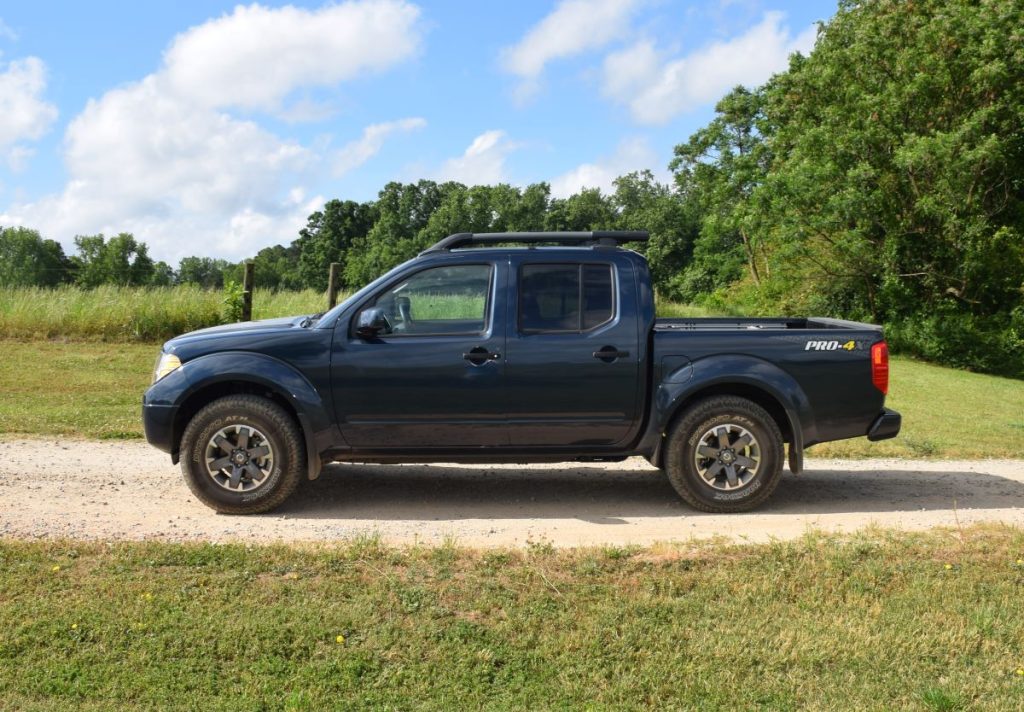
Choosing based on realistic carrying demands instead of peak capability often results in better long term satisfaction. A truck that comfortably handles normal tasks without excess size may provide a better balance.
Understanding how often maximum capacity will truly be used is often the deciding factor between choosing a midsize or full size truck.
5. Comfort Expectations and Passenger Space Priorities
Interior comfort plays a major role in ownership satisfaction, and this is one area where full size trucks often provide advantages. However, whether those advantages matter depends entirely on how the vehicle will be used.
Passenger frequency is an important consideration. Buyers who regularly carry multiple adults may benefit from the larger rear seating area found in many full size trucks. Those who mostly drive alone or with one passenger may not fully use this extra space.
Trip length also matters. Long highway travel with multiple passengers may justify extra cabin space. For shorter trips, midsize interiors often provide sufficient comfort without the extra bulk.
Cab configuration choices further complicate the comparison. Some midsize trucks now offer surprisingly comfortable crew cab designs that meet the needs of many families. Evaluating actual seating comfort rather than assuming size advantage is important.
Storage inside the cabin is another practical factor. Full size trucks often offer larger center consoles and additional compartments. However, midsize trucks increasingly provide smart storage layouts that maximize available space efficiently.
Seat design and ergonomics may matter more than overall cabin size. Supportive seats and good driving position can influence comfort more than raw interior dimensions.
Climate control performance can also differ. Larger cabins may take longer to cool or heat depending on conditions. Smaller interiors may reach comfortable temperatures faster.
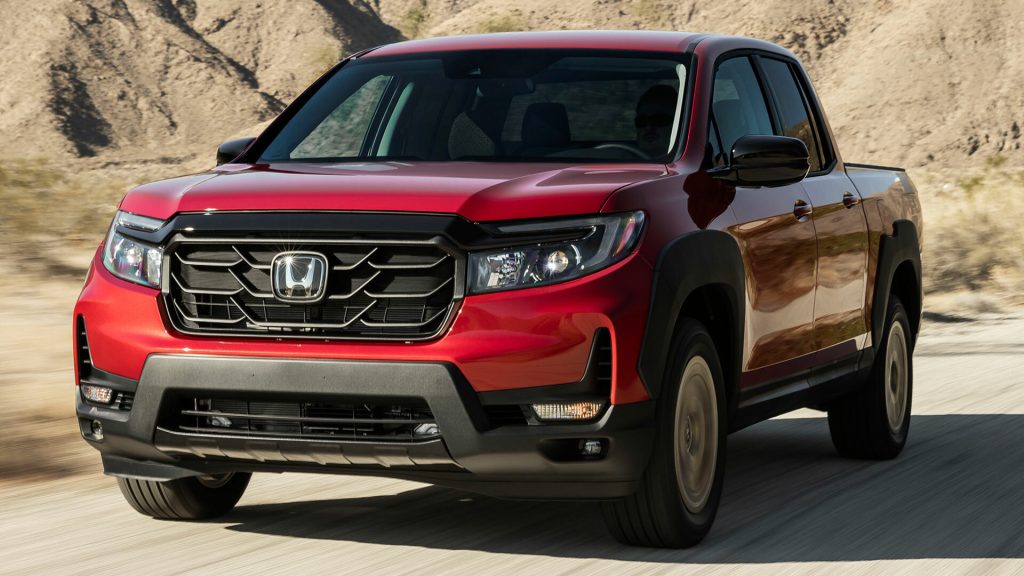
Ride quality differences should also be considered. Some buyers prefer the solid highway feel of a larger truck, while others prefer the lighter feel of a midsize platform.
Child seat usage may also influence the decision. Families should evaluate how easily child seats fit and how accessible rear seating positions are.
Daily entry and exit comfort can also vary. Some drivers find slightly lower midsize trucks easier to access without running boards.
Comfort decisions should always be based on actual passenger needs rather than assumptions. A midsize truck may provide enough comfort for many households while avoiding the size penalties of a larger vehicle.
Balancing comfort expectations with realistic passenger needs helps ensure the chosen truck fits everyday life rather than occasional situations.
6. Parking Practicality and Storage Space Limitations
One factor that becomes more important after purchase is how easily the truck fits into the spaces you use every day. Many buyers focus heavily on performance specifications but underestimate how vehicle size affects routine convenience. Parking practicality often becomes one of the biggest long term satisfaction factors.
Home parking should be evaluated first. Many residential garages were designed decades ago when vehicles were smaller. A full size truck may technically fit, but limited clearance on either side can make daily parking frustrating. A midsize truck often provides more breathing room, making entry and exit easier.
Driveway length is another overlooked issue. Some full size trucks extend farther than expected, which may affect sidewalk clearance or gate closing space. This may not seem important during purchase but becomes a daily inconvenience.
Workplace parking also deserves consideration. Office parking lots, underground structures, and shared commercial spaces may not always accommodate larger trucks comfortably. Choosing a truck that fits easily into common parking spaces can reduce daily stress.
Shopping centers present another reality check. Busy retail parking areas often require tight maneuvering. A truck that fits comfortably into standard spaces without requiring multi point adjustments can make routine errands easier.
Storage also extends beyond parking. Think about where the truck will be kept during long periods. If covered storage is limited, size may determine whether the vehicle is protected from weather exposure.
Another important aspect is turning clearance inside parking areas. Larger trucks often require wider turning angles, which can make tight parking decks more challenging. A midsize truck often provides more flexibility in confined spaces.
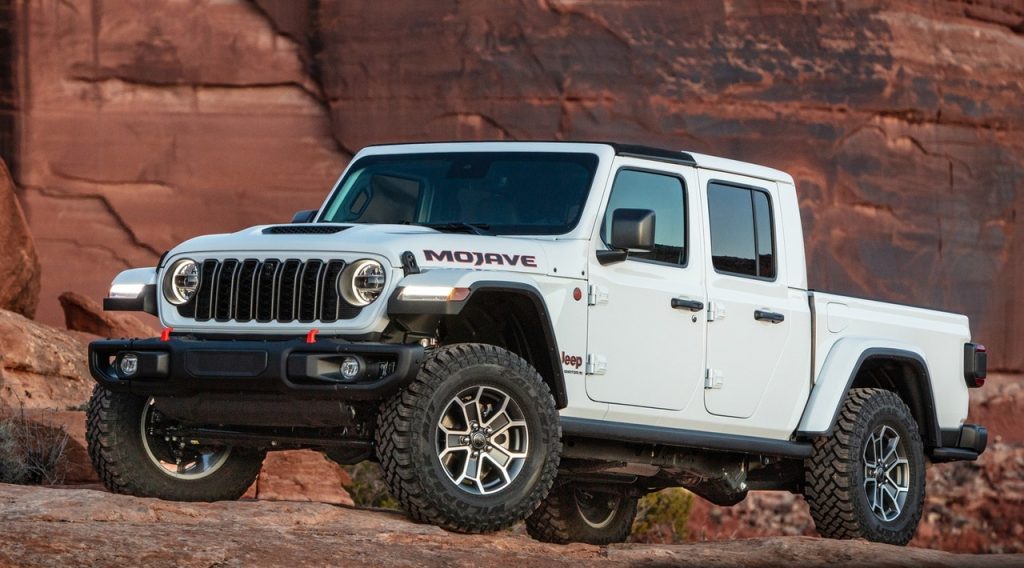
Visibility during parking is also related to size. While modern trucks include cameras and sensors, physical size still affects how easily a driver can judge corners and distances. A slightly smaller vehicle can feel more predictable in close quarters.
Apartment living introduces another layer of consideration. Reserved parking spots may have strict size limitations. Choosing a vehicle that comfortably fits assigned spaces avoids long term inconvenience.
Street parking can also be affected. In dense areas, finding adequate curb space for a full size truck may take longer. A midsize truck may provide more options.
Even cleaning and maintenance access can differ. Washing a very large truck in limited driveway space can be more difficult than maintaining a slightly smaller vehicle.
Long term practicality often comes from how easily the vehicle fits into everyday life rather than how impressive it looks on paper. Parking convenience is something owners deal with constantly, not occasionally.
Choosing a truck that fits naturally into daily storage and parking environments often leads to greater satisfaction than choosing one that barely fits but offers more theoretical capability.
7. Off Road Accessibility and Trail Compatibility
Another important factor involves where the truck can physically travel. While full size trucks may offer impressive power and capability, their size can sometimes limit where they can go. This is particularly relevant for buyers interested in outdoor travel, exploration, or work in remote areas.
Trail width is often the first limitation. Many older trails, forest access routes, and mountain paths were created long before modern full size trucks existed. These paths may physically favor midsize trucks simply because of width clearance.
Length also matters in uneven terrain. A shorter wheelbase often improves breakover angle, which helps prevent the truck from contacting the ground when crossing steep ridges or dips. Midsize trucks often benefit from this geometric advantage.
Turning around on narrow trails is another practical consideration. In remote areas, the ability to reverse direction safely may depend on how much space the truck requires. A smaller truck often provides more flexibility in these situations.
Weight also affects ground pressure. Heavier trucks may sink more easily in soft terrain such as sand or mud. While tire choice matters greatly, lighter vehicles sometimes have an advantage in certain off road environments.
Tree clearance can also influence vehicle choice. Narrow wooded paths may present branch contact risks for wider trucks. A narrower vehicle may reduce the risk of cosmetic damage.
Another factor is transport logistics. Some remote ferries, older bridges, or restricted access routes may have size or weight limits. While uncommon, these restrictions sometimes influence access.
Driver confidence also matters in off road travel. Some drivers feel more comfortable navigating challenging terrain in a vehicle that feels easier to position precisely. Confidence often translates into safer driving decisions.
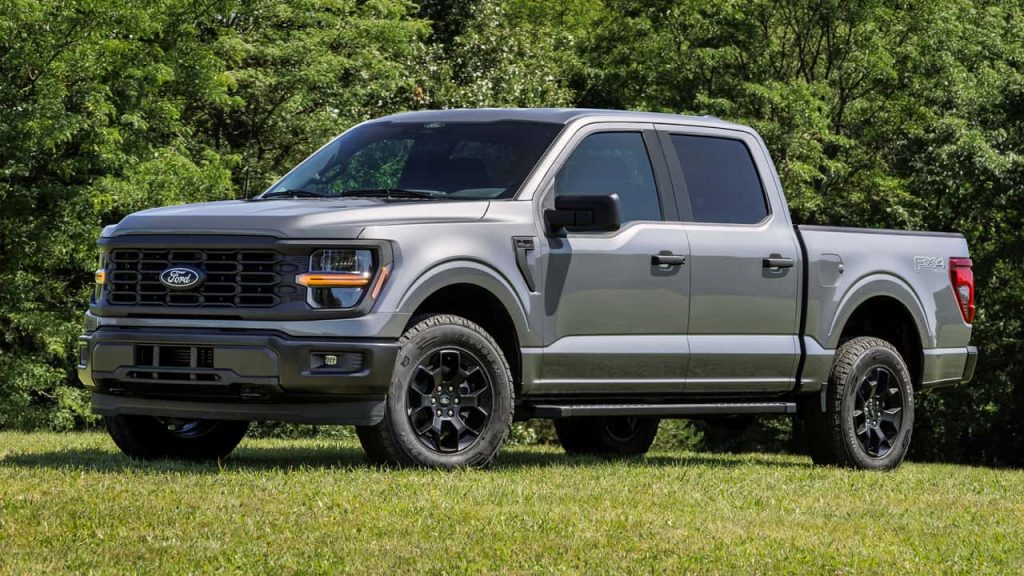
Recovery considerations should also be mentioned. While larger trucks may offer strength, recovering a heavier vehicle from mud or sand may require more equipment and effort compared to a lighter truck.
Exploration flexibility can also differ. Some owners value being able to explore smaller paths without worrying about width restrictions. A midsize truck may allow more route choices.
This factor ultimately depends on intended use. For heavy duty work on open terrain, full size trucks may excel. For technical trails and tighter exploration routes, midsize trucks may offer practical advantages.
Understanding where the truck will realistically travel is just as important as understanding what it can theoretically handle. Size influences access just as much as power.
8. Long Term Ownership Flexibility and Lifestyle Changes
One factor that many buyers overlook is how well a truck will adapt to changes in lifestyle over time. A vehicle is rarely owned for just one purpose throughout its life.
Jobs change, living locations change, family needs evolve, and hobbies develop. Choosing the right size truck should include thinking about how flexible it will remain as circumstances shift.
Daily driving patterns often change first. Someone who initially buys a truck for occasional work tasks may later find themselves commuting longer distances. In such cases, a midsize truck may remain easier to live with due to its balance between utility and drivability.
Relocation is another realistic scenario. Moving from a suburban area to a denser city environment can suddenly make a large vehicle feel less convenient. A truck that was easy to manage in wide streets may become more difficult in tighter areas.
Family size changes can also influence how a truck is used. Some owners may need more passenger space later, while others may find their need for cargo changes instead. Evaluating how adaptable the vehicle is can help avoid the need for early replacement.
Hobby changes are another factor. Someone who initially buys a truck for simple hauling may later develop interests such as camping, biking, or travel. A truck that balances efficiency with capability may adapt better to changing recreational needs.
Financial flexibility should also be considered. Fuel prices, maintenance costs, and insurance expenses can fluctuate over time. A truck that is easier to afford during changing economic conditions may provide more long term comfort.
Another aspect is ease of resale. Vehicles that appeal to a broader range of buyers may be easier to sell later. Midsize trucks often attract buyers looking for balance rather than maximum specialization.
Technology changes can also affect ownership satisfaction. Newer driver assistance features and efficiency improvements appear frequently. Owners who prefer to upgrade more often may benefit from choosing a truck that is easier to trade or sell.
Another overlooked point is aging comfort. As owners get older, ease of entry, parking simplicity, and driving comfort may become more important than maximum capacity. A manageable vehicle may remain enjoyable longer.
The best purchase decisions consider not only current needs but also future adaptability. A truck that continues to fit changing circumstances often proves to be the better long term investment.
Flexibility is often more valuable than maximum capability. Choosing a truck that can adapt to life changes often results in better ownership satisfaction than choosing one optimized only for present needs.
Also Read: 8 High-End Sedans That Depreciate Fast Worth Buying in 2026
