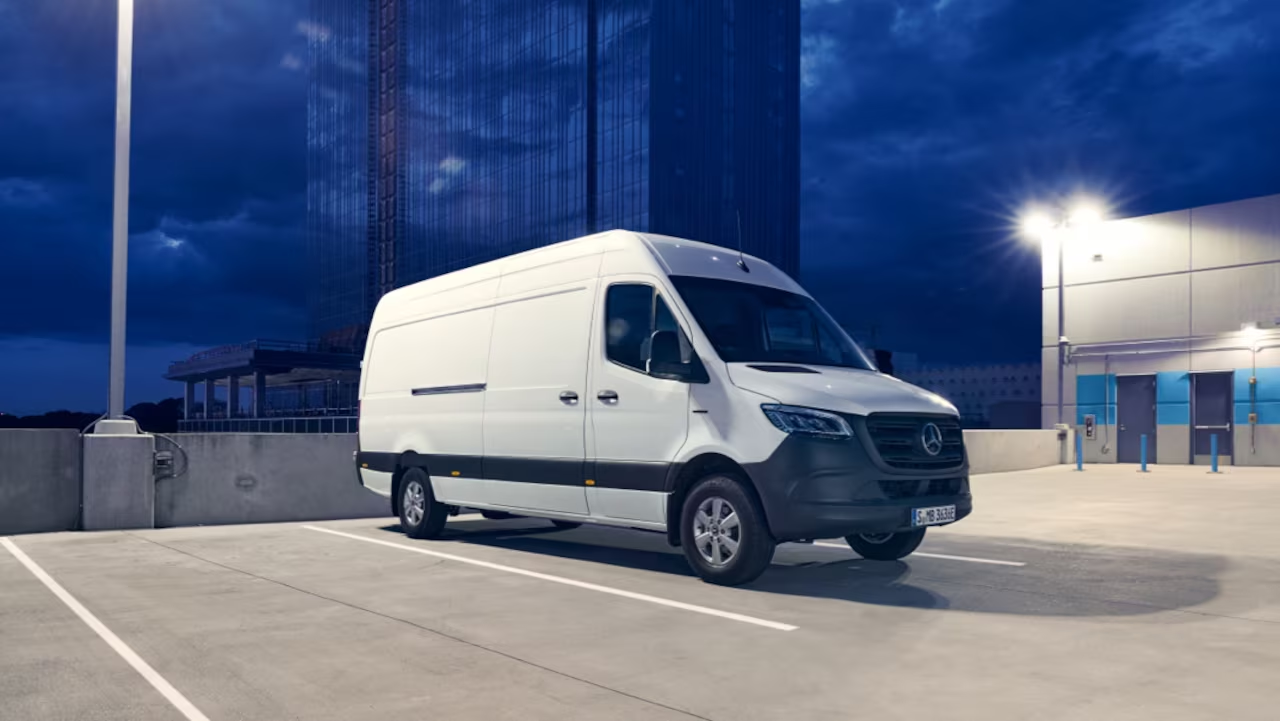
Heavy duty vans have become one of the most important tools for professionals who operate mobile businesses.
Electricians, plumbers, carpenters, HVAC technicians, delivery specialists, and field engineers often depend on vans that can be converted into organized workspaces rather than just cargo carriers. A well chosen van can function as a moving workshop, storage facility, and service station all in one.
The most important factor when selecting a van for workshop conversion is interior space. High roof designs and wide cargo areas allow professionals to install shelving, tool racks, workbenches, and storage compartments without sacrificing mobility.
The ability to stand upright inside the van can dramatically improve productivity during long workdays.
Structural strength also plays a major role. Workshop conversions often add significant weight through equipment, generators, compressors, and spare parts. Vans with strong frames and high payload ratings are better suited to handle these modifications without long term wear problems.
Another key consideration is interior layout flexibility. Vans with flat cargo floors and minimal wheel well intrusion allow easier customization. A clean interior structure simplifies installation of cabinets and tool systems.
Door design also matters more than many buyers expect. Wide opening rear doors and sliding side doors allow easier access to tools and equipment. Efficient access can save valuable time during service calls.
Reliability is another major concern. A workshop van is not just transportation. It is the foundation of a business operation. Choosing models known for mechanical durability can reduce downtime and protect income stability.
Electrical capacity also becomes important. Many modern workshop vans include power management options or space for auxiliary battery systems. This allows professionals to run tools directly from the vehicle.
In this list, we will examine ten heavy duty vans that are particularly well suited for conversion into professional workshops.
Each one earns its place through a different advantage such as interior size, structural durability, customization flexibility, or long term reliability. These vans demonstrate how the right platform can transform a simple cargo vehicle into a highly productive mobile workspace.
Also Read: 7 Essential Inspections Every Driver Should Do Before a Long Road Trip
1. Ford Transit High Roof
When professionals begin planning a mobile workshop, interior space often becomes the first serious consideration. The Ford Transit High Roof has become one of the most popular platforms for this purpose because it provides the kind of vertical space that allows technicians to work inside the van instead of constantly stepping outside.
One of the most practical advantages of this van is the ability for many adults to stand fully upright inside. This may seem like a comfort feature, but for electricians, telecom installers, or service engineers who organize tools multiple times per day, it can significantly reduce fatigue and improve efficiency.
Another strong point is the interior shape. The cargo area is designed with relatively straight side walls, which makes installing shelving systems easier. This type of layout allows professionals to maximize every inch of space when building storage systems.
The Transit also benefits from strong aftermarket support. Many companies specialize in racks, partitions, and modular storage designed specifically for this van. This makes conversion planning easier compared to less common platforms.
Payload capability also strengthens its appeal. The van is capable of carrying heavy tool inventories and equipment without compromising structural integrity. Strong payload capacity is essential when the vehicle becomes a fully equipped workshop.
Another factor professionals appreciate is the wide rear door opening. The rear access allows large equipment such as compressors or fabrication tools to be loaded without difficulty. Accessibility often determines how practical a mobile workshop becomes.
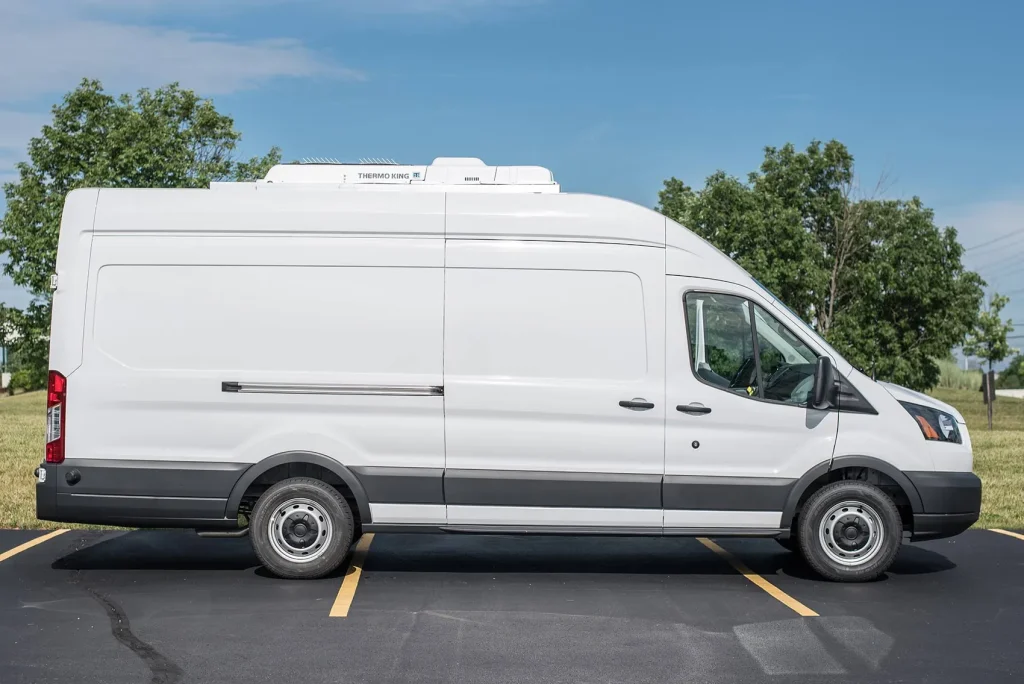
Powertrain variety is another advantage. Buyers can choose between different engines depending on whether they prioritize efficiency or power. This flexibility helps match the van to the specific demands of different trades.
The Transit also offers multiple body lengths. This allows businesses to select the right size based on how much equipment they plan to carry. Smaller operations may choose shorter models while larger service companies may prefer extended versions.
The Ford Transit High Roof earns its place because it offers one of the most flexible platforms for professional workshop conversions. For businesses looking to build a highly organized and productive mobile work environment, it remains one of the most adaptable heavy duty vans available.
2. Mercedes Benz Sprinter
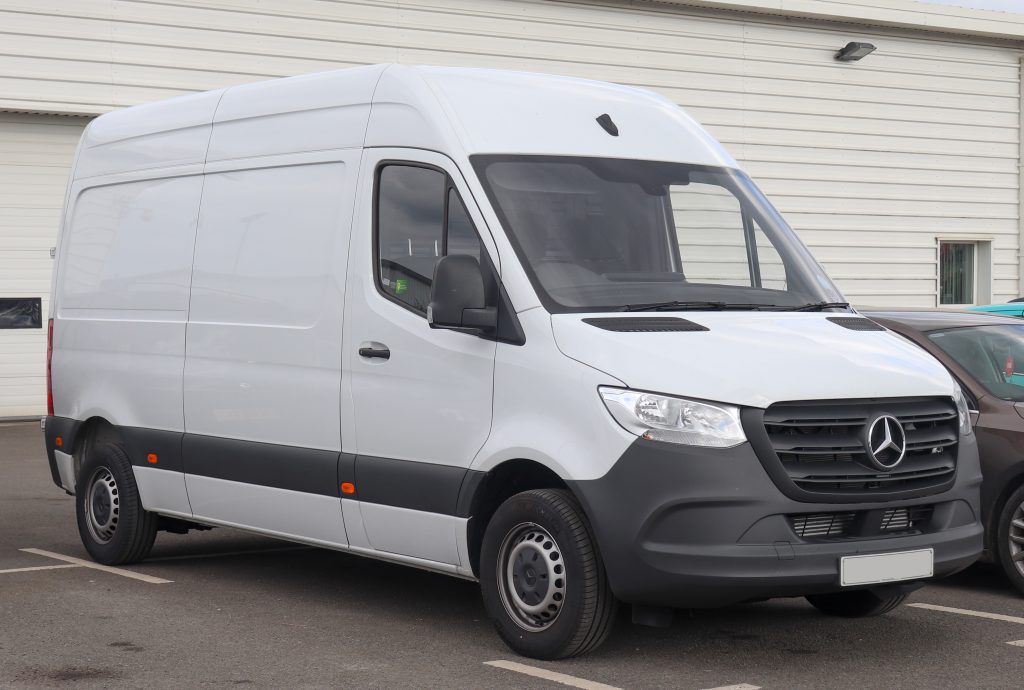
Some vans become industry standards not because they are the cheapest option but because they offer exceptional adaptability. The Mercedes Benz Sprinter has built a strong global reputation as a premium platform for professional workshop conversions due to its spacious design and engineering flexibility.
One of the biggest advantages is the van’s interior height options. High roof versions provide enough clearance for full standing movement, which allows professionals to perform small tasks inside during bad weather. This can be extremely valuable for mobile technicians.
Another major benefit is the long cargo area. Extended body versions provide space for complex workshop layouts including tool walls, storage cabinets, and even small workbenches. This allows the van to function as a true mobile service center.
The Sprinter also benefits from strong structural engineering. The body is designed to tolerate heavy equipment installations without excessive flex. Stability becomes important when the van carries expensive tools and machinery.
Another strength is electrical integration potential. Many workshop conversions require secondary battery systems or inverters, and the Sprinter platform supports these installations well. Electrical flexibility allows businesses to power tools directly from the vehicle.
Door accessibility is also excellent. Wide rear doors and a large sliding side door allow easy movement of equipment. Efficient entry points can speed up daily operations.
Another factor that makes this van popular among professionals is its reputation for long distance durability. Service companies that operate across large territories often choose platforms known for reliability over high mileage use.
Interior mounting points also support customization. The van includes areas where shelving and storage systems can be securely installed without extensive modification. This simplifies the conversion process.
The Mercedes Benz Sprinter earns recognition because it offers a professional grade platform that supports complex workshop builds. For businesses that view their van as a long term investment rather than just a vehicle, it remains one of the most respected choices for mobile workshop conversions.
3. Ram ProMaster 3500
For many professionals planning a workshop conversion, ease of customization becomes just as important as size. The Ram ProMaster 3500 stands out because its design makes interior modifications more straightforward compared to many traditional rear wheel drive vans.
One of the most helpful characteristics of this van is its front wheel drive layout. Because the drivetrain components are positioned differently, the cargo floor sits lower than in many competitors. A lower floor height makes it easier to load heavy equipment and reduces the effort required when moving tools in and out daily.
The cargo area also benefits from a nearly rectangular interior shape. Straight walls allow cabinets and storage racks to be installed without complex adjustments. This shape helps maximize usable space and reduces wasted areas inside the van.
Another advantage is the wide body design. The ProMaster allows certain storage systems to be installed sideways, which is not always possible in narrower vans. This layout flexibility allows creative workshop designs.
Rear door access is another practical strength. The doors open wide enough to allow large machinery or fabrication tools to be loaded without difficulty. Wide access can significantly improve loading efficiency.
The van also includes strong payload capacity, which is essential when installing heavy workshop equipment such as generators or welding tools. Structural strength ensures the van remains stable even when fully equipped.
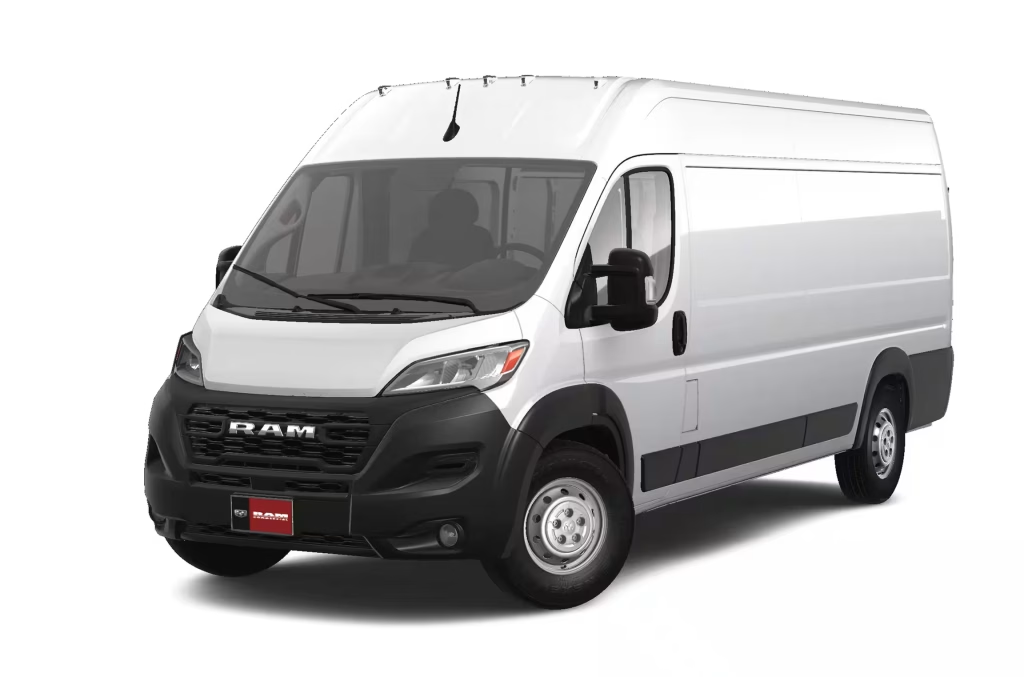
Another appealing feature is the large sliding side door. This provides quick access to frequently used tools without needing to open the rear cargo area. Time savings from efficient access can improve productivity.
The ProMaster also appeals to business owners because of competitive purchase costs compared to some premium vans. Lower initial investment can make it attractive for small businesses starting mobile operations.
Another strength is the relatively simple interior structure. Fewer curves and obstructions make it easier to install insulation, wall panels, and storage systems during conversion.
The Ram ProMaster 3500 earns its place because it offers one of the most conversion friendly cargo areas available. For professionals looking to build a customized mobile workshop without complicated modifications, it represents a highly practical platform.
4. Chevrolet Express 3500
Some vans earn their reputation through innovation, while others become trusted through consistency. The Chevrolet Express 3500 belongs to the second group. Despite its older design compared to newer vans, it remains a respected platform for workshop conversions because of its proven durability.
One of the biggest advantages is its strong body on frame construction. This type of structure allows the van to tolerate heavy equipment installations without excessive strain. Many commercial users prefer this design because it has a long record of durability.
Another important factor is mechanical simplicity. The Express platform uses well proven drivetrain components that many mechanics understand. Easy serviceability can be important for businesses that cannot afford long repair delays.
The cargo area may not be as tall as some modern vans, but it offers a dependable structure for installing storage systems. Many professionals build highly functional workshop layouts despite the lower roof height.
Another advantage is the strong rear axle design. This allows the van to carry heavy loads without excessive wear. High payload tolerance is essential for fully equipped workshop builds.
The van also benefits from widespread fleet use. Vehicles used by service companies often reveal whether they can survive constant commercial use. Continued popularity suggests this platform continues to meet those demands.
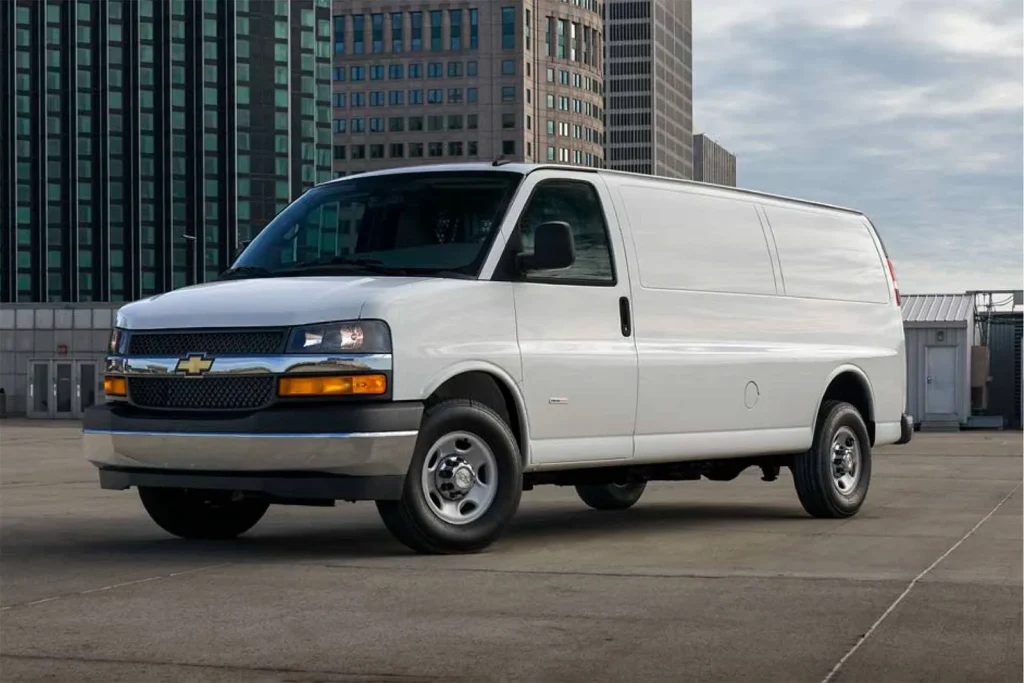
Another practical benefit is cost efficiency. Used Express vans often sell for lower prices compared to newer high roof models. This can allow businesses to invest more money into interior workshop equipment instead of vehicle purchase costs.
Door durability is also part of its appeal. The rear and side doors are built with strong hinges that tolerate constant operation. Reliable access points are essential for daily work routines.
The Chevrolet Express 3500 earns recognition because it offers dependable strength through proven engineering. For professionals who value reliability and straightforward durability over modern styling, it remains a solid platform for building a mobile workshop.
5. Nissan NV3500 HD
Some vans become ideal workshop platforms because they offer something rare in the segment, a balance between cargo capacity and driver comfort. The Nissan NV3500 HD stands out because it was designed to handle serious commercial use while still providing a cabin experience closer to a heavy duty pickup truck.
One of the most useful characteristics is the high roof option that allows improved vertical workspace. This makes it easier to install tall shelving systems and vertical tool racks. Professionals who need to organize many small components often benefit from this vertical storage potential.
Another advantage is the reinforced cargo floor. Nissan engineered the NV3500 to handle heavy loads, which allows it to support heavy workshop equipment such as air compressors or fabrication tools. A strong floor is critical when the van becomes a rolling tool station.
The van also includes strong roof mounting capability. Some workshop conversions require ladder racks or storage tubes mounted above the vehicle. The NV3500 structure supports these additions without excessive strain.
Another practical strength is the front cabin design. Since it shares some design ideas with Nissan trucks, it offers comfortable seating and practical controls. Comfortable driving conditions matter when professionals travel between multiple job sites daily.
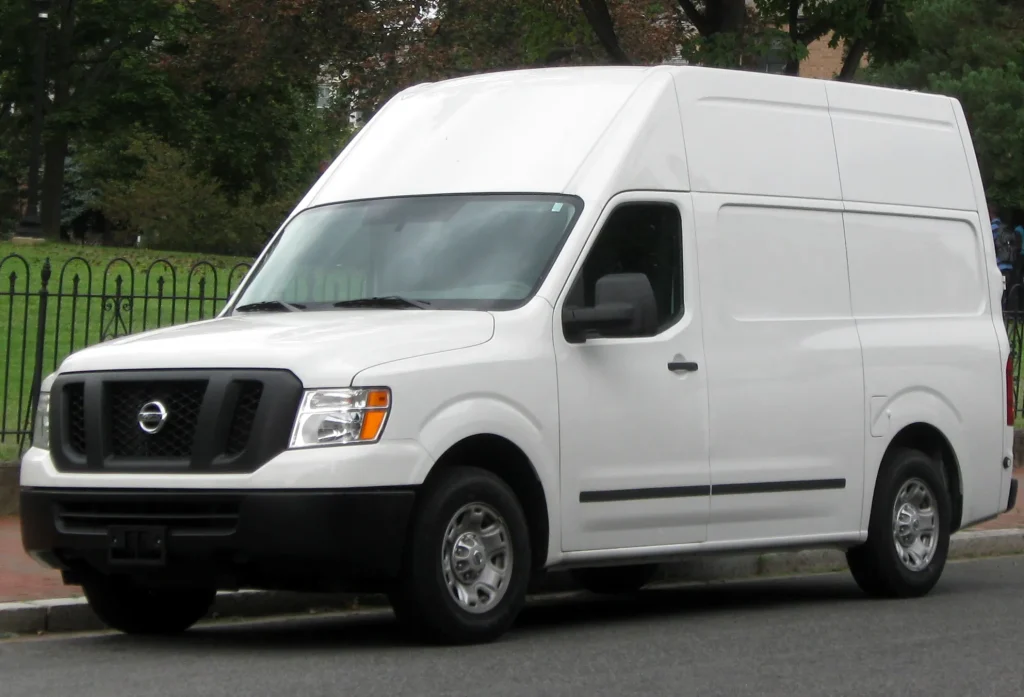
The NV3500 also includes large rear door openings. This allows technicians to load large tool chests or equipment cases without complex maneuvering. Wide access reduces loading time and effort.
Another advantage is the strong V8 engine available in many models. A powerful engine helps maintain performance even when the van carries a full workshop setup. Maintaining speed with heavy cargo improves efficiency.
The van also benefits from simple interior mounting surfaces. These allow easier installation of partitions and tool racks without extensive structural modification.
Another factor that makes this van attractive is its reputation for durability in delivery and service fleets. Commercial users often value vehicles that prove themselves under daily use conditions.
The Nissan NV3500 HD earns recognition because it offers a strong and comfortable platform for professional workshop conversions. For businesses needing a van capable of carrying serious equipment while still providing a practical driving environment, it stands as a dependable option.
6. Iveco Daily
Some heavy duty vans are designed not just as cargo vehicles but as true industrial tools. The Iveco Daily fits this description by offering a truck like construction approach within a van body. This design philosophy makes it particularly suitable for professional workshop conversions that require strength above all else.
One of the most important advantages is its ladder frame construction in certain configurations. Unlike many unibody vans, this design allows the Daily to tolerate very heavy installations such as welding equipment or hydraulic tools. This structural strength gives it a unique advantage.
Another major benefit is the wide range of body configurations. The Iveco Daily is available in multiple heights and lengths, allowing businesses to select the exact dimensions needed for their workshop layout. Flexibility in sizing is extremely valuable for specialized trades.
The van also benefits from strong rear axle capacity. This allows it to maintain stability even when carrying dense equipment loads. Stability is essential when the van becomes a mobile work environment.
Another important strength is its diesel engine efficiency. Diesel engines are often preferred for commercial vans because they offer strong torque and good fuel economy. This makes the Daily suitable for businesses that travel long distances.
The interior also allows installation of heavy duty shelving systems. The structure is designed to support professional grade storage rather than light duty cargo arrangements.
Another practical benefit is towing capability. Some mobile workshops tow additional equipment trailers, and the Daily platform supports this type of operation well.
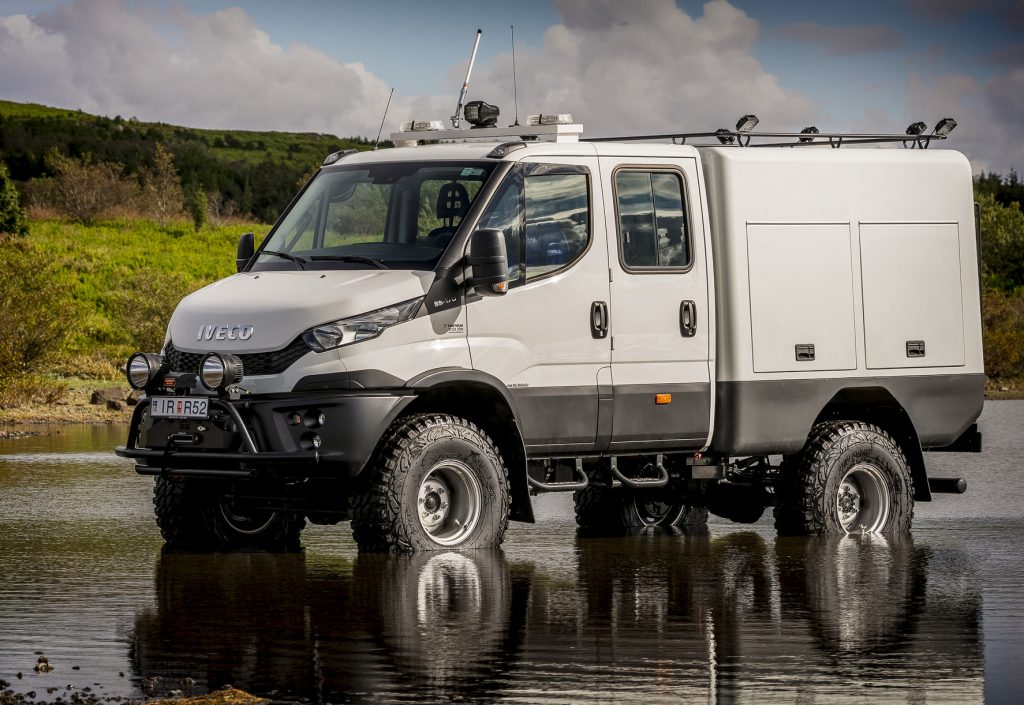
The van also benefits from use in demanding industries such as construction and municipal services. Vehicles used in these sectors must tolerate continuous workload, which supports its durability reputation.
The Iveco Daily earns its place because it offers industrial level strength in a van format. For professionals planning heavy duty workshop conversions that require structural durability, it represents one of the strongest platforms available.
7. Volkswagen Crafter
Some workshop vans are chosen because of their size, while others are selected because they allow very precise organization. The Volkswagen Crafter belongs to the second group. It has become popular among professionals who want a clean interior layout that supports well planned tool systems rather than improvised storage.
One of the most noticeable advantages is the van’s clean interior geometry. The cargo space was designed with minimal intrusion from structural elements. This allows professionals to install straight shelving rows and symmetrical storage layouts without wasting usable space.
Another strong point is the available high roof configuration. Being able to stand upright inside allows technicians to sort parts, prepare materials, or complete minor tasks without stepping outside. Over time this improves efficiency and reduces physical strain.
The Crafter also includes a strong cargo floor designed to support commercial loads. Workshop conversions often involve heavy cabinets and spare parts inventory, and the van is capable of handling this added weight without compromising structural stability.
Another practical advantage is door accessibility. The large sliding side door allows quick access to frequently used equipment. Many workshop conversions position commonly used tools near the side opening for faster service stops.
The rear doors also open wide, which allows large machines such as pipe threading equipment or diagnostic stations to be installed without difficulty. Wide door angles improve usability in daily operations.
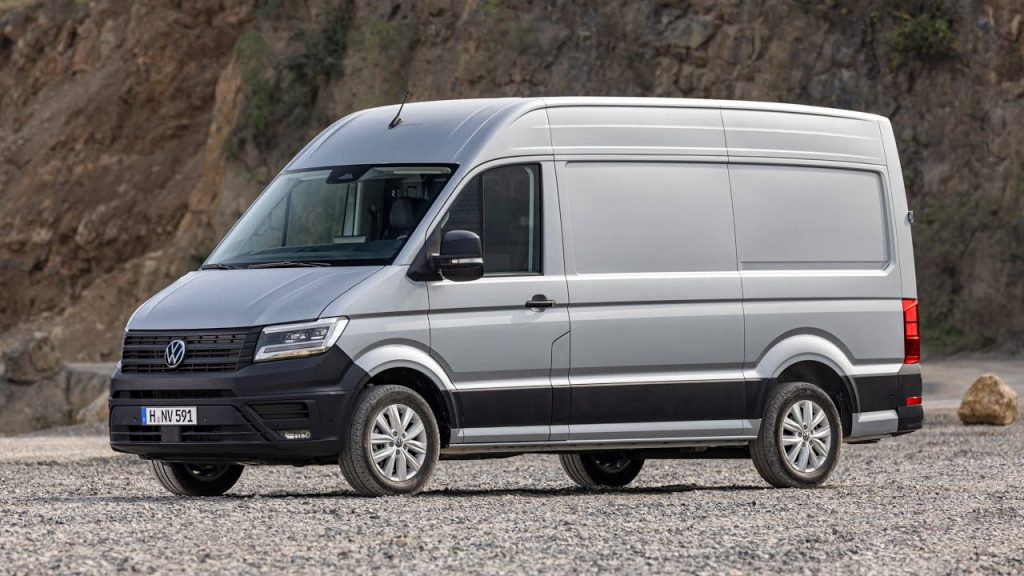
Another reason professionals choose this van is its interior mounting provisions. The structure allows shelves and racks to be attached securely, which is essential for safety when transporting tools.
The Crafter also offers efficient diesel engines in many markets. Fuel efficiency becomes important for mobile service businesses that travel long distances between jobs.
Another benefit is how quietly the van operates on highways. Reduced cabin noise can make long travel days less tiring for drivers who operate mobile workshops.
The Volkswagen Crafter earns its place because it offers a highly organized foundation for professional conversion. For businesses that want a van capable of supporting detailed and structured workshop layouts, it represents a very well planned platform.
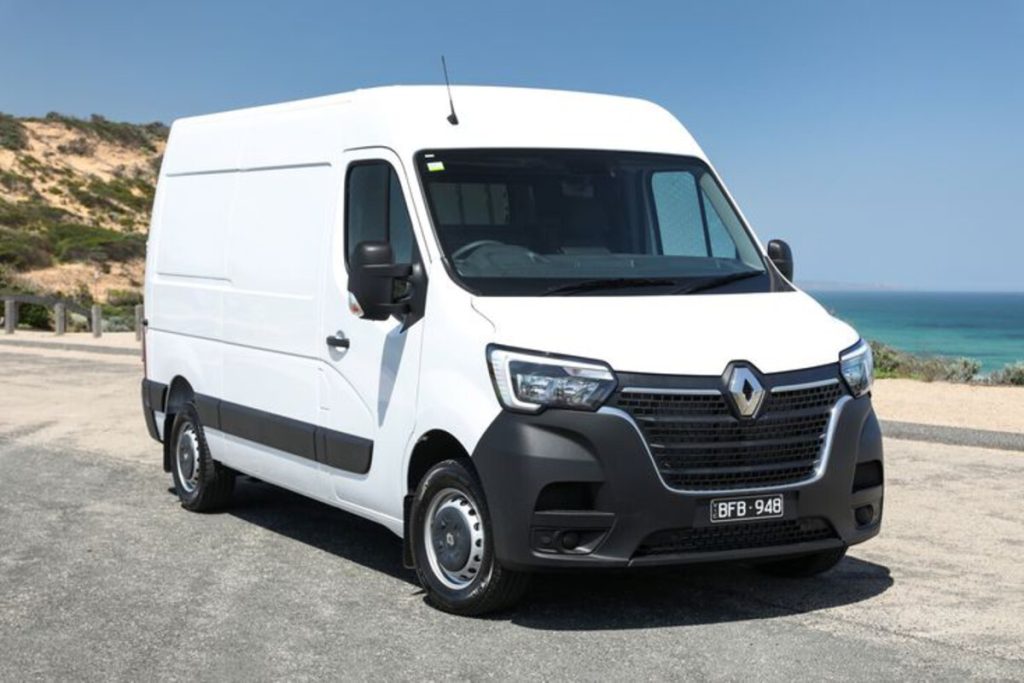
8. Renault Master
Not every workshop van needs to be the largest available. Some businesses benefit more from flexibility and cost efficiency, and the Renault Master is often chosen for this reason. It offers strong commercial capability while remaining practical for companies managing operating expenses.
One of the biggest advantages is the variety of body sizes. The Master is available in multiple roof heights and cargo lengths. This allows businesses to choose a configuration that fits their exact equipment requirements rather than paying for unused space.
Another strength is the van’s square cargo design. Flat side panels allow easy installation of modular shelving systems. Clean interior surfaces make workshop planning more straightforward.
The van also benefits from a relatively low cargo floor height. This makes loading heavy tool cases easier compared to some taller platforms. Reduced lifting effort can improve worker efficiency over time.
Another practical detail is the wide side door opening. This allows technicians to reach tools quickly during service visits. Efficient access is essential for time sensitive repair work.
The Master also includes strong payload ratings suitable for professional equipment installations. This ensures the van remains stable even when carrying full workshop systems.
Another advantage is fuel efficiency. Diesel versions often provide good operating economy, which is important for businesses that cover large service areas.
The van also benefits from strong use in delivery and service fleets across many regions. Vehicles used in these demanding roles must demonstrate durability and practical usability.
Another appealing quality is conversion affordability. Businesses often find that the Master offers good value while still providing the necessary space for workshop builds.
The Renault Master earns recognition because it provides a flexible and practical foundation for mobile business setups. For companies seeking a van that balances space, efficiency, and operating cost control, it remains a strong candidate for professional workshop conversion.
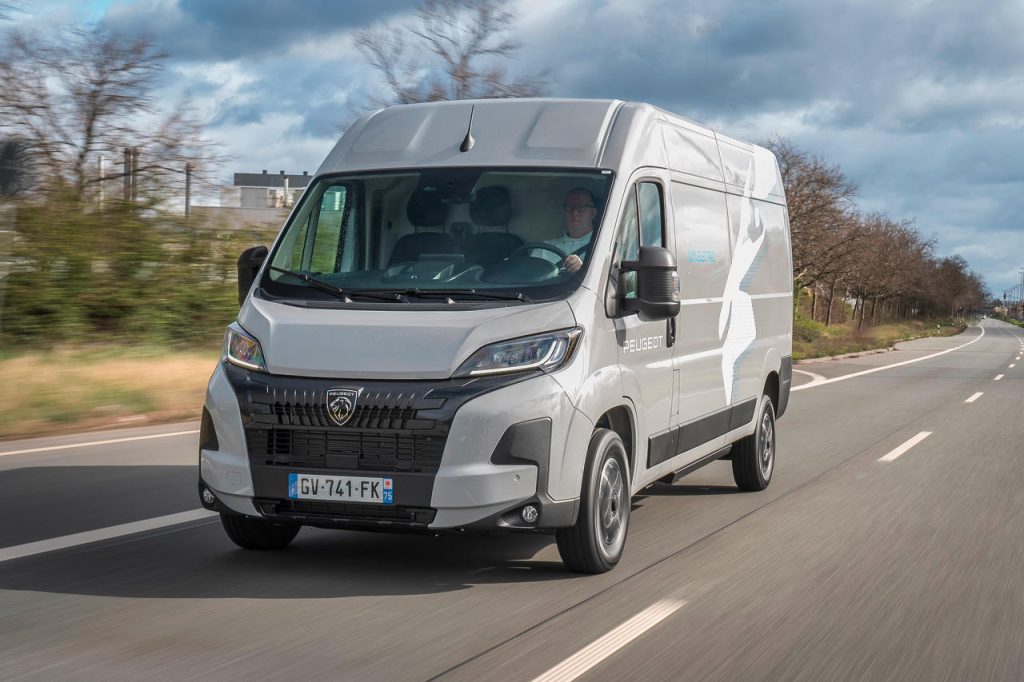
9. Peugeot Boxer
Some vans become excellent workshop platforms because they focus on maximizing usable interior volume rather than exterior styling. The Peugeot Boxer fits this category well by offering a highly practical cargo space that supports a wide range of professional conversion ideas.
One of the biggest advantages of the Boxer is its wide cargo body. This width allows installation of dual sided shelving while still leaving a central walking path. Being able to move inside the van without obstruction can improve workflow efficiency.
Another useful characteristic is the van’s straight cargo walls. Flat surfaces make it easier to mount tool panels, electrical systems, and storage units. This simplicity reduces conversion time and complexity.
The Boxer also benefits from strong rear door opening angles. The doors can open wide enough to allow large work equipment to be loaded without awkward positioning. This helps technicians who install large service tools.
Another strength is the available high roof option. This allows many technicians to stand while organizing tools or preparing materials. Vertical working space is one of the biggest productivity improvements in mobile workshop design.
The van also includes a strong cargo floor capable of supporting heavy workshop installations. This allows safe transport of tool cabinets and spare parts inventory.
Another practical feature is the sliding side door, which allows quick access to commonly used equipment. Many professionals design their workshop layout so essential tools are accessible from this entry point.
The Boxer also benefits from use in courier and service industries. These sectors demand reliability and practical cargo access, which supports its reputation as a dependable work vehicle.
Another reason businesses consider this van is its relatively efficient diesel engine lineup. Fuel economy can have a major impact on long term operating costs.
The Peugeot Boxer earns its place because it offers a practical and highly usable cargo platform. For businesses planning organized and efficient mobile workshops, it provides a strong and adaptable base vehicle.
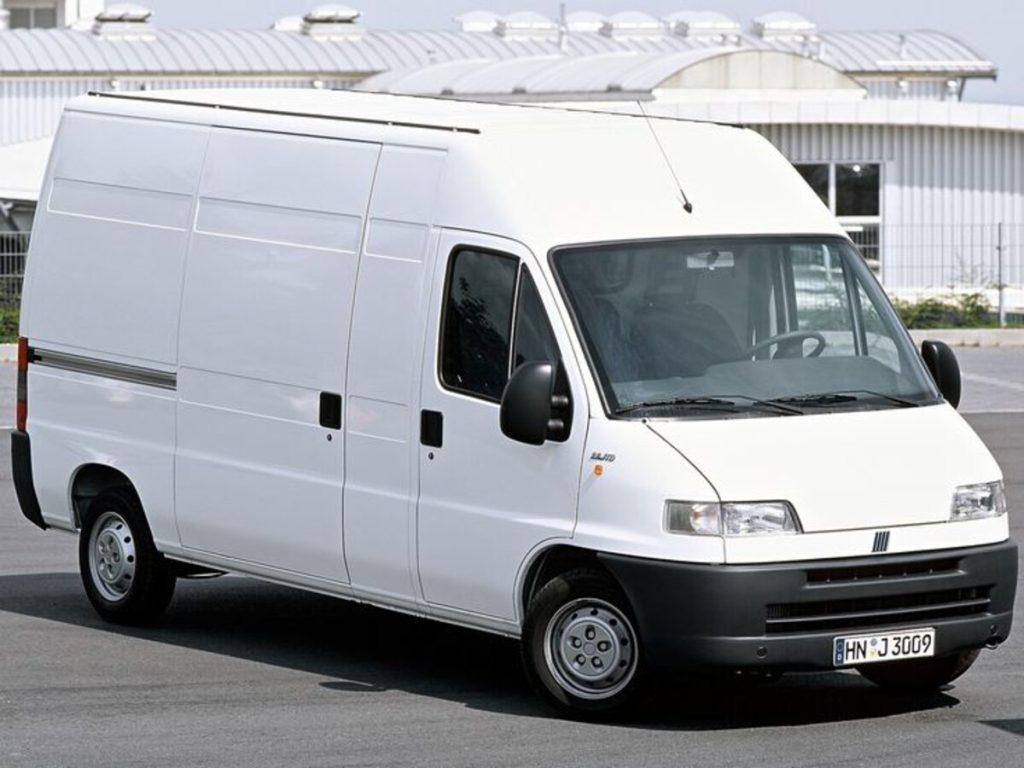
10. Fiat Ducato
The final position on this list goes to a van that has quietly become one of the most widely used commercial platforms in many markets. The Fiat Ducato has earned strong respect because it offers a highly adaptable structure that supports detailed workshop conversions across many industries.
One of the most valuable qualities of the Ducato is its flat cargo floor and vertical side walls. This allows professionals to create highly efficient storage layouts without needing to adjust for unusual shapes. Efficient geometry often determines how useful a van becomes.
Another advantage is the availability of multiple length and height configurations. Businesses can select a model that exactly fits their equipment needs, whether they require compact mobility or maximum storage.
The Ducato also benefits from front wheel drive packaging, which allows a lower loading height. This makes it easier to move heavy equipment in and out during daily operations. Reduced loading effort can improve workplace safety.
Another strength is the van’s strong payload capability. Fully converted workshop vans often carry heavy electrical systems, storage racks, and tools. The Ducato platform is built to support this type of commercial load.
The van also allows effective installation of electrical upgrades. Many professional workshop builds include power inverters and auxiliary battery systems, and the Ducato structure supports these modifications well.
Another practical benefit is its reputation among mobile trades such as plumbing and telecommunications. Continued use in these industries demonstrates its suitability for demanding service work.
The Ducato also offers efficient diesel engines designed for commercial mileage. Fuel efficiency remains a key factor for businesses operating mobile service fleets.
Another reason this van earns recognition is its long history as a conversion platform. Many aftermarket companies design workshop systems specifically for this model.
The Fiat Ducato closes this list because it represents one of the most adaptable heavy duty vans available for professional conversion. For businesses wanting a reliable foundation for a mobile workshop that can support years of daily operation, it stands as a highly capable and proven choice.
Also Read: 7 Methods for Leveling a Truck Without Messing Up the Suspension