
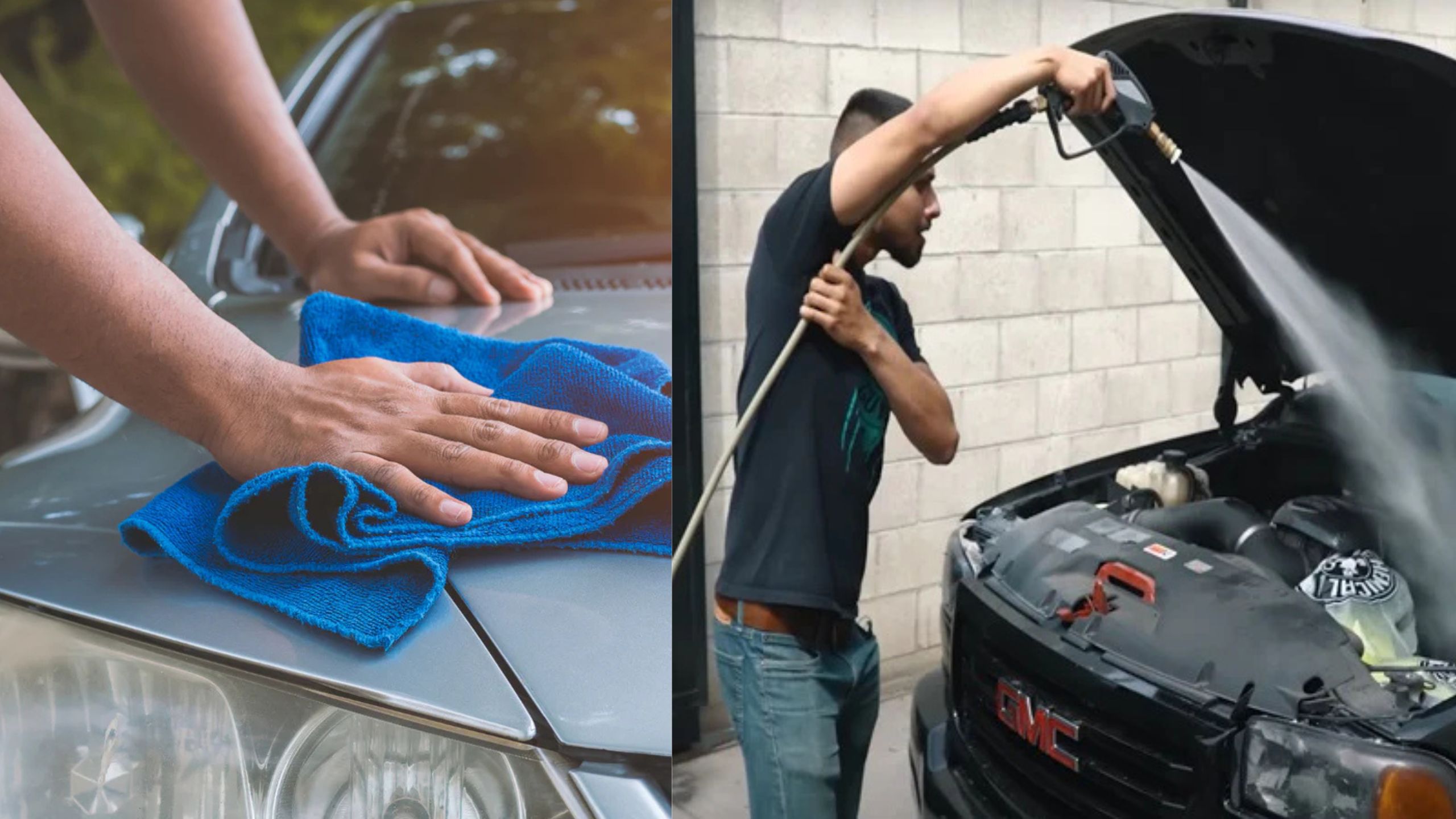
A clean engine bay is more than just a visual upgrade. It reflects how well you maintain your vehicle. Many car owners avoid cleaning their engine bay out of fear. They worry about damaging sensitive electronics or causing costly repairs.
The truth is, cleaning an engine bay is completely safe when done correctly. You just need the right tools, the right technique, and the right knowledge. A dirty engine bay can hide oil leaks, cracks, and worn belts. It can also cause overheating by trapping heat under layers of grease and grime.
Modern engines are built with better-sealed electrical components than older models. However, that does not mean you should spray water everywhere without caution. Taking simple protective steps can save you from expensive damage. It also ensures your engine looks and performs at its best.
Whether you are a first-time cleaner or an experienced DIY mechanic, this guide is for you. We will walk you through seven proven, safe methods to clean your engine bay. Each method is designed to protect your electronics while delivering great results. Follow these steps and your engine bay will look factory fresh in no time.
1. Allow the Engine to Cool Down Completely Before You Start
One of the biggest mistakes car owners make is cleaning a hot engine. This single error can cause serious damage to your engine components. A hot engine has metal parts that are expanded due to heat. Spraying cold water on them creates a thermal shock that can crack or warp those parts.
Always let your vehicle sit for at least 30 to 60 minutes after driving. The engine needs time to reach a safe, cool temperature before any cleaning begins. You can place your hand near the engine block to feel the heat. If it still radiates warmth, wait a little longer before proceeding.
Cooling down the engine also protects rubber hoses and plastic components. These parts become more brittle and sensitive when they are hot. Introducing cleaning chemicals to a hot surface can also cause chemical reactions. This may lead to discoloration, cracking, or premature deterioration of those materials.
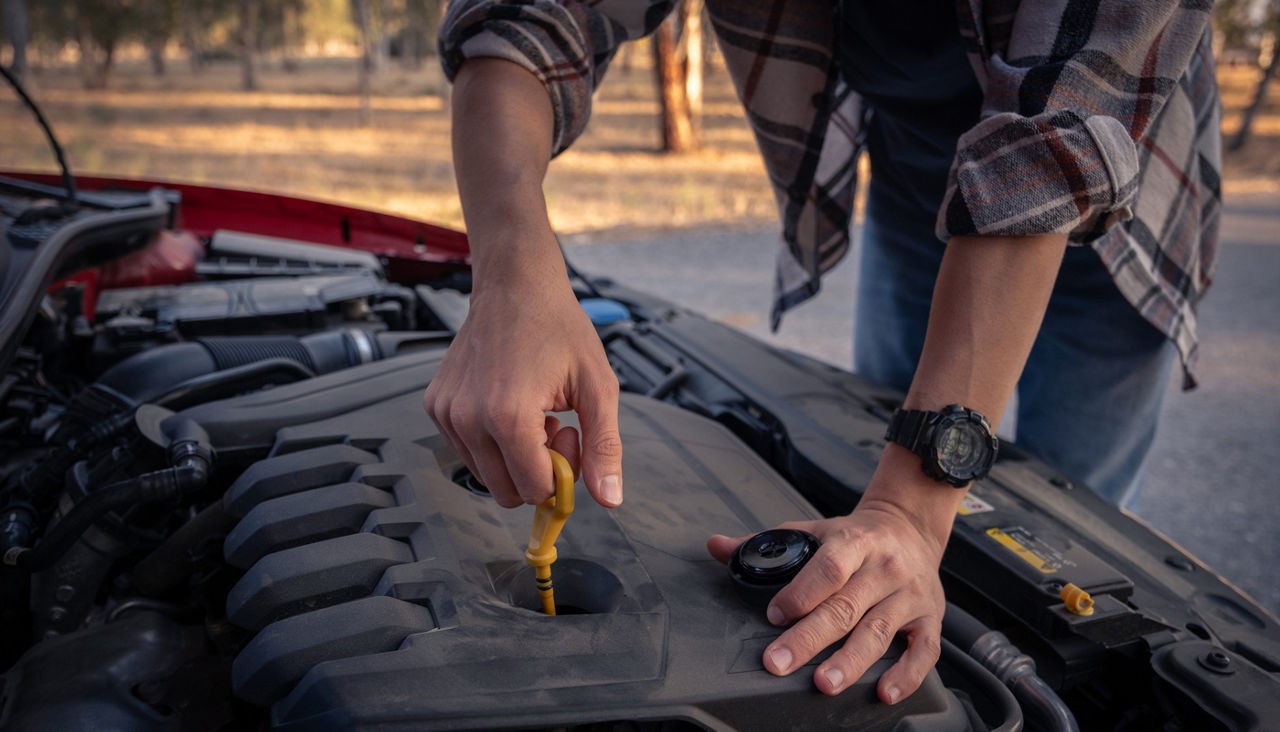
A cool engine also allows degreasers to work more effectively. The chemicals can penetrate grease and oil buildup without evaporating too quickly. On a hot surface, cleaning products evaporate almost instantly. This means they do not get enough time to break down stubborn grime.
Working on a cool engine also keeps you safe as the person doing the cleaning. Touching hot metal parts can cause serious burns. Steam created when water hits a hot engine surface can scald your skin. Personal safety should always be your first priority before starting any engine cleaning task.
Beyond safety, a cool engine gives you full control over the cleaning process. You can take your time and clean each section properly. There is no rush because you are not racing against rising heat. This methodical approach always delivers better and more thorough cleaning results.
Another benefit of starting cool is that it lets cleaning solutions soak into grime. Degreasers need a few minutes of dwell time to be effective. A cool engine allows this dwell time to work as intended. You will notice that grime lifts off much more easily as a result.
Mechanics and professional detailers always follow this rule without exception. They know that patience before cleaning leads to better outcomes after cleaning. Make this the first habit you build in your engine bay cleaning routine. It sets the foundation for every other safe and effective method that follows.
Finally, always check your coolant level and radiator cap before and after cleaning. A cool engine means the radiator system is depressurized and safer to work around. Never open a hot radiator cap under any circumstances. Keeping the engine cool protects both you and your vehicle from unnecessary harm.
2. Cover and Protect All Sensitive Electronics Before Applying Any Water
Electronics are the most vulnerable part of any engine bay cleaning session. Water and electrical components are a dangerous combination if not handled carefully. Modern engines have sensors, fuse boxes, alternators, and exposed wiring everywhere. Protecting them before you begin is an essential step that must never be skipped.
Start by using plastic bags and waterproof tape to cover sensitive areas. The fuse box is your first priority because it controls all electrical functions. Even a small amount of water inside a fuse box can cause major electrical failures. Cover it tightly and make sure no gaps allow moisture to enter.
The alternator should also be covered with care and precision. It is a key charging component that is highly sensitive to water exposure. If water enters the alternator, it can short out and stop working completely. A sealed plastic bag secured with tape will offer solid protection for this component.
Air intake sensors and mass airflow sensors need protection as well. These small but important sensors can malfunction when exposed to water or cleaning chemicals. Covering them takes only a few seconds but can save you hundreds in repair costs. Always take the extra time to protect these delicate components.
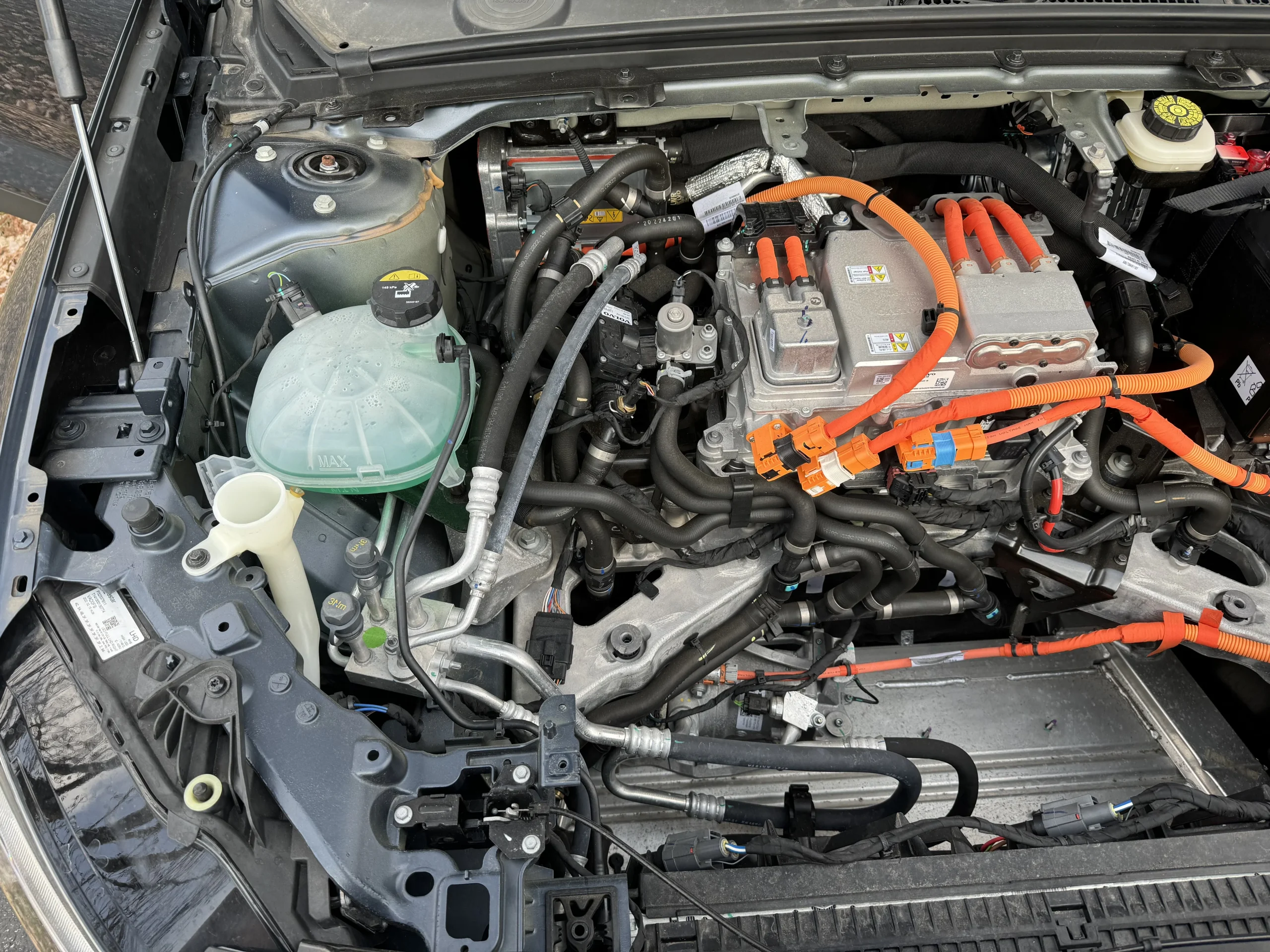
Look for any exposed wiring harnesses running through the engine bay. These bundles carry electrical signals to every part of your vehicle. Water entering the insulation of these wires can cause short circuits or corrosion. Use plastic wrap or bags to shield any exposed wire bundles you find.
The battery terminals and battery itself should also be covered or disconnected. Moisture near battery terminals can cause corrosion that builds up over time. Some detailers prefer to disconnect the battery entirely before washing the engine bay. This eliminates any risk of electrical shorts during the cleaning process.
Spark plug wells should be covered on older vehicles with exposed plug areas. Water in spark plug wells can cause misfires or prevent the engine from starting. A simple piece of tape over each well is all the protection you need. Do not overlook this step, especially on older engine designs.
Once all sensitive components are covered, do a final visual inspection of the engine bay. Look for anything you may have missed during your first pass. It is always better to over-protect than to leave something exposed. After cleaning is complete, remove all coverings carefully before starting the engine.
3. Use a High-Quality Engine Degreaser for Stubborn Grease and Oil Buildup
Grease and oil are the most common forms of dirt found in an engine bay. These substances cling to surfaces and are very difficult to remove with water alone. A high-quality engine degreaser is designed specifically to break down these tough deposits. Using the right degreaser makes the entire cleaning process far more efficient.
There are two main types of engine degreasers available on the market today. The first is water-based, which is safer for rubber hoses and plastic surfaces. The second is solvent-based, which is stronger but requires more careful handling. For most car owners, a water-based degreaser is the better and safer choice.
Before applying the degreaser, read the product label carefully and follow the instructions. Some degreasers need to be diluted with water before use. Others are ready to use straight from the bottle. Knowing how to apply your specific product ensures the best possible results every time.
Spray the degreaser generously over all greasy surfaces in the engine bay. Make sure to cover the engine block, valve cover, and any oily components underneath. Let the degreaser sit for the amount of time specified on the label. This dwell time is what allows the chemicals to break down tough grease effectively.
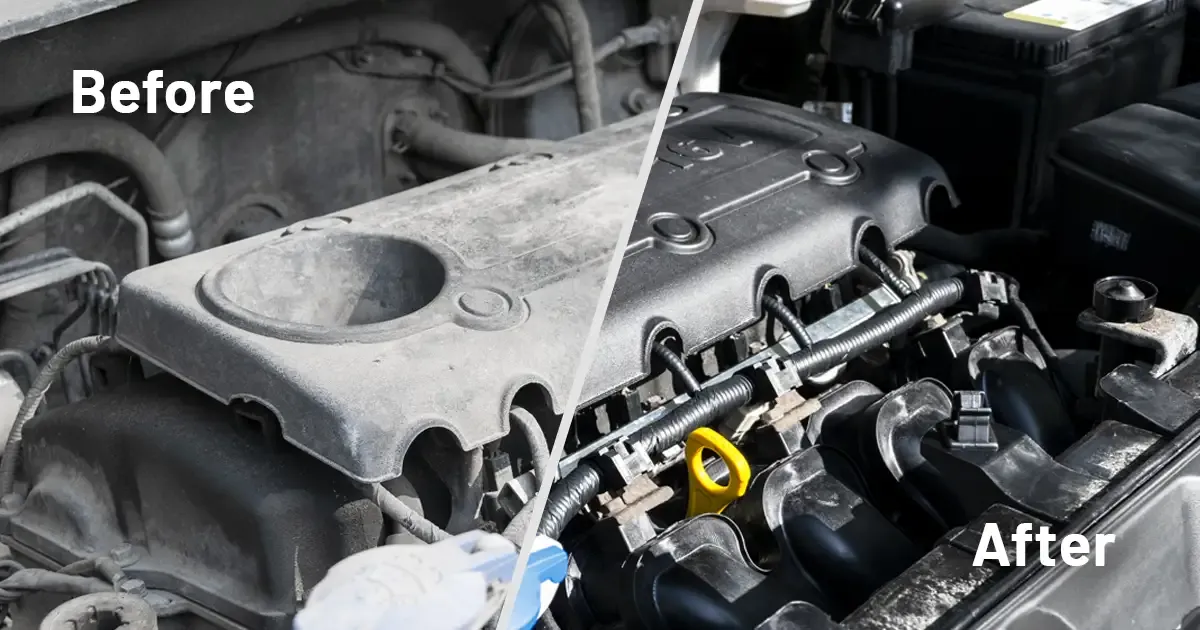
Use a stiff-bristle brush to agitate the degreaser into stubborn areas. Focus on corners, crevices, and any spots where grease has been building up for a long time. A toothbrush is excellent for getting into small gaps and tight spaces. Mechanical agitation combined with chemical action delivers the deepest clean possible.
Do not let the degreaser dry out on the engine surfaces. If it starts to dry, mist the area lightly with water to keep it wet. A dried degreaser becomes much harder to rinse off and may leave residue behind. Work in manageable sections to keep everything wet and active throughout the process.
After agitating with a brush, rinse the degreaser off thoroughly with clean water. Make sure all chemical residue is completely washed away from every surface. Leaving degreaser residue behind can damage rubber seals and plastic components over time. A thorough rinse ensures a clean and chemical-free engine bay finish.
Repeat the degreasing process on heavily soiled areas if needed. Some engines with years of built-up grease may require two or three applications. Do not rush this step because thorough degreasing is the most important part of the entire process. A well-degreased engine is easier to maintain and inspect going forward.
4. Use a Low-Pressure Water Rinse Instead of a High-Pressure Washer
High-pressure washers are incredibly effective on driveways, patios, and car exteriors. However, they are a serious risk when used inside an engine bay. The powerful water stream can force water into sealed components and electrical connections. This can lead to short circuits, sensor failures, and other expensive damage.
Always use a standard garden hose with a gentle spray nozzle for engine bay cleaning. A low-pressure rinse gives you full control over where the water goes. You can direct the flow carefully around sensitive components and electronics. This level of control is simply not possible with a high-pressure washer.
Set your hose nozzle to a wide, gentle spray pattern for best results. A narrow jet of water, even from a garden hose, can still be too forceful. The goal is to rinse surfaces clean, not blast them with high-velocity water. Gentle and steady always wins over fast and powerful in engine bay cleaning.
Start rinsing from the top of the engine bay and work your way downward. This allows water and loosened grime to run down and away from the engine. Rinsing from the bottom up can push dirty water into areas you have already cleaned. A top-down approach is the most logical and effective rinsing strategy.
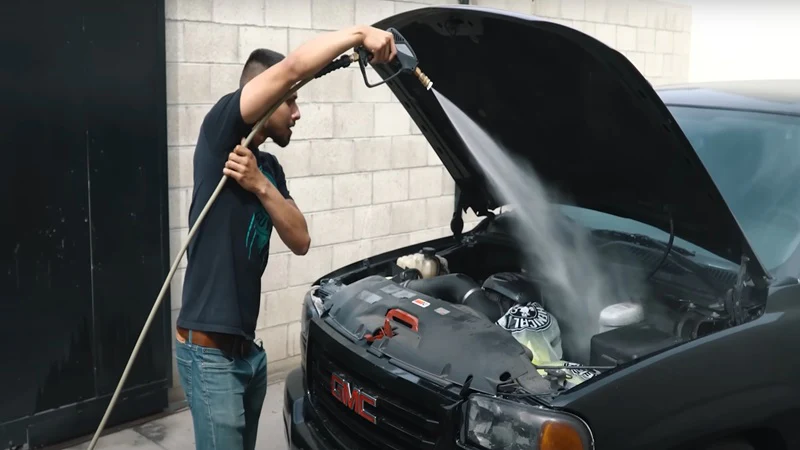
Pay special attention to rinse all degreaser residue completely from the engine surfaces. Missed chemical residue can cause long-term damage to rubber and plastic components. Keep rinsing each section until the water running off it is completely clear. This visual check confirms that all cleaning product has been successfully removed.
Avoid directing water at the alternator, even if it is covered with a plastic bag. The pressure from even a garden hose can push water past protective coverings. Keep the water flow moving and never let it linger on one spot too long. Gentle, sweeping motions are safer and more effective than focused streams.
After rinsing, use compressed air to blow water out of any crevices or gaps. An air compressor with a nozzle attachment is perfect for this task. Compressed air removes water from places that towels and cloths cannot reach. This step reduces drying time and prevents hidden moisture from causing corrosion.
The key rule to always remember is that less pressure equals less risk. You are cleaning an engine bay, not removing paint from metal. Gentle treatment leads to a clean result without the possibility of water damage. Make low-pressure rinsing a non-negotiable part of your engine cleaning process every time.
Also Read: 7 Strategies for Negotiating the Lowest Interest Rate on a Car Loan
5. Detail Individual Components With Appropriate Cleaning Products
Cleaning an engine bay is not just about spraying and rinsing the whole space. It also involves giving individual components proper care and attention. Different materials in the engine bay require different cleaning products and techniques. Using the wrong product on the wrong material can cause discoloration or damage.
Plastic covers and engine shrouds should be cleaned with an all-purpose automotive cleaner. These surfaces collect dust and grime but respond well to mild cleaning products. Spray the cleaner directly onto the plastic and wipe with a microfiber cloth. Avoid using harsh solvents on plastic, as they can cause it to crack or fade.
Rubber hoses and seals need special attention during the detailing process. Use a rubber-safe cleaner or a mild soap solution to clean these components. Harsh chemicals can dry out rubber and cause it to crack prematurely. After cleaning, apply a rubber conditioner to keep the hoses supple and flexible for longer.

Metal components like the engine block and valve cover benefit from a metal-safe degreaser. After degreasing and rinsing, these surfaces can be wiped down with a clean microfiber cloth. Some detailers apply a light engine dressing to metal surfaces for a finished look. This product also provides a mild protective coating against future grime buildup.
Hose clamps and brackets often develop surface rust that standard cleaning will not remove. Use a small wire brush with a rust remover product on these metal fasteners. Work carefully around the surrounding rubber and plastic to avoid chemical contact. A clean and rust-free bracket is a sign of a truly well-maintained engine bay.
The air filter housing is another component that needs individual cleaning attention. Wipe it down with a damp microfiber cloth and a mild cleaner. Do not spray water directly into the air intake opening under any circumstances. Water entering the intake can cause serious engine damage known as hydro-lock.
Coolant reservoir and washer fluid tanks can be cleaned with a gentle all-purpose cleaner. These translucent plastic tanks look much better when they are clean and clear. Simply wipe the outside surfaces down with a microfiber cloth. Do not open these reservoirs while the engine is still even slightly warm.
Taking the time to detail each component individually transforms the final result significantly. The difference between a basic rinse and a full detail is dramatic and visible. Each component that gets individual attention contributes to the professional appearance. This thorough approach is what separates a truly clean engine bay from a mediocre one.
6. Dry the Engine Bay Thoroughly to Prevent Corrosion and Electrical Issues
Drying your engine bay after cleaning is just as important as the cleaning itself. Leaving moisture behind can lead to corrosion on metal components over time. Water trapped near electrical connectors can cause short circuits and sensor errors. A thorough drying process protects your engine and ensures everything works correctly afterward.
Start drying by using compressed air to blow water out of every corner and gap. An air compressor is the fastest and most effective tool for this initial drying step. Focus the airflow on areas where water tends to collect and pool. Gaps around wiring harnesses, connector ports, and recessed areas need special attention.
After using compressed air, wipe all accessible surfaces with dry microfiber towels. Microfiber is the best material for this because it absorbs water quickly and efficiently. Work systematically across the engine bay from one side to the other. Replace your microfiber towels when they become too saturated to absorb more moisture.
Pay special attention to drying around electrical connectors and sensor housings. Even small droplets of water near these areas can cause temporary electrical glitches. Some moisture-related issues may not appear immediately but develop over a few days. Thorough drying now prevents frustrating diagnostic problems later.
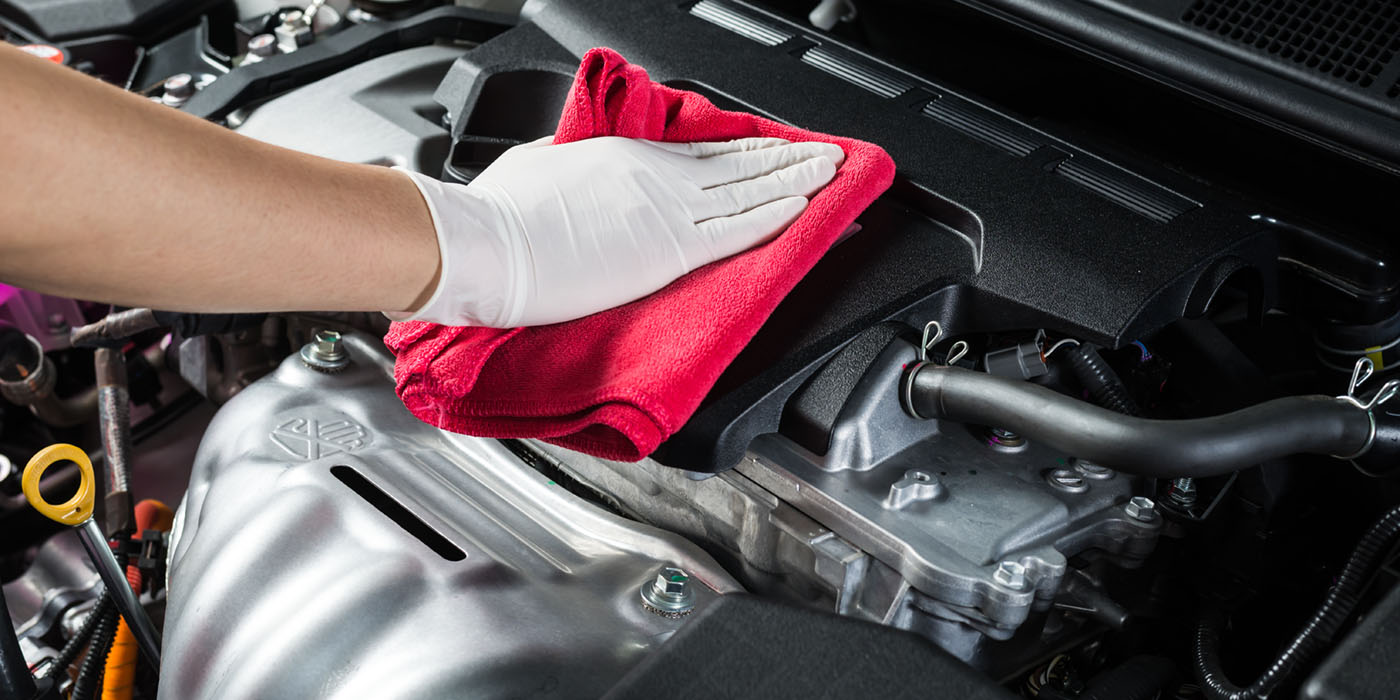
Use a leaf blower as an alternative if you do not have an air compressor available. A leaf blower moves a large volume of air that is very effective at displacing surface moisture. It is particularly useful for drying large flat areas of the engine bay quickly. Combine the leaf blower with microfiber towel wiping for the best results.
After the initial drying, start the engine and let it run for 10 to 15 minutes. The heat from a running engine is the most effective final drying tool available. It evaporates any remaining moisture hiding in deep crevices and tight corners. The engine’s warmth reaches areas that no towel or air tool can access.
With the engine running, open the hood and visually inspect the engine bay. Watch for any areas where you can still see moisture or steam rising. Address any remaining wet spots immediately with a clean microfiber cloth. This visual check confirms that the drying process has been thorough and complete.
Never cover a wet engine bay with the hood closed for storage. Trapped moisture with no airflow creates the perfect conditions for corrosion and mold. Always ensure the engine bay is completely dry before leaving your vehicle in storage. A dry engine bay is a healthy engine bay that will serve you reliably for years.
7. Apply Engine Bay Dressing for Protection and a Professional Finish
The final step in cleaning an engine bay is often overlooked by most car owners. Applying an engine bay dressing product transforms a clean engine into a showroom-quality display. This product does more than just make things look good. It actually provides a protective coating that repels future dust and grime buildup.
Engine bay dressings are specifically formulated for use around heat and chemicals. They are safe for use on rubber, plastic, and vinyl surfaces found throughout the engine bay. Most dressings come in a spray bottle for easy and even application. Always choose a water-based dressing over a petroleum-based one for better safety and longevity.
Before applying any dressing, make sure the engine bay is completely dry. Applying dressing to a wet surface prevents it from bonding properly to the material. The product will simply slide off without providing any real protection or finish. Patience at this stage ensures the dressing performs exactly as it is designed to.
Spray the dressing onto a clean microfiber applicator pad rather than directly onto components. This gives you much more control over where the product goes and how much you apply. Using an applicator pad also prevents overspray from landing on surfaces where dressing is not needed. Control and precision are the hallmarks of a professional detailing job.
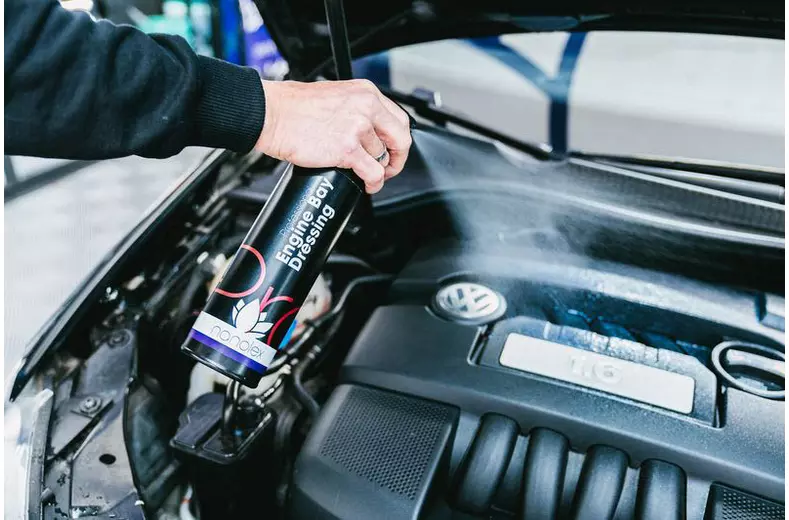
Work the dressing into rubber hoses, plastic covers, and all engine shrouds systematically. Use gentle, circular motions to ensure even coverage across every surface. Pay attention to any matte or textured plastic surfaces that tend to look dull when dirty. The dressing will restore their dark, rich appearance almost instantly with very little effort.
Avoid applying dressing to the battery terminals, exhaust components, or air intake areas. The battery terminals need to remain clean and free from any oily or slick products. Exhaust components get extremely hot and will burn off any dressing applied to them. Keeping dressing away from the air intake prevents it from being drawn into the engine.
After applying the dressing, buff off any excess product with a clean microfiber cloth. Too much dressing left on surfaces can attract dust and look greasy rather than clean. A light, even coat is far better than a heavy, excessive application. Less product applied correctly always gives a more professional result than more product applied carelessly.
The finished result should be a clean, dark, and uniformly dressed engine bay. Step back and take a moment to appreciate the transformation you have achieved. A well-dressed engine bay not only looks impressive but is also much easier to keep clean. Make this final step a regular part of your maintenance routine for lasting results every time.
Also Read: 12 Best Used Trucks for People Who Need to Tow on a Budget
