
The sun is one of the most destructive forces your vehicle’s interior faces every single day. Most car owners never think about UV damage until it is already too late. By then, the dashboard is cracked, the seats are faded, and the resale value has dropped significantly.
Extreme heat and ultraviolet radiation work silently and consistently. They break down materials at a molecular level without any visible warning signs at first. Leather splits, plastic becomes brittle, and fabric loses its original color faster than most people expect.
The interior of your car is a significant investment. Protecting it properly can save you thousands of dollars in restoration and replacement costs. A well-maintained interior also keeps your driving experience comfortable and your vehicle’s value intact.
Many drivers assume that parking in the shade occasionally is enough protection. The reality is that UV rays and heat damage require consistent, multi-layered prevention strategies. Casual efforts simply do not hold up against prolonged exposure in hot climates.
This guide covers eight proven methods that professionals and experienced car owners use to shield their interiors from extreme sun damage. Each method is practical, effective, and worth incorporating into your regular vehicle care routine. Start using these strategies today and your interior will stay in excellent condition for years to come.
Use High-Quality Windshield Sun Shades
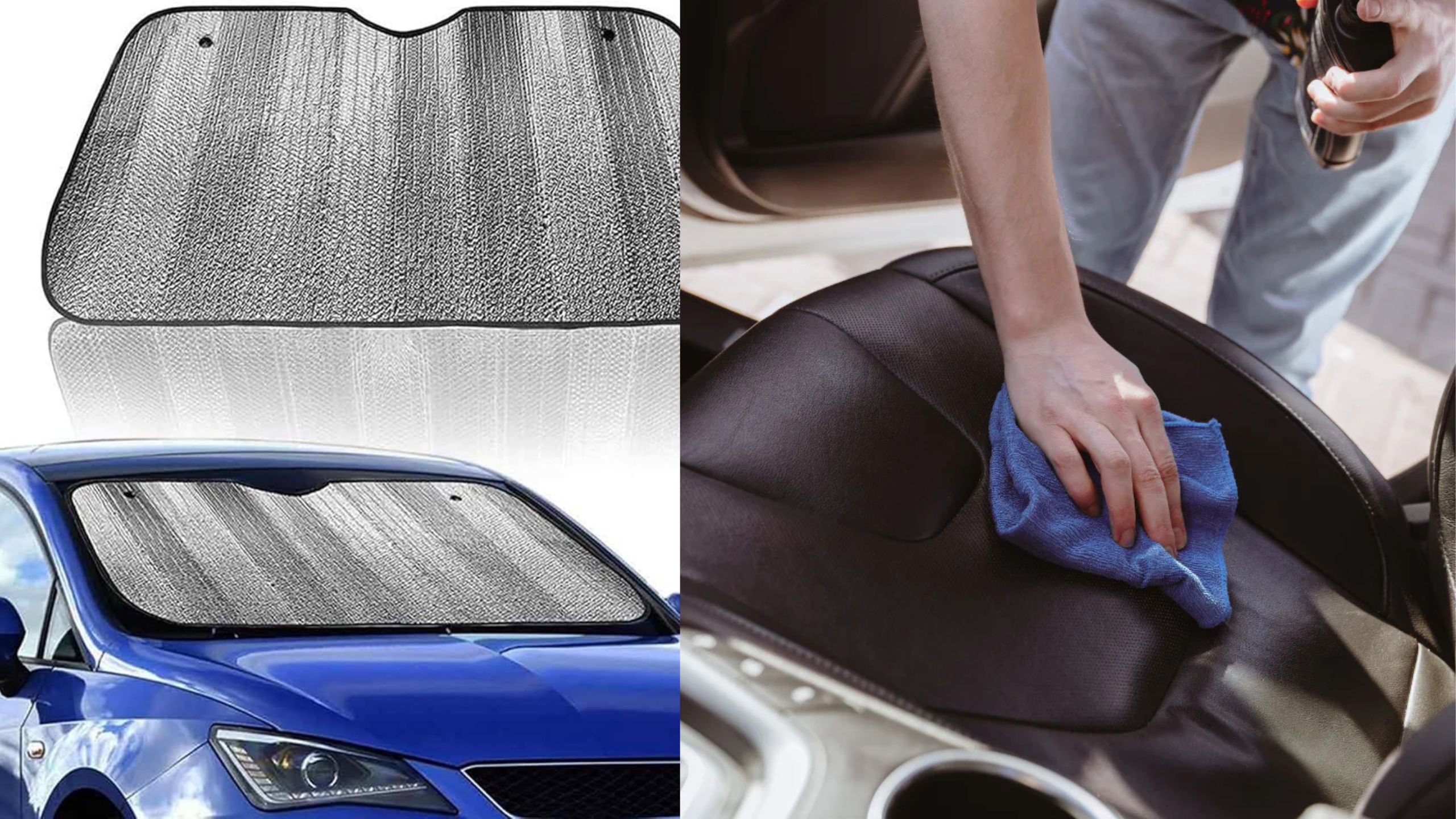
Windshield sun shades are one of the simplest and most effective tools available for protecting your car’s interior. They act as a barrier between the sun’s rays and your dashboard, steering wheel, and front seats. Many car owners underestimate just how much heat and UV radiation enters through the front windshield alone.
A quality sun shade can reduce interior temperatures by up to 40 degrees Fahrenheit. That difference is enormous when you consider how heat accelerates material degradation. Lower cabin temperatures mean less stress on every surface inside your vehicle.
There are several types of sun shades available on the market today. Reflective foil shades bounce sunlight away from the glass before it converts to heat. Fabric-based shades absorb light and offer a softer but still effective level of protection.
When choosing a sun shade, fit matters more than most buyers realize. A shade that does not cover the full windshield leaves gaps where UV rays can still penetrate. Always measure your windshield dimensions and choose a shade specifically designed for your vehicle model.
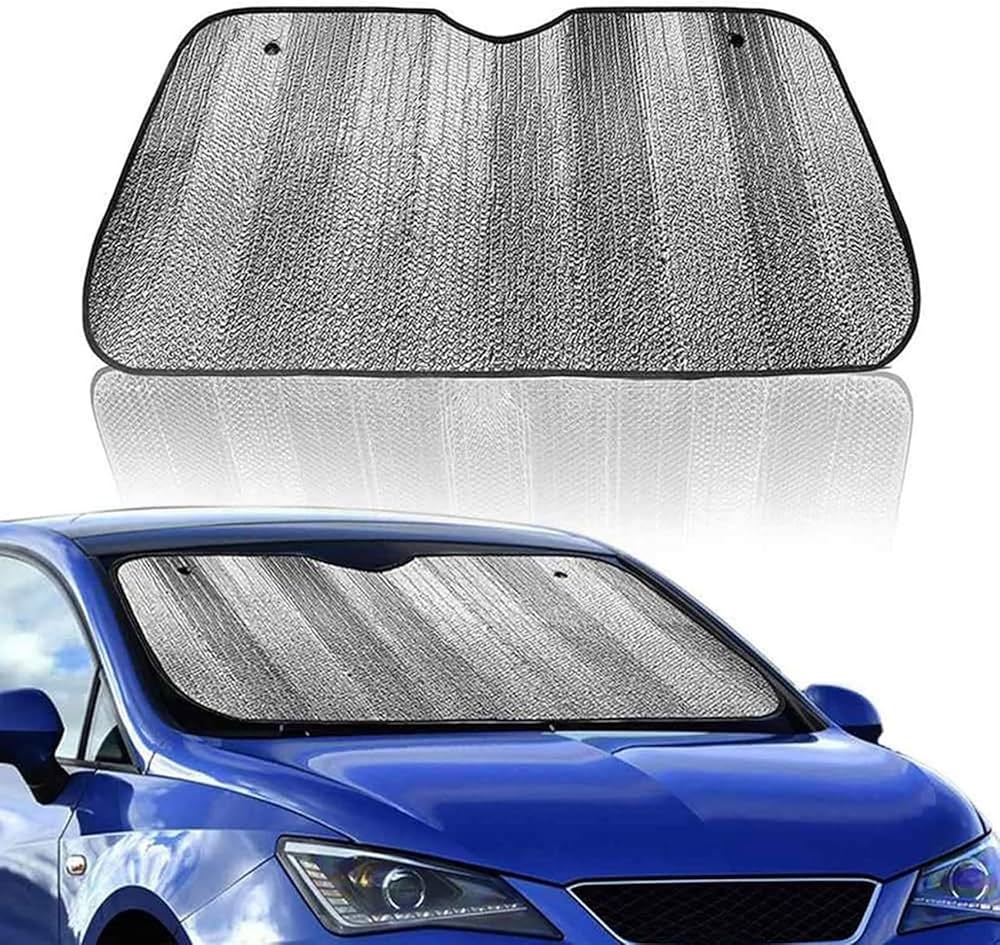
Accordion-style shades are among the most popular because they fold flat and store easily. They spring open quickly and conform well to most windshield shapes. Their convenience means drivers are more likely to use them consistently every time they park.
Reflective bubble shades offer superior insulation compared to basic foil versions. They trap air between layers, which significantly improves their ability to block radiant heat. These are especially valuable in regions where summer temperatures regularly exceed 100 degrees Fahrenheit.
Placement technique also makes a difference in how well a sun shade performs. The shade should press firmly against the glass without sagging in the middle. Sagging creates air gaps that allow heat to build up between the shade and the windshield.
Some modern sun shades include UV-blocking coatings that filter out harmful rays at the source. These coatings add an extra layer of defense that standard shades cannot provide. Investing in a coated shade is a smart upgrade for anyone living in a sunny climate.
Custom-fit shades designed for specific vehicle makes and models offer the best coverage. They eliminate edge gaps that universal-fit shades often leave exposed. The precision fit also makes installation faster and more consistent.
Sun shades should be used every time you park outdoors, regardless of how long you plan to be away. Even thirty minutes of direct sun can noticeably raise interior temperatures. Consistent use is the only way to get the full protective benefit of this method.
Apply UV-Protective Window Tint
Window tinting is one of the most permanent and effective solutions for blocking harmful ultraviolet radiation. Unlike removable accessories, tinted film works continuously without any effort from the driver. It filters UV rays before they ever make contact with interior surfaces.
High-quality ceramic or carbon tint films can block up to 99 percent of UV radiation. This level of protection dramatically slows the fading and cracking of dashboard materials, seat upholstery, and door panels. The difference in interior preservation between tinted and untinted vehicles is clearly visible over time.
Window tint also significantly reduces solar heat gain inside the cabin. Less heat means your air conditioning system works less hard to cool the interior. This secondary benefit can improve fuel efficiency and reduce wear on your HVAC components over time.
Not all window tints are created equal, and the type you choose matters greatly. Dyed films are the most affordable but offer the least UV protection and tend to fade over time. Ceramic and carbon films cost more upfront but deliver superior, long-lasting performance.
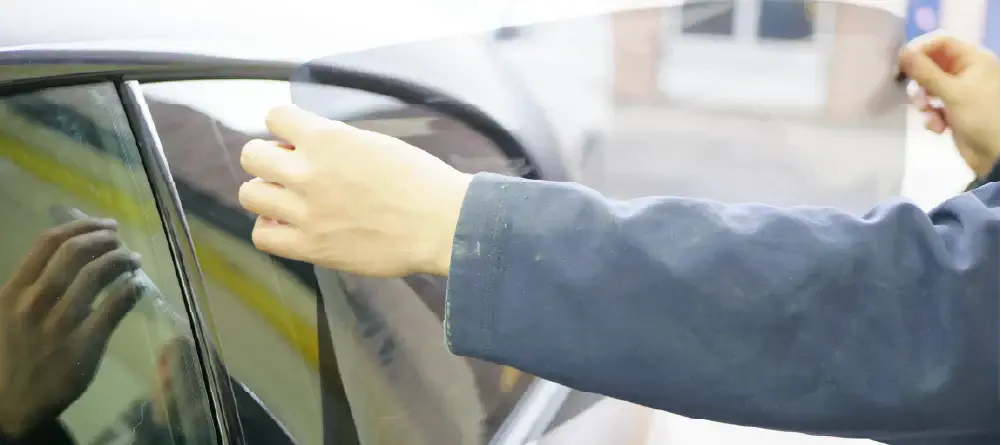
Ceramic tint does not interfere with electronic signals, making it ideal for modern vehicles. It blocks heat and UV rays through advanced nano-ceramic particles rather than metallic layers. This technology offers top-tier protection without the signal interference associated with metallic films.
Professional installation is strongly recommended for window tinting. Bubbles, peeling edges, and improper adhesion are common problems with DIY applications. A professional installer ensures a clean, seamless result that lasts for many years without deterioration.
Tint laws vary by state and country, so it is important to research local regulations before installation. Most jurisdictions allow tinting on rear windows but have specific limits for front side windows. Installing illegal tint can result in fines and may require you to remove the film entirely.
The visible light transmission rating, commonly called VLT, determines how dark your tint appears. Lower VLT percentages mean darker film and greater heat rejection. Choosing the right VLT depends on your local laws, your visibility preferences, and the level of protection you want.
Lifetime warranties are available from many reputable tinting brands and installers. These warranties cover issues like bubbling, peeling, and color fading over the life of the vehicle. Choosing a warranted product gives you confidence that your investment will hold up long-term.
Window tint also adds a layer of privacy and security to your parked vehicle. Reduced visibility into the cabin deters potential thieves from targeting items left inside. This added benefit makes tinting one of the most well-rounded protective upgrades available for any car.
Condition and Protect Leather Seats Regularly
Leather seats are among the most luxurious and expensive features found in modern vehicles. They are also among the most vulnerable to damage from heat, UV radiation, and moisture loss. Without regular conditioning, leather dries out, cracks, and fades in a surprisingly short amount of time.
UV rays break down the natural oils in leather at a molecular level. Once those oils are depleted, the leather loses its flexibility and begins to crack under the stress of everyday use. A cracked leather seat is not just unsightly it is structurally compromised and extremely difficult to restore.
Leather conditioners replenish the essential oils and moisture that sun exposure strips away. They keep the material supple, flexible, and resistant to surface cracking. Regular conditioning is the single most important maintenance step for leather seat preservation.
Conditioning should be performed at least every three months for vehicles in sunny climates. In regions with extreme heat, monthly conditioning may be necessary to maintain adequate protection. Consistency matters far more than the frequency of any single application.
Choosing the right conditioner for your specific type of leather is equally important. Genuine leather, synthetic leather, and semi-aniline leather each respond differently to various products. Always check the product label to confirm compatibility with your seat material.
UV-protective conditioners offer a dual benefit that standard products cannot match. They moisturize the leather while simultaneously creating a barrier against ultraviolet radiation. This combination significantly extends the time between conditioning treatments.
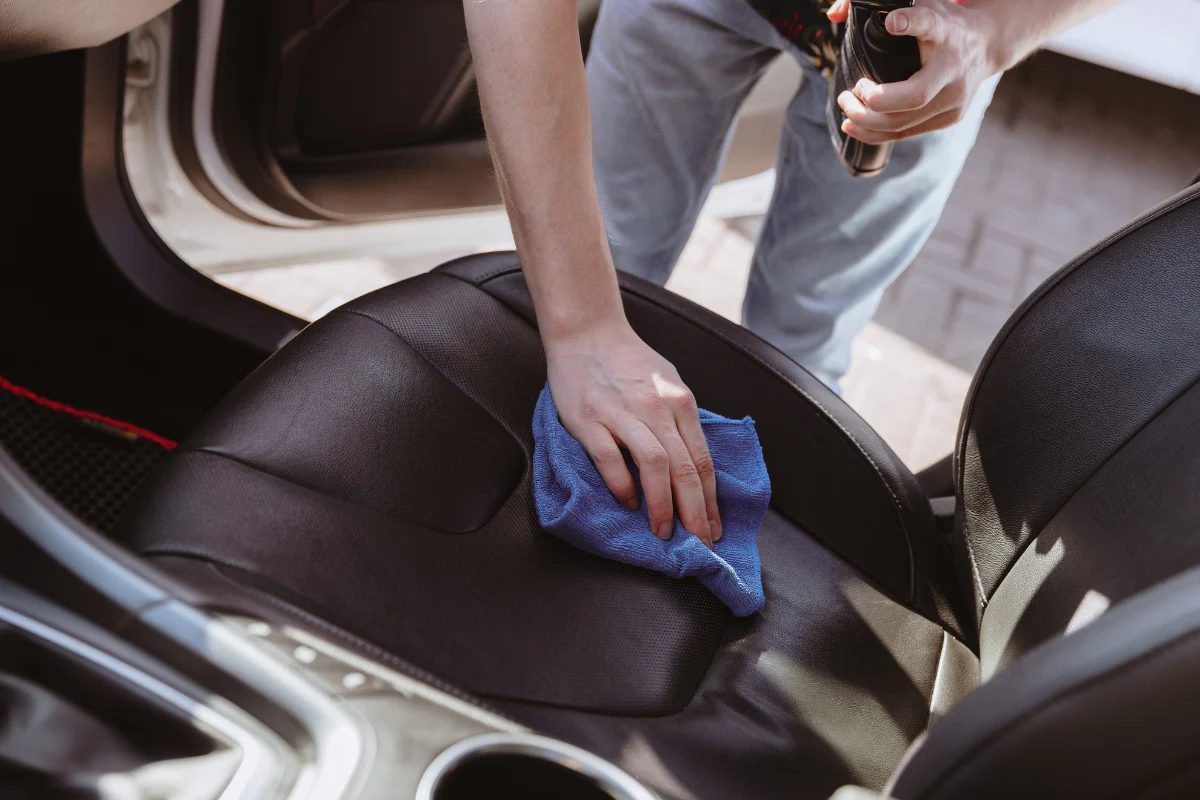
Application technique affects how deeply the conditioner penetrates into the leather. Use a soft microfiber cloth and work the product in using gentle circular motions. Avoid applying too much product at once, as excess conditioner can attract dust and cause surface buildup.
After conditioning, allow the product to absorb fully before wiping away any residue. Rushing this step reduces the effectiveness of the treatment significantly. Proper absorption is what gives the conditioner its long-lasting protective properties.
Seat covers can be used in combination with conditioning for maximum protection. They shield the conditioned surface from direct sunlight and reduce the frequency of required treatments. Choose breathable seat covers that do not trap moisture against the leather.
Cleaning the leather before conditioning is a step that many car owners overlook. Dirt and oils on the surface prevent the conditioner from penetrating properly. Use a pH-neutral leather cleaner to prepare the surface before every conditioning session.
Park in Shaded or Covered Areas Whenever Possible
The most straightforward method of protecting your vehicle’s interior is also the most overlooked. Parking in shaded or covered areas prevents direct sun exposure entirely. This simple habit can dramatically reduce the rate of UV damage over the life of your vehicle.
Covered parking structures provide the highest level of protection from the sun. They block both direct UV radiation and the extreme heat that builds up on sun-exposed surfaces. Vehicles stored in garages or parking structures consistently show far better interior condition over time.
Underground parking is particularly effective because it maintains consistently cooler temperatures. The absence of both direct sunlight and reflected heat from surrounding pavement creates ideal conditions. Interior materials in vehicles regularly parked underground age much more slowly than those exposed outdoors.
Shade trees offer a natural and free alternative when covered parking is not available. Positioning your vehicle under a dense tree canopy blocks a significant portion of UV rays. However, tree shade shifts throughout the day, so repositioning may be necessary for extended parking periods.
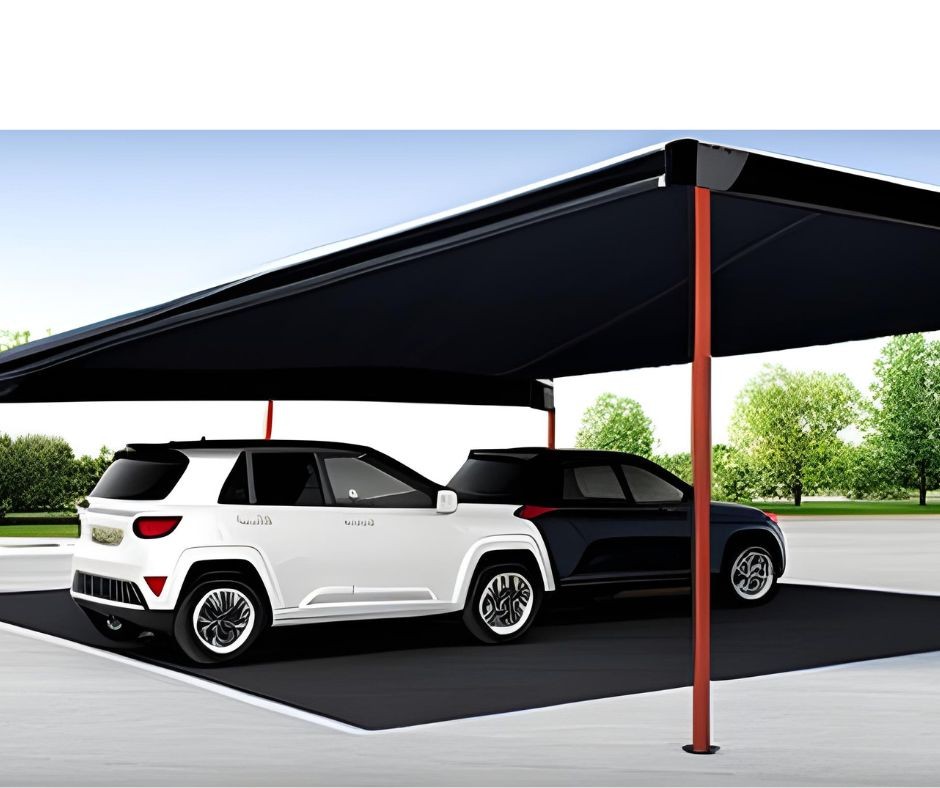
Shade sails and portable canopies are increasingly popular solutions for residential driveways. They can be installed over a parking area to create consistent, reliable shade. These structures are especially useful in climates where direct sunlight is intense for most of the year.
Even partial shade provides meaningful protection compared to full direct sun exposure. Parking so that the sun hits the rear of the vehicle rather than the windshield protects the most vulnerable interior components. Strategic orientation during parking is a simple habit that yields real results.
East-facing parking spaces are preferable in the morning hours. They receive sun in the early morning when UV intensity is lower and temperatures are cooler. By midday, when UV radiation peaks, the vehicle is in its own shadow or sheltered by surrounding structures.
Urban areas often provide natural shade from tall buildings and structures throughout the day. Identifying shaded spots in frequently visited locations can become a consistent habit. This awareness costs nothing but saves your interior from cumulative sun exposure over months and years.
Carports are a practical home installation for those who park outdoors regularly. They protect from sun, rain, and falling debris without the full cost of an enclosed garage. A well-positioned carport can extend the life of your interior by years.
Developing the habit of seeking shade every time you park is a mindset shift. It requires minimal extra effort but delivers compounding benefits over the lifetime of your vehicle. Combined with other protective methods, strategic parking is an indispensable part of a complete sun protection strategy.
Also Read: 5 Best CPO Car Programs for First-Time Buyers Who Want Reliability
Use Dashboard Covers and Protective Mats
The dashboard is arguably the most sun-vulnerable surface inside any vehicle. It receives direct ultraviolet radiation through the windshield for hours every single day. Without protection, dashboard materials crack, warp, and fade in ways that are extremely costly to repair or replace.
Dashboard covers are specifically designed to shield this high-exposure area from UV damage. They sit directly on top of the dashboard and absorb or reflect incoming sunlight. Quality covers can extend the life of the dashboard surface by many years.
Velour and suede dashboard covers are popular for their ability to absorb light rather than reflect it. Absorption prevents light from bouncing off the dashboard and into the driver’s eyes. This anti-glare benefit improves driving safety as well as protecting the underlying surface.
Custom-fit dashboard covers are available for most vehicle makes and models. They wrap precisely around vents, speaker grilles, and instrument clusters for complete coverage. A properly fitted cover leaves no exposed areas where UV rays can cause damage.
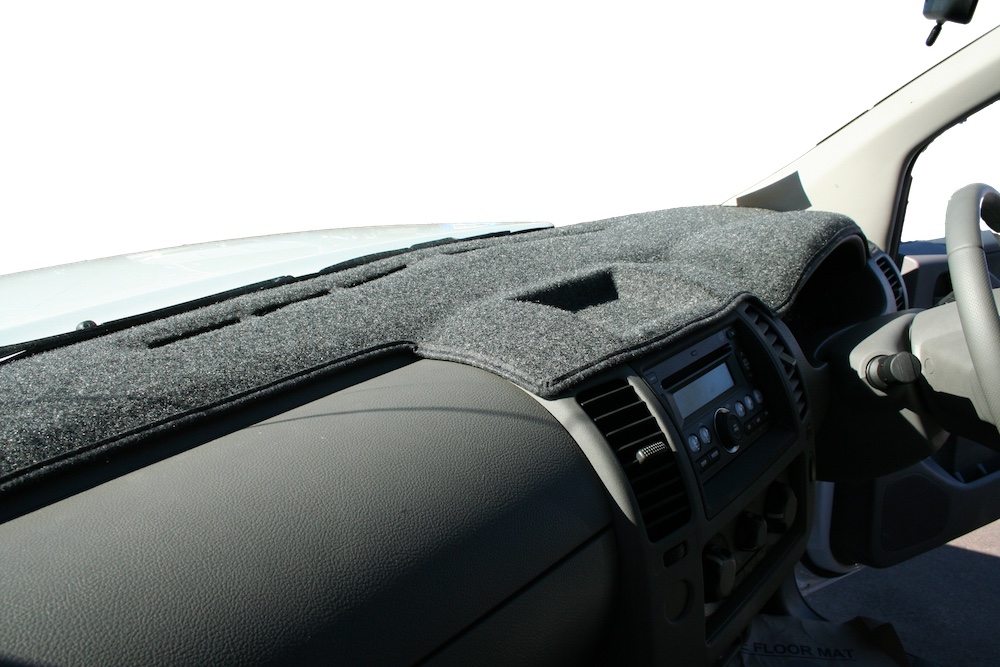
The material quality of the cover determines how well it performs over time. Cheap covers can off-gas chemical odors, fade quickly, or shrink and shift during temperature changes. Investing in a high-quality cover made from UV-resistant materials pays off in long-term durability.
Dashboard covers also protect against the secondary damage caused by heat buildup. Extreme heat warps and softens plastic components over time, leading to deformation. A cover that reflects heat away from the surface prevents this type of structural damage from occurring.
Floor mats with UV-protection properties are also available for complete interior coverage. They protect carpets and lower door panels from sun damage when doors are opened. Quality floor mats also prevent fading and cracking in areas that receive reflected UV light.
Rubberized mats should be used with caution because they can trap moisture under the surface. Trapped moisture leads to mold, mildew, and corrosion that is equally damaging to your interior. Choose mats made from breathable materials that allow air circulation.
Dashboard protectant sprays can be used alongside physical covers for dual-layer protection. These sprays contain UV-blocking compounds that penetrate the dashboard surface. Regular application creates an invisible shield that slows the breakdown of plastic and vinyl materials.
Protecting the dashboard protects more than just the visible surface. Instrument clusters, air vents, and electronic displays located in the dashboard area are all vulnerable to heat warping. A dashboard cover is therefore one of the most cost-effective and wide-reaching protective investments available.
Apply UV Protectant Sprays to Plastic and Vinyl Surfaces
UV protectant sprays are a powerful and affordable tool for interior sun protection. They are specifically formulated to penetrate plastic, vinyl, and rubber surfaces. Once applied, they create an invisible barrier that slows the degradation caused by ultraviolet radiation.
Most modern vehicle interiors contain extensive amounts of plastic and vinyl. Door panels, center consoles, instrument clusters, and trim pieces are all made from these materials. All of them are vulnerable to the fading and cracking that results from UV exposure.
Quality UV protectants contain chemical compounds called UV absorbers. These absorbers intercept UV radiation before it can damage the molecular structure of the surface material. The result is a surface that stays flexible, richly colored, and crack-resistant for much longer.
Application is straightforward and can be performed at home without professional equipment. Spray the product onto a clean microfiber cloth rather than directly onto the surface. This prevents overspray from reaching windows, seats, or other surfaces where it is not needed.
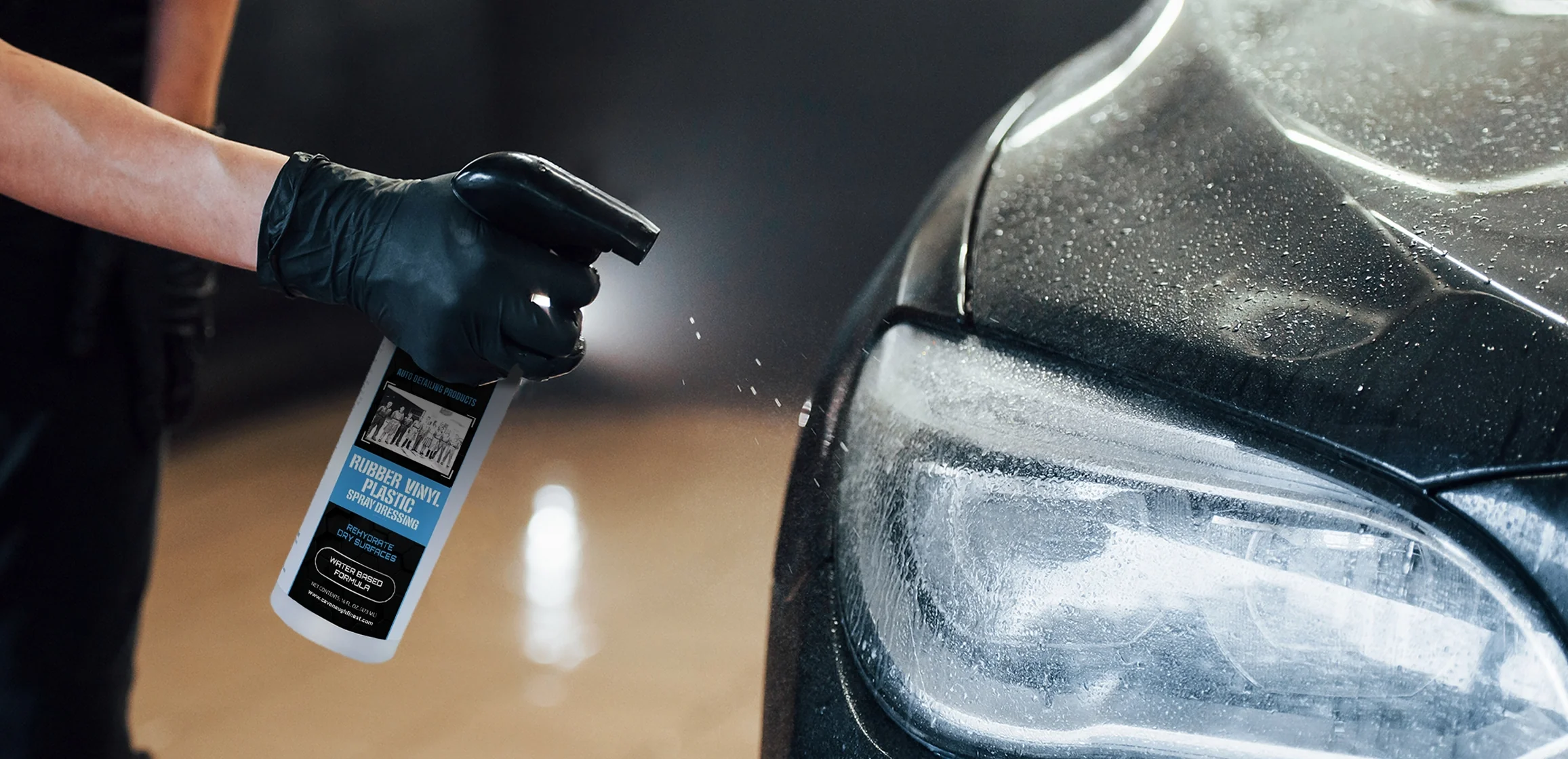
Work the product into the surface using gentle, even strokes to ensure full coverage. Pay special attention to areas that receive direct sunlight, such as the top of the dashboard and the door panels near windows. Thorough coverage is essential for uniform protection across the entire surface.
Frequency of application depends on how much sun exposure your vehicle receives. In extremely sunny climates, monthly application provides the strongest continuous protection. In milder conditions, treating surfaces every two to three months is generally sufficient.
Not all UV protectant sprays have the same formula or performance characteristics. Some products leave a greasy or shiny residue that many drivers find unattractive. Look for matte-finish formulas that provide protection without altering the natural appearance of your interior.
Protectants that include conditioners offer an additional benefit beyond UV blocking. They moisturize vinyl and plastic surfaces to prevent them from drying out and becoming brittle. Brittleness is one of the primary precursors to cracking, so this dual action is highly valuable.
Avoid applying UV protectant sprays to steering wheels or pedals. These surfaces require grip for safe operation, and a protectant coating can make them dangerously slippery. Use only products specifically labeled safe for steering wheel and pedal surfaces in those areas.
Consistent use of UV protectant sprays keeps interior surfaces looking newer for longer. Combined with other protective methods, they form an important part of a complete sun protection regimen. A small investment in these products now prevents expensive repairs and replacements in the future.
Install Rear and Side Window Sunshades
While the windshield receives the most attention, rear and side windows are equally important sources of UV radiation. Sunlight enters from all angles throughout the day as the sun moves across the sky. Protecting only the windshield leaves large portions of your interior exposed to ongoing damage.
Rear window sunshades provide excellent protection for back seat upholstery and cargo areas. They are especially important in SUVs and hatchbacks where large rear glass surfaces expose significant interior space. Without protection, rear seats and cargo liners fade and degrade rapidly.
Side window sunshades protect passengers, particularly children, from UV radiation during driving. They also shield door panel upholstery and armrests from the cumulative effects of daily sun exposure. Even short trips add up to significant UV damage over time.
Static cling shades are a popular choice for rear and side window protection. They adhere directly to the glass without adhesives, leaving no residue when removed. They are easy to install, reposition, and replace as needed throughout the seasons.
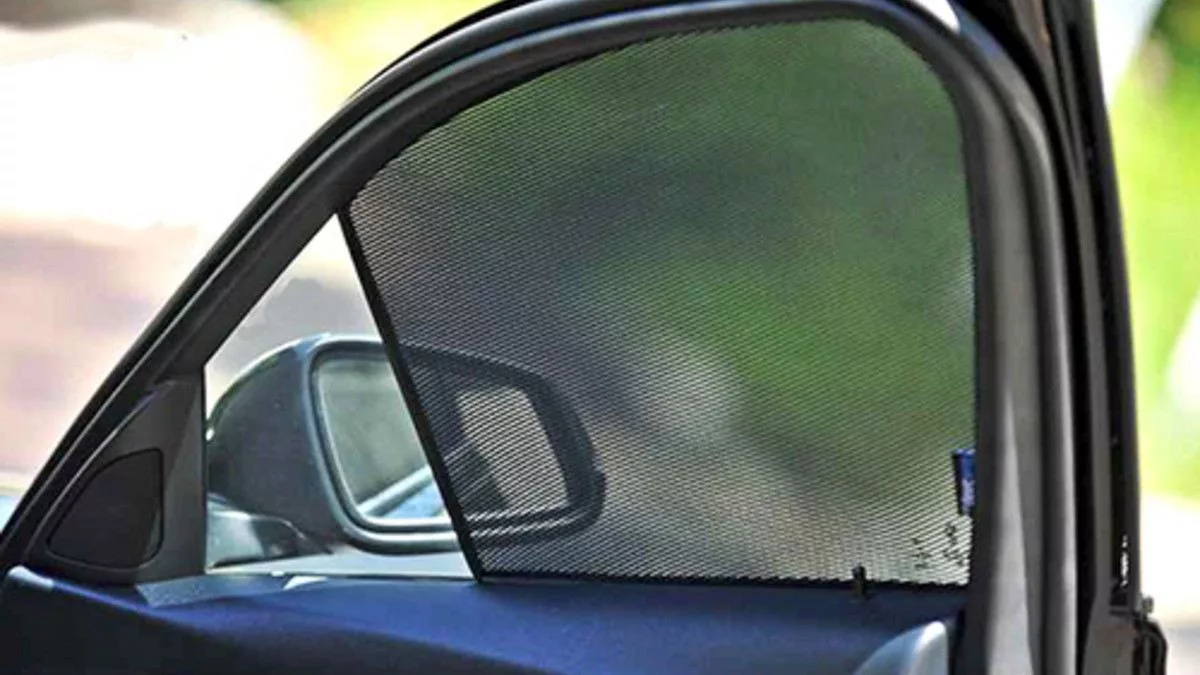
Roll-up and retractable shades are another convenient option for side windows. They mount at the base of the window frame and roll up when needed. This design allows for quick deployment without permanently modifying the window or door panel.
Mesh shades deserve particular attention for their unique design advantages. They block UV rays while still allowing reasonable visibility and airflow through the window. This makes them practical for daily use on side windows even while driving.
Color and material composition affect how well a shade performs against UV radiation. Darker colors and tightly woven materials offer greater UV blockage than lighter or looser options. When shopping for shades, look for products that specify their UV blocking percentage on the packaging.
Magnetic shades have become increasingly popular because of their extremely fast installation. They snap into place on the window frame using magnets embedded in the border. Removal is equally simple, making them ideal for drivers who park in both sunny and shaded locations.
Children’s rear seat areas are especially important to protect with side window shades. Children’s skin is more sensitive to UV radiation than adult skin. Protecting them during travel also protects the seat material they sit on every day.
For maximum effectiveness, install shades on all windows simultaneously when parking. A comprehensive approach ensures no single point of exposure undermines your protection strategy. Full-coverage shading paired with a windshield shade creates the most effective sun protection environment possible inside your vehicle.
Maintain a Regular Interior Cleaning and Protection Routine
A consistent cleaning and protection routine is the foundation of long-term interior preservation. Many car owners focus on exterior washes while neglecting the surfaces inside the cabin. Regular interior care removes contaminants that accelerate UV damage and keeps protective products working at full effectiveness.
Dust and dirt accumulate on interior surfaces and act as abrasives over time. When combined with heat and UV radiation, these particles accelerate surface degradation significantly. Regular vacuuming and surface wiping prevent this compound damage from building up.
Interior cleaning should begin with vacuuming all fabric surfaces, including seats, carpets, and floor mats. Remove all loose debris before wiping down hard surfaces. This sequence prevents dirt from being spread across clean areas during the wiping process.
Use pH-neutral interior cleaners on all hard surfaces to remove grime without stripping protective coatings. Harsh chemical cleaners can damage factory coatings and conditioning products you have previously applied. Gentle, purpose-made interior cleaners maintain the integrity of protective layers already in place.
Microfiber towels are the best choice for interior cleaning because they lift dirt without scratching. Abrasive cloths and paper towels can leave micro-scratches on plastic and vinyl surfaces. These scratches catch UV light at different angles and accelerate fading and discoloration.
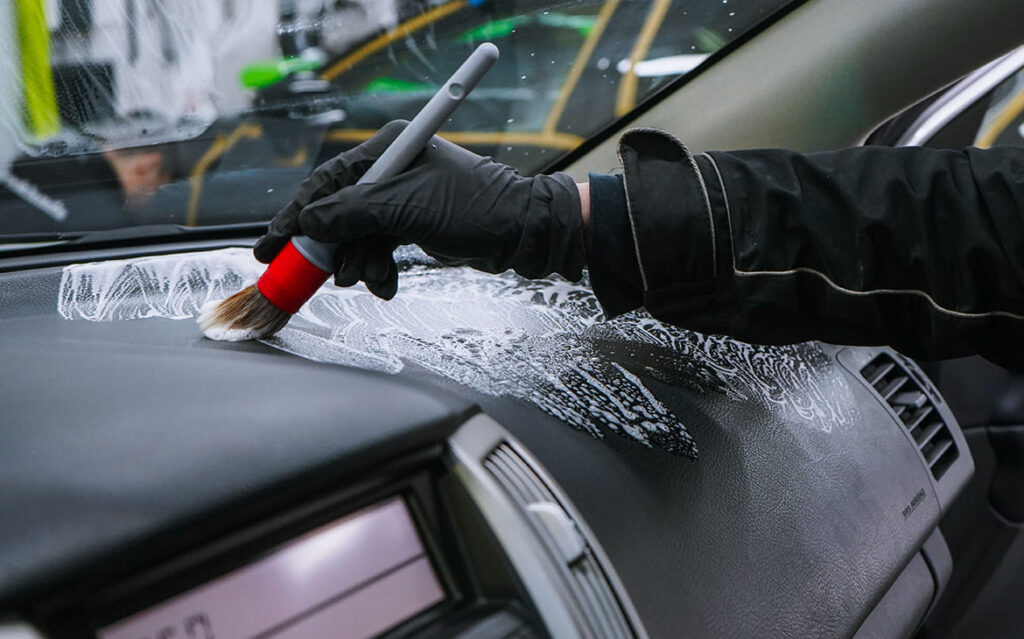
Following cleaning with a UV protectant treatment ensures surfaces are recharged with protective compounds. Clean surfaces absorb protectants more deeply and evenly than dirty ones. This sequence maximizes the effectiveness of every protective product you apply.
Window cleaning is an often-overlooked part of the interior maintenance routine. Interior window grime diffuses sunlight and increases UV scatter inside the cabin. Clean windows allow protective films and tints to perform optimally and improve visibility.
Seat cleaning should be tailored to the specific material of your upholstery. Fabric seats benefit from fabric protectant sprays that add a water and UV-resistant coating. Leather seats require the cleaning and conditioning process described in the earlier section of this guide.
Establishing a monthly or bi-monthly maintenance schedule makes the routine manageable and consistent. Breaking the routine into small tasks spread across a weekend reduces the time commitment per session. Consistency over time is far more valuable than occasional intensive cleaning sessions.
A well-maintained interior retains its appearance and functionality for the full life of the vehicle. Potential buyers can immediately tell the difference between a cared-for and neglected interior. Protecting your interior through regular maintenance is therefore both a quality-of-life investment and a sound financial strategy for preserving resale value.
Also Read: 8 Off Lease Luxury Sedans That Are Absolute Bargains in 2026
