There are certain engines that grab attention the instant they fire up and hold it with every change of throttle. An aggressive exhaust note from a factory production engine adds personality to a car and connects the driver to every moment on the road.
Some automakers tune their exhaust systems to be loud without being annoying, shaping the sound through active valves and careful engineering.
Automotive enthusiasts often remember the sound of a car before they recall its performance numbers. That visceral connection between engine and atmosphere is part of what makes driving memorable.
When an engine has a raw and powerful exhaust tone, it can influence a buyer’s emotional response and create a sense of excitement even at idle. High‑performance sports cars and muscle cars are typically at the forefront of producing the most striking sounds straight from the factory.
These engines are designed with both performance and sensory impact in mind, and manufacturers spend significant time refining the shape of the exhaust piping and mufflers.
The combination of large displacement, forced induction, and tuned exhaust geometry contributes to distinct notes that range from deep and thunderous to high pitched and urgent.
Exhaust aggression is not just about loudness. The quality of the sound can speak to the engineering philosophy behind an engine.
Naturally aspirated engines tend to have a more linear and expressive note because they are free of turbochargers or superchargers muffling the sound.
On the other hand, supercharged and turbocharged engines produce deep booms under load and unique burbles on deceleration.
Performance car buyers often choose specific models because of how they sound with stock exhaust. That is why certain engines become legends, not just for horsepower or torque, but for the way they communicate power.
Automakers that produce engines with memorable exhaust tones often build them with enthusiast demand in mind.
Companies like Chevrolet, Ferrari, Ford, Dodge, and Porsche have reputations for engines that sing. These engines are engineered so that the exhaust pulse frequencies and resonances generate excitement.
The characteristics of the sound can make a powerful car feel more alive and responsive. This article highlights ten remarkable engines, each known for its aggressive stock factory exhaust notes.
These examples span muscle cars, sports cars, and exotic machines. They represent some of the most thrilling auditory experiences you can encounter behind the wheel of a production car.
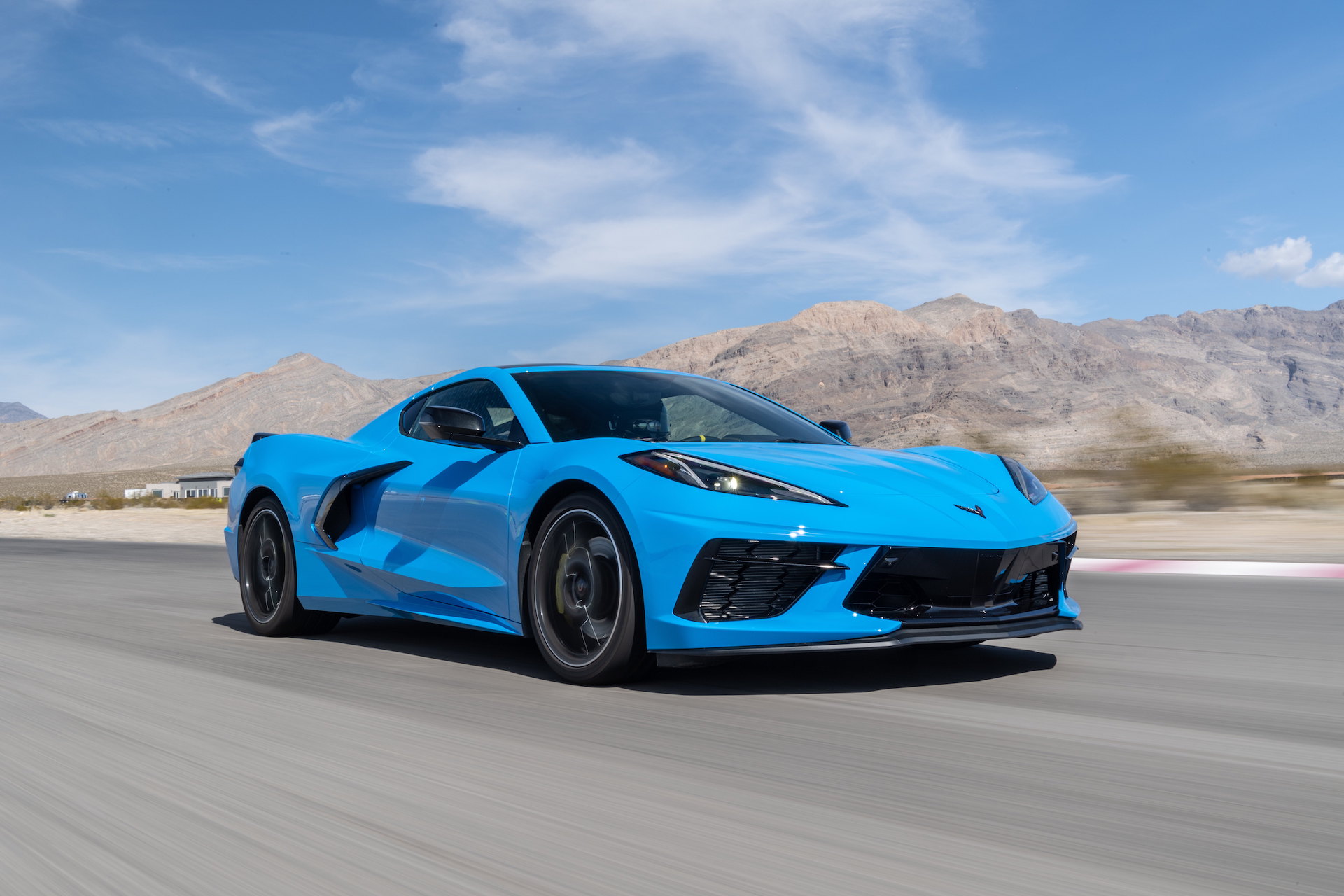
1. Chevrolet Corvette C8
The Chevrolet Corvette C8’s LT2 6.2L V8 is a landmark engine for the mid‑engine American sports car. Its naturally aspirated layout resonates clearly through the dual exhaust outlets.
At startup, the LT2 grumbles with a rich and bold tone. At higher RPMs, its voice climbs with intensity, expressing a layered range of sound frequencies.
This V8 produces a note with depth and clarity that many enthusiasts appreciate. The exhaust tuning avoids tones that feel artificial or overly electronic.
Instead there is a raw edge that reflects the physical dynamics inside the engine. Balanced headers and tuned mufflers ensure that each exhaust pulse reaches the outside world with purpose.
Throttle transitions are especially telling of this engine’s character. When the driver modulates the accelerator, the exhaust note responds immediately.
This gives the sensation of direct communication between driver input and engine output. Such responsiveness makes everyday driving feel dynamic and engaging.
On downshifts with throttle blips, the Corvette emits pops and crackles that underline its performance focus.
These sounds are aggressive without being unbearable in shorter drives. Many owners celebrate this signature sound as part of why they chose the C8 over other sports cars.
In track environments, the LT2’s sound helps the driver feel every shift and load change. Teams and drivers often comment that the exhaust feedback assists in timing shifts and judging engine stress. This distinctive personality is not just loud but well integrated with the Corvette’s performance identity.
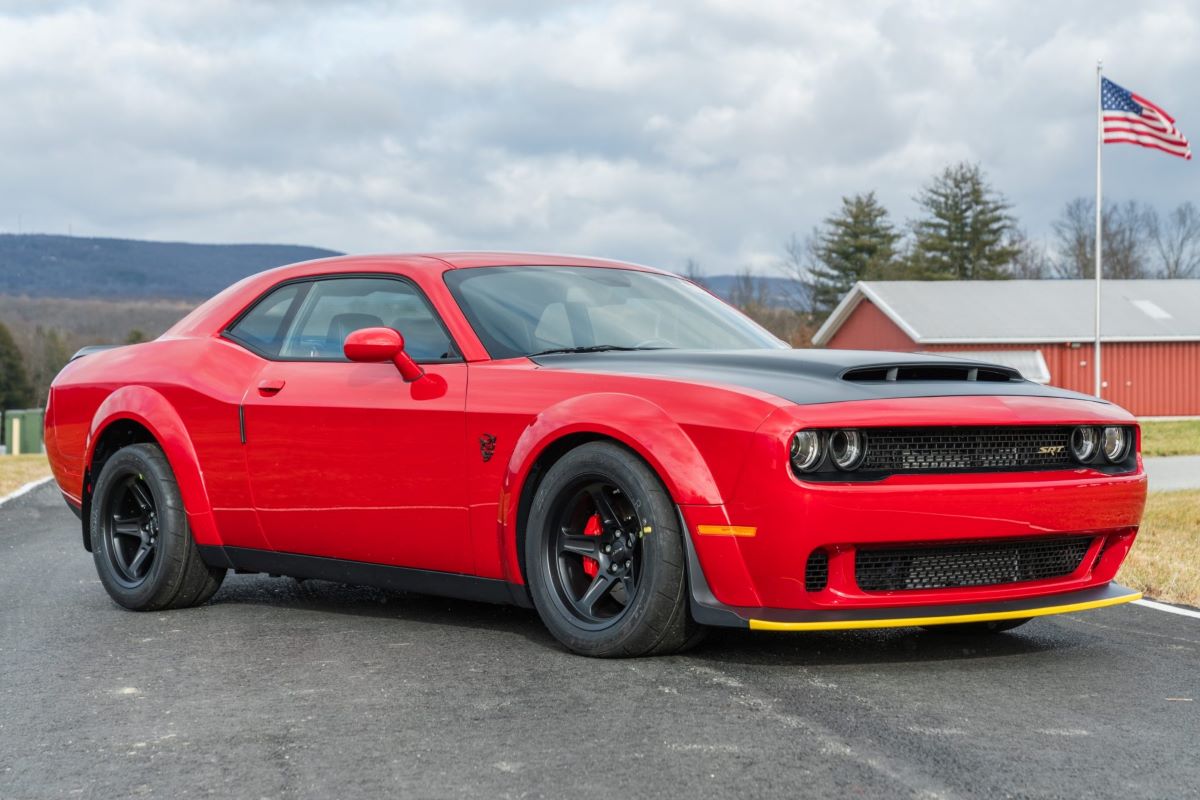
2. Dodge Challenger and Charger Hellcat
The Dodge Challenger and Charger Hellcat models feature a supercharged 6.2L HEMI V8 that is as loud as it is powerful.
This engine delivers a deep, menacing growl at idle and a thunderous roar when pushed hard. The aggressive exhaust note is a defining feature of what many consider modern muscle.
Superchargers typically add a unique whine that mixes with the rumble of combustion. In the Hellcat, this combination produces a distinct tone that resonates especially under heavy acceleration.
The exhaust system is engineered to balance performance and emissions compliance while still providing a visceral sound.
At highway speeds, the Hellcat’s exhaust remains engaging without being overly droning. Surge in engine load or hard throttle sees the sound pressure rise dramatically. This can attract attention from spectators and passersby. It’s a sound that aligns with the car’s performance reputation.
During rapid gear changes, the Hellcat emits aggressive backfires and pops on lift‑off. These audible cues are part of the built‑in exhaust tuning strategy. Though loud, the system is designed to maintain reliability under the stresses of high output and heat.
Owners often install aftermarket exhaust components, but many prefer the factory sound as it already offers a rich and forceful profile. The HEMI’s exhaust signature has become iconic in contemporary performance culture.
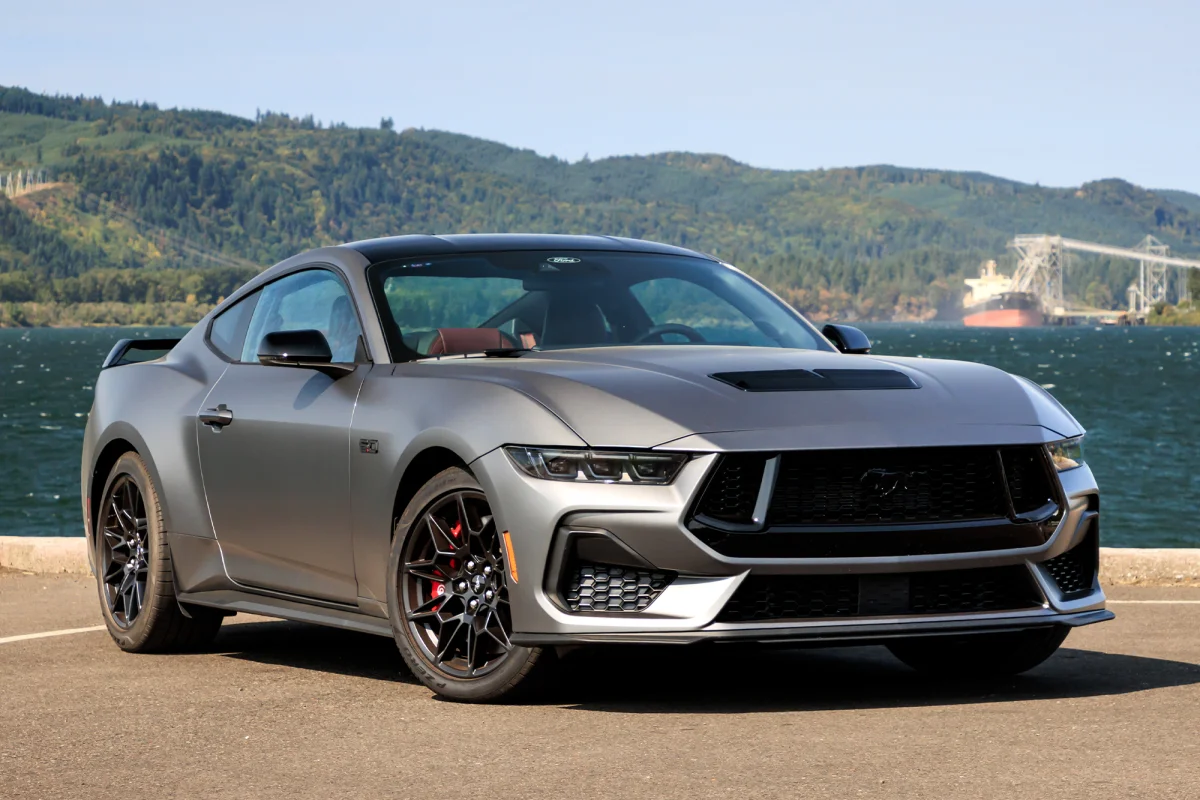
3. Ford Mustang GT
The Ford Mustang GT with its 5.0L Coyote V8 produces a bold and throaty exhaust note that many enthusiasts admire.
This naturally aspirated engine is known for its linear power delivery and expressive sound profile. From idle to redline, it maintains a consistent tone that feels powerful and immediate.
Engineers at Ford designed the Coyote’s exhaust system to complement the Mustang’s character. Dual exhaust outlets and tuned mufflers allow exhaust pulses to exit with minimal restrictions.
The result is a sound that feels primal and direct, reinforcing the driver’s sense of connection to the engine.
Under moderate acceleration, the Coyote’s sound does not feel overwhelming. The note deepens as RPM rises, creating a growing sense of energy. When the throttle is opened aggressively, the Mustang emits a full‑bodied note that is both rich and forceful.
Downshifts and throttle lifts produce characteristic burbles and pops. These are engineered through careful calibration of valve timing and exhaust path resonance. The Mustang GT’s audible behavior is one reason the model has maintained a devoted following for decades.
Whether cruising or launching hard, the Coyote’s exhaust note meets expectations for an American performance engine. It is aggressive without being abrasive, making it suitable for spirited daily use as well as track day excitement.

4. Ferrari 812 Superfast
The Ferrari 812 Superfast’s 6.5L V12 engine is often praised for having one of the most engaging and purposeful exhaust notes in the supercar segment.
Naturally aspirated and high‑revving, this V12 emits a bright and powerful sound that shifts as RPM increases. At idle, there is a throbbing pulse that hints at its massive internal activity.
As the revs climb, the Ferrari’s note sharpens and rises with intensity. This engine does not hide its capabilities, and the exhaust reflects every bit of its performance heritage. The harmonic content of the sound gives it a musical quality that makes each acceleration thrilling to hear.
Ferrari’s engineering ensures the exhaust path is optimized for both sound and efficiency. The placement of mufflers, resonators, and exhaust outlets contributes to a tone that feels both aggressive and refined. Where some systems simply focus on loudness, Ferrari’s design brings richness and complexity.
The 812 Superfast’s V12 screams at high revolutions, with a note that stays in harmony with its speed. This synchrony between sound and performance makes for an unforgettable sensory experience. The exhaust voices every gear change with clarity.
For drivers and observers alike, the Ferrari’s exhaust note is one of the most discussed aspects of the car. Its raw character and energetic pitch embody the classic supercar ethos while still delivering modern performance.
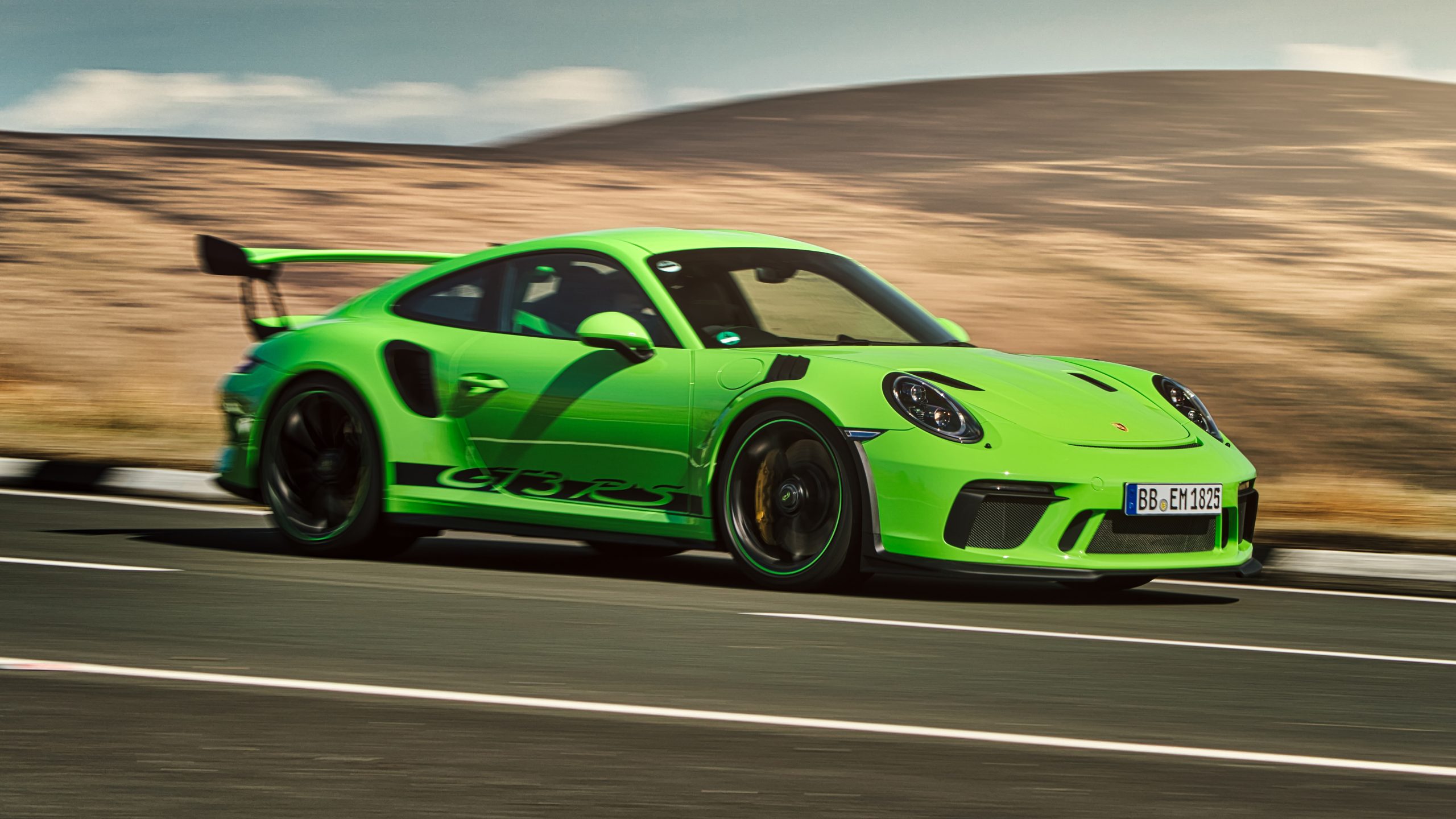
5. Porsche 911 GT3
The Porsche 911 GT3’s 4.0L flat‑six engine produces a high‑revving and purposeful exhaust note that is both distinctive and aggressive. Being naturally aspirated, it lacks the muffling effect of forced induction hardware. As a result, the sound is unfiltered and pure, especially as RPM climbs toward redline.
Porsche’s flat‑six layout contributes to a unique acoustic signature. Exhaust pulses are distributed evenly, and the engine’s position in the rear accentuates the note in dynamic driving. During spirited acceleration, the GT3 emits a vibrant and urgent tone that holds attention.
At cruising speeds, the exhaust note remains engaging without overwhelming the cabin. When the driver raises the throttle, the engine’s voice becomes assertive, communicating a sense of readiness. This is part of what makes the GT3 feel so alive on both road and track.
Downshifts and rapid load changes produce characteristic crackles and pops. These have been refined through careful exhaust geometry and active valve control. The auditory feedback helps drivers feel transitions between gears and loads.
The GT3’s exhaust note is frequently cited by automotive journalists and enthusiasts as one of the most exciting factory sounds available. It matches the car’s precision handling and racing focus with an audible personality that never feels artificial.

6. Lamborghini Huracán
The Lamborghini Huracán’s 5.2L V10 engine produces a deeply aggressive and high‑pitched exhaust tone that stands out among supercars. Naturally aspirated and high revving, this engine fills the air with a symphony of sound as RPM rises. At idle, the tone is rich and assertive, giving presence even when standing still.
Acceleration brings a cascade of sound frequencies that rise rapidly with engine speed. The Huracán’s exhaust system is engineered to let the V10 sing with minimal restriction. This produces not just loudness, but a layered sound quality with distinct harmonic elements.
During firm throttle application, the exhaust note transitions smoothly yet forcefully. Shifts are marked by strong bursts of sound that reinforce the sensation of increased power. The note is so recognizable that even remote listening often identifies the car immediately.
Low speed cruising is accompanied by a pronounced exhaust presence that never feels muted. When pushed harder, the Huracán’s note transforms into something intense and exhilarating. This reflects its racing derived heritage and performance stance.
Observers often remark that the Huracán sounds energetic and alive even compared to other high performance cars. Its exhaust character plays a significant role in defining its dynamic personality and contributes to its appeal among enthusiasts.
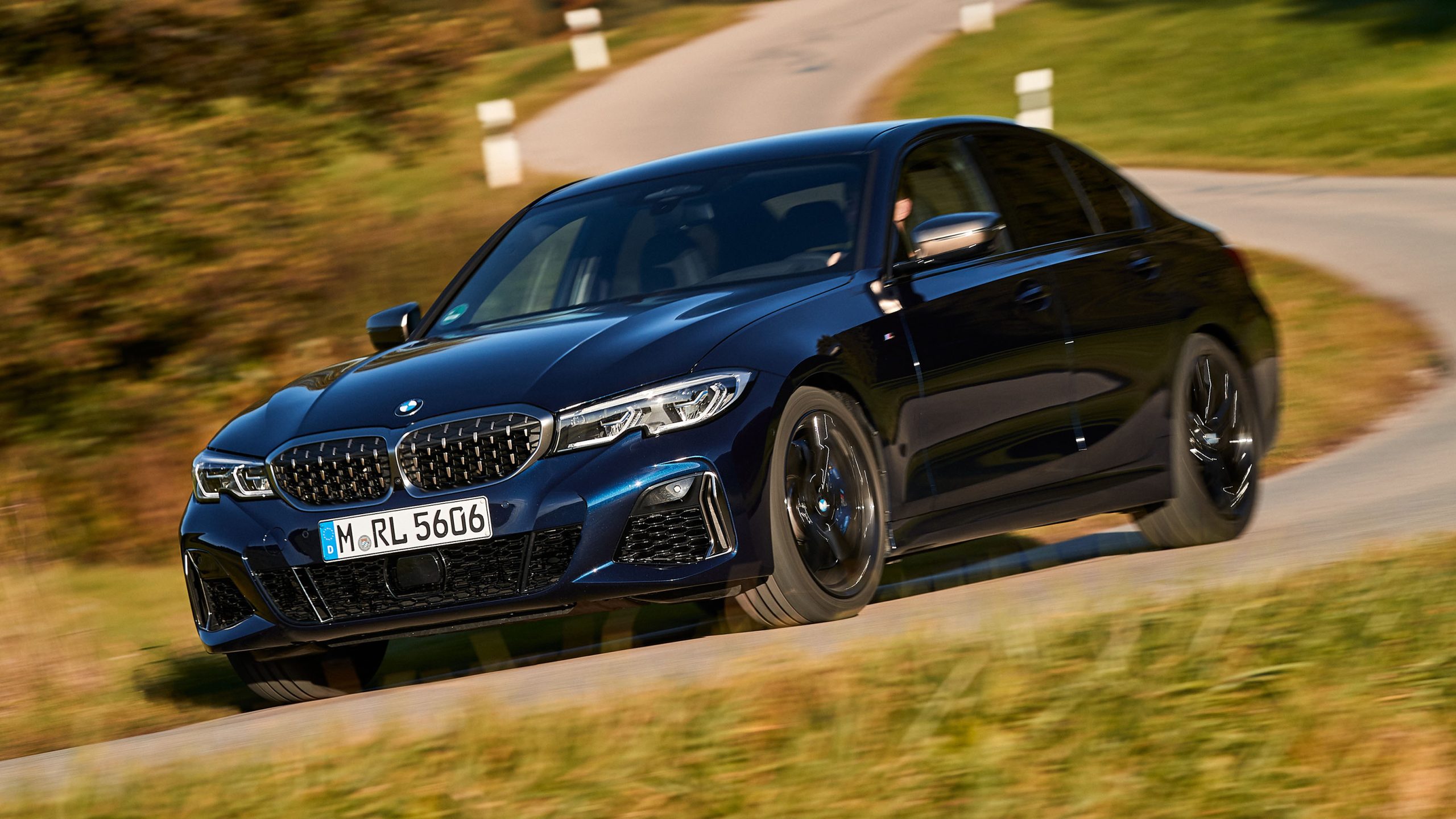
7. BMW M3/M4
The BMW M3 and M4 models equipped with the S58 3.0L twin‑turbo inline‑six produce a bold and distinctive exhaust note.
Turbocharged engines often temper sound compared to naturally aspirated designs, but the S58 still delivers an engaging and commanding tone. The active exhaust valves open under load to allow fuller sound expression.
At idle and low RPM, the exhaust note is controlled and measured, offering refinement for daily driving. As the driver increases throttle input, the active valves open for a more aggressive sound. This creates an audible progression that feels in tune with performance demands.
Under hard acceleration, the S58’s sound includes a blend of turbo whoosh and deeper combustion rumble. Pops and burbles on throttle transitions give additional sensory feedback. These auditory elements reinforce the engine’s strong torque delivery across the rev range.
BMW engineers tuned the exhaust path to balance performance with character. The note is not simply loud; it is engineered to feel dynamic and responsive. RPM increases bring a richer and fuller profile that supports spirited driving.
For many drivers, the S58’s exhaust behavior enhances the M3/M4 driving experience. It amplifies every acceleration while still remaining civilized at less intense speeds. The combination of engineering and tuning results in a distinct and energetic exhaust personality.
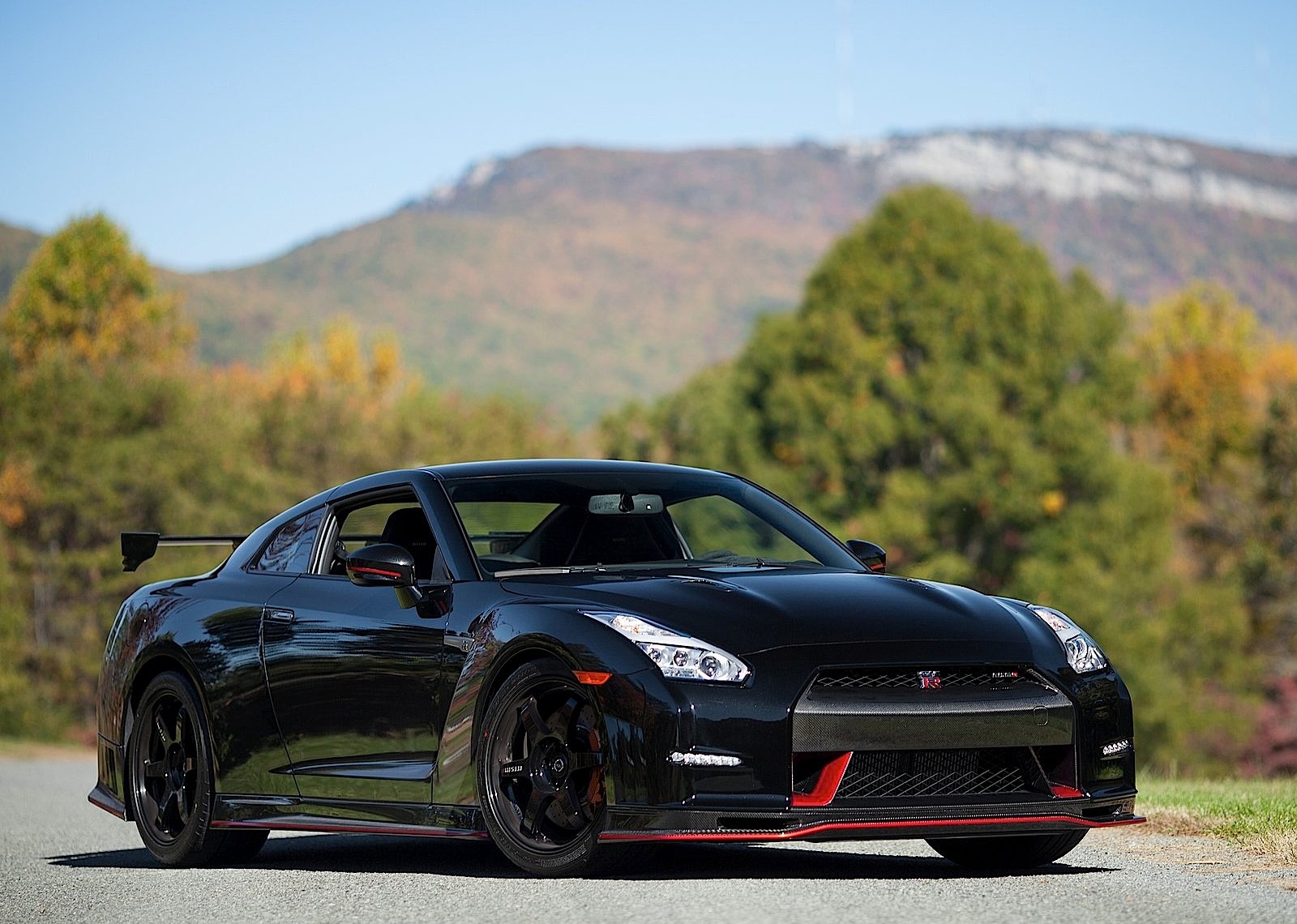
8. Nissan GT‑R
The Nissan GT‑R’s VR38DETT 3.8L twin‑turbo V6 is known for immense power and a potent exhaust signature. While turbochargers often reduce raw exhaust noise, the GT‑R’s exhaust tuning keeps a bold and purposeful tone. Fans of performance cars appreciate how this engine sounds in stock form.
At idle, the GT‑R’s note is deep and full, setting the expectation for its performance. Accelerating out of corners, the exhaust develops a rich timbre that balances resonance and force. This sound reflects its engineering as a high performance all‑purpose sports car.
Under hard acceleration, the GT‑R’s exhaust can be aggressive and dramatic, especially at higher speeds. The turbos contribute a layered character, blending sustained pressure with deeper engine tones. The result is a sound that feels powerful without being abrasive for normal driving.
Throttle lift‑offs and shifts produce characteristic pops that add excitement. These are tuned through electronic control and exhaust valve adjustments. The VR38DETT’s exhaust behavior complements its sharp acceleration and handling.
The GT‑R’s exhaust note matches its reputation as a high speed performer. It is not merely loud; it feels engineered to communicate power and performance at every moment.
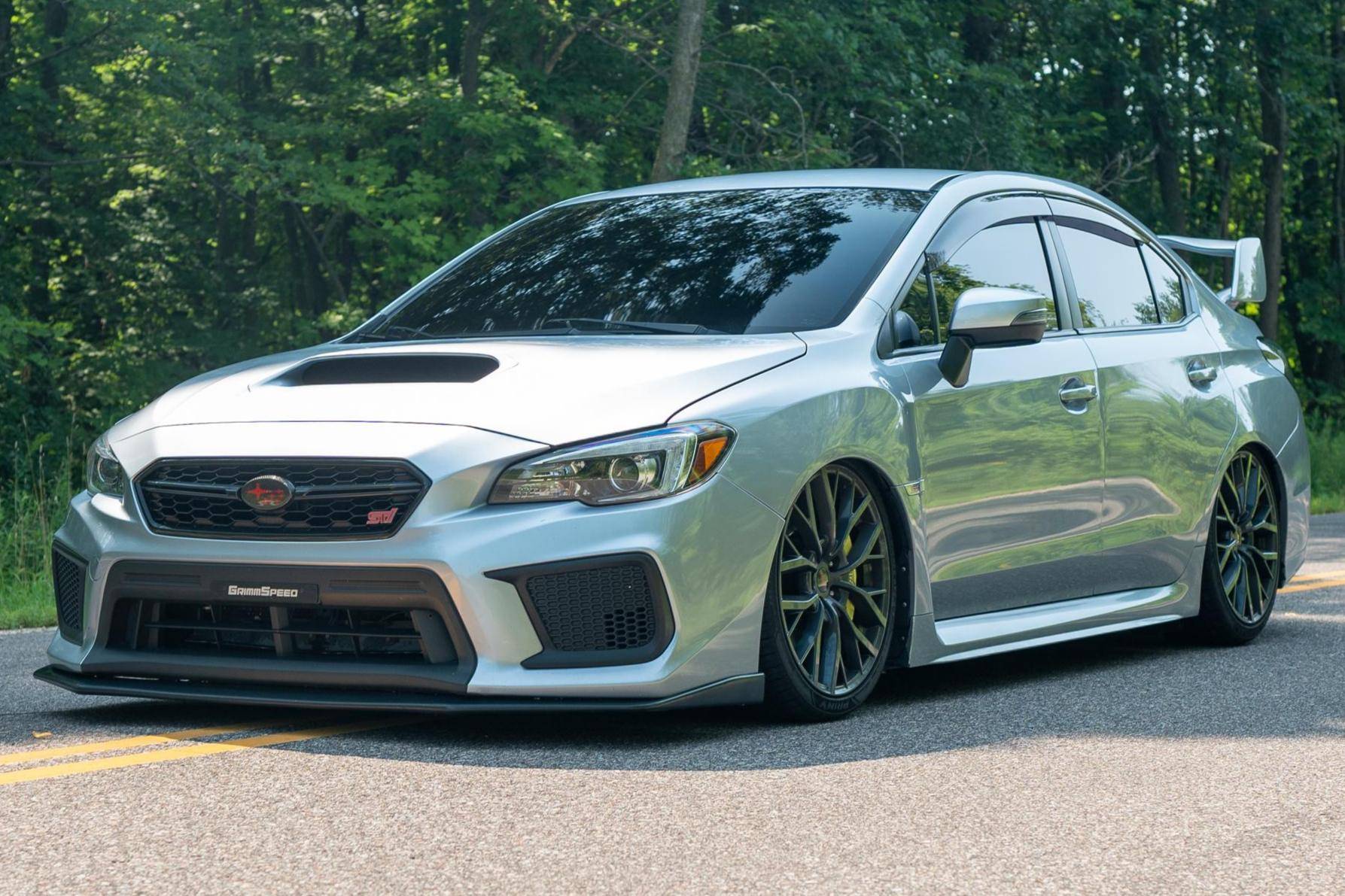
9. Subaru WRX STI
The Subaru WRX STI’s EJ25 2.5L turbocharged boxer engine has a distinctive exhaust note that many rally enthusiasts recognize instantly.
The flat‑four configuration and turbocharger create a sound profile that feels energetic and eager. The stock exhaust emits a rumble at idle and a strong presence under acceleration.
Under increased throttle, the WRX STI’s exhaust develops a grinding growl that reflects its rally‑inspired heritage. The turbo spooling adds unique breathing tones that mix with deeper combustion notes. The result is a sound that feels urgent and ready for action.
Shifts and load changes produce chirps and pops that feel compatible with enthusiastic driving. The exhaust system is tuned to retain some of the raw and rugged acoustic character that rally fans expect. This gives the STI a signature sound that feels alive.
Cruising at moderate speeds is accompanied by a persistent but not excessive exhaust presence. When pushed hard, the engine’s note intensifies, reinforcing its performance intent. The boxer layout helps distribute sound in a way that feels broad and engaging.
The EJ25’s stock exhaust note may not be as exotic as some supercar engines, but it is unmistakable and full of character. It suits the WRX STI’s all‑around performance nature and adds to the driving experience.
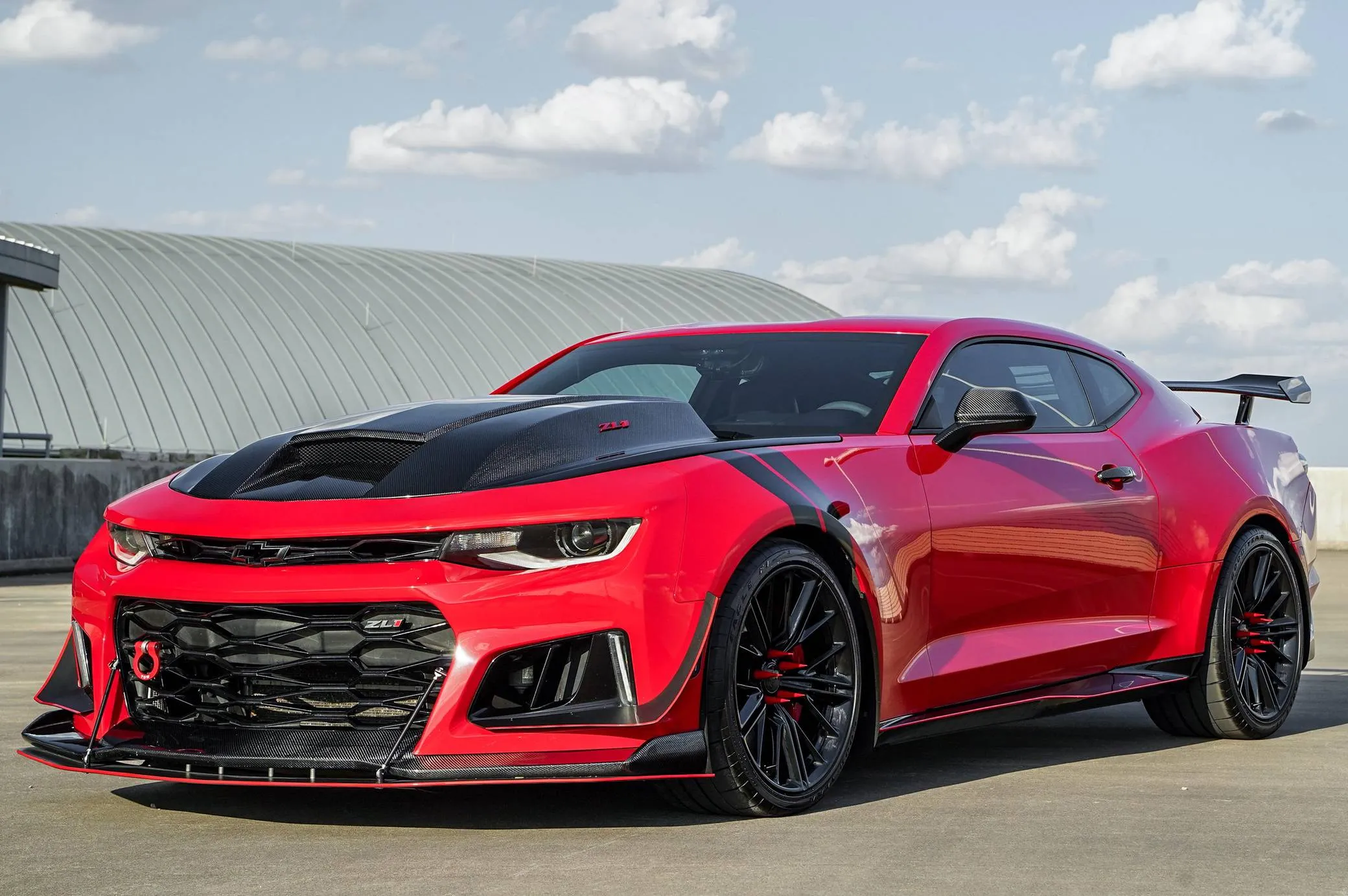
10. Chevrolet Camaro ZL1
The Chevrolet Camaro ZL1’s LT4 supercharged 6.2L V8 produces a strong and unapologetic exhaust tone. Like its Hellcat sibling, this engine combines supercharged force with a deep and resonant sound profile. The exhaust system is tuned to emphasize power delivery and presence.
From idle, the LT4 emits a bold rumble that signals its readiness. When the throttle is applied, the sound quickly builds with volume and intensity. The supercharger whine mixes with combustion tones to create a layered and energetic sound.
At higher RPMs, the Camaro ZL1’s exhaust note remains aggressive and forceful. The engineered exhaust paths and active valve controls help manage sound quality while allowing loud expression when demanded. This combination results in a passionate and powerful profile.
During hard shifts, audible backfires and burbles contribute to an engaging auditory experience. The system’s behavior under load reinforces the car’s muscle heritage. Drivers often praise the stock sound for matching the ZL1’s performance figures.
The LT4’s exhaust note is a defining aspect of the Camaro ZL1’s character. It balances aggression with a complexity that keeps the sound lively across various driving conditions.