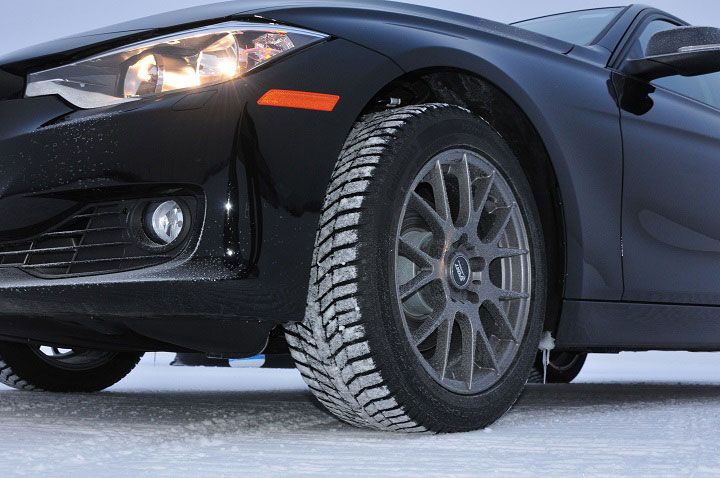
Driving in the Upper Midwest is not your average winter experience. It’s not just cold, it’s brutally cold. Roads freeze overnight, snow piles up fast, and black ice shows up when you least expect it. If you’ve ever tried braking on an icy road with regular tyres, you already know how risky it gets. That’s where dedicated winter tyres come in.
Many drivers still believe that all-season tyres are “good enough.” That assumption can cost more than just comfort; it can cost control, safety, and even your life.
Winter tyres are not just about handling snow; they are designed to perform in freezing temperatures where standard tyres fail. The rubber compound, tread design, and grip are built specifically for cold climates like those in Minnesota, Wisconsin, and surrounding areas.
Let’s be real roads in the Upper Midwest can go from clear to dangerous within hours. You might leave home on a dry road and return on snow-covered streets. That unpredictability is exactly why winter tyres are not optional; they’re necessary. They give you better traction, shorter braking distances, and improved handling when conditions turn bad.
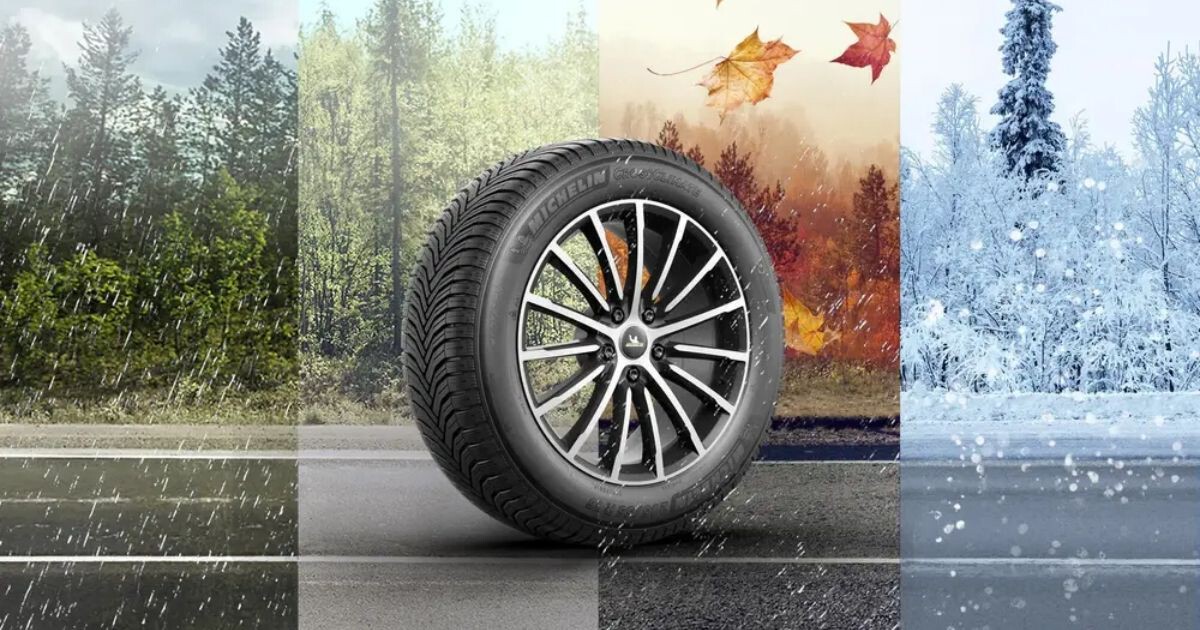
Another thing people underestimate is how temperature affects tree performance. Even without snow, once the temperature drops below 7°C (45°F), regular tyres start to harden. That means less grip and longer stopping distances. Winter tyres stay flexible in cold conditions, which keeps you safer even on dry winter roads.
If you’re serious about driving safely during Midwest winters, investing in dedicated winter tyres is one of the smartest decisions you can make. It’s not just about getting through the snow, it’s about staying in control every time you hit the road.
Winter in the Upper Midwest is harsh, unpredictable, and often dangerous for drivers who are not properly prepared. One of the most effective ways to improve your safety on the road is by switching to dedicated winter tyres. These tyres are specifically engineered to handle extreme cold, snow, and ice conditions that regular tyres struggle with.
Winter tyres also help reduce the risk of accidents, especially during sudden weather changes. They are designed with deeper treads and special patterns that channel snow and water away, improving stability. Additionally, they offer better performance on black ice, one of the most dangerous hazards in the Midwest.
In short, winter tyres are not just an upgrade they are a necessity for anyone driving in cold climates. They provide safety, control, and peace of mind during one of the toughest driving seasons of the year.
1. Superior Traction on Snow-Covered Roads
Let’s start with the most obvious reason traction. Snow-covered roads are a daily reality in the Upper Midwest during winter. Without proper grip, your vehicle becomes unpredictable and difficult to control. This is where dedicated winter tyres make a huge difference.
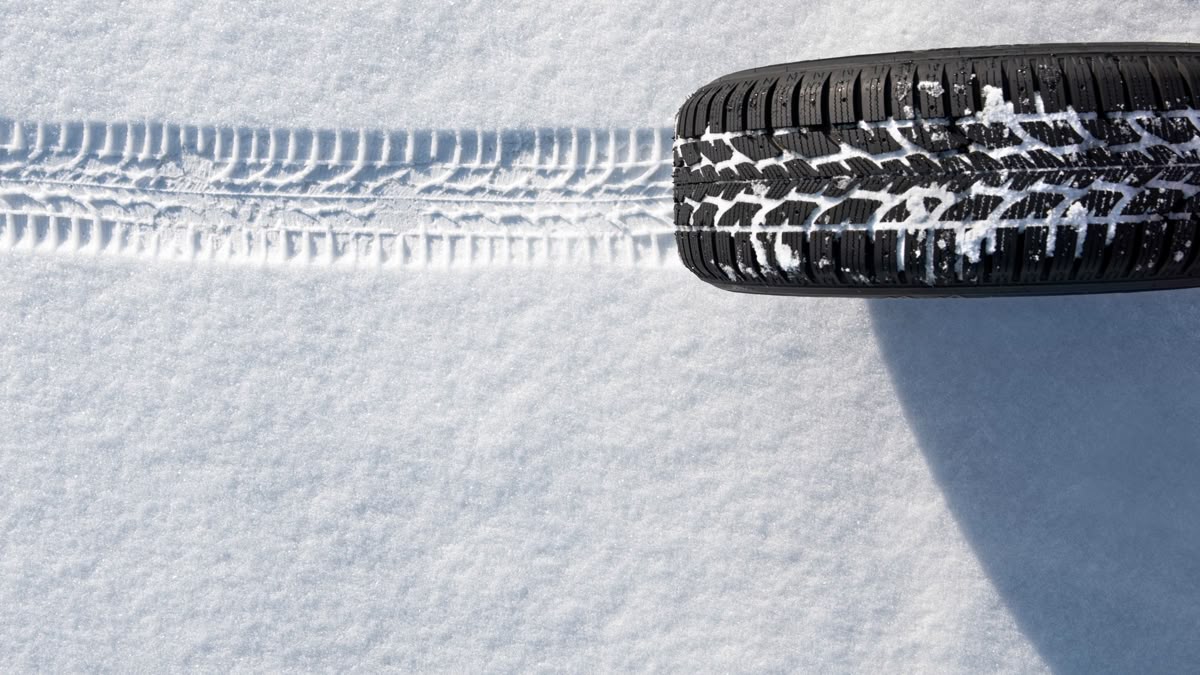
Winter tyres are built with deeper tread patterns and unique designs that bite into the snow. Unlike all-season tyres, which tend to slide over snow, winter tyres dig into it. This creates a stronger connection between your car and the road. The result? Better forward movement and less slipping.
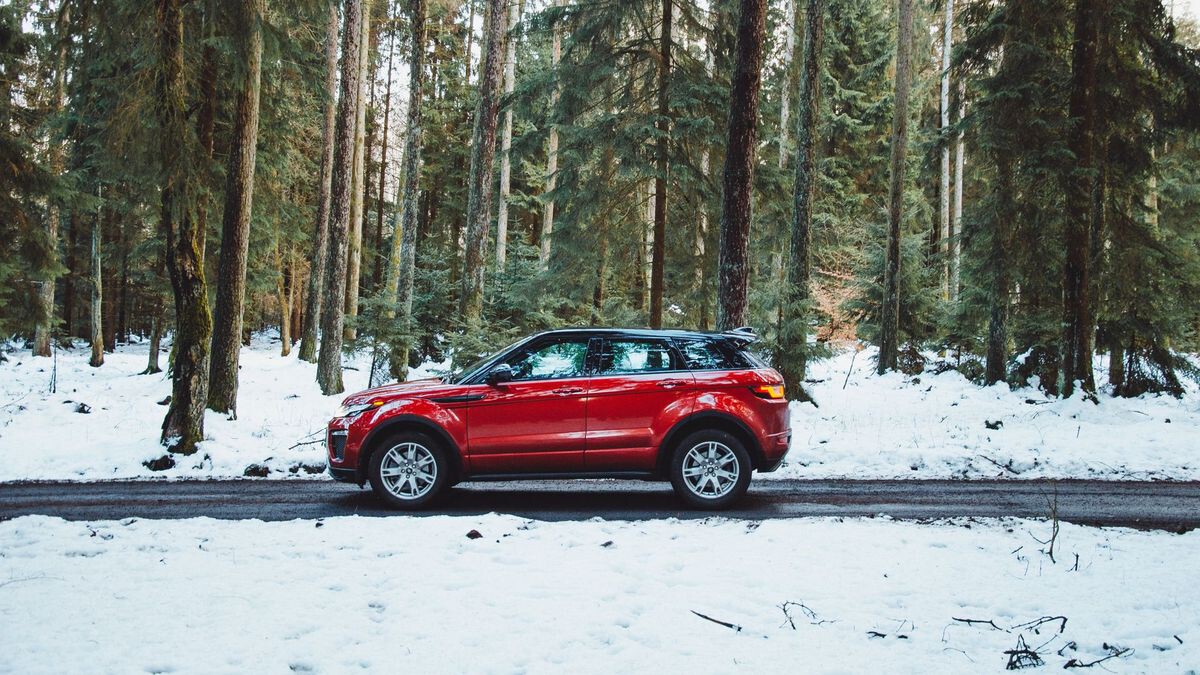
Another key feature is the presence of sipes tiny slits in the tyre tread. These sipes increase the number of edges that touch the road. More edges mean more grip. When you accelerate, brake, or turn, these small details play a big role in keeping your car stable.
Think about situations like starting your car on a snow-covered driveway or climbing a slightly inclined road. With regular tyres, your wheels may spin, and your car struggles to move forward. Winter tyres reduce this problem significantly. They allow smoother starts and more controlled movement, even in thick snow.
Traction also affects how your car behaves during turns. Snow can make even a simple turn risky. With poor traction, your car may slide outward, making it hard to stay in your lane. Winter tyres improve cornering grip, helping you maintain control and stay on track.
What’s interesting is that winter tyres don’t just work on fresh snow. They also perform well on packed snow, which is more slippery. Their tread design is optimised to handle different snow conditions, giving you consistent performance throughout the season.
Now, here’s the blunt truth traction is not something you want to gamble with. Losing grip for even a second can lead to accidents. In heavy traffic or on highways, that risk increases even more. Winter tyres reduce that risk by giving you the grip you need to stay in control.
If you drive regularly in the Upper Midwest, relying on all-season tyres is like taking a shortcut that doesn’t really save you anything. Winter tyres give you confidence behind the wheel, especially when roads are covered in snow.
ALSO READ: Importance of Routine Car Alignment, Making Your Tyres Last A Lot Longer
2. Shorter Braking Distances on Ice and Snow
Here’s something most drivers don’t think about enough: stopping distance. It’s easy to focus on acceleration and traction, but braking is where things really matter. In winter conditions, stopping your car safely becomes much harder, especially on ice and snow.
Dedicated wintertyress are designed to reduce braking distances significantly. This means your car can come to a stop faster compared to using all-season tyres. That difference can be the deciding factor between a close call and a collision.
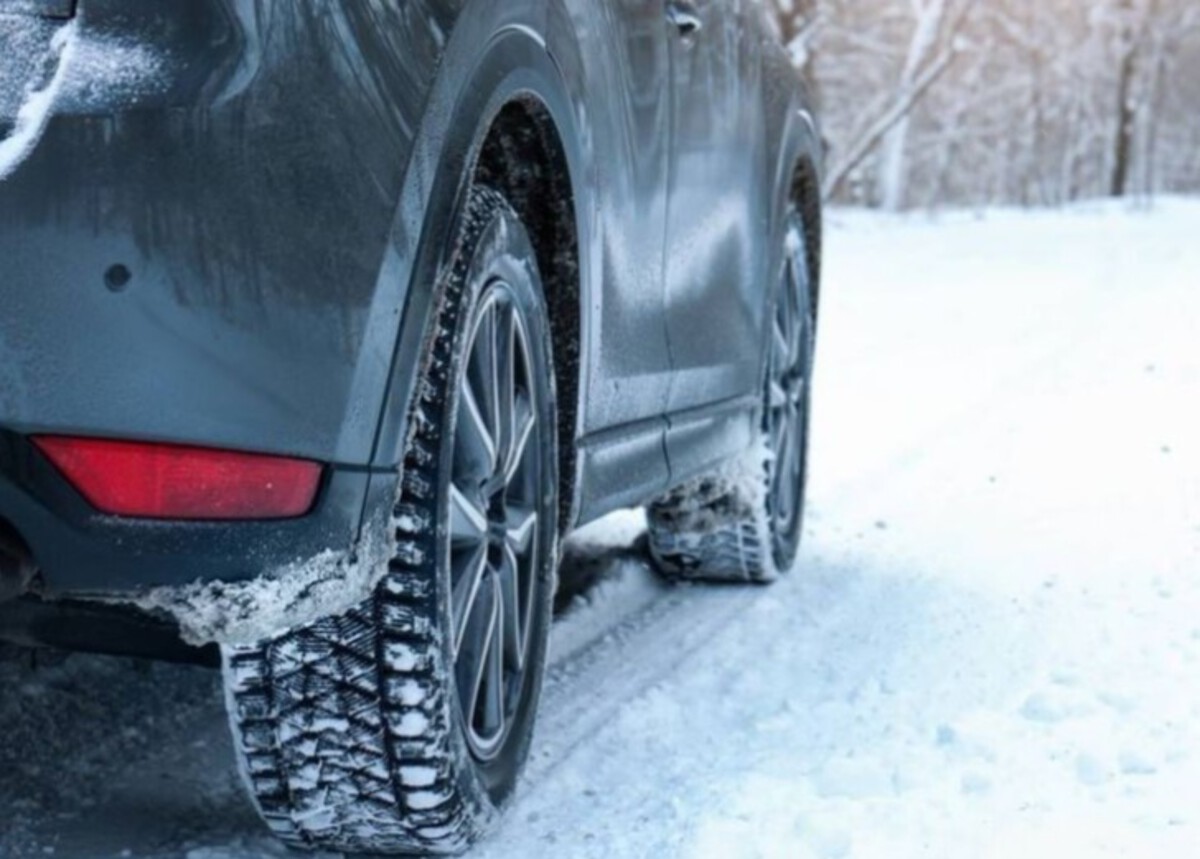
On icy roads, regular tyres struggle to find grip. When you press the brake pedal, the tyres slide instead of gripping the surface. This increases the distance your car travels before stopping. Winter tyres, on the other hand, are made with softer rubber compounds that stay flexible in cold temperatures. This flexibility helps the tyre maintain contact with the road, improving braking performance.
Let’s talk about real-life scenarios. Imagine driving through a residential area when someone suddenly crosses the street. Or you’re on a highway, and the car ahead brakes unexpectedly. In both cases, you need your car to stop quickly. With winter tyres, you have a much better chance of stopping in time.
Another factor is the tread design. Winter tyres have grooves that channel away snow, slush, and water. This prevents buildup between the tyre and the road, which can cause slipping. By maintaining better contact with the surface, winter tyres improve braking efficiency.
It’s also important to consider black ice. This is one of the most dangerous conditions because it’s nearly invisible. When your tyres hit black ice, grip drops instantly. Winter tyres are not magic; they won’t eliminate all risks,s but they do provide better control compared to standard tyres.
Now, let’s be honest, many accidents in winter happen because drivers cannot stop in time. It’s not always about speed; it’s about control. Even at lower speeds, poor braking can lead to collisions.
Investing in winter tyres is basically giving yourself extra reaction time. You still need to drive carefully, but your car becomes more responsive when you hit the brakes.
Skipping winter tyres to save money might seem practical at first. But when you consider the risks, it’s a trade-off that doesn’t really make sense. Better braking is not a luxury—it’s a necessity in harsh winter conditions.
3. Better Handling and Steering Control
Driving in winter is not just about moving forward or stopping; it’s about staying in control the entire time. That includes steering, turning, and maintaining stability on unpredictable roads. This is where dedicated winter tyres make a clear difference.
When roads are covered in snow or slush, steering becomes less responsive with regular tyres. You turn the wheel, but the car reacts late or slides slightly before correcting itself. That delay can be dangerous, especially when you’re navigating curves, intersections, or busy roads.
Winter tyres are designed to improve steering response. Their tread patterns are built to grip the road from multiple angles, which helps the car respond more accurately to your inputs. When you turn the wheel, the car follows with better precision. That might sound small, but in winter conditions, it matters a lot.

Another key factor is lateral grip. This is what keeps your car stable during turns. Without enough lateral grip, your car can slide sideways, especially on icy or slushy surfaces. Winter tyres increase this side-to-side grip, making your vehicle feel more planted on the road.
Think about driving through a roundabout or taking a curved highway exit. With all-season tyres, you might feel the car drifting slightly. With winter tyres, the movement is more controlled. You’re not fighting the steering wheel, you’re guiding the car with confidence.
Handling also improves during sudden manoeuvres. If you need to avoid an obstacle or react quickly to traffic, winter tyres help maintain stability. They reduce the chances of losing control during sharp turns or emergency corrections.
Let’s not ignore wind and uneven surfaces either. Snow buildup, ruts, and slush patches can pull your car in different directions. Winter tyres handle these conditions better by maintaining consistent contact with the road.
Here’s the blunt reality—winter driving demands constant adjustments. Roads are rarely perfect, and conditions can change within minutes. If your tyres can’t keep up, your driving becomes stressful and risky.
Better handling means less guesswork. You know how your car will react, and that makes every drive safer. It’s not about driving fast; it’s about driving with control.
4. Designed for Freezing Temperatures
Most people think winter tyres are only for snow. That’s not true. One of the biggest reasons to use them is how they perform in cold temperatures, even on dry roads.
When temperatures drop below 7°C (45°F), regenerative tissues start to lose their flexibility. The rubber becomes stiff, which reduces grip. That means your car doesn’t hold the road as well, even if there’s no snow or ice.
Winter tyres are made with a special rubber compound that stays soft in freezing conditions. This softness allows the tyre to adapt to the road surface, maintaining better contact. More contact means more grip, and more grip means better control.
This is a huge advantage in the Upper Midwest, where temperatures can drop well below freezing for extended periods. Even on clear days, the roads can be dangerously cold. If your tyres are too hard, they won’t perform properly.
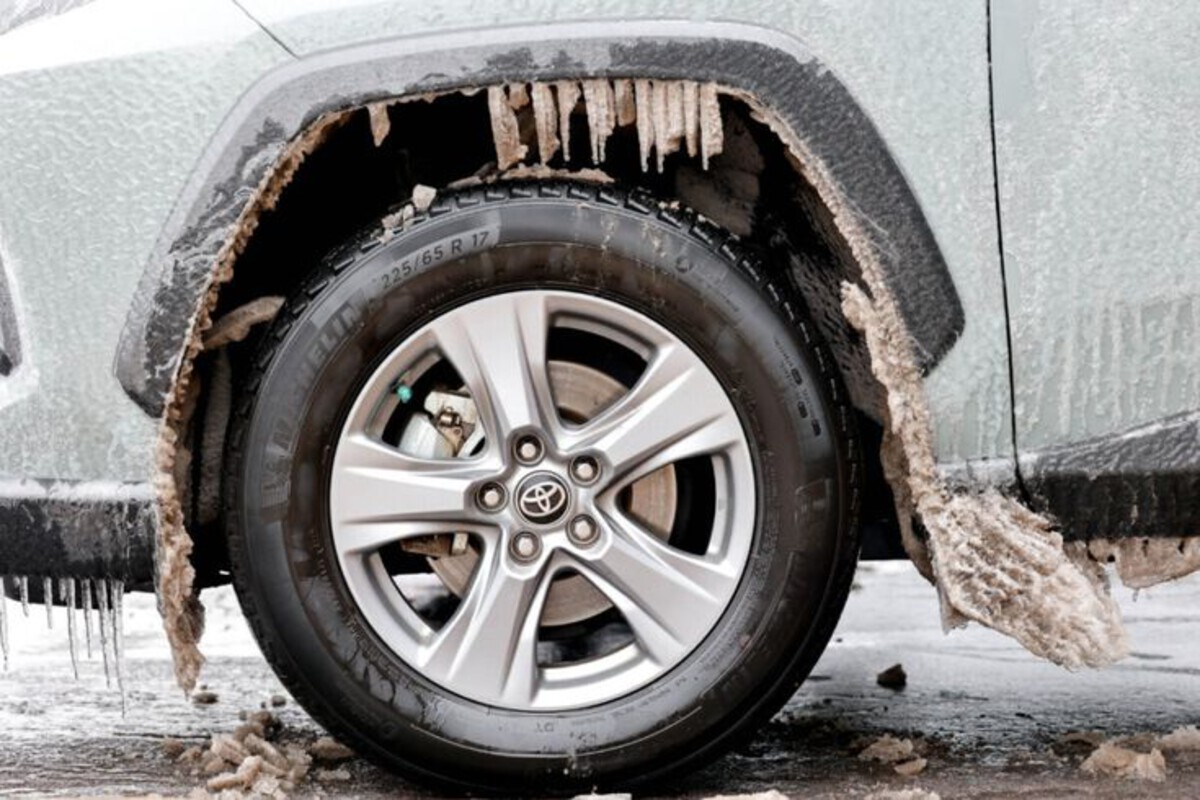
Let’s be real, winter isn’t just about storms. A lot of driving happens on cold, dry pavement. And this is where many drivers make a mistake. They assume all seasons are enough because there’s no snow. But they ignore how temperature affects performance.
Winter tyres give you consistent performance regardless of whether the road is dry, wet, or lightly covered in snow. That consistency is what makes them reliable.
Another thing to consider is early mornings and late nights. Temperatures drop even further during these times. Roads can freeze quickly, especially in shaded areas. Winter tyres handle these sudden changes better than regular tyres.
You also get improved braking and handling on cold pavement. This means safer driving even when conditions seem normal. It’s not just about extreme weather—it’s about everyday winter driving.
Here’s the truth: if you’re waiting for heavy snow before switching to wintertyress, you’re already late. The real benefit starts the moment temperatures drop.
So no, winter tyres are not just for snowstorms. They’re built for cold, and in the Upper Midwest, cold is a constant.
5. Improved Safety on Black Ice
Black ice is one of the most dangerous things you’ll face while driving in winter. The worst part? You usually don’t see it until it’s too late.
It forms when a thin layer of ice develops on the road, often making the surface look normal. Drivers assume the road is safe, but the moment thtyreses hit that patch, grip disappears almost instantly.
This is where winter tyres offer a major advantage.
Now let’s be clear no tyre can eliminate the risk of black ice. But winter tyres significantly reduce how bad things can get. Their softer rubber compound allows them to maintain better contact with the road, even on slick surfaces.
The tread design also plays a role. Winter tyres have more biting edges, which help them grip whatever texture is available on the road. Even on ice, this added grip can make a difference in how your car responds.
Think about situations like bridges, overpasses, and shaded roads. These areas freeze faster and are common spots for black ice. If you’re driving with standard tyres, your car may slide with little warning. With winter tyres, you get slightly more control, which can help you react faster.
Another important factor is braking. On black ice, stopping becomes extremely difficult. Winter tyres improve your chances of slowing down without completely losing control.
Let’s talk about real risk. Most winter accidents are not dramatic crashes; they’re small slides that lead to bigger problems. You lose control for a second, hit another car, or go off the road. Black ice is often the reason behind these incidents.
Wintertyress don’t make you invincible, but they give you a better margin for error. That extra bit of grip can be the difference between recovering control and sliding into trouble.
If you’ve ever driven over black ice, you know how helpless it feels. The car stops responding, and everything happens fast. Winter tyres help reduce that helpless feeling by giving you more stability.
In a place like the Upper Midwest, where freezing conditions are common, ignoring black ice risk is not smart. And ignoring winter tyres makes it worse.
6. Reduced Risk of Winter Accidents
Let’s not overcomplicate it. Winter driving increases accident risk. That’s just reality. Snow, ice, poor visibility, and sudden weather changes all stack the odds against you. The question is: how much control do you actually have in those situations?
This is where a dedicated wintertyress steps in as a practical safety upgrade.
Winter tyres reduce the chances of losing control, which is the root cause of most winter accidents. Whether it’s skidding during braking, sliding while turning, or struggling to gain traction, these tyres address all the major weak points.
One of the biggest reasons accidents happen in winter is delayed response. You brake, but the car doesn’t stop in time. You steer, but the car drifts. Winter tyres improve both braking and steering response, which gives you a better shot at avoiding collisions.
Another factor is driver confidence. Now, this can go two ways. Overconfidence is dangerous, but lack of confidence is just as risky. If you’re constantly nervous about slipping, your reactions become slower and less precise. Winter tyres help balance that by giving you a more predictable driving experience.
Let’s talk about traffic situations. In crowded areas, one small mistake can trigger a chain reaction. If the car in front of you brakes suddenly, you need to react instantly. With winter tyres, your stopping distance is shorter, which reduces the chance of rear-end collisions.
Intersections are another common danger zone. Roads here are often packed with snow and ice due to frequent stopping and starting. Winter tyres help you maintain control when accelerating from a stop or making turns.
Also, think about highway driving. At higher speeds, even a minor loss of traction can turn serious. Winter tyres improve stability, helping your car stay planted even when conditions are not ideal.
Here’s the straightforward truth accidents are expensive, stressful, and sometimes life-changing. Preventing even one incident makes winter tyres worth it.
You can’t control the weather. You can’t control other drivers. But you can control how prepared your car is.
And in the Upper Midwest, preparation is everything.
7. Better Performance in Slush and Wet Snow
Snow is not always dry and powdery. A lot of winter driving in the Upper Midwest involves slush, a messy mix of water, snow, and ice. And honestly, slush can be even more dangerous than fresh snow.
Why? Because it reduces traction while also increasing the risk of hydroplaning.
Slush creates a thin layer between your tyres and the road, similar to water on a rainy day. If your tyres can’t push that slush away effectively, they lose contact with the road. That’s when your car starts to feel like it’s floating instead of gripping.
Winter tyres are designed to handle this exact situation.
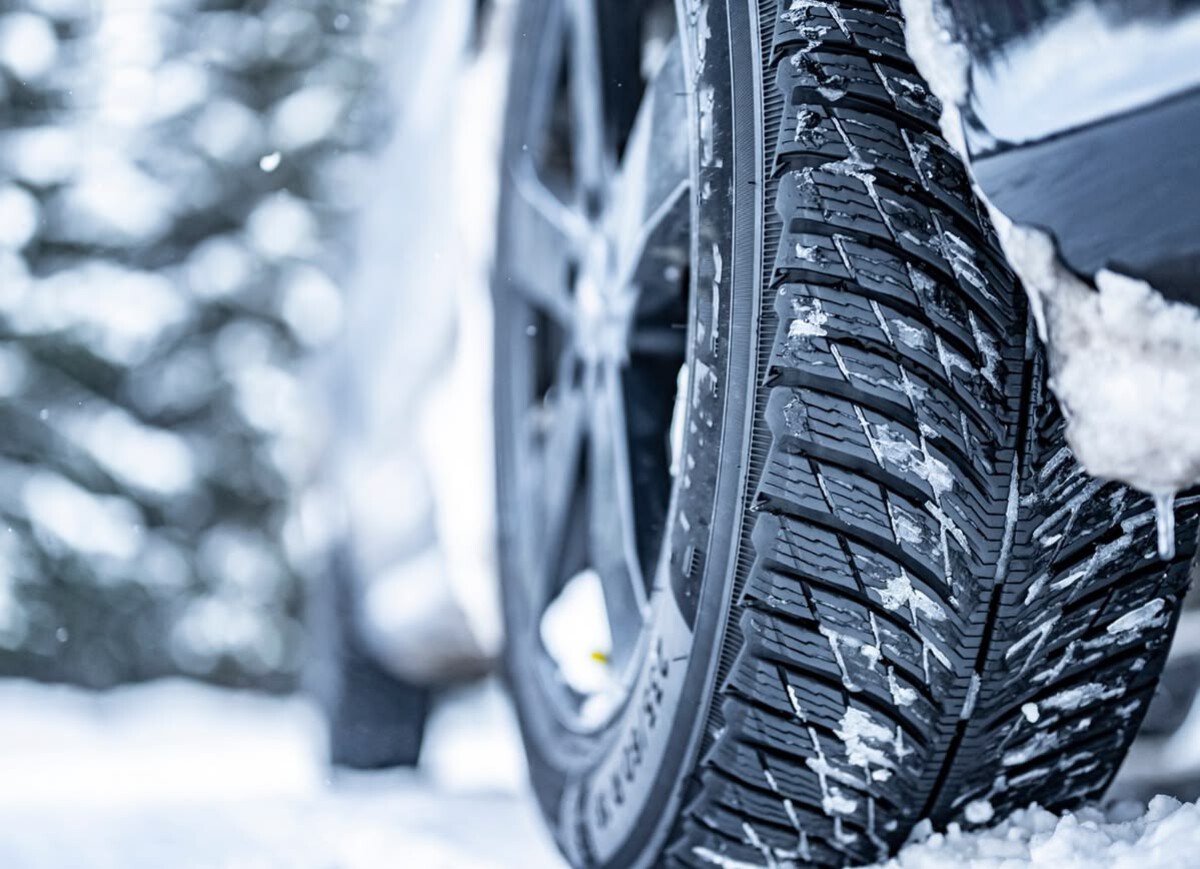
They have deeper grooves and wider channels that help push slush and water away from the tyre surface. This improves contact with the road and reduces the risk of hydroplaning.
Another advantage is how they handle transitions. You might drive from a clear patch of road into a slushy section without warning. With regular tyres, that sudden change can cause instability. Winter tyres adapt better, giving you a smoother and more controlled transition.
Slush also affects braking. It increases stopping distance and reduces control. Winter tyres improve braking performance by maintaining better grip, even in wet and heavy snow conditions.
Let’s not ignore city driving. Slush tends to build up in intersections, parking lots, and side streets. These areas become tricky to navigate, especially when turning or stopping. Winter tyres make these situations easier to handle.
Now think about highway conditions. Slush often forms in tyre tracks left by other vehicles. Driving through these uneven patches can pull your car slightly off course. Winter tyres provide better stability, helping you stay in your lane.
Here’s the honest part slush is unpredictable. You can’t always avoid it. But you can prepare for it.
Many drivers underestimate how dangerous slush can be. They focus on snow and ice but ignore this in-between condition. That’s a mistake.
Winter tyres don’t just handle extreme conditions they handle the messy, everyday reality of winter driving. And that’s what makes them truly valuable.
ALSO READ: 10 Modern Muscle Cars That Are Comfortable Enough to Drive Daily
8. Long-Term Cost Benefits and Tire Longevity
A lot of people hesitate to buy winter tyres for one reason: cost. At first glance, it feels like an extra expense that can be avoided. But if you look at the bigger picture, that logic doesn’t really hold up.
Let’s break it down.
When you use dedicated winter tyres during the cold months, your all-season or summer tyres get a break. That means they wear out slower. Instead of using one set of tyres all year, you’re spreading the wear across two sets.
This actually extends the lifespan of both.
Now think about maintenance costs. Winter driving increases the chances of accidents, even minor ones. Repairs, insurance claims, and downtime all add up. Winter tyres reduce that risk, which can save you money in the long run.
Fuel efficiency is another factor people question. While winter tyres may slightly affect mileage, the trade-off is better safety and control. And honestly, the difference is not significant enough to outweigh the benefits.
There’s also the cost of peace of mind. Driving in winter is stressful enough. If you’re constantly worried about slipping or losing control, that adds mental strain. Winter tyres reduce that stress by making your car more predictable.
Another point is resale value. If you maintain both sets of tyres properly, you can even sell them later or use them for multiple seasons. Good-quality winter tyres can last several years if used correctly.
Let’s be real, cutting corners on safety rarely saves money in the long run. It usually leads to bigger expenses later.
Wintertyress are not just a purchase,e they’re an investment in safety, performance, and long-term savings.
If you live in the Upper Midwest and drive regularly, skipping winter tyres is not really saving money. It’s just delaying the cost.
Why Winter Tires Are a Smart Investment for Upper Midwest Drivers
At this point, the pattern is clear. Winter driving in the Upper Midwest is tough, and standard tyres are simply not built for it. The conditions demand more grip, more control, and more reliability.
Dedicated winter tyres deliver exactly that.
They improve traction on snow, shorten braking distances, and give you better handling in unpredictable conditions. They perform well not just in heavy snow but also in freezing temperatures, slush, and even on black ice. That kind of consistency is what makes them essential, not optional.
A lot of drivers still rely on all-season tyres, thinking they’re enough. But “good enough” doesn’t hold up when roads get dangerous. Winter tyres are designed specifically for these conditions, and that specialisation shows in real-world performance.
Let’s be honest—no tyre can eliminate all risks. You still need to drive carefully, stay alert, and adjust to conditions. But having the right tyres gives you a strong advantage. It reduces your chances of accidents and helps you stay in control when things get unpredictable.
There’s also a practical side to it. Using winter tyres can extend the life of your regular tyres, reduce wear, and potentially save money over time. More importantly, it protects you from costly accidents and repairs.
If you live in the Upper Midwest, winter is not a short phase; it’s a long, demanding season. Preparing your car properly is not overthinking; it’s common sense.
So the real question isn’t whether you needwintery tyress. It’s why you would risk driving without them.
Because when conditions get rough, the right tyres don’t just improve your drive, they protect it.