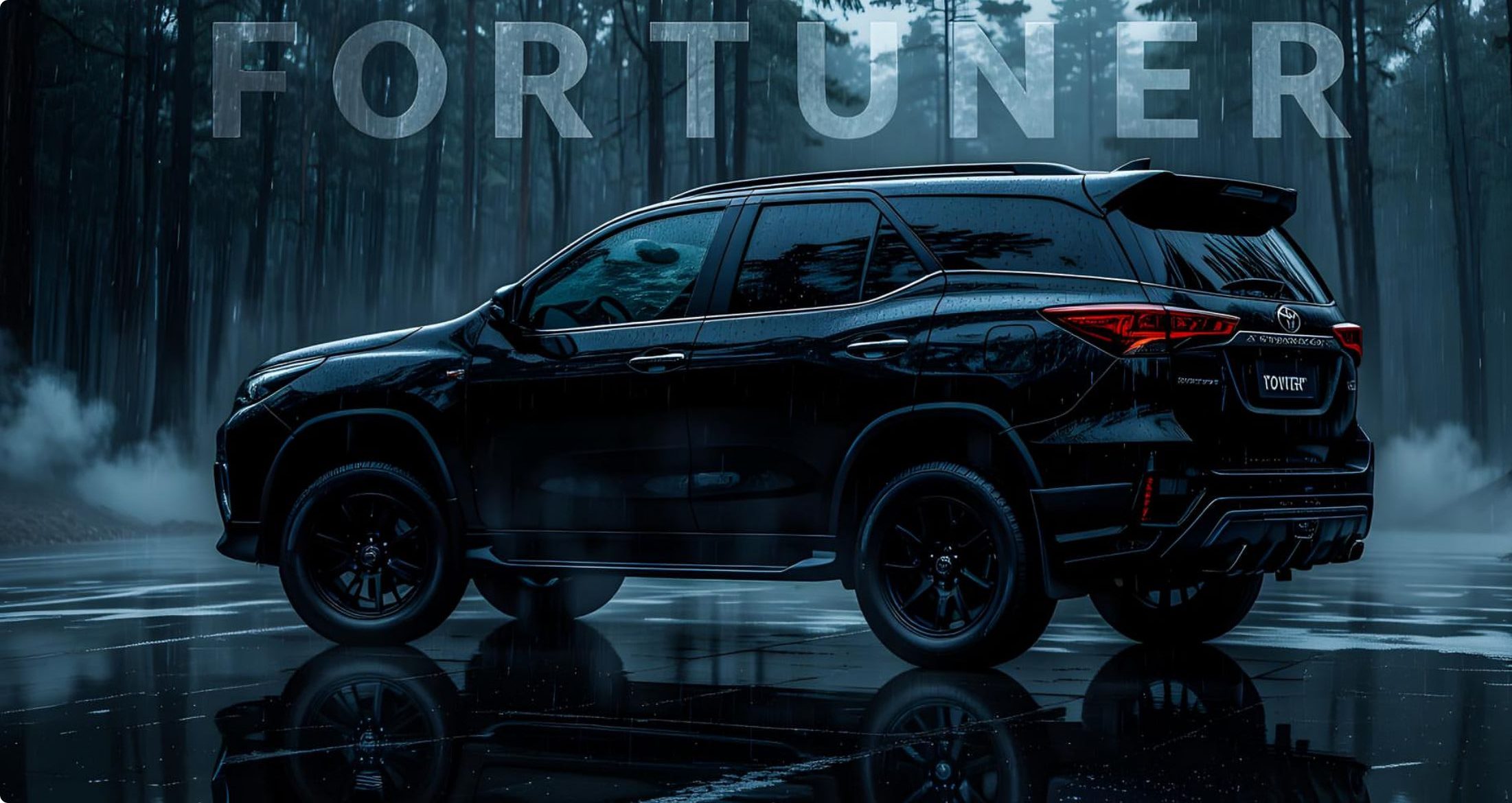
Exploring the remote national parks of the American West is not your average road trip. You’re dealing with rough trails, unpredictable weather, steep climbs, and miles of isolation where help is nowhere close. That means your vehicle matters more than anything else. A regular SUV might get you to the parking lot—but it won’t get you deep into places like canyon backroads, desert trails, or mountain passes.
This is where off-road SUVs come in. These vehicles are built for terrain that breaks weaker cars. They come with features like four-wheel drive (4WD), high ground clearance, skid plates, and terrain management systems that allow you to move through mud, sand, snow, and rock without hesitation. In fact, most serious off-road SUVs rely on strong chassis setups and proper 4×4 systems to handle harsh environments safely .
But capability alone isn’t enough. When you’re exploring remote parks, you also need reliability, cargo space, fuel range, and comfort. You might be driving for hours between stops, carrying camping gear, or navigating areas without fuel stations. A breakdown here isn’t just inconvenient it can be dangerous.
That’s why choosing the right SUV is about balance. You need something rugged enough for trails, but comfortable enough for long drives. Something powerful, but also efficient enough to stretch your fuel range.
In this guide, we’ll break down the 10 best SUVs for exploring the remote national parks of the West, focusing on vehicles that combine durability, off-road strength, and long-distance practicality.
10 Best SUVs for Exploring the Remote National Parks of the West
Not all SUVs are built for real exploration. Some are designed for city driving with just a hint of “adventure” styling. Others are purpose-built machines that can handle serious off-road conditions without breaking down.
The best SUVs for remote national parks typically share a few core traits:
- True 4WD or AWD systems for traction on loose terrain
- High ground clearance to avoid damage on rocks and uneven roads
- Durable suspension setups for long-term reliability
- Strong engines that can handle elevation and heavy loads
- Spacious interiors for gear, supplies, and passengers
Vehicles like the Toyota Land Cruiser, Jeep Wrangler, and Ford Bronco are often considered top-tier because they are engineered specifically for off-road environments. Others, like the Subaru Outback or Toyota 4Runner, strike a balance between everyday comfort and trail capability.
Another key factor is versatility. You’re not just driving on trails you’re also covering highways, gravel roads, and sometimes snow-covered routes. That’s why modern SUVs now include multi-terrain driving modes, allowing them to adapt to different surfaces with ease .
In short, the best SUV for exploring remote national parks is one that can go anywhere without making you think twice. It should give you confidence, not stress.
Now let’s get into the actual list.
ALSO READ: 10 Best Modern Classics Cars to Rise in Value by 2030
1. Toyota Land Cruiser
The Toyota Land Cruiser has built a reputation as one of the most reliable off-road SUVs ever made—and honestly, it’s not hype. This thing is built for extreme conditions. If you’re heading deep into remote national parks where roads barely exist, this is the kind of vehicle you want.
What makes it stand out is its legendary durability. The Land Cruiser is known for surviving harsh environments like deserts, mountains, and remote wilderness areas without constant maintenance. That’s why it’s widely used in some of the toughest regions around the world.
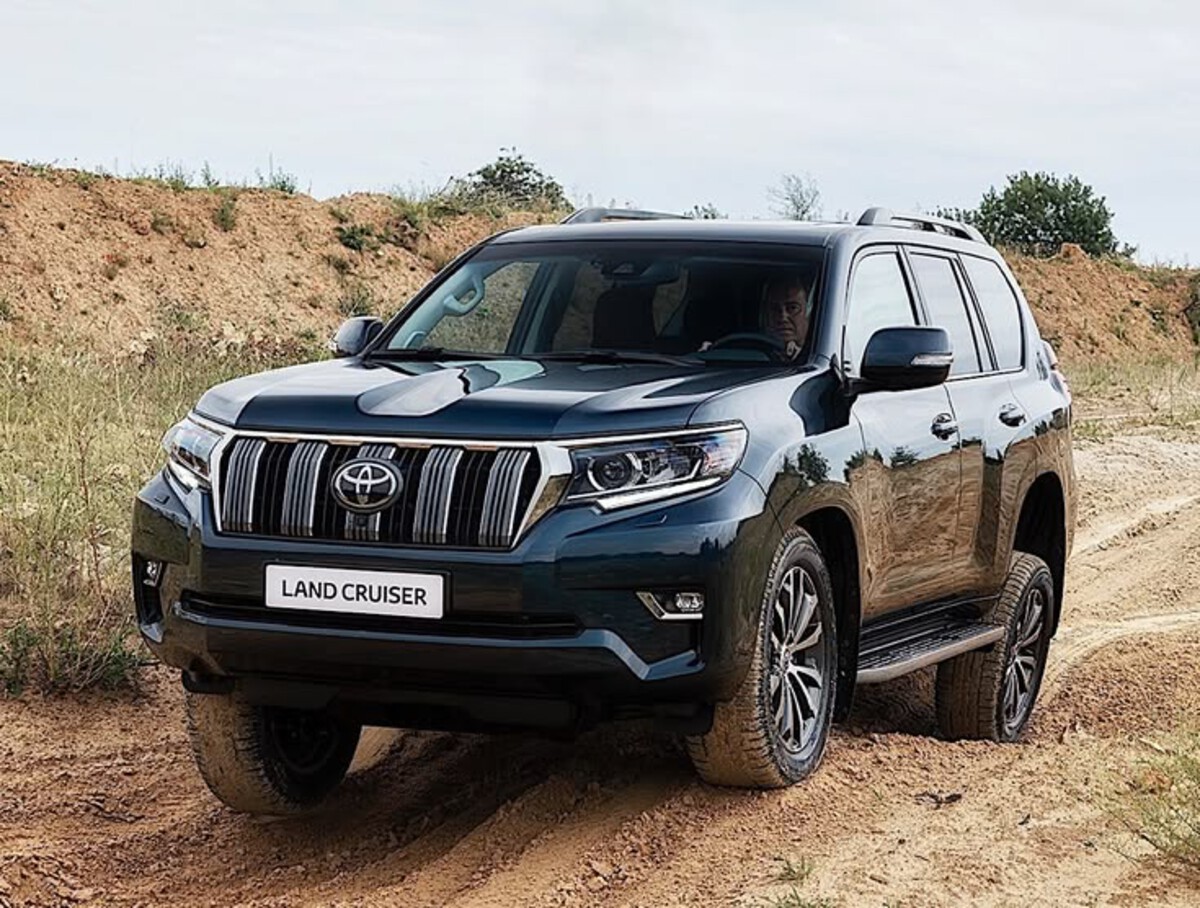
Off-road, it’s almost unfair. You get a full-time 4WD system, locking differentials, and advanced terrain management systems that help you stay in control even on loose sand or rocky climbs. Newer models also come with Multi-Terrain Select, which automatically adjusts throttle, braking, and traction depending on the surface.
But here’s where it gets even better it doesn’t sacrifice comfort. Inside, it feels premium. Long drives don’t feel exhausting, and you get enough space to carry all your gear without cramming everything in.
Fuel economy isn’t amazing, and yeah, it’s expensive. But if your priority is reliability + capability, nothing comes close.
For remote exploration, this SUV is basically a safety net on wheels.
2. Jeep Wrangler
If the Land Cruiser is about reliability, the Jeep Wrangler is about pure off-road freedom. This SUV is built from the ground up to handle trails that most vehicles wouldn’t even attempt.
The biggest advantage here is its off-road geometry. The Wrangler has excellent approach and departure angles, meaning it can climb over rocks and steep inclines without scraping the front or rear. It’s designed for technical terrain, not just dirt roads.
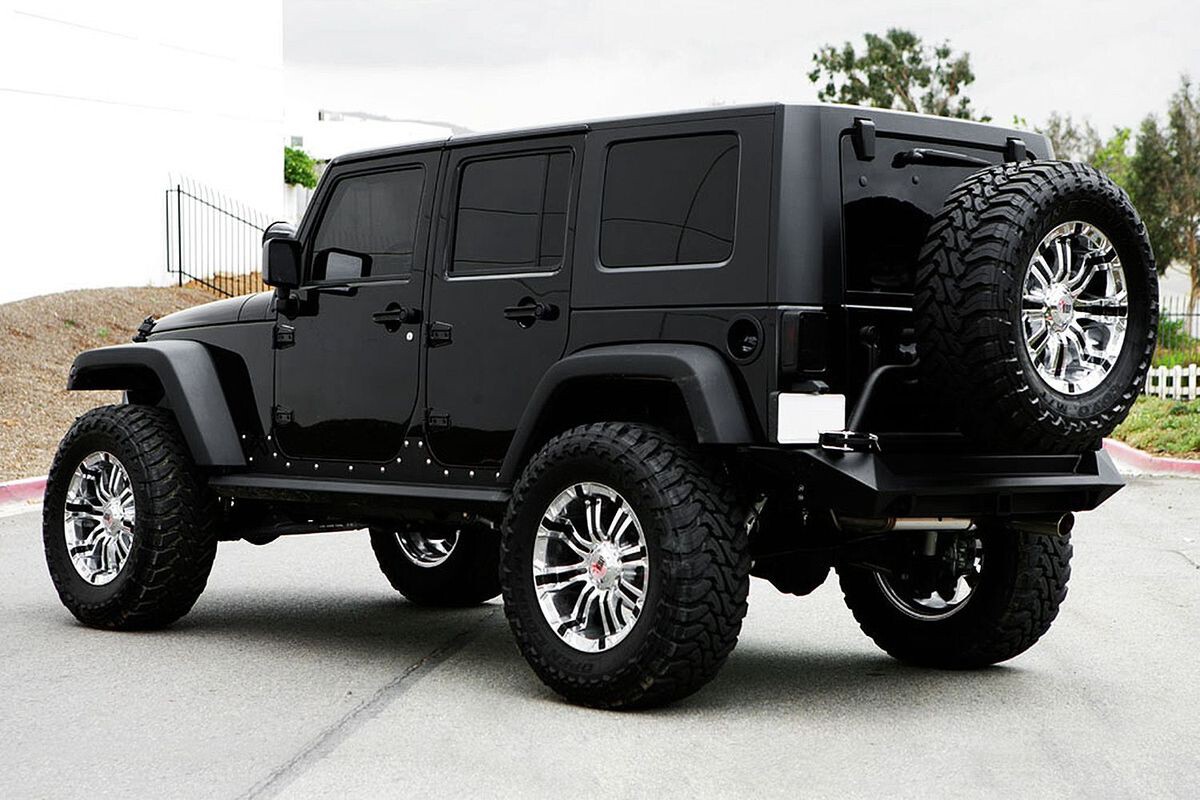
You also get a proper 4×4 system with a low-range transfer case, which is critical when you need slow, controlled power on rough terrain. Some versions even come with locking differentials and disconnecting sway bars, which improve wheel articulation on uneven surfaces.
And then there’s the removable roof and doors. It sounds like a gimmick, but when you’re driving through national parks, it completely changes the experience. You’re not just visiting nature you’re inside it.
That said, the Wrangler isn’t perfect. Ride quality on highways can feel rough, and interior comfort isn’t as refined as other SUVs. But if your goal is to reach places others can’t, this trade-off makes sense.
It’s not the most comfortable SUV but it might be the most capable.
3. Ford Bronco
The Ford Bronco came back strong, and it’s clear Ford didn’t just rebuild a name—they built a serious off-road machine. This SUV directly competes with the Wrangler, and in some ways, it actually does things better.
The standout feature is its G.O.A.T. modes (Goes Over Any Terrain). These driving modes adjust throttle response, traction control, and shifting to match different terrains like sand, mud, snow, and rocks. It makes off-roading more accessible, even if you’re not an expert.
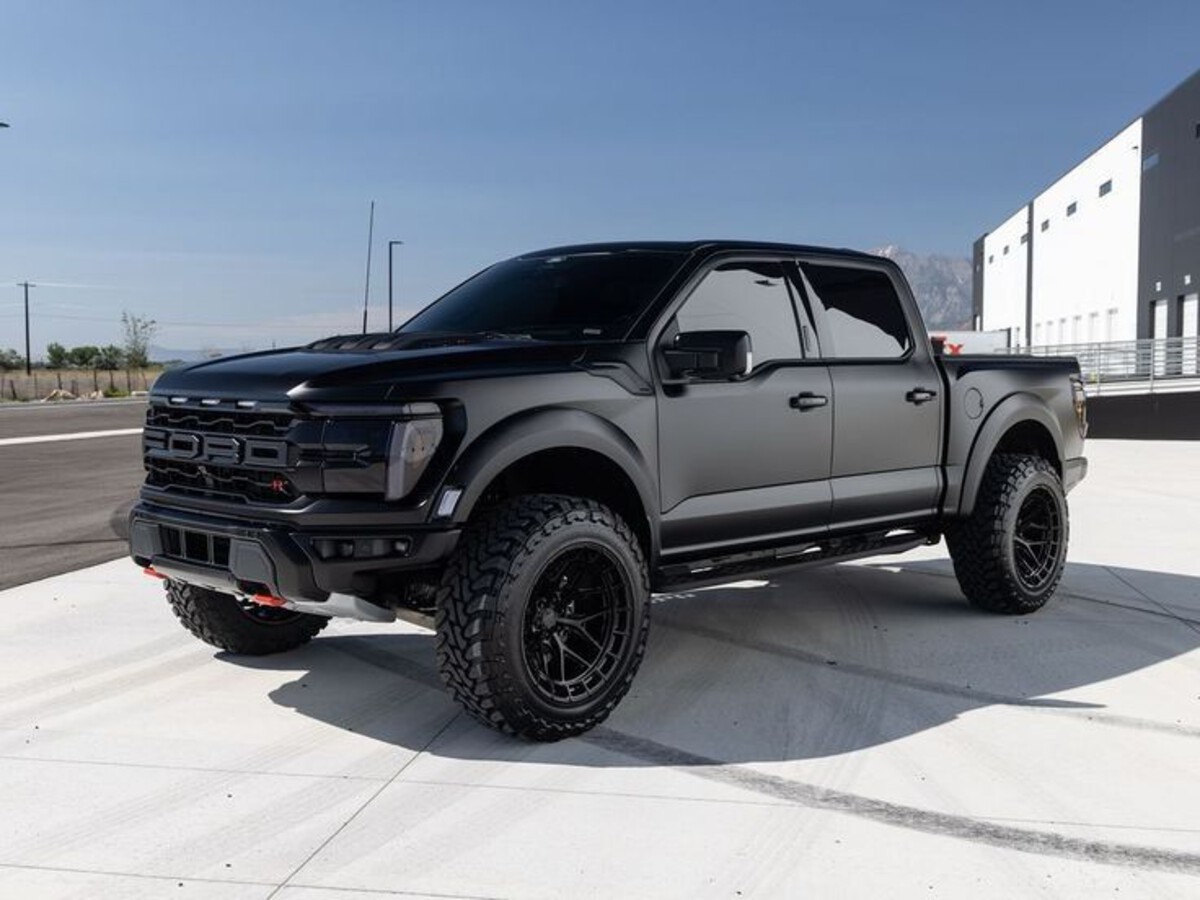
Another big win is comfort. Compared to the Wrangler, the Bronco feels more stable and refined on highways. So if you’re driving long distances to reach national parks, this matters.
Off-road, it’s just as capable. It comes with advanced 4×4 systems, high ground clearance, and optional upgrades like beadlock-capable wheels and heavy-duty suspension setups.
Plus, like the Wrangler, it offers removable roof panels so you still get that open-air experience.
Where it really shines is balance. It’s not just a trail machine it’s also a practical daily driver. That makes it ideal if you want one SUV that can handle both everyday life and extreme adventure.
4. Toyota 4Runner
If you want something close to the Land Cruiser but without paying that premium price, the Toyota 4Runner is the obvious pick. It’s one of the few SUVs left that still uses a body-on-frame construction, which matters a lot when you’re dealing with rough trails and uneven terrain.
The 4Runner isn’t trying to be fancy it’s built to last. And that’s exactly why it works so well in remote national parks. This SUV can handle years of off-road use without falling apart, which is something many newer crossovers simply can’t promise.
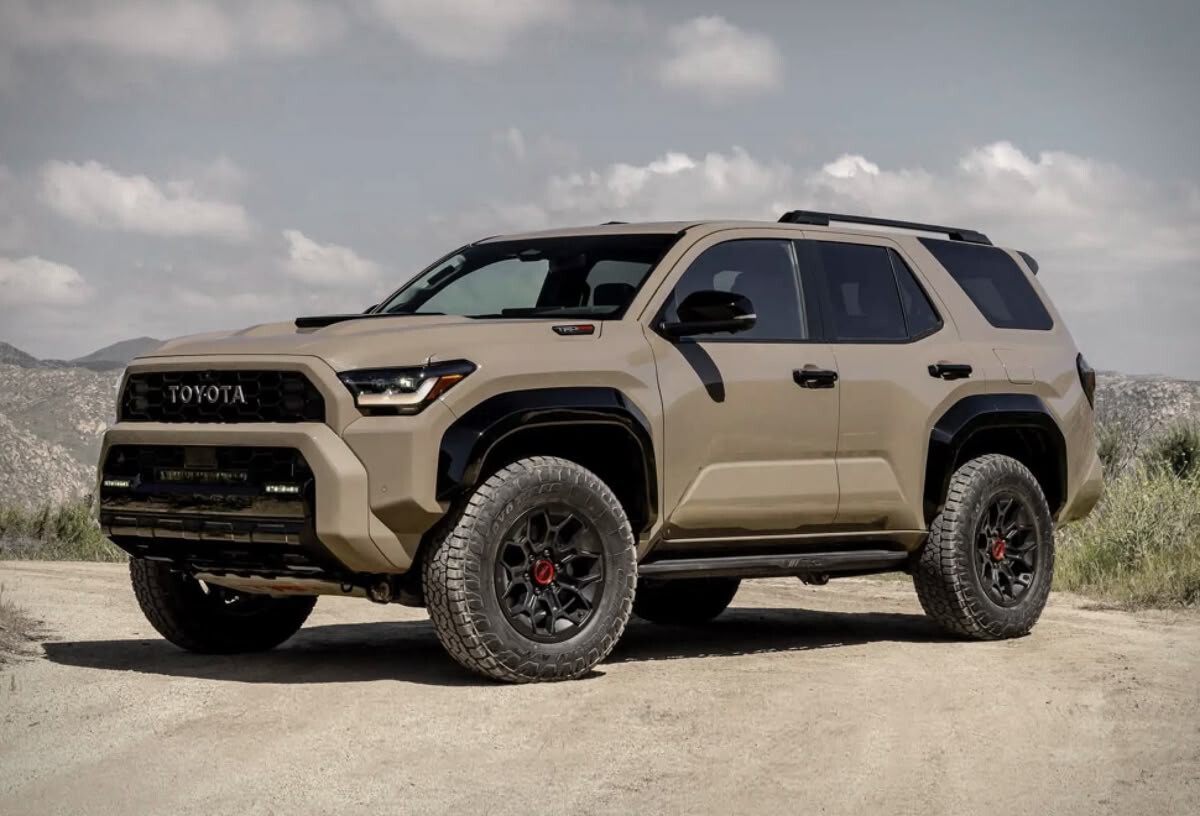
Off-road capability is strong, especially in the TRD Pro versions. You get features like Crawl Control, locking rear differential, and multi-terrain select. These systems help maintain traction automatically, so you don’t have to constantly adjust your driving in tricky conditions.
Another big advantage is cargo space. Whether you’re carrying camping gear, recovery tools, or extra fuel, the 4Runner gives you room to pack properly without sacrificing passenger comfort.
Now, let’s be real it’s not the most modern SUV. The interior feels outdated, and fuel economy is average at best. But here’s the thing: when you’re hours away from civilization, you don’t care about touchscreen size you care about whether your SUV will keep going.
And the 4Runner does exactly that.
ALSO READ: 10 Best Used Sports Cars Available for Under 25,000 Dollars in 2026
5. Subaru Outback Wilderness
This is where things shift a bit. The Subaru Outback Wilderness isn’t a hardcore off-roader like the Wrangler or Bronco—but it doesn’t need to be.
Instead, it dominates in real-world exploration scenarios.
Most people exploring national parks aren’t rock crawling. They’re driving on dirt roads, gravel paths, snow-covered routes, and mild trails. And this is exactly where the Outback Wilderness shines.
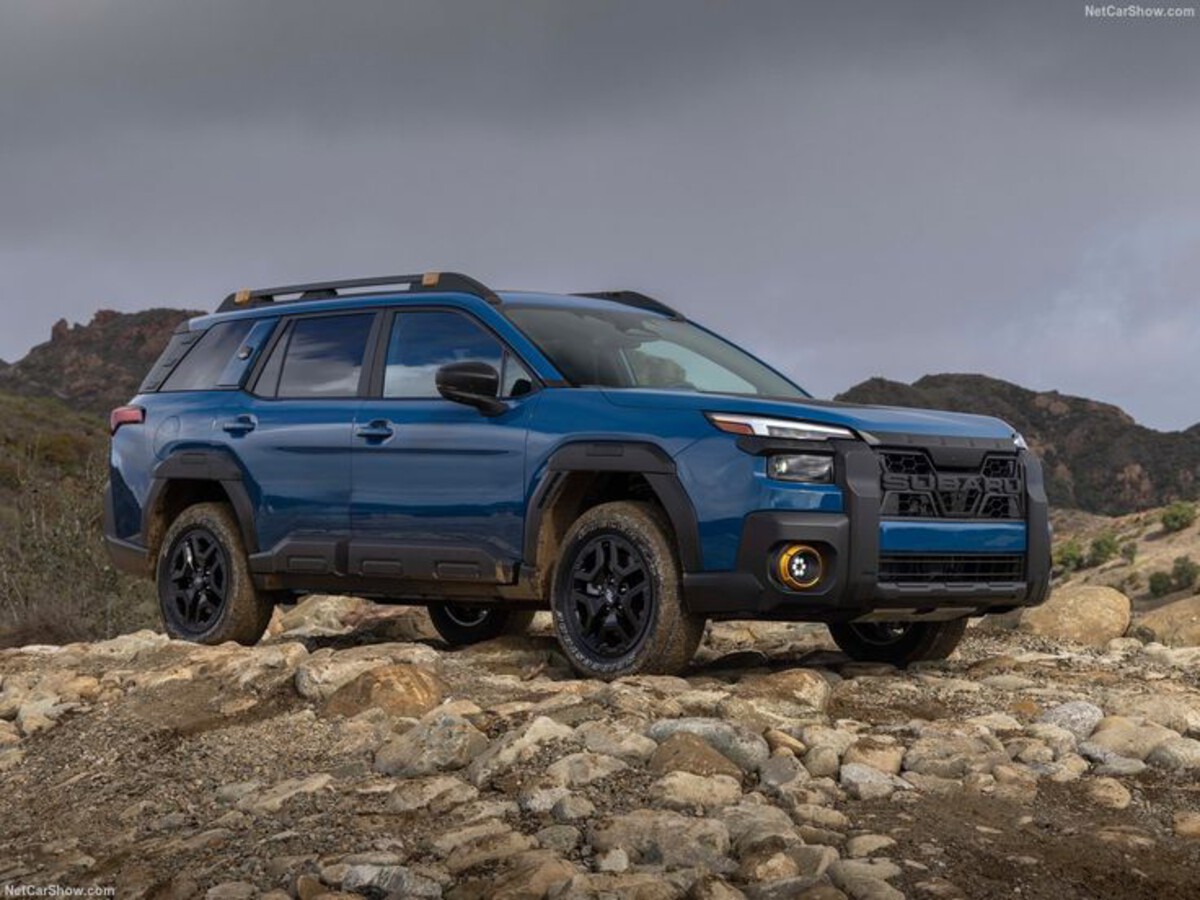
It comes with standard all-wheel drive, increased ground clearance, and upgraded suspension designed specifically for rough terrain. Subaru also adds its X-Mode system, which helps control traction on slippery surfaces like mud and snow.
Where it beats bigger SUVs is efficiency and comfort. You get better fuel economy, smoother ride quality, and easier handling on long drives. That matters when you’re covering hundreds of miles before even reaching the park.
It’s also surprisingly capable. For most remote park trails that don’t require extreme rock climbing, this SUV handles the job without stress.
The limitation? It’s not built for extreme off-road abuse. Push it too far, and you’ll feel the difference compared to body-on-frame SUVs.
But if you want a smart, practical, and efficient adventure SUV, this one makes a lot of sense.
6. Land Rover Defender
The Land Rover Defender is what happens when luxury meets serious off-road engineering. It’s not just about looks—this SUV is packed with technology that makes it one of the most capable vehicles on this list.
First, the off-road system is advanced. You get Terrain Response, which automatically adjusts the vehicle’s settings based on conditions like sand, mud, snow, or rocks. It takes the guesswork out of off-roading.
It also has adjustable air suspension, which allows you to increase ground clearance when needed and lower it for highway driving. That flexibility gives it an edge in mixed driving conditions.
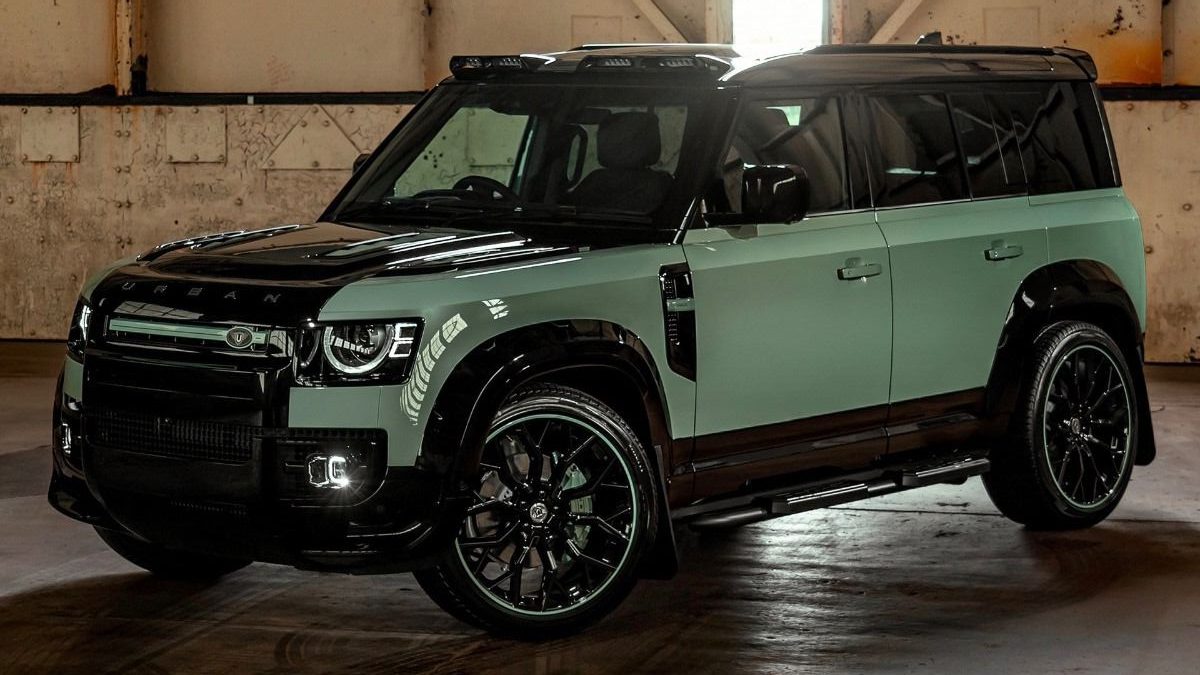
Now let’s talk comfort. Inside, it feels premium. Long trips into remote areas don’t feel tiring because everything is designed for ease—seats, layout, and tech.
But here’s the catch—and you should think about this carefully.
The Defender is not known for long-term reliability like Toyota SUVs. Repairs can be expensive, and in truly remote areas, that’s a risk you shouldn’t ignore.
So the question becomes: do you want cutting-edge capability and comfort, or proven long-term durability?
If you choose the Defender, you’re choosing performance and luxury with some risk.
7. Chevrolet Tahoe
The Chevrolet Tahoe is different from most SUVs on this list. It’s not built specifically for hardcore off-roading but it dominates in space, power, and long-distance travel.
If your idea of exploring national parks includes family trips, towing gear, or carrying a lot of equipment, the Tahoe starts to make more sense.
Under the hood, you get powerful engine options that handle highways, mountain climbs, and heavy loads without struggling. It’s a strong choice if you’re driving long distances across multiple states.
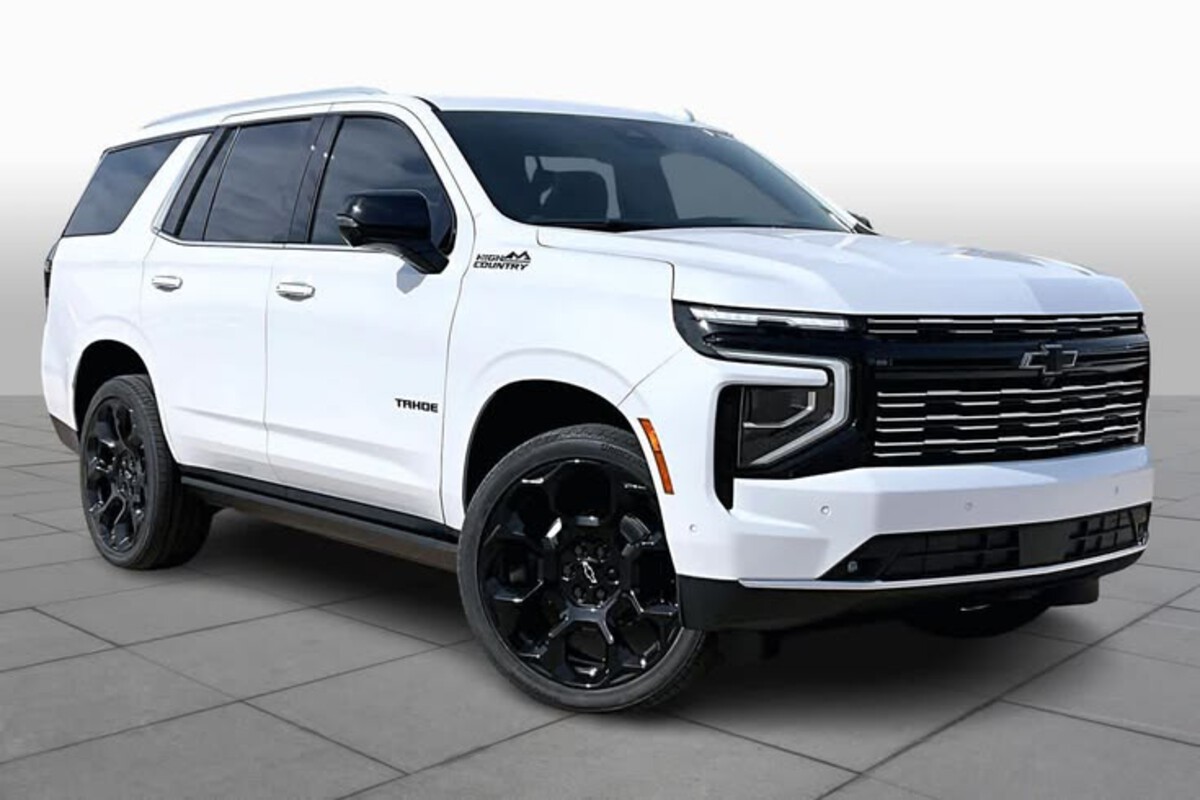
It also has a massive interior. You can fit passengers, camping gear, and supplies without running out of space. That’s something smaller SUVs simply can’t match.
Off-road capability is decent—but not exceptional. With the Z71 package, you do get upgraded suspension, skid plates, and all-terrain tires, which help on rough roads. But it’s not designed for tight, technical trails.
And that’s the key limitation. Its size can actually work against you in narrow or rocky paths.
Still, if your focus is comfort, space, and road-trip efficiency with occasional off-road use, the Tahoe is a solid pick.
ALSO READ: Top 10 Sedans With the Best Ratings for Small Overlap Crashes
8. Jeep Grand Cherokee Trailhawk
The Jeep Grand Cherokee Trailhawk sits right in that sweet spot between comfort and off-road capability. It’s not as extreme as the Wrangler, but it’s way more refined and for most people exploring national parks, that balance matters more.
What makes the Trailhawk stand out is its Quadra-Drive II 4×4 system. This setup automatically distributes power to the wheels that need it most, which helps maintain traction on uneven or slippery terrain. Add to that the Quadra-Lift air suspension, and you can actually raise the SUV for better ground clearance when things get rough.
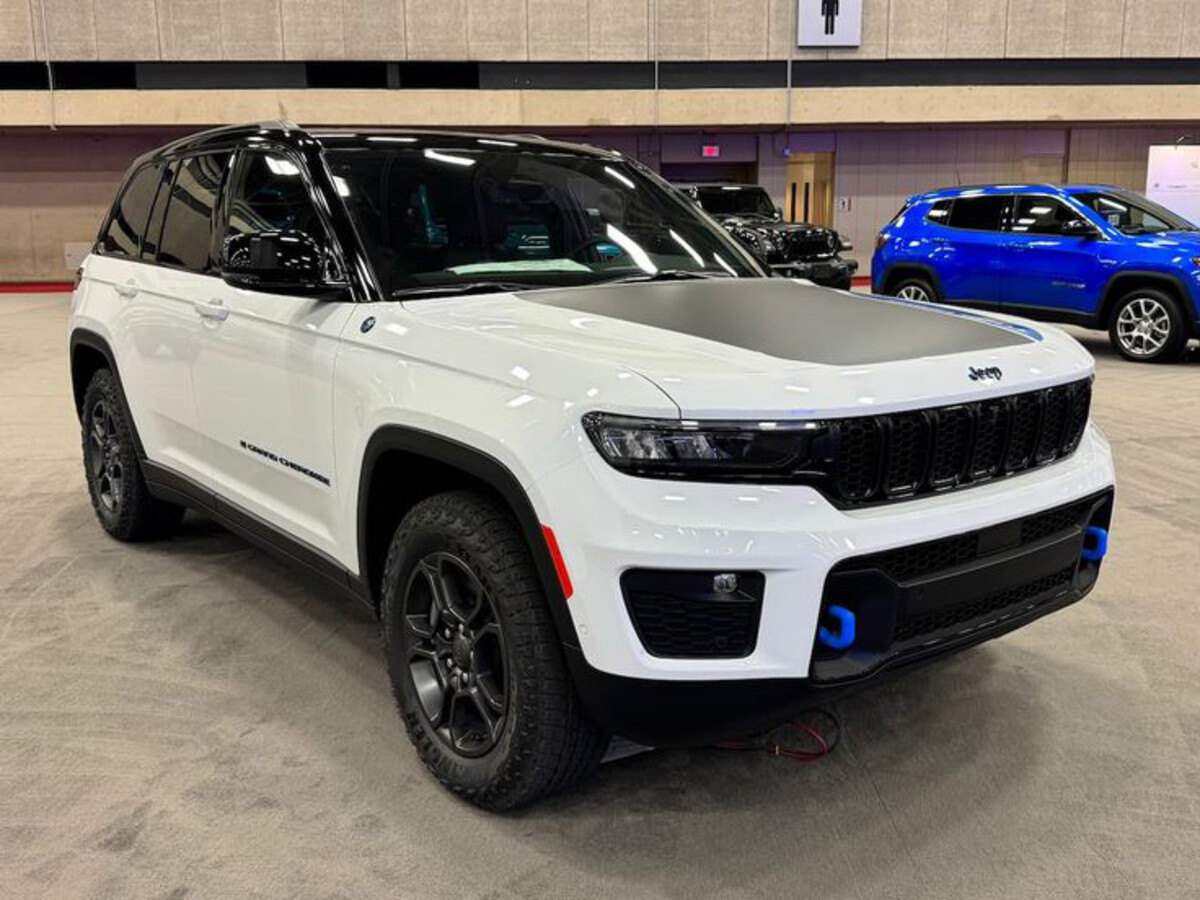
This makes it ideal for trails that are challenging but not extreme.
Inside, it feels closer to a luxury SUV. You get a comfortable cabin, modern tech, and a smooth ride on highways. So if you’re driving long distances before hitting off-road sections, you won’t feel worn out.
Now here’s the reality check.
It’s not as rugged as something like the 4Runner or Land Cruiser. If you’re planning heavy off-road use over years, durability might not match those legends.
But for balanced performance daily driving + real off-road capability it’s one of the smartest choices.
9. Lexus GX
The Lexus GX is basically a Toyota Land Cruiser in disguise but with more luxury. And that combination is hard to beat.
Underneath, it shares a lot of its DNA with the Land Cruiser Prado platform. That means you’re getting serious off-road capability with proven reliability. It’s built tough, and it can handle harsh conditions without constant issues.
Where it separates itself is comfort.
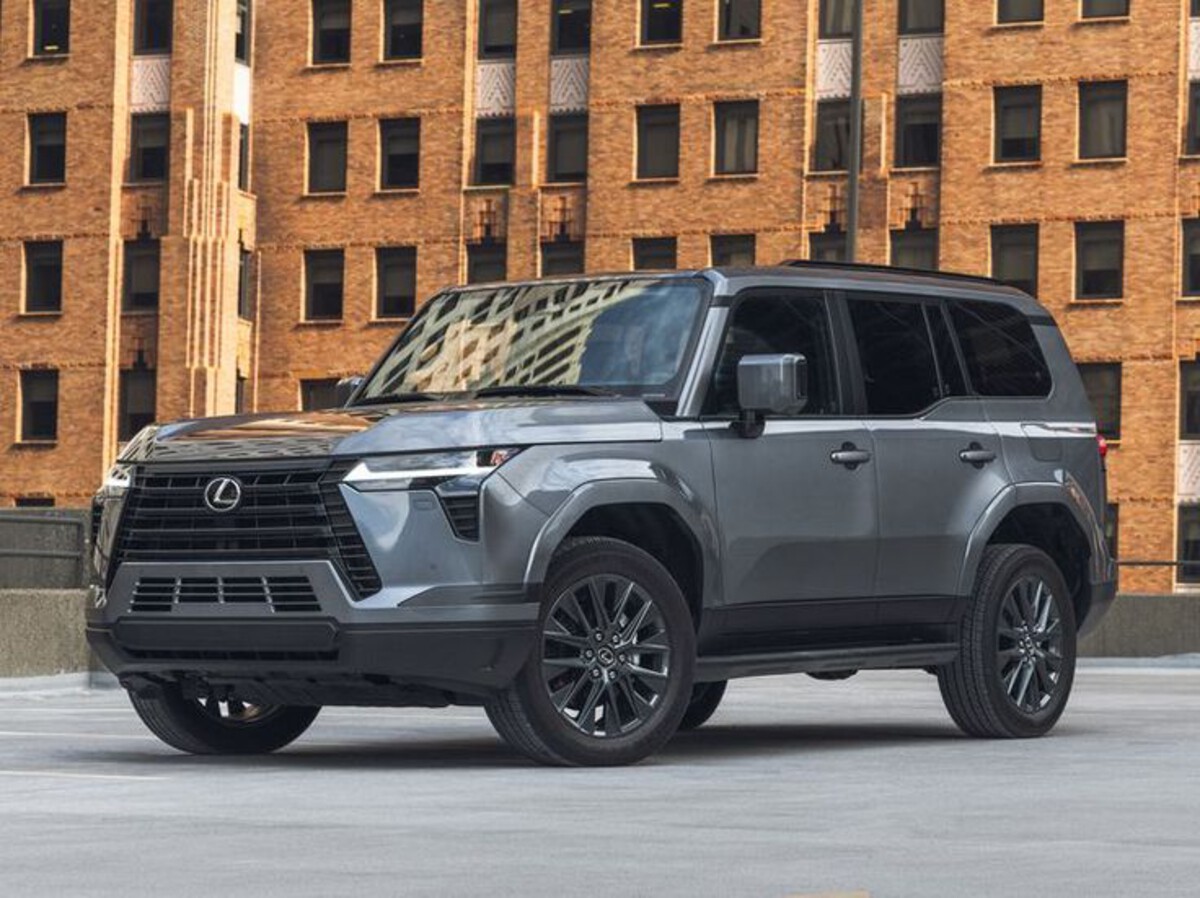
The interior is far more refined than the 4Runner. You get premium materials, quieter ride quality, and a smoother driving experience overall. Long trips into remote national parks feel less tiring, which honestly makes a big difference.
Off-road, it still delivers. It comes with a full-time 4WD system, decent ground clearance, and features like Crawl Control and Multi-Terrain Select.
But there are trade-offs.
Fuel economy is poor, and the design feels slightly outdated compared to newer SUVs. Also, its boxy shape can feel bulky on tighter trails.
Still, if you want Land Cruiser-level toughness with added comfort, the GX is one of the most underrated choices out there.
10. Nissan Armada
The Nissan Armada is often overlooked and that’s a mistake.
This SUV is built on a truck-based platform, which already gives it a strong foundation for durability. It’s powered by a V8 engine, so you’re not going to struggle with power, even when fully loaded with gear and passengers.
Where the Armada stands out is in value for capability. Compared to some competitors, it offers strong performance and space without pushing into ultra-premium pricing.
It’s also great for long-distance travel. The cabin is spacious, seats are comfortable, and you get enough room to carry everything you need for extended trips.
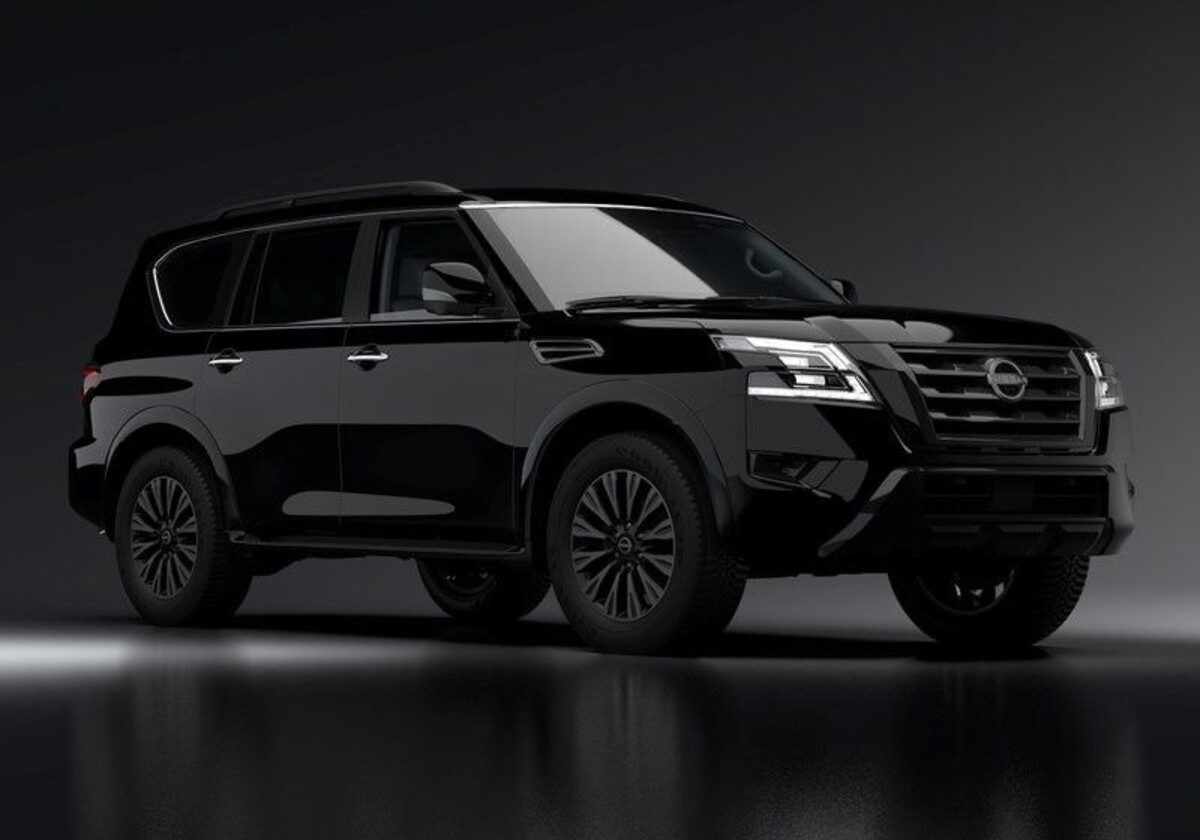
Off-road performance? It’s decent but not elite.
With proper tires and setup, it can handle dirt roads, gravel, and moderate trails without issues. But like the Tahoe, its size and weight limit it in tighter, technical environments.
So here’s the honest take:
If you’re planning extreme off-roading, skip it.
If you want a powerful, spacious SUV for long remote trips with light off-road use, it’s actually a smart pick.
Which SUV Should You Choose for Remote National Park Exploration?
Choosing the best SUV for exploring the remote national parks of the West really comes down to one question:
How far off the grid are you actually going?
If you’re planning serious off-road exploration rocky trails, deep sand, and isolated terrain—then vehicles like the Toyota Land Cruiser, Jeep Wrangler, and Ford Bronco are clearly the top choices. These SUVs are built for extreme conditions and won’t hesitate when the terrain gets rough.
If you want something more balanced capable off-road but still comfortable for daily driving—then options like the Toyota 4Runner, Jeep Grand Cherokee Trailhawk, and Lexus GX make more sense. They give you confidence off-road without sacrificing ride quality.
And if your trips are more about long drives, scenic routes, and moderate trails, then SUVs like the Subaru Outback Wilderness, Chevrolet Tahoe, and Nissan Armada offer better comfort, space, and efficiency.
Here’s the mistake most people make they overestimate how extreme their trips will be.
You don’t always need the most hardcore off-road SUV. But you do need something reliable, capable, and suited to your actual travel style.