
Living near the coast sounds great fresh air, ocean views, and cooler evenings. But let’s be honest, your car does not enjoy it as much as you do.
Coastal areas bring a hidden problem: salt air corrosion. The salty moisture in the air sticks to your car’s surface. Over time, it slowly eats away at your car paint, leaving behind dull spots, fading, and even rust.
This is why car paint protection becomes more important if you live near the ocean. Regular cleaning is not enough. Salt particles are tiny and stubborn. They settle into small gaps, edges, and even under the paint layer if left untreated.
Many car owners think rain will wash away salt. That’s not fully true. Rainwater can spread salt instead of removing it completely. Add heat and humidity, and now you have the perfect condition for corrosion to grow faster.
If you ignore it, your car’s resale value drops. The shine fades. The paint weakens. And eventually, rust begins to show. Fixing that later costs far more than preventing it now.
The good news? You don’t need expensive treatments every week. With the right habits and a few smart steps, you can protect your car paint and keep it looking new for years even in harsh coastal conditions.
In this guide, you’ll learn simple and practical ways to protect your vehicle from coastal salt damage, prevent rust, and maintain that fresh, glossy finish. These tips are easy to follow, beginner-friendly, and effective in the long run.
8 Ways to Protect Your Car Paint From Coastal Salt Air Corrosion
When it comes to protecting car paint from salt air, there is no single solution that works alone. You need a mix of regular care, protective layers, and smart parking habits.
First, frequent washing is key. Salt builds up faster than you think. A quick rinse every few days can reduce long-term damage. Using the right shampoo also matters. Harsh cleaners can strip protective layers and make your car more exposed.
Next comes protective coatings. Wax, sealants, and ceramic coatings act like a shield. They block salt particles from directly touching the paint surface. Even a basic wax layer can make a big difference.
Parking choices also play a role. Leaving your car exposed to sea breeze all day speeds up corrosion. Covered parking or even a good car cover can reduce exposure.
You should also pay attention to hidden areas. Wheel wells, undercarriage, and door edges collect salt easily. These spots often get ignored but are the first to show damage.
Regular inspection helps you catch early signs. Small paint chips or scratches can turn into rust if not treated quickly. Fixing them early saves money and effort.
Finally, using anti-corrosion sprays and rust-proofing treatments can add extra protection, especially if you live very close to the coastline.
In the next sections, we’ll break down the most effective methods in detail so you can build a solid routine for coastal car maintenance.
ALSO READ: 8 Tips for Protecting Your Car Electrical System From Desert Rodents
1. Wash Your Car Frequently
If you live near the coast, skipping car washes is not an option it’s a risk.
Salt from ocean air settles on your car every day. Even if the car looks clean, a thin layer of salt is still there. Over time, this layer starts breaking down the paint surface. That’s how salt air corrosion on cars begins.
The simplest way to fight this? Wash your car regularly.
Ideally, you should rinse your car 2–3 times a week if you are very close to the sea. If you’re a bit farther inland, once a week may be enough. The goal is to remove salt before it builds up.
But here’s the thing just splashing water is not enough.

Use clean water with proper pressure to wash away salt from all areas. Pay special attention to:
- Lower body panels
- Wheel arches
- Bumpers
- Undercarriage
These spots collect the most salt.
Using a pH-balanced car shampoo is important. Regular detergents can damage your paint and remove protective layers. A good car shampoo cleans without harming the surface.
Another smart step? Rinse your car immediately after long coastal drives. Sea breeze and water spray during drives increase salt exposure.
Also, don’t let your car air-dry after washing. Water droplets can leave behind mineral marks. Use a microfiber cloth to dry the surface properly.
If possible, use filtered or soft water. Hard water can leave stains that reduce shine and weaken the paint over time.
Many people delay washing because the car doesn’t “look dirty.” That mindset causes damage. Salt is invisible at first but harmful in the long run.
Think of washing as prevention, not just cleaning.
Consistent washing helps maintain the paint’s strength, keeps the shine intact, and reduces the chance of rust forming underneath. It’s the easiest and most cost-effective way to protect your car in coastal areas.
2. Apply High-Quality Car Wax
If washing removes salt, waxing blocks it.
Car wax acts like a protective shield between your paint and the outside environment. It reduces direct contact with moisture, salt, and pollutants. This makes it one of the best solutions for car paint protection in coastal areas.
When you apply wax, it forms a thin layer over the paint. This layer repels water and prevents salt from sticking strongly to the surface. So even when salt lands on your car, it doesn’t cause immediate damage.
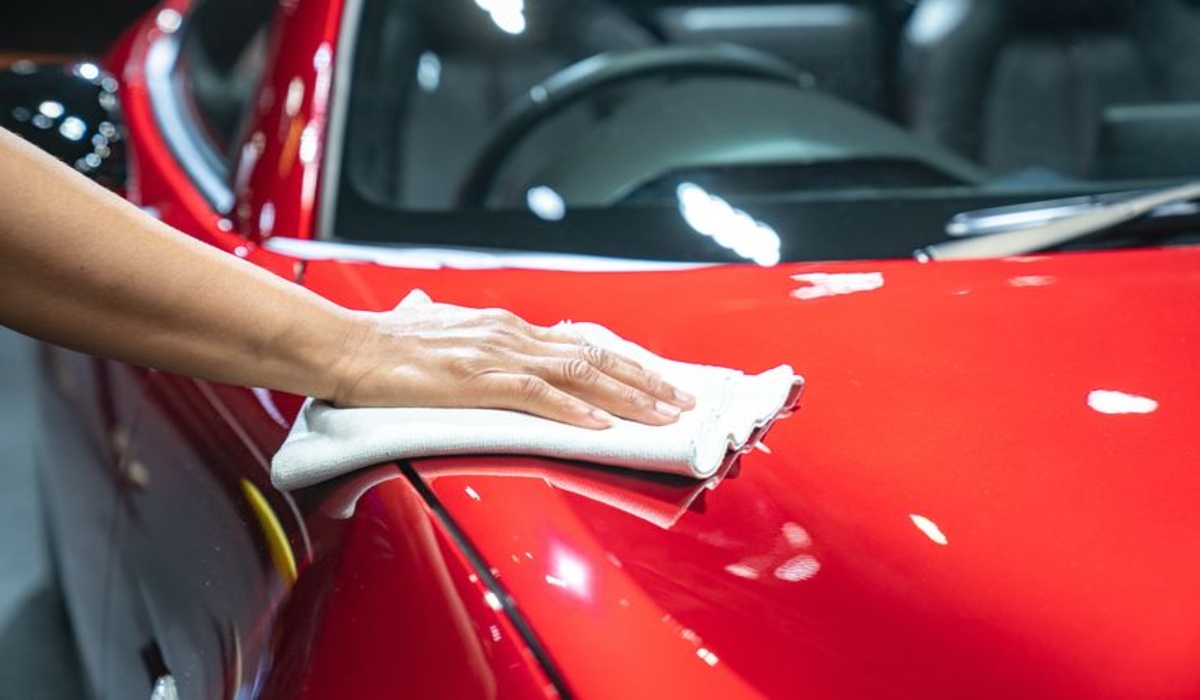
There are different types of wax available:
-
Natural wax (like carnauba)
-
Synthetic wax
-
Spray wax
For coastal protection, synthetic wax usually lasts longer. It can handle heat, humidity, and salt exposure better than natural options.
You don’t need to wax your car every week. Applying wax once every 2–3 months is usually enough. But if your car is exposed to strong sea winds daily, you may need to do it more often.
Before applying wax, make sure your car is clean and dry. Waxing a dirty surface traps contaminants and reduces effectiveness.
Apply a thin, even layer using a foam applicator. Let it sit for a few minutes, then buff it off with a microfiber cloth. The result? A smooth, glossy finish with added protection.
One major benefit of waxing is easier cleaning. Dirt and salt don’t stick as strongly, so washing becomes quicker and more effective.
Some people skip waxing thinking it’s only for shine. That’s a mistake. In coastal regions, wax is not just about looks it’s about defense.
Without this protective layer, your car paint faces direct exposure every day. Over time, that leads to fading, oxidation, and surface damage.
If you want a simple upgrade in your coastal car care routine, start with waxing. It’s affordable, easy to apply, and makes a noticeable difference.
3. Use Paint Sealants for Longer Protection
If you want something stronger than wax, paint sealants are the next step.
A paint sealant is a synthetic product designed to bond with your car’s paint. Unlike wax, which sits on the surface, sealants create a more durable protective layer. This makes them highly effective against salt air corrosion.
Sealants can last much longer than traditional wax usually 4 to 6 months, sometimes even more depending on the product and conditions.
That’s why many car owners in coastal areas prefer sealants. Less frequent application, but stronger protection.
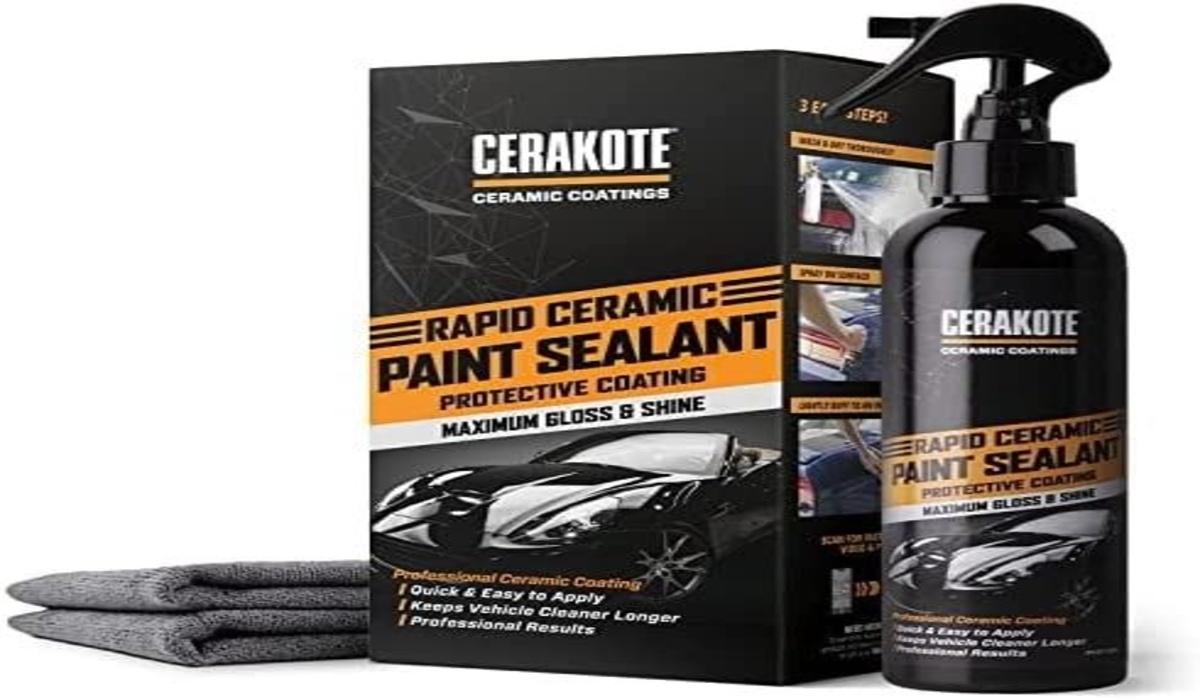
Here’s how it helps:
- Creates a barrier against salt and moisture
- Reduces oxidation and fading
- Protects against UV damage
- Keeps the paint smoother for longer
Applying a paint sealant is similar to waxing but requires a bit more attention.
First, wash and dry your car properly. The surface must be clean. Any dirt left behind will get sealed in.
Then apply the sealant evenly using an applicator pad. Let it cure as per the product instructions. After that, buff it gently to reveal a glossy finish.
Some sealants also enhance shine, giving your car a polished, mirror-like look.
One thing to keep in mind sealants work best on well-maintained paint. If your car already has scratches or oxidation, consider polishing it first before applying the sealant.
Many people combine wax and sealant. Sealant goes first for protection, and wax goes on top for extra shine. This combo works well in harsh coastal conditions.
Compared to waxing alone, sealants offer better durability. They are more resistant to heat, humidity, and salt exposure.
If you’re serious about long-term car paint protection from salt air, this is a smart upgrade.
4. Invest in Ceramic Coating
If wax is basic protection and sealant is advanced, then ceramic coating is the long-term solution.
Ceramic coating is a liquid polymer that bonds with your car’s paint and forms a strong, semi-permanent layer. It doesn’t just sit on top it chemically attaches to the surface. That’s why it offers one of the best defenses against coastal salt air corrosion.
Once applied, ceramic coating creates a hydrophobic surface. That means water, dirt, and salt don’t stick easily. Instead, they slide off. This reduces the chances of salt buildup, which is the main cause of paint damage near coastal areas.
One of the biggest advantages is durability. Unlike wax (which lasts weeks) or sealants (which last months), ceramic coatings can last 2 to 5 years, depending on the quality and maintenance.
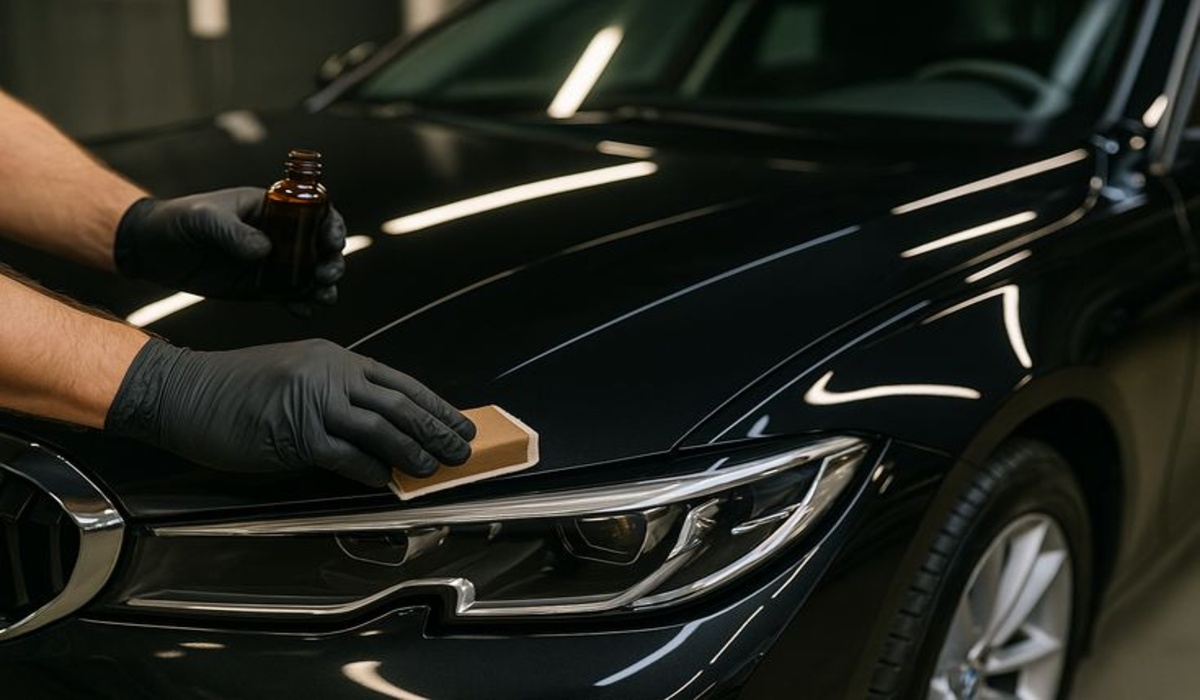
Here’s what makes it powerful:
- Strong resistance to salt, moisture, and pollutants
- Protection against UV rays and oxidation
- Reduced need for frequent washing
- Long-lasting glossy finish
However, ceramic coating is not a magic fix. It doesn’t make your car scratch-proof. It also needs proper preparation before application.
The surface must be completely clean and free from defects. In many cases, professionals polish the car before applying the coating. This ensures a smooth base so the coating bonds properly.
You can apply DIY ceramic coatings, but professional application usually gives better results and longer durability.
Another thing maintenance still matters. Even with coating, you should wash your car regularly to prevent dirt and salt buildup.
Think of ceramic coating as a long-term investment in car paint protection. It reduces effort, increases durability, and keeps your car looking fresh even in harsh coastal environments.
If you want strong, low-maintenance protection, this is one of the best choices available.
ALSO READ: 10 Cars With the Best Factory Rust Protection
5. Use a High-Quality Car Cover
Let’s be real your car suffers the most when it’s just sitting idle under salty air.
Even when you’re not driving, coastal breeze keeps depositing salt particles on your car. That’s why using a car cover is a simple but effective way to reduce exposure.
A good car cover acts like a barrier between your vehicle and the environment. It blocks salt, moisture, dust, and even bird droppings. This helps prevent long-term paint damage from salt air.
But not all covers are equal.
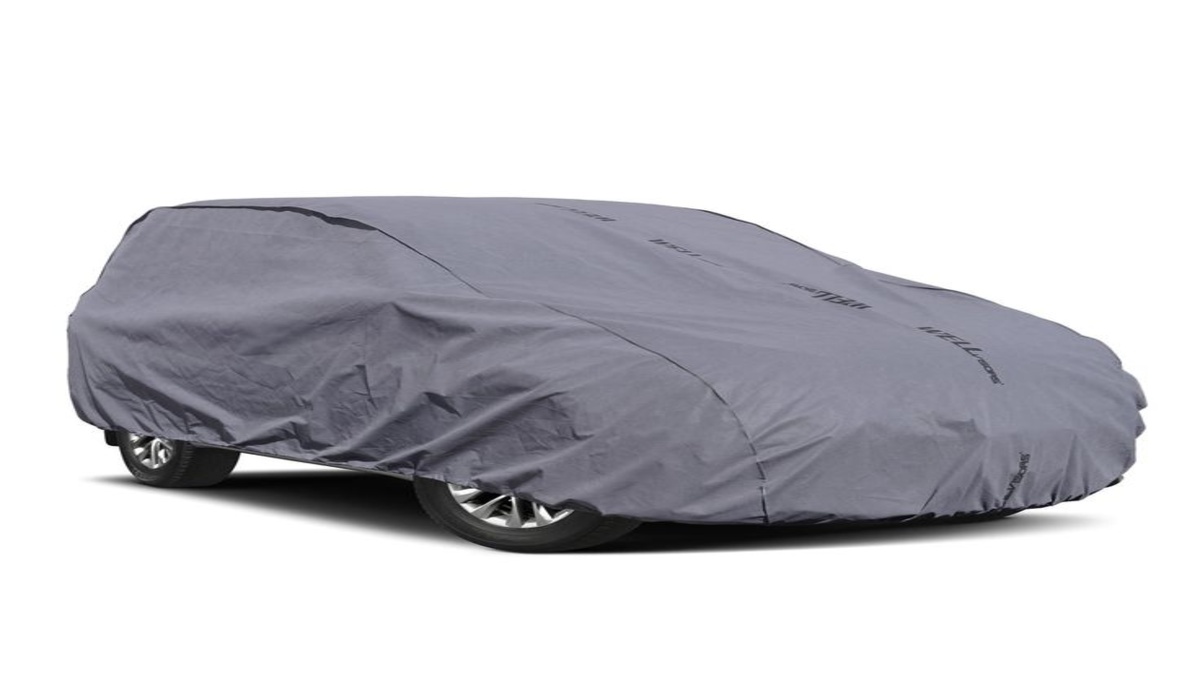
Avoid cheap plastic covers. They trap moisture inside, which can actually make corrosion worse. Instead, choose a breathable, weather-resistant car cover. These allow moisture to escape while still protecting the surface.
Look for features like:
- Soft inner lining (to prevent scratches)
- Waterproof but breathable fabric
- UV protection
- Snug fit for your car model
Using a cover is especially useful if:
- You park outdoors regularly
- You live very close to the coastline
- You don’t drive your car daily
Before putting the cover on, make sure your car is clean. Covering a dirty car can trap salt and dirt against the paint, causing more harm than good.
Also, avoid using the cover immediately after driving if the car is hot. Let it cool down first to prevent moisture buildup.
Some people think covers are a hassle. But compared to repainting your car later, this small step saves time and money.
Another tip don’t drag the cover across the surface while removing it. Lift it gently to avoid micro-scratches.
In coastal areas, reducing exposure is half the battle. A car cover gives you that advantage without much effort.
It’s one of the easiest upgrades you can make in your coastal car care routine.
6. Park in a Garage or Covered Area
Where you park your car matters more than you think.
Leaving your car exposed to open coastal air 24/7 is like inviting corrosion to settle in. Salt particles don’t need much time. Constant exposure speeds up paint damage, fading, and rust formation.
That’s why parking in a garage or covered area is one of the most effective ways to protect your car from salt air damage.
A closed garage offers the best protection. It reduces contact with:
- Salty sea breeze
- Humidity
- Direct sunlight
- Rain carrying salt particles
Even a simple covered parking space can make a difference. It blocks direct exposure and slows down the rate at which salt settles on your car.

If you don’t have a garage, consider alternatives like:
-
Portable car shelters
-
Parking under shaded structures
-
Using a combination of cover + shade
Now here’s something most people ignore ventilation.
A fully closed, poorly ventilated garage can trap moisture. That creates a humid environment, which can still lead to corrosion. So make sure your parking area has proper airflow.
If you live very close to the sea, try to avoid parking right next to the shoreline. Even a small distance inland reduces salt exposure.
Another smart habit? Rotate parking direction if possible. This reduces constant exposure to wind from one side, helping maintain even protection.
Many people invest in coatings and treatments but ignore parking conditions. That’s a mistake.
Think about it if your car spends 10–12 hours parked daily, that’s a huge window for damage.
Better parking equals less exposure, which means less maintenance and longer-lasting paint.
In simple terms, if you can control where your car sits, you can control how fast corrosion happens.
7. Clean and Protect the Undercarriage
Most people focus only on the visible parts of the car. That’s a mistake because the real damage often starts underneath.
Your car’s undercarriage is constantly exposed to road moisture, dirt, and salt deposits. In coastal areas, salt-laden air mixes with water on roads, creating the perfect condition for corrosion. And since this area is rarely cleaned, the damage builds up faster.
This is why undercarriage cleaning is essential for complete car rust prevention.
Salt doesn’t just sit it sticks. Over time, it starts eating into metal components, weakening the structure and causing rust. Once rust begins underneath, it can spread silently before you even notice.
To prevent this, make it a habit to clean the undercarriage at least once every two weeks if you live near the coast.
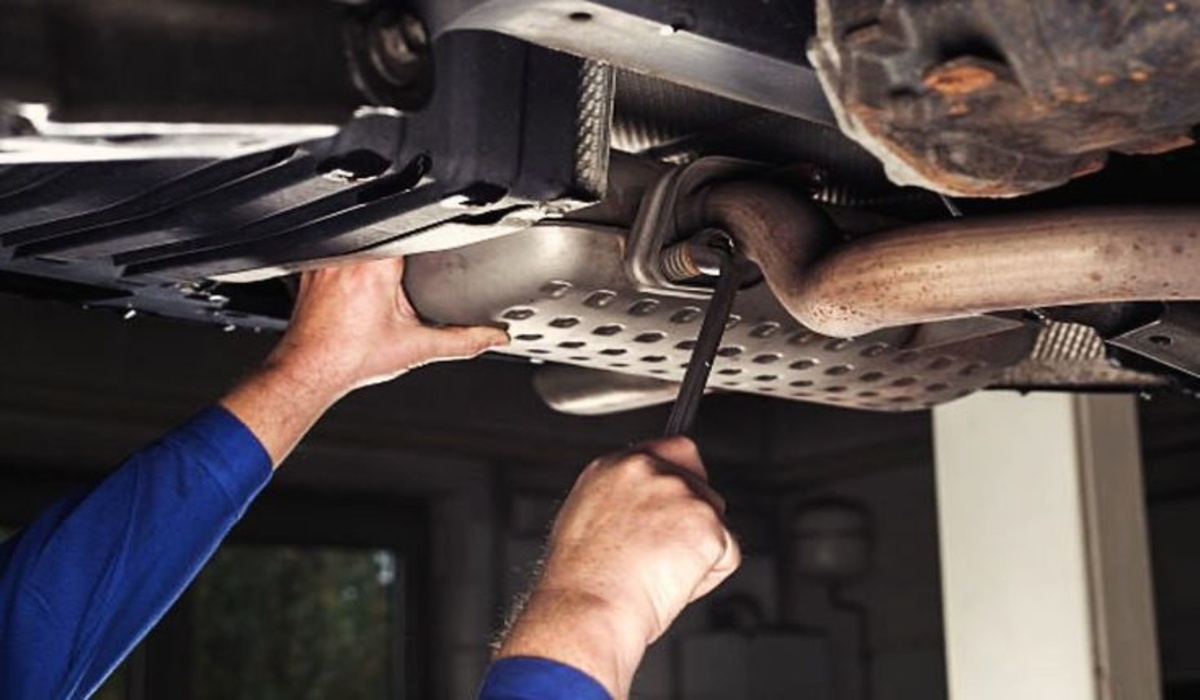
Here’s how you can do it effectively:
- Use a pressure washer to reach hidden areas
- Focus on wheel wells and suspension parts
- Rinse thoroughly to remove all salt residue
Many professional car washes offer underbody cleaning. That’s a good option if you don’t have the right tools at home.
But cleaning alone is not enough.
Applying an undercarriage protective coating or anti-rust treatment adds an extra layer of defense. These coatings create a barrier that prevents moisture and salt from directly contacting metal surfaces.
There are different types available:
- Rubberized undercoating
- Wax-based coatings
- Oil-based rust inhibitors
Each has its own benefits, but the goal is the same block salt and slow down corrosion.
Also, inspect the undercarriage regularly. Look for early signs like:
- Flaking metal
- Rust spots
- Peeling coatings
Fixing small issues early prevents bigger repairs later.
Ignoring the undercarriage is like ignoring the foundation of a house. It might look fine from the outside, but damage underneath can become serious over time.
If you want full protection from coastal salt air corrosion, don’t skip this step.
ALSO READ: 5 Cars With Outstanding Rust Protection and 5 That Rot Fast
8. Apply Anti-Rust Sprays and Protective Treatments
If you want extra protection, anti-rust sprays are a smart move.
These products are designed to stop rust before it starts. They create a thin protective layer over metal surfaces, blocking moisture and salt from causing damage. In coastal regions, this adds an important layer of security for your car.
Anti-rust sprays are especially useful for:
- Door hinges
- Edges and seams
- Engine bay components
- Undercarriage joints
These are areas where salt tends to collect but often goes unnoticed.
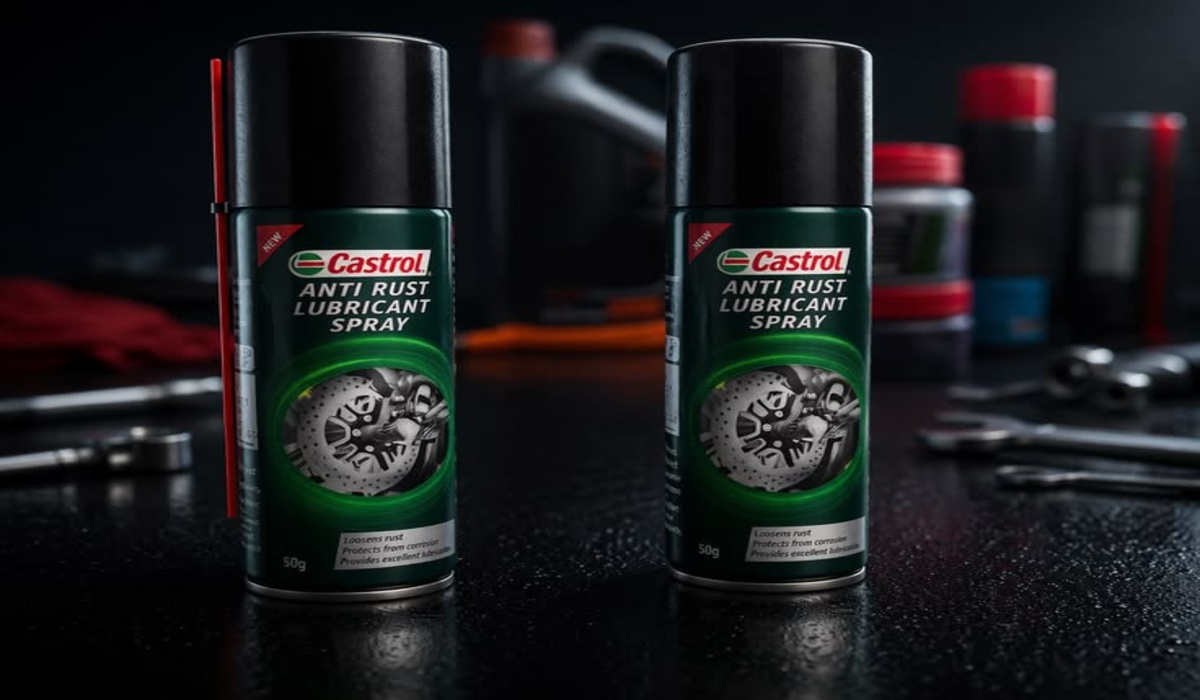
There are different types of anti-corrosion products available:
- Oil-based sprays (good for deep penetration)
- Wax-based sprays (longer-lasting protection)
- Electronic rust protection systems (less common but used in some vehicles)
Applying these sprays is simple. Most come in aerosol cans, making it easy to reach tight spaces.
For best results:
- Clean the surface before applying
- Spray evenly without overloading
- Reapply every few months for continued protection
Some people assume modern cars don’t need rust protection. That’s not entirely true especially in coastal environments where exposure is higher.
Even small scratches or paint chips can become entry points for rust. Anti-rust treatments help seal those vulnerable spots.
Another advantage is cost savings. Preventing rust is far cheaper than repairing it. Once rust spreads, fixing it involves sanding, repainting, or even replacing parts.
If you’re serious about long-term vehicle protection from salt air, this step adds a solid backup layer.
Think of it as insurance for your car’s hidden areas.
Protect Your Car Paint for the Long Run
Let’s keep it simple coastal living is tough on cars.
Salt in the air doesn’t just sit quietly. It slowly damages your car’s paint, weakens metal parts, and reduces overall lifespan. Ignore it long enough, and you’ll start seeing fading, peeling, and rust.
But here’s the good part you can control most of this.
Protecting your car from coastal salt air corrosion isn’t about one big solution. It’s about consistent habits.
Regular washing removes salt before it builds up. Wax and sealants create a protective layer. Ceramic coating gives long-term strength. Smart parking reduces daily exposure. And undercarriage care plus anti-rust treatments protect the areas you don’t see.
Each step adds a layer of defense. Skip them, and damage builds up quietly. Follow them, and your car stays in better shape for years.
Also, don’t fall into the trap of “I’ll fix it later.” Paint damage and rust are expensive to repair. Prevention is always cheaper and easier.
If you live near the coast, your car needs extra attention. That’s just reality. But the effort isn’t complicated. A simple routine can make a big difference.
Start small. Wash your car more often. Add a wax layer. Improve where you park. Then upgrade to sealants or coatings if needed.
The goal is not perfection it’s consistency.
Take care of your car now, and it will save you money, look better, and last longer in the long run.