

Buying a new car is exciting, but taking it off the lot without a thorough inspection can lead to costly surprises. “12 Essential Inspections Before You Drive Your New Car Off the Lot” is designed to guide buyers through critical pre-delivery checks, ensuring the vehicle meets factory standards and is safe, reliable, and ready for the road.
These inspections cover everything from the exterior body, paint, and glass to tires, wheels, and fluid levels, as well as interior electronics, doors, trunk, and spare tire readiness. Verifying the manufacturing date, odometer reading, and paperwork accuracy safeguards your warranty, legal ownership, and resale value.
A final road test confirms mechanical performance, comfort, and electronic functionality. Each step is aimed at identifying hidden defects, transit damage, or assembly issues that might not be visible in the showroom. Performing these checks ensures you take delivery of a car that is truly new, fully functional, and safe.
1. Exterior Body and Paint Inspection: Ensuring a Flawless Finish
Inspecting a vehicle’s exterior body and paint is a crucial step before taking delivery of a new car. Begin by walking slowly around the vehicle in natural daylight, examining body panels from multiple angles to identify dents, ripples, or “orange peel” textures.
Pay special attention to high-impact areas such as bumpers, side mirrors, door edges, and the underside of bumpers, which are prone to chips and scrapes during transport. Check the roof, fuel filler door, and alignment of doors, hoods, and panels to ensure a consistent fit.
Even brand-new cars can suffer minor damage during transit by train, boat, or truck, or while sitting in storage. Factory defects, including paint contamination, uneven coatings, or mismatched panels, may also be present. Many imperfections are difficult to detect under showroom lighting but become obvious in natural sunlight.
Key areas to inspect include paint shade consistency, panel gaps, wheels and tires for flat-spotting or rim damage, undercarriage for rust, and any shipping residues from protective wraps. Conducting the inspection on a dry, sunny day ensures that subtle defects are visible. Any issues discovered should be documented on a “We Owe” form or similar record before signing the final sales contract.
A thorough exterior inspection protects against transit and manufacturing defects, helps maintain the vehicle’s resale value, and ensures that pre-existing issues are properly recorded for warranty coverage. Taking the time to inspect carefully ensures that you receive a new car that truly meets its factory standards of quality and finish.
2. Glass and Mirrors Inspection: Safety and Function First
Inspecting a vehicle’s glass and mirrors is a crucial pre-delivery step, directly affecting safety, structural integrity, and ownership costs. Begin by running your fingers along the edges of the windshield and windows to detect tiny chips or cracks that may not be immediately visible.
Examine the glass for ripples or distortions that could impair vision while driving. Verify manufacturer stamps on all glass components to ensure the production year aligns with the car’s build year. Test side mirrors to confirm smooth power-folding, quiet adjustment motors, and ensure the rear-view mirror is securely mounted without vibrations.
Glass and mirrors are integral to vehicle safety. The windshield contributes to roof strength, supports the passenger-side airbag, and maintains structural integrity in collisions. Even minor cracks or chips can impair visibility, worsen under driving stress, or lead to shattering. Functional mirrors provide a 360-degree view, minimizing blind spots and supporting safe lane changes.
Checking the glass also protects against costly repairs. Transport can cause chips or cracks, and manufacturing defects like wavy or distorted glass may occur. Detecting issues before delivery ensures warranty coverage and shifts liability away from the buyer. Improper windshield installation can cause leaks, water damage, or wind noise, all of which are easier to address pre-delivery.
Key inspection tips include checking all windows for scratches, chips, and cracks, assessing for distortion, testing mirror functionality, and confirming the windshield sits flush with the frame. Conducting a careful glass and mirror inspection ensures immediate safety, long-term reliability, and prevents unexpected repair expenses

3. Tires and Wheels Inspection: Ensuring Safety and Performance
Inspecting a vehicle’s tires and wheels is a critical pre-delivery step, as they are the car’s only contact with the road and directly affect safety, handling, and fuel efficiency. Begin by checking each tire for flat spots, which can develop if the car remains stationary for months during shipping.
Examine sidewalls for bulges, scuffs, or other damage, and use a pressure gauge to confirm inflation matches the manufacturer’s specifications on the door jamb. Inspect alloy wheels for scratches or curb rash caused by tie-down chains during delivery, and ensure all four valve stem caps are present. Confirm that the tires match the brand and model promised in your purchase contract.
Tire and wheel inspections protect against several common issues. Over- or under-inflated tires from transport can reduce traction, cause uneven wear, or create a jarring ride. Tires stored for long periods may have degraded rubber, so checking the four-digit production date ensures they are truly new.
Wheels misaligned from the factory or during transport can cause the car to pull to one side and accelerate uneven tire wear. Additionally, inspecting the spare tire for proper inflation and rim condition prevents being stranded in an emergency.
Finally, verify that all lug nuts are secure to prevent wheel loss or damage while driving. By conducting a thorough pre-delivery inspection of tires and wheels, you ensure that your new car is safe, fully functional, and free from transport or manufacturing defects before leaving the dealership. This step preserves both vehicle performance and long-term reliability.
4. Manufacturing Dates: Ensuring True Vehicle Age and Reliability
Checking a vehicle’s manufacturing date is a critical pre-delivery step that directly affects its true age, depreciation, warranty coverage, and potential safety risks. The manufacturing date is typically found on the VIN plate, located on the driver’s side door pillar or under the hood.
Ideally, a “new” car should be less than three to six months old. Vehicles that have been sitting on the lot for a year or more may experience premature wear, including degraded rubber seals, flat-spotted tires, aged fluids, and weakened batteries, a phenomenon often referred to as “lot rot.”
Verifying the build date helps avoid hidden depreciation, as a car produced months earlier may already be considered older in terms of resale value. It also identifies stock inventory; vehicles with manufacturing dates beyond six months often qualify for dealer discounts due to aging.
Checking the date ensures that warranty coverage and recall applicability are accurate, since some recalls, service updates, and component lifespans are tied to the production date rather than the purchase date.
Additionally, older manufacturing dates may indicate a demonstrator vehicle or a car that has sat unused, potentially requiring inspection for transport damage, paint repairs, or other hidden issues. Tires and rubber components, in particular, have a limited lifespan from their production date, making this check essential for safety.
To confirm the manufacturing date, inspect the VIN plate or request the dealer provide documentation such as the “Form 22” or road-worthiness certificate. This simple step protects buyers from unexpected depreciation, aging components, and hidden damage, ensuring the car is genuinely new and reliable.
5. Odometer Check: Verifying True Mileage for a New Car
Checking the vehicle’s odometer is a crucial pre-delivery step that ensures you are receiving a genuinely new car. Upon entering the cabin, inspect the digital or analog odometer. While a “zero” reading is uncommon due to factory testing and transport, mileage should generally remain under 50 to 100 kilometers.
Readings above 300 km may indicate extensive dealer test drives, long-distance transfers between dealerships, or use as a demo unit, all of which reduce the break-in period and can impact warranty coverage.
Odometer inspection helps differentiate truly new cars from dealer demos or pre-driven vehicles. Even if a car has never been registered, high mileage suggests prior use, early wear on brakes, tires, or other components, and potential depreciation.
Consumers should question any vehicle showing more than 100–200 miles (160–320 km), and over 1,000 kilometers (620 miles) typically signals a demo car that warrants a price adjustment.
This check also protects against misrepresentation by the dealership, confirms transport mileage versus driven usage, and safeguards the car’s resale value. Cars should ideally be transported on trailers, not driven long distances, to minimize wear and fatigue.
Normal pre-delivery mileage ranges from 1–15 miles for logistics, 20–60 miles for quality control audits, and over 100 miles may require further inquiry. Always compare the odometer reading to the Bill of Sale or contract before signing. Recording this ensures accountability and prevents disputes once the vehicle is driven off the lot.
A careful odometer check guarantees that the car’s condition, lifespan, and value align with expectations for a brand-new vehicle.
6. Fluid Levels: Protecting Your New Car’s Performance and Safety
Checking fluid levels is a critical pre-delivery inspection that ensures all essential systems in a new car are properly filled and functioning. Begin by popping the hood and locating the dipsticks and reservoirs. Engine oil should appear clear and amber; dark or black oil indicates the engine has been run extensively.
Inspect coolant, brake fluid, power steering fluid, and windshield washer reservoirs, confirming each reaches the “Max” line. Look for leaks, such as crusty residue around hose connections or fluid pooling underneath, which can signal transit damage or PDI (Pre-Delivery Inspection) oversights.
Proper fluid levels are vital for vehicle safety and longevity. Brake fluid ensures effective stopping, while power steering fluid allows smooth, responsive steering. Engine oil lubricates new components, preventing friction and premature wear, and coolant regulates temperature to prevent overheating.
Transmission fluid guarantees smooth gear shifts and protects the gearbox. Windshield washer fluid maintains clear visibility, essential for safe driving.
Checking fluids also verifies that the dealer performed the PDI correctly. Manufacturing defects, shipping issues, or negligence during the PDI can leave fluids low or improperly filled, which may damage the engine or other systems immediately after purchase. Early detection allows repairs or top-ups under warranty before you drive off.
By carefully inspecting all fluids, you protect your car from preventable damage, ensure optimal performance, and confirm the integrity of key safety systems. This simple yet crucial step guarantees that your new vehicle is truly ready for the road and preserves its reliability and longevity.

Also read: 10 Reasons Why Heavy Duty Gas Engines Are Beating Diesels in 2026
7. Lights and Signals: Ensuring Safety and Legal Compliance
Checking all lights and signals is a crucial pre-delivery inspection that guarantees your new car is safe, functional, and roadworthy. Begin by cycling through all exterior lights, including low and high beams, fog lights, daytime running lights, and brake lights, paying attention to the high-mounted third brake light.
Test left and right turn signals, ensuring the “lane change” tap function works, and verify the hazard and reverse lights. Factory defects, transport damage, or faulty LED diodes can cause dead lights, and replacing assemblies later can be costly.
This inspection ensures immediate visibility for both the driver and other road users. Proper headlights and daytime running lights improve night driving and make the vehicle visible to others, while functioning brake lights and turn signals prevent collisions by communicating your intentions. Hazard lights provide a critical warning during emergencies, protecting you and other motorists.
Additionally, verifying all lights ensures compliance with legal road requirements. Malfunctioning headlights, taillights, or turn signals can result in fines or unsafe driving conditions. A pre-delivery check allows the dealership to correct issues like burnt-out bulbs, misaligned headlights, or faulty wiring immediately under warranty, avoiding future inconvenience and expense.
Lights and signals are also part of the “BLOWBAGETS” safety checklist (Battery, Lights, Oil, Water, Brakes, Air, Gas, Engine, Tire, Self) used to confirm a vehicle is ready for safe driving. Conducting this inspection with a dealership employee observing from both the front and rear ensures that all systems function correctly.
By verifying all exterior lights and signals, you protect your safety, ensure proper communication on the road, and avoid costly post-delivery repairs.
8. Interior Features and Electronics: Ensuring Comfort, Safety, and Function
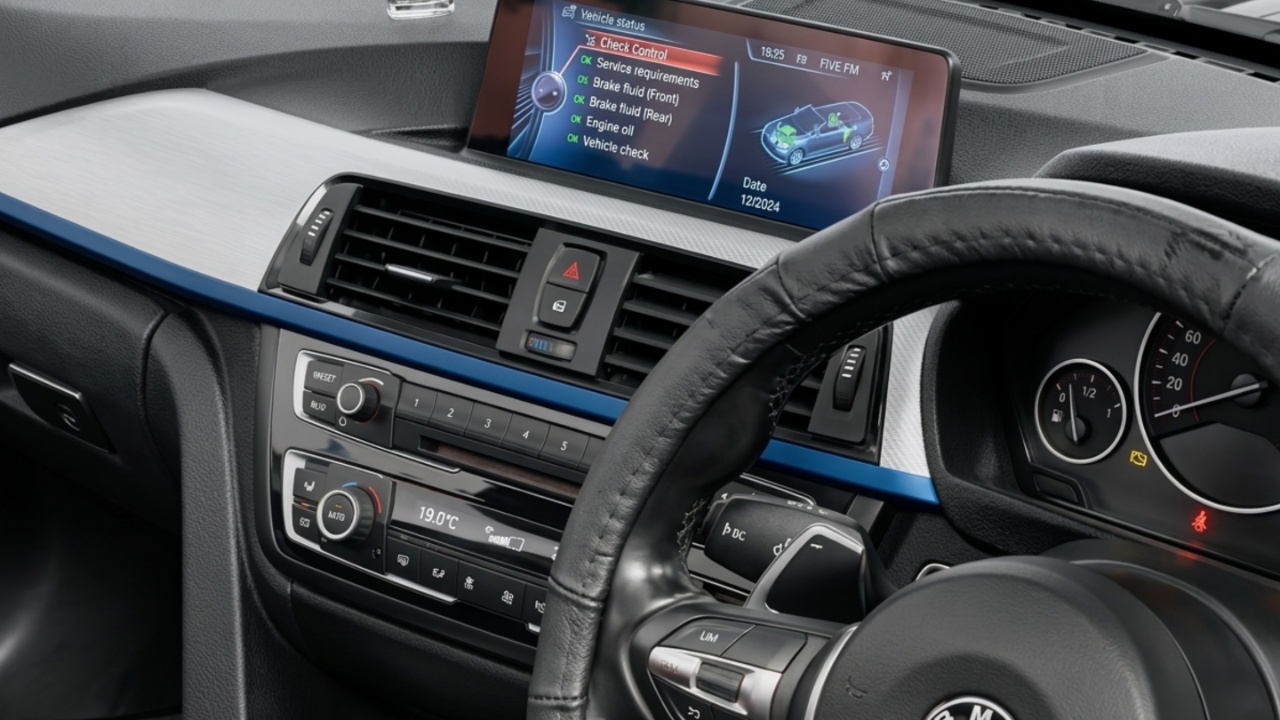
Inspecting the interior features and electronics of a new car is an essential pre-delivery step that guarantees functionality, comfort, and safety. Begin by testing every seat, button, and control. Verify that the air conditioning works on all vents, including rear ones, and that heating systems function properly.
Sync your phone via Bluetooth to check the microphone, speakers, and infotainment system for clarity and absence of rattling. Test power seats, sunroof, USB ports, and central locking systems. Examine upholstery for stains, snags, or loose stitching, and note any unusual odors that may indicate leaks, mold, or chemical residues.
A thorough interior inspection helps identify electronic glitches, cosmetic defects, or damage sustained during transport. Modern vehicles are equipped with complex electronics, including infotainment, navigation, and driver-assistance systems, which may be misconfigured or faulty.
Verifying these systems ensures rear-view cameras, parking sensors, warning lights, and other safety features function correctly before leaving the dealership.
This inspection also protects against pre-delivery oversights, rodent damage, or PDI errors, ensuring that the vehicle’s controls, switches, and comfort features operate as intended. Catching cosmetic or electronic faults early allows the dealership to resolve them, avoiding inconvenient warranty visits and maintaining the car’s value.
Key items to check include infotainment responsiveness, Bluetooth and USB connectivity, AC and heating performance, power windows and locks, sunroof operation, seat adjustments, and the dashboard for proper warning light operation. Conducting this inspection guarantees a fully functional, safe, and comfortable interior, giving peace of mind before taking ownership of your new vehicle.
9. Doors, Hood, and Trunk: Ensuring Alignment, Safety, and Functionality
Inspecting the doors, hood, and trunk is a vital pre-delivery step that ensures your new car is in pristine condition and free from manufacturing or transport defects. Open and close every door, the hood, and the trunk multiple times. They should latch smoothly with minimal effort and produce a solid thud. Panels should have uniform gaps, and any door requiring a hard slam may indicate misalignment.
Test the remote keyless entry and the physical emergency key, verify child safety locks, and check any power tailgate functions, including buttons and foot-wave sensors, for smooth operation.
This inspection identifies hidden transit or handling damage. Misaligned panels, inconsistent gaps, or differences in paint color can signal shipping damage or improper repairs. Door sag or resistance may indicate worn hinge pins, while improperly sealed doors can lead to water leaks, wind noise, or compromised structural integrity.
Ensuring proper latching and alignment is critical for safety and security. Doors, the hood, and the trunk must operate reliably to prevent unexpected openings while driving. These areas also house essential components, such as power sensors, interior lights, spare tires, and emergency equipment, which should all function correctly.
Performing this inspection protects future resale value and ensures any defects are addressed under warranty before you take ownership. Checking in bright daylight allows you to spot scratches, dents, or uneven paint, while running your fingers along panel intersections ensures consistent gaps and seal integrity. Thoroughly testing these features guarantees your new car is safe, functional, and properly finished from the factory.
10. Spare Tire and Tool Kit: Ensuring Emergency Preparedness
Checking the spare tire and tool kit is a crucial pre-delivery inspection to make sure your new car is ready for unexpected roadside situations. Start by lifting the trunk floor to confirm the presence of the spare tire or a mobility kit containing a tire inflator and sealant if a full spare is not provided.
Verify that the spare tire is fully inflated and that essential tools such as the jack, lug wrench, and any locking lug nut keys are present and securely stored. Missing items are a common oversight during detailing, and discovering them while stranded can create serious inconvenience and safety risks.
This inspection ensures immediate readiness for emergencies such as flat tires, allowing you to handle the problem without waiting for roadside assistance.
Many modern vehicles use space-saver spares or tire repair kits, making it important to confirm that all components are present and functional and that sealant has not expired. Checking the kit before taking delivery also prevents hidden costs or difficulties obtaining missing equipment later from the dealer.
The lug nut key is especially important for vehicles with alloy wheels that use locking nuts. A thorough inspection protects you from delays, unsafe situations, and unnecessary expenses. Any missing items should be documented on a “We Owe” or due bill form before leaving the dealership.
By confirming the spare tire, toolkit, and related accessories are complete and in working condition, you ensure peace of mind and full preparedness from the moment you take ownership of your new vehicle.
11. Paperwork Accuracy: Securing Legal Ownership and Warranty
Verifying paperwork accuracy is a critical pre-delivery step to ensure legal ownership, correct registration, insurance validity, and warranty protection. Begin by carefully comparing the 17-digit Vehicle Identification Number (VIN) on the dashboard and door pillar with the VIN listed on your invoice, insurance policy, and registration.
Even a single-digit error can lead to significant issues with authorities or insurance claims. Confirm that your name is spelled correctly, the engine and chassis numbers match, and the warranty start date aligns with the day of delivery. Dealers sometimes predate sales to meet quotas, which can shorten warranty coverage if unnoticed.
Accurate documentation protects your legal rights and prevents financial or administrative complications. Ensuring the VIN, engine, and chassis numbers match official records confirms the vehicle’s identity and avoids registration errors or potential ownership disputes. Proper registration and insurance coverage provide legal protection against accidents or impoundment.
Paperwork verification also secures warranty and service rights. Having the warranty booklet, accurate service records, and confirmation of free service packages allows you to claim manufacturer support for defects and comply with maintenance requirements. Additionally, reviewing sales invoices ensures correct pricing, interest rates, and lien details, preventing overpayment or contractual issues.
Finally, check that any agreed-upon accessories, such as floor mats, tint, or dashcams, are officially included in the documents. Conduct this verification during daylight and in the presence of the sales agent before signing. Confirming all paperwork is accurate ensures a smooth delivery process, protects your investment, and guarantees that your new vehicle is fully compliant, legally recognized, and ready for immediate use.
12. Final Road Test: Ensuring Performance, Safety, and Comfort
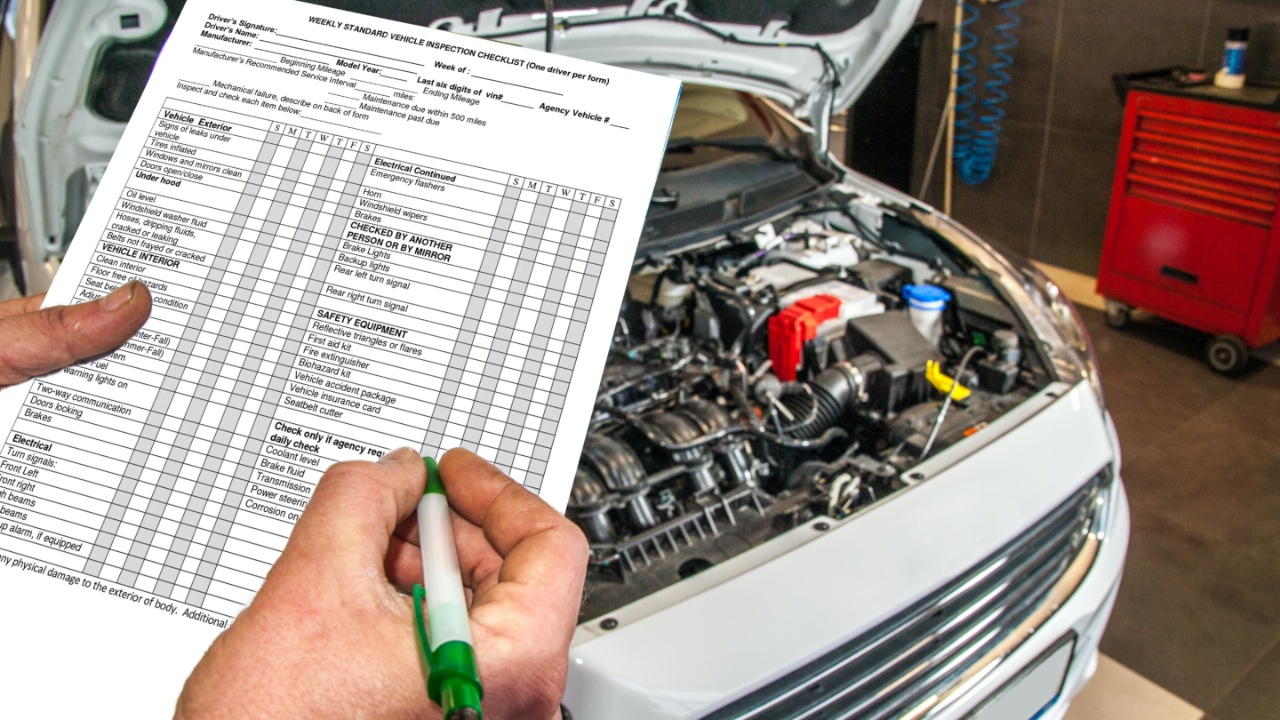
Conducting a final road test is a critical step before taking delivery of a new car. A 15-minute drive allows you to confirm the vehicle’s mechanical performance, safety features, and comfort. Start with the radio off to listen for any unusual sounds such as squeaks, rattles, or whistling from the wind.
Pay attention to vibrations in the steering wheel or pulsing in the brake pedal, which could indicate warped rotors or unbalanced tires. Ensure the car tracks straight on flat roads and that the transmission shifts smoothly without hesitation.
This test helps identify issues caused during transportation or dealer handling. Vehicles moved via trucks, ships, or trains can develop misaligned panels, loose components, or drivetrain vibrations. The road test also verifies that brakes respond firmly, the steering is precise, and the engine operates without unusual noises or jerks.
Safety and electronic features should be checked while driving. Confirm lane departure warnings, reverse cameras, sensors, and other driver-assistance systems are functioning correctly. Check seat adjustment, pedal placement, and visibility to ensure comfort during driving. Test infotainment systems, navigation, and climate controls to make sure all functions are working as intended.
The final road test provides the last opportunity to detect defects before taking ownership. Any problems found can be documented, making it easier to hold the dealer accountable for repairs under warranty. Allow 15–30 minutes to drive on both local roads and highways to fully assess the car’s performance, safety, and driving comfort.
Completing all twelve inspections before driving your new car off the lot is an investment in safety, performance, and peace of mind. By examining the exterior, wheels, glass, fluids, electronics, and safety systems, you protect against hidden damage, manufacturing defects, and transport-related issues. Checking the spare tire, toolkit, and documents ensures emergency readiness and legal compliance.
Verifying the manufacturing date, odometer, and warranty coverage preserves the car’s value and your rights as an owner. The final road test allows you to detect mechanical or electronic irregularities before ownership is finalized, making it easier to request corrections under warranty.
Taking the time for these pre-delivery inspections transforms a routine purchase into a confident, informed decision. Following this guide helps you drive away knowing your new car is safe, reliable, and perfectly prepared for both daily use and long-term ownership.
Also read: 10 Reasons Why Your Truck Transmission Needs an External Cooler for Towing
