
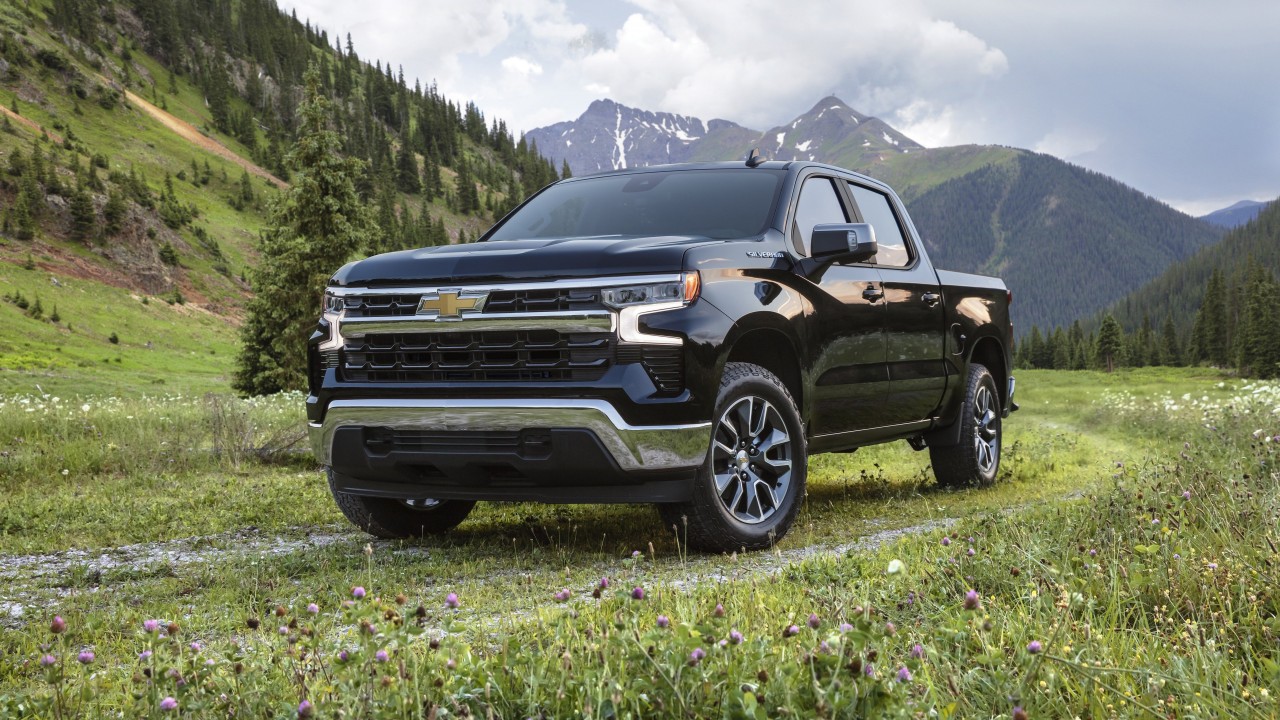
Pickup trucks are often associated with open highways, construction sites, and rural landscapes, but many of them now spend a large portion of their lives inside crowded cities. Urban environments present very different challenges compared to open roads.
Tight parking areas, narrow streets, heavy traffic, and limited maneuvering space can quickly expose whether a truck was designed with practicality in mind or simply built for size and power.
One of the most overlooked specifications in this discussion is turning radius. Buyers frequently focus on horsepower, towing capacity, or off road capability, but the ability to make tight turns can matter just as much for daily usability.
A truck with a well engineered steering angle and smart wheelbase proportions can feel surprisingly manageable even in dense city environments. Meanwhile, a larger truck with a wide turning circle can turn every parking attempt into a stressful exercise.
The difference becomes obvious during real world situations. Making a U turn on a narrow street, entering a multi level parking structure, or adjusting position in a tight parking slot can either feel effortless or frustrating depending on how the truck was engineered.
Drivers who use their trucks as daily vehicles quickly learn that maneuverability can be just as important as strength.
This comparison focuses on both sides of that reality. First, we will examine five trucks that stand out for their relatively tight turning radii and city friendly maneuverability. These vehicles demonstrate how good engineering can make even a pickup truck feel manageable in urban conditions.
After that, we will look at five trucks that are known for their large size and wide turning circles, making them more challenging to handle in crowded areas.
I am writing this because many buyers underestimate how much daily convenience depends on maneuverability. A truck may look perfect on paper, but if it becomes difficult to park or turn in normal driving situations, ownership satisfaction can drop quickly.
Understanding which trucks are easier to handle and which require more space can help buyers make smarter choices based on how they actually plan to use their vehicles.
Also Read: 5 Used EVs With Strong Battery Health vs 5 Known for Rapid Degradation
5 Trucks With the Best Turning Radii for Cities
Not all trucks are equally difficult to drive in urban environments. Some manufacturers have made significant efforts to design pickups that remain practical even in tight spaces.
Through careful wheelbase planning, steering geometry improvements, and compact body dimensions, certain trucks manage to feel far more agile than their size might suggest.
This section highlights trucks that have developed reputations for easier maneuverability compared to typical pickups.
These vehicles often succeed because they balance capability with everyday usability. Instead of focusing only on maximum size, they consider how drivers actually use trucks during daily routines.
Another reason these trucks stand out is that they often appeal to buyers who want utility without sacrificing convenience. Many owners use these vehicles for commuting, shopping, and family transport alongside traditional truck duties. That makes turning ability and parking ease extremely important.
I chose these models because they demonstrate how thoughtful design decisions can make a measurable difference in real world usability. A few feet less turning space can completely change how a truck feels in daily traffic.
The following trucks show that city friendly pickups are not just possible but increasingly common as manufacturers recognize changing buyer needs.
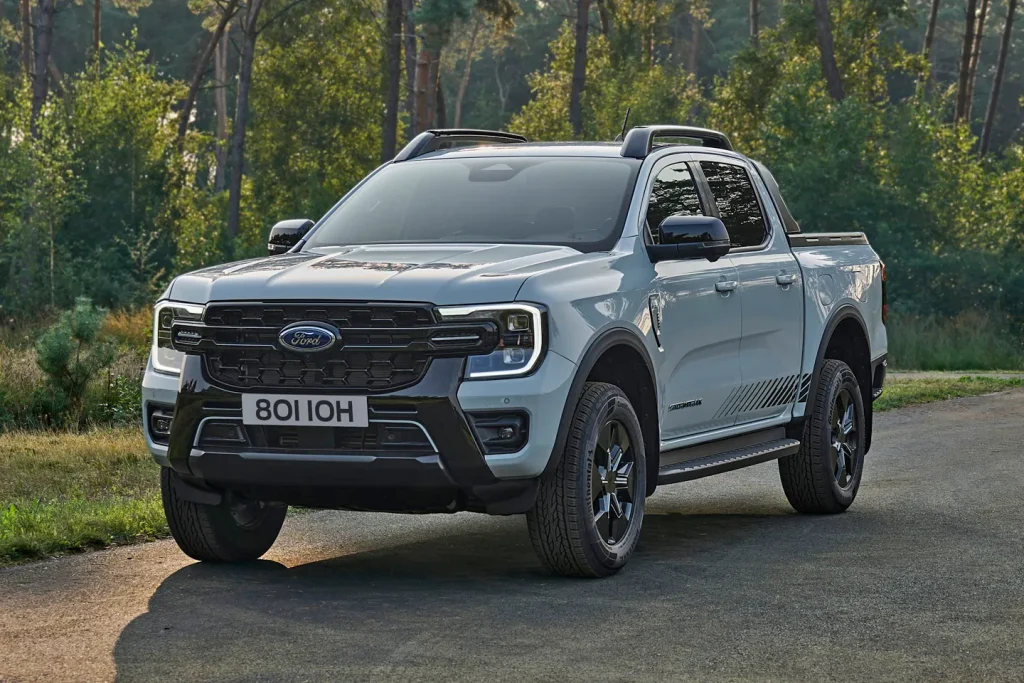
1. Ford Ranger
The Ford Ranger earns attention in this category because it represents a modern midsize truck that was clearly designed with everyday usability in mind.
While it still offers strong capability, its overall dimensions allow it to feel noticeably more manageable than many full size pickups.
One of the key reasons the Ranger performs well in city conditions is its relatively compact footprint compared to larger trucks in the Ford lineup.
This smaller size naturally contributes to a tighter turning capability, which drivers immediately notice when navigating parking structures or busy intersections.
I am including the Ranger because it highlights how midsize trucks are becoming the practical choice for drivers who want utility without sacrificing maneuverability. Many buyers do not actually need the massive size of full size trucks, and the Ranger shows how downsizing slightly can significantly improve daily driving comfort.
Another factor working in its favor is steering calibration. The truck tends to feel responsive at lower speeds, which helps during tight maneuvers. Drivers often report that it feels easier to place within lanes and parking spots than larger alternatives.
The Ranger also benefits from modern driver assistance features such as parking sensors and rear view camera systems that further improve confidence in tight areas. While these features are common today, their effectiveness combined with the truck’s manageable size makes a difference.
This truck deserves mention because it represents a shift in truck design priorities. Not every pickup today is built only for maximum towing numbers. Some are built to function as practical daily vehicles.
For drivers who want a truck that can handle both work duties and urban life without constant parking stress, the Ranger shows why size balance matters.
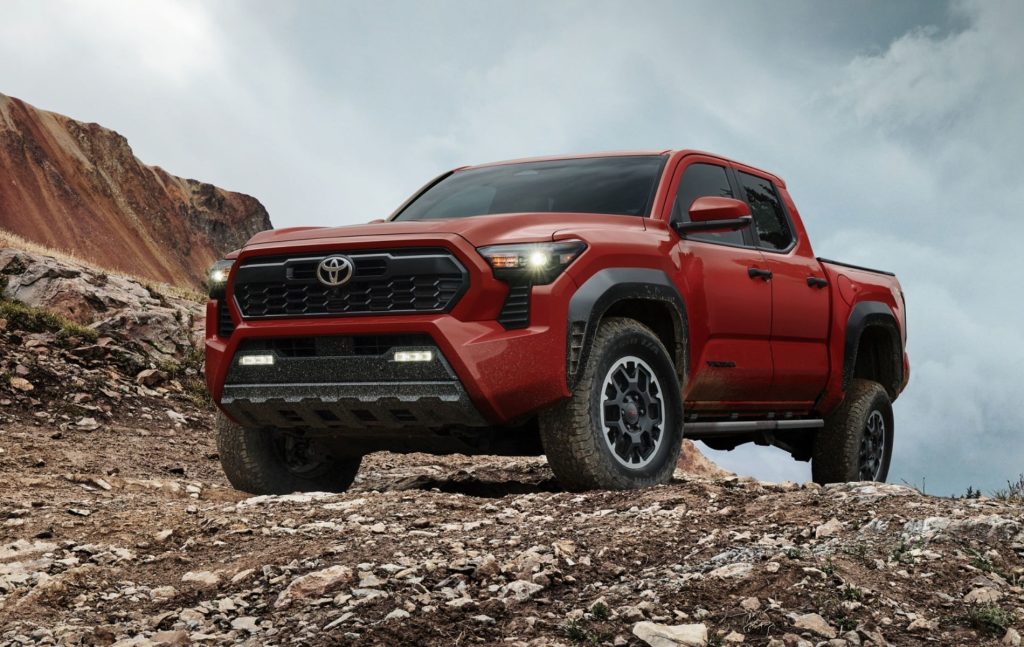
2. Toyota Tacoma
The Toyota Tacoma has built a strong reputation for durability, but it also deserves attention for something less discussed: its manageable proportions compared to many larger trucks. While not the smallest truck available, it often feels easier to maneuver than full size alternatives.
One of the reasons the Tacoma works well in tighter environments is its balanced wheelbase design. Engineers managed to keep the truck stable on highways while still allowing reasonable turning ability. This makes it less intimidating when navigating crowded areas compared to longer trucks.
Because of that, maneuverability becomes an important factor that often receives positive feedback from owners.
Another point worth discussing is visibility. The Tacoma’s seating position and hood design give drivers a clearer sense of vehicle placement compared to some bulkier trucks. This psychological confidence can make parking feel easier even if the numerical turning radius difference is modest.
There is also the matter of reputation. Trucks known for reliability often remain in service longer, which means they are used in a wider variety of driving conditions. The Tacoma’s ability to function reasonably well in cities contributes to its popularity.
For drivers who want a proven truck that does not feel overwhelming in daily driving situations, the Tacoma stands as a practical example.
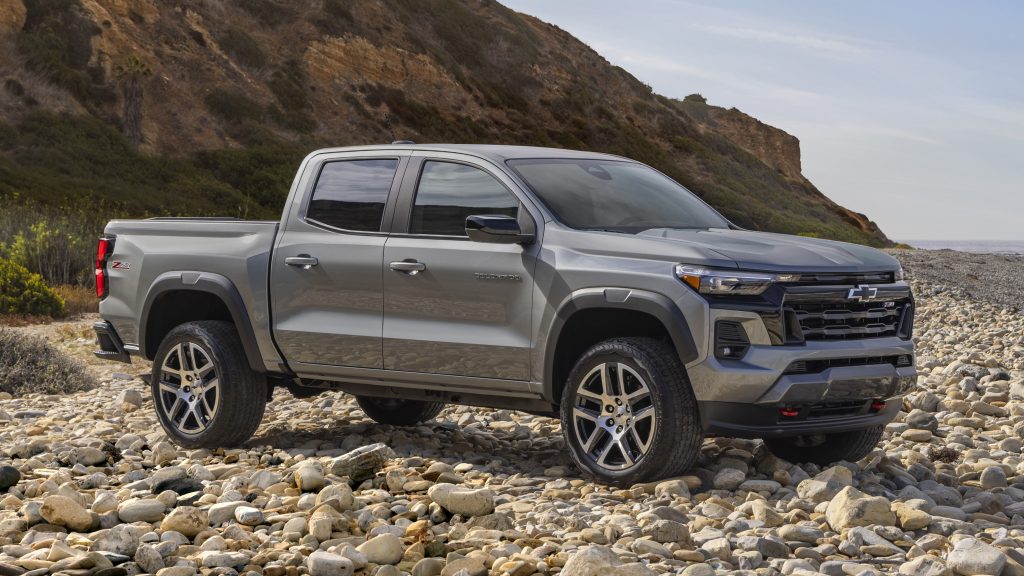
3. Chevrolet Colorado
The Chevrolet Colorado deserves a place in this discussion because it reflects how modern midsize trucks have evolved into practical daily drivers rather than purely work focused machines. While older pickups often sacrificed maneuverability for strength, the Colorado shows how thoughtful design can create a more balanced driving experience.
A major reason this truck performs well in city environments comes from its proportion control.
Chevrolet kept the body dimensions within a range that still allows reasonable cargo capability without pushing the vehicle into the difficult to manage territory occupied by heavy duty trucks. This design choice becomes very noticeable in parking lots and narrow urban streets.
That means it must perform school runs, office commutes, and shopping trips just as easily as weekend hauling. A manageable turning circle becomes extremely important in that kind of ownership pattern.
Another element that contributes to the Colorado’s usability is how predictable it feels during low speed steering. Some larger trucks can feel slow to respond when making tight turns, but the Colorado often feels more cooperative. This predictability reduces driver stress, especially for people transitioning from sedans or smaller SUVs.
Technology also plays a role. Many versions include steering assist features, clear camera displays, and parking alerts that make maneuvering easier. These systems do not change the physical turning radius, but they help drivers use available space more efficiently.
This truck earns its position because it demonstrates that a pickup does not need to be oversized to feel capable. By focusing on usability, Chevrolet created a vehicle that can fit into urban life more naturally.
For buyers who want a truck that feels practical every day rather than only when carrying loads, the Colorado offers a strong example of smart compromise.
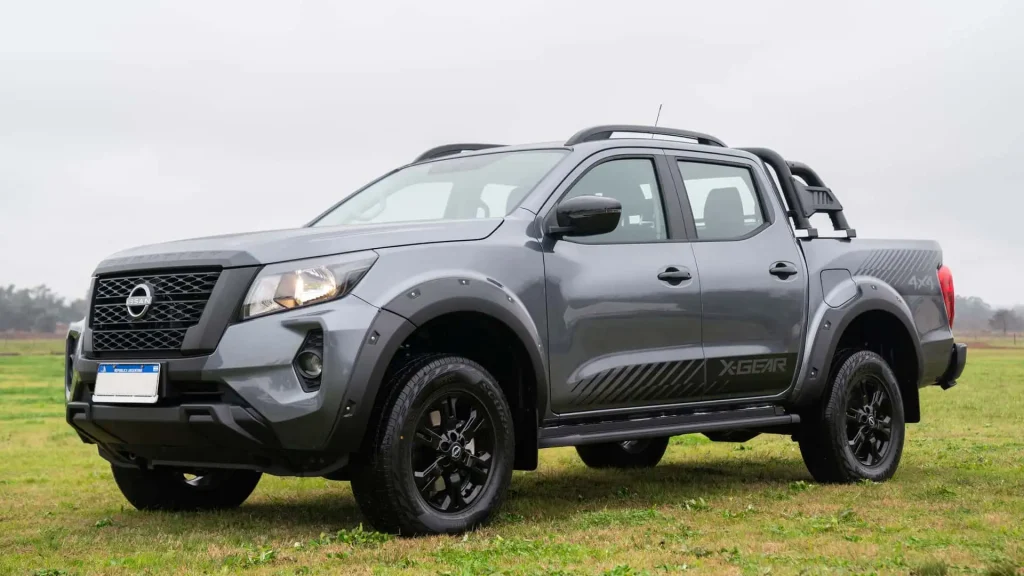
4. Nissan Frontier
The Nissan Frontier represents a different story compared to some newer competitors. For many years, it followed a more traditional truck formula rather than chasing constant redesigns. Surprisingly, that conservative approach helped it maintain dimensions that remain manageable even as other trucks continued to grow larger.
One reason the Frontier stands out is because it avoids excessive body growth. While many pickups expanded significantly over time, the Frontier stayed within a size range that still allows relatively easy maneuvering.
This becomes a major advantage when dealing with older parking areas designed before modern trucks became so large.
Sometimes the best maneuverability advantage comes not from advanced technology but from simply keeping the vehicle within reasonable proportions.
Another practical advantage comes from how the truck behaves in stop and go traffic. Drivers often describe the Frontier as feeling straightforward and predictable rather than bulky. This character can make daily commuting less tiring compared to managing a much larger vehicle.
There is also something to be said about driver confidence. Trucks that feel physically smaller often encourage better control during tight movements. Even when specifications are similar, the perception of size can influence how easily drivers position their vehicles.
This model deserves discussion because it shows how simplicity can sometimes outperform complexity. By staying close to traditional midsize truck dimensions, Nissan created a vehicle that remains easier to live with in crowded environments.
For buyers who prioritize practicality over trend driven size increases, the Frontier represents a truck that still respects everyday usability needs.
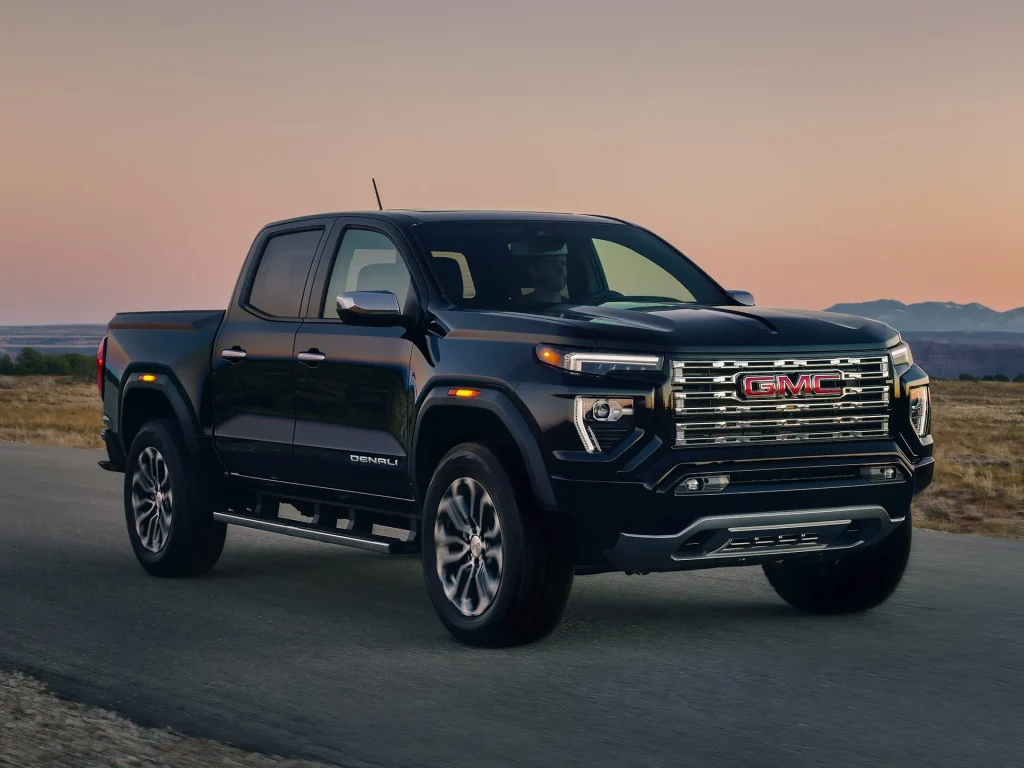
5. GMC Canyon
The GMC Canyon completes this group because it shows how a truck can maintain a premium feel while still staying manageable in urban conditions. Sharing its basic platform with the Chevrolet Colorado, the Canyon benefits from similar dimensional advantages while adding a slightly more upscale presentation.
What makes the Canyon worth discussing is how it demonstrates that maneuverability does not have to come at the cost of refinement. Some buyers assume that easier to handle trucks must feel basic, but the Canyon shows that comfort and city usability can exist together.
I am including this truck because many buyers today are moving away from oversized pickups toward midsize alternatives that better match their actual needs. The Canyon reflects this shift by offering enough capability for occasional heavy work while remaining practical for daily driving situations.
Another factor that supports its inclusion is the truck’s controlled steering feel. In slow speed situations such as parking garages and tight residential streets, the Canyon often feels more cooperative than larger trucks that require multiple corrections during tight turns.
Interior camera systems and parking assistance technology also support the overall experience. These features help drivers take full advantage of the truck’s manageable size by improving awareness of surrounding obstacles.
This truck deserves attention because it highlights a changing trend in the truck market. Many buyers are beginning to realize that maximum size is not always the most practical choice. A truck that fits more easily into everyday life often becomes more enjoyable to own.
For drivers who want truck capability without constantly worrying about parking challenges, the Canyon demonstrates how smart sizing can make a major difference.
5 That Are Hard to Park
While some trucks are designed with balance in mind, others prioritize maximum capability, interior space, or towing strength.
These priorities often result in larger bodies, longer wheelbases, and wider turning circles. While these characteristics may be beneficial for heavy duty tasks, they can make city driving significantly more challenging.
This section focuses on trucks that are widely known for their size and presence. These are not bad vehicles by any means. In fact, many are extremely capable and respected for their strength.
However, they often demand more space than typical urban environments comfortably provide. A truck that feels impressive on an open road may become stressful in underground parking or older city layouts.
Another important factor is that many of these trucks were designed primarily for towing and hauling rather than city commuting. Their engineering reflects those priorities, which naturally places maneuverability lower on the list of design goals.
Understanding this tradeoff helps buyers make realistic expectations. Choosing a large truck is not necessarily a mistake, but it should come with awareness about how it will behave in tight environments.
The following trucks are strong but often require patience and planning when parking or turning in crowded spaces.
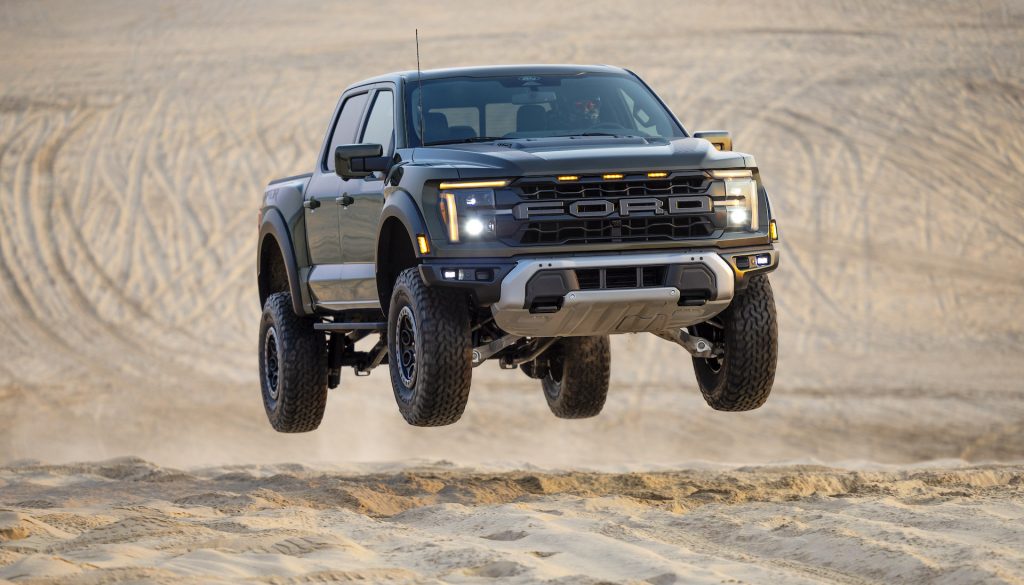
1. Ford F 150 Raptor
The Ford F 150 Raptor is one of the most recognizable performance trucks in the world, but its size and design priorities make it a difficult vehicle to manage in tight urban conditions. Built primarily for high speed off road capability, it sacrifices some city friendliness in exchange for extreme performance.
One of the main reasons this truck is difficult to park comes from its wide stance. The Raptor was designed with a broader track to improve stability at speed, but this same width can make narrow parking spaces feel restrictive. Drivers often find themselves searching for end spots or larger spaces to avoid tight squeezes.
This truck excels in desert terrain and open landscapes, but its strengths become weaknesses when space becomes limited.
Another factor is its long wheelbase. Larger trucks naturally require more room to complete turns, and this becomes obvious during U turns or when entering compact parking areas. Even experienced drivers sometimes need multiple adjustments.
Visibility can also become part of the challenge. While modern camera systems help, the sheer size of the truck means drivers must remain constantly aware of surrounding vehicles and obstacles.
This truck deserves a place here because it highlights an important reality about specialized vehicles. When a truck is engineered for extreme performance, everyday convenience sometimes becomes secondary.
For buyers who truly use its off road capability, these compromises may be acceptable. For purely urban drivers, however, the Raptor can feel oversized for daily needs.
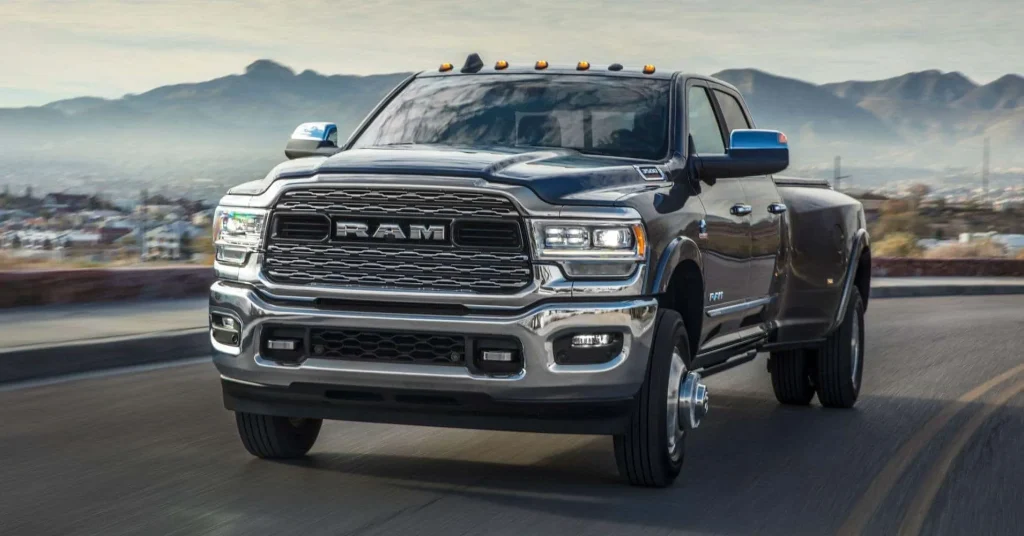
2. Ram 3500 Heavy Duty
The Ram 3500 Heavy Duty represents a completely different reason why some trucks become difficult to park. Unlike performance trucks, this vehicle is built for maximum towing strength and commercial level durability. Its large dimensions are a direct result of those engineering priorities.
One of the biggest challenges with this truck is simply its physical length. Long bed versions in particular require significant planning when entering parking areas. Drivers often need to think several moves ahead when choosing where to stop.
I chose this truck because it demonstrates how capability can demand compromise. A vehicle capable of towing extremely heavy loads must be built on a large and strong platform. That size naturally reduces maneuverability in crowded environments.
Another important detail is turning space. Heavy duty trucks like the Ram 3500 often require noticeably wider turning areas compared to midsize trucks. This difference becomes very clear when attempting tight turns in city environments.
Height can also be a concern. Some parking structures may have clearance limitations that make access difficult or impossible. Owners must remain aware of these restrictions in ways that smaller truck drivers rarely consider.
This model belongs in this discussion because it shows how trucks designed for serious work often require drivers to adapt their habits. Parking farther away, choosing larger spaces, and avoiding tight routes become normal parts of ownership.
For drivers who genuinely need its strength, these tradeoffs are understandable. For casual users, however, this level of size can quickly become inconvenient.
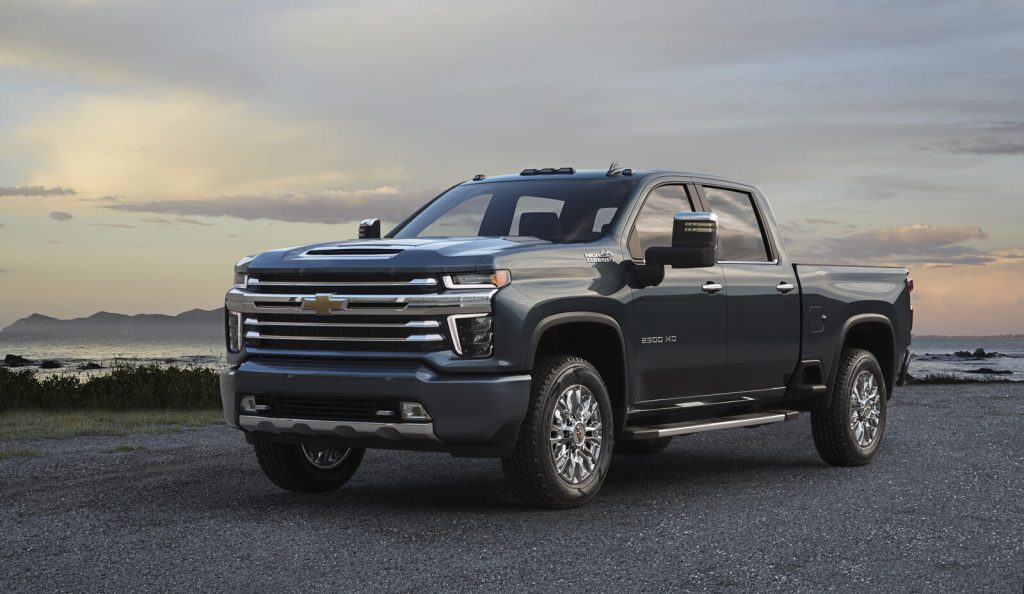
3. Chevrolet Silverado 2500HD
There is a certain type of truck that immediately communicates its purpose through sheer presence, and the Chevrolet Silverado 2500HD fits that description perfectly. This is not a truck that tries to disguise its size.
It was built to handle demanding workloads, and that strength is exactly what makes it challenging in crowded urban environments.
The difficulty with this truck begins before the engine even starts. Simply finding a suitable parking space can become part of the daily routine. Standard city parking spots often feel undersized for a heavy duty truck of this scale, forcing drivers to become selective about where they stop.
Some people purchase heavy duty trucks for occasional towing or image reasons without fully considering how much extra space these vehicles demand every single day.
Another factor that affects usability is steering sweep. Large front ends and long frames naturally increase the space required to complete tight turns. This often means drivers must slow down more, plan wider arcs, and occasionally correct their positioning more than they would in smaller trucks.
There is also the question of daily fatigue. Constantly managing a large vehicle through tight streets can become mentally tiring, especially for drivers who regularly deal with dense traffic. This is not a mechanical flaw, but rather a consequence of scale.
I chose this truck because it shows how capability comes with responsibility. Owners often must develop different parking habits such as choosing outer parking rows or backing into spaces where maneuvering room is better.
This vehicle earns its place here because it reminds buyers that bigger is not always better for every situation. Strength is valuable, but only when it matches actual needs.
Understanding how often that strength will be used is an important part of making the right purchase decision.
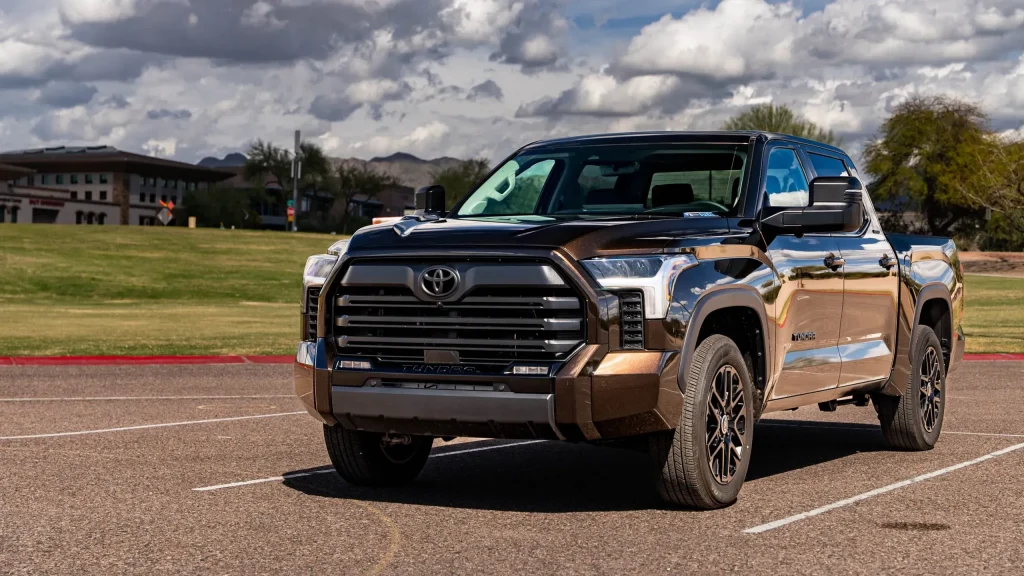
4. Toyota Tundra CrewMax
The Toyota Tundra CrewMax presents a different type of parking challenge. Instead of being purely a work focused heavy duty truck, it combines full size truck proportions with a very large cabin designed for maximum passenger comfort. This creates a vehicle that feels spacious inside but demanding outside.
One of the most noticeable challenges with the CrewMax configuration is its cabin length. By prioritizing rear seat comfort, Toyota created one of the roomiest interiors in the segment. The tradeoff is increased overall vehicle length, which directly affects maneuverability.
Buyers often choose this configuration for family use, but the extra interior space requires more awareness when navigating tight city areas.
Another issue comes from the truck’s wide body design. Full size trucks already require more lateral space, and the Tundra’s design reinforces that presence. This often means drivers must be more careful when entering narrow lanes or older parking structures.
There is also the matter of turning adjustments. Drivers sometimes report needing additional steering corrections when maneuvering in compact areas. This is not unusual for trucks of this size, but it becomes noticeable for those transitioning from smaller vehicles.
This model belongs in this section because it highlights how even reliable and well respected trucks can still present practical challenges when size increases beyond daily needs.
For buyers who truly need the interior space, these compromises may feel acceptable. For those who simply want a truck for occasional use, however, the added size may create more inconvenience than benefit.
5. GMC Sierra 3500 Denali
The GMC Sierra 3500 Denali stands as an example of how luxury and heavy duty capability can combine into one extremely large package. While it delivers impressive towing strength and a premium interior, its sheer scale makes it one of the more demanding trucks to manage in tight parking environments.
The first challenge with this truck comes from its overall footprint. Between its long body, tall height, and wide stance, the Sierra 3500 Denali requires drivers to constantly think about space.
It is not the kind of vehicle that can be casually slipped into the first available parking spot. Buyers attracted by the interior quality may not always anticipate how different daily driving feels compared to smaller pickups.
Another aspect that contributes to its difficulty is the combination of length and steering geometry. Even with modern steering assistance, the amount of space required for tight turns is substantial. In compact urban layouts, this often means additional maneuvering steps compared to midsize trucks.
Technology does help somewhat. Surround view cameras, parking sensors, and driver assistance alerts can reduce stress. However, these tools do not reduce the actual physical size of the truck. They simply help drivers manage the challenge more safely.
There is also a lifestyle adjustment that comes with owning trucks of this size. Many drivers quickly learn to park farther from entrances, seek corner spaces, or avoid crowded parking hours. These habits become part of daily ownership rather than occasional considerations.
This truck deserves its place here because it demonstrates how combining luxury expectations with commercial grade capability can produce vehicles that require real commitment from their owners.
For those who truly need the towing strength and interior refinement, the tradeoff may be worthwhile. For drivers primarily navigating cities, however, this level of size can become a daily inconvenience.
Also Read: 5 Vehicles With High Step‑In Heights for Seniors vs 5 That Are Easy to Enter
