
Buying a used luxury wagon is often a decision driven more by passion than pure logic. These vehicles combine the comfort and advanced engineering of luxury sedans with the practicality of larger cargo space, making them some of the most versatile vehicles ever produced.
However, the used luxury wagon market is a place where smart buyers can either find incredible long term value or unknowingly step into a financial nightmare. This is exactly why understanding which models are worth the gamble and which ones should be avoided becomes extremely important.
Luxury wagons depreciate heavily compared to their original purchase price, which makes them very attractive on the used market. A vehicle that once cost as much as a house deposit can sometimes be purchased for the price of a basic economy sedan after several years. This price drop creates opportunity, but it also hides risks.
Some luxury wagons were built with strong mechanical foundations and proven engines, while others became known for complicated electronics, expensive suspension systems, or unreliable drivetrains that age poorly.
The difference between a smart purchase and a costly mistake often comes down to engineering philosophy. Some manufacturers focused on durability along with luxury, meaning their wagons still hold up well after 100,000 miles.
Others pushed technology so aggressively that repair costs can quickly exceed the value of the car itself. Buyers who research reliability trends, maintenance patterns, and ownership experiences often end up with vehicles that feel like bargains rather than burdens.
This comparison highlights both sides of that reality. First, we will look at five used luxury wagons that can still be considered worthwhile purchases if properly maintained.
Also Read: 5 Manual Transmissions SUVs Still Available in 2026 vs 5 That Have Been Retired
5 Used Luxury Wagons Worth the Risk
Not every used luxury wagon should be feared. In fact, some models quietly developed reputations for durability despite their premium positioning.
These are the vehicles that enthusiasts often recommend because they deliver luxury without automatically bringing catastrophic repair bills. They may still require maintenance, but they reward careful ownership rather than punish it.
This section focuses on wagons that represent calculated risks rather than reckless purchases. They are not perfect, but they tend to have strong engines, proven transmissions, or simpler design choices that prevent ownership from becoming overwhelming.
Many of these cars also benefit from strong enthusiast communities and parts availability, which makes long term ownership more manageable.
Another reason these models stand out is that they were often engineered during periods when reliability still mattered alongside innovation. Instead of relying entirely on experimental technology, they combined traditional mechanical strength with luxury features. This balance is what allows them to remain appealing years later.
I am highlighting these particular wagons because they demonstrate that depreciation does not always mean danger. Some vehicles lose value simply because the market fears luxury maintenance costs, even when the underlying engineering is solid. That creates opportunities for informed buyers.
The following five wagons represent models that can still make sense today if purchased carefully with maintenance records and proper inspection.
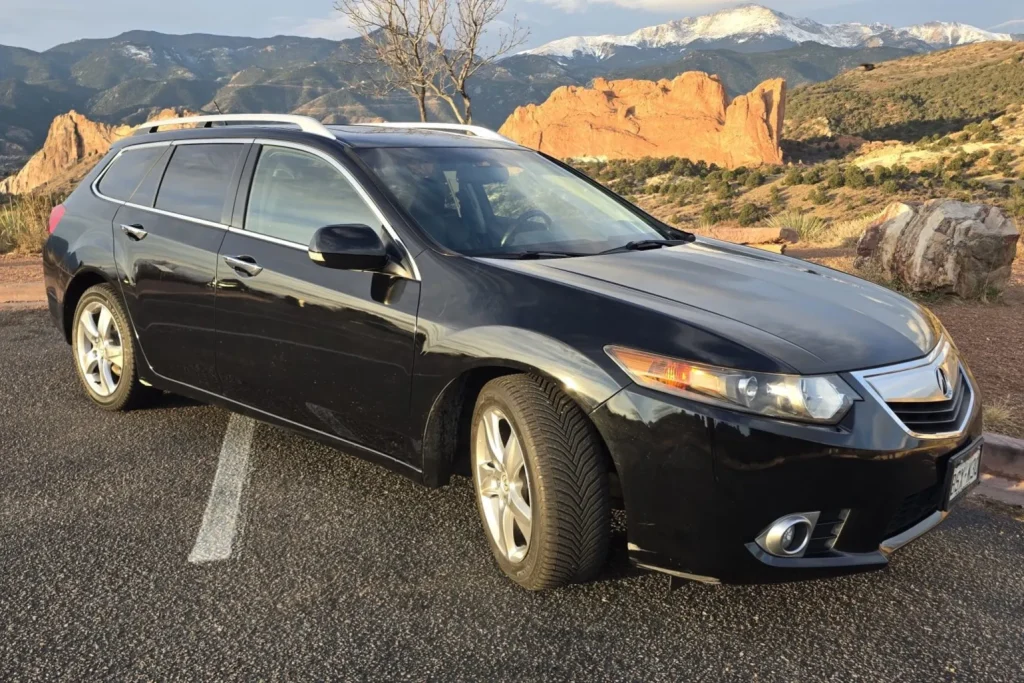
1. Acura TSX Sport Wagon
The Acura TSX Sport Wagon represents a very different philosophy compared to many European luxury wagons. Instead of chasing maximum performance or excessive technological complexity, Acura focused on balance.
That decision is exactly why this wagon deserves attention when discussing used luxury vehicles that can still be trusted.
Under the hood sits a naturally aspirated four cylinder engine known for long term durability rather than fragile high output tuning. This engine gained a reputation for predictable maintenance needs and strong internal design.
Owners frequently report high mileage examples continuing to perform well with routine servicing rather than major mechanical overhauls.
What makes this wagon particularly interesting is how it avoids some of the common luxury ownership traps. There is no overly complex air suspension waiting to fail, no twin turbo setup requiring expensive servicing, and no experimental drivetrain technology.
Instead, the car delivers a premium interior, excellent build quality, and practical cargo capacity without excessive risk factors.
Another reason this model deserves mention is how it reflects smart engineering priorities. The automatic transmission used here is known for smooth operation and reasonable longevity when fluid changes are performed on schedule. This matters because transmission failures often turn used luxury cars into financial burdens.
I am including this wagon because it shows how reliability can exist quietly within the luxury segment. It may not generate the same excitement as German competitors, but it often delivers something more valuable: predictable ownership.
Buyers who value long term usability over badge prestige may find this wagon especially appealing. It proves that sometimes the safest luxury purchase is the one that focused on refinement instead of complexity.
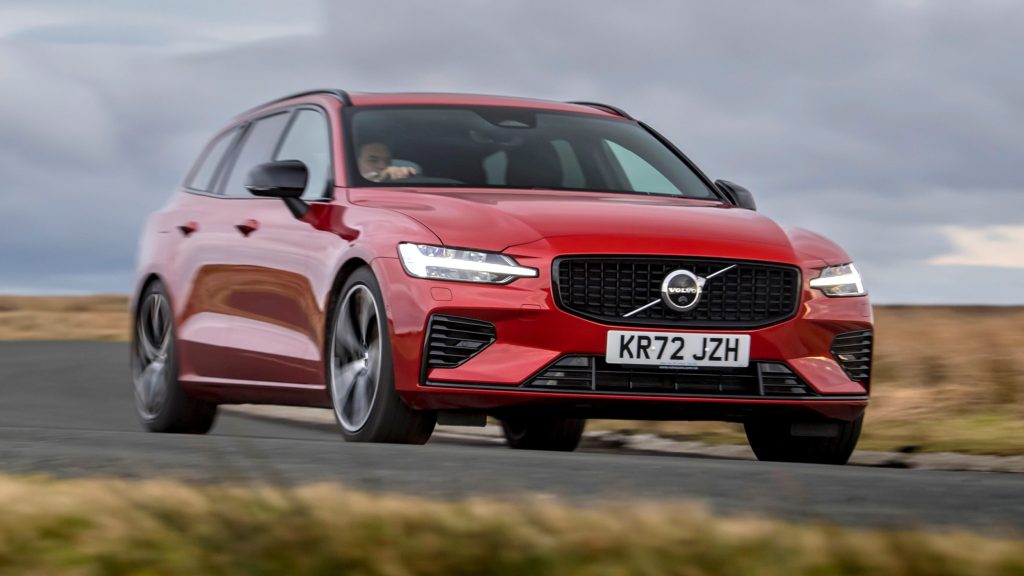
2. Volvo V60 (First Generation)
Volvo built its reputation on safety, but certain models like the first generation V60 also earned respect for solid structural engineering and well developed powertrains. While some luxury wagons become risky after warranty periods end, this model often remains a reasonable choice when properly maintained.
One of the strongest arguments in favor of the V60 is its emphasis on durability in areas that truly matter. The chassis feels robust, the interior materials age gracefully, and the overall construction reflects Volvo’s traditional focus on longevity. Even after years of use, many examples avoid the excessive interior wear commonly seen in competitors.
This wagon also earns a place here because of its balanced driving character. It is not trying to be the fastest option in the segment. Instead, it delivers a composed ride, predictable handling, and a driving experience that feels secure rather than aggressive. This reduces the stress placed on components compared to more performance focused wagons.
From an ownership perspective, another advantage comes from Volvo’s gradual improvement in engine reliability during this period. While maintenance costs are still higher than mainstream brands, catastrophic failures are less common than in some rival luxury wagons with more complicated engine layouts.
There is also a practical argument for including this car. Wagons like the V60 often attract mature owners who maintain service records carefully. This increases the chances of finding well cared for examples compared to vehicles that were frequently driven aggressively.
This model deserves discussion because it represents a realistic luxury ownership experience rather than an idealized one. It is not maintenance free, but it often avoids becoming financially destructive.
For buyers who want understated design, strong safety engineering, and manageable long term ownership expectations, the V60 remains a wagon worth considering.
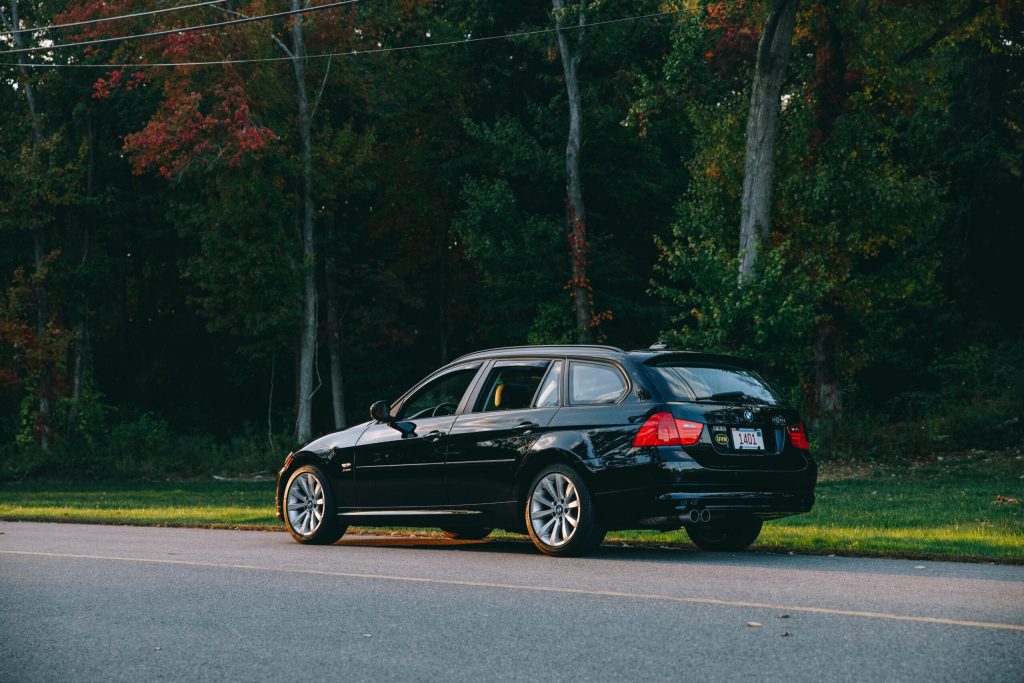
3. BMW 3 Series Sports Wagon (E91)
There are certain BMW products that became known more for their driving balance than their repair records, and the E91 generation 3 Series wagon sits in that interesting middle ground.
It is not a perfect car, but it represents a time when BMW still emphasized mechanical feel as much as technology integration. That alone makes it worthy of discussion among used luxury wagons that may still justify the risk.
What makes this particular wagon different from many later BMW products is the relative simplicity of its naturally aspirated inline six engines, especially the N52.
Unlike later turbocharged engines packed with heat management challenges, this engine built its reputation on smooth power delivery and fewer stress related failures when properly serviced.
This is also a car that tends to attract buyers who actually enjoy driving rather than simply commuting. Because of that, many surviving examples were enthusiast owned, which often translates into better maintenance habits.
Service histories showing cooling system refreshes, gasket replacements, and suspension updates usually indicate responsible ownership rather than neglect.
Another important reason I am highlighting this wagon is because it demonstrates how depreciation sometimes exaggerates risk.
The fear of BMW maintenance costs causes prices to drop significantly, yet many of the major known issues have well documented repair solutions. This changes the ownership equation from unpredictable to manageable for informed buyers.
Instead of focusing on luxury isolation, this wagon delivers something more engaging. The steering feel, chassis communication, and overall responsiveness remind drivers why BMW earned its reputation in the first place. That emotional connection often makes owners more willing to maintain the car properly.
This vehicle belongs on this list because it rewards preparation. Buyers who research common issues, perform preventative maintenance, and avoid neglected examples often end up with a rewarding luxury wagon rather than a financial regret.
Sometimes the right used luxury car is not the cheapest one, but the one with the most transparent ownership story.
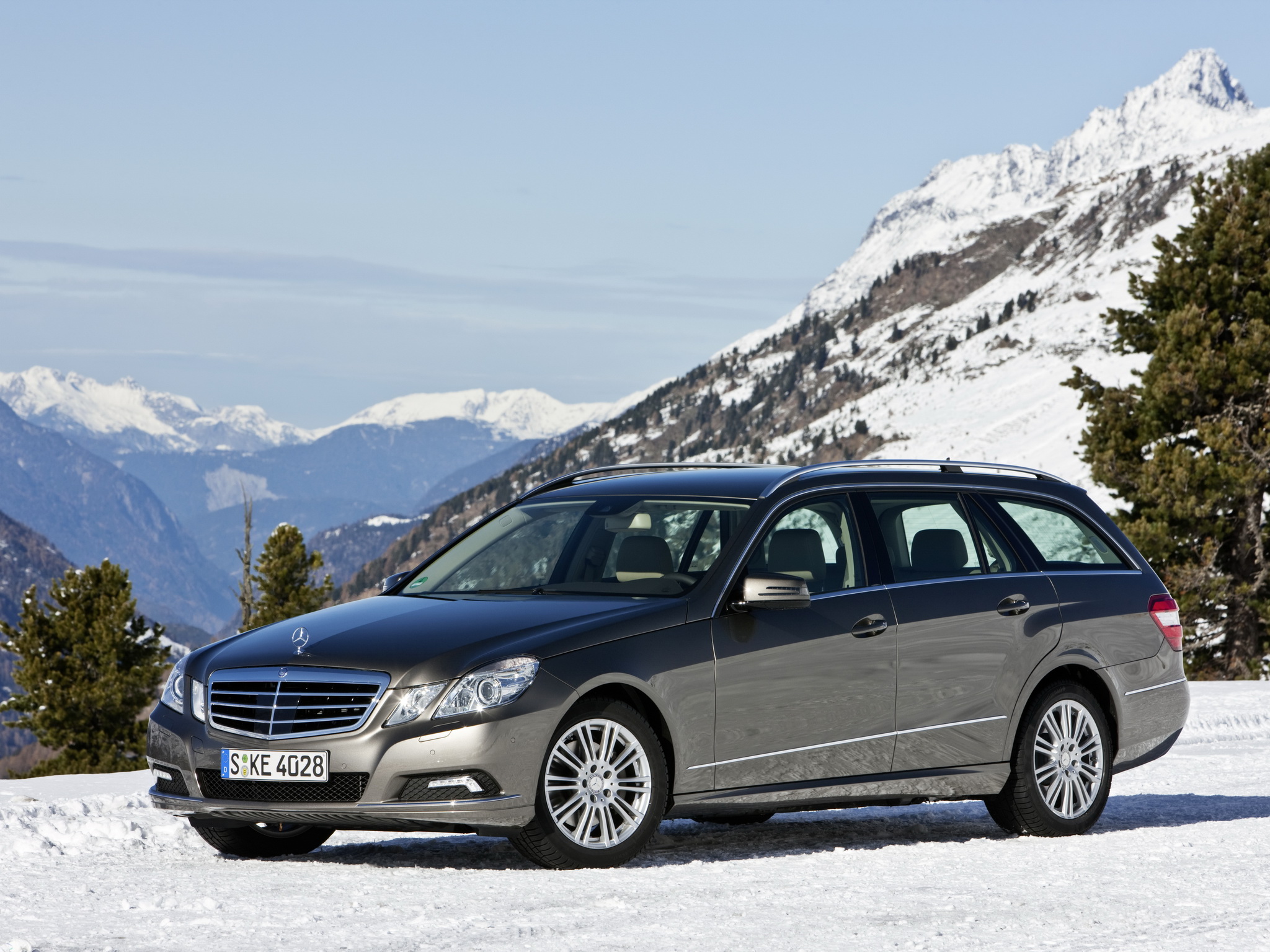
4. Mercedes-Benz E-Class Wagon (W212)
Some luxury wagons are exciting because of performance. Others earn respect because of their engineering maturity. The Mercedes Benz W212 E Class wagon falls into the second category, and that is precisely why it deserves attention when discussing used luxury vehicles that can still make sense financially.
Mercedes spent decades refining the E Class formula, and by the time the W212 arrived, many of the experimental reliability problems seen in earlier generations had already been addressed.
This generation feels like a product of lessons learned rather than risks taken. That maturity shows in both mechanical design and interior durability.
One of the strongest arguments for this wagon is how it was built with real world longevity in mind. The naturally aspirated V6 engines found in many versions are known more for steady performance than complicated engineering. When compared to high stress turbo setups, these engines often age more predictably.
There is also something to be said about how this wagon was intended to be used. Many E Class wagons served as family transport rather than performance toys. This often means smoother driving histories, fewer aggressive driving cycles, and better long term component survival.
I am writing about this vehicle because it shows how reputation can sometimes hide value. Mercedes maintenance costs can scare buyers away, but the W212 often proves less troublesome than its badge might suggest. Regular servicing remains important, but ownership horror stories are less common than internet myths might imply.
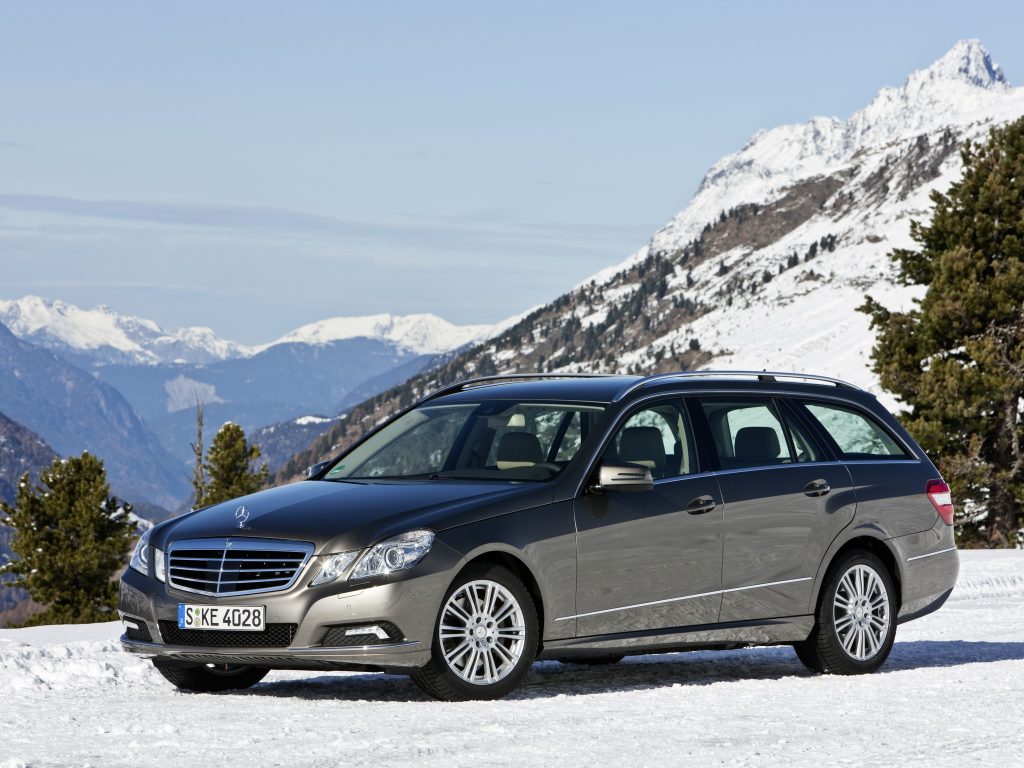
The cargo capacity and optional rear facing third row seating also give this wagon a practical advantage that few luxury vehicles can match. It becomes not just a premium car, but a genuinely useful one.
This model earns its place here because it reflects a simple truth: some luxury cars become affordable not because they are bad, but because buyers assume they are risky. Understanding the difference creates opportunity.
5. Audi A4 Avant (B8)
The Audi A4 Avant from the B8 generation is an example of how a luxury wagon can remain desirable long after its showroom life ends.
While Audi products sometimes carry a reputation for expensive repairs, this particular model earns a place among worthwhile risks because of how well rounded it can be when maintained correctly.
One of the biggest reasons this wagon deserves recognition is its refined road behavior. It feels planted at highway speeds, composed in corners, and confidence inspiring during long drives.
Audi invested heavily in chassis tuning during this era, and the result is a wagon that still feels modern in the way it moves.
The interior also deserves special mention because this is where Audi built much of its reputation. The materials, switchgear quality, and cabin design still hold up visually even years later.
Unlike some luxury vehicles that begin to feel outdated quickly, this one tends to age with quiet dignity rather than obvious wear.
I am including this wagon because it shows how informed ownership changes the story. The key with the B8 A4 Avant is buying a well maintained example, particularly one with documented servicing of known maintenance areas like timing components and oil consumption checks.
Buyers who ignore these factors often face problems, while careful shoppers frequently report satisfying ownership.
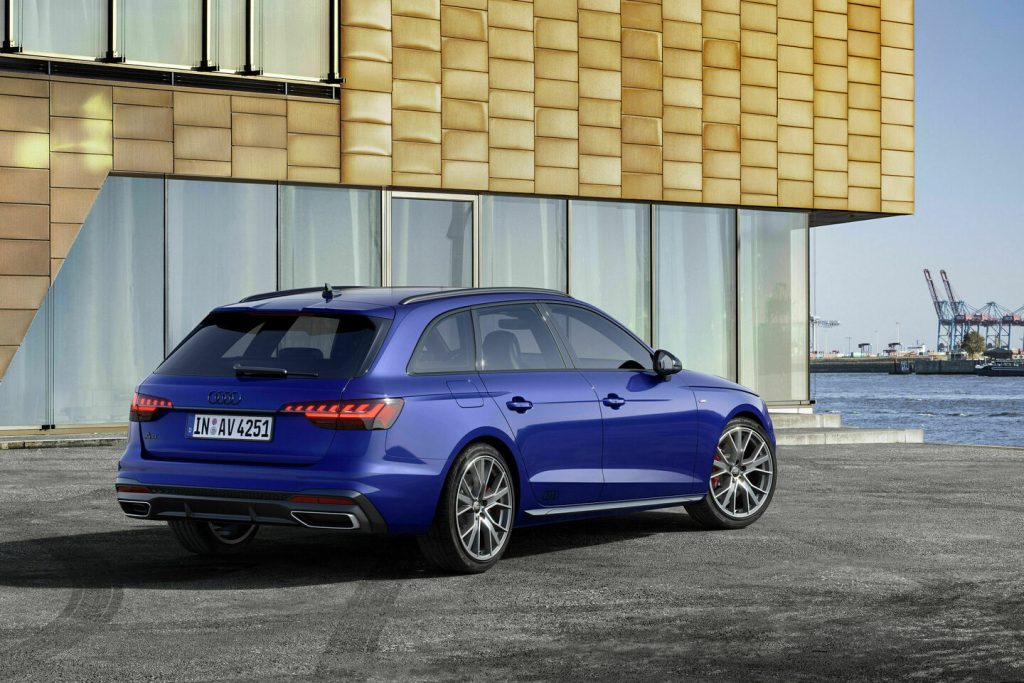
Another factor working in its favor is parts availability. Because the A4 platform sold in strong numbers globally, independent specialists and aftermarket support remain strong. This reduces the fear factor that sometimes surrounds European luxury ownership.
This car also represents something important about the used luxury market. Not every purchase should be judged by worst case scenarios. When buyers approach ownership with realistic expectations and preventative maintenance habits, some cars become far more reasonable than their reputation suggests.
The B8 A4 Avant earns its place because it represents a smart enthusiast purchase rather than a reckless one. It offers style, utility, and driving confidence for buyers willing to do their homework.
5 That Are Total Wallet Drains
Not every used luxury wagon is a hidden opportunity. Some are simply expensive cars that became cheap to buy but never became cheap to own.
These are the vehicles that often attract buyers with appealing prices, impressive features, and strong brand names, only to reveal their true cost through complex repairs and recurring mechanical problems.
The purpose of this section is not to criticize these vehicles unfairly. Many of them were technological showcases when new. The problem is that advanced technology tends to age differently than traditional mechanical systems.
Air suspension failures, complicated turbocharging systems, fragile electronics, and tightly packaged engines can turn routine repairs into major expenses.
Another reason these wagons deserve discussion is because they often appear on used car listings at extremely tempting prices.
A buyer may see a luxury wagon that once cost a fortune now selling for a fraction of its original price and assume they are getting a bargain. Unfortunately, the purchase price is often just the beginning of the financial story.
I am highlighting these models because they repeatedly appear in ownership discussions where repair costs exceed expectations. These are not isolated complaints but patterns that appear across owner forums, mechanic reports, and long term reliability data.
It is also important to understand that these cars are not necessarily bad to drive. In fact, many are excellent when everything works properly. The real issue is how expensive it can be when things stop working, especially once warranties are long gone.
The following five wagons represent models that buyers should approach very carefully. They demonstrate how complexity, performance ambitions, and cutting edge features can sometimes create long term ownership challenges.
Knowing which vehicles fall into this category can save buyers from making decisions based purely on appearance or brand appeal.
1. BMW 5 Series Wagon (E61)
If there is one wagon that perfectly demonstrates the phrase “cheap to buy, expensive to own,” it may be the BMW E61 5 Series wagon. This car offered impressive technology and performance when new, but as it ages, those same features often become financial liabilities.
The first major concern with this vehicle comes from its complicated electronics. BMW introduced a wide range of advanced systems during this generation, and while they were impressive at launch, aging modules, wiring issues, and sensor failures can create frustrating diagnostic challenges today. Electrical troubleshooting alone can become costly due to labor time.
Then there is the matter of drivetrain complexity. Many versions came with turbocharged engines that deliver strong performance but also introduce heat management concerns and component wear that becomes expensive to address over time. Oil leaks, high pressure fuel system issues, and cooling system repairs are not unusual discussion points among owners.
I am writing about this wagon because it represents a classic depreciation trap. Buyers see the prestige of a 5 Series combined with wagon practicality at a low price point, but may not realize that repair costs still reflect the car’s original luxury positioning.
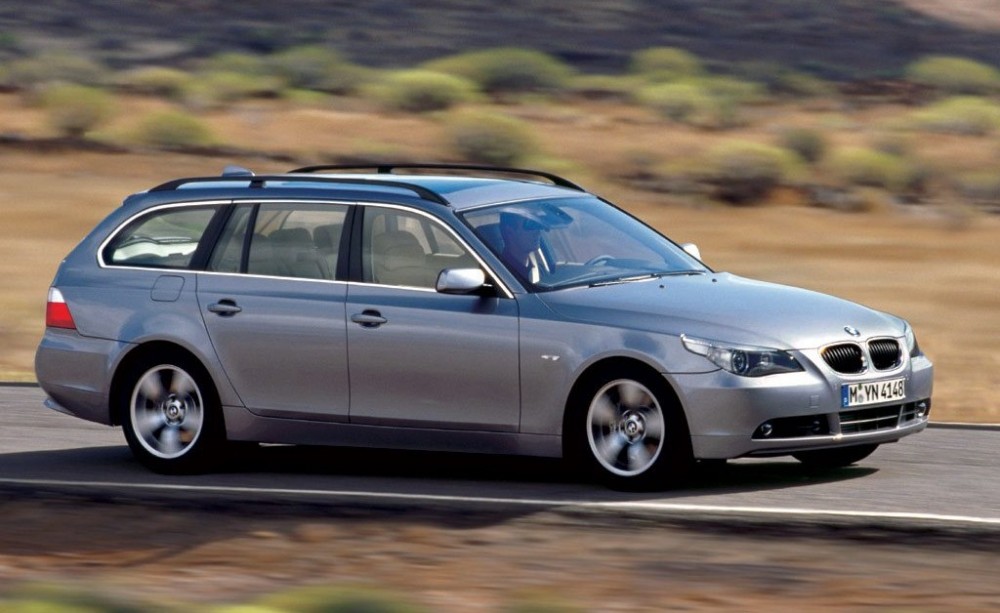
Another factor is the air suspension used in some versions, particularly for load leveling. While beneficial for ride quality, these systems can become expensive once compressors or air springs begin to fail. Repairs are rarely inexpensive and often unavoidable.
This vehicle earns its place here because it shows how complexity multiplies ownership cost. It is not just one issue, but the combination of multiple high cost systems aging at the same time.
For buyers without a repair budget or mechanical knowledge, this wagon can quickly turn from a dream purchase into a financial lesson.
2. Audi Allroad (C5 Generation)
The Audi Allroad built its identity around versatility. With adjustable air suspension, all wheel drive capability, and rugged styling, it promised to be a luxury wagon that could handle almost anything. Unfortunately, long term ownership often reveals why complexity can be a double edged sword.
The adjustable air suspension is the most discussed issue with this model. While it gave the car impressive adaptability when new, aging air bags, failing compressors, and leaking lines frequently appear in ownership reports.
These are not optional repairs. When the system fails, the vehicle can become difficult to use normally.
Another financial pressure point comes from the twin turbo V6 found in many versions. While it delivers strong performance, the packaging inside the engine bay makes certain repairs labor intensive.
Even relatively straightforward maintenance tasks can involve significant disassembly, increasing service bills.
This wagon is included because it highlights a specific type of ownership mistake: buying based on features rather than long term service reality. The Allroad looked incredibly advanced for its time, but that innovation created more potential failure points as the vehicle aged.
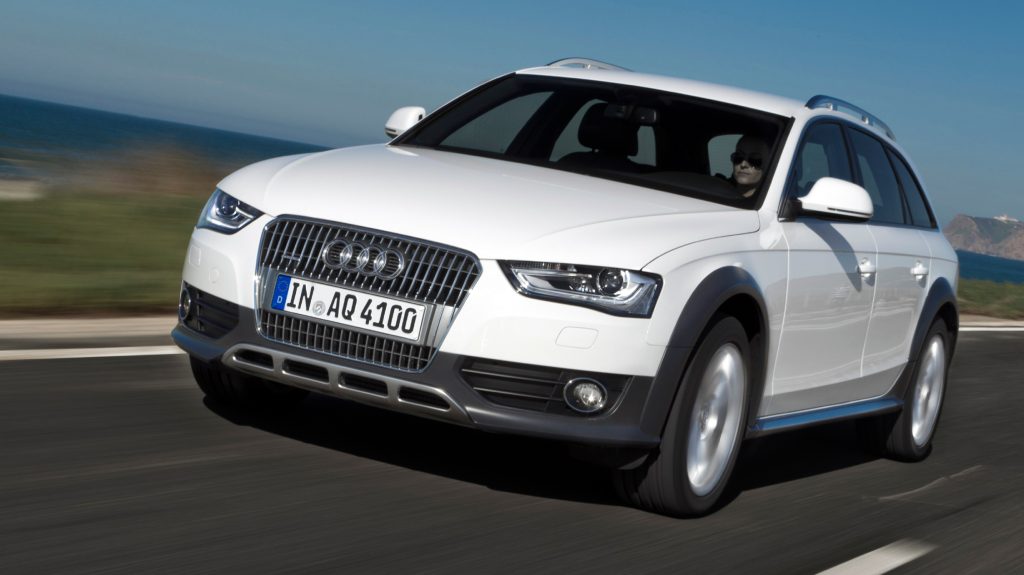
There is also the factor of cascading repairs. Owners often report that once one suspension component fails, others soon follow due to age. This can turn what seems like a single repair into a chain of expenses.
I am discussing this vehicle because it serves as a warning about technology heavy luxury cars from the early 2000s. They often delivered amazing experiences when new but require very committed owners today.
For someone with strong mechanical skills or a restoration mindset, this wagon might still be interesting. For most buyers seeking affordable luxury transport, however, it often proves financially exhausting.
3. Mercedes-Benz E-Class Wagon (W211)
There are some vehicles that look like sensible luxury purchases on the surface, and the Mercedes W211 E Class wagon often creates exactly that impression.
It carries the respected E Class name, offers impressive comfort, and can be found at prices that seem surprisingly reasonable. The problem is that ownership costs rarely stay reasonable for long.
This generation arrived during a period when Mercedes aggressively expanded electronic integration. Unfortunately, that ambition resulted in complicated systems that have not always aged gracefully.
Owners frequently report problems involving electronic control modules, braking systems, and sensor networks that require specialized diagnosis rather than simple fixes.
The braking system deserves particular attention because some versions used advanced brake by wire technology. While innovative, this system became infamous for high repair costs once components began to fail outside warranty coverage. Repairs here are not minor service jobs but major financial decisions.
I am including this wagon because it perfectly illustrates how a strong brand reputation can sometimes hide generation specific problems. Buyers often assume all E Class models share the same durability reputation, but the W211 reminds us that engineering periods matter more than badges.
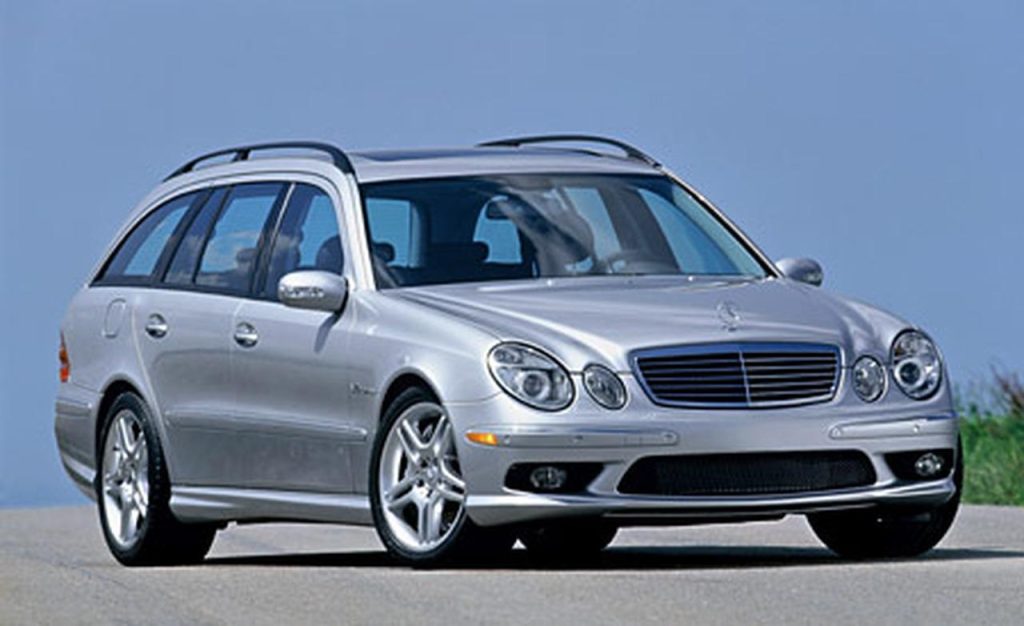
Another long term ownership concern comes from suspension components. Like many luxury vehicles of its time, this wagon used sophisticated ride control systems that prioritize comfort. As these parts age, replacement costs can stack up quickly, especially when multiple components wear out together.
There is also a pattern worth noting in ownership discussions. Many first owners enjoyed these cars under warranty, but second or third owners often faced the true cost of maintaining aging luxury technology.
This is why this wagon appears in this section. It is not here because it lacks quality when functioning properly. It is here because keeping it functioning properly can become expensive enough to outweigh its used market value. Sometimes the biggest risk is not buying the car, but maintaining it.
4. Jaguar XF Sportbrake (First Generation)
Jaguar has always built cars with strong visual appeal, and the XF Sportbrake is no exception. It stands out with elegant styling, a distinctive interior design, and a sense of exclusivity that few wagons can match. Unfortunately, exclusivity sometimes extends to maintenance challenges as well.
One of the biggest ownership concerns comes from inconsistent long term reliability across certain electronic systems.
Luxury features such as infotainment controls, electronic seat functions, and sensor based systems can develop faults that are not always simple to diagnose. Electrical troubleshooting on niche luxury vehicles can quickly become time consuming.
I am writing about this wagon because it represents a different type of financial risk compared to German competitors.
Instead of a single well known mechanical flaw, the concern here often comes from smaller but repeated issues that gradually increase ownership costs through frequent service visits.
Parts sourcing can also become part of the ownership story. Because these wagons were sold in smaller numbers compared to rivals, some replacement components may require longer wait times or higher prices. This is not always a problem, but it becomes noticeable as the vehicle ages.
Another factor worth discussing is resale uncertainty. Buyers who enter ownership expecting stable value sometimes discover that resale demand is narrower than expected. This can make it harder to recover maintenance investment later.
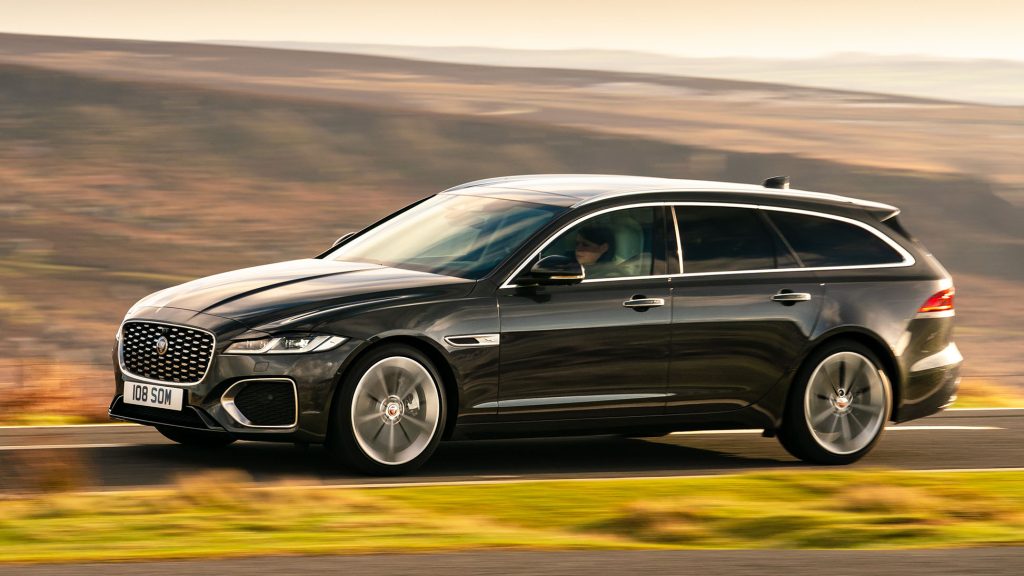
This vehicle is included because it shows how uniqueness sometimes comes with tradeoffs. Driving something less common can feel special, but it can also mean fewer independent specialists and less widespread parts support.
The XF Sportbrake belongs in this category not because it fails to deliver luxury, but because maintaining that luxury experience over time can require more commitment than many buyers anticipate.
5. Cadillac CTS Sport Wagon
The Cadillac CTS Sport Wagon is a vehicle that often attracts buyers because it feels different from the usual European luxury wagons. It offers sharp styling, a strong road presence, and the appeal of American performance engineering.
On paper, it looks like a unique alternative. In reality, long term ownership can become complicated in ways many buyers do not initially expect.
One of the main reasons this wagon appears in this section is because of how ownership costs can creep up rather than arrive all at once. Instead of one major failure, many owners report a pattern of smaller mechanical and electrical issues that gradually increase maintenance spending.
Timing chain concerns on certain engines, differential noises, and sensor failures have all been discussed in long term ownership circles.
This car also deserves discussion because expectations often do not match reality. Buyers sometimes assume American luxury vehicles will automatically be cheaper to maintain than European rivals.
The CTS Sport Wagon challenges that assumption because parts pricing and labor complexity can still reflect its premium positioning.
Another ownership pressure point comes from interior electronics. As these vehicles age, problems involving touch controls, power accessories, and dashboard warning systems can begin to appear. While not always catastrophic, these issues can become frustrating because they affect the ownership experience rather than just mechanical operation.
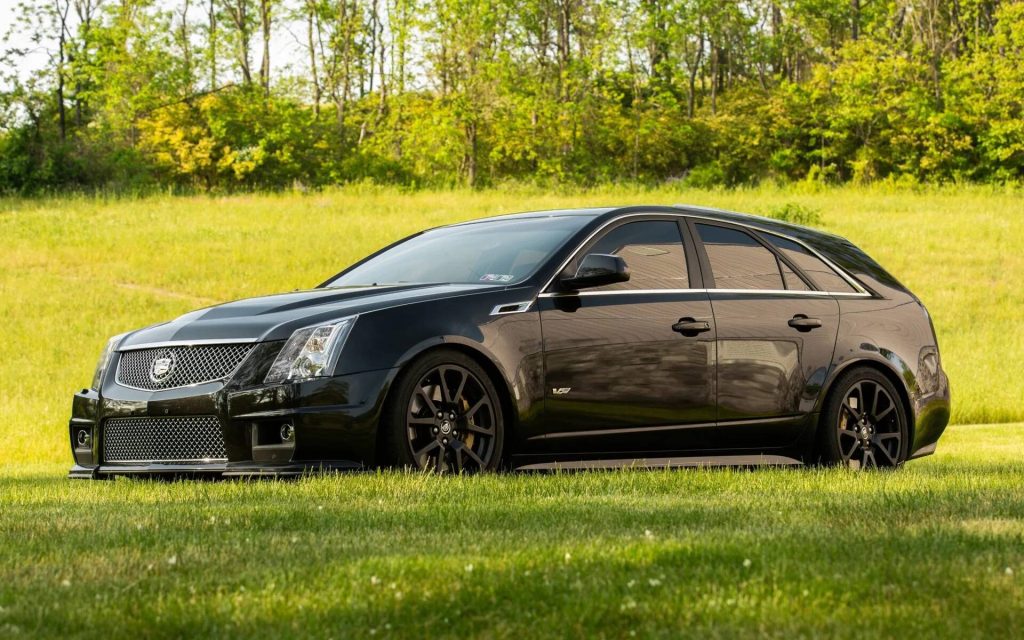
Since this was never a high volume model, certain replacement parts are not always as easy to find as those for more common competitors. Limited production sometimes means limited aftermarket support.
There is also the reality that some examples were purchased for their sporty character rather than their practicality. This means certain used models may have experienced harder driving conditions than typical family wagons.
This wagon earns its place among financial risks because it shows how a rare and interesting vehicle can still demand a very ordinary truth: luxury cars remain expensive to maintain even after they become cheap to buy.
Understanding that reality is what separates a smart purchase from an expensive surprise.
Also Read: 5 Trucks With Durable Steel Beds vs 5 With Aluminum Beds Prone to Dents
