

Hybrid vehicles have moved from being experimental technology to becoming a major part of the modern automotive landscape.
What once seemed like a futuristic concept is now a normal option for buyers who want better fuel efficiency without fully committing to electric vehicles. However, not all hybrid systems are equal.
Some have been refined over decades and proven their durability through millions of miles of real world use, while others are still evolving and have yet to establish long term reliability records.
This difference matters because hybrid systems are more complex than traditional gasoline drivetrains. They combine electric motors, battery packs, regenerative braking systems, and sophisticated control software.
When engineered properly, these systems can last as long as conventional powertrains. When still developing, they may face unexpected challenges as manufacturers refine their designs.
The first group in this comparison focuses on hybrid systems that have earned trust through time and usage.
These are systems that have been used across multiple vehicle generations, continuously improved, and supported by large real world data sets. Their reliability does not come from marketing claims but from years of ownership experience and fleet testing.
The second group looks at hybrid systems that are still relatively new or undergoing rapid development. These systems may be impressive from a technology perspective, but they have not yet built the same long term ownership history. Early adopters often play an important role in helping manufacturers identify improvements.
I am writing about this topic because many buyers are interested in hybrid vehicles but are unsure which technologies are truly proven. Understanding the difference between established hybrid engineering and newer experimental approaches can help buyers make decisions based on their risk tolerance.
Some buyers prefer the safety of proven systems. Others are willing to try newer technology in exchange for innovation.
Both approaches are valid, but understanding where each hybrid system stands in its development journey is the key to making an informed decision.
Also Read: 5 Manual Transmissions SUVs Still Available in 2026 vs 5 That Have Been Retired
5 Hybrid Systems With Proven Longevity
Not every hybrid system should be considered experimental anymore. Some have reached a level of maturity where their reliability is no longer questioned. These systems have been tested not only in laboratories but also in taxis, delivery fleets, and private ownership across different climates and driving conditions.
This section focuses on hybrid powertrains that have demonstrated long term durability. They have survived high mileage usage, repeated generational updates, and large scale production. Their longevity is not theoretical but supported by real ownership patterns.
Another reason these systems deserve attention is because they demonstrate how hybrid technology can become dependable rather than complicated. Early skepticism about battery lifespan and repair costs has been gradually replaced by confidence as these systems proved themselves over time.
I am highlighting these systems because they show how engineering consistency and gradual improvement can build trust. These are not one generation experiments but long term technology strategies.
The following hybrid systems represent some of the most established examples of durability in this segment.
1. Toyota Hybrid Synergy Drive (Toyota Prius)
Toyota’s Hybrid Synergy Drive stands as one of the most recognized hybrid systems in automotive history. Introduced in the Prius, this system became the foundation for Toyota’s hybrid expansion and is often considered the benchmark for long term hybrid reliability.
One of the strongest reasons this system deserves mention is its track record. Prius models using this technology have accumulated extremely high mileage in real world conditions, particularly in taxi fleets. These vehicles have provided valuable data showing that hybrid batteries and electric motors can remain dependable when properly managed.
I am including this system because it demonstrates how careful engineering development can transform new technology into a trusted standard. Toyota spent years refining battery cooling, energy management software, and motor durability. This slow and methodical approach helped eliminate many early hybrid concerns.
Another important factor is how the system manages stress. By allowing the electric motor and gasoline engine to share workload intelligently, the system reduces strain on both components. This balance contributes to long term durability.
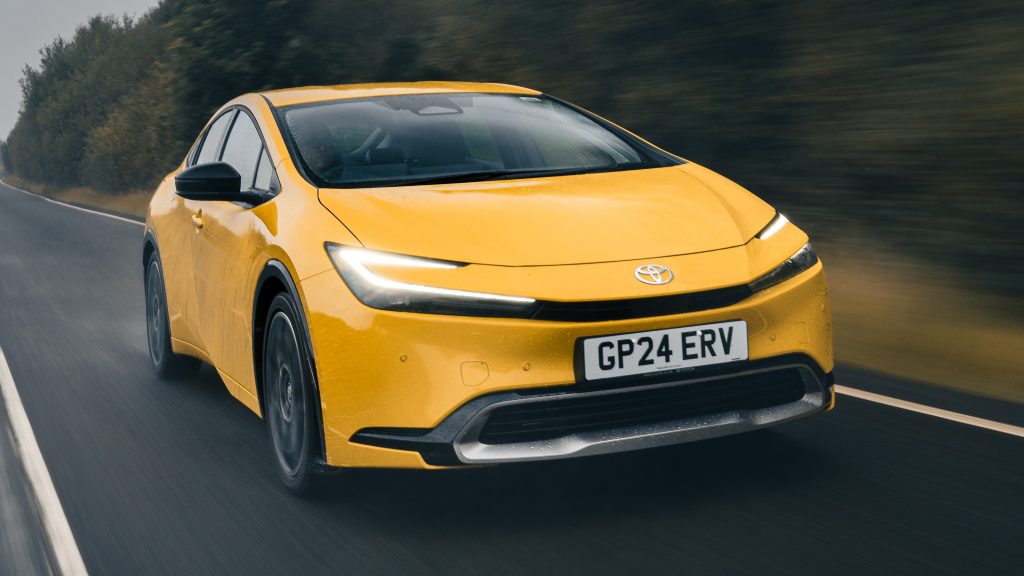
There is also the matter of simplicity within complexity. While the system is technologically advanced, Toyota focused heavily on making it predictable to service. Clear maintenance intervals and widely available parts have helped reinforce confidence among mechanics and owners.
This hybrid system deserves recognition because it changed how the industry views electrification. Instead of being seen as fragile technology, hybrids became known as practical transportation.
The Prius hybrid system belongs here because it represents proof that hybrid vehicles can achieve longevity comparable to traditional vehicles when engineered with long term durability as a priority.
2. Ford Hybrid PowerSplit System (Ford Escape Hybrid)
Ford’s PowerSplit hybrid system, particularly as used in the Escape Hybrid, deserves recognition because it represents one of the earliest successful hybrid programs outside of Japanese manufacturers.
While Toyota dominated early hybrid discussions, Ford quietly developed a system that proved capable in demanding service environments.
One of the strongest examples of this system’s durability comes from its use in commercial fleets. Escape Hybrids were widely used in government and taxi applications, where vehicles accumulated significant mileage. These use cases provided strong evidence that the system could withstand constant daily operation.
I am writing about this system because it highlights how competition helped strengthen hybrid technology. Ford studied existing hybrid concepts while developing its own approach, resulting in a drivetrain that balanced efficiency with durability.
Another interesting aspect is how the system manages transitions between electric and gasoline power. Smooth transitions reduce mechanical shock, which helps extend the life of drivetrain components. This kind of engineering detail often goes unnoticed but plays a major role in longevity.
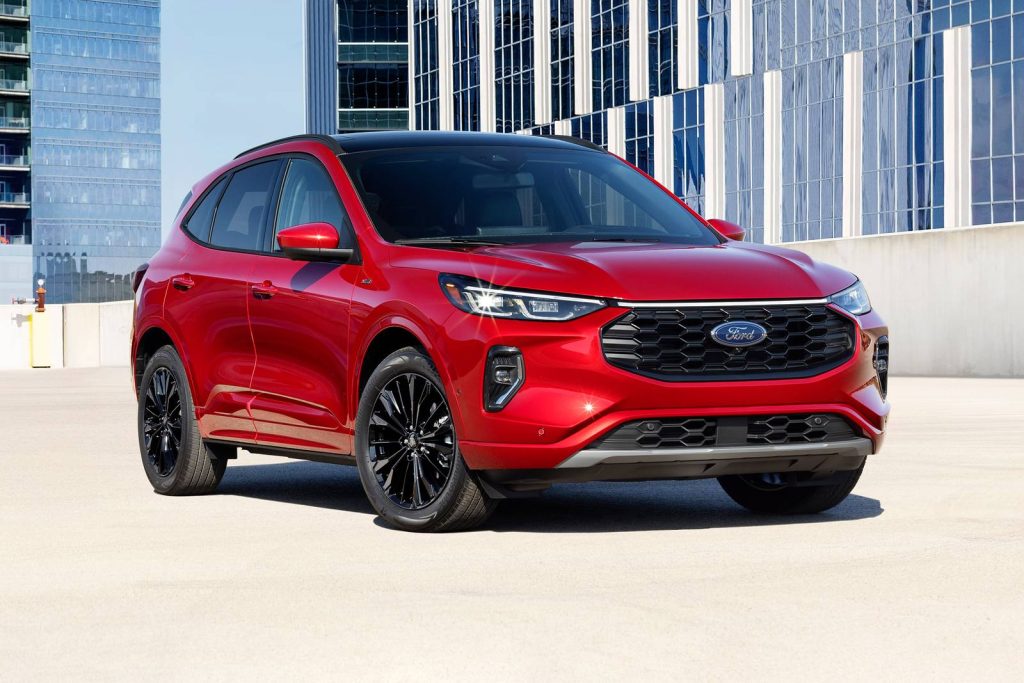
The battery design also deserves mention. By focusing on thermal management and conservative charge cycles, Ford reduced battery degradation risks. Many early fears about battery replacement costs proved less severe than expected as real world data accumulated.
This hybrid system earns its place because it showed that hybrid success was not limited to one manufacturer. It helped prove that multiple companies could develop durable electrified drivetrains.
The Escape Hybrid system stands as an example of how persistence and engineering discipline can turn early hybrid efforts into long lasting technology.
3. Honda Integrated Motor Assist (Honda Insight)
Honda took a different path from Toyota when developing its early hybrid systems. Instead of creating a full hybrid system where the electric motor could independently power the vehicle, Honda developed the Integrated Motor Assist system, often referred to as IMA.
This approach focused on assisting the gasoline engine rather than replacing it during certain driving conditions.
This system deserves discussion because it represents a philosophy of controlled innovation. Honda chose a simpler hybrid layout that could be integrated into conventional drivetrain designs without completely redesigning the vehicle architecture. This decision helped maintain mechanical familiarity while introducing electrification.
I am including Honda’s IMA system because it shows how simplicity can sometimes lead to durability. By keeping the electric motor directly connected to the engine, Honda reduced the number of complex power routing components. Fewer transitions between drive modes meant fewer opportunities for long term wear complications.
Another important reason this system stands out is because of how Honda approached battery usage. Instead of aggressively using the battery for extended electric driving, the system often used conservative assist strategies. This helped reduce battery stress and contributed to longer battery service life in many cases.
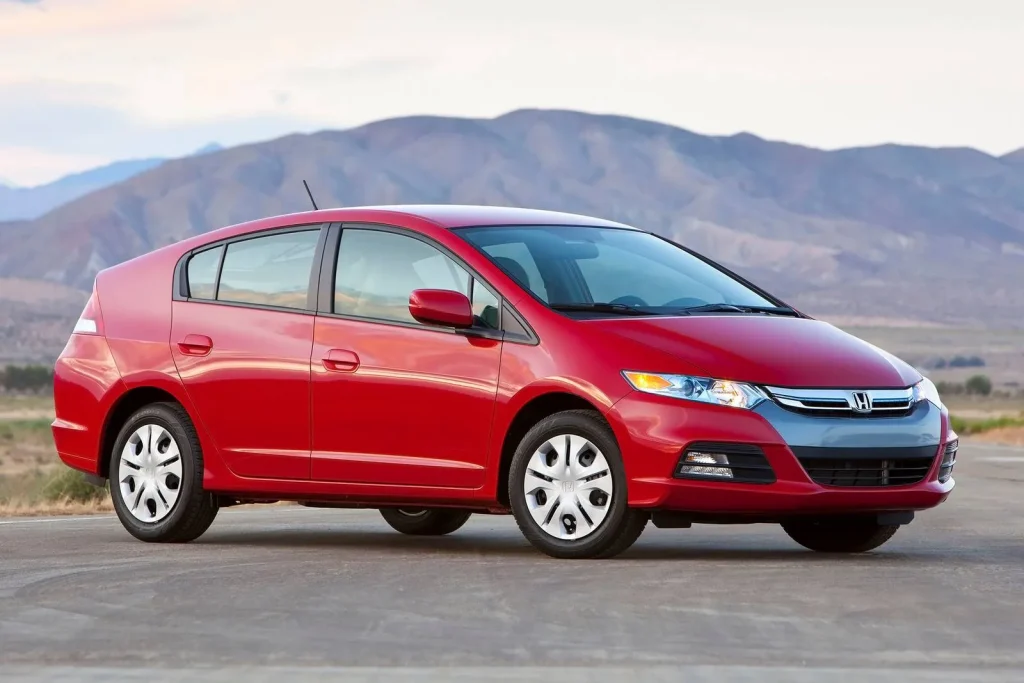
This hybrid design also helped mechanics adapt more easily. Because the gasoline engine remained central to operation, many maintenance procedures remained familiar. This reduced fear among owners who worried about the cost of hybrid servicing.
I am writing about this system because it demonstrates that there is more than one way to build a successful hybrid. Honda proved that hybrid technology could be introduced gradually without overwhelming complexity.
The Integrated Motor Assist system belongs among proven hybrid technologies because it showed that hybrid reliability does not always require the most complicated solution. Sometimes controlled evolution produces more dependable results than rapid technological leaps.
4. Lexus Hybrid Drive (Lexus RX 400h)
Lexus applied Toyota’s hybrid expertise to the luxury segment through its Lexus Hybrid Drive system. One of the earliest and most important examples was the RX 400h, which demonstrated that hybrid technology could function reliably even in heavier premium vehicles.
This system deserves recognition because it proved that hybrid drivetrains were not limited to small economy cars. Integrating hybrid technology into a luxury SUV required careful engineering to maintain both performance and smoothness. Lexus succeeded by refining Toyota’s hybrid foundation while adapting it for a different customer expectation.
I am highlighting this system because it shows how hybrid durability can scale. Larger vehicles place more stress on powertrains, yet the RX hybrid system demonstrated that proper engineering could maintain reliability even with increased vehicle weight.
Another factor that supports its inclusion is the system’s refinement. Lexus placed heavy emphasis on smooth operation, ensuring that transitions between electric and gasoline power remained nearly invisible. Reducing vibration and shock loads also contributes to component longevity.
Battery management once again played an important role. Lexus engineers emphasized controlled charging and discharging cycles, which helped preserve battery health over long ownership periods. Many early RX hybrids remain operational years after their introduction, reinforcing confidence in the design.
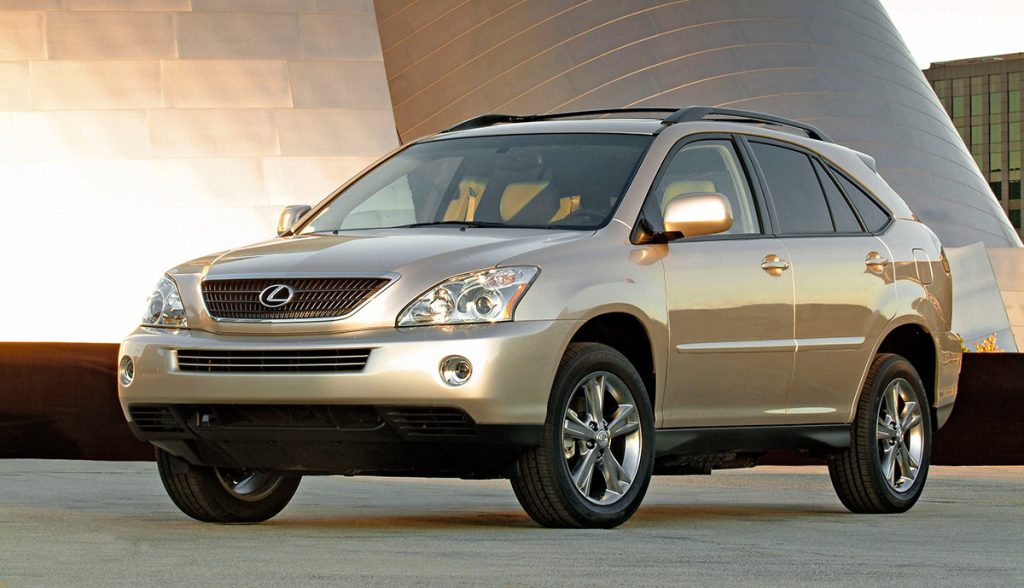
This hybrid system also deserves mention because it helped normalize hybrids in the luxury market. By proving that electrification could coexist with comfort and performance, Lexus expanded the appeal of hybrid technology.
I am writing about this system because it represents a milestone. It showed that hybrid reliability was not limited to basic transportation but could also support premium expectations. This makes Lexus Hybrid Drive an important example of proven hybrid engineering maturity.
5. Hyundai Blue Drive Hybrid System (Hyundai Sonata Hybrid)
Hyundai entered the hybrid space later than some competitors, but its Blue Drive hybrid system deserves recognition because it shows how second wave hybrid development benefited from studying earlier pioneers.
Instead of rushing into the market, Hyundai observed how existing hybrid systems performed and then developed a design that balanced efficiency with long term usability.
One of the most interesting aspects of this system is its use of a more conventional automatic transmission layout compared to some early hybrid designs. This gave drivers a more familiar driving feel while still delivering efficiency benefits.
From a durability perspective, this approach also allowed Hyundai to build on transmission experience rather than relying entirely on new mechanical concepts.
I am including this hybrid system because it reflects how the industry matured. By the time Hyundai launched its serious hybrid efforts, manufacturers had already learned important lessons about battery management and electric motor reliability. Hyundai applied those lessons effectively.
Another important strength is how the system distributes workload. The electric motor assists acceleration and improves efficiency while the gasoline engine maintains primary propulsion duties. This balanced operation helps prevent excessive strain on any single component.
The battery packaging strategy also deserves mention. Hyundai focused on protecting battery health through improved cooling and charge control strategies. These improvements helped reduce early concerns about battery replacement costs.
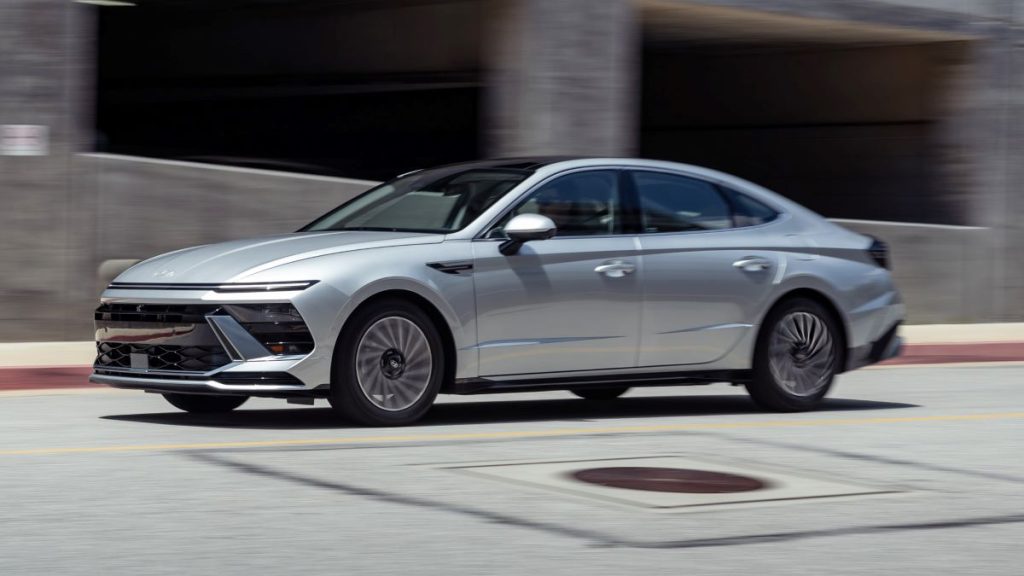
This system belongs in this category because it demonstrates how learning from industry experience can produce reliable results even for later entrants. Hyundai did not need to reinvent the hybrid concept. Instead, it focused on making a dependable version of an already proven idea.
I am writing about this system because it represents how hybrid technology moved from experimental to mainstream. By this stage, the goal was not proving hybrids could work, but proving they could last.
Hyundai’s Blue Drive system stands as a reminder that maturity in technology often comes from careful observation followed by disciplined execution.
5 Still in the Testing Phase
While many hybrid systems are now well established, the automotive industry continues to experiment with new forms of electrification. Manufacturers are constantly searching for ways to improve efficiency, increase performance, and prepare for a future where electrification becomes unavoidable.
This experimentation means some hybrid systems are still relatively new in the market. These systems may offer impressive technology, but they have not yet accumulated the long term ownership history needed to fully evaluate durability. Early adopters often become part of the real world testing process whether they realize it or not.
I am writing this section because buyers often assume all hybrids are equally proven. In reality, newer designs may still be undergoing refinement. Software updates, hardware revisions, and design adjustments often occur within the first few product cycles.
Another reason this topic matters is because innovation always carries some uncertainty. New hybrid layouts may introduce features such as more powerful electric assistance, advanced battery chemistry, or complex integration with performance drivetrains. While exciting, these developments require time to prove reliability.
This does not mean these systems should be avoided. Many will eventually become just as dependable as earlier designs. However, buyers should understand the difference between long established hybrid systems and those still building their track record.
The following systems represent examples of hybrid technology that remain relatively new or are evolving rapidly as manufacturers continue testing new approaches.
1. Jeep 4xe Plug In Hybrid System (Jeep Wrangler 4xe)
Jeep’s 4xe hybrid system represents an ambitious attempt to combine traditional off road capability with electrification. Integrating plug in hybrid technology into a vehicle known for rugged terrain use presents unique engineering challenges that are still being evaluated through real world use.
One reason this system belongs in the testing phase discussion is because of how different its mission is compared to earlier hybrids. Most hybrid vehicles focused on efficiency in normal driving conditions.
The Wrangler 4xe must also handle extreme off road situations, water crossings, and heavy torque demands. These conditions create new durability questions.
I am including this system because it represents how manufacturers are expanding hybrid technology into segments that were previously untouched. This type of innovation is important, but it also means long term reliability patterns are still forming.
Another factor worth noting is battery protection. Off road vehicles experience more vibration and environmental exposure than typical passenger cars. Engineers must ensure battery systems can withstand these conditions over many years.
Software integration is another evolving area. Coordinating electric torque delivery with traditional four wheel drive systems requires careful calibration. As more real world data becomes available, improvements are likely to continue.

This hybrid system deserves mention because it shows how hybrid technology is moving beyond fuel savings into capability enhancement. Electric torque can improve low speed control, but the durability of these systems under heavy use still requires long term observation.
I am writing about the 4xe system because it represents the frontier of hybrid experimentation. It is promising, but still building its long term reputation.
2. Ferrari SF90 Plug In Hybrid System (Ferrari SF90 Stradale)
At the opposite end of the spectrum from efficiency hybrids, Ferrari introduced a plug in hybrid system designed primarily for performance. The SF90 Stradale uses multiple electric motors combined with a high output gasoline engine to achieve extreme performance levels. This represents a very different use of hybrid technology.
This system deserves discussion because performance hybrids face different durability challenges compared to economy focused hybrids. Instead of focusing mainly on efficiency, the system must handle intense thermal loads and rapid power delivery cycles.
I am including this hybrid system because it demonstrates how hybrid technology is still being explored in the performance world. While the engineering is impressive, the long term maintenance patterns for such high performance hybrid systems are still developing.
Another interesting factor is the integration of multiple electric motors for torque vectoring. This level of complexity introduces additional components that must prove themselves over time.
Battery stress is also different in this environment. High performance driving places significant demand on energy storage systems, and long term durability under repeated performance use remains an area to watch.
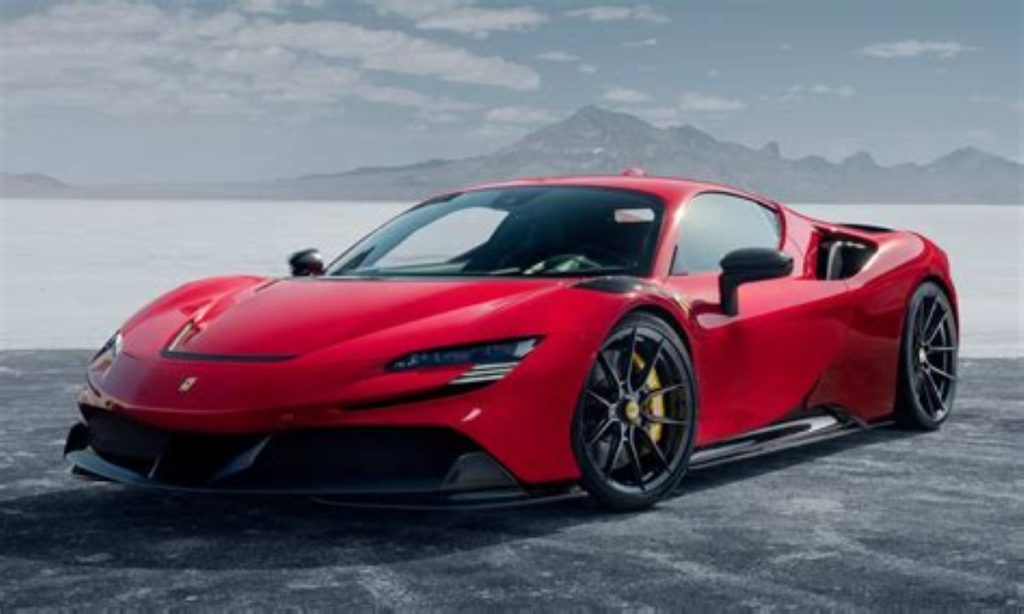
I chose this example because it shows how hybrid technology is not just about saving fuel anymore. It is also about redefining what performance vehicles can achieve.
The SF90 hybrid system belongs in this category because it is still part of the learning curve for high performance electrification. It may become a future benchmark, but its long term ownership story is still being written.
3. Mercedes AMG E Performance Hybrid System (Mercedes AMG C63 S E Performance)
Mercedes AMG introduced its E Performance hybrid system as a way to combine traditional performance engineering with electrification.
Instead of focusing purely on fuel savings, this system was developed to deliver instant electric boost to complement a smaller turbocharged engine. This marks a major philosophical shift for a brand long associated with large displacement engines.
This hybrid system deserves discussion because it represents a new direction rather than a proven one. Downsizing engines while adding electric assistance is a strategy still being evaluated in real world ownership conditions. While the performance numbers are impressive, durability over extended use is still being observed.
I am including this system because it highlights how manufacturers are redefining performance through electrification rather than displacement. This creates opportunities for better efficiency, but also introduces new thermal and mechanical stresses that must be validated over time.
Another reason this system is still considered in its early phase is because of its complex cooling requirements. High output hybrid performance systems must manage heat from both combustion and electric components. Managing this balance over years of use remains an important test of engineering quality.
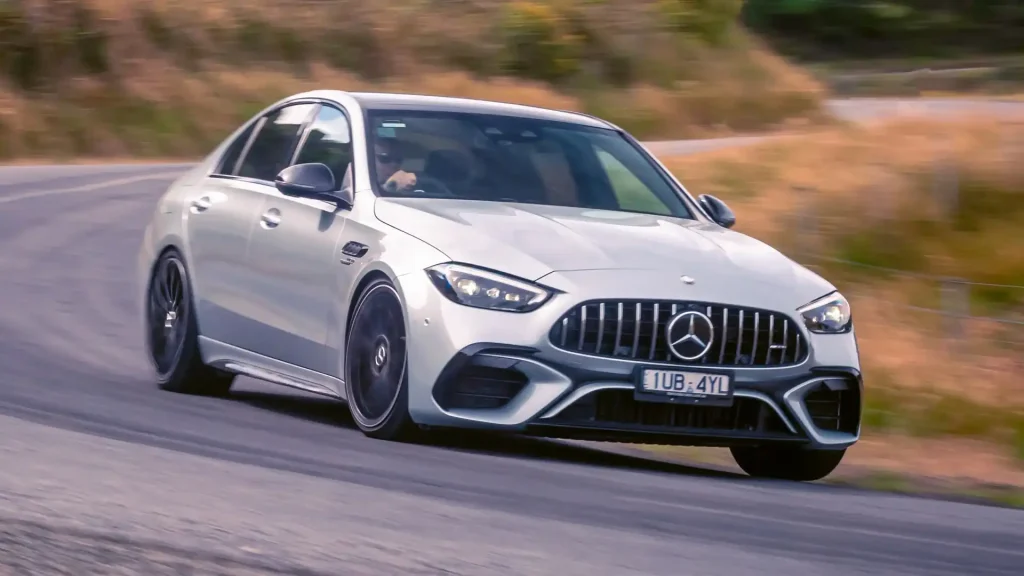
There is also the question of customer adaptation. Long time AMG buyers are accustomed to traditional engine characteristics. Integrating hybrid response into performance expectations requires not only engineering adjustments but also real world feedback from owners.
This system belongs here because it shows how even experienced manufacturers are still learning how best to integrate hybrid performance technology. Early examples often serve as learning platforms for future refinement.
I am writing about this hybrid system because it demonstrates how the industry is experimenting with new ways to maintain performance identity while meeting electrification goals.
The long term story of this system will depend on how it performs after years of demanding use.
4. Honda e HEV Two Motor Hybrid System (Honda Civic e HEV)
Honda’s newer two motor hybrid system used in models such as the Civic e HEV represents a major evolution from the earlier Integrated Motor Assist approach. Instead of using the electric motor only as assistance, this system allows the electric motor to play a much larger role in propulsion during everyday driving.
This system deserves attention because it represents a transition phase for Honda’s hybrid strategy. While the company has long hybrid experience, this particular architecture is still relatively new compared to its earlier designs.
I am including this hybrid system because it shows how even companies with proven hybrid history continue to redesign their technology. Moving toward stronger electric drive involvement changes how components are stressed and how durability must be evaluated.
Another factor that places this system in the testing phase category is how software plays a larger role than before. Modern hybrid systems rely heavily on control algorithms to determine when to switch between power sources. These systems often improve through updates as manufacturers collect real world data.
The new battery chemistry and packaging approach also deserve mention. As hybrid systems evolve, manufacturers continue to refine how batteries are cooled and charged. These changes promise improvements but still require long term validation.
This hybrid design is important because it shows how hybrid technology is not standing still. Even successful companies must continue refining their systems to remain competitive in a rapidly changing market.
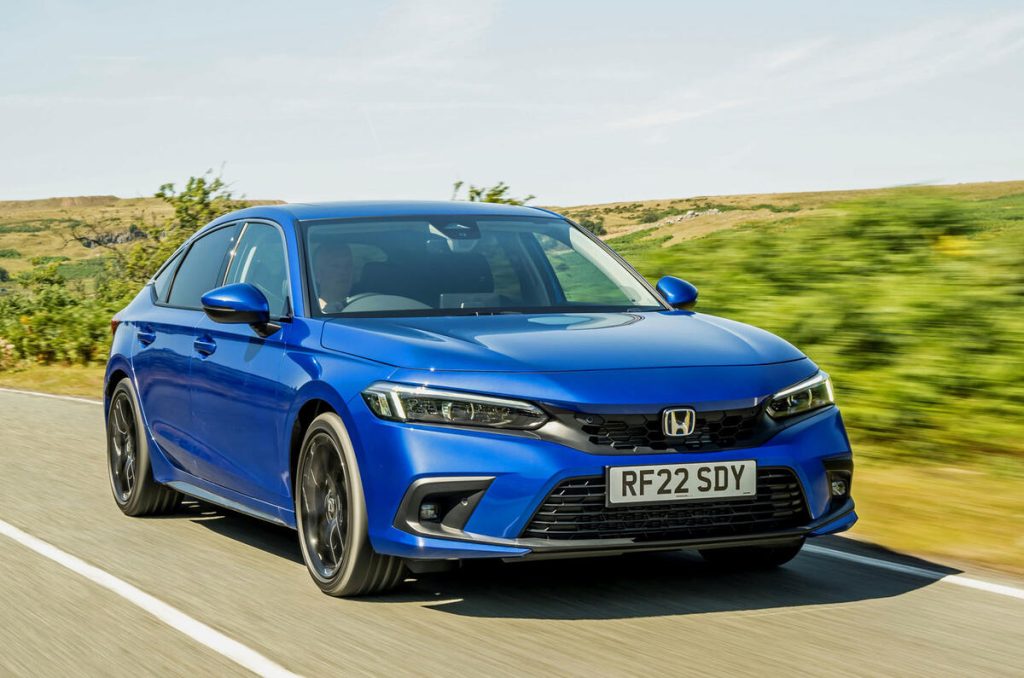
I am discussing this system because it illustrates how technological progress is ongoing. Even when a manufacturer has hybrid experience, each new generation must prove itself independently.
The Civic e HEV system may eventually join the proven category, but for now it remains part of the industry’s ongoing evolution.
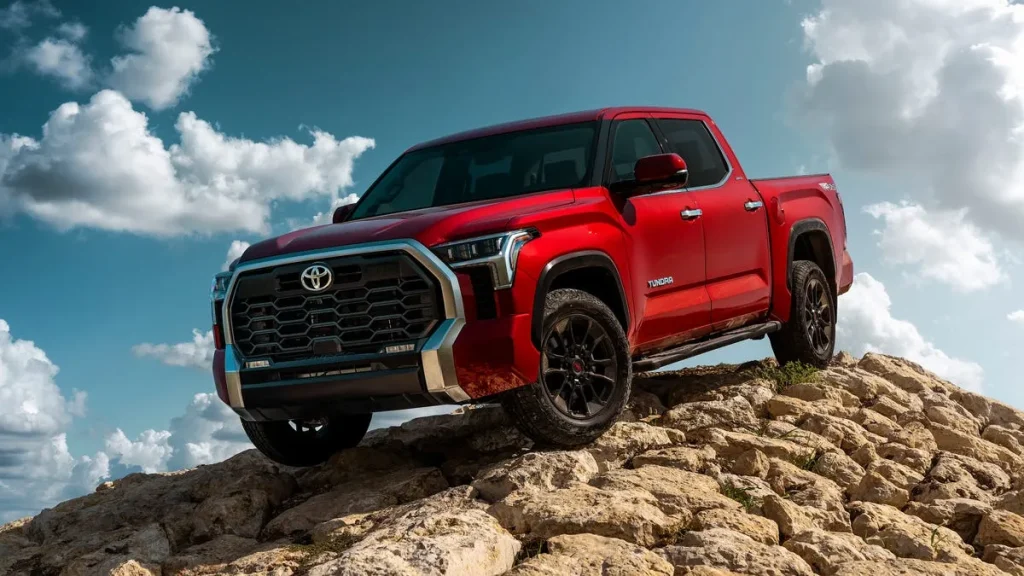
5. Toyota i Force Max Hybrid System (Toyota Tundra Hybrid)
Toyota is normally associated with proven hybrid systems, but the newer i Force Max hybrid system used in the Tundra shows that even experienced manufacturers must continue testing new approaches.
Unlike Toyota’s traditional efficiency focused hybrids, this system was designed to improve torque and towing performance in a full size truck environment.
This hybrid setup deserves attention because it moves Toyota into a different type of hybrid application. Instead of small cars or crossovers, this system must operate under heavy load conditions, towing stress, and high thermal demand. These conditions are very different from those faced by earlier Toyota hybrids.
I am including this system because it demonstrates how new applications create new testing requirements. Even though Toyota has decades of hybrid experience, applying hybrid technology to a full size truck introduces variables that require long term validation.
Another factor that places this system in the developing category is its performance oriented tuning. By focusing on torque improvement rather than only fuel savings, the system must prove it can maintain durability while delivering higher output demands.
There is also the integration challenge. Combining a turbocharged engine with electric assistance in a truck environment introduces new cooling and durability questions. Engineers must ensure that both systems work together without creating long term reliability concerns.
I chose this example because it highlights an important reality. Proven experience in one segment does not automatically guarantee instant success in another. Every new application requires real world testing before it earns a long term reliability reputation.
The i Force Max system belongs in this category not because it lacks quality, but because it has not yet accumulated decades of ownership data like Toyota’s earlier hybrid systems. It represents the next chapter of hybrid evolution rather than the final proof of it.
Also Read: 5 Compact SUVs With Quiet Highway Cabins vs 5 With Excessive Road Noise
