
Pickup trucks are built with a promise of strength, durability, and long term usability, but sometimes the smallest components reveal the biggest differences in engineering quality. One such overlooked component is the tailgate hinge.
While most buyers focus on engines, towing numbers, or off road capability, the tailgate quietly handles thousands of open and close cycles, heavy loading stress, and sometimes even the weight of people sitting or standing on it.
A well engineered tailgate hinge can last the lifetime of the truck, while a poorly designed one can become loose, misaligned, or even fail under repeated heavy use.
Truck owners who use their vehicles for construction, farming, delivery work, or frequent hauling understand this better than anyone.
They often drop the tailgate multiple times a day, load heavy materials like cement bags or tools, and sometimes operate in dusty or muddy conditions. Under these circumstances, hinge design becomes critical.
Thick hinge pins, reinforced mounting points, corrosion resistant coatings, and smart weight distribution designs can make a huge difference in how a truck ages.
On the other side of the spectrum, some trucks have developed reputations for tailgate hinge wear. This does not always mean the entire truck is poorly built, but it highlights how cost cutting, lightweight materials, or complex multi function tailgates can sometimes create long term durability concerns.
Hinges that develop play, cables that stretch, or mounts that weaken can eventually lead to rattles, sagging tailgates, or expensive repairs.
This comparison highlights two very different stories in the truck world. First, we will look at trucks known for extremely durable tailgate hinge systems that rarely develop problems even after years of hard labor.
These trucks show how overbuilt hardware and conservative engineering often pay off. Then we will examine trucks where owners have reported hinge fatigue or wear after repeated heavy duty use, showing how design tradeoffs sometimes affect durability.
By comparing both sides, this article shows how something as simple as a hinge can reflect the overall philosophy of a truck manufacturer. Some design for abuse tolerance, while others prioritize convenience features or weight savings.
Understanding these differences can help buyers choose a truck that matches how they actually plan to use it rather than just what looks good on paper.
Also Read: 5 Vehicles With Large Analog Gauges vs 5 With Glitchy Digital Clusters
5 Trucks With Indestructible Tailgate Hinges Introduction
When truck buyers talk about durability, they usually mention engines that run forever or transmissions that can survive heavy towing. However, real durability also shows itself in parts that rarely get attention. Tailgate hinges fall directly into this category.
They are not marketing highlights, but they often reveal whether a truck was truly designed for hard use or simply average daily driving.
The trucks in this section earned their reputations not because of advertising claims but because of long term owner experiences.
These are the trucks that contractors trust when they constantly load lumber, mechanics rely on when transporting heavy equipment, and rural owners depend on for everyday work. Their tailgates often remain tight and properly aligned even after years of punishment.
One major factor behind these durable designs is simplicity. Many of these trucks use thick steel hinge pins, straightforward mounting brackets, and proven cable support systems instead of complicated folding mechanisms. Simple designs often mean fewer failure points and better long term reliability.
Material choice also plays a major role. Hardened steel hinges, corrosion resistant coatings, and reinforced bed structures help these tailgates resist both mechanical stress and environmental damage. Some manufacturers also over engineered these parts specifically because they knew their buyers would abuse them.
Another important reason these trucks stand out is how they distribute weight. Instead of concentrating load stress on a small hinge point, better designs spread forces across stronger structural areas of the bed. This prevents premature wear and keeps the tailgate operating smoothly.
The five trucks listed here are not just randomly selected popular models. They represent different design philosophies, different decades, and different use cases, yet they share one thing in common. Their tailgate hinges have proven to be extremely resilient under demanding real world conditions.
These examples also show that durability does not happen by accident. It is usually the result of conservative engineering decisions, strong materials, and designs tested through years of real world use.
1. Ford F 150
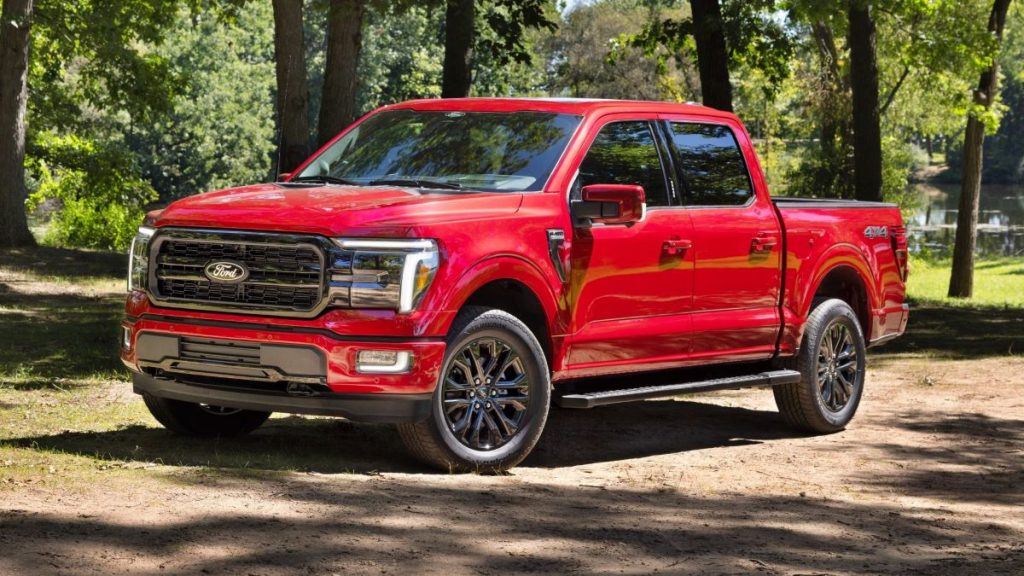
The Ford F 150 has built its reputation on being a dependable work partner, and one area where this shows clearly is its tailgate hardware.
While newer versions introduced aluminum body panels, Ford kept critical stress components like hinge supports extremely robust. This careful engineering decision helped maintain long term strength where it mattered most.
Owners who regularly use the F 150 for construction work often report that the tailgate continues to operate smoothly even after years of heavy loading cycles.
The hinges themselves are thick, well supported, and positioned in a way that minimizes twisting forces. This helps prevent the sagging problem seen in some other trucks after prolonged use.
Another reason this truck deserves mention is its real world usage diversity. From fleet vehicles to personal work trucks, the F 150 sees some of the toughest duty cycles in the industry. Despite this, hinge failures remain relatively uncommon compared to overall sales volume, which says a lot about the engineering margin built into the design.
Ford also designed the tailgate to feel controlled when opening rather than dropping suddenly. This reduces shock loads on hinge mounting points. Over time, this small design decision helps extend component life because repeated impact stress is reduced.
There is also a practical reason for including this truck here. It represents how high production vehicles can still maintain durability when manufacturers invest in stress testing. Ford knows these trucks are used aggressively, so they designed tailgate components to handle misuse rather than just normal operation.
In many ways, the F 150 shows how durability comes from understanding user behavior. People sit on tailgates, drop heavy cargo on them, and sometimes use them as workbenches. Designing hinges that tolerate this behavior instead of assuming careful use makes a real difference.
This is why the F 150 remains a strong example of how even a common truck can deliver exceptional hardware durability when proper engineering priorities are followed.
2. Toyota Tundra
The Toyota Tundra takes a very different approach compared to many American trucks. Instead of chasing constant redesigns, Toyota tends to refine proven mechanical designs over time. This philosophy extends to the tailgate hinge structure, which has consistently emphasized strength and reliability over unnecessary complexity.
One reason the Tundra stands out is how solid the tailgate feels even after long ownership periods. Many long term owners mention that the closing action still feels tight years later, which suggests minimal hinge wear. This type of consistency usually comes from careful material selection and conservative stress tolerances.
Toyota also benefits from its global reputation for overbuilding components that may face unpredictable usage. The company understands that trucks are often used in remote areas where repairs are inconvenient. As a result, parts like hinges are designed to last rather than just meet minimum durability targets.
Another interesting aspect is corrosion resistance. Trucks that operate in wet or snowy climates often experience hinge degradation due to rust. Toyota invested in protective coatings and smart drainage design that helps prevent moisture accumulation around hinge points.
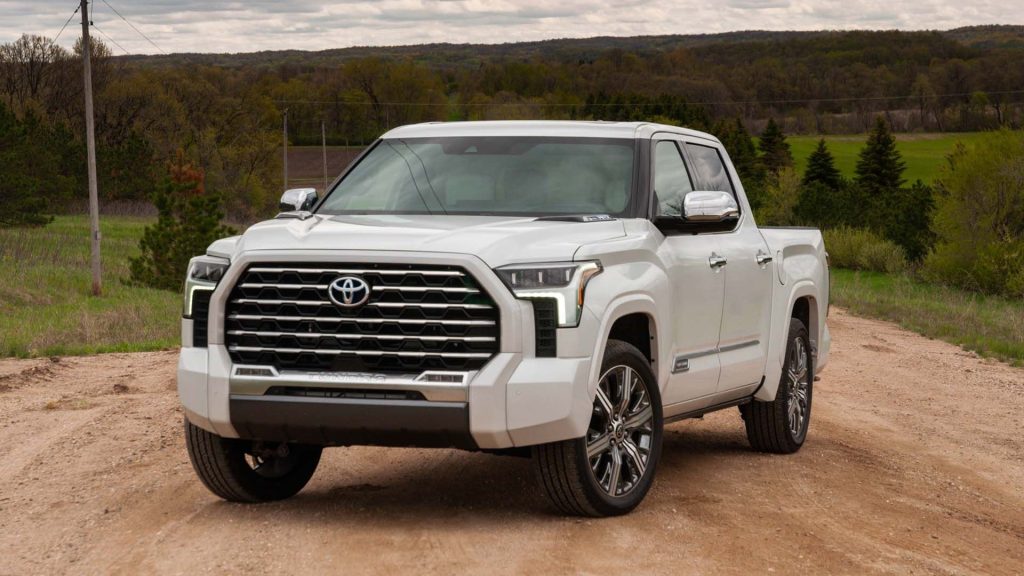
The Tundra also deserves attention because it represents durability through predictability. Rather than introducing experimental tailgate mechanisms, Toyota largely stuck with traditional hinge geometry. This reduces risk because proven designs usually have well understood stress behavior.
From a usability perspective, the Tundra tailgate also maintains alignment well when repeatedly loaded unevenly. This matters because real world loading is rarely perfectly balanced. Good hinge strength prevents warping and ensures long term usability.
This truck makes the list not because it has flashy tailgate technology but because it demonstrates how boring engineering can sometimes be the best engineering. Reliability often comes from doing simple things extremely well rather than introducing complexity.
This makes the Tundra a strong example of hinge durability achieved through disciplined engineering choices rather than innovation for its own sake.
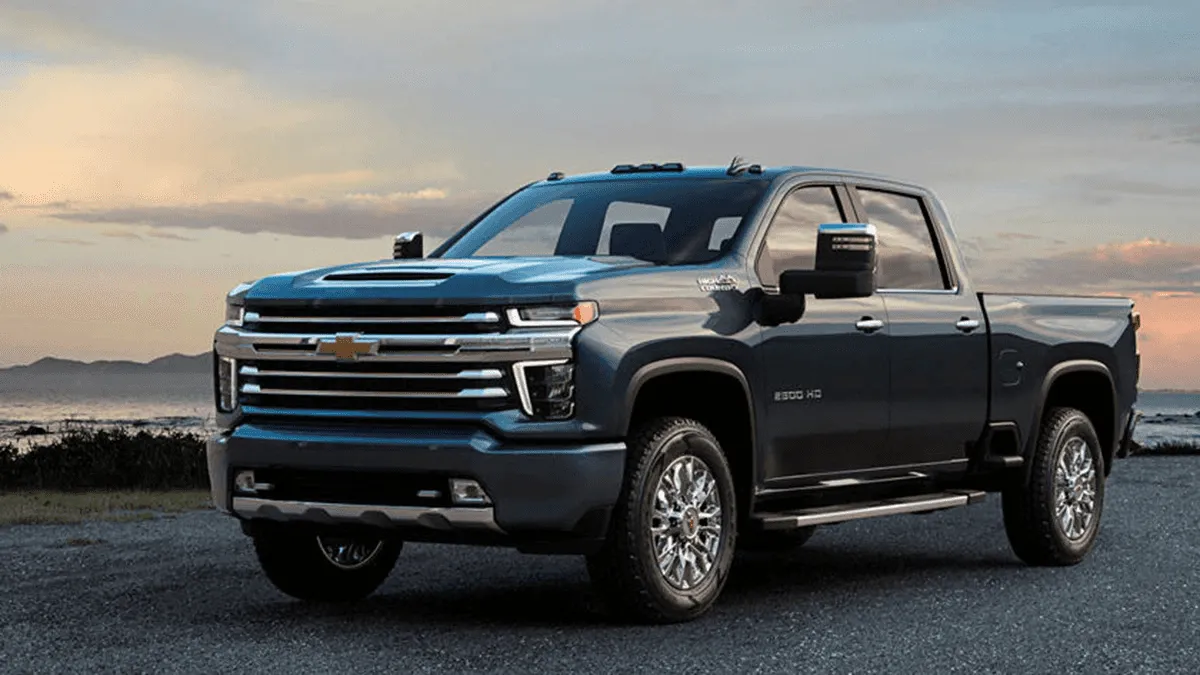
3. Chevrolet Silverado 2500HD
Heavy duty trucks live a much harder life than standard pickups, and the Chevrolet Silverado 2500HD proves its toughness not just through its powertrain but also through the parts people rarely talk about.
Its tailgate hinge system reflects the same heavy duty mindset as its frame and suspension. Everything about the hinge construction feels designed with abuse in mind rather than convenience alone.
What makes this truck stand out is how it handles repeated high weight loading. Owners who regularly transport generators, welding machines, or pallets often use the tailgate as a sliding platform.
In many trucks this kind of use eventually causes alignment problems, but the Silverado 2500HD tends to maintain structural integrity because of its reinforced hinge mounting structure.
Another interesting detail is how the hinge brackets are integrated into stronger bed sections rather than thinner outer panels. This design choice prevents stress concentration, which is a major cause of long term fatigue. When force spreads into stronger structural members, the hinge system naturally lasts longer.
This truck also reflects an old school engineering philosophy where components are intentionally built thicker than necessary. While this may add some weight, it dramatically improves durability. In commercial use, this tradeoff is usually considered worthwhile because downtime costs more than a few extra kilograms of steel.
There is also a psychological reason this truck deserves a place here. It represents how heavy duty trucks must maintain trust. When someone buys a 2500HD model, they expect every component to tolerate serious work. A weak tailgate would contradict that expectation, so Chevrolet engineered it accordingly.
Another strength is the predictable long term wear pattern. Even after years of use, hinge movement usually remains consistent rather than suddenly becoming loose. This gradual aging pattern shows proper material hardness and correct load calculations.
Including this truck highlights how durability often comes from designing every component to match the vehicle’s intended workload rather than just its price category.
4. Ram 2500
The Ram 2500 approaches durability with a slightly different personality. While known for interior comfort and ride quality compared to other heavy duty trucks, Ram did not ignore work focused hardware. Its tailgate hinges quietly demonstrate that refinement and strength can exist together without compromise.
A key strength of the Ram 2500 tailgate design is the confidence it inspires during daily use. The hinge action feels planted and controlled, suggesting strong pivot hardware and secure mounting points. This sense of mechanical solidity often predicts how well components will age over time.
Many agricultural users rely on this truck, and farm environments can be especially punishing. Dust, mud, and constant loading cycles create harsh conditions. Despite this, Ram’s hinge assemblies tend to resist premature looseness because of their thick pivot pins and well supported attachment points.
There is also a design balance worth mentioning. Ram engineers managed to make the tailgate easy to operate without making it fragile. Sometimes manufacturers reduce effort by reducing structural strength, but here the company achieved usability without sacrificing hinge robustness.
Another factor behind its durability reputation is consistency across model years. While technology features evolved, the core hinge structure remained dependable. Stability in mechanical design often leads to better real world reliability because problems get resolved through gradual improvement rather than constant redesign.
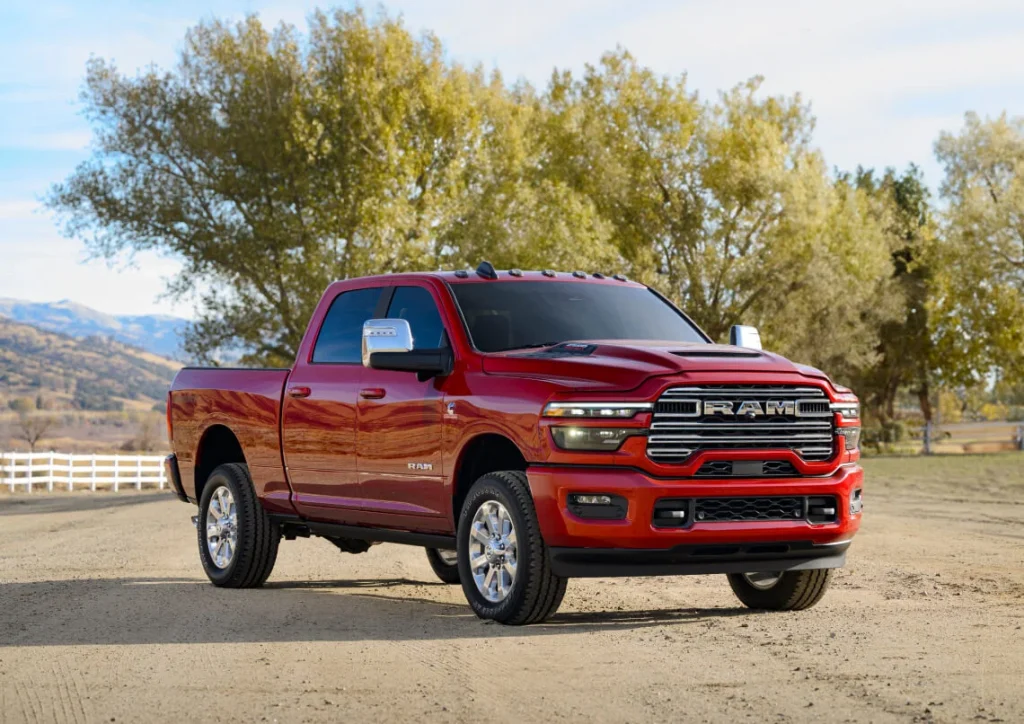
This truck also earns its place because it demonstrates that durability is not always about extreme overbuilding. Sometimes it comes from balanced engineering where loads, materials, and usage expectations are carefully matched.
The Ram 2500 shows that a truck can feel refined while still maintaining the kind of tailgate hinge strength expected from a serious work vehicle. That combination makes it an important example in this discussion.
5. Nissan Titan
The Nissan Titan is often overlooked when people talk about durable full size trucks, but this is exactly why it deserves recognition. While it may not always dominate sales charts, it has quietly developed a reputation for solid mechanical construction. Its tailgate hinge system is one of those components that reflects this understated toughness.
One reason the Titan stands out is the way Nissan focused on structural dependability instead of complicated tailgate features. The hinge design follows a straightforward heavy steel pin layout supported by strong mounting points.
This approach reduces the chances of long term mechanical play because fewer moving parts usually mean fewer wear points.
Feedback from long term users shows that even after years of hauling equipment and daily use, the tailgate tends to remain properly aligned. This is important because misalignment is often the first warning sign of hinge fatigue. The Titan’s ability to avoid this problem suggests careful load calculations during development.
Another detail worth noting is how the tailgate behaves under uneven loads. In real situations, people rarely place weight perfectly in the center. The Titan handles off center stress surprisingly well because the hinges appear designed to tolerate twisting forces rather than just vertical loads.
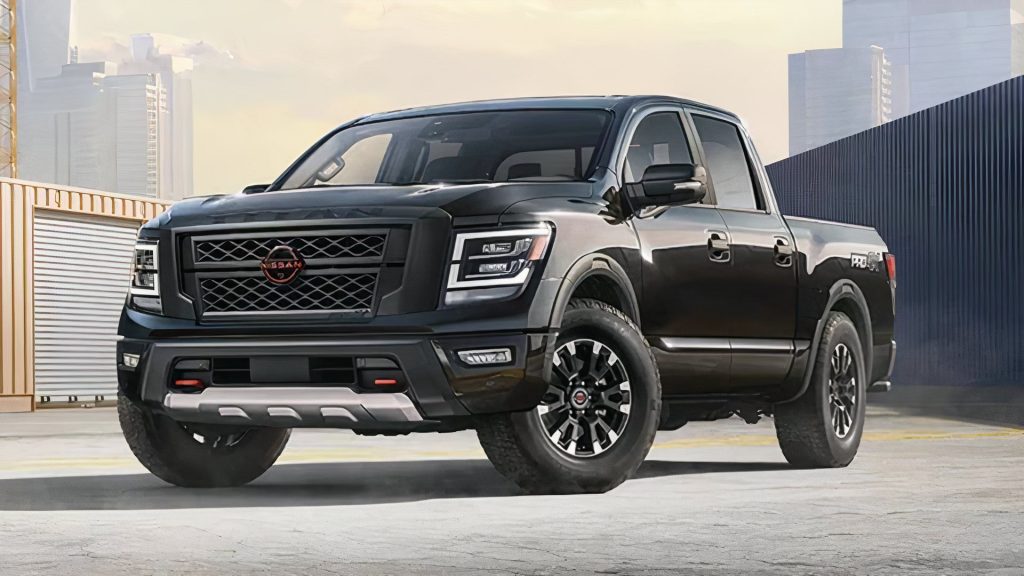
This truck is also worth including because it represents durability without hype. Nissan did not heavily advertise tailgate strength, yet the real world results speak clearly. Sometimes the strongest components are the ones that receive the least marketing attention.
The Titan shows that even trucks outside the traditional best seller list can deliver excellent hardware durability when engineering focuses on long term ownership rather than just showroom appeal.
5 Trucks With Tailgate Hinges That Fail Under Heavy Use Introduction
Not every truck manages to get the small details right. While modern pickups offer impressive technology, clever storage solutions, and innovative tailgate functions, some designs have unintentionally introduced durability concerns.
In certain cases, hinges became weaker not because manufacturers lacked ability, but because they tried to balance too many priorities at once.
Some trucks in this category focused heavily on convenience features like multi function tailgates, lightweight materials, or cost efficiency. While these ideas improved usability or reduced manufacturing costs, they sometimes reduced the long term strength margins that traditional work users depend on.
Another issue comes from real world usage exceeding design expectations. Some trucks are marketed as lifestyle vehicles but end up being used like commercial equipment. When hinge systems designed for moderate use face constant heavy loading, wear can appear much faster than expected.
It is also important to understand that hinge problems rarely mean a truck is completely unreliable. Many of these vehicles perform well in other areas. However, repeated owner reports about hinge looseness, cable stretching, or mounting fatigue highlight areas where durability could have been improved.
Material thickness is another factor. In the effort to improve fuel efficiency, some manufacturers reduced weight in body components. While beneficial for efficiency, this sometimes reduced long term resistance to repeated stress cycles.
This section is not about criticizing these trucks unfairly. Instead, it shows how even good vehicles can have weak points. Understanding these limitations helps buyers make informed decisions, especially if they plan to use their trucks for demanding tasks.
These five trucks illustrate how design tradeoffs can sometimes affect durability in unexpected ways, especially when subjected to repeated heavy use.
1. Honda Ridgeline
The Honda Ridgeline is an unusual entry in the pickup world because it was designed with comfort and versatility as major priorities rather than pure heavy duty work capability.
Its innovative dual action tailgate, which can both drop down and swing open sideways, is clever and extremely useful for many owners. However, this same complexity can sometimes become a weakness when the truck is subjected to repeated heavy loading.
Unlike traditional trucks that use very simple hinge layouts, the Ridgeline uses additional pivot hardware to support its multi function design.
More moving parts naturally increase the number of wear points. When used frequently with heavy cargo, some owners have reported hinge looseness or the need for adjustment after extended use.
Another factor is the type of buyer this truck attracts. Many owners use it as a lifestyle truck, but some eventually push it into work truck duties. When used for hauling construction materials repeatedly, the hinge system may experience more stress than originally intended for its design category.
The Ridgeline deserves mention because it shows how innovation sometimes introduces compromise. The tailgate is extremely convenient for accessing the in bed trunk and loading groceries or tools, but convenience features sometimes sacrifice the brute strength found in simpler heavy duty hinge designs.
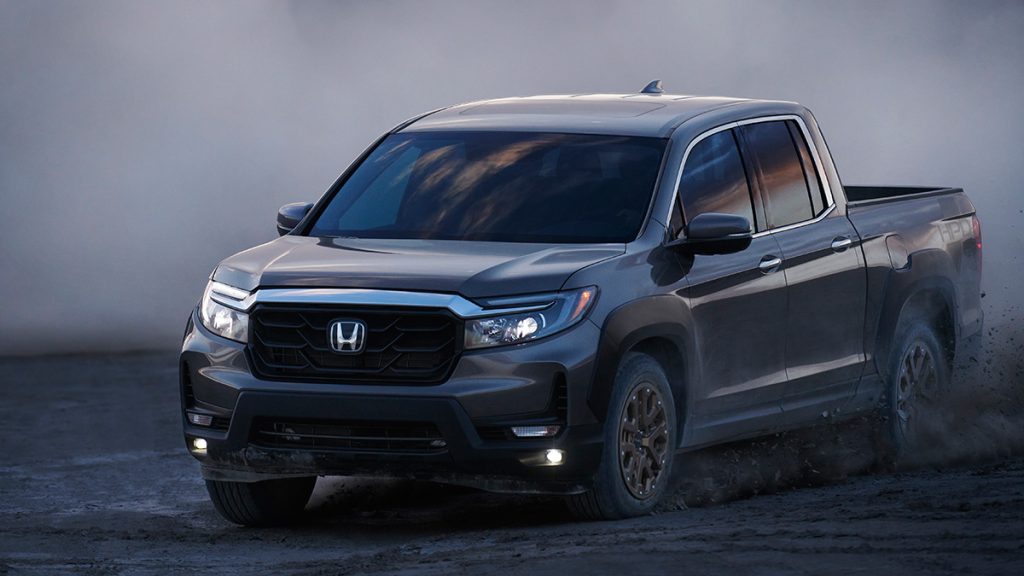
There is also a lesson here about matching design intent with usage patterns. For light duty hauling and daily utility, the hinge system performs well. But under constant heavy loading cycles, the difference between a lifestyle pickup and a traditional body on frame work truck becomes more noticeable.
This example highlights how clever engineering can still face limitations when pushed beyond its primary design purpose.
2. Chevrolet Avalanche
The Chevrolet Avalanche was famous for its versatility and unique midgate design that allowed the cabin to open into the bed for carrying long cargo. This innovation made it one of the most flexible trucks of its time. However, this flexibility also meant additional structural complexity around the bed and tailgate area.
Because the Avalanche was designed as a multi purpose vehicle rather than a dedicated heavy duty work truck, its tailgate hardware sometimes showed wear when repeatedly subjected to commercial style use. The hinge system was adequate for general use but not always ideal for constant heavy loading similar to three quarter ton trucks.
Another aspect worth discussing is structural integration. The Avalanche combined SUV comfort with truck practicality, which meant compromises in certain structural areas. While this made the vehicle comfortable and versatile, it sometimes meant the tailgate mounting structure was not as overbuilt as traditional work focused pickups.
Long term owners occasionally reported that frequent heavy loading could cause minor alignment changes or increased play in the tailgate. These issues usually developed gradually rather than appearing suddenly, showing fatigue rather than outright failure.
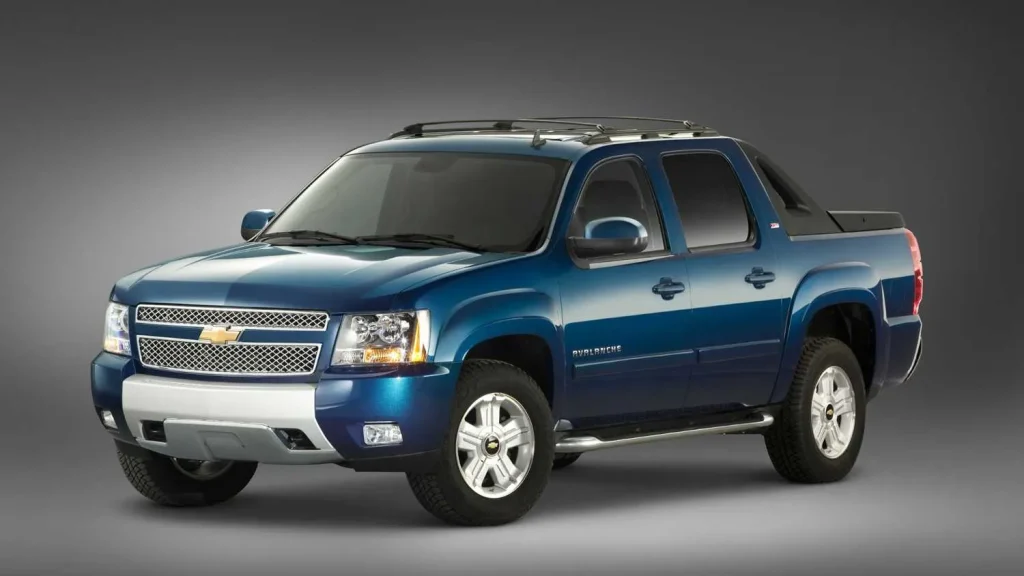
This truck is important to include because it demonstrates how combining multiple vehicle roles can sometimes dilute extreme durability in specific components. The Avalanche succeeded as a versatile vehicle, but it was never meant to compete with heavy duty work trucks in every structural detail.
It stands as an example of how design versatility sometimes requires durability compromises in areas that only become obvious after years of demanding use.
3. Ford Explorer Sport Trac
The Ford Explorer Sport Trac tried to combine SUV practicality with pickup usefulness, but this mixed identity also influenced how certain components were engineered.
While it provided the benefit of a small cargo bed, it was not originally developed as a pure work truck. This difference becomes important when looking at how its tailgate hardware performs under repeated heavy duty usage.
One thing that stands out is how the hinge design reflects its lighter duty purpose. Compared to traditional pickups, the hinge pins and mounting areas were not built with the same level of overengineering.
For normal homeowner use like moving furniture or garden supplies this was rarely an issue. Problems mainly appeared when the vehicle was pushed into commercial style work.
Some long term users noticed that after years of carrying heavy loads, the tailgate could develop slight movement or require realignment. These were not catastrophic failures, but they showed the limits of a design intended more for versatility than constant heavy labor.
To understand why this truck belongs here, it helps to look at buyer expectations. Many people saw the Sport Trac as a cheaper alternative to full size trucks and used it accordingly. When usage expectations exceeded the original design purpose, wear became more noticeable.
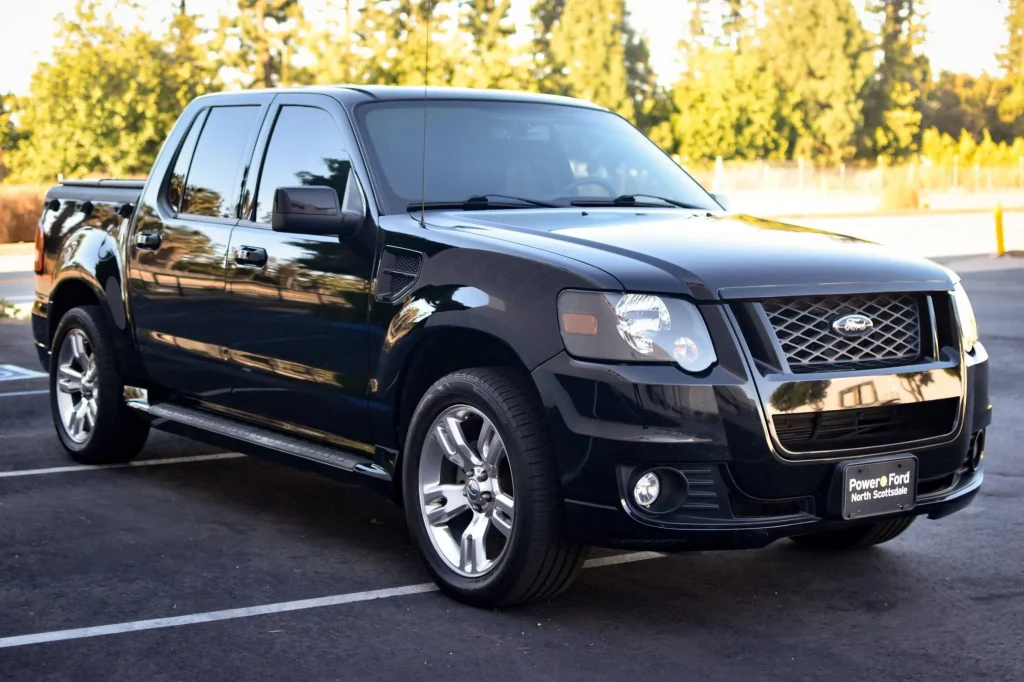
The Sport Trac represents an important lesson in automotive design. A vehicle can be reliable overall but still have certain parts that reflect its intended usage category. Its tailgate hinges were adequate for moderate use but not built for the same punishment expected from full size work trucks.
This example shows how vehicle positioning in the market often shapes the durability of even small hardware components.
4. Nissan Frontier (Early 2000s Models)
Some early 2000s Nissan Frontier models built their reputation on affordability and compact size rather than extreme durability. They performed well for everyday transportation and light hauling, but certain hardware components, including tailgate hinges, sometimes showed faster wear when subjected to heavy repetitive use.
The hinge design itself was fairly basic, but the issue was not complexity. Instead, it came down to material thickness and how the hinges handled repeated stress cycles. When frequently used to support heavy cargo or when the tailgate was used as a loading platform daily, some owners reported gradual loosening over time.
Another point worth mentioning is age related fatigue. Many of these trucks have now spent decades in service. Over such long periods, even well designed components can wear out, but lighter duty hinge hardware tends to show this aging earlier than more heavily reinforced systems.
This truck is worth discussing because it shows how compact trucks sometimes face different engineering priorities. Keeping weight low and costs competitive can sometimes result in hardware that performs well for average use but shows limitations under continuous heavy stress.
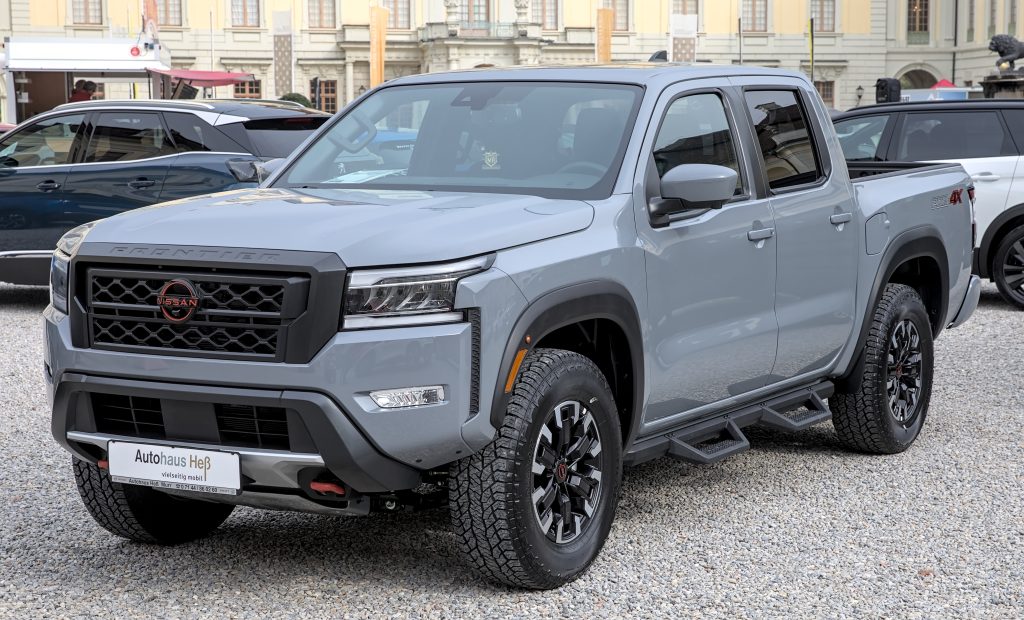
The Frontier also demonstrates how durability expectations must be realistic. As a light duty pickup, it was never intended to match the hardware strength of heavy duty trucks. Still, its hinge wear reports make it a useful example of how long term heavy use can reveal small structural weaknesses.
It remains a practical truck overall, but this detail highlights how intended usage categories matter when judging durability.
5. Ram 1500 (Certain Model Years With Multifunction Tailgate)
The Ram 1500 is widely respected for its ride comfort, interior quality, and innovative features, but some model years introduced a multifunction tailgate that created mixed feedback among heavy users.
While the split opening design improved accessibility and convenience, it also introduced more hinge points compared to a traditional single piece tailgate.
This design worked very well for daily usability. It made loading smaller items easier and improved access when parked in tight spaces.
However, complexity sometimes comes with tradeoffs. Additional hinge joints and latch points meant more components that could experience wear when exposed to repeated heavy loads.
Some fleet users and contractors observed that when the multifunction tailgate was regularly used as a weight bearing platform, the hinge areas could develop minor play faster than traditional designs.
This does not mean the system was poorly engineered, but rather that it was optimized more for flexibility than constant heavy stress.
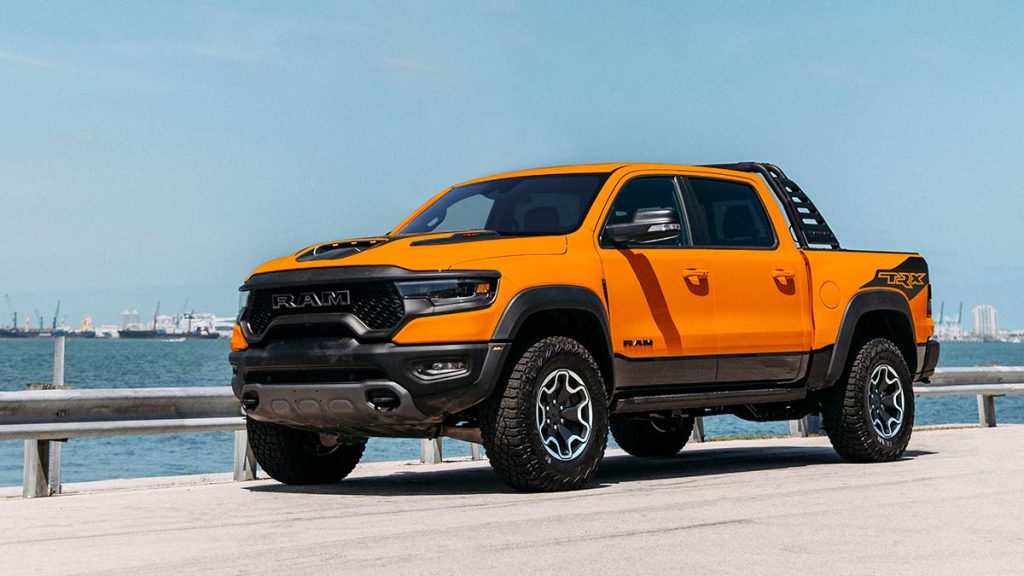
Another interesting observation is how user behavior influenced durability outcomes. Owners who treated the tailgate as a convenience feature rarely reported problems, while those who treated it like a heavy duty loading surface sometimes saw faster wear. This difference shows how design intention and real world use do not always match.
This truck is included because it demonstrates how modern innovation sometimes changes durability priorities. As trucks become more feature rich, engineers must balance strength with functionality, and sometimes that balance slightly shifts away from pure toughness.
The Ram 1500 example shows how even excellent trucks can have specific components that require more careful use depending on how they are designed.
Also Read: 5 Trucks With the Best Turning Radii for Cities vs 5 That Are Hard to Park
