
When people shop for used compact cars, they usually pay attention to fuel efficiency, maintenance costs, resale value, and reliability ratings. However, one factor that often gets ignored is cabin insulation, particularly the thickness and quality of the window glass.
This small but important detail can dramatically affect how a car feels during daily driving. Thick cabin glass can make even an affordable compact feel refined and quiet, while thin glass can make highway driving tiring because of constant outside noise.
Cabin glass plays a major role in what engineers call NVH, which stands for noise, vibration, and harshness control. Thicker glass reduces wind noise, blocks traffic sounds, and even improves temperature insulation.
Some manufacturers invest more in acoustic glass even in compact cars because they want to deliver a more premium driving experience. Others focus on cost savings, which can result in thinner glass that allows more sound to enter the cabin.
Used car buyers often discover this difference only after purchase. Two cars from the same price category can feel completely different on the highway simply because of glass thickness and sealing quality.
A well insulated compact can feel like it belongs in a higher class segment, while a poorly insulated one may feel older than it actually is.
Another important factor is long term ownership satisfaction. Cars with thicker glass often develop fewer rattles and less wind whistle over time. Better seals combined with stronger glass usually age more gracefully. Meanwhile, thinner glass and lighter sealing materials may allow more vibrations as the vehicle gets older.
This comparison looks at two very different types of used compact cars. First, we will examine models known for surprisingly thick cabin glass and good sound isolation for their class. These cars often deliver a more refined experience than buyers expect. Then we will look at compact cars known for thinner windows and higher noise levels, especially noticeable during highway driving or rough road conditions.
Understanding these differences helps buyers make smarter used car decisions because comfort is not just about seats and suspension. Sometimes the biggest difference comes from what separates you from the outside world.
Also Read: 5 Vehicles With Large Analog Gauges vs 5 With Glitchy Digital Clusters
5 Used Compacts With Thick Cabin Glass Introduction
Not all compact cars are built to the same comfort standards. Some manufacturers try to make their small cars feel more solid and mature by improving insulation and using better materials. One of the easiest ways to notice this effort is through the quality and thickness of the cabin glass.
Cars with thicker window glass usually feel quieter even before you start driving. When you close the door, the sound is more solid. When driving through traffic, outside noise feels more distant. These small details create a perception of quality that goes beyond basic transportation.
Many of the cars in this list achieved this not by accident but through intentional engineering. Some brands wanted to compete with larger sedans in refinement, while others focused on building a reputation for long term comfort.
In some cases, these cars even used acoustic laminated glass, which is rarely discussed but highly effective in noise reduction.
Another interesting point is how these cars age. Vehicles with thicker glass and better insulation often maintain their quiet character even after many years. This makes them excellent used car choices because their comfort advantage does not disappear quickly.
There is also a safety angle worth mentioning. Thicker glass can sometimes provide slightly better resistance to small impacts and road debris. While not a primary safety feature, it still reflects the overall build philosophy of the manufacturer.
The five compact cars listed here stand out because they show how thoughtful engineering can improve everyday driving experience. They prove that compact cars do not always have to feel basic or noisy. Some manage to deliver a surprisingly mature and composed environment.
These selections also show that buyers who pay attention to small engineering details often end up more satisfied long term. A quiet cabin may not appear in sales advertisements, but it becomes very important after months or years of ownership.
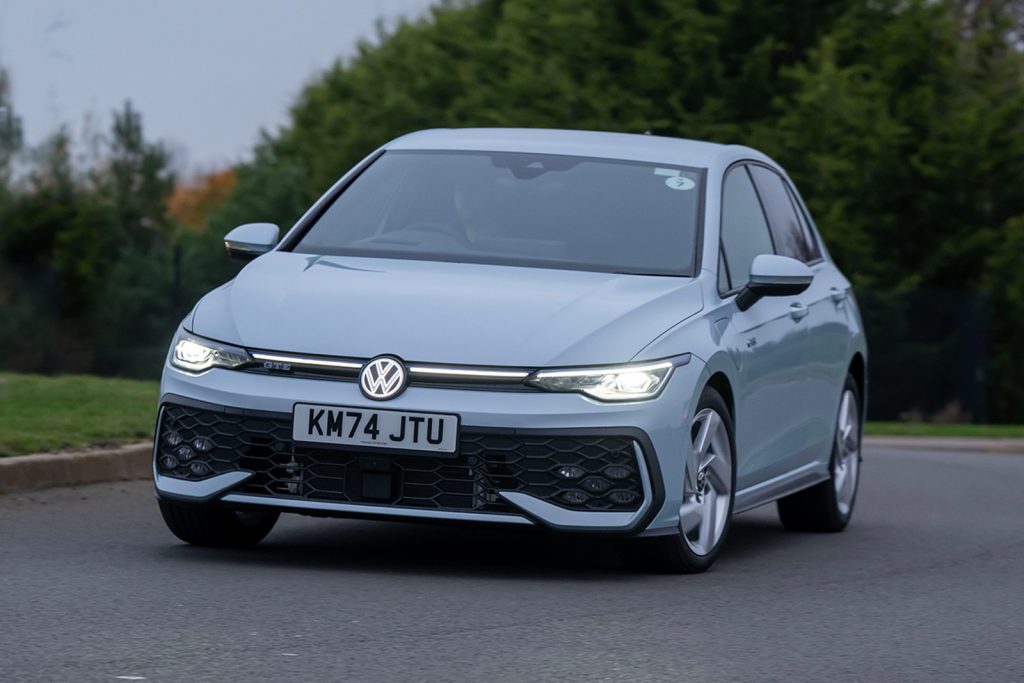
1. Volkswagen Golf
Some compact cars try to impress with styling, others with technology. The Volkswagen Golf built its reputation differently. It focused on making everyday driving feel solid and refined. One of the subtle reasons behind this reputation is the quality of its cabin glass and overall insulation.
Step inside a used Golf and one of the first impressions often comes from how isolated the cabin feels compared to many compact competitors. Volkswagen traditionally prioritized a European style driving feel, which includes reducing unwanted outside noise. The thicker side glass and well designed door seals play a role in achieving this result.
This is also a car that shows how refinement does not always require luxury branding. Even older Golf models often feel quieter than some newer budget compacts. This is not because of advanced electronics but because of careful material choices that continue to perform years later.
Another reason this car deserves a place here is how it behaves at highway speeds. Many compact cars begin to feel noisy as speeds increase, but the Golf tends to maintain composure. Wind noise remains controlled, which makes longer drives less tiring.
There is also a structural reason worth mentioning. Volkswagen tends to build cars with very rigid door frames. Strong frames allow tighter window sealing, which further improves sound isolation. This shows how glass thickness works together with overall body design.
Including the Golf here also reflects how used car buyers often underestimate German compact engineering. While maintenance costs sometimes get attention, build quality advantages like cabin quietness are rarely discussed enough.
The Golf proves that a compact car can feel substantial not because of size but because of attention to small quality details that improve the driving experience every day.
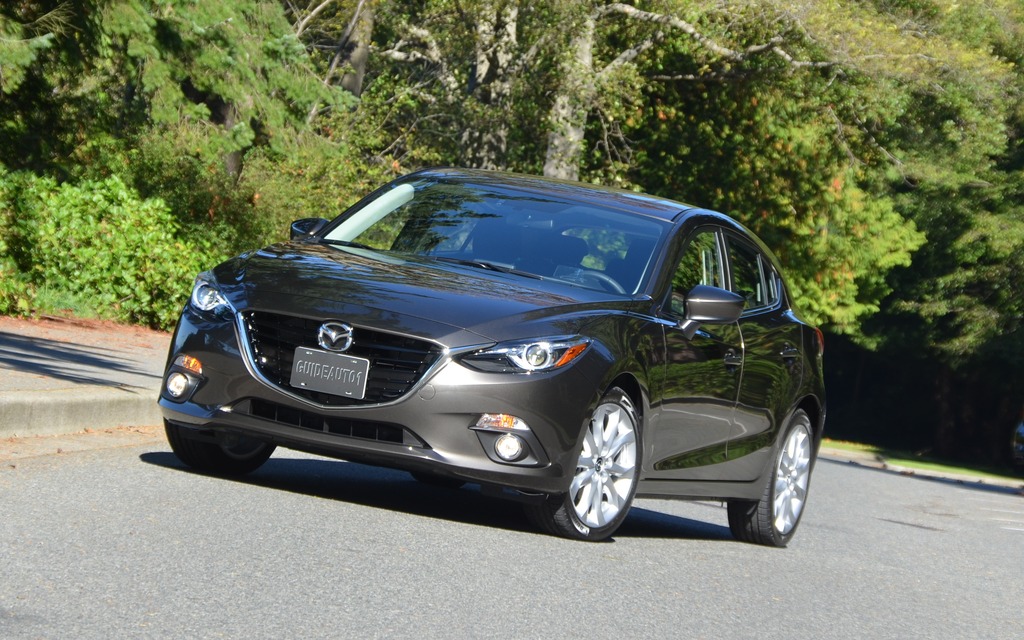
2. Mazda 3
The Mazda 3 represents a different philosophy. Instead of simply focusing on basic transportation, Mazda tried to bring near premium refinement into the compact category. One area where this effort becomes noticeable is in the quietness of the cabin, partly achieved through the use of well insulated and relatively thick window glass.
Mazda invested heavily in what it calls human centered design. This included reducing driver fatigue, and one way to achieve this was lowering unwanted noise. By improving glass density and sealing quality, the company made the interior feel calmer than many rivals.
An interesting observation about the Mazda 3 is how it balances sportiness with comfort. Sporty cars often sacrifice noise isolation to save weight. Mazda instead tried to deliver both responsive driving and a refined environment. This makes it stand out among used compact options.
Another point in its favor is how the car handles urban driving noise. Honking traffic, motorcycles, and rough road sounds feel less intrusive compared to many entry level compacts. This makes daily commuting noticeably more pleasant.
This car also deserves attention because it shows how brand ambition can improve small details. Mazda wanted to move slightly upmarket in perception, and improving cabin quietness was part of that strategy.
For used buyers, this means the Mazda 3 often feels more expensive than its resale price suggests. That kind of hidden value is exactly why it belongs in a list focused on overlooked quality factors.
Its presence here shows how thoughtful engineering decisions can elevate the ownership experience even in the compact segment.
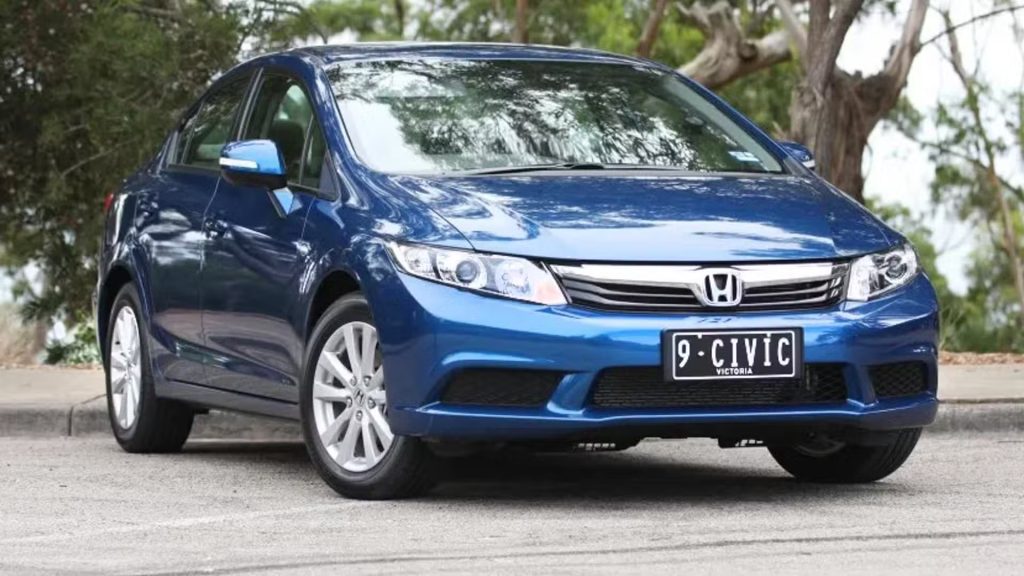
3. Honda Civic (10th Generation)
There is a reason the Honda Civic consistently appears on lists of well engineered compact cars. Beyond its well known reliability, Honda also invested effort into improving cabin refinement in later generations.
The 10th generation Civic especially showed clear progress in sound insulation, including better window sealing and improved glass density compared to earlier versions.
One interesting way to understand this improvement is to look at Honda’s changing priorities. Earlier Civics focused strongly on efficiency and simplicity.
Later models began targeting a more mature audience that expected comfort along with reliability. This shift resulted in better sound isolation, which becomes noticeable even during short test drives.
Owners often mention that the Civic feels calmer at speed than they expected from a compact sedan. Wind noise around the windows is controlled effectively, which suggests careful attention to both glass thickness and aerodynamics around the window frames.
This car also earns a place here because of how balanced the engineering feels. Instead of making the car heavy, Honda focused on smarter insulation placement and stronger sealing. This shows that refinement does not always require dramatic weight increases if engineering is done carefully.
Another reason this Civic stands out is long term consistency. Many used examples with high mileage still maintain good cabin isolation. That kind of durability suggests that Honda did not just improve materials but also their longevity.
It is also worth mentioning how this helps resale value. Buyers often choose Civics for reliability, but they stay satisfied because of everyday comfort. Cabin quietness plays a silent but important role in that satisfaction.
The Civic shows how gradual engineering improvement over generations can transform even a mainstream compact into a more refined used car choice.
4. Toyota Corolla (12th Generation)
Toyota built the Corolla on a very clear promise. It had to be dependable, comfortable, and easy to live with for many years. To achieve this, Toyota engineers paid attention not only to mechanical reliability but also to everyday comfort factors like noise isolation. Thicker feeling glass and improved door insulation became part of that effort.
What makes this Corolla interesting is not dramatic innovation but careful refinement. Toyota rarely takes unnecessary risks. Instead, it improves proven designs step by step. This approach helped create a cabin that feels noticeably more insulated than older Corolla generations.
From a practical ownership perspective, this matters because many Corolla buyers keep their cars for long periods. Better glass and sealing help the car feel newer for longer because outside noise does not increase as quickly with age.
Another angle worth discussing is how this benefits passengers. Rear seat occupants especially benefit from reduced traffic noise, which improves long distance comfort. Families often appreciate this even if they never specifically think about glass thickness.
This Corolla also deserves inclusion because it reflects Toyota’s philosophy of reducing ownership stress. A quieter cabin contributes to lower fatigue during daily commuting. This fits perfectly with the Corolla’s reputation as a stress free ownership car.
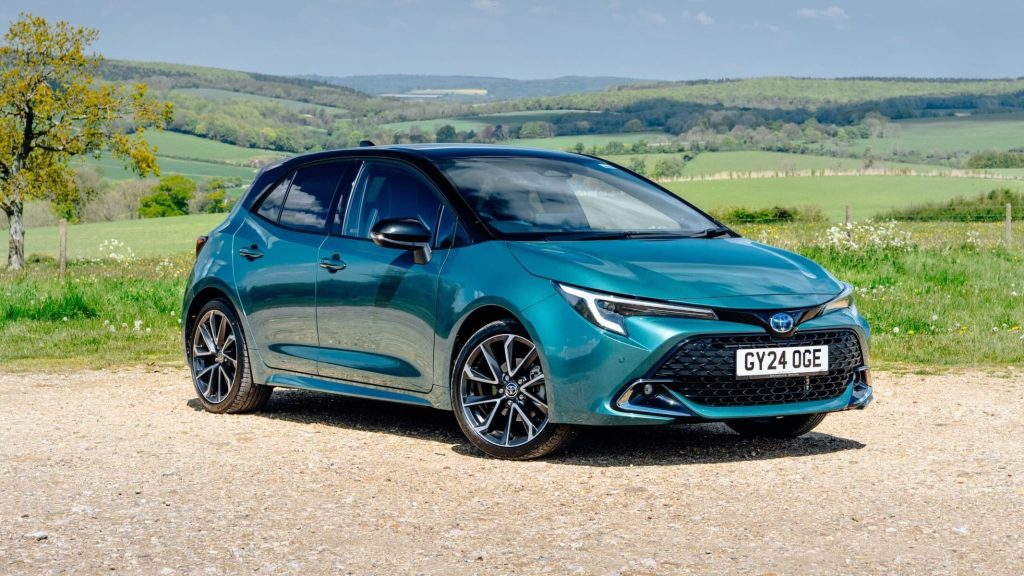
There is also something to be said about predictability. The Corolla may not surprise drivers with dramatic features, but its consistent refinement makes it a safe recommendation for used buyers seeking comfort.
Its inclusion here highlights how long term thinking in design can improve even the smallest comfort related details.
5. Hyundai Elantra (7th Generation)
Hyundai spent the last decade trying to change how people perceive its compact cars. Instead of being seen only as affordable transportation, the company pushed toward a more premium feel.
One area where this ambition becomes clear is in the cabin environment of the newer Elantra, where improved glass thickness and better sound insulation helped create a quieter experience than many buyers expected.
A useful way to judge this car is by comparing it with older Hyundai models. Earlier versions sometimes allowed more road and wind noise, but the newer generation shows how seriously Hyundai took refinement. The doors close with a more solid feel, and outside traffic noise feels more filtered than before.
This car also stands out because Hyundai understood that modern buyers compare compact cars not just with rivals but sometimes with entry level luxury vehicles. To stay competitive, improvements in cabin quietness became necessary. Better glass and improved weather sealing played a part in achieving this goal.
Another important observation comes from long distance driving impressions. Many owners report that the Elantra feels relaxed on highways, where wind noise is usually the biggest complaint in compact cars. This improvement shows attention to both window design and body airflow management.
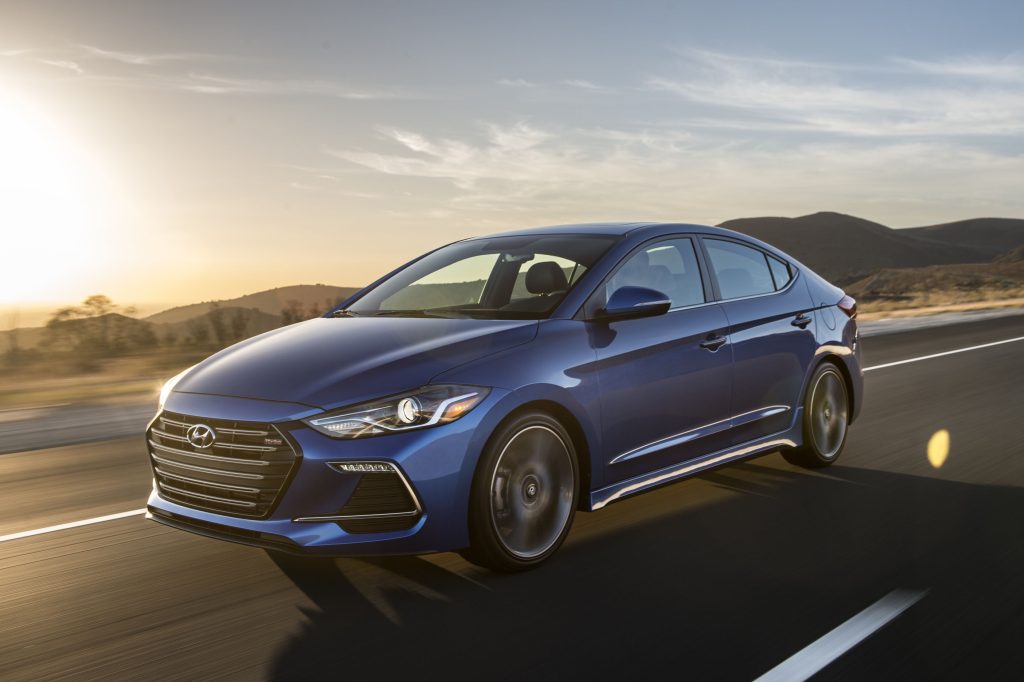
The Elantra deserves a place here because it represents how fast engineering priorities can evolve when a brand tries to improve its image. Small details like thicker feeling glass may not appear in advertisements, but they help change how the car feels in daily use.
For used buyers, this makes the Elantra an interesting option because it often delivers a more refined cabin than its resale price suggests. That hidden comfort value is exactly why it belongs in this discussion.
5 Compacts With Thin and Noisy Windows Introduction
While some compact cars impress with quiet cabins, others clearly show where manufacturers chose cost savings over refinement. One of the most common ways this becomes noticeable is through thinner window glass and less effective insulation.
These choices help reduce production costs and sometimes improve fuel efficiency by lowering weight, but they can also allow more outside noise into the cabin.
In many cases, these cars were not poorly engineered. They were simply designed with different priorities. Some focused on affordability above all else. Others aimed to deliver strong fuel economy numbers.
Unfortunately, improved sound insulation often increases cost, so it is sometimes one of the first areas where manufacturers simplify design.
Drivers usually notice this difference most at highway speeds. Wind noise, tire roar, and passing traffic sounds can become more noticeable. Over long drives, this can increase fatigue compared to better insulated rivals.
Another issue is how these cars age. Thinner glass combined with lighter door structures can sometimes allow more vibration as vehicles accumulate mileage. This may result in more noticeable rattles or wind sounds after years of use.
It is important to be fair here. Many of the cars in this category remain excellent transportation choices. They may offer strong reliability, great fuel economy, or low ownership costs. However, buyers who prioritize cabin quietness should be aware of these tradeoffs.
This section highlights five compact cars where owners and reviewers have often mentioned higher than average cabin noise. Understanding these differences helps used car shoppers decide what matters more to them, whether that is cost savings or a quieter driving environment.
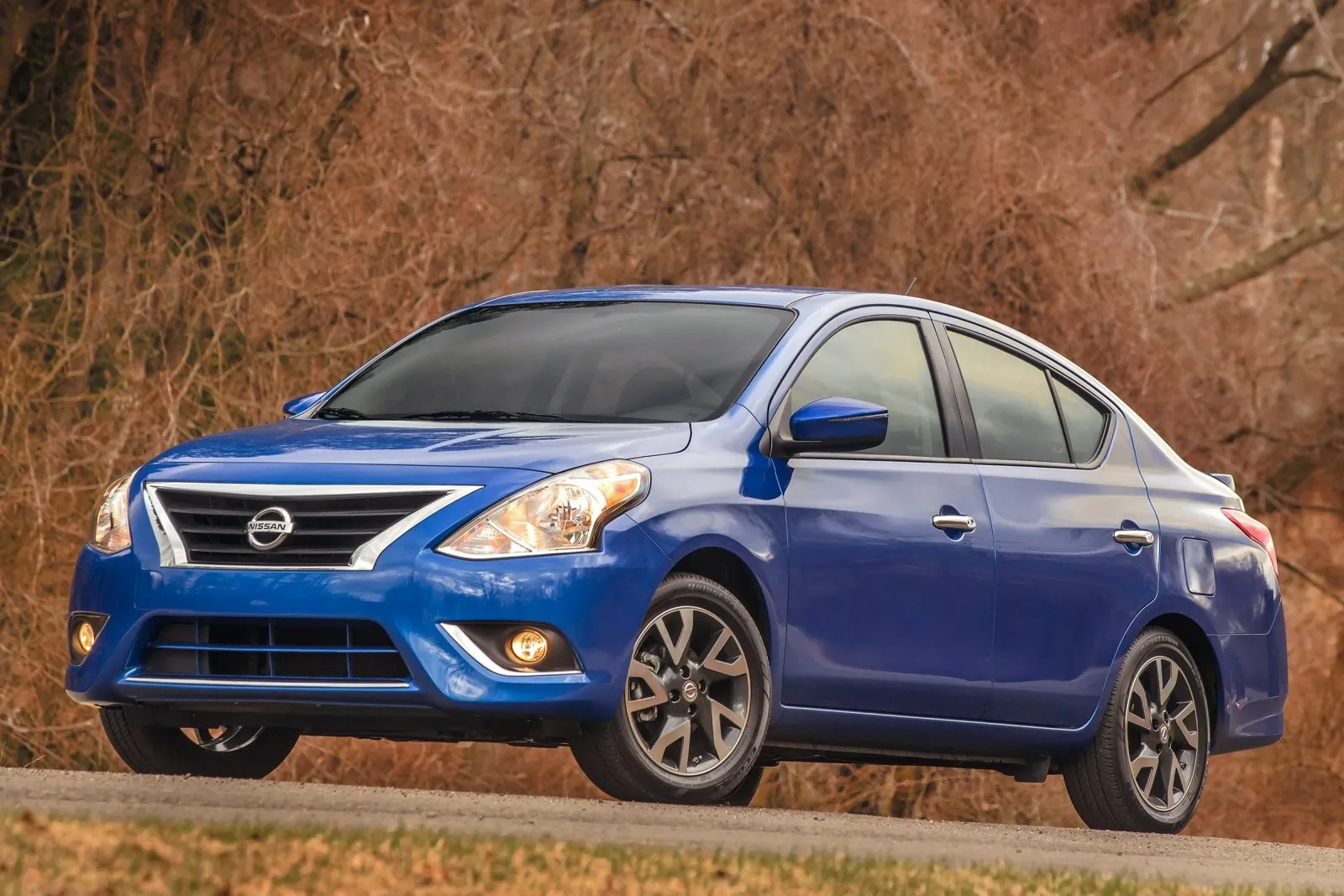
1. Nissan Versa
The Nissan Versa has always been marketed as one of the most affordable ways to own a new or used compact sedan. Its biggest strengths have traditionally been price accessibility, simple mechanical design, and strong fuel economy.
However, to achieve this affordability, some compromises were inevitable, and one area where this becomes noticeable is cabin sound isolation.
Instead of approaching this from a technical angle first, it helps to think about the Versa from a buyer perspective.
Someone choosing this car is usually prioritizing budget and low running costs. Nissan clearly understood this and focused on delivering value in the most visible areas. Less obvious details such as glass thickness were understandably not the main priority.
When driven in city environments, the thinner feeling glass is not always a major concern. At lower speeds, noise levels remain acceptable for the price category. The difference becomes clearer on open highways, where wind noise can enter the cabin more easily compared to better insulated competitors.
Another aspect that brings the Versa into this discussion is how the doors are constructed. Lighter door structures combined with thinner glass can sometimes allow more vibration transfer. This is not necessarily a defect but rather a reflection of weight and cost targets.
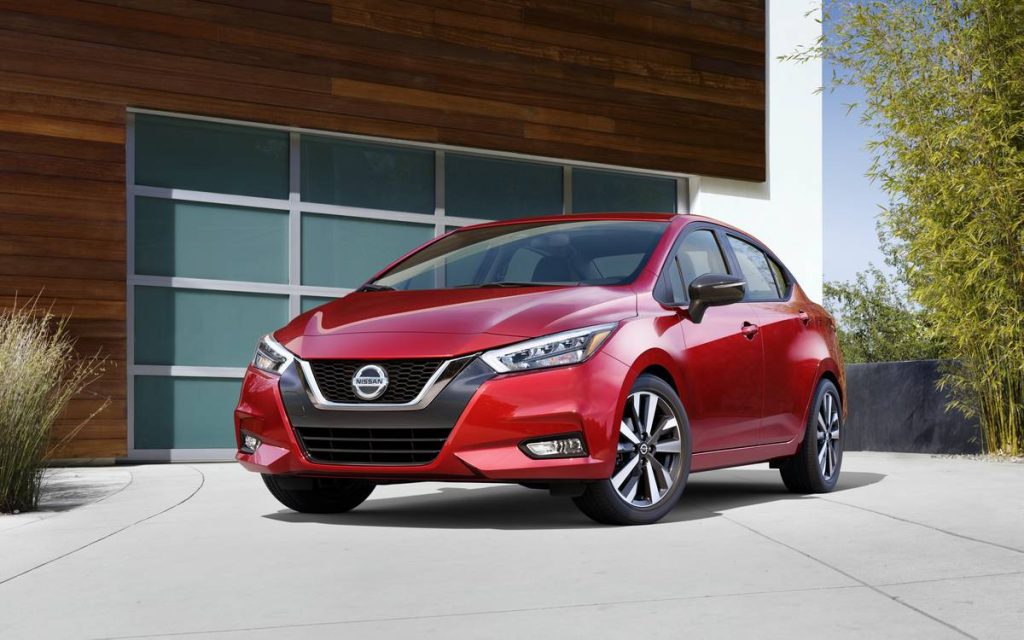
There is also an important educational reason for including this car. It demonstrates how manufacturers must make difficult decisions when building entry level vehicles. Improving insulation would increase cost, which might move the car away from its target buyers.
This example helps explain how every engineering decision has a tradeoff. The Versa delivers excellent affordability and efficiency, but buyers expecting a very quiet cabin may need to adjust expectations.
2. Mitsubishi Mirage
Looking at the Mitsubishi Mirage requires a slightly different mindset. This is a car designed with extreme efficiency and low ownership cost as primary goals. Every engineering decision supports those goals. Lightweight construction helps improve fuel economy, but it also means less material available for sound insulation.
One way to understand the Mirage is to consider its mission. It was never intended to compete with premium compacts in refinement. Instead, it was built to be one of the most economical cars to buy and operate. Thin side glass and minimal insulation help achieve this mission by reducing manufacturing cost and vehicle mass.
Driver experiences often reflect this philosophy. At moderate speeds, the Mirage performs its transportation role effectively. At higher speeds, however, wind and road noise can become more noticeable than in some competitors. This is especially true on rough pavement where tire noise becomes more apparent.
Another interesting point is how honest the design feels. Mitsubishi did not attempt to disguise the Mirage as something it is not. It focuses clearly on affordability and efficiency. Understanding this intention helps explain why certain comfort features were not emphasized.
There is also a practical lesson here for used car buyers. The Mirage can still be a very smart purchase for someone prioritizing low running costs. However, buyers sensitive to noise levels should take a careful test drive before deciding.
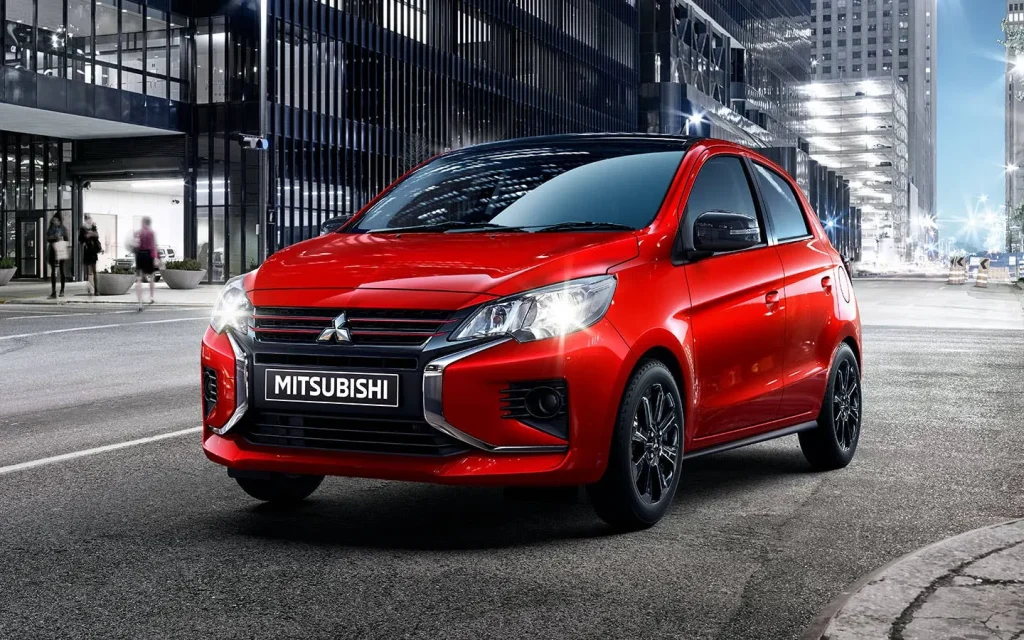
Including the Mirage here shows how extreme affordability often requires accepting compromises in areas like cabin isolation, even when the car succeeds strongly in its main purpose.
3. Chevrolet Spark
If someone were to study the Chevrolet Spark purely from an engineering compromise perspective, it would serve as a very clear example. This small hatchback was designed to be inexpensive, easy to maneuver in crowded cities, and extremely fuel efficient.
Those goals shaped every part of the car, including how much material could realistically be used in the doors and windows.
Think about the kind of environments where the Spark is most comfortable. Tight urban roads, short commutes, and situations where parking ease matters more than highway refinement.
In those conditions, the thinner side glass rarely becomes a major complaint because speeds remain low and outside noise levels are manageable.
The situation changes once the car leaves that environment. On faster roads, the difference in insulation becomes easier to notice. Passing trucks, crosswinds, and rough surfaces can introduce more sound into the cabin than what you would experience in heavier compact cars.
There is also something interesting about how expectations influence perception. Buyers who understand the Spark’s purpose often accept this tradeoff easily. Those expecting the isolation of a larger sedan may feel disappointed. This shows how matching expectations with design purpose is essential.
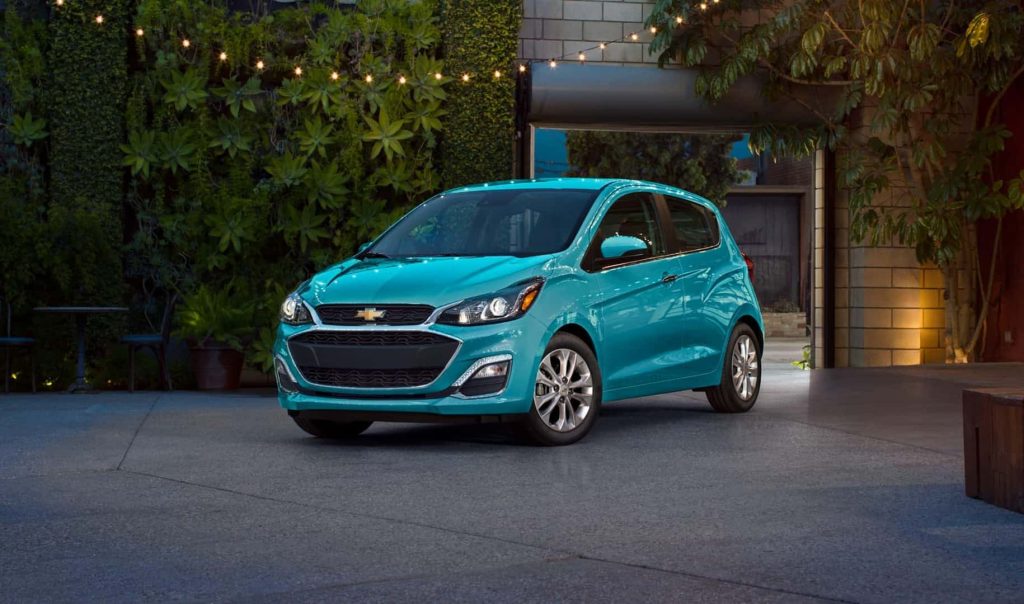
Another reason this car belongs here is because it demonstrates how weight reduction affects more than just fuel consumption. Lighter glass and simpler insulation help efficiency but reduce the barrier between the outside environment and the passenger cabin.
The Spark remains a practical choice for budget conscious urban drivers. Its inclusion here simply shows how design priorities shape comfort outcomes, especially in areas that are not always obvious during a short test drive.
4. Kia Rio (Earlier Generations)
The Kia Rio provides a different kind of story compared to the Spark or Mirage. Instead of being designed purely around the lowest possible cost, earlier Rio models were built during a period when Kia was still improving its global reputation.
The company focused heavily on value, warranty coverage, and styling, sometimes leaving refinement improvements for later generations.
Examining older Rio models today reveals how far the brand has progressed. Compared to newer Kia vehicles, earlier versions sometimes allowed more outside noise into the cabin. This can partly be traced to thinner window glass and simpler door insulation strategies that were common in budget compacts of that era.
From a long term ownership viewpoint, this becomes more noticeable as the car ages. As rubber seals harden with time, thinner glass tends to reveal more wind sound compared to vehicles that started with heavier insulation.
There is also a historical reason for including this car. It shows how manufacturers evolve. The Rio demonstrates where Kia once made compromises to remain price competitive before moving toward more refined designs in later years.
What makes this example valuable is that it is not just about one car. It represents a phase in the compact car market where affordability often came before quietness. Many brands went through this stage before improving NVH standards.
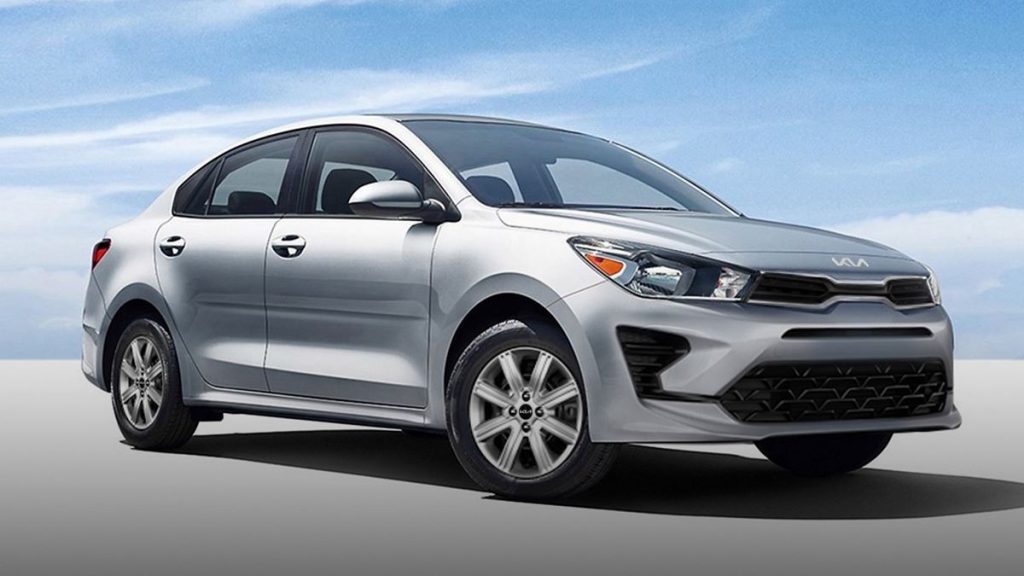
The Rio still offers good value as basic transportation. Its presence here simply reminds buyers that earlier budget focused designs may not deliver the same cabin isolation as newer compacts built with more ambitious refinement goals.
5. Toyota Yaris (Earlier Generations)
The Toyota Yaris has always been known for simplicity, efficiency, and long term dependability. It built its reputation on being inexpensive to run and easy to maintain rather than trying to impress buyers with luxury level refinement.
Because of this clear focus, certain comfort areas such as cabin sound insulation were not always prioritized in earlier generations.
To understand this properly, it helps to look at the original purpose of the Yaris. Toyota designed it as practical urban transportation.
Lightweight construction helped improve fuel efficiency and made the car easy to handle in crowded environments. However, this also meant less emphasis on heavy sound deadening materials and thick side glass.
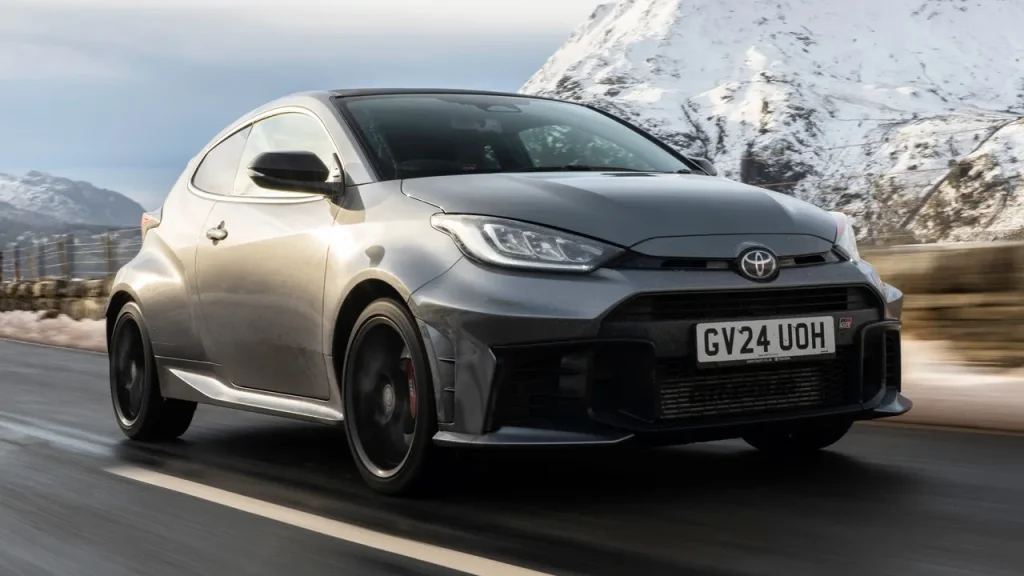
Drivers often notice this difference depending on where they use the car. In city driving, the Yaris feels perfectly acceptable and even pleasant because speeds remain moderate. Once the car moves onto highways, outside sounds such as wind and tire noise can become more noticeable compared to larger or more premium compact models.
Another point worth discussing is how durability and refinement do not always develop at the same pace. The Yaris is famous for lasting many years with minimal mechanical trouble. At the same time, its thinner glass and basic insulation reflect its original mission as affordable transportation rather than a comfort focused compact.
This car is also important to include because it shows how buyer priorities differ. Many Yaris owners willingly accept higher cabin noise because they value reliability and low operating costs more. This demonstrates how different strengths can outweigh comfort compromises.
Its place here shows how engineering always reflects intended purpose. The Yaris succeeded strongly in dependability and efficiency, even if quietness was not its strongest advantage.
Also Read: 5 Hybrid Systems With Proven Longevity vs 5 Still in the Testing Phase
