Modern vehicles depend on electricity more than ever before. From large infotainment displays and digital gauge clusters to advanced driver assistance systems, heated and ventilated seats, electric suspension systems, and multiple onboard computers, today’s cars demand far more from their electrical systems than vehicles from even a decade ago.
At the center of this electrical ecosystem sits one often overlooked component: the alternator. While engines usually get recognition for horsepower and torque, the alternator quietly determines how well a vehicle handles increasing electrical complexity.
Some engines are paired with heavy duty alternators designed to support demanding electrical loads without voltage drops or system instability. These engines are typically found in trucks, performance vehicles, and high end SUVs where electrical reliability is critical.
Strong alternator output ensures stable power delivery when multiple systems operate simultaneously, which is particularly important for towing, off road driving, emergency services, or vehicles equipped with aftermarket accessories.
On the other hand, some engines struggle when electrical demand rises. This is not always because the engine itself is weak, but rather because the charging systems attached to them were designed for lighter electrical requirements.
As technology evolved faster than charging system upgrades in some models, owners began noticing dimming lights, battery drain issues, warning messages, and premature alternator wear. These problems become more visible as vehicles age or when additional electronics are added.
Understanding which engines are known for robust electrical support and which ones have faced criticism for weaker charging performance helps buyers and enthusiasts make smarter decisions.
Reliability today is not only about mechanical durability but also about how well a vehicle supports the growing electrical expectations of modern driving.
This comparison highlights engines recognized for strong charging capability and contrasts them with engines known to face challenges under heavy electronic demand. The goal is not to criticize engineering choices but to explain how electrical system design affects real world ownership experience and long term reliability.
Also Read: 5 Brands Offering Lifetime Tech Support vs 5 That Lock Features Behind Paywalls
5 Engines With Heavy Duty Alternators
Electrical stability has become just as important as mechanical reliability. Engines paired with strong alternators often belong to vehicles expected to operate in demanding environments where consistent voltage supply matters as much as engine durability.
Whether it is powering trailer brake controllers, auxiliary lighting, winches, or complex safety systems, these engines demonstrate how proper electrical engineering supports real world usability.
Heavy duty alternators usually feature higher amperage ratings, improved cooling, stronger bearings, and better voltage regulation.
These characteristics allow them to maintain stable output even at idle, which is critical in vehicles that operate equipment while stationary. Police vehicles, work trucks, and off road platforms especially benefit from this design philosophy.
Another advantage of strong charging systems is reduced long term electrical stress. When alternators operate well within their capacity limits rather than constantly near maximum output, component life tends to improve.
Batteries last longer, wiring experiences less heat stress, and electronic modules receive more consistent voltage. This translates into fewer electrical gremlins over the life of the vehicle.
The following engines were selected because they are frequently associated with vehicles known for supporting demanding electrical accessories, fleet use, or heavy duty applications. Their reputation comes not only from raw engine durability but from how well their charging systems complement modern electrical requirements.
1. Ford 6.7L Power Stroke Diesel (Ford Super Duty)
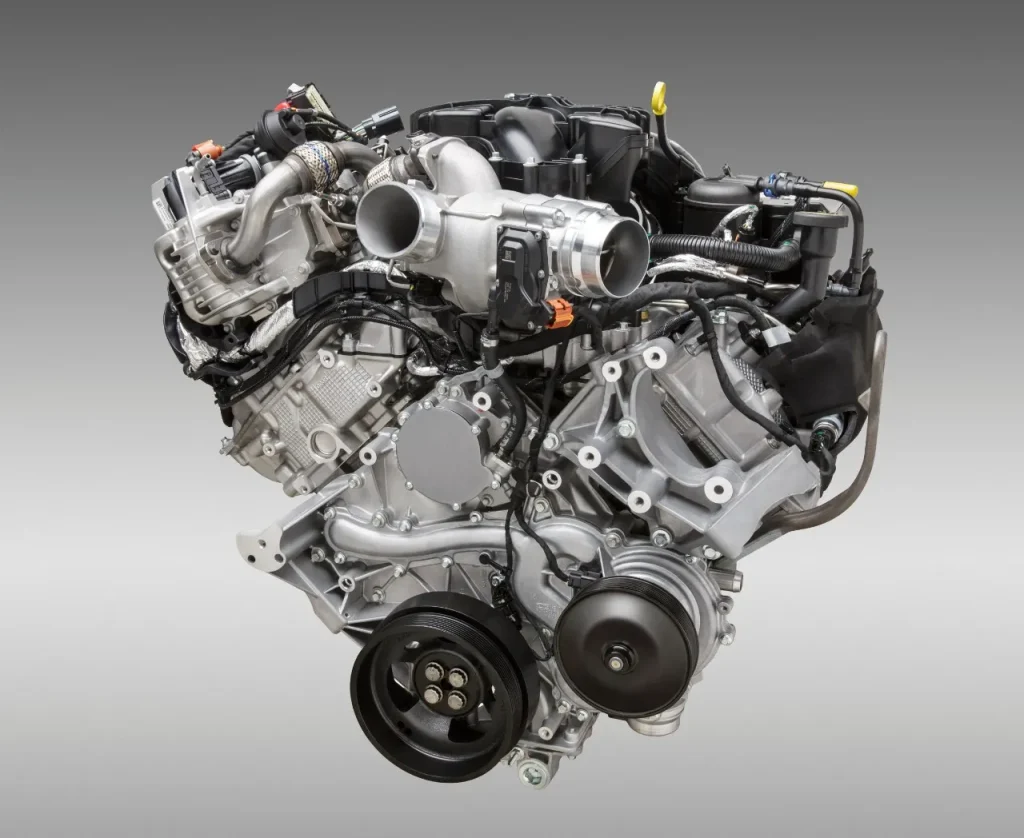
The 6.7L Power Stroke represents a design philosophy focused on total work capability rather than just engine output. Ford understood that Super Duty buyers frequently run multiple electrical systems simultaneously. Because of this, the charging system was designed with serious overhead capacity rather than minimal requirements.
Many Super Duty trucks equipped with this engine feature high output alternators exceeding 200 amps, with some fleet configurations offering dual alternator setups.
This is not just marketing. Contractors, utility companies, and emergency responders often rely on these trucks to power jobsite tools, communication equipment, and safety lighting.
Another reason this engine appears on this list is the way Ford integrated electrical planning into the overall truck architecture. The alternator cooling path, battery management system, and smart charging logic all work together to maintain consistent performance even in extreme heat or heavy towing situations.
From an ownership perspective, these trucks rarely face the voltage drop complaints sometimes reported in lighter duty platforms. Owners frequently add aftermarket accessories such as air compressors, additional lighting, and inverter systems without immediately overwhelming the charging system.
This engine is worth highlighting because it demonstrates what happens when manufacturers plan electrical capacity for real world use instead of theoretical minimum requirements. It shows how charging strength can become part of a vehicle’s reliability reputation rather than just a background specification.
2. Chevrolet 6.6L Duramax L5P (Chevrolet Silverado HD)
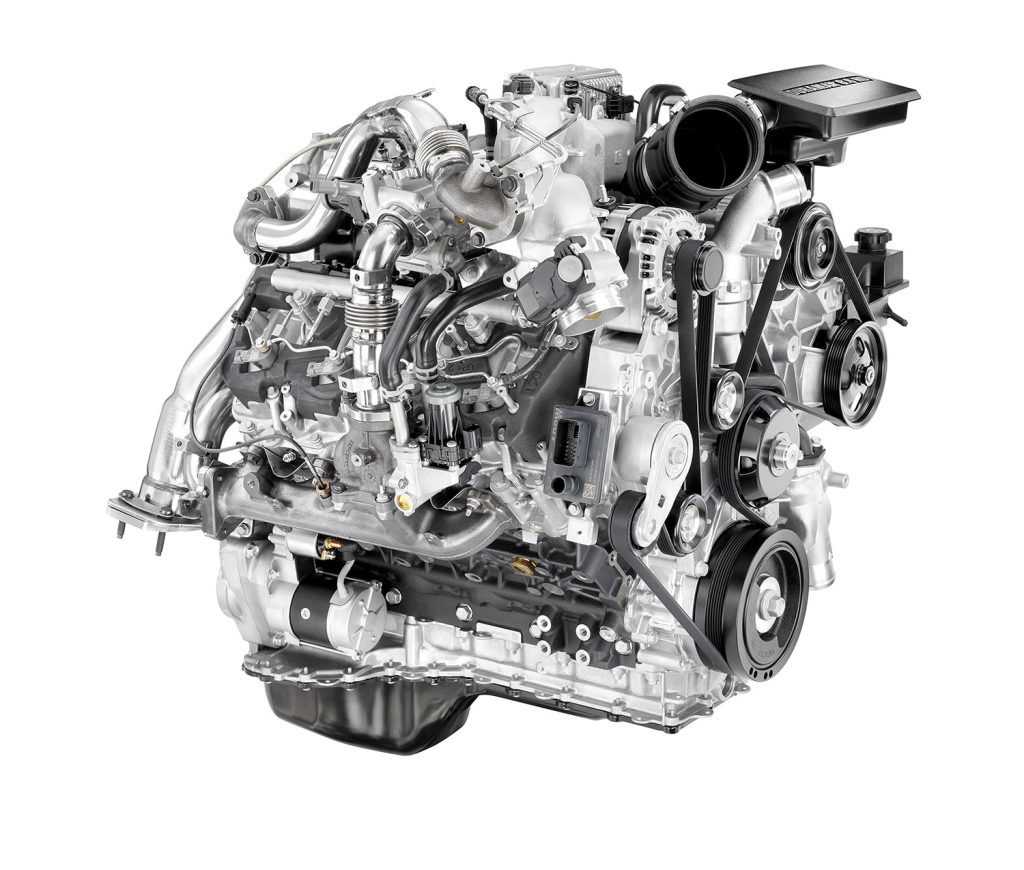
General Motors took a similar approach with the 6.6L Duramax L5P by ensuring that the charging system could support the type of electrical demands heavy duty truck owners actually create. Instead of assuming stock usage, the platform was built expecting electrical expansion.
Silverado HD models using this engine often include alternators in the 170 to 220 amp range depending on configuration. What makes this notable is how stable the output remains under simultaneous electrical loads such as trailer lighting, integrated brake controllers, and cabin electronics.
Duramax trucks also benefit from a well calibrated voltage management system that prioritizes battery health while maintaining accessory function. This helps prevent situations where electrical accessories compete for power during idle operation, something that can happen in weaker charging systems.
Fleet experience also contributes to this engine’s presence here. Trucks used in municipal work often idle for extended periods while powering external systems. Reports from these use cases show fewer charging related failures compared to lighter platforms pushed beyond their intended electrical limits.
This engine deserves attention because it highlights how electrical engineering contributes to the perception of toughness. While torque figures attract headlines, it is the ability to handle continuous electrical stress that often determines how dependable a truck feels over years of service.
3. Ram 6.7L Cummins Turbo Diesel (Ram Heavy Duty)
There is a reason the 6.7L Cummins has built a following among people who depend on their trucks for serious vocational use.
While most conversations around this engine usually focus on torque delivery and long term durability, one of the less discussed strengths is how well the supporting electrical hardware matches the engine’s intended purpose.
Ram understood that buyers choosing this engine were not casual users. These were people running snow plows, livestock trailers, hydraulic equipment, and other electrically demanding tools.
Instead of treating the alternator as a background component, Ram engineered the charging system to function as part of the truck’s work capability.
Many versions of the Ram Heavy Duty equipped with this engine use alternators rated around 220 amps, while some commercial packages include dual charging systems designed to support constant accessory draw.
What makes this setup stand out is how it handles idle demand. Work trucks often spend long hours running without moving, powering jobsite equipment or maintaining cabin climate during extreme weather.
Weak alternators tend to show their limitations here through battery drain or fluctuating voltage. The Cummins equipped trucks rarely develop that reputation, largely because the charging system was designed for sustained load rather than occasional demand.
Another factor worth mentioning is the aftermarket friendliness. Cummins powered trucks are often modified more than typical pickups. Owners install auxiliary fuel systems, onboard air setups, extra cooling fans, and lighting arrays.
The fact that these trucks tolerate such upgrades without immediately requiring charging upgrades says a lot about the original design margin.
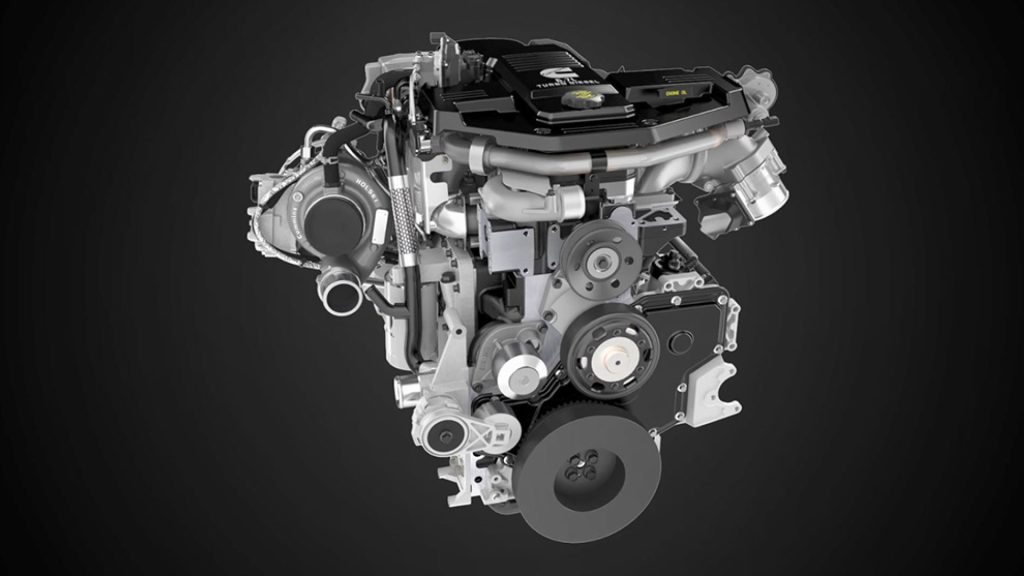
This engine is included here because it represents a complete heavy duty philosophy. It is not just about internal strength but about supporting systems being engineered for the same level of abuse tolerance. When electrical engineering matches mechanical capability, the entire vehicle benefits from that balance.
Highlighting this engine helps demonstrate that electrical strength is not accidental. It is usually the result of understanding how customers actually use their vehicles rather than assuming ideal operating conditions.
4. Toyota 5.7L i Force V8 (Toyota Tundra)
Toyota approached the 5.7L i Force V8 with a different mindset compared to domestic heavy duty diesel manufacturers. Rather than focusing purely on extreme vocational use, Toyota concentrated on long term dependability under mixed usage conditions.
This included ensuring the charging system could support reliability expectations that Toyota customers typically demand.
The alternator used with this engine is not always the highest rated on paper compared to heavy duty diesels, but what stands out is consistency. Toyota prioritized durability and stable voltage delivery rather than simply chasing maximum amperage figures.
Many Tundra owners report very few electrical issues even after years of use with accessories such as upgraded audio systems, trailer electronics, and additional lighting.
Engineering decisions like conservative electrical loads, strong grounding strategies, and careful wiring management play a role here. Toyota tends to design electrical systems with safety margins rather than pushing component limits. This often results in fewer unexpected electrical failures over time.
The reputation of this engine also benefits from how rarely alternator failures become a widespread complaint. While any mechanical part can fail, the absence of common charging related patterns suggests the system operates within comfortable limits most of the time.
Another important reason to include this engine is how it shows a different path to electrical reliability. Instead of simply installing the biggest alternator possible, Toyota focused on balancing electrical demand with supply. This approach reduces strain across the system and contributes to the brand’s reliability image.
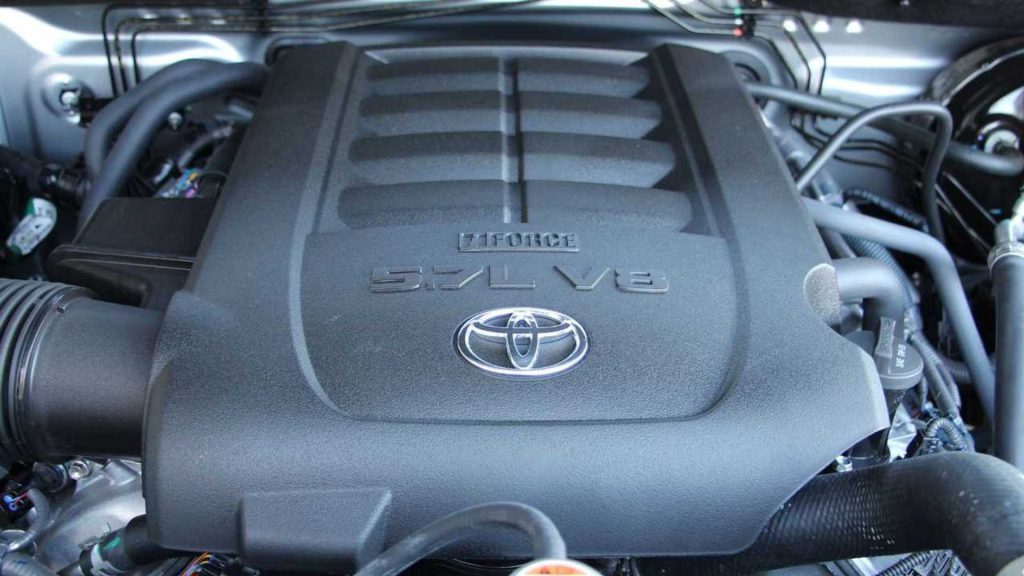
This engine is worth discussing because it proves that heavy duty electrical capability does not always mean commercial level hardware. Sometimes it means smart engineering decisions that prevent electrical stress from developing in the first place.
5. GM 6.2L LS3 V8 (Chevrolet Performance and Special Applications)
Performance engines are not always associated with electrical strength, but the 6.2L LS3 is an interesting exception because of the environments it was used in.
Found in performance cars like the Camaro SS and Corvette, as well as various custom builds and restomod projects, this engine gained a reputation not only for power but also for supporting demanding electrical setups in modified applications.
Unlike heavy duty truck engines designed for work sites, the LS3 became popular in the performance and builder community.
This matters because builders often add electric cooling fans, upgraded fuel pumps, engine management systems, data logging equipment, and powerful audio systems. An engine platform that constantly suffered from charging weakness would never become a favorite in these circles.
GM supported the LS3 with alternators typically rated between 150 and 170 amps depending on application. While this might seem modest compared to heavy duty trucks, the real strength lies in how effectively the system manages electrical stability at different RPM ranges.
Performance cars frequently operate across wide RPM bands, meaning the alternator must remain consistent whether cruising or under aggressive acceleration.
What makes the LS platform notable is how adaptable the charging system is. The strong aftermarket support means higher output alternators can be installed easily, and the engine architecture supports such upgrades without major redesign. This flexibility has helped the LS3 become one of the most swapped engines in automotive history.

This engine earns its place here not because it was built as a work truck powerplant, but because it shows how good electrical support can expand an engine’s versatility. A performance engine that can also handle complex electrical demands becomes more attractive for a wide variety of uses.
Including the LS3 helps show that heavy duty electrical support is not limited to diesel trucks. Sometimes it appears in platforms where adaptability and stability allow the engine to succeed in completely different environments from its original purpose.
5 Engines That Struggle With High Tech Loads
Not every engine platform was developed during a time when vehicles carried massive electrical demand. Many engines that developed reliability reputations in the early 2000s were designed when infotainment systems were simple, driver assistance features were minimal, and onboard electronics were far less complex.
As technology advanced rapidly, some of these engines remained in production with only minor updates. While mechanically dependable, their charging systems sometimes lacked the reserve capacity needed for modern electrical expectations.
This is where complaints began to appear, particularly from owners adding accessories or using higher trim vehicles loaded with electronics.
The issue is rarely catastrophic failure. Instead, the problems usually appear as small but frustrating electrical behaviors. These can include slow battery charging during short trips, premature alternator wear, voltage fluctuation when multiple systems operate, or difficulty supporting aftermarket electronics.
Another factor involves cost control decisions. Some manufacturers prioritized efficiency and weight reduction, which sometimes resulted in smaller alternators that performed adequately under normal conditions but showed limitations when pushed beyond average use.
It is important to clarify that the engines listed here are not necessarily bad engines. Many are mechanically strong and capable of long service lives. The discussion instead focuses on how their charging systems sometimes struggled to keep up with increasing electrical expectations.
Examining these engines provides useful insight into how automotive engineering evolves. It also explains why electrical capacity has become a more important buying consideration than many people realize.
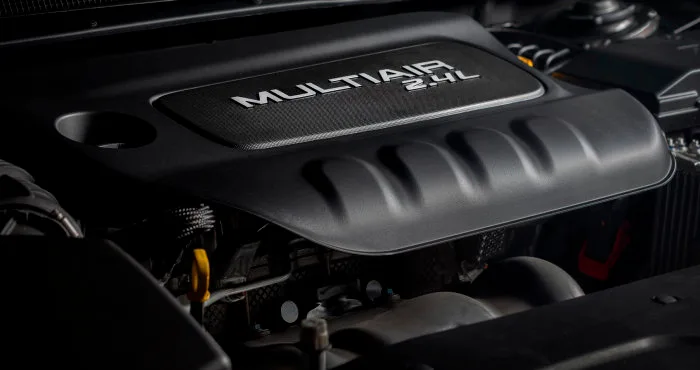
1. Chrysler 2.4L Tigershark (Jeep Cherokee and Chrysler 200)
The 2.4L Tigershark represents a case where efficiency priorities shaped component choices. Designed for fuel economy and lightweight packaging, the engine performed well in terms of basic transportation needs. However, when placed in vehicles with growing electronic content, some owners began noticing charging limitations.
Vehicles using this engine often came equipped with numerous electronic features including touchscreen systems, electronic power steering, multiple sensors, and safety monitoring systems. While none of these individually created problems, the combined demand sometimes pushed the charging system closer to its operating limits than ideal.
One pattern occasionally reported involved battery drain complaints among owners who primarily drove short distances. When alternator output margins are narrow, frequent short trips may not allow enough time to fully recharge the battery after startup loads and accessory use.
Another factor worth mentioning involves how modern electronics behave during voltage fluctuation. Even minor voltage inconsistency can trigger warning lights or temporary system messages, which can lead owners to suspect larger reliability concerns even when the root cause is simply charging capacity.
This engine is included not because it is unreliable in a traditional mechanical sense, but because it illustrates how rapidly increasing electrical expectations can expose limitations in systems originally designed for simpler requirements.
Discussing engines like this helps highlight why buyers should consider electrical capacity alongside fuel economy and performance. As vehicles continue to integrate more technology, the ability to support electrical demand becomes an increasingly important part of overall reliability.
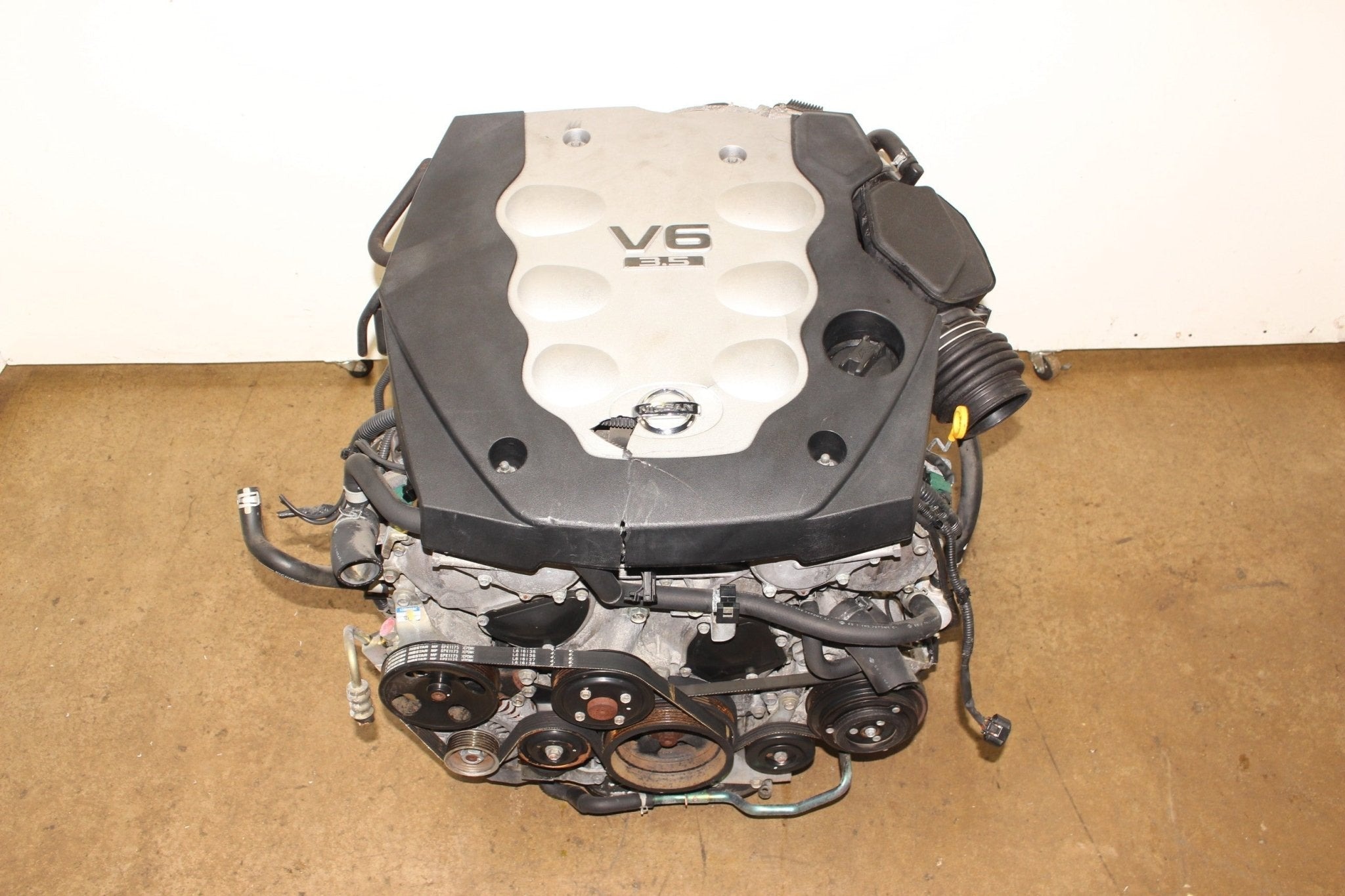
2. Nissan 3.5L VQ35DE (Early High Feature Applications)
The VQ35DE is widely respected for its smooth power delivery and long production life, but certain high feature applications revealed that its charging systems were sometimes stretched when paired with technology heavy trims.
This engine powered a wide variety of vehicles ranging from family sedans to early luxury crossovers. As Nissan added more premium features such as navigation systems, Bose audio setups, memory seats, and advanced climate systems, electrical demand increased while some charging components remained similar to earlier configurations.
One situation where limitations sometimes appeared was during heavy nighttime driving with multiple electrical features active. Headlights, cabin electronics, and climate blowers operating together could place sustained demand on the system. While not causing immediate failure, this could accelerate alternator wear compared to simpler configurations.
Another interesting observation comes from enthusiast communities that added aftermarket audio systems. Vehicles with large amplifier installations often required alternator upgrades, suggesting that the stock systems were designed with limited expansion margin.
This engine is discussed here because it demonstrates how even highly respected engines can face challenges unrelated to mechanical design. Electrical engineering decisions often receive less attention, yet they can significantly influence ownership experience.
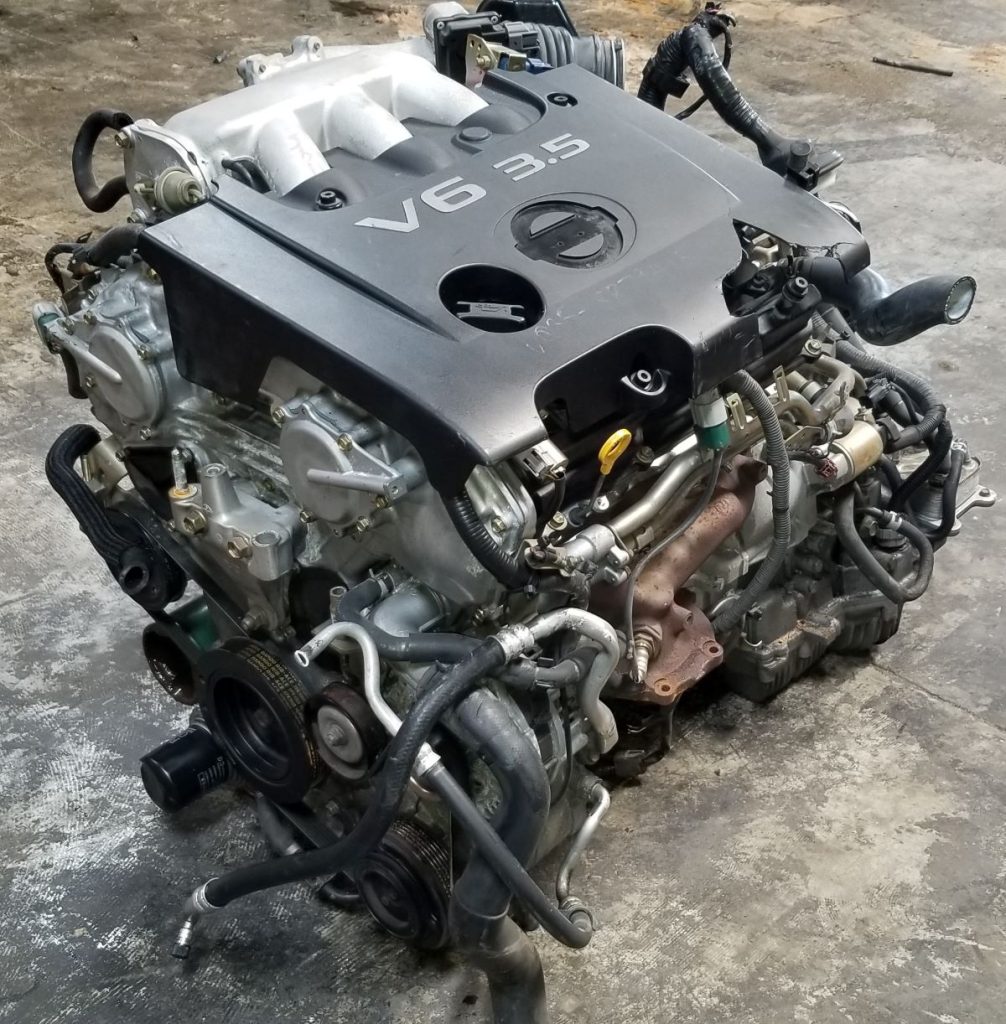
Looking at this engine provides a reminder that reliability is multidimensional. Mechanical strength may define an engine’s reputation, but electrical support often determines how well it adapts to evolving vehicle technology.
3. Hyundai 2.0L Turbo GDI (Early Sonata and Santa Fe Turbo Models)
When Hyundai introduced the 2.0L turbocharged GDI engine, the focus was clearly on delivering strong performance from a small displacement package. It succeeded in providing impressive acceleration and competitive fuel economy, helping Hyundai establish credibility in the turbocharged four cylinder segment.
However, as technology content increased in the vehicles using this engine, some electrical system limitations began to surface in real ownership situations.
Unlike heavy duty platforms that plan for accessory expansion, many mid size sedans and crossovers are engineered around expected average usage.
In the case of early applications of this engine, the alternator capacity was generally adequate for factory equipment but left little reserve for unexpected electrical growth or long term component aging.
A different way to understand this situation is by looking at how modern vehicles distribute electrical demand. Instead of a few large loads, newer vehicles operate dozens of smaller modules simultaneously.
Engine control modules, transmission controllers, radar sensors, infotainment processors, and driver assistance features all operate continuously. Even if each draws minimal power, the cumulative demand can become significant.
Some technicians observed that as these vehicles aged, alternator performance degradation sometimes became noticeable sooner than expected, especially in vehicles used heavily in urban environments.
Stop and go driving naturally limits alternator efficiency compared to highway cruising, which can slowly expose charging systems designed with narrow operating margins.
There were also cases where owners installing additional electronics such as dash cameras, ambient lighting kits, or sound upgrades found that battery health became more sensitive to maintenance intervals. This does not indicate failure in design but rather shows how tightly balanced the system was from the beginning.
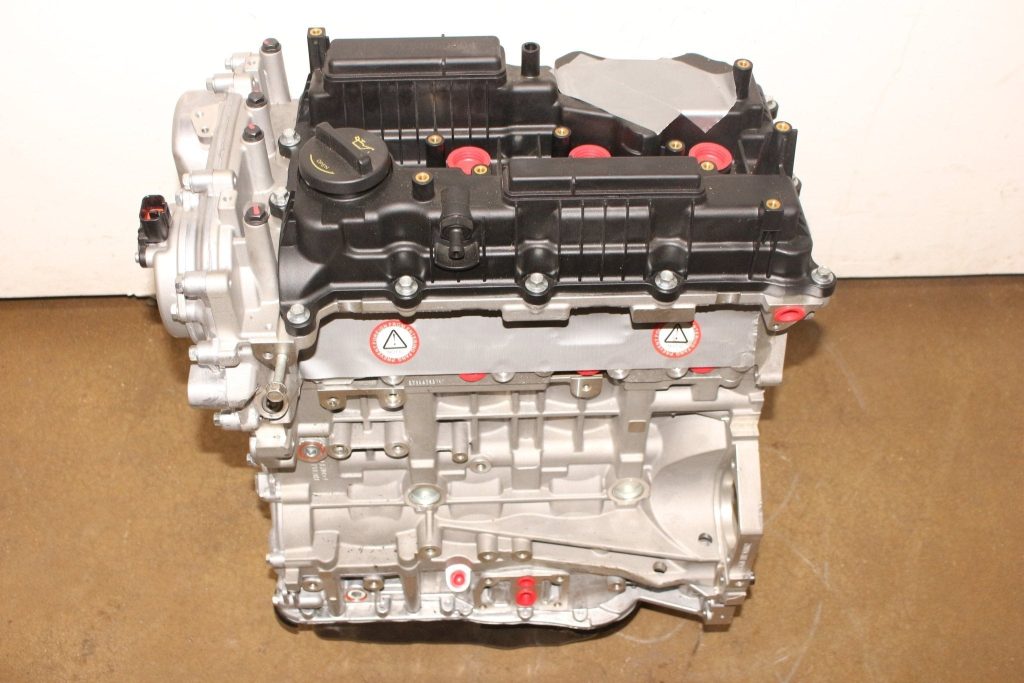
This engine is included because it shows how technological progress can quietly change what is expected from a charging system. What was considered sufficient just a few years earlier can begin to feel undersized as more electronics become standard equipment.
Understanding examples like this helps explain why newer generations of similar vehicles often receive upgraded alternators even when the engine itself remains largely unchanged.
4. BMW N20 2.0L Turbo (3 Series and X3 Early F Series)
The BMW N20 engine helped usher in the company’s transition toward smaller turbocharged engines replacing naturally aspirated inline six engines. From a performance standpoint it delivered strong torque and improved efficiency.
The challenge came from the environment in which it operated. BMW vehicles of this era were packed with sophisticated electronics, far beyond what most mainstream vehicles carried at the time.
This created an interesting imbalance. The engine itself was modern and efficient, but the sheer number of electrical systems surrounding it placed heavy expectations on the charging system.
BMW’s electrical architecture included adaptive lighting, multiple driving modes, active safety monitoring, complex infotainment interfaces, and power intensive comfort features.
Rather than presenting one obvious weakness, the issue appeared through patterns noticed by independent specialists. Vehicles heavily optioned with technology packages sometimes experienced battery registration warnings or faster battery aging, particularly when used for short distance commuting.
European luxury vehicles often assume longer average driving cycles than typical urban usage patterns seen in many markets. When used primarily for short trips with heavy accessory usage, the charging cycle sometimes struggled to fully recover battery charge between starts.
There is also a behavioral factor worth mentioning. Luxury vehicle owners tend to use more features simultaneously. Heated seats, navigation, premium sound systems, and climate control running together create sustained electrical draw. This does not create immediate problems but can increase wear on charging components over time.
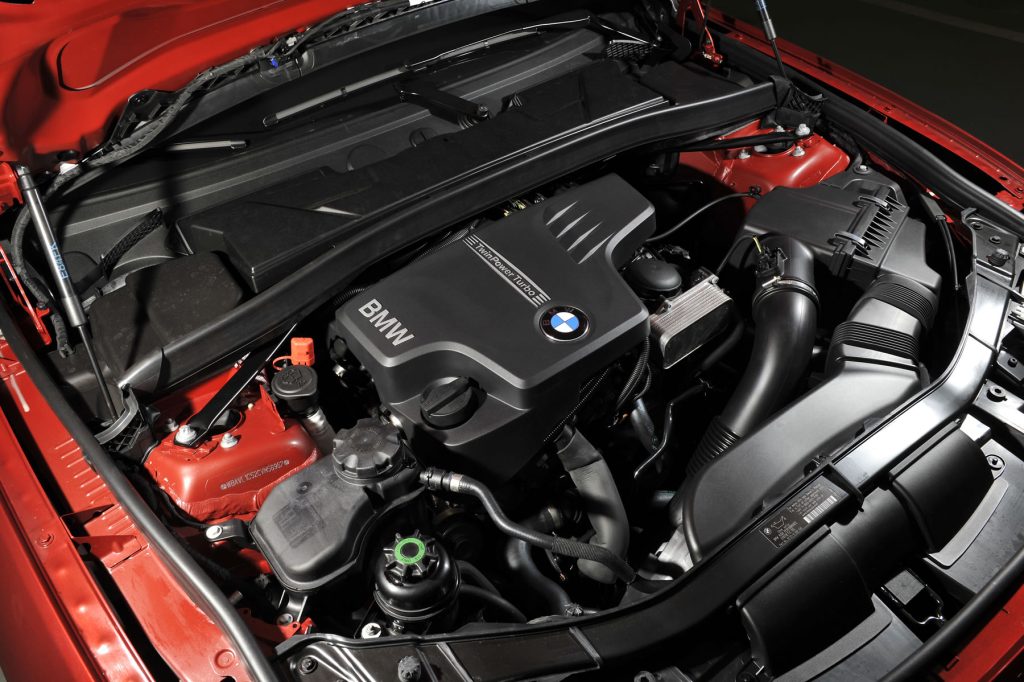
This engine makes the list because it demonstrates how electrical load planning must match not just the engine but the entire vehicle philosophy. When a vehicle is designed to deliver a technology rich experience, the charging system must anticipate that customers will actually use those features daily.
Studying cases like this helps illustrate why manufacturers now place greater emphasis on intelligent charging strategies and higher capacity electrical systems in newer luxury vehicles.
5. Ford 1.5L EcoBoost (Escape and Fusion Early Models)
Downsized turbo engines became extremely popular during the 2010s as manufacturers chased fuel efficiency regulations while still trying to maintain acceptable performance. Ford’s 1.5L EcoBoost became a key part of that strategy, offering respectable power from a compact package.
While the engine itself proved capable in daily driving, some early applications revealed that the supporting charging systems were designed with very tight efficiency priorities.
To understand why this matters, it helps to think about how small turbo engines are packaged. Engineers often focus on reducing parasitic losses to improve fuel economy. This can sometimes result in smaller charging components that consume less engine power but also operate closer to their limits when electrical demand rises.
Owners of early models occasionally described situations where electrical behavior seemed sensitive when multiple systems were active.
Running defrosters, heated seats, infotainment systems, and driver assistance features simultaneously during winter driving sometimes created conditions where the charging system had very little reserve capacity.
A different way to look at this example is through engineering trade offs. The alternator was not necessarily weak for the intended design purpose. It was simply optimized for efficiency rather than expansion. As vehicles gained more software updates and optional technology packages, the original electrical planning sometimes had less flexibility than ideal.
Service data also suggested that battery condition became especially important in these vehicles.
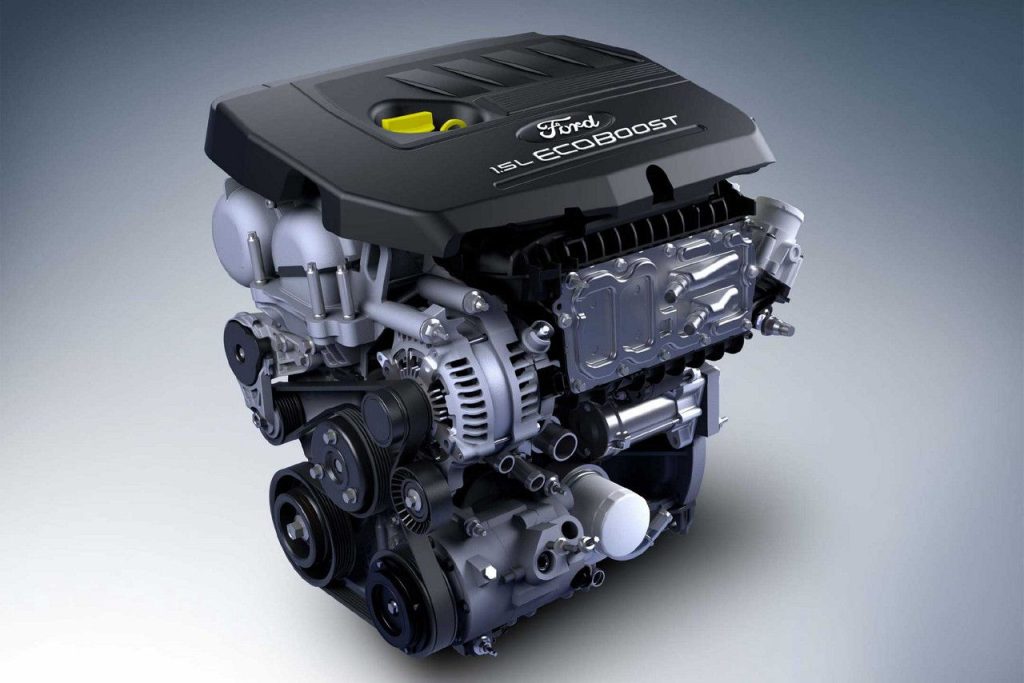
When a battery began to weaken even slightly, the reduced charging margin sometimes made symptoms appear sooner than they might in vehicles with larger alternators. This could include start stop system deactivation or charging warnings designed to protect system stability.
This engine deserves inclusion because it represents a broader industry shift toward efficiency focused design. As vehicles moved toward smaller engines, engineers had to carefully balance fuel consumption, component size, and electrical support capacity.
Discussing this example shows how modern vehicle design often involves compromise. Improving one area such as fuel economy can sometimes reduce flexibility in another area such as electrical expansion capacity.
Also Read: 5 Trucks With Indestructible Tailgate Hinges vs 5 That Fail Under Heavy Use