
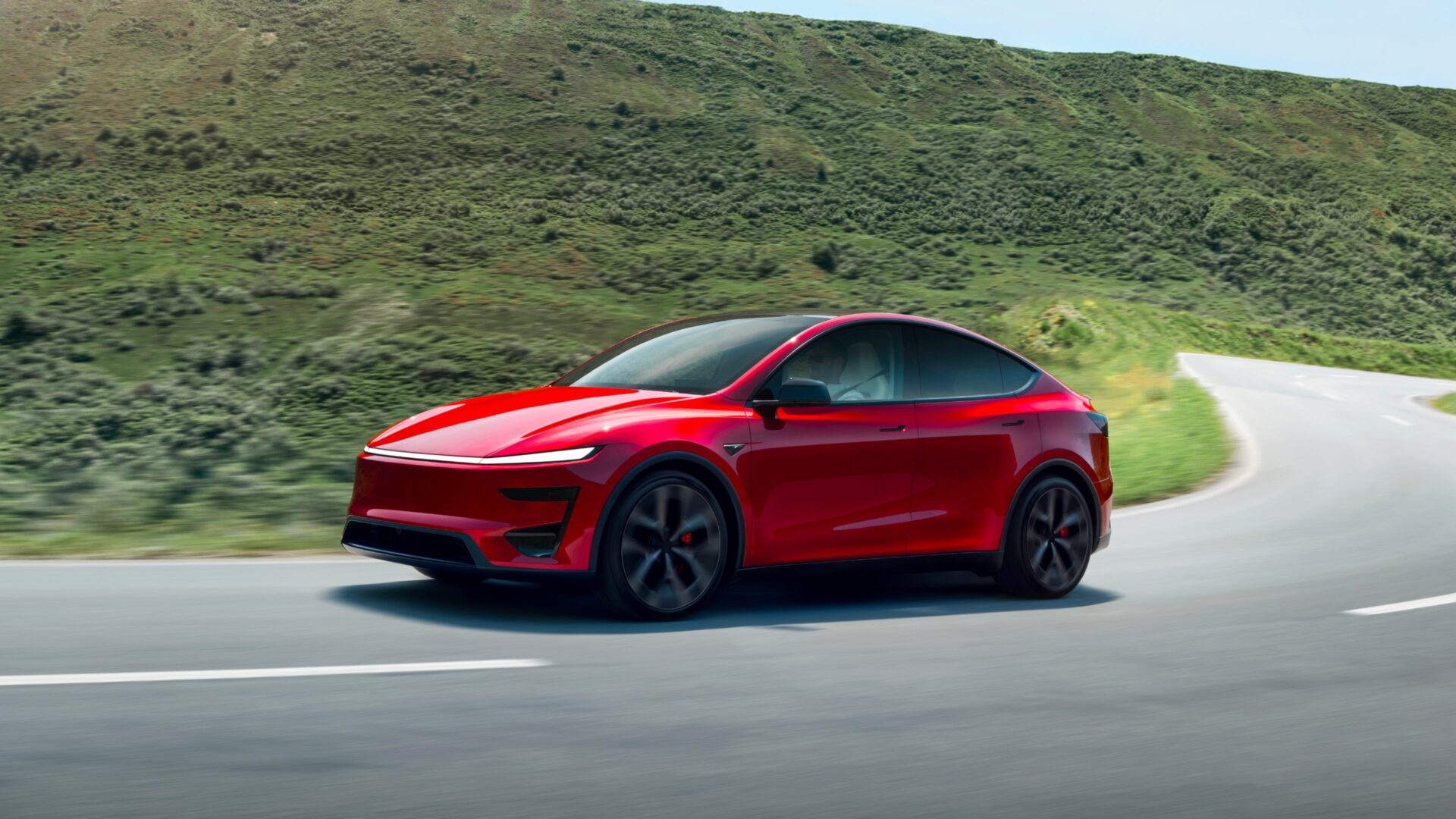
The modern automobile is no longer just a mechanical machine. It has become a digital platform on wheels, filled with software driven features, connected services, over the air updates, smartphone integration, navigation ecosystems, and advanced driver assistance technologies.
As vehicles become more dependent on software, the relationship between automakers and owners is also changing. One of the biggest debates emerging from this shift is how companies handle long term technology support.
Some automakers have chosen to build customer trust by offering long term or lifetime access to essential tech support features. This may include free over the air updates, permanent access to safety software, complimentary remote apps, or long term diagnostic support.
These brands often see technology support as part of their reliability promise. Their strategy focuses on customer retention and brand loyalty rather than short term software revenue.
Other companies have taken a different direction. Instead of bundling technology into the purchase price permanently, they are experimenting with subscription based features.
In some cases, capabilities already installed in the vehicle may require monthly or yearly payments to activate or continue using them. Examples include heated seats, remote start systems, navigation upgrades, or driver assistance features placed behind digital paywalls.
Supporters of subscriptions argue this allows buyers to customize features and avoid paying for things they may not use.
Critics believe this approach changes the ownership experience by turning vehicles into ongoing service products rather than one time purchases. This debate continues to grow as more manufacturers experiment with software based revenue models.
Understanding which companies prioritize long term customer technology support and which ones are moving toward feature subscriptions is becoming increasingly important for buyers. Technology convenience today can become a long term cost consideration tomorrow.
This comparison explores brands recognized for providing strong long term technology support and contrasts them with brands that have attracted attention for placing certain features behind ongoing payments.
The goal is to help readers understand how digital policies can affect ownership satisfaction just as much as traditional reliability.
5 Brands Offering Lifetime Tech Support
As vehicles become more software dependent, some manufacturers are recognizing that technology support can define customer satisfaction just as much as build quality.
These companies often believe that maintaining access to important digital features strengthens brand trust and increases the likelihood that buyers will remain loyal when purchasing future vehicles.
Long term tech support may appear in different forms. Some brands offer free software updates that improve performance or fix bugs long after purchase.
Others provide permanent access to safety systems without subscription requirements. Some companies maintain strong dealer and remote diagnostic networks that help owners keep their vehicles technologically current without added costs.
Another important benefit of this approach is resale value stability. Vehicles that retain full feature access without subscription transfer complications often maintain stronger used market appeal. Buyers generally prefer knowing they will not inherit hidden costs simply to use equipment already installed.
The following brands were chosen because they have built reputations for offering strong post purchase technology support or minimizing feature restrictions. While policies can change over time, these examples represent companies that have often prioritized long term usability over aggressive subscription monetization.
1. Toyota (Toyota Camry)
Toyota has built its reputation primarily on mechanical reliability, but its approach to technology support also deserves attention.
The company generally focuses on ensuring that core vehicle functions remain usable without forcing owners into complicated digital payment structures. This philosophy reflects Toyota’s traditional emphasis on long term ownership satisfaction.
A practical example can be seen in how Toyota structures its safety technology. Many Toyota Safety Sense driver assistance features remain active without requiring ongoing subscription payments.
Systems such as collision avoidance assistance and lane support are typically treated as permanent vehicle capabilities rather than optional software unlocks.
Toyota also tends to focus on stability rather than constant feature reshuffling. Instead of frequently changing what is included or excluded, the company usually maintains predictable feature availability. This consistency is something many buyers appreciate because it reduces uncertainty about future costs.
Another factor that supports Toyota’s inclusion here is how it handles durability of technology. The brand often designs systems to remain functional without requiring frequent updates just to maintain usability. This reduces dependency on constant manufacturer interaction.
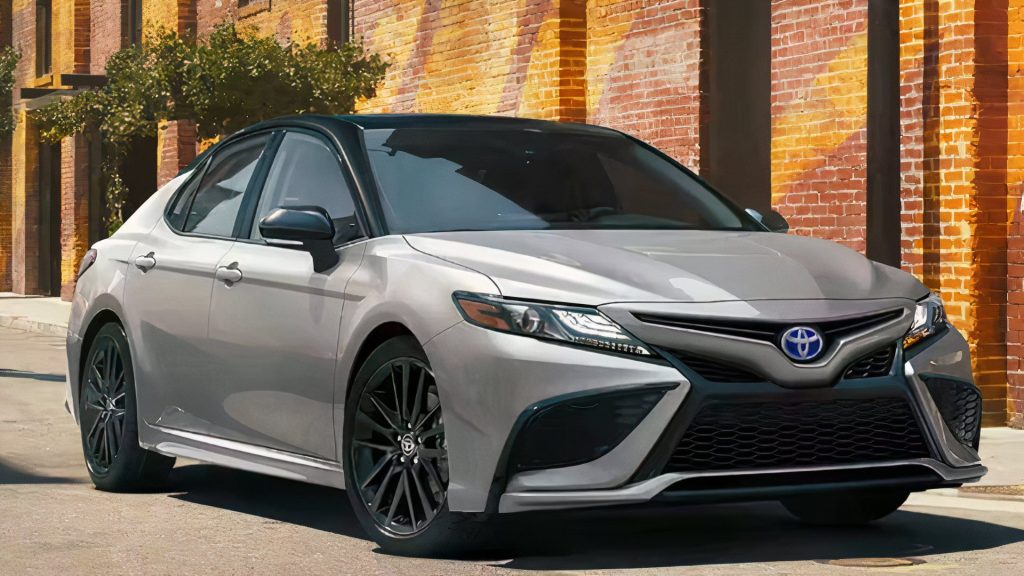
Highlighting Toyota here is important because it demonstrates how a conservative approach to technology can benefit ownership experience. By avoiding aggressive monetization strategies, the company reinforces its long standing reputation for dependability not only in mechanical engineering but also in how it treats digital ownership.
2. Honda (Honda Accord)
Honda represents a slightly different version of long term technology support. Rather than focusing purely on minimizing subscriptions, Honda has historically emphasized making its technology simple, accessible, and functional without complicated activation processes. This philosophy reflects the company’s engineering driven culture.
Many Honda vehicles provide permanent access to core safety systems such as Honda Sensing without requiring subscription renewal. This reinforces the idea that safety should remain part of the vehicle rather than a service that expires.
Honda also tends to emphasize user friendly infotainment systems that do not rely heavily on proprietary ecosystems. Strong smartphone integration helps reduce dependency on paid navigation services because owners can rely on their mobile devices instead.
Another interesting aspect of Honda’s strategy is how rarely the company experiments with controversial feature locking strategies. While digital services may exist, Honda has generally avoided placing fundamental comfort features behind recurring payments.
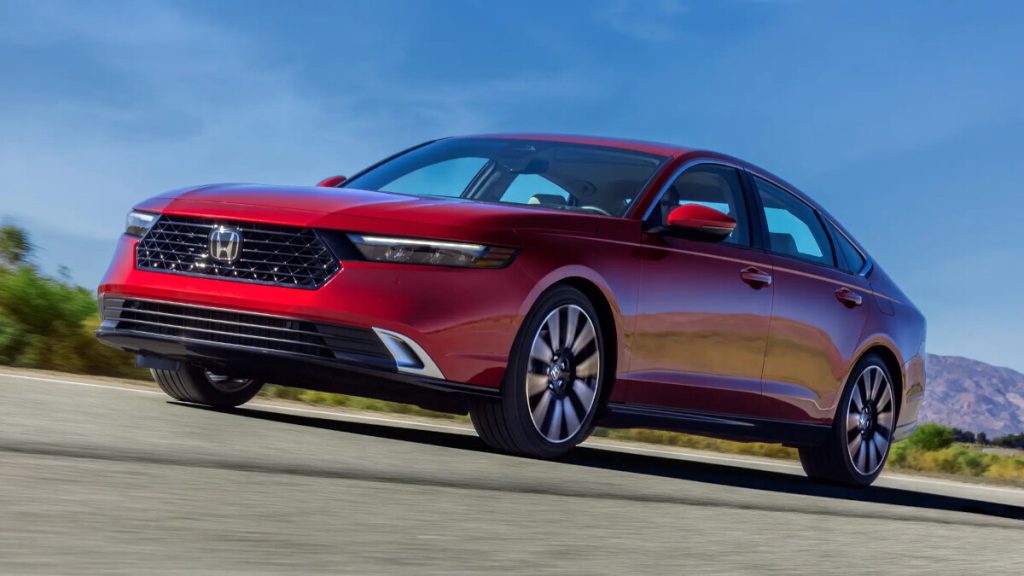
This brand is included because it represents a balanced approach. Instead of aggressively chasing software revenue, Honda continues to treat technology as part of the vehicle’s value proposition. That approach aligns with buyers who prefer clear ownership terms rather than evolving digital agreements.
3. Subaru (Subaru Outback)
Subaru approaches technology support from a perspective that is slightly different from many mainstream brands. Instead of trying to lead with flashy digital ecosystems, the company has traditionally focused on ensuring that the technology included in its vehicles remains dependable and usable throughout long ownership cycles.
This matches the expectations of Subaru buyers, many of whom keep their vehicles for extended periods and use them in remote or outdoor environments where reliability matters more than constant feature changes.
Looking at the Subaru Outback helps explain this philosophy. The vehicle is often purchased by drivers who travel long distances, explore rural areas, or depend on their vehicles in difficult weather conditions. Because of this, Subaru tends to treat safety technology and core vehicle software as essential functions rather than optional upgrades.
The EyeSight driver assistance suite is a good example. Features such as adaptive cruise assistance and collision mitigation are typically included as permanent parts of the vehicle rather than subscription services. This approach suggests Subaru views safety technology as part of its brand identity instead of a recurring revenue opportunity.
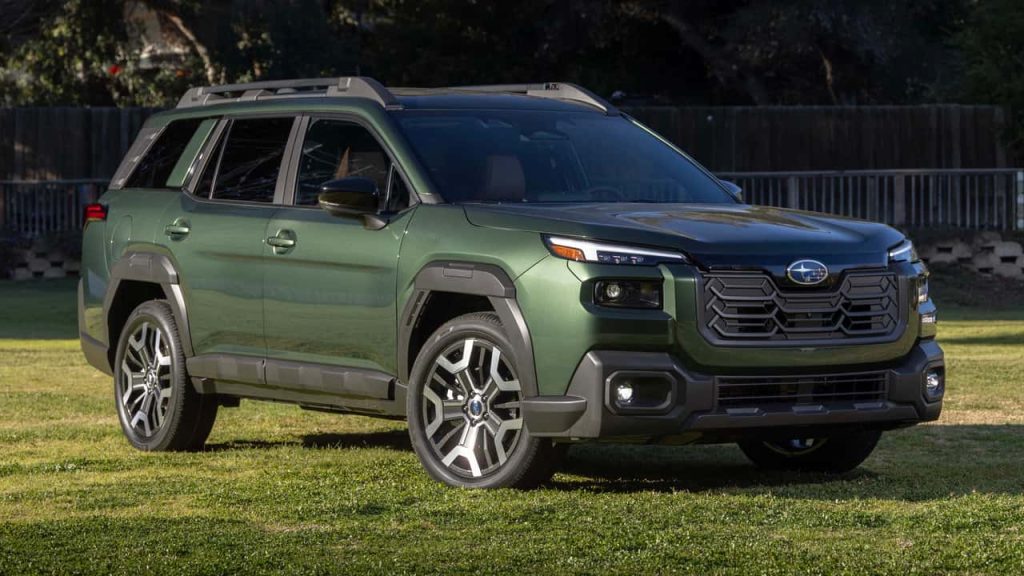
There is also a practical ownership advantage here. Subaru has generally avoided making basic remote features or system diagnostics dependent on constant subscription renewals after the initial trial periods. Even when connected services exist, the vehicle usually remains fully functional without continued payments.
Another angle worth considering is how Subaru keeps technology relatively straightforward. By not overloading vehicles with unnecessary digital complexity, the company reduces the chances of software obsolescence becoming a major ownership issue. Simpler systems often age more gracefully because they depend less on constant updates.
This brand deserves recognition because it shows how understanding customer lifestyle influences technology policy. Subaru buyers often value independence and long term usability, and the company’s digital decisions reflect that expectation.
Examining Subaru helps illustrate that lifetime technology value is not only about free updates. Sometimes it is about ensuring the vehicle remains complete and usable without requiring continuous digital permissions from the manufacturer.
4. Mazda (Mazda CX 5)
Mazda’s inclusion on this list comes from a philosophy that emphasizes driver experience rather than digital monetization. While many companies are trying to turn software into a recurring revenue stream, Mazda has generally focused on making sure the features included at purchase remain part of the vehicle without later restrictions.
The Mazda CX 5 provides a useful case study because it sits in one of the most competitive segments where technology pressure is intense.
Despite this, Mazda has largely avoided placing comfort features behind ongoing payments. Functions such as climate controls, seat adjustments, and most infotainment capabilities remain permanently accessible once purchased.
Mazda also tends to prioritize intuitive design rather than feature overload. The company’s infotainment strategy often relies on physical controls combined with digital interfaces, reducing reliance on complicated software ecosystems that might later become subscription based. This approach has earned praise from drivers who prefer straightforward operation.
A different reason Mazda stands out is its resistance to rapidly changing digital policies. While some brands frequently adjust which services require payment, Mazda has historically maintained stable feature availability. Predictability in ownership terms helps build trust, especially among buyers wary of unexpected future costs.
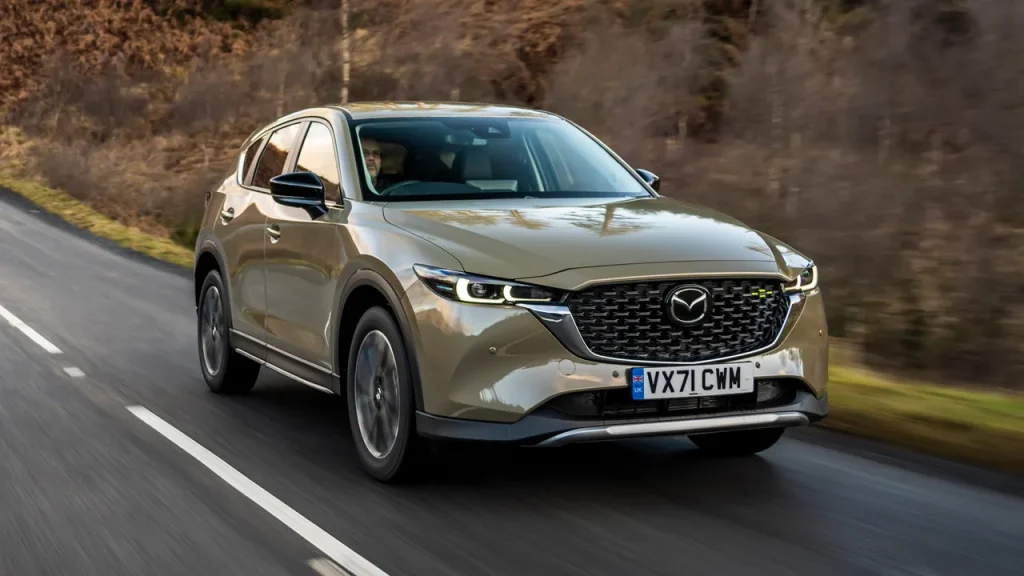
Another factor supporting Mazda’s reputation is how it integrates smartphone connectivity. By supporting widely used platforms instead of pushing proprietary paid systems, the company allows owners to use familiar apps without needing manufacturer controlled subscriptions.
Mazda appears here because it demonstrates that a company can remain competitive without aggressively monetizing software. By treating technology as part of the vehicle rather than an evolving service contract, Mazda reinforces a traditional ownership experience that many buyers still prefer.
This example shows that sometimes the best technology policy is simply respecting the idea that once a customer buys a feature, it should remain theirs to use without future negotiation.
5. Hyundai (Hyundai Sonata)
Hyundai has quietly positioned itself as one of the more customer friendly brands when it comes to technology access, particularly through its decision to extend connected services for long periods without cost on many newer models.
While the brand was once seen mainly as a value focused manufacturer, its digital ownership policies have become a major part of its modern appeal.
The Hyundai Sonata shows how the company is trying to change expectations around technology ownership.
Many model years have included extended access to connected services such as remote start through mobile apps, vehicle health reports, and emergency assistance without forcing customers into immediate subscription renewals. This strategy appears designed to remove anxiety about hidden ownership costs.
Hyundai also places strong emphasis on over the air update capability in newer vehicles. Instead of requiring dealer visits for every software improvement, some updates can be delivered remotely. This keeps the vehicle current without forcing additional service expenses just to maintain functionality.
An interesting way to view Hyundai’s strategy is through competition. As newer brands enter the market with strong digital ecosystems, Hyundai seems to recognize that long term software support can be a competitive advantage.
Offering extended digital access helps the brand appeal to younger buyers who expect technology to remain usable without recurring payments.
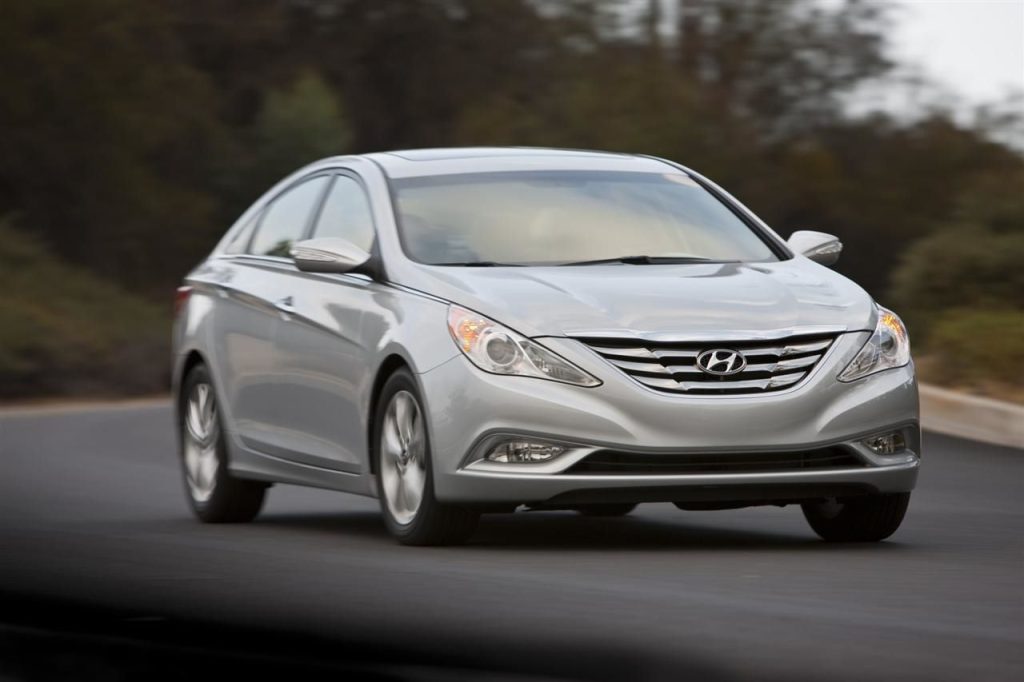
There is also a trust building factor involved. Buyers who feel they received full feature access at purchase are often more satisfied than those who feel features could later be restricted. Hyundai appears to be using this understanding to strengthen customer loyalty.
Another point worth noting is how Hyundai packages technology across trims. Instead of locking key usability features behind future payments, the company usually encourages buyers to select their desired technology level during purchase. This keeps the ownership agreement clear from the beginning.
Hyundai earns a place here because it reflects how modern automakers can compete by improving digital ownership fairness rather than simply increasing hardware specifications.
This example helps show that long term technology value is becoming just as important as warranty coverage when buyers evaluate which brands truly support their customers after the sale.
5 Brands That Lock Features Behind Paywalls
The automotive industry is entering a period where software may become as profitable as hardware. As vehicles gain more digital capability, some manufacturers have begun exploring subscription models similar to those used in smartphones and streaming platforms. This means certain features may require ongoing payments even after the vehicle is purchased.
The reasoning behind this strategy often involves development costs. Maintaining software platforms, cybersecurity updates, cloud connectivity, and mobile integration requires continuous investment. Some companies believe subscription revenue helps fund this ongoing development.
However, the controversy comes from how some features are structured. In certain cases, hardware is physically present in the vehicle but remains inactive unless the owner pays to unlock it digitally. This has raised questions about ownership rights and whether customers should pay repeatedly for equipment already installed.
Consumer reaction has been mixed. Some drivers appreciate optional subscription flexibility, especially for features they may only use occasionally. Others strongly oppose the idea, particularly when it involves comfort or convenience features traditionally included in the purchase price.
The brands listed below have drawn attention not necessarily because subscriptions exist, but because of how visible or debated their approaches have become. Some have already adjusted their strategies in response to customer feedback, showing how quickly this area continues to evolve.
Understanding these examples helps buyers evaluate not just the vehicle itself but the long term financial model attached to its technology.
1. BMW (BMW 3 Series)
BMW became one of the most discussed examples of subscription experimentation when it began testing feature activation models in certain markets. The BMW 3 Series became one of the most visible examples because of how widely recognized the model is globally.
One of the most talked about cases involved heated seat subscriptions in some regions. Although the hardware was installed in the vehicle, access could require a digital purchase. This decision generated significant discussion about whether customers should pay for something already physically present.
BMW’s broader strategy involves what the company calls feature on demand capability. The concept allows owners to activate certain technologies after purchase rather than committing during the original transaction. From a business perspective this creates flexibility. From a customer perspective it raises questions about long term cost.
Another aspect worth noting is that BMW has continued refining its approach after customer reactions. In some markets, the company has reconsidered how certain features are packaged. This shows how automakers are still experimenting to find the right balance between innovation and customer acceptance.
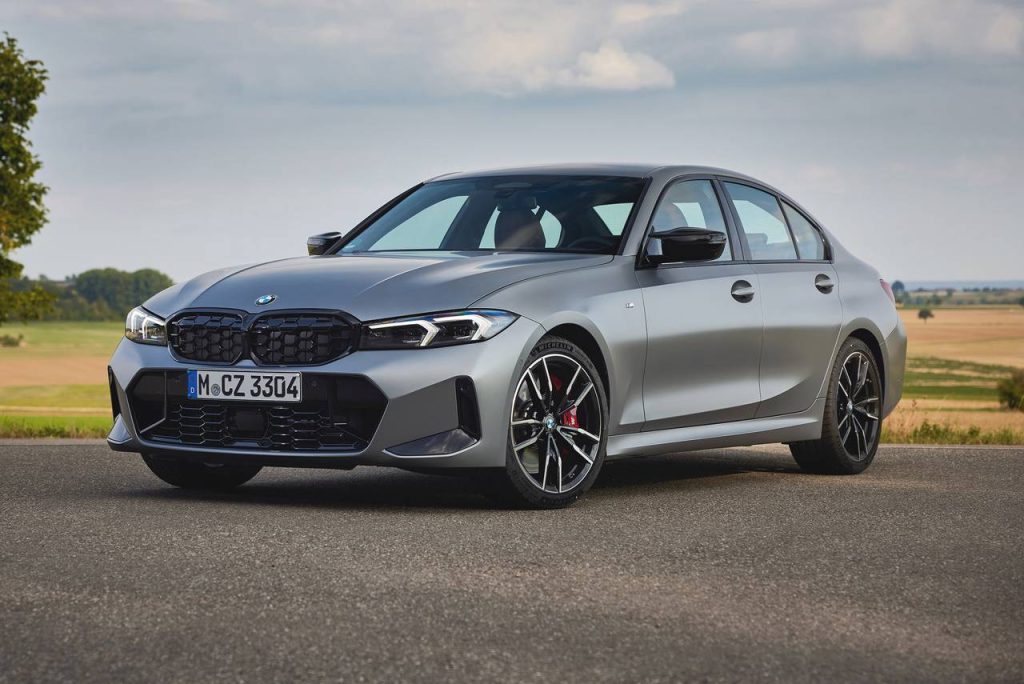
BMW appears here because it represents one of the most visible attempts to introduce software monetization into the traditional luxury ownership model.
Looking at BMW helps illustrate how the definition of ownership is evolving. Instead of a fixed feature set, some vehicles may increasingly function as platforms where capabilities change depending on digital agreements.
2. Mercedes Benz (Mercedes Benz C Class)
Mercedes Benz has also explored subscription services, particularly in performance and convenience technology. The C Class offers a useful example because it demonstrates how even traditional luxury brands are adapting to software driven revenue models.
One example involved performance related software upgrades that could be purchased to slightly increase output or unlock additional driving modes in certain electric models. This type of offering suggests that manufacturers see software as a way to extend revenue beyond the showroom sale.
Mercedes has also invested heavily in connected service ecosystems where navigation enhancements, remote access tools, and digital personalization may depend on subscription tiers after initial trial periods expire.
From a different perspective, Mercedes argues that these services provide continuous improvement rather than static ownership. The company positions subscriptions as a way to deliver evolving vehicle capability instead of a fixed specification.
Critics, however, often point out that luxury buyers already pay premium prices and may expect full feature access without ongoing costs. This tension reflects the broader industry debate about how far subscription strategies should go.

Mercedes Benz is included here because it shows how even brands built on prestige and engineering heritage are adapting to the economics of digital platforms.
Studying this example helps demonstrate that the subscription conversation is not limited to one manufacturer. It is part of a wider shift affecting how vehicles may be sold and supported in the future.
3. Tesla (Tesla Model 3)
Tesla approaches the automotive experience very differently from traditional manufacturers because it treats vehicles almost like consumer electronics. Software updates, digital feature unlocks, and app based functionality are central to the ownership experience.
While Tesla is often praised for providing free over the air updates that improve performance and add features, the company has also drawn attention for placing some capabilities behind software payments.
The Tesla Model 3 is a strong example because it shows both sides of this strategy. Owners often receive improvements such as interface updates or efficiency refinements at no cost. At the same time, certain desirable capabilities require additional payment even though the vehicle may already have the hardware installed.
One frequently discussed example involves software limited battery range in some models. Tesla has sold versions of vehicles where battery capacity exists physically but additional range can be unlocked through payment. This approach allows Tesla to create multiple price tiers without changing physical components.
Another example includes advanced driver assistance features such as enhanced Autopilot or full self driving capability packages.
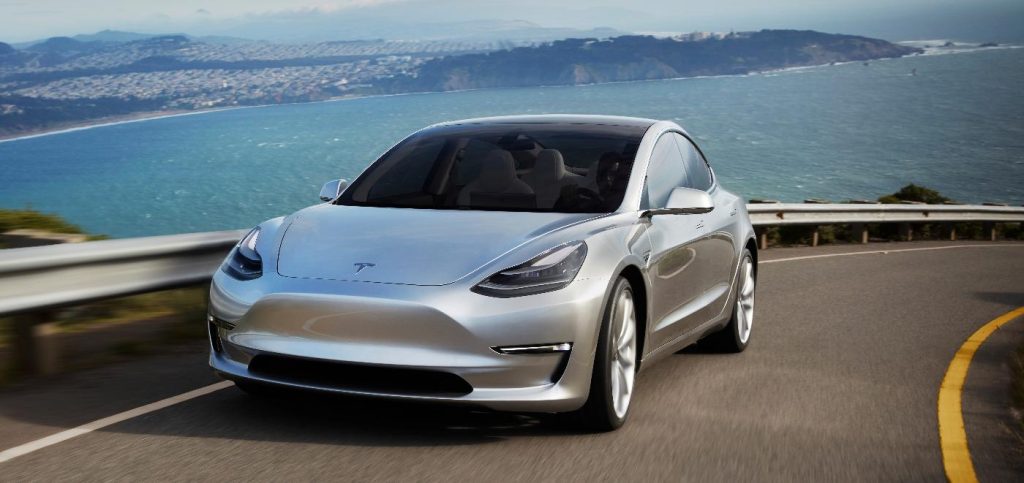
These features can be purchased upfront or sometimes added later through software transactions. While this gives buyers flexibility, it also introduces the idea that a vehicle’s capability may depend on continuing digital investment.
Tesla’s strategy is often defended because the company continues to improve vehicles long after purchase through software enhancements. Supporters argue this ongoing development justifies the digital purchase model. Critics respond that core capabilities should not feel like optional downloadable content.
Tesla is included because it represents the most software centric vision of the automotive future. The company shows how vehicles may increasingly operate like technology platforms where features can be added, upgraded, or restricted digitally.
Examining Tesla helps explain how the definition of a finished vehicle is changing. Instead of being a fixed product at the time of purchase, some vehicles may continue evolving based on software decisions and optional feature purchases.
4. Audi (Audi A4)
Audi has also explored feature subscriptions as part of its effort to build a digital services ecosystem similar to what is seen in the consumer technology sector. The Audi A4 provides a good reference point because it shows how a traditional premium sedan can become part of this new ownership model.
Audi has offered feature activation options in certain markets where technology such as adaptive lighting functions or advanced infotainment services could be expanded through digital purchases. This allows owners to add capabilities after purchase rather than committing to the highest trim level initially.
From a strategic standpoint, Audi positions this as convenience. Buyers can start with a lower price and later activate features if their needs change. This creates a flexible ownership path but also introduces the possibility of paying more over time than a fully equipped purchase might have required.
Connected services are another area where Audi has used subscription structures. Navigation enhancements, real time traffic information, and app based vehicle controls sometimes transition to paid services after introductory periods end.
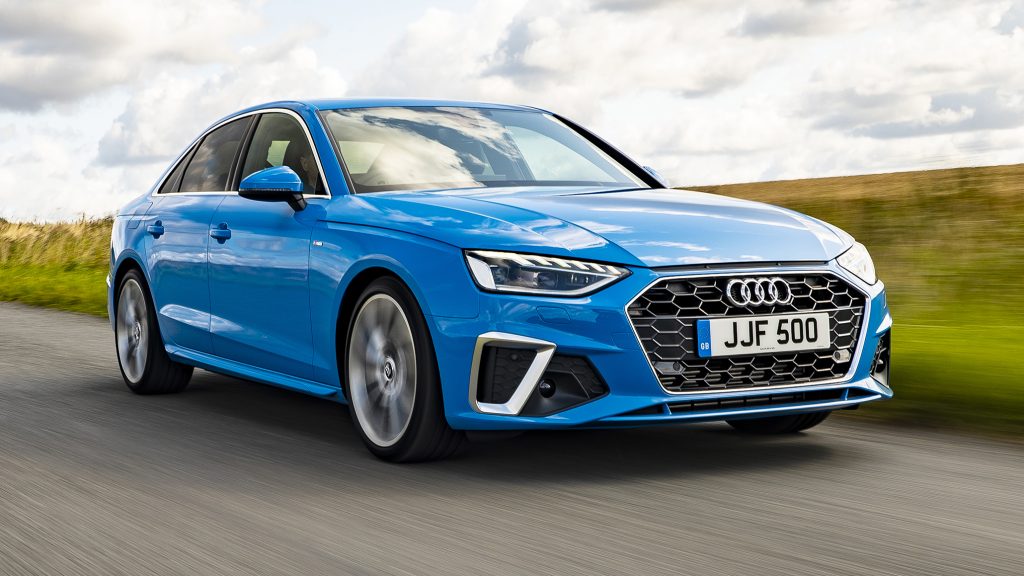
Audi’s presence on this list reflects how widespread the subscription experiment has become among premium manufacturers. It is no longer limited to one or two brands. Instead, it is becoming part of a larger industry movement toward digital service revenue.
This example shows how the premium market is becoming a testing ground for new business models. Luxury buyers often receive new technology first, which also means they experience early versions of digital ownership strategies.
Understanding Audi’s approach helps show that automotive ownership may increasingly involve evaluating not just the purchase price but the long term software access policies attached to the vehicle.
5. Chevrolet (Chevrolet Silverado)
General Motors has increasingly explored subscription driven digital services across several of its brands, and the Chevrolet Silverado offers a clear example of how this strategy appears in mainstream vehicles.
Unlike luxury brands where buyers may expect experimental technology models, the Silverado demonstrates how subscription features are now entering high volume segments such as pickup trucks.
One of the most widely discussed elements of GM’s digital strategy is the expansion of connected services tied to its vehicle platform.
Features like enhanced navigation, certain remote vehicle controls, and data based connectivity functions may require ongoing service plans after initial trial periods expire.
While the hardware for these capabilities exists within the truck, continued use can depend on maintaining active subscriptions.
Another area where this approach becomes visible is in the growing reliance on integrated infotainment ecosystems. GM has increasingly emphasized software environments that work closely with cloud services.
As these systems become more advanced, the company has created additional digital packages that extend functionality through subscription models.
Supporters of this approach argue that connected vehicles require continuous development and server infrastructure. From this perspective, subscription revenue helps fund updates, security maintenance, and long term digital support.
Critics respond that buyers already pay substantial amounts for vehicles and should not face ongoing costs simply to maintain full use of installed technology.
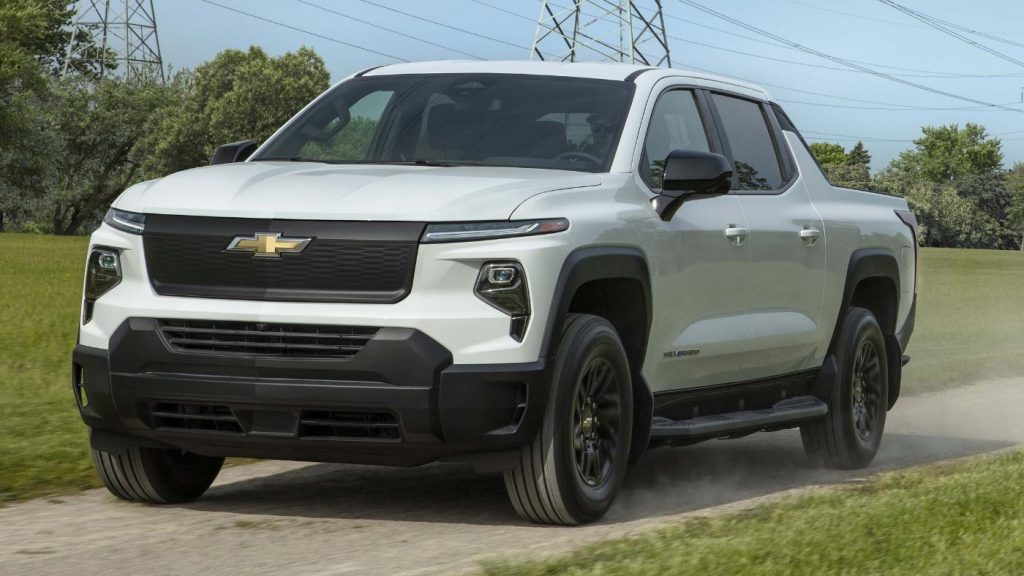
The Silverado illustrates how these policies affect everyday vehicle ownership rather than only premium luxury models. Truck buyers often keep their vehicles for many years, which means subscription based features can influence the long term cost of ownership in ways that traditional hardware options never did.
General Motors appears here because it shows how rapidly the industry is shifting toward software driven revenue models. What once seemed limited to luxury experimentation is gradually becoming part of the mainstream vehicle market.
Examining this example helps consumers recognize how important it is to evaluate digital policies before purchasing a vehicle. Understanding which features require ongoing payments can be just as important as evaluating fuel economy or towing capability.
Also Read: 5 Used EVs With Strong Battery Health vs 5 Known for Rapid Degradation
