When discussing truck reliability, most conversations focus on engines, transmissions, and towing ratings. However, one of the most important yet often overlooked components in four wheel drive trucks is the transfer case.
This critical part is responsible for distributing power between the front and rear axles, allowing trucks to function properly in off road environments, poor weather, and heavy duty work conditions.
A well designed transfer case can last hundreds of thousands of miles with minimal trouble if properly maintained. Trucks known for strong transfer case reliability usually benefit from robust internal gears, high quality seals, effective lubrication pathways, and housings designed to resist stress during torque transfer.
These trucks tend to build reputations among off road enthusiasts and long term owners because their four wheel drive systems remain dependable even after years of use.
On the other hand, some trucks have developed reputations for transfer case leaks. These issues usually involve worn seals, case design weaknesses, or heat related expansion that affects gasket durability.
While leaks often start small, they can lead to serious wear if fluid levels drop unnoticed. Transfer case damage can become expensive if fluid loss is ignored for long periods.
Another important factor is usage pattern. Trucks used for towing, snow driving, or off road activity naturally place more stress on drivetrain components. When transfer case designs are marginal or seals lack long term durability, these conditions can accelerate problems.
Understanding which trucks have reputations for strong transfer case durability and which ones are known for developing leak related complaints can help buyers make smarter decisions, especially when shopping in the used market.
This comparison looks at five trucks recognized for durable transfer case design and five that have developed reputations for fluid seepage concerns. The goal is not to criticize entire vehicles but to highlight how one important drivetrain component can influence long term ownership satisfaction.
Also Read: 5 Vehicles With Large Analog Gauges vs 5 With Glitchy Digital Clusters
5 Trucks With the Most Reliable Transfer Cases
Transfer case reliability often reflects how seriously a manufacturer takes real world truck use. Trucks built with strong transfer cases usually come from brands that expect their vehicles to be used in demanding environments such as construction sites, towing applications, and off road trails.
Because of this expectation, engineers often design these systems with durability margins rather than minimum specifications.
Another factor that contributes to strong transfer case reliability is simplicity. Some of the most durable systems avoid unnecessary electronic complexity and instead rely on proven mechanical engagement systems. Fewer electronic actuators often means fewer potential failure points.
Maintenance accessibility also plays a role. Trucks designed with easy fluid service access tend to survive longer because owners are more likely to perform routine maintenance. Good design often encourages proper care.
The following trucks were selected because they are frequently mentioned by owners, technicians, and off road communities as having dependable transfer cases that tolerate high mileage and heavy use without developing chronic failures.
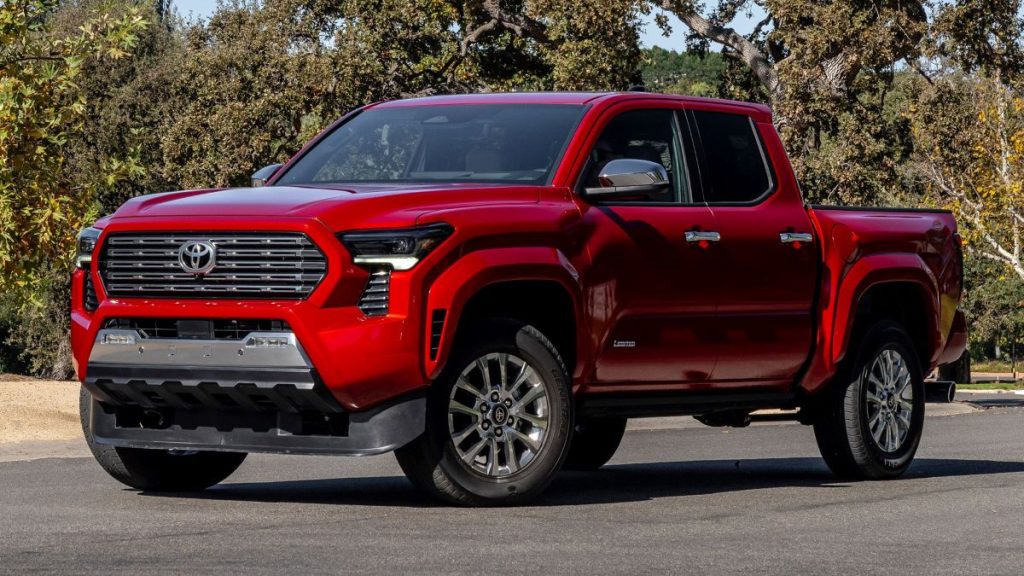
1. Toyota Tacoma (2010 to 2019)
The Toyota Tacoma has earned a reputation for drivetrain durability that extends beyond its engine and frame strength. One of the lesser discussed strengths is the reliability of its transfer case, especially in four wheel drive models used regularly for trail driving and outdoor work.
Toyota’s approach to the Tacoma’s four wheel drive system focuses on mechanical durability rather than complexity. The transfer case is designed with strong internal components and straightforward engagement mechanisms.
This simplicity often translates into fewer long term failures compared to systems that rely heavily on electronic switching motors.
Off road communities frequently highlight how rarely Tacomas develop serious transfer case issues even when subjected to rough terrain. Rock crawling and trail driving place significant stress on drivetrain components, yet these trucks often continue functioning without developing leaks or gear failures.
Another important strength is sealing quality. Toyota tends to use durable gasket materials and precise machining tolerances that help prevent long term seepage. While any mechanical system can eventually develop wear, the Tacoma rarely shows widespread complaints of chronic transfer case fluid leaks.
Service experience also supports this reputation. Many high mileage Tacomas still operate with original transfer case components, needing only routine fluid changes. This kind of longevity helps explain why these trucks maintain strong resale values.
This truck is included because it shows how designing for real world use rather than marketing specifications can produce long term drivetrain confidence. It demonstrates how durability engineering often matters more than technological complexity.
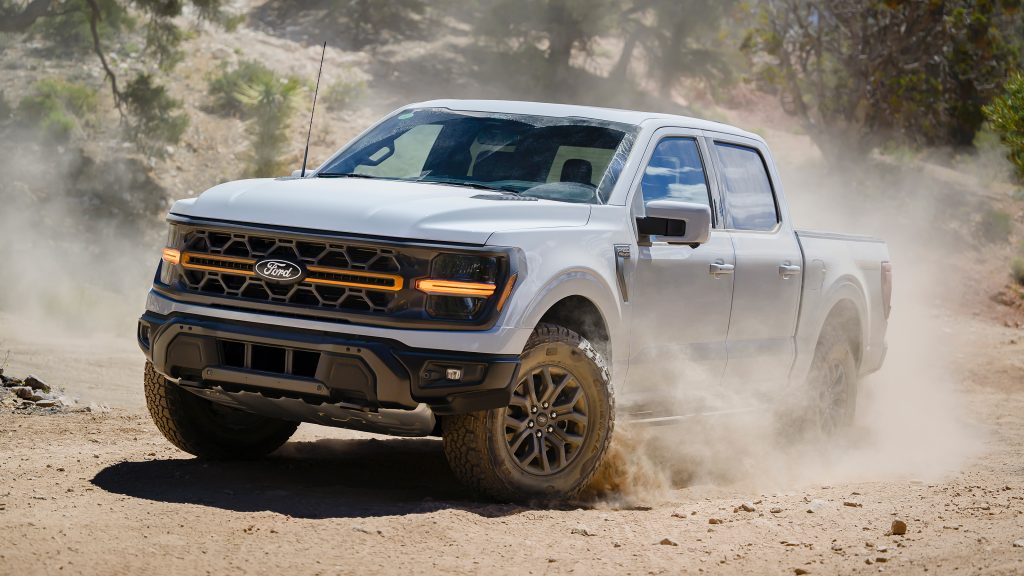
2. Ford F 150 (2011 to 2017)
The Ford F 150 represents a different type of durability story. As one of the most widely used trucks in North America, it serves in roles ranging from personal transportation to commercial fleet duty. Because of this wide usage range, its drivetrain components including the transfer case must handle diverse conditions.
Ford engineered the transfer case in these models to support both occasional four wheel drive use and heavy duty operation. This balance required durable internal gearing and reliable sealing because fleet trucks often accumulate mileage quickly under demanding conditions.
Another reason this truck appears here involves real world usage data. Fleet operators tend to track maintenance patterns closely, and transfer case failures have not been among the most common drivetrain complaints for this generation. This suggests the design performs well under sustained use.
A different strength comes from how the transfer case handles torque from modern turbocharged engines. With increasing engine output, drivetrain components must remain robust. The F 150’s transfer case design proved capable of handling these loads without widespread reliability concerns.
Owner reports also indicate that fluid leaks are not a common pattern when maintenance schedules are followed. Regular fluid changes and inspection tend to keep the system functioning well for long periods.
This truck is highlighted because it demonstrates how large scale production does not always mean compromised durability. Even in a high volume vehicle, careful engineering can produce a transfer case that holds up under a wide range of usage conditions.
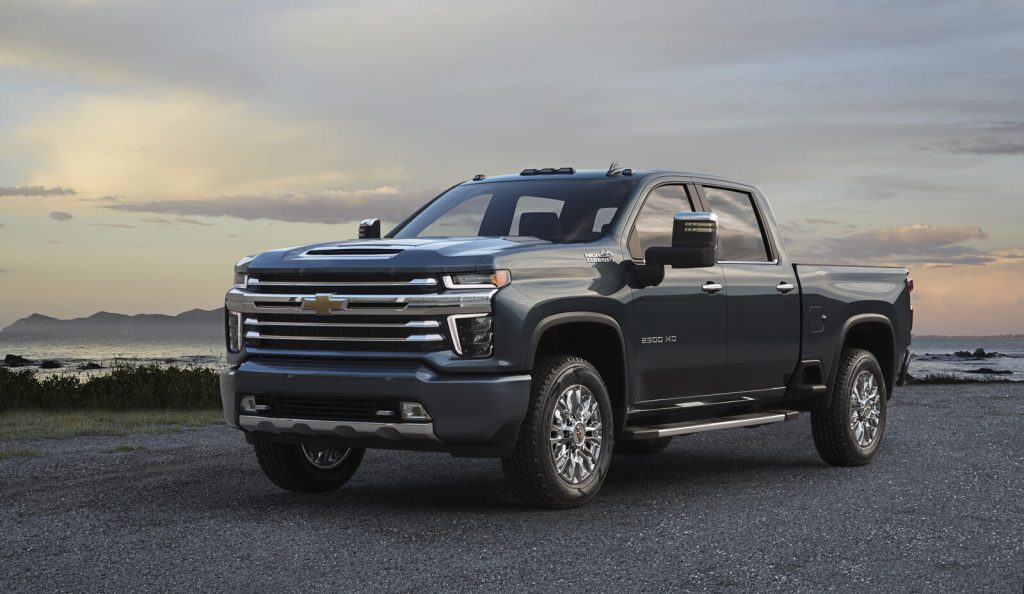
3. Chevrolet Silverado 2500HD (2012 to 2019)
Heavy duty trucks live very different lives compared to light duty pickups. The Chevrolet Silverado 2500HD was designed with this reality in mind, particularly when it comes to drivetrain strength. The transfer case used in this truck reflects a design priority focused on handling repeated heavy torque loads rather than occasional four wheel drive engagement.
A major reason this truck earns recognition is the strength of the transfer case housing and internal gearsets. Trucks in the 2500HD category are frequently used for towing large trailers, hauling equipment, and operating in demanding jobsite environments.
These conditions require drivetrain components that can tolerate constant stress without developing premature wear.
Instead of designing the transfer case as an occasional use component, GM engineered it to function as part of the truck’s daily workload capability. This difference in philosophy often separates heavy duty trucks from lighter models. When components are built expecting hard use, they tend to last longer even under moderate use.
Technicians often note another advantage involving lubrication design. The Silverado 2500HD transfer case typically maintains good fluid distribution even when the truck operates at steep angles, something that matters for construction work and uneven terrain use. Proper lubrication helps prevent internal heat buildup that can eventually damage seals.
Fleet experience also contributes to this truck’s inclusion. Many commercial users depend on these trucks for years, and transfer case failures are not typically among the most frequent complaints when routine maintenance is performed. Durability in commercial environments usually provides a strong indication of real world engineering strength.
Another detail that deserves attention is how well the sealing surfaces hold up over time. Transfer case leaks often begin when mating surfaces warp or seals degrade prematurely. The Silverado’s heavy duty construction helps reduce these risks.
This truck is included because it demonstrates how engineering for severe duty use can produce reliability that benefits even average owners. When components are built to survive worst case scenarios, they often provide trouble free operation in normal driving conditions.
4. Ram 2500 (2013 to 2018)
The Ram 2500 represents another example of a truck where drivetrain durability is expected to match engine capability. With powerful diesel and gasoline engine options available, the transfer case needed to be capable of handling substantial torque loads without becoming a weak point in the system.
One notable aspect of the Ram’s transfer case design is its focus on strength through simplicity. Rather than relying on complicated engagement strategies, the system uses durable mechanical principles that have proven effective in heavy duty applications.
This often reduces the number of potential failure points compared to more electronically complex designs.
Looking at owner experiences reveals something interesting. Many Ram 2500 trucks accumulate significant mileage while being used for towing or agricultural work.
Despite this, widespread transfer case failures are not commonly reported when proper service intervals are followed. This suggests the system operates with reasonable durability margins.
Another practical strength comes from how the truck manages drivetrain shock. Sudden torque application during towing or low speed off road driving can strain weaker systems. The Ram transfer case appears well prepared for this type of use, which contributes to its reputation for robustness.
Service accessibility also plays a role. Trucks designed for work often make it easier to inspect drivetrain components. When maintenance is straightforward, problems can be identified early before developing into major failures.
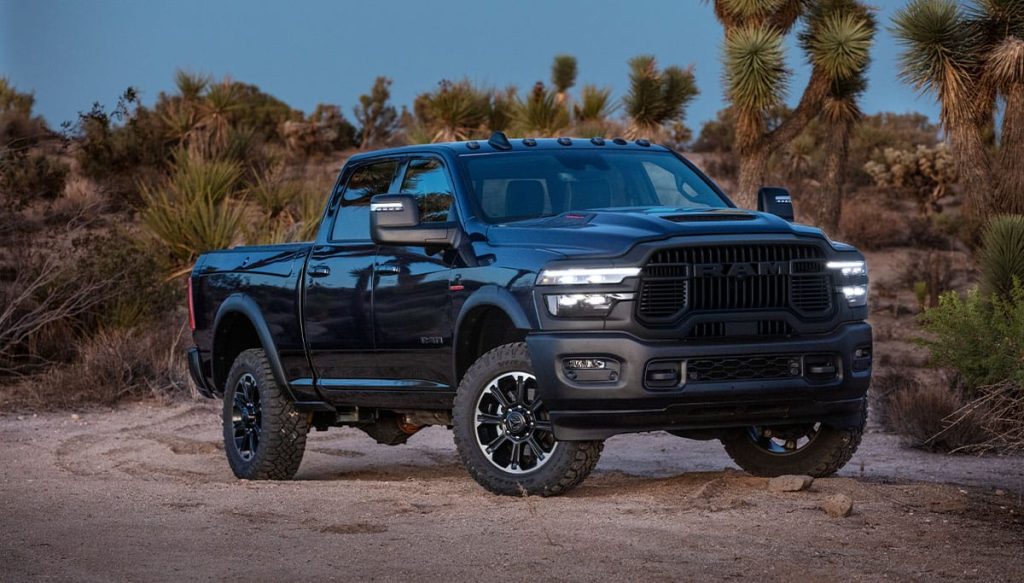
A further reason for including this truck involves how well it handles long term wear. Some transfer cases begin showing seal fatigue relatively early. The Ram’s system tends to resist this pattern when fluid changes are performed regularly and correct lubricants are used.
This truck deserves mention because it reflects how traditional heavy duty engineering values still matter. Strong materials, straightforward design, and realistic expectations of use often produce the kind of reliability that owners appreciate most after many years of service.
5. Nissan Titan (2011 to 2019)
The Nissan Titan does not always receive the same level of attention as some of the larger domestic truck competitors, but when discussing drivetrain durability, it has quietly built a respectable reputation.
One of the less frequently mentioned strengths of this truck is the long term dependability of its transfer case assembly, particularly in models equipped with traditional part time four wheel drive systems.
A useful way to understand the Titan’s durability comes from examining its engineering timeline. Nissan did not frequently redesign the drivetrain architecture during these years.
While this meant fewer dramatic technology changes, it also allowed the company to refine existing components rather than constantly replacing them. Stability in design often leads to improved durability because weaknesses can be corrected over time.
Another important strength comes from material selection. Transfer case housings in these trucks tend to be robust enough to resist flex under torque load. When housings maintain their structural integrity, seals are less likely to deform, which reduces the chances of long term fluid seepage.
Owner feedback often highlights the absence of chronic transfer case leak complaints compared to some competing trucks. While individual failures always exist in any vehicle population, the Titan has not developed a widespread reputation for drivetrain fluid loss in the way some competitors have.
From a service perspective, another advantage is the relative simplicity of the system. Straightforward mechanical engagement combined with durable shift mechanisms helps reduce the likelihood of actuator related problems that sometimes affect more electronically complex four wheel drive systems.
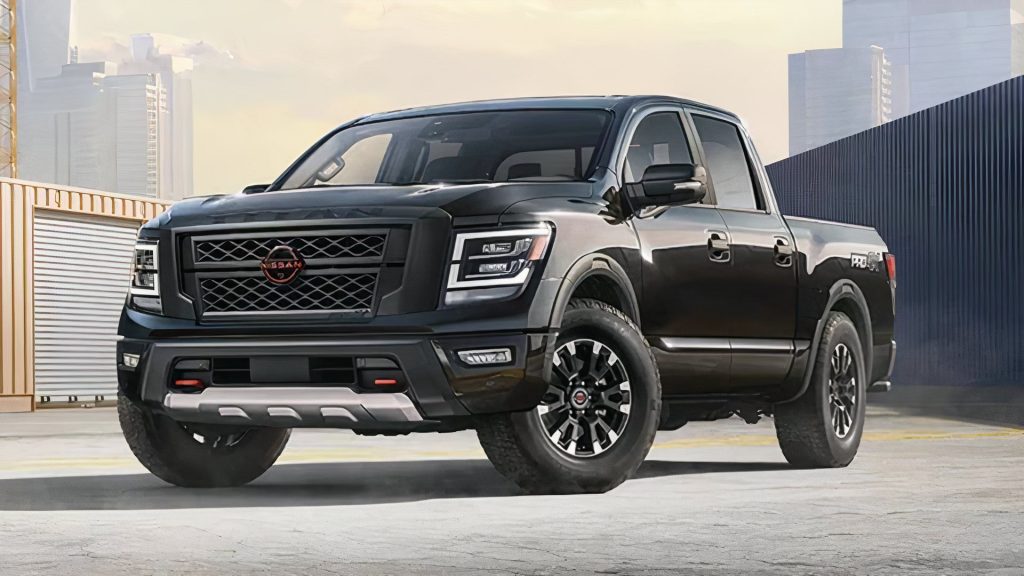
It is also worth noting how these trucks are used. Many Titans serve as daily drivers with occasional towing or recreational use rather than constant commercial duty. Even in these mixed roles, the transfer case generally remains dependable, suggesting the system has adequate strength reserves.
This truck is included because it demonstrates how consistency in engineering can quietly produce strong reliability. It shows that even without dominating sales charts, a truck can still earn respect through durable drivetrain design and predictable long term behavior.
5 Trucks Known for Frequent Transfer Case Leaks
Transfer case leaks do not usually begin as major failures. In many cases, they start as minor fluid seepage that may go unnoticed during routine use. Over time, however, even small leaks can reduce lubrication levels and increase internal wear if they are not addressed.
Some trucks develop leak related reputations because of seal design limitations, case ventilation issues, or long term heat exposure. When transfer cases repeatedly experience temperature changes during towing or off road use, seals can gradually lose flexibility. Once this happens, fluid may begin escaping through small gaps.
Another factor involves production scale. High volume trucks naturally produce more owner reports, which can sometimes reveal patterns in seal durability or gasket performance. This does not always mean poor engineering, but it can highlight areas where improvements may have been needed.
Environmental exposure can also play a role. Trucks used in regions with heavy road salt, mud, or water crossings may see faster seal wear. Some designs handle this exposure better than others depending on how well sealing surfaces are protected.
The following trucks are included because they have generated enough discussion among owners and technicians to be worth mentioning in a reliability comparison. Many remain excellent trucks overall, but their transfer cases sometimes require closer inspection for leaks compared to the most durable competitors.
1. Chevrolet Colorado (2015 to 2020)
The Chevrolet Colorado helped reintroduce the midsize truck segment to buyers who wanted capability without the size of a full size pickup. While the truck earned praise for ride quality and fuel efficiency, some long term ownership reports began to highlight minor transfer case leakage as the vehicles accumulated years of use.
These cases were not universal, but they appeared frequently enough to become a known inspection point among technicians.
One explanation sometimes discussed involves the transfer case output shaft seals. Over time, repeated heating and cooling cycles can slowly harden rubber seals.
When this happens, very small amounts of fluid may begin to appear around connection points. At first this usually appears as light moisture rather than visible dripping, which is why it can go unnoticed without regular inspection.
Another factor relates to how these trucks are used. Many Colorado owners purchase them for outdoor recreation. Trail driving, gravel roads, and uneven terrain naturally introduce more drivetrain articulation than highway use.
Even when used responsibly, these conditions can place additional stress on seals and gaskets compared to standard commuting conditions.
Service professionals often point out that these situations rarely become serious when caught early. Replacing a seal or tightening a connection is far less expensive than repairing internal wear caused by fluid loss. Preventive inspection therefore becomes the key factor rather than the design itself being fundamentally flawed.
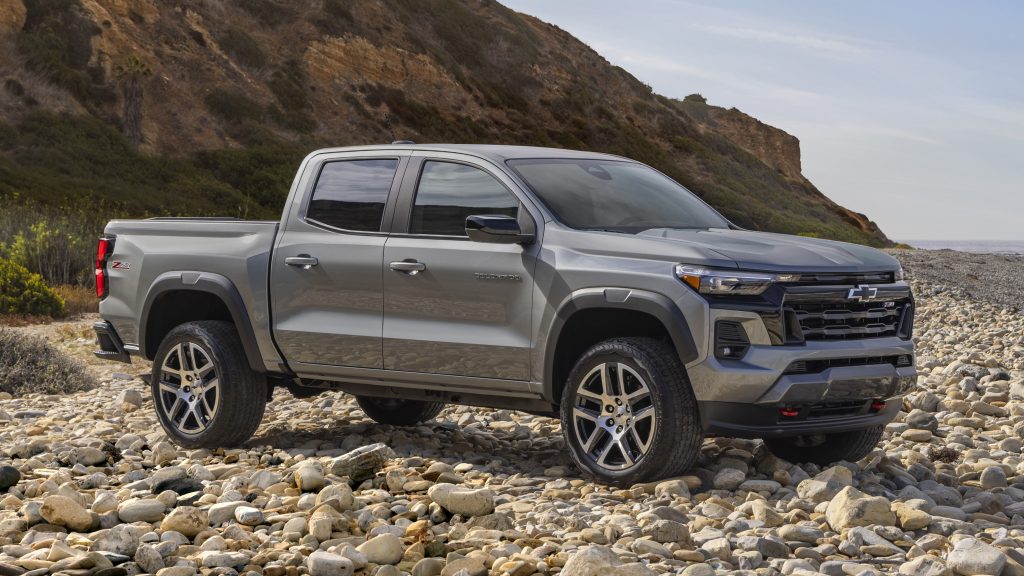
It is also worth mentioning that later production improvements addressed some early sealing complaints, showing how manufacturers often refine components after seeing real world wear patterns.
This truck is included because it highlights an important lesson for used truck buyers. Even capable modern trucks benefit from periodic drivetrain inspection. Understanding small patterns like this allows owners to maintain reliability rather than being surprised by avoidable wear.
2. Ford Explorer Sport Trac (2007 to 2010)
The Ford Explorer Sport Trac occupies a unique place in the truck market because it blends SUV comfort with pickup utility. While this design gave it versatility, some drivetrain components including the transfer case developed reputations for minor fluid seepage as these vehicles entered higher mileage ownership stages.
A key factor sometimes discussed involves how the vehicle was engineered from an SUV platform rather than a traditional truck chassis.
While perfectly capable for light truck duties, the drivetrain components occasionally faced workloads such as towing or cargo hauling that pushed them closer to their durability limits compared to purpose built pickups.
Some service reports mentioned seepage developing along transfer case mating surfaces rather than dramatic seal failures. This type of leak usually develops slowly as gasket materials age and lose elasticity. In most cases, the repair involved resealing rather than replacing major components, but diagnosis could still require time.
Environmental conditions also played a role. Vehicles exposed to road salt or long term moisture sometimes developed corrosion around fasteners or sealing edges. While this is not unique to this model, it contributed to the perception that transfer case inspection was especially important on these trucks.
Owners who performed regular underbody checks often avoided serious problems. Detecting small fluid traces early usually allowed inexpensive preventive repairs rather than waiting until fluid levels dropped significantly.
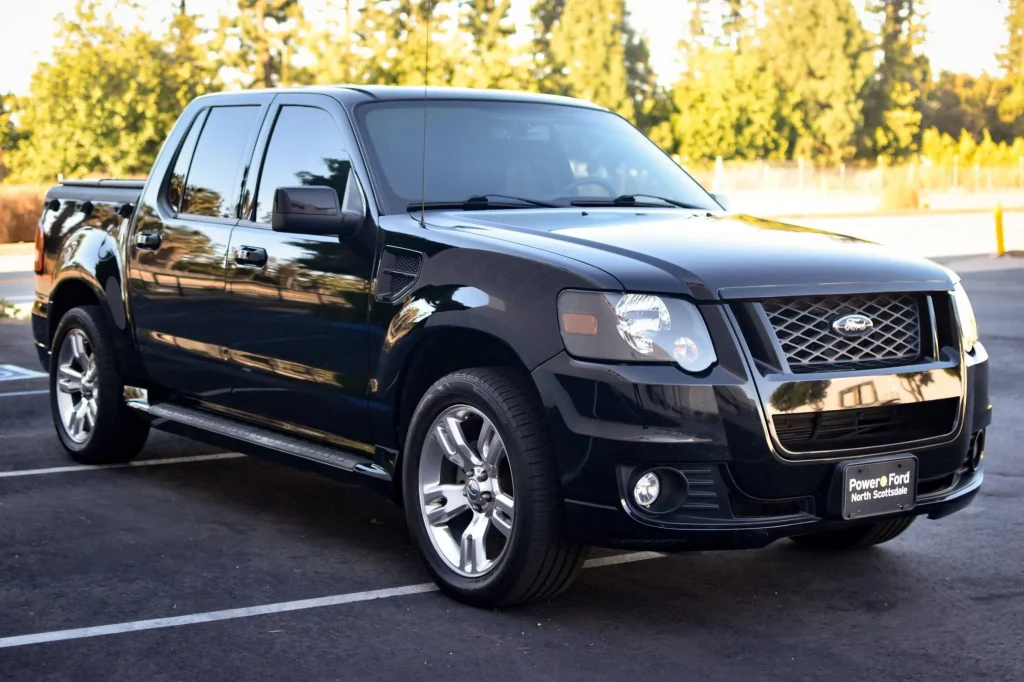
This vehicle appears in this discussion because it shows how design compromises made to achieve versatility can sometimes affect long term durability patterns. It also demonstrates why buyers should evaluate how a vehicle was used rather than judging reliability only by model reputation.
Understanding examples like this encourages more informed used truck purchases and reinforces the value of careful inspection before committing to ownership.
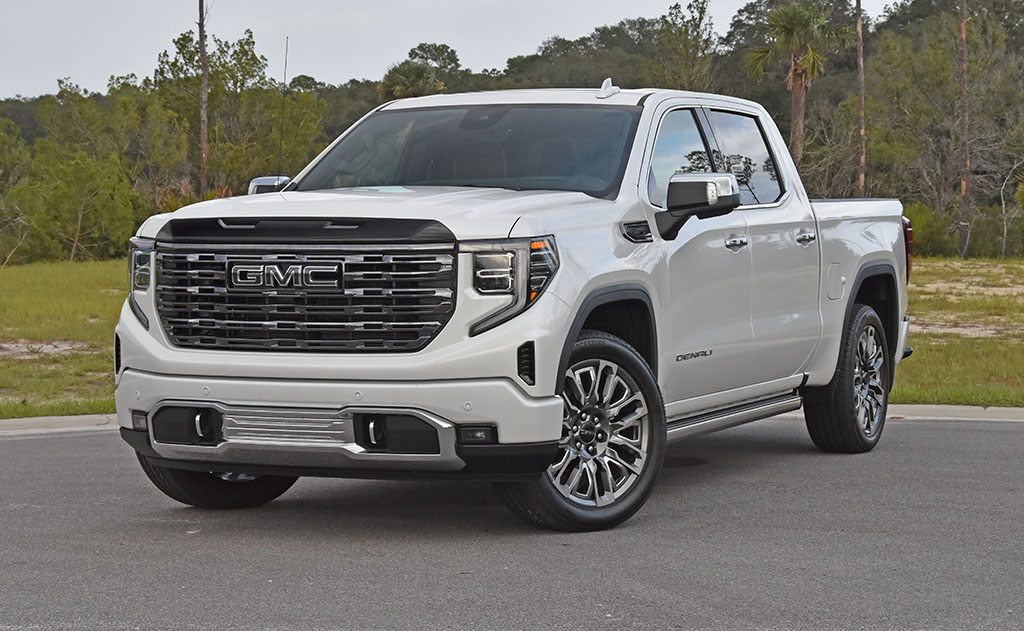
3. GMC Sierra 1500 (2014 to 2018)
The GMC Sierra 1500 shares much of its engineering foundation with the Chevrolet Silverado, but despite this shared platform, certain model years developed their own reputation regarding transfer case seepage concerns.
While the truck remains highly respected for comfort and capability, some long term owners and service technicians have pointed out that transfer case leaks occasionally appear as these trucks age.
A commonly discussed factor involves the transfer case pump housing design used in some GM trucks of this period. Over extended mileage, internal component movement could sometimes cause wear within the housing, which in certain cases contributed to slow fluid seepage.
This was not something every owner experienced, but it appeared frequently enough in technical discussions to become a known inspection point.
Another observation relates to how these trucks are frequently used. Many Sierra 1500 models serve as towing vehicles or daily work trucks.
Towing loads naturally increase drivetrain temperatures, and repeated thermal expansion can gradually affect seal integrity. Over time, this may allow small amounts of fluid to escape if seals begin losing flexibility.
Unlike catastrophic failures, these leaks usually develop slowly. Owners might first notice a faint fluid film around the case or a slight burning fluid smell after heavy use. When caught early, repairs often remain manageable and may involve updated parts or improved sealing components developed after early field experience.
Technicians often recommend checking transfer case fluid condition during routine service intervals. Preventive maintenance makes a major difference because proper fluid levels reduce internal stress and help prevent secondary wear that could worsen minor leaks.
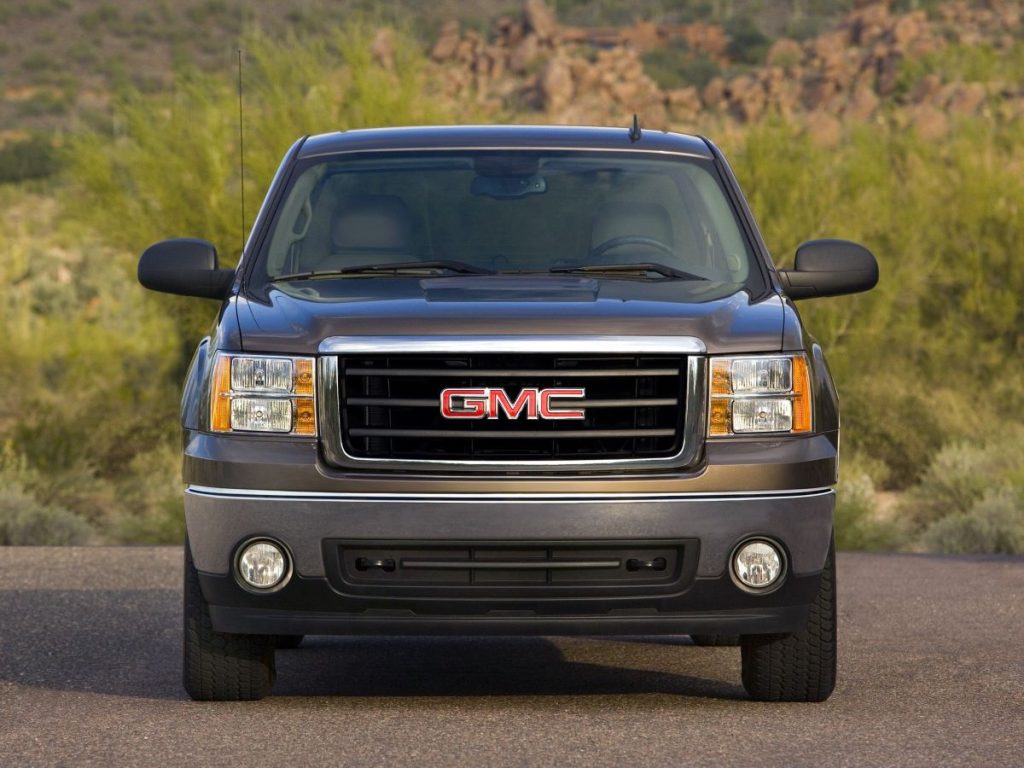
This truck is included because it illustrates how even well respected trucks can develop specific maintenance watch points. It reinforces the idea that reliability is not simply about whether problems exist, but about how predictable and manageable they are.
Understanding patterns like this allows buyers to approach ownership with awareness rather than concern, which is often the best way to ensure long term satisfaction.
4. Dodge Dakota (2005 to 2011)
The Dodge Dakota built a loyal following among buyers who wanted a truck that sat between compact and full size segments. Its strong engine options and solid towing ability made it appealing, but as these trucks aged, some examples developed transfer case sealing complaints that became familiar among independent repair shops.
Part of the explanation may involve how the Dakota was engineered during a period when manufacturers were balancing cost control with performance expectations. While the truck delivered good capability for its class, some sealing components did not always match the long term durability seen in the most robust full size trucks.
One issue sometimes observed involved output shaft seals developing minor leaks after extended use. As trucks accumulate years of vibration and drivetrain movement, seals naturally wear. In some Dakota models, this wear occasionally appeared earlier than expected compared to some competitors.
Another contributing factor may be usage patterns. Many Dakota trucks were used as affordable work vehicles and may not always have received consistent fluid service. Transfer cases depend heavily on fluid condition, and extended service intervals can accelerate seal deterioration.
There is also a design consideration worth mentioning. Some drivetrain components were packaged tightly, which could allow heat buildup during towing or heavy driving. Heat is one of the main factors that slowly affects gasket flexibility and long term sealing performance.
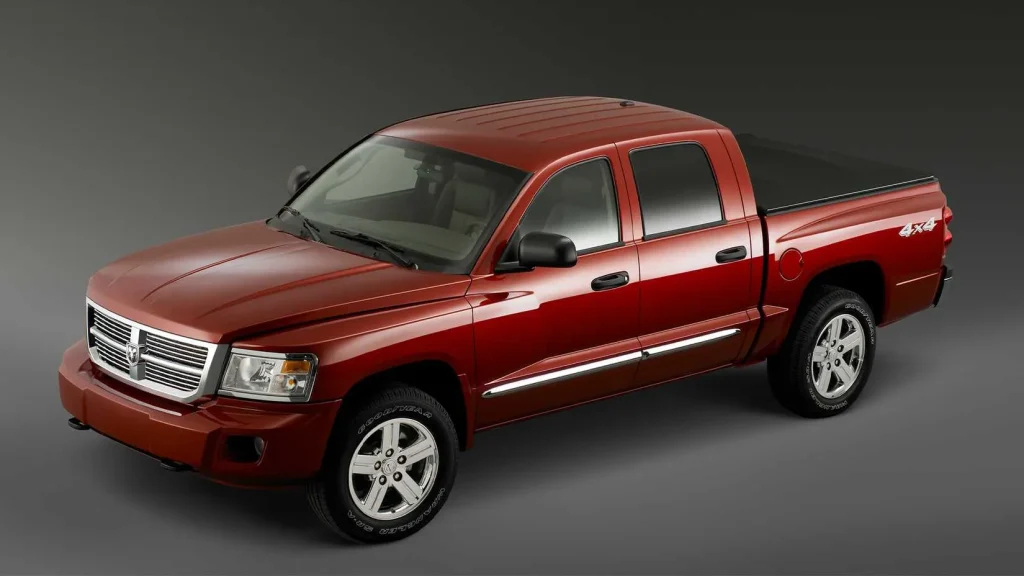
Despite these concerns, many Dakotas remain dependable trucks when properly maintained. Owners who monitored fluid levels and addressed early seepage often continued using their trucks without major drivetrain repairs.
This truck is included because it shows how small durability differences can influence long term maintenance needs. It also highlights how proper inspection habits can often compensate for known wear patterns.
5. Jeep Grand Cherokee (2011 to 2016)
The Jeep Grand Cherokee is widely respected for its off road capability and refined interior, but certain model years have developed a reputation for transfer case seepage concerns, particularly in vehicles equipped with advanced four wheel drive systems.
While the vehicle remains highly capable, the complexity of its drivetrain sometimes requires closer inspection compared to more basic truck designs.
One of the reasons this model appears in discussions about transfer case leaks involves the sophisticated four wheel drive systems Jeep offered during these years.
Systems designed to automatically distribute torque require additional seals, sensors, and electronic engagement components. More components naturally create more potential sealing points that can eventually develop wear.
Some owners have reported noticing small fluid traces near the transfer case after years of use, especially in vehicles regularly used for off road driving or in harsh winter climates. Dirt accumulation and repeated moisture exposure can slowly affect sealing surfaces if underbody cleaning is not part of regular maintenance.
Another factor worth mentioning involves how capable these vehicles are off pavement. When a drivetrain is regularly exposed to articulation and terrain variation, stress on seals and gaskets increases. This is true of nearly all off road vehicles, but it becomes more visible in systems with multiple engagement modes.
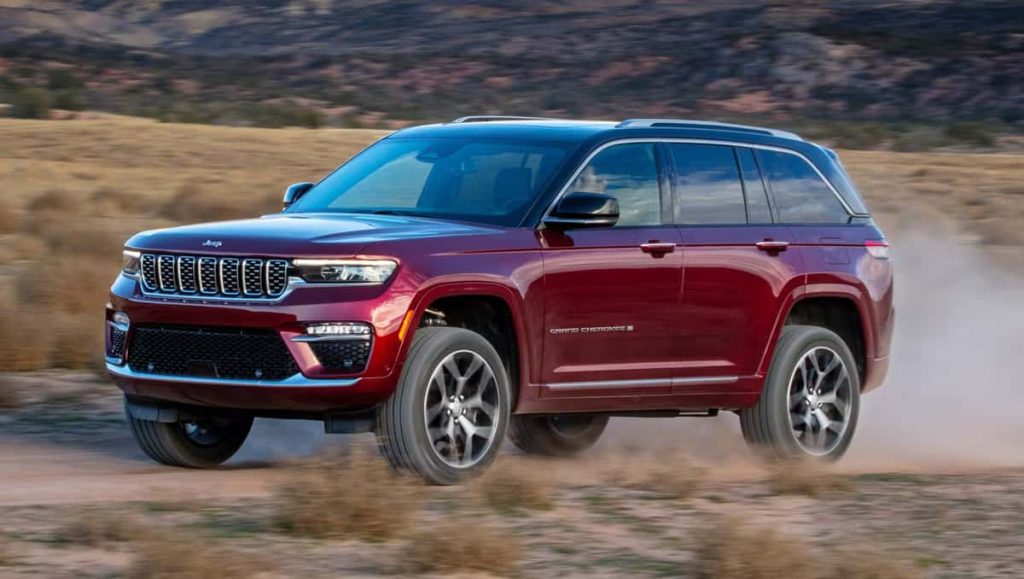
Service professionals often emphasize that early inspection makes a significant difference. In many cases, resealing minor leak points prevents more serious problems. Regular fluid checks are especially important because transfer cases rely completely on lubrication to protect internal chains and gears.
This vehicle is included because it shows how capability sometimes comes with additional maintenance awareness. Buyers interested in used Grand Cherokees often benefit from verifying transfer case condition during inspection rather than assuming all four wheel drive systems age the same way.
Understanding this example helps reinforce an important ownership lesson. Highly capable drivetrain systems can remain dependable when maintained carefully, but they often reward owners who pay closer attention to early signs of wear.
Also Read: 5 Used Luxury Wagons Worth the Risk vs 5 That Are Total Wallet Drains